


Professional Online Presence:
Separating the Signal from the Noise
#cll1213 webinar
Sue Beckingham
@suebecks
Sheffield Hallam University
Important but
not included is
• using social
media in
teaching
practice
• how to use
social media
tools
It is about using social media to
develop your personal learning
network and professional online
presence
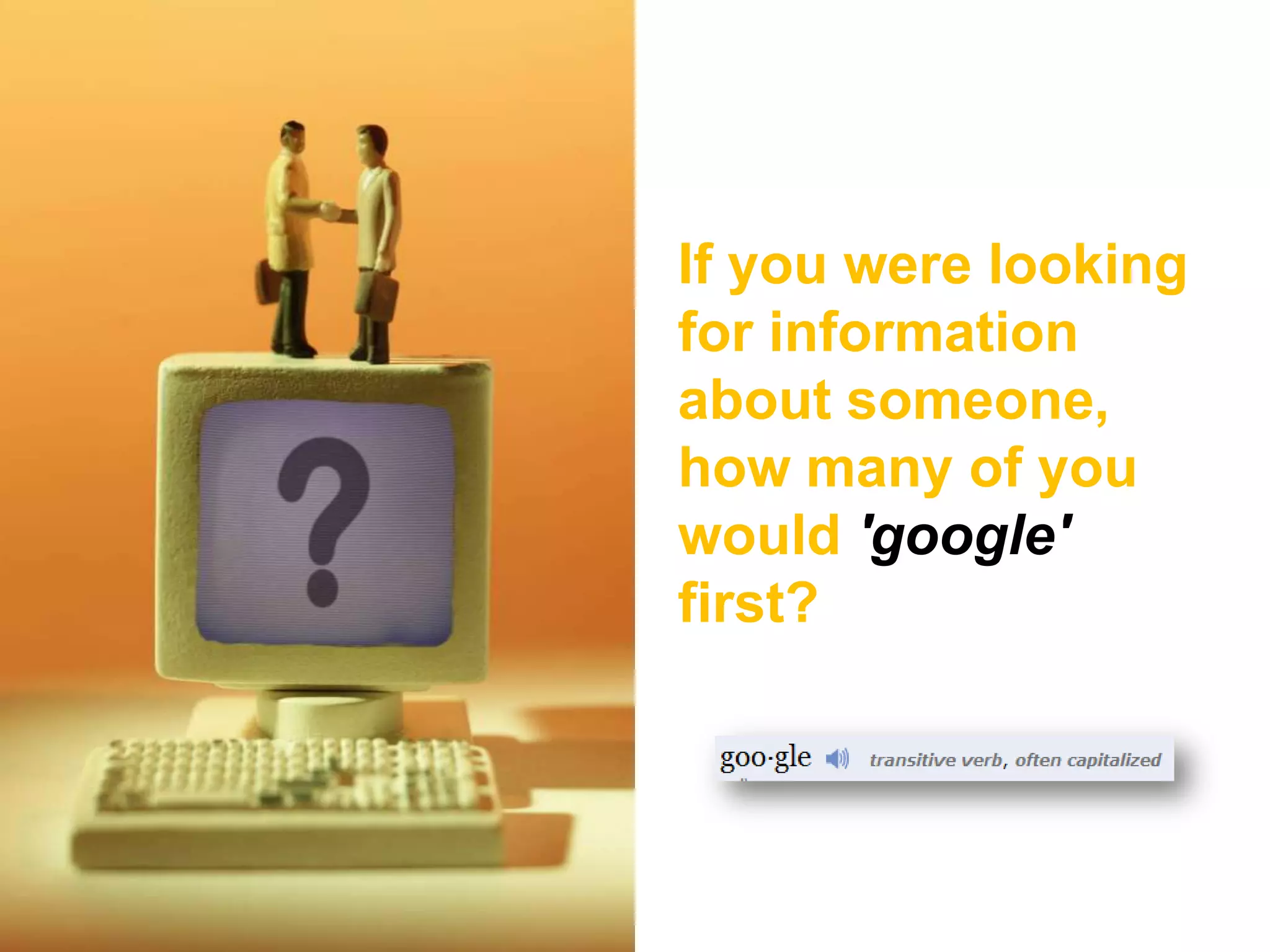
If you were looking
for information
about someone,
how many of you
would 'google'
first?
How often do
you 'google'
yourself?
• Never
• Now and again
• Regularly
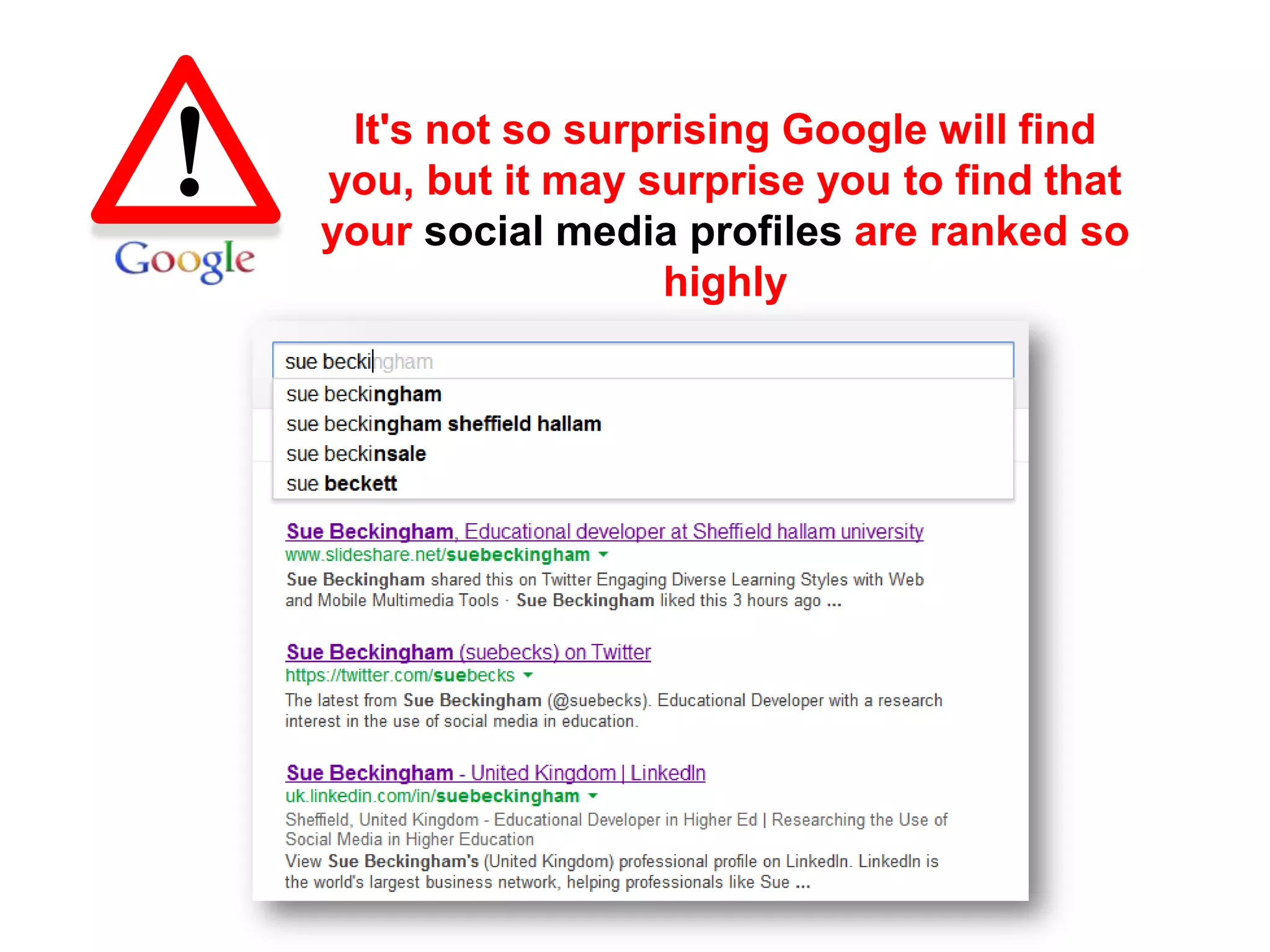
! It's not so surprising Google will find
you, but it may surprise you to find that
your social media profiles are ranked so
highly
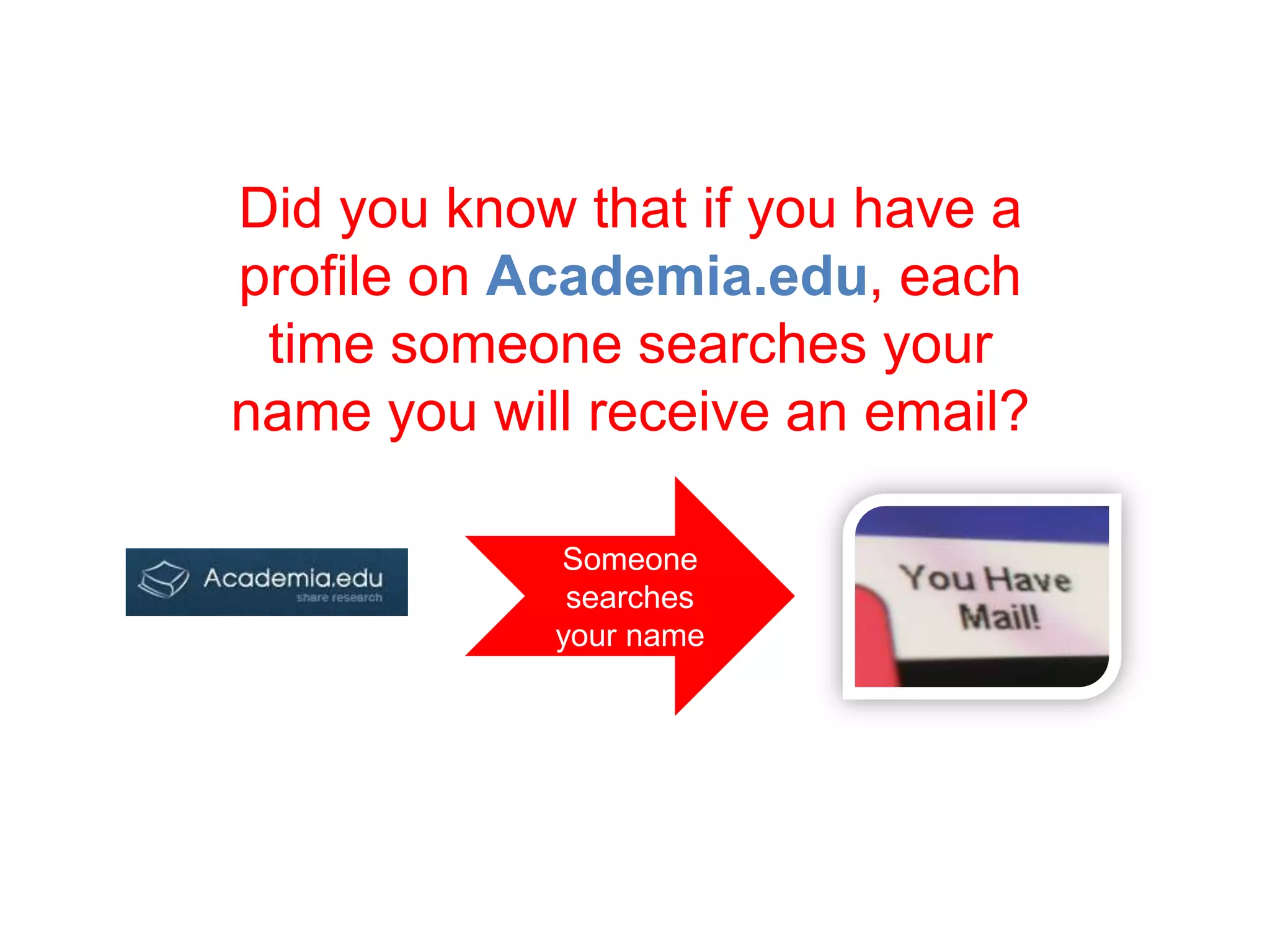
Someone
searches
your name
Did you know that if you have a
profile on Academia.edu, each
time someone searches your
name you will receive an email?
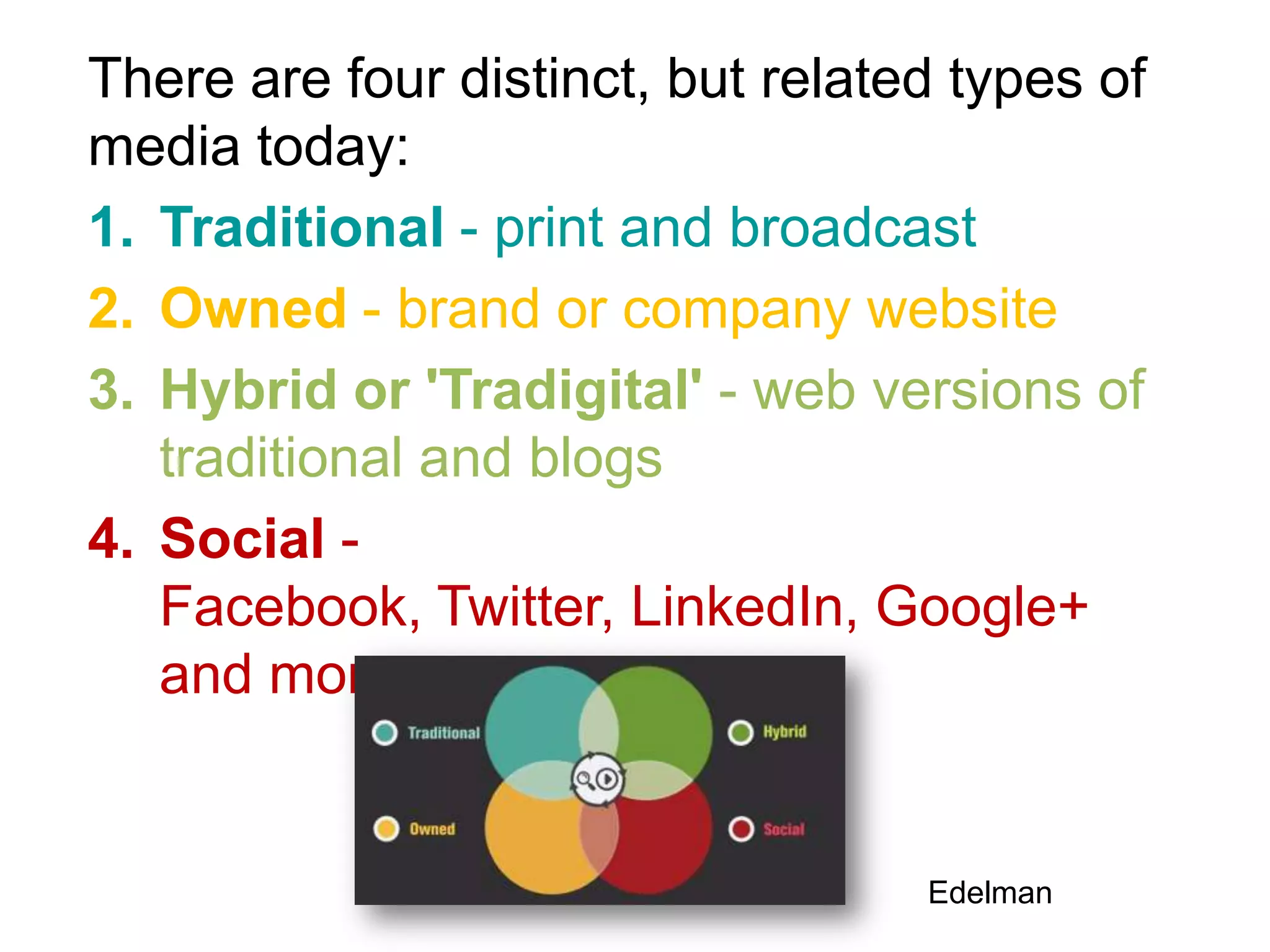
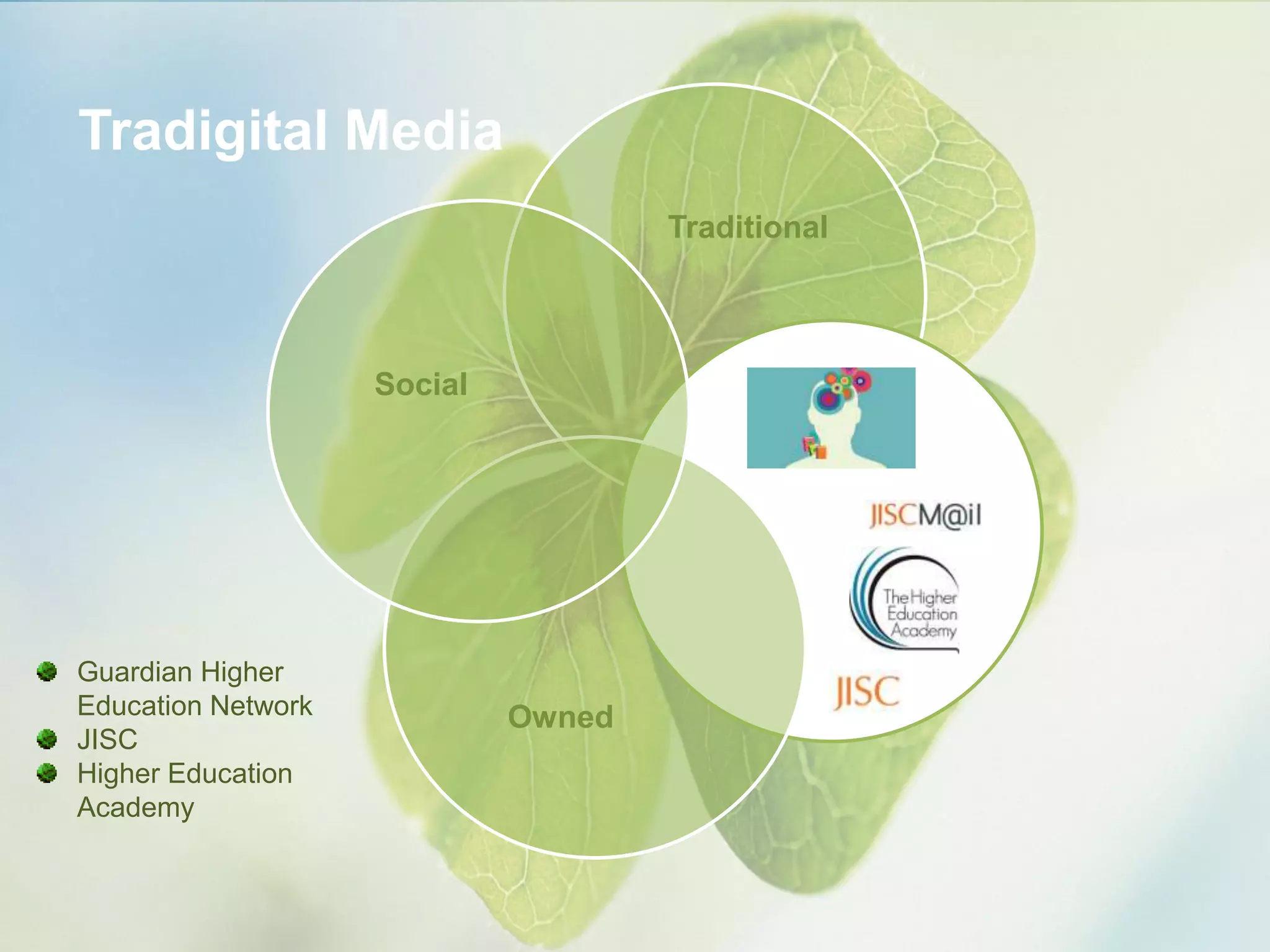
There are four distinct, but related types of
media today:
1. Traditional - print and broadcast
2. Owned - brand or company website
3. Hybrid or 'Tradigital' - web versions of
traditional and blogs
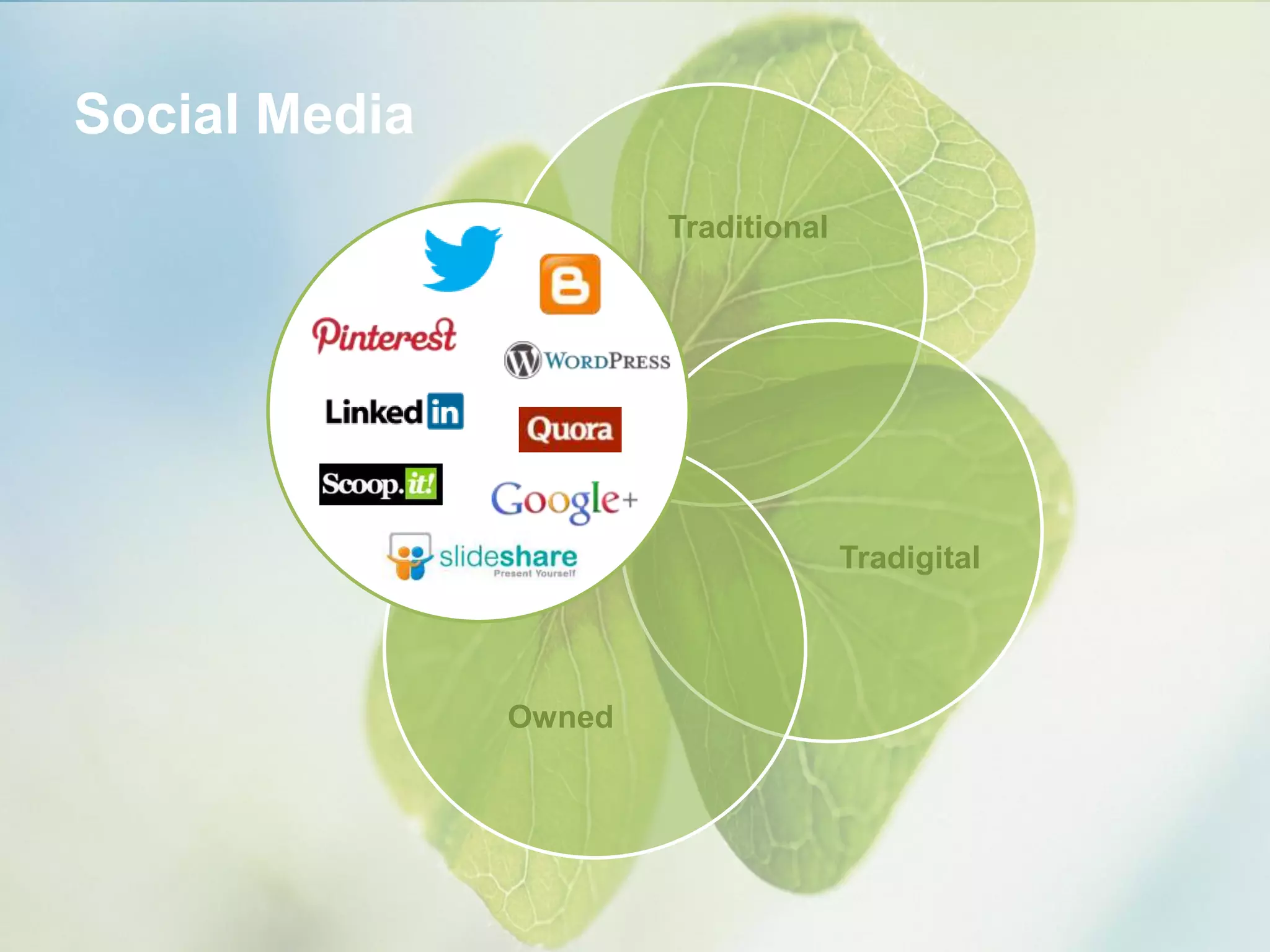
4. Social -
Facebook, Twitter, LinkedIn, Google+
and more
Edelman
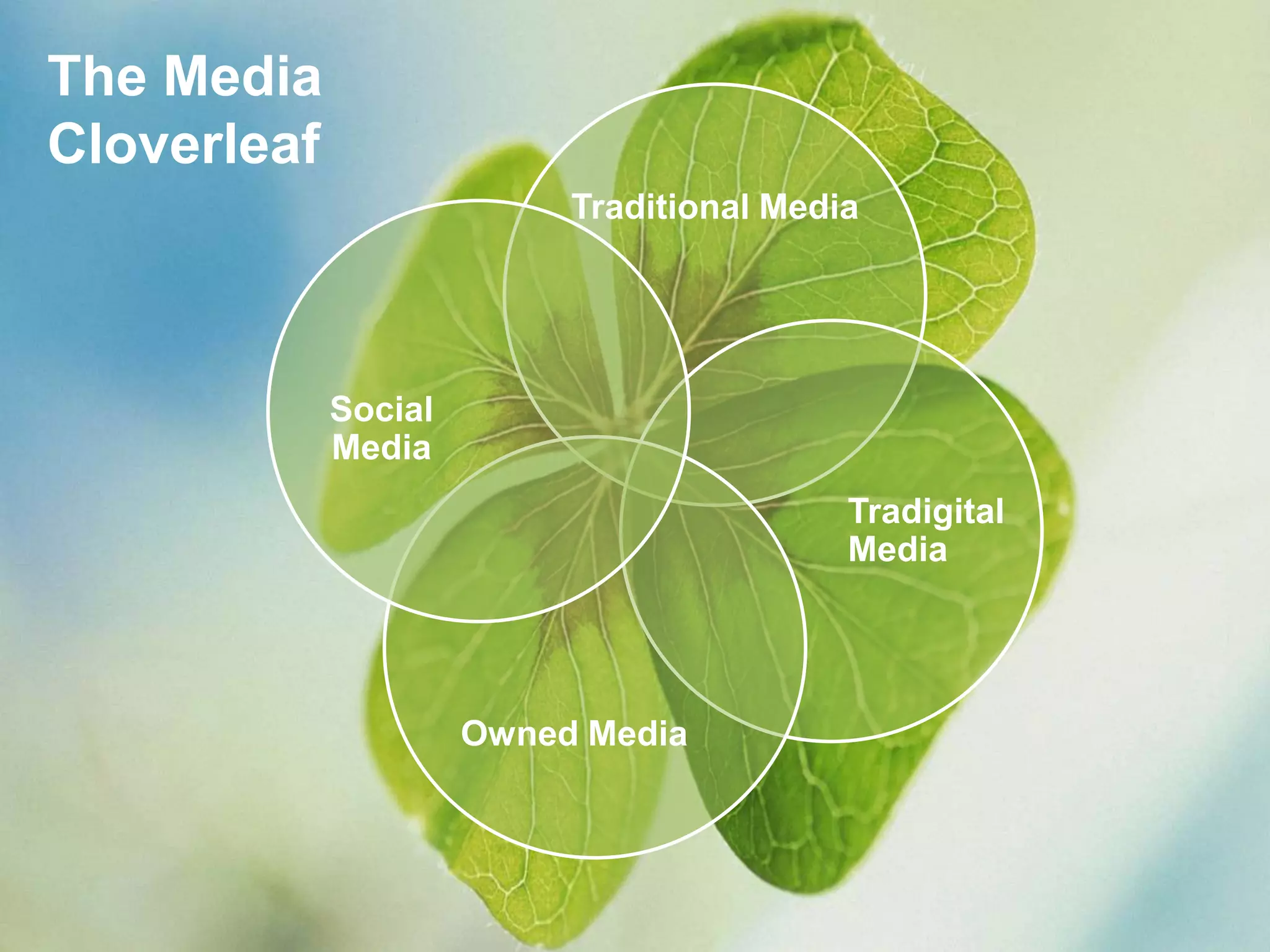
Traditional Media
Tradigital
Media
Owned Media
Social
Media
The Media
Cloverleaf
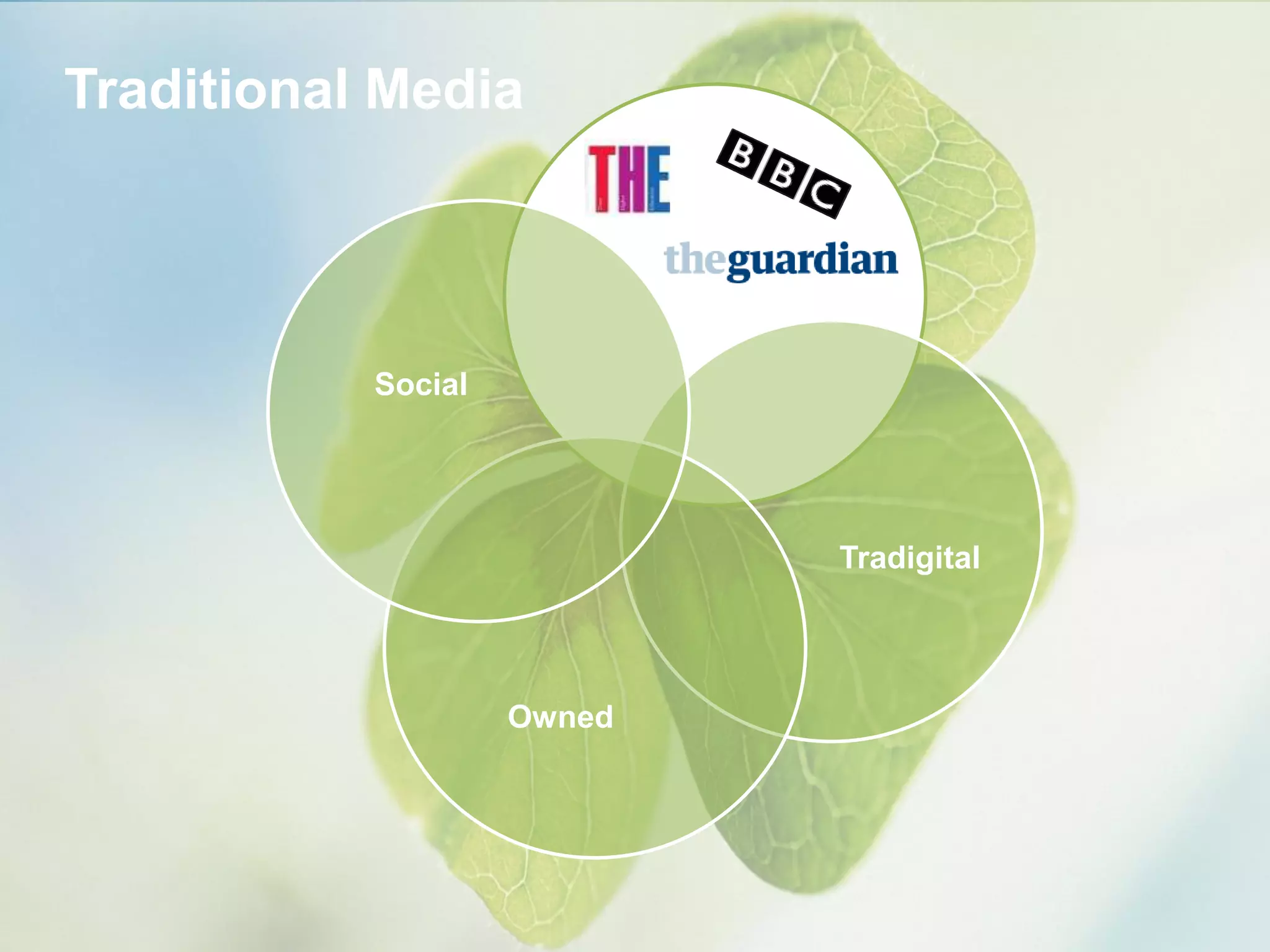
Traditional Media
Tradigital
Owned
Social
Traditional
Tradigital
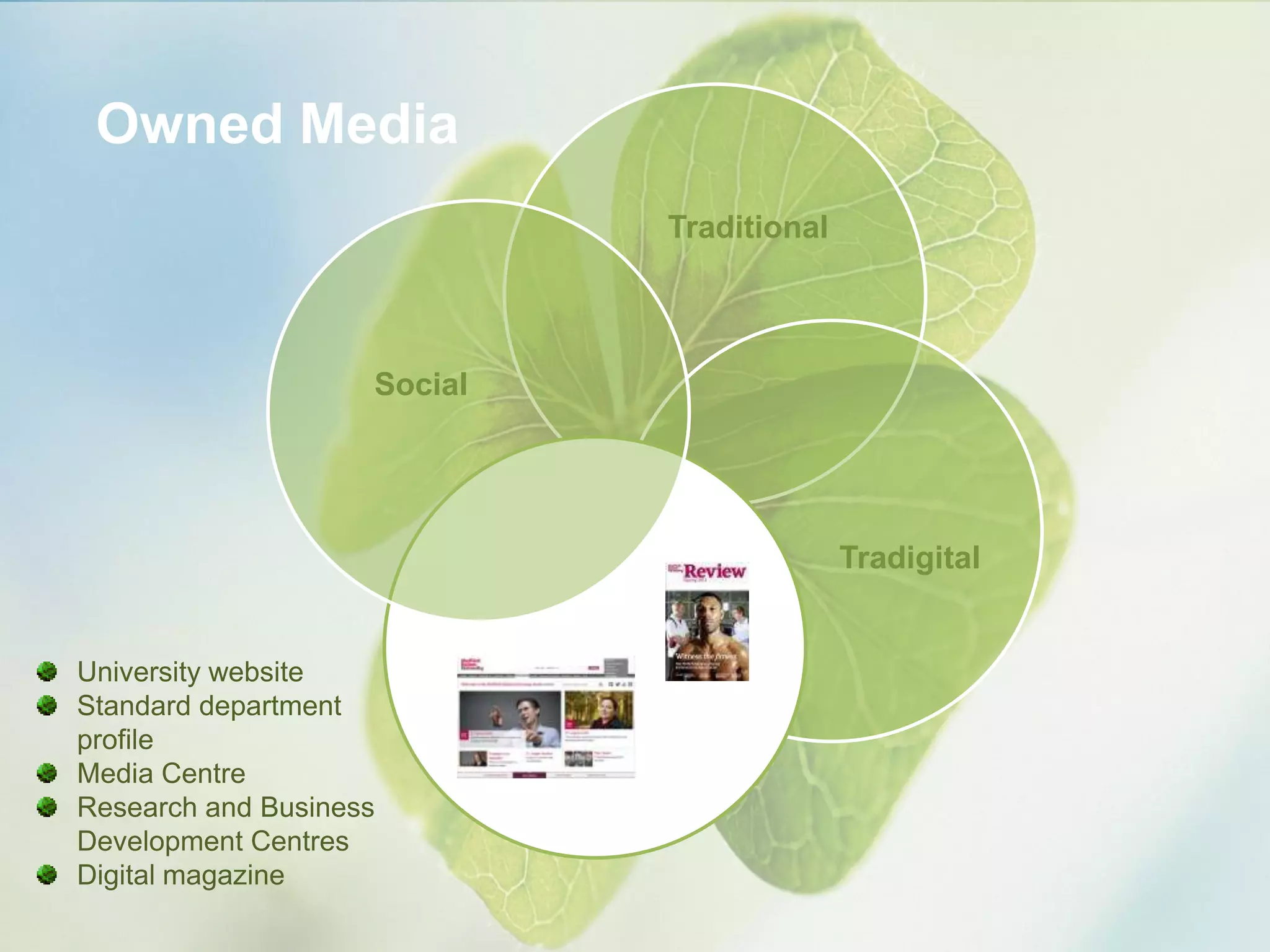
Owned Media
Social
University website
Standard department
profile
Media Centre
Research and Business
Development Centres
Digital magazine
Traditional
Tradigital Media
Owned
Social
Guardian Higher
Education Network
JISC
Higher Education
Academy
Traditional
Tradigital
Owned
Social Media
The A to Z of Social Media for Academia
curated by Professor Andy Miah @andymiah
http://www.andymiah.net
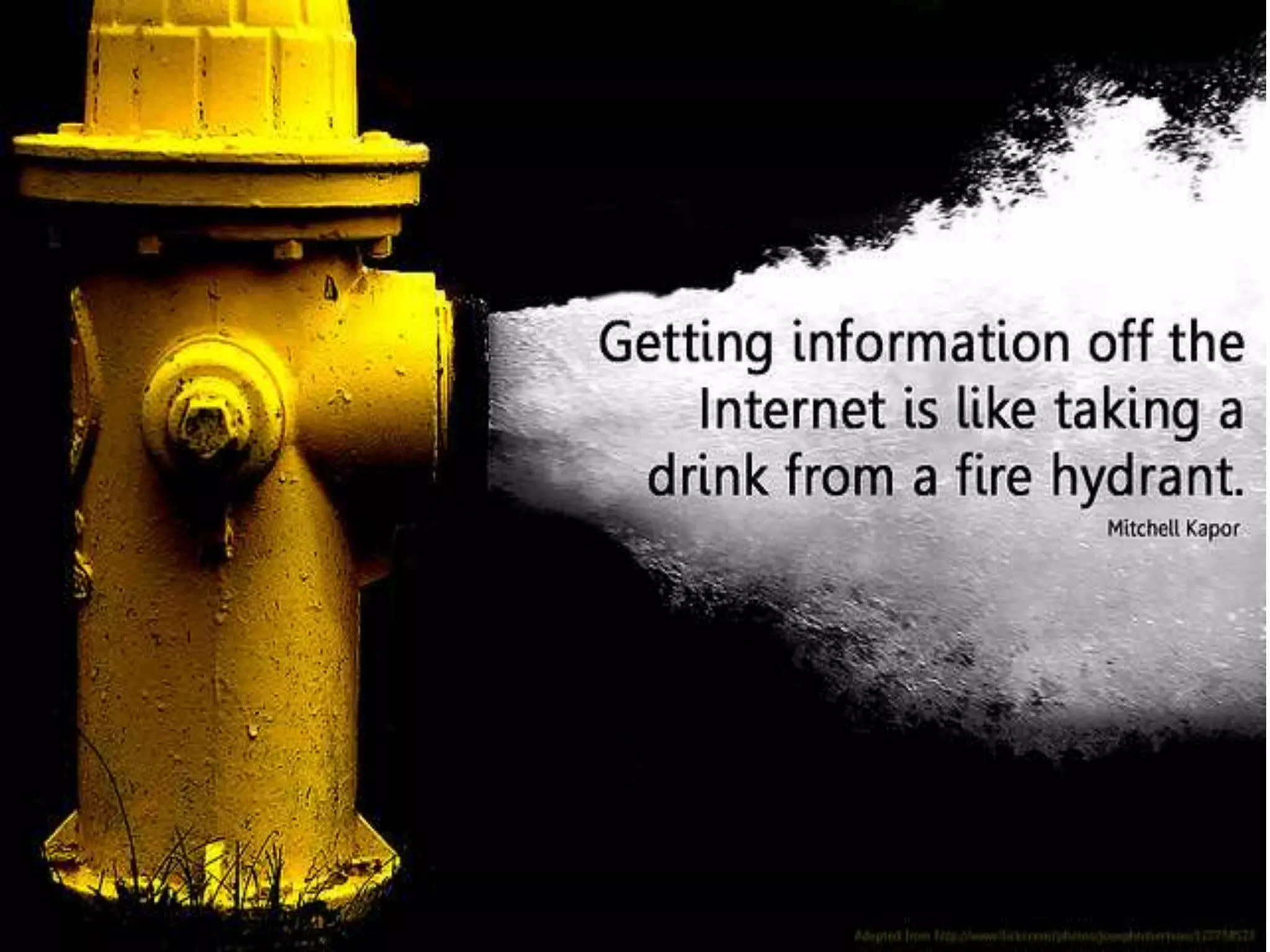
"But...
I'm faced with what seems an overflowing
stream of information and noise..."
"Anything I would say would just get lost..."
"Why would I want to know what anyone else
is having for breakfast?..."
"I'm simply far too busy..."
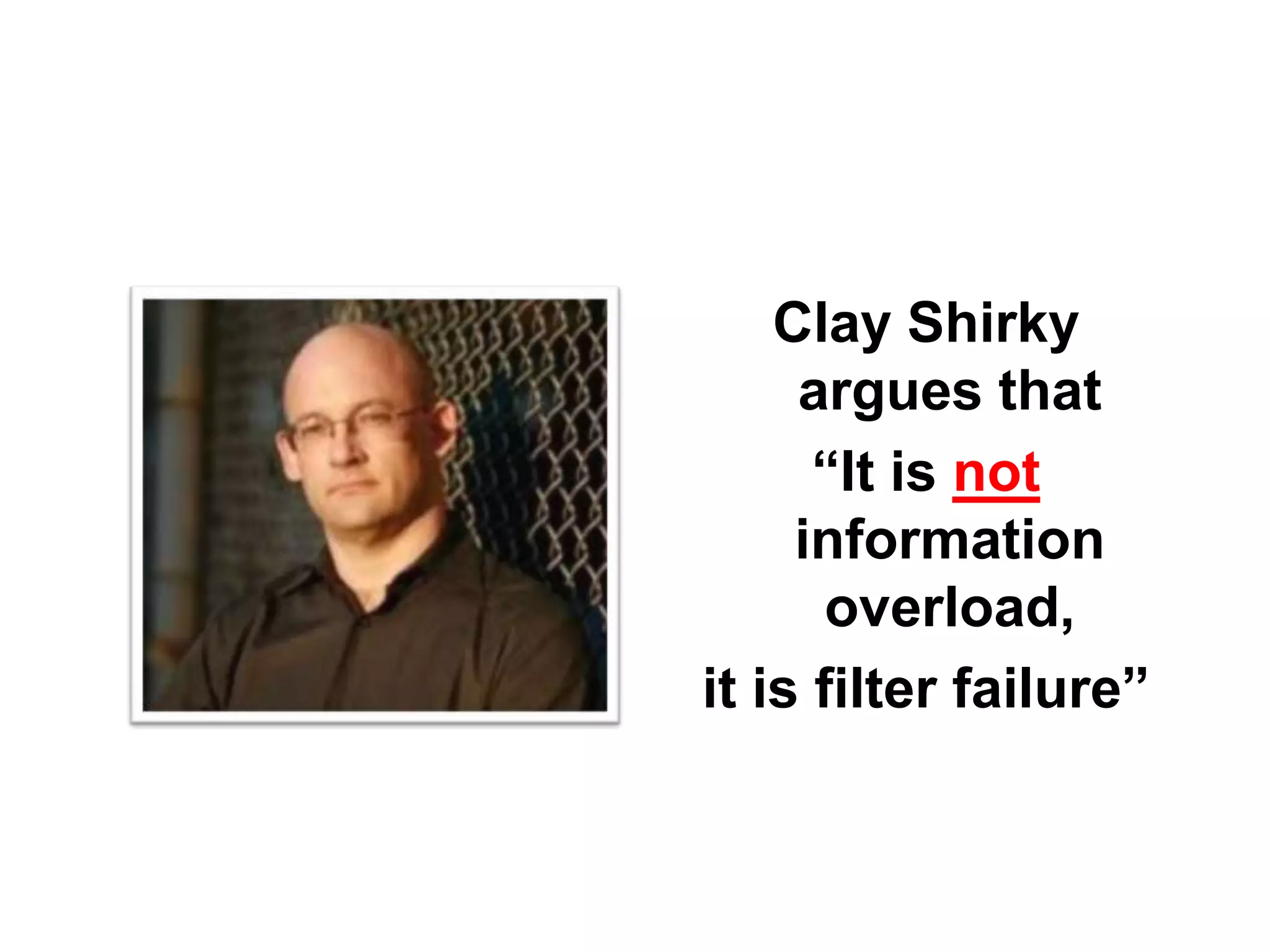
Clay Shirky
argues that
“It is not
information
overload,
it is filter failure”
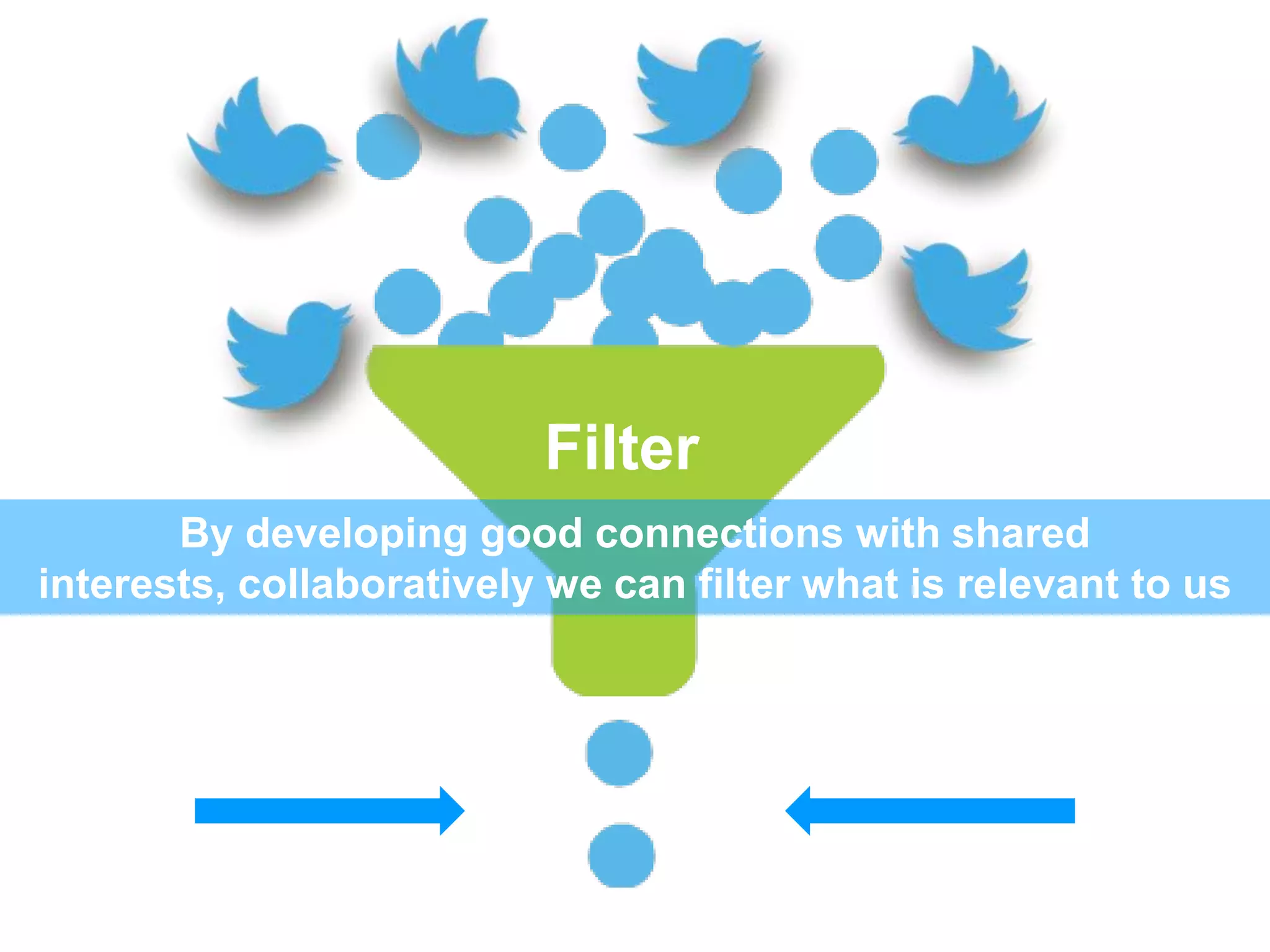
Filter
By developing good connections with shared
interests, collaboratively we can filter what is relevant to us
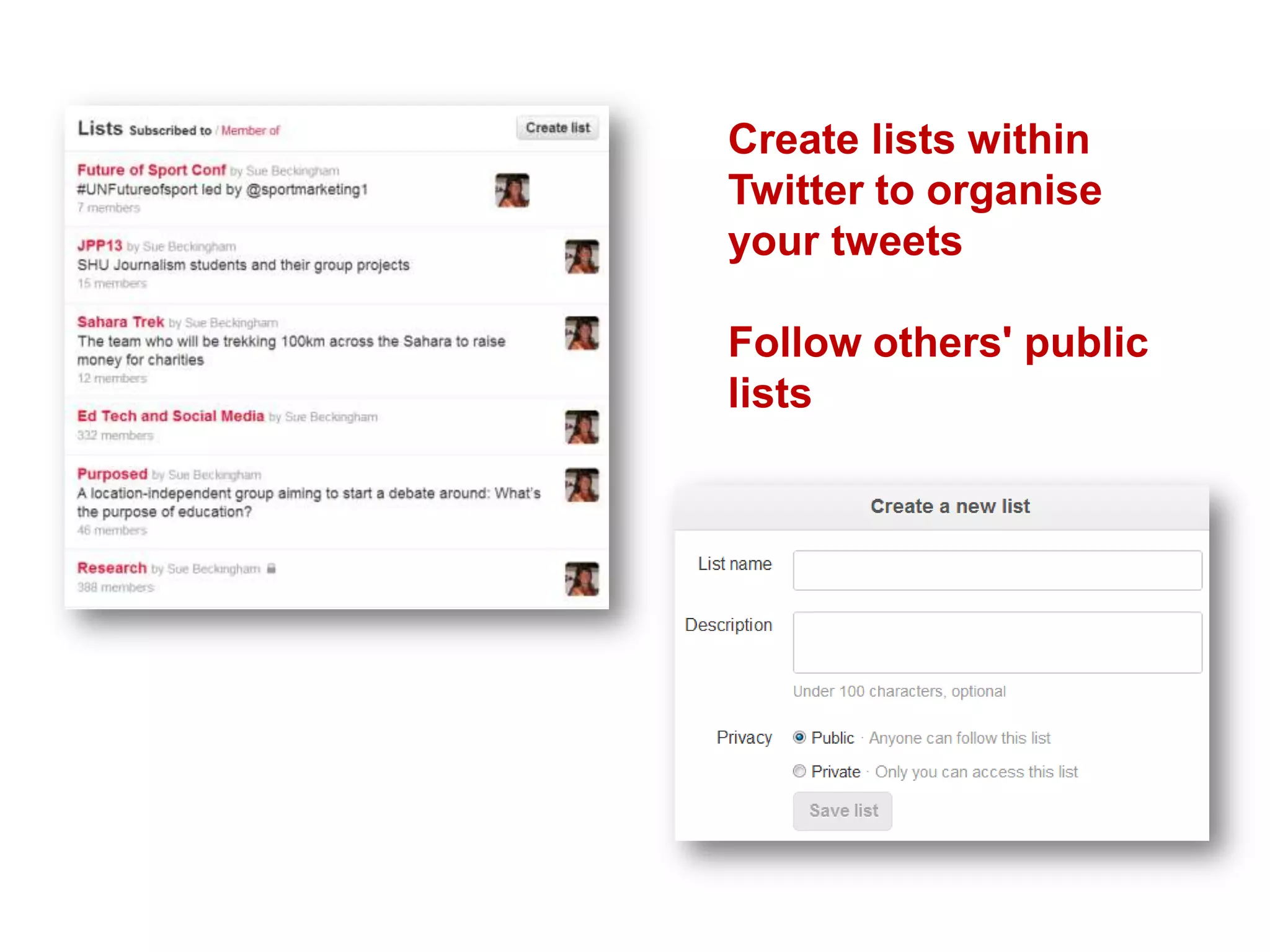
Create lists within
Twitter to organise
your tweets
Follow others' public
lists
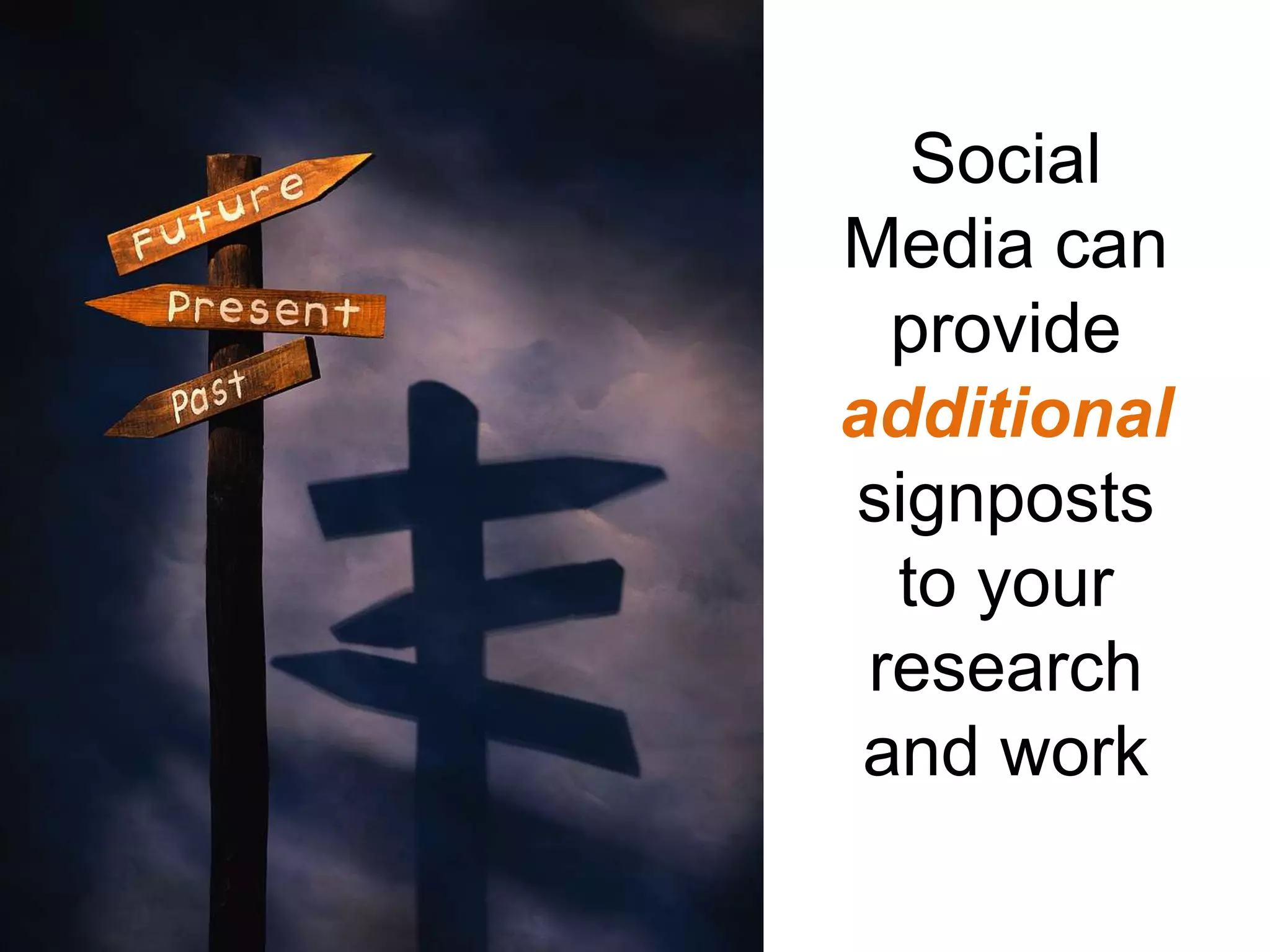
Social
Media can
provide
additional
signposts
to your
research
and work
A network dedicated to science and
research. Connect, collaborate and
discover scientific publications, jobs and
conferences. All for free.
www.researchgate.net
Easily organize your papers, read &
annotate your PDFs, collaborate in private
or open groups, and securely access your
research from everywhere.
http://www.mendeley.com/
A powerful research tool and a knowledge-
sharing community.
https://www.diigo.com
https://delicious.com/
Sharing Research
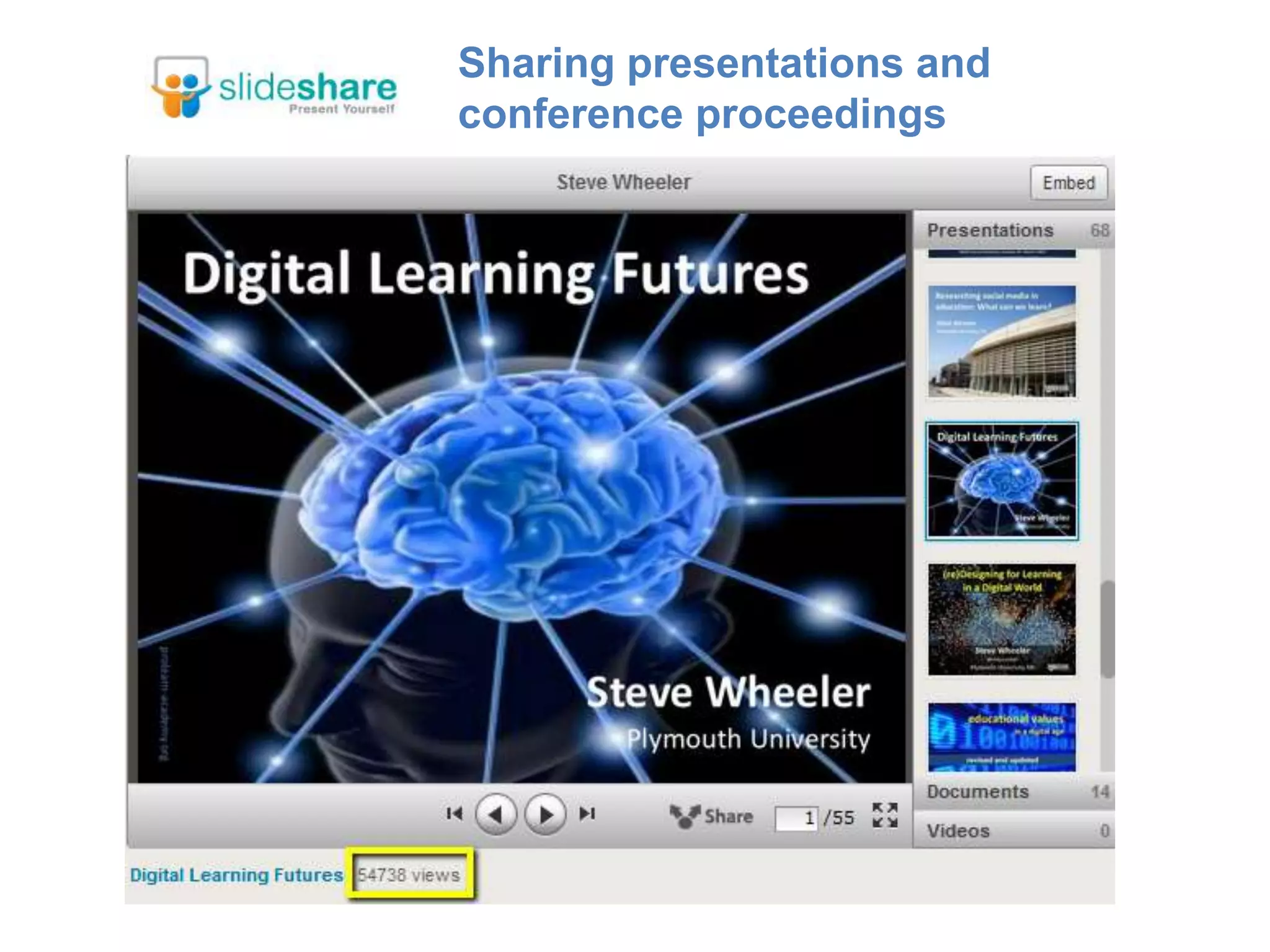
Sharing presentations and
conference proceedings
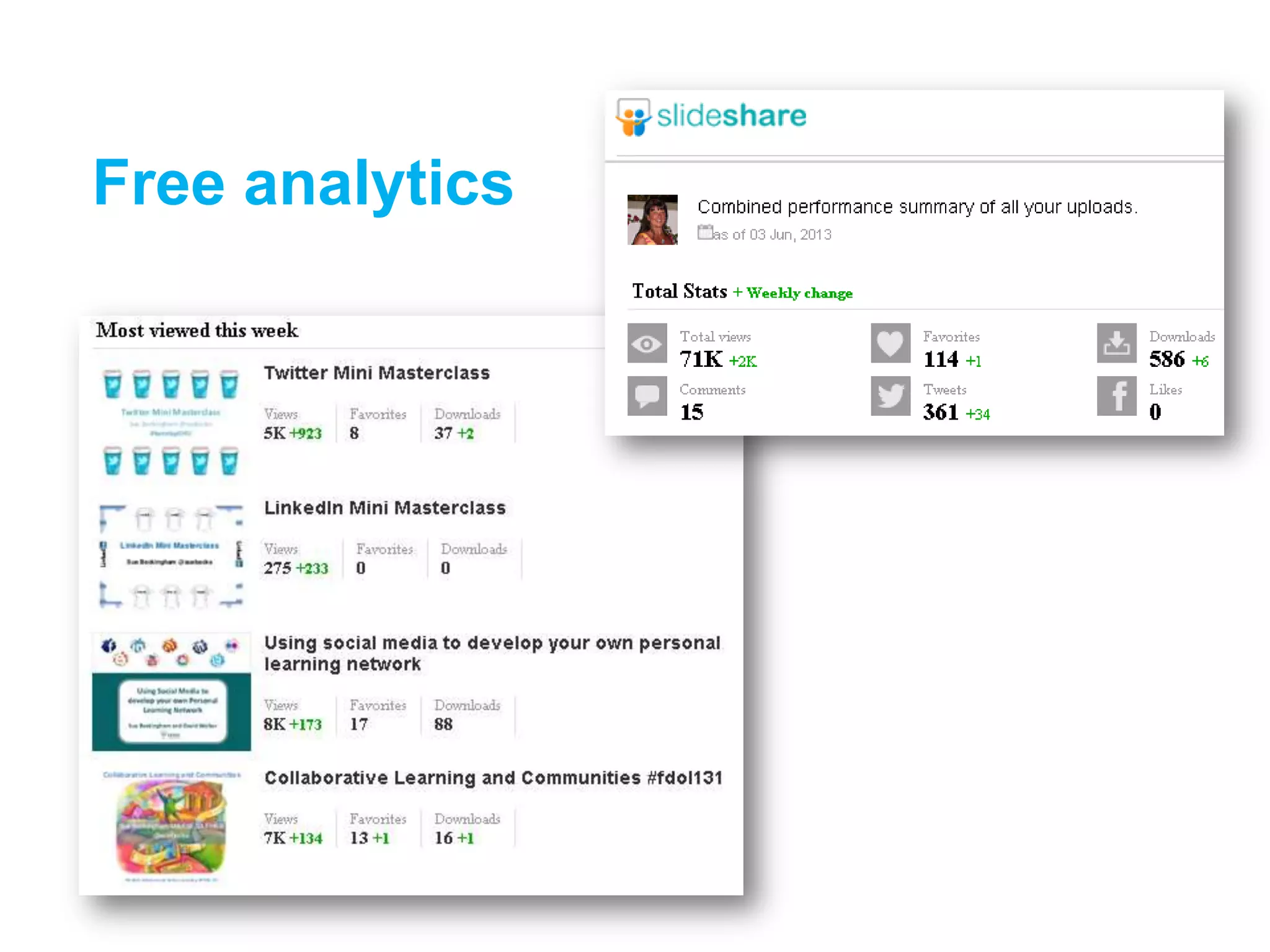
Free analytics
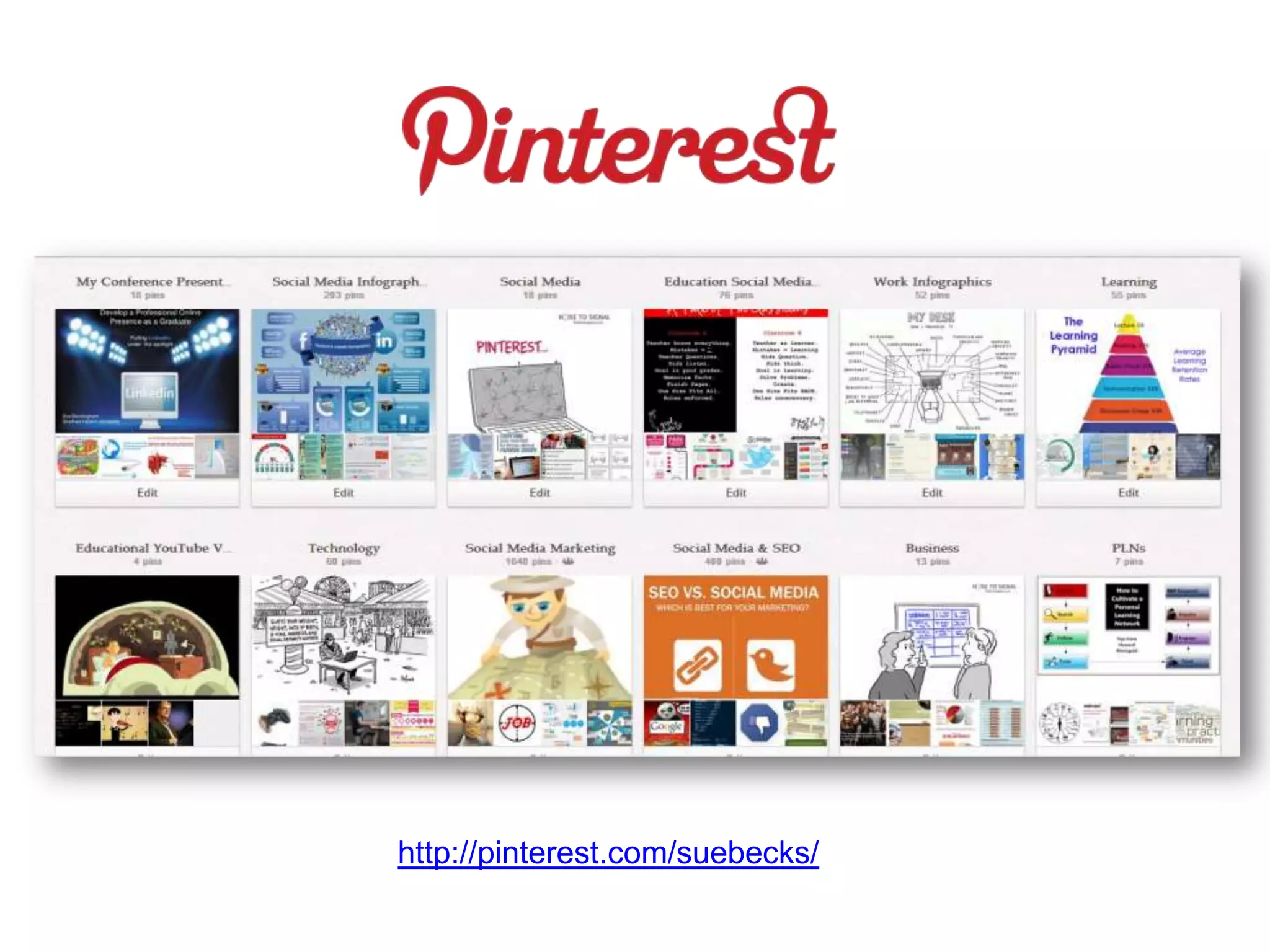
http://pinterest.com/suebecks/
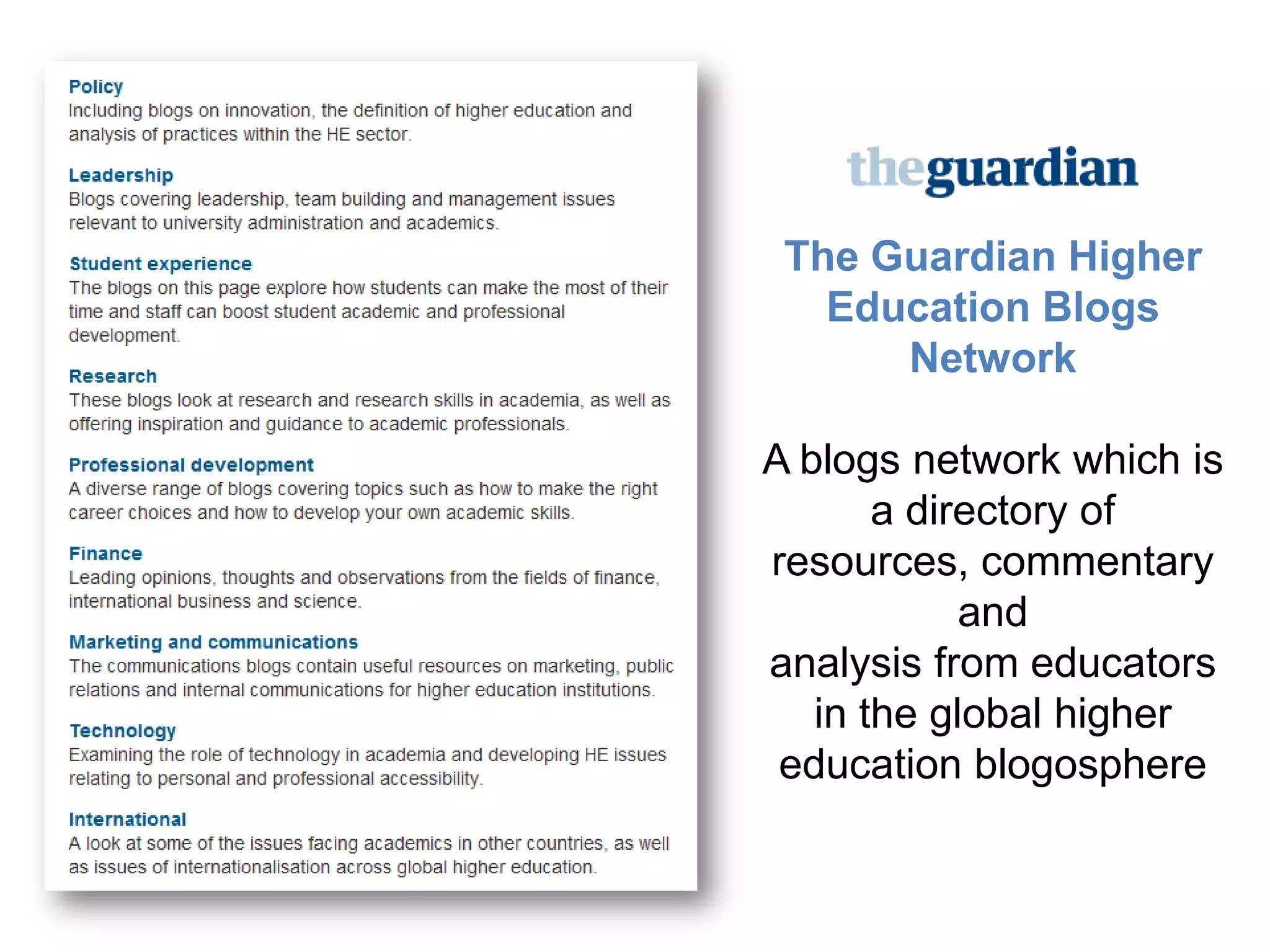
The Guardian Higher
Education Blogs
Network
A blogs network which is
a directory of
resources, commentary
and
analysis from educators
in the global higher
education blogosphere
The ripple effect of social sharing
Extending the knowledge network
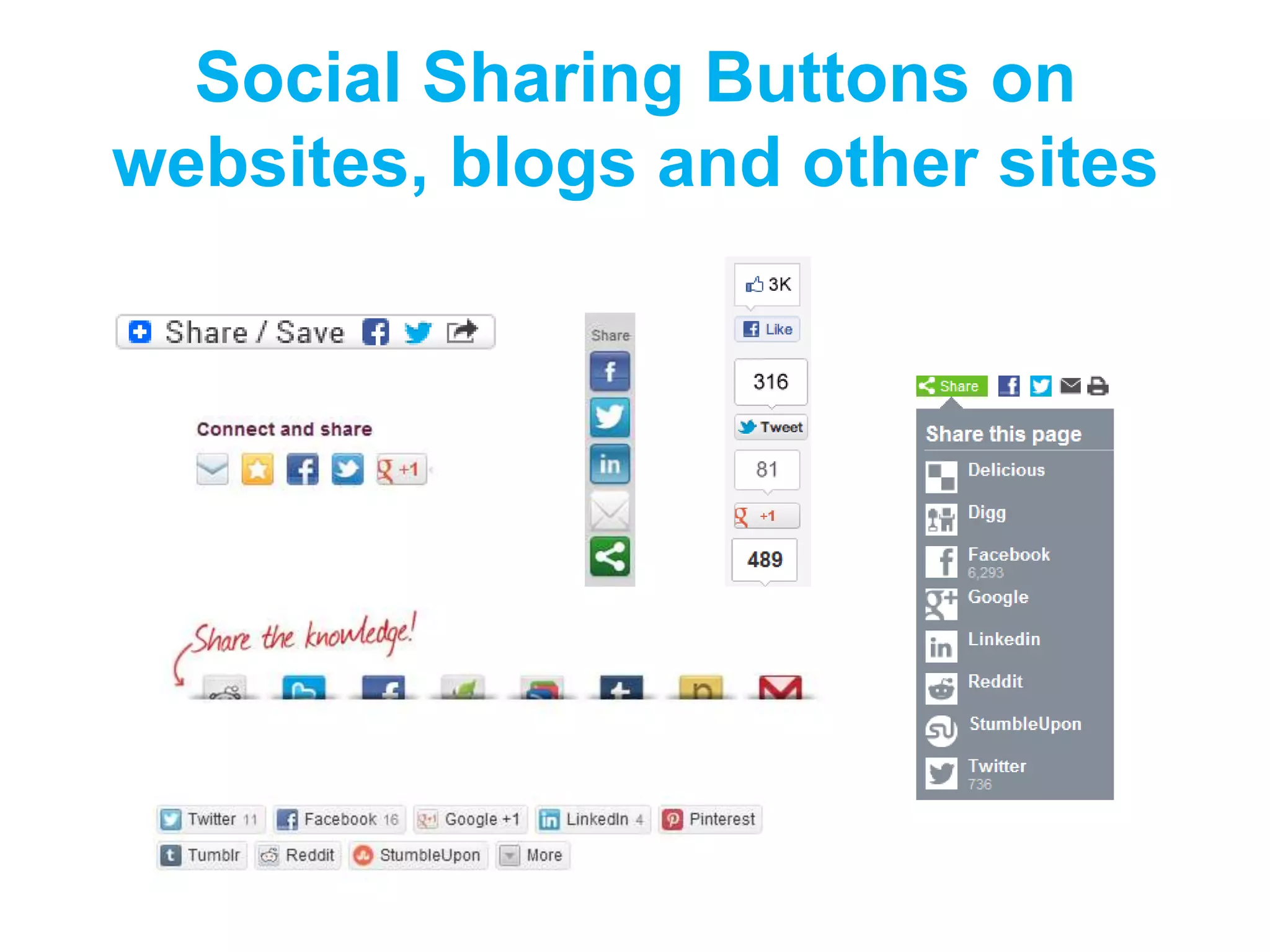
Social Sharing Buttons on
websites, blogs and other sites
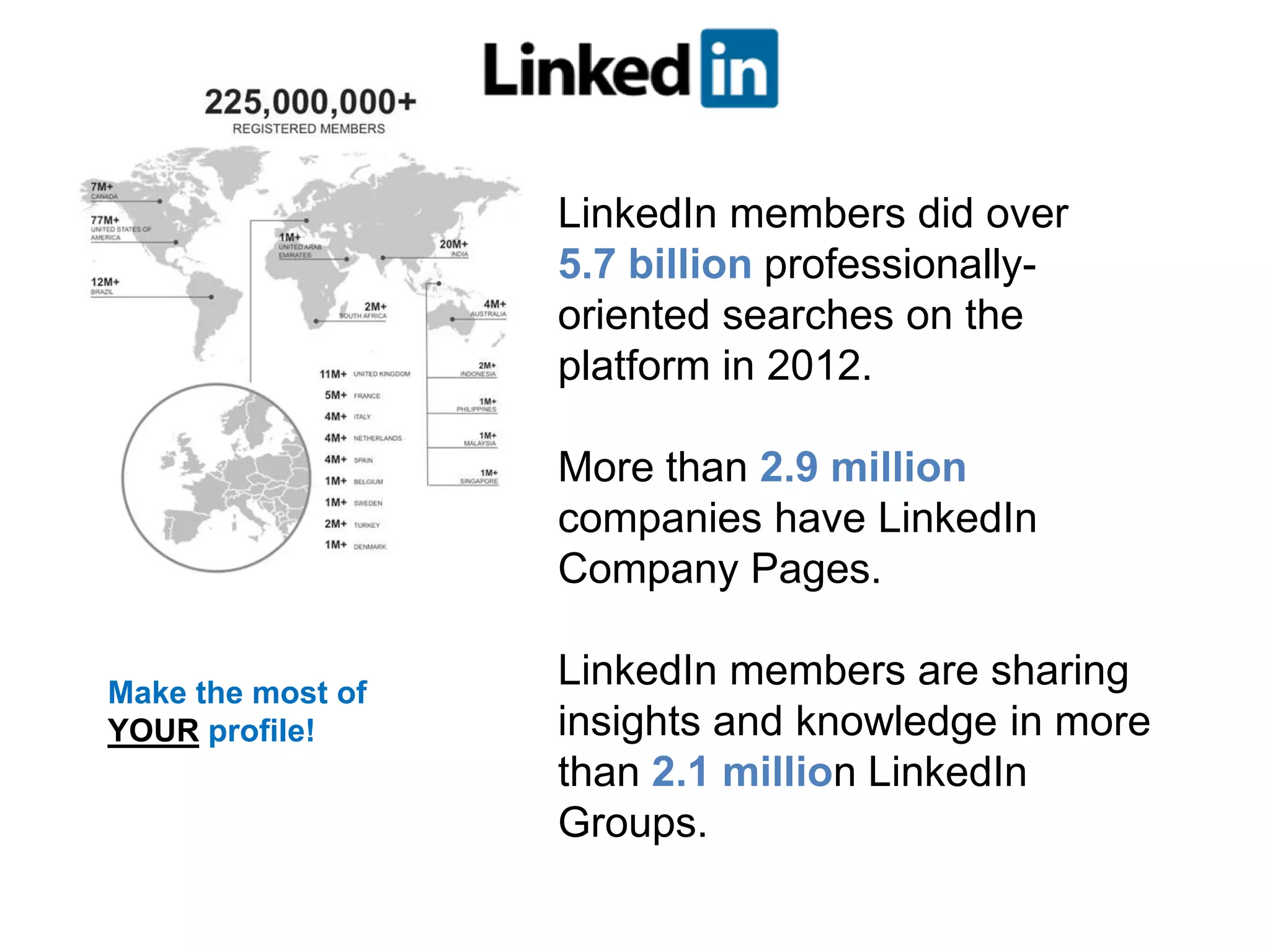
Make the most of
YOUR profile!
LinkedIn members did over
5.7 billion professionally-
oriented searches on the
platform in 2012.
More than 2.9 million
companies have LinkedIn
Company Pages.
LinkedIn members are sharing
insights and knowledge in more
than 2.1 million LinkedIn
Groups.
The power of online connections
 communicating
 collaborating
 recruitment/job seeking
 opportunity to learn and share
 develop global connections
 maintain connections
 on-going 24/7 networking
 ability to be known and found
 six degrees of separation
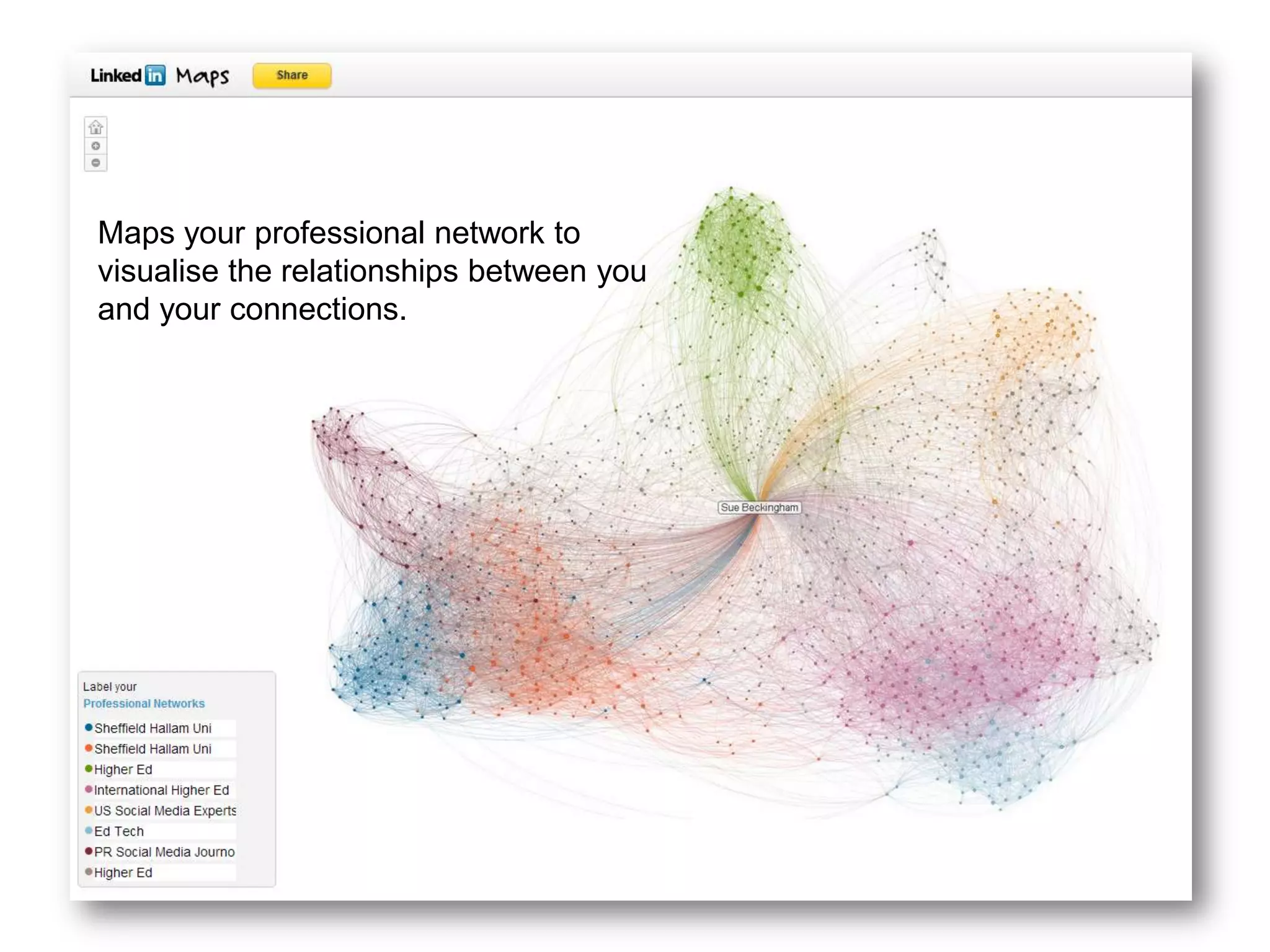
Maps your professional network to
visualise the relationships between you
and your connections.
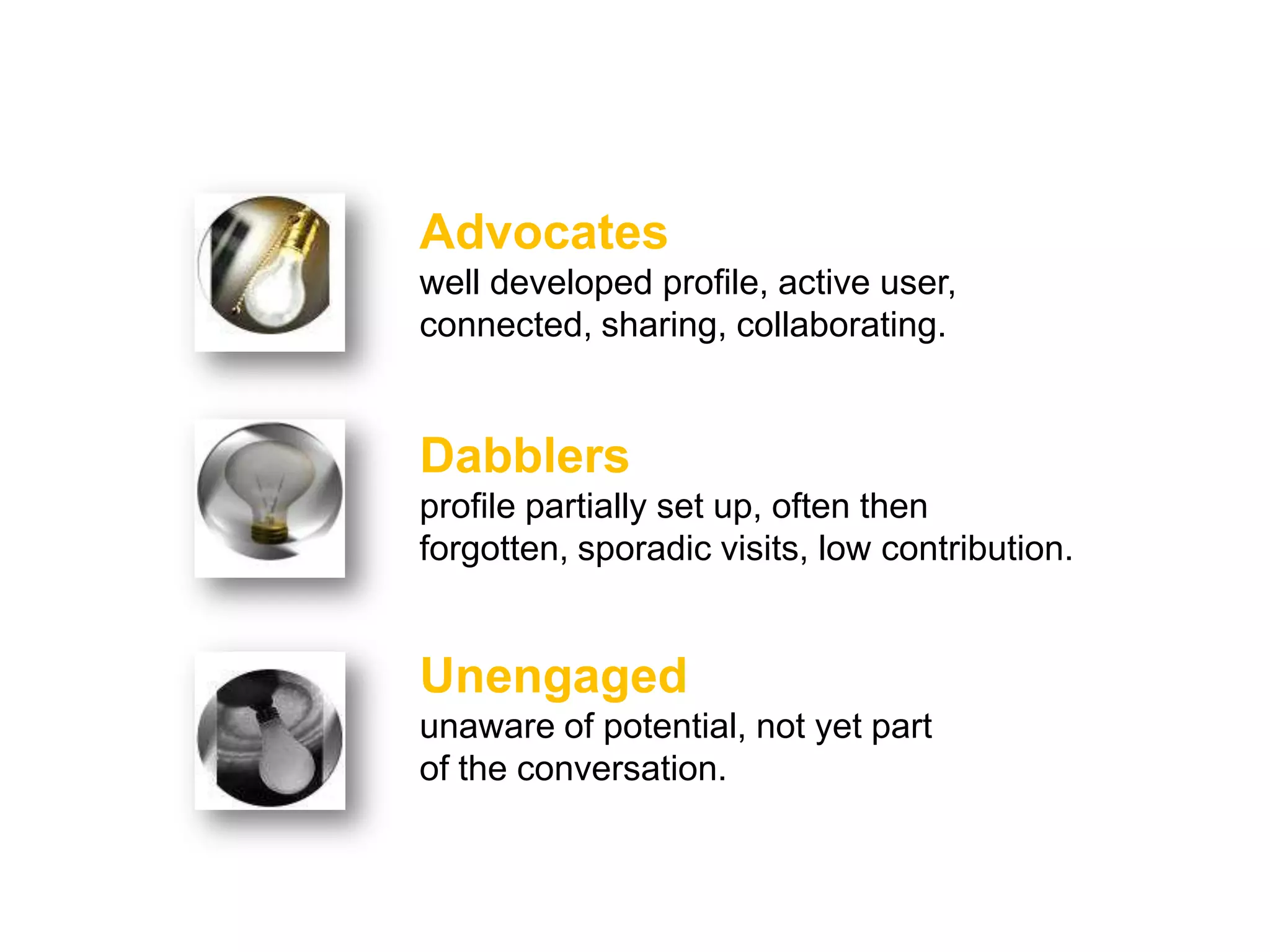
Advocates
well developed profile, active user,
connected, sharing, collaborating.
Dabblers
profile partially set up, often then
forgotten, sporadic visits, low contribution.
Unengaged
unaware of potential, not yet part
of the conversation.
Don't be afraid to learn
Reject this idea that
lurking within social
networks is a negative
thing.
As Educators we are
empowered listeners
For those not
yet
engaged, wha
t are you
missing?
http://www.heacademy.ac.uk/events/detail/2013/10_June_CLL_Webinar
Professional Online Presence: Separating the Signal from the Noise
We are living in an age where many of us are now ‘always switched on’. The rise of the ubiquitous use
of mobile technology and open access to Wi-Fi-free zones has changed the way we communicate -
forever. We use mobile technology for work, to organise our home life, our social life, to shop, enjoy
music, films and photographs. All of these activities have the potential to make our life easier and more
enjoyable. However there is a concern that we risk information overload in our quest to manage the
growing amount of information, in particular through social media. How can we juggle all of this and
possibly leverage social media in a professional context?
My talk will look at how through social media you can develop a professional network that will not only
help to separate the signal from the noise for yourselves, it will also provide the mechanism for others to
find you and your work as a professional in your field. By developing a professional online presence and
network of connections, you will have the potential to open many new channels of communication,
opportunities for collaboration and creativity BUT you will also find the means to filter only what is
important to you.
Sue Beckingham
Sheffield Hallam University, UK
@suebecks
http://uk.linkedin.com/in/suebeckingham
http://gplus.to/suebecks

Professional Online Presence: Separating the Signal from the Noise

  • 1.
    Professional Online Presence: Separatingthe Signal from the Noise #cll1213 webinar Sue Beckingham @suebecks Sheffield Hallam University
  • 2.
    Important but not includedis • using social media in teaching practice • how to use social media tools
  • 3.
    It is aboutusing social media to develop your personal learning network and professional online presence
  • 4.
    If you werelooking for information about someone, how many of you would 'google' first?
  • 5.
    How often do you'google' yourself? • Never • Now and again • Regularly
  • 6.
    ! It's notso surprising Google will find you, but it may surprise you to find that your social media profiles are ranked so highly
  • 7.
    Someone searches your name Did youknow that if you have a profile on Academia.edu, each time someone searches your name you will receive an email?
  • 9.
    There are fourdistinct, but related types of media today: 1. Traditional - print and broadcast 2. Owned - brand or company website 3. Hybrid or 'Tradigital' - web versions of traditional and blogs 4. Social - Facebook, Twitter, LinkedIn, Google+ and more Edelman
  • 10.
  • 11.
  • 12.
    Traditional Tradigital Owned Media Social University website Standarddepartment profile Media Centre Research and Business Development Centres Digital magazine
  • 13.
  • 14.
  • 15.
    The A toZ of Social Media for Academia curated by Professor Andy Miah @andymiah http://www.andymiah.net
  • 16.
    "But... I'm faced withwhat seems an overflowing stream of information and noise..."
  • 17.
    "Anything I wouldsay would just get lost..."
  • 18.
    "Why would Iwant to know what anyone else is having for breakfast?..."
  • 19.
    "I'm simply fartoo busy..."
  • 21.
    Clay Shirky argues that “Itis not information overload, it is filter failure”
  • 22.
    Filter By developing goodconnections with shared interests, collaboratively we can filter what is relevant to us
  • 23.
    Create lists within Twitterto organise your tweets Follow others' public lists
  • 24.
  • 25.
    A network dedicatedto science and research. Connect, collaborate and discover scientific publications, jobs and conferences. All for free. www.researchgate.net Easily organize your papers, read & annotate your PDFs, collaborate in private or open groups, and securely access your research from everywhere. http://www.mendeley.com/ A powerful research tool and a knowledge- sharing community. https://www.diigo.com https://delicious.com/ Sharing Research
  • 26.
  • 27.
  • 29.
  • 30.
    The Guardian Higher EducationBlogs Network A blogs network which is a directory of resources, commentary and analysis from educators in the global higher education blogosphere
  • 31.
    The ripple effectof social sharing Extending the knowledge network
  • 32.
    Social Sharing Buttonson websites, blogs and other sites
  • 33.
    Make the mostof YOUR profile! LinkedIn members did over 5.7 billion professionally- oriented searches on the platform in 2012. More than 2.9 million companies have LinkedIn Company Pages. LinkedIn members are sharing insights and knowledge in more than 2.1 million LinkedIn Groups.
  • 34.
    The power ofonline connections  communicating  collaborating  recruitment/job seeking  opportunity to learn and share  develop global connections  maintain connections  on-going 24/7 networking  ability to be known and found  six degrees of separation
  • 35.
    Maps your professionalnetwork to visualise the relationships between you and your connections.
  • 36.
    Advocates well developed profile,active user, connected, sharing, collaborating. Dabblers profile partially set up, often then forgotten, sporadic visits, low contribution. Unengaged unaware of potential, not yet part of the conversation.
  • 37.
    Don't be afraidto learn Reject this idea that lurking within social networks is a negative thing. As Educators we are empowered listeners
  • 38.
    For those not yet engaged,wha t are you missing?
  • 39.
    http://www.heacademy.ac.uk/events/detail/2013/10_June_CLL_Webinar Professional Online Presence:Separating the Signal from the Noise We are living in an age where many of us are now ‘always switched on’. The rise of the ubiquitous use of mobile technology and open access to Wi-Fi-free zones has changed the way we communicate - forever. We use mobile technology for work, to organise our home life, our social life, to shop, enjoy music, films and photographs. All of these activities have the potential to make our life easier and more enjoyable. However there is a concern that we risk information overload in our quest to manage the growing amount of information, in particular through social media. How can we juggle all of this and possibly leverage social media in a professional context? My talk will look at how through social media you can develop a professional network that will not only help to separate the signal from the noise for yourselves, it will also provide the mechanism for others to find you and your work as a professional in your field. By developing a professional online presence and network of connections, you will have the potential to open many new channels of communication, opportunities for collaboration and creativity BUT you will also find the means to filter only what is important to you.
  • 40.
    Sue Beckingham Sheffield HallamUniversity, UK @suebecks http://uk.linkedin.com/in/suebeckingham http://gplus.to/suebecks

Editor's Notes

  • #7 http://shu.academia.edu/SueBeckingham
  • #8 http://shu.academia.edu/SueBeckingham
  • #10 http://www.edelman.com/who-we-are/about-edelman/the-details/cloverleaf/
  • #13 http://www.shu.ac.uk/http://www.shu.ac.uk/mediacentre/http://www.shu.ac.uk/research/centres.html
  • #14 http://www.guardian.co.uk/higher-education-networkhttp://www.jiscmail.ac.uk/
  • #16 http://www.andymiah.net/2012/12/30/the-a-to-z-of-social-media-for-academics/
  • #21 http://www.flickr.com/photos/will-lion/2595497078/
  • #22 http://www.flickr.com/photos/injelea/5150278735/sizes/o/in/photostream/
  • #27 http://www.slideshare.net/timbuckteeth
  • #28 http://www.slideshare.net/suebeckingham
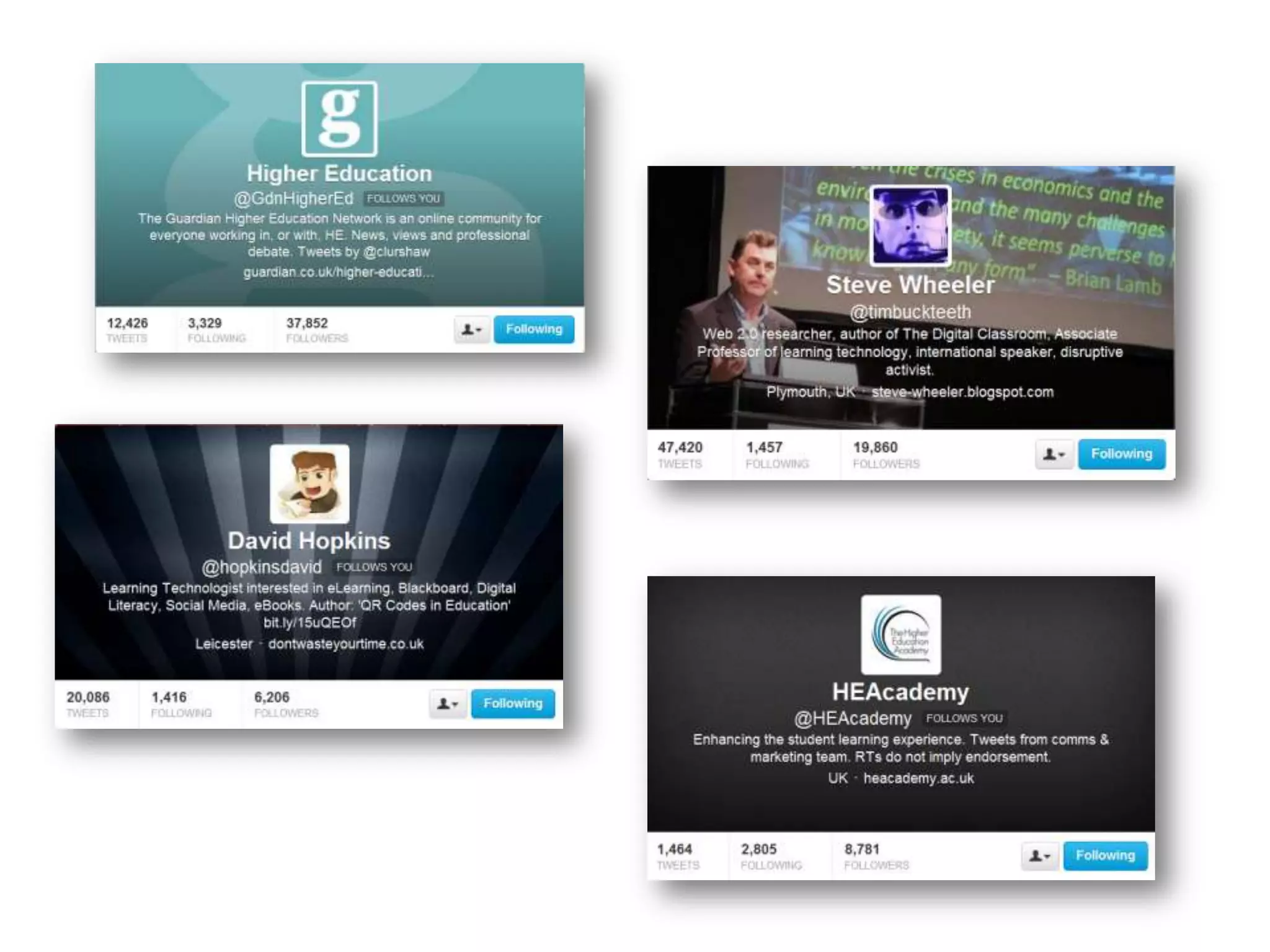
  • #29 https://twitter.com/GdnHigherEdhttps://twitter.com/timbuckteethhttps://twitter.com/hopkinsdavid
  • #31 http://www.guardian.co.uk/higher-education-network/blog/2012/oct/05/the-higher-education-blogs-network
  • #33 http://www.addtoany.com/http://secure.sharethis.com/publishers/get-sharing-toolshttp://www.addthis.com/
  • #34 http://press.linkedin.com/aboutuk.linkedin.com/in/suebeckingham/
  • #36 A visualisation of my LinkedIn networkhttp://inmaps.linkedinlabs.com/