STO NINO HIGH SCHOOL
Orientation
W E L C O M E !
Trainer: ROEL C. PENAFLORIDA
Qualification: BREAD AND PASTRY PRODUCTION NCII
to
What is
BREAD and
PASTRY?
Bread and pastry production is one of the most popular
and best sold baked products if you have this qualification
you can be a baker.
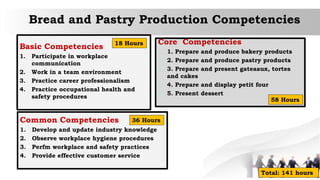
Basic Competencies
1. Participate in workplace
communication
2. Work in a team environment
3. Practice career professionalism
4. Practice occupational health and
safety procedures
Common Competencies
1. Develop and update industry knowledge
2. Observe workplace hygiene procedures
3. Perfm workplace and safety practices
4. Provide effective customer service
Core Competencies
1. 1. Prepare and produce bakery products
2. 2. Prepare and produce pastry products
3. 3. Prepare and present gateaaux, tortes
and cakes
4. 4. Prepare and display petit four
5. 5. Present dessert
Bread and Pastry Production Competencies
18 Hours
36 Hours
58 Hours
Total: 141 hours
What is CBT?
Competency-Based Training
(CBT)
CBT is a training delivery
approach that focuses on the
competency development of
the learner.
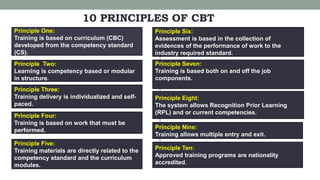
10 PRINCIPLES OF CBT
Principle One:
Training is based on curriculum (CBC)
developed from the competency standard
(CS).
Principle Two:
Learning is competency based or modular
in structure.
Principle Ten:
Approved training programs are nationality
accredited.
Principle Nine:
Training allows multiple entry and exit.
Principle Eight:
The system allows Recognition Prior Learning
(RPL) and or current competencies.
Principle Six:
Assessment is based in the collection of
evidences of the performance of work to the
industry required standard.
Principle Seven:
Training is based both on and off the job
components.
Principle Three:
Training delivery is individualized and self-
paced.
Principle Four:
Training is based on work that must be
performed.
Principle Five:
Training materials are directly related to the
competency standard and the curriculum
modules.
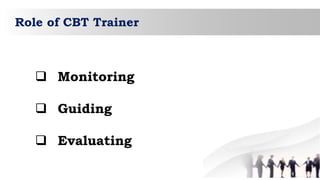
Role of CBT Trainer
 Monitoring
 Guiding
 Evaluating
Role of CBT Trainee
Trainees may select what they want to learn and when
to learn it, within reason
Trainees learn at they own rate within program
guidelines
Trainees may request to receive credit for what they
already know
Ask and Answer Question
CBLM
It is competency base
learning materials that
contain information related
to work requirement
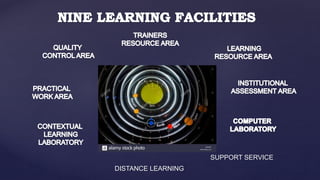
Let’s do have
a tour…
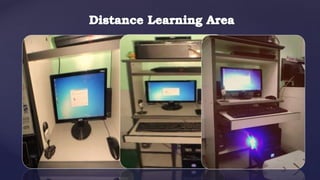
DISTANCE LEARNING
SUPPORT SERVICE
THANK
YOU!

Ppt facilitate TM1 BPP NC2

  • 1.
    STO NINO HIGHSCHOOL Orientation W E L C O M E ! Trainer: ROEL C. PENAFLORIDA Qualification: BREAD AND PASTRY PRODUCTION NCII to
  • 2.
  • 3.
    Bread and pastryproduction is one of the most popular and best sold baked products if you have this qualification you can be a baker.
  • 4.
    Basic Competencies 1. Participatein workplace communication 2. Work in a team environment 3. Practice career professionalism 4. Practice occupational health and safety procedures Common Competencies 1. Develop and update industry knowledge 2. Observe workplace hygiene procedures 3. Perfm workplace and safety practices 4. Provide effective customer service Core Competencies 1. 1. Prepare and produce bakery products 2. 2. Prepare and produce pastry products 3. 3. Prepare and present gateaaux, tortes and cakes 4. 4. Prepare and display petit four 5. 5. Present dessert Bread and Pastry Production Competencies 18 Hours 36 Hours 58 Hours Total: 141 hours
  • 5.
  • 6.
    Competency-Based Training (CBT) CBT isa training delivery approach that focuses on the competency development of the learner.
  • 7.
    10 PRINCIPLES OFCBT Principle One: Training is based on curriculum (CBC) developed from the competency standard (CS). Principle Two: Learning is competency based or modular in structure. Principle Ten: Approved training programs are nationality accredited. Principle Nine: Training allows multiple entry and exit. Principle Eight: The system allows Recognition Prior Learning (RPL) and or current competencies. Principle Six: Assessment is based in the collection of evidences of the performance of work to the industry required standard. Principle Seven: Training is based both on and off the job components. Principle Three: Training delivery is individualized and self- paced. Principle Four: Training is based on work that must be performed. Principle Five: Training materials are directly related to the competency standard and the curriculum modules.
  • 8.
    Role of CBTTrainer  Monitoring  Guiding  Evaluating
  • 9.
    Role of CBTTrainee Trainees may select what they want to learn and when to learn it, within reason Trainees learn at they own rate within program guidelines Trainees may request to receive credit for what they already know Ask and Answer Question
  • 10.
    CBLM It is competencybase learning materials that contain information related to work requirement
  • 11.
  • 12.
  • 22.