ntroduction
• The study of inter-relationships between the living
organisms and environment is known as Ecology.
• In recent years, ecology is often called
“Environmental Biology, Environmental Science and
Ecobiology.
!
Approaches to Ecology
• Ecology deals with inter-relationships between the living beings and the
environment and all sorts off relationships among the living beings. It
describes all relations of all plants, animals and microbes in relation to the
physical environment.
• Ecological studies are based on three main approaches . Thy are:
• 1. Taxanomic approaches
• 2. Habitat approaches
• 3. Organism approaches
Taxonomic approaches
• Exploration of plants or animals living in a broad area is
known as taxonomy approach.
• It performed by Botanists and Zoologists who are
specialists in taxonomy.
• Plant ecology and animal ecology are considered as separate
specialized fields.
Key for taxonomic approach
• Distribution
• Topography
• Habit
• Morphological features
• Floral characteristics
• Flowering and fruiting seasons
• Pollination characteristics
• Seed dispersal mechanism
Habitat approaches
• Habitat means home or natural environment of organism.
• The study of living organisms (both plants and animals) in
relation to environmental conditions of the habitat is known
as habitat approach.
• They are different types of habitat nature. They include
forests, grasslands, estuary, sea, ocean, ponds, lakes, rivers,
ditches, dams, deserts, etc.
• Ecological studies at the habitat level lead to Habitat
ecology.

Habitat ecology
• Pond ecosystem
• Lake ecosystem
• Marine ecosystem
• Estuarine ecosystem
• Forest ecosystem
• Desert ecosystem and
• Grassland ecosystem
Organism approaches
• The study of living organisms at individual or population or community
level in relation to the environment is called organism approach.
• It is a specialized area of ecology in which importance is given for an
individual of a species or population or community.
• Based on the living organism considered for study, the organism
approach is divided into two categories. They are,
• 1. Autecology
• 2. Synecology
Autecology
• The study of a plant or animal species or population
throughout its life cycle in relation to environment is called
autecology.

• It mostly experimental and inductive.
• It gives information about –
• Home range of the species
• Distribution in different soil types
• Position and roles
• Morphological features
• Ecological adaptations
• Cytogenetics
• Phenology of the species
• Seed dispersal
• Seed viability
• Seed dormancy
• Germination capacity
• Plant percentage
• Population dynamics
• Biomass production
Significance of autecology
• Agriculture
• Horticulture
• Sericulture
• Aquaculture in fisheries
• Silviculture in forestry
• Management of endangered species
• Conservation of rare species
Synecoloy
• The study of community as a whole or part thereof
in relation to the environment is known as
synecology.

• The synecological study of plant communities is
called phytosociology or plant sociology.

• It gives details about the structure of plant
community and dynamics in the community.
• Synecolgy gives broad outlines about complex biotic communities in the nature.
It explains
• Structure of plant and animal community
• Distribution and abundance of different species in the community
• Causes of distribution
• Ecological niches
• Density of different species
• Primary and secondary productivity in the communities
• Flow of matters and energy through the community
• Sustainability of biological natural resources
• Conservation of biosphere resources
• Conservation of forests and wildlife
• Population dynamics within the community
• Succession of plant or animal community in a locality
Synecology gives clear ideas about the plant
or animal community in –
• Caves
• Deserts
• Ponds
• Deep-sea ecosystem
• Forests
• Grasslands
• Freshwater lakes
• Natural reserves, etc.
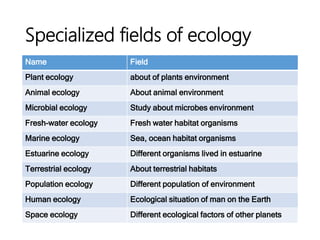
Specialized fields of ecology
Name Field
Plant ecology about of plants environment
Animal ecology About animal environment
Microbial ecology Study about microbes environment
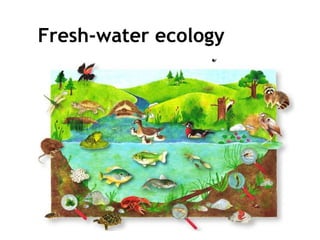
Fresh-water ecology Fresh water habitat organisms
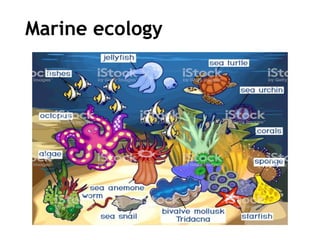
Marine ecology Sea, ocean habitat organisms
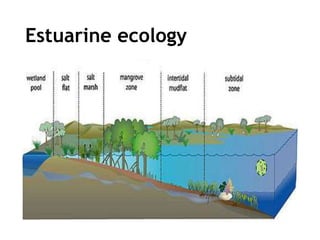
Estuarine ecology Different organisms lived in estuarine
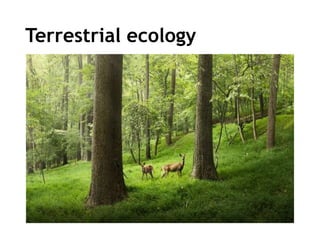
Terrestrial ecology About terrestrial habitats
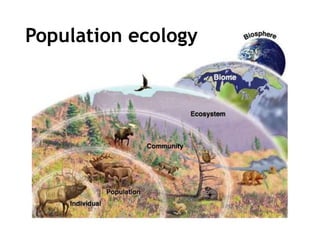
Population ecology Different population of environment
Human ecology Ecological situation of man on the Earth
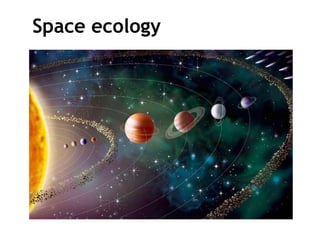
Space ecology Different ecological factors of other planets
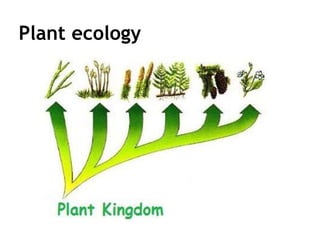
Plant ecology
Animal ecology
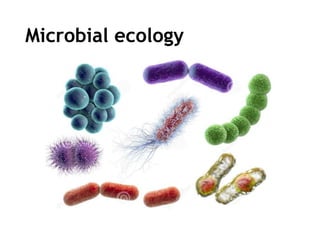
Microbial ecology
Fresh-water ecology
Marine ecology
Estuarine ecology
Terrestrial ecology
Population ecology
Human ecology
Space ecology
Scope of Plant Ecology
• Agriculture
• Afforestation
• Forest Management
• Fisheries management
• Wild life Conservation
• Maintenance of Natural Resources
• Conservation of rare species
• Pollution control
• Proper planning
• Evolution
Ecological groups of plants
• Hydrophytes
• Mesophytes
• Xerophytes
• Halophytes
• Epiphytes
Hydrophytes
• Hydrophytes are plants growing in aquatic habitats.
They are commonly called water plants.
• They are very common in lakes, ponds, swamps,
ditches, springs, streams, rivers, canals, etc.
• They prefer permanently wet places or stagnant
waters for their growth. They are partly
Plant ecology
Plant ecology
Plant ecology
Plant ecology
Plant ecology
Plant ecology
Plant ecology
Plant ecology
Plant ecology

Plant ecology

  • 2.
    ntroduction • The studyof inter-relationships between the living organisms and environment is known as Ecology. • In recent years, ecology is often called “Environmental Biology, Environmental Science and Ecobiology. !


  • 3.
    Approaches to Ecology •Ecology deals with inter-relationships between the living beings and the environment and all sorts off relationships among the living beings. It describes all relations of all plants, animals and microbes in relation to the physical environment. • Ecological studies are based on three main approaches . Thy are: • 1. Taxanomic approaches • 2. Habitat approaches • 3. Organism approaches
  • 4.
    Taxonomic approaches • Explorationof plants or animals living in a broad area is known as taxonomy approach. • It performed by Botanists and Zoologists who are specialists in taxonomy. • Plant ecology and animal ecology are considered as separate specialized fields.
  • 5.
    Key for taxonomicapproach • Distribution • Topography • Habit • Morphological features • Floral characteristics • Flowering and fruiting seasons • Pollination characteristics • Seed dispersal mechanism
  • 6.
    Habitat approaches • Habitatmeans home or natural environment of organism. • The study of living organisms (both plants and animals) in relation to environmental conditions of the habitat is known as habitat approach. • They are different types of habitat nature. They include forests, grasslands, estuary, sea, ocean, ponds, lakes, rivers, ditches, dams, deserts, etc. • Ecological studies at the habitat level lead to Habitat ecology.

  • 7.
    Habitat ecology • Pondecosystem • Lake ecosystem • Marine ecosystem • Estuarine ecosystem • Forest ecosystem • Desert ecosystem and • Grassland ecosystem
  • 8.
    Organism approaches • Thestudy of living organisms at individual or population or community level in relation to the environment is called organism approach. • It is a specialized area of ecology in which importance is given for an individual of a species or population or community. • Based on the living organism considered for study, the organism approach is divided into two categories. They are, • 1. Autecology • 2. Synecology
  • 9.
    Autecology • The studyof a plant or animal species or population throughout its life cycle in relation to environment is called autecology. • It mostly experimental and inductive. • It gives information about – • Home range of the species • Distribution in different soil types
  • 10.
    • Position androles • Morphological features • Ecological adaptations • Cytogenetics • Phenology of the species • Seed dispersal • Seed viability • Seed dormancy • Germination capacity • Plant percentage • Population dynamics • Biomass production
  • 11.
    Significance of autecology •Agriculture • Horticulture • Sericulture • Aquaculture in fisheries • Silviculture in forestry • Management of endangered species • Conservation of rare species
  • 12.
    Synecoloy • The studyof community as a whole or part thereof in relation to the environment is known as synecology. • The synecological study of plant communities is called phytosociology or plant sociology. • It gives details about the structure of plant community and dynamics in the community.
  • 13.
    • Synecolgy givesbroad outlines about complex biotic communities in the nature. It explains • Structure of plant and animal community • Distribution and abundance of different species in the community • Causes of distribution • Ecological niches • Density of different species • Primary and secondary productivity in the communities • Flow of matters and energy through the community • Sustainability of biological natural resources • Conservation of biosphere resources • Conservation of forests and wildlife • Population dynamics within the community • Succession of plant or animal community in a locality
  • 14.
    Synecology gives clearideas about the plant or animal community in – • Caves • Deserts • Ponds • Deep-sea ecosystem • Forests • Grasslands • Freshwater lakes • Natural reserves, etc.
  • 15.
    Specialized fields ofecology Name Field Plant ecology about of plants environment Animal ecology About animal environment Microbial ecology Study about microbes environment Fresh-water ecology Fresh water habitat organisms Marine ecology Sea, ocean habitat organisms Estuarine ecology Different organisms lived in estuarine Terrestrial ecology About terrestrial habitats Population ecology Different population of environment Human ecology Ecological situation of man on the Earth Space ecology Different ecological factors of other planets
  • 16.
  • 17.
  • 18.
  • 19.
  • 20.
  • 21.
  • 22.
  • 23.
  • 24.
  • 25.
  • 26.
    Scope of PlantEcology • Agriculture • Afforestation • Forest Management • Fisheries management • Wild life Conservation • Maintenance of Natural Resources • Conservation of rare species • Pollution control • Proper planning • Evolution
  • 27.
    Ecological groups ofplants • Hydrophytes • Mesophytes • Xerophytes • Halophytes • Epiphytes
  • 28.
    Hydrophytes • Hydrophytes areplants growing in aquatic habitats. They are commonly called water plants. • They are very common in lakes, ponds, swamps, ditches, springs, streams, rivers, canals, etc. • They prefer permanently wet places or stagnant waters for their growth. They are partly