PHILOSOPHY OF IDEALISM
& EDUCATION
DR. MAHESWARI JAIKUMAR
maheswarijaikumar2103@gmail.com
PROPONENTS
• Plato.
• Augustine.
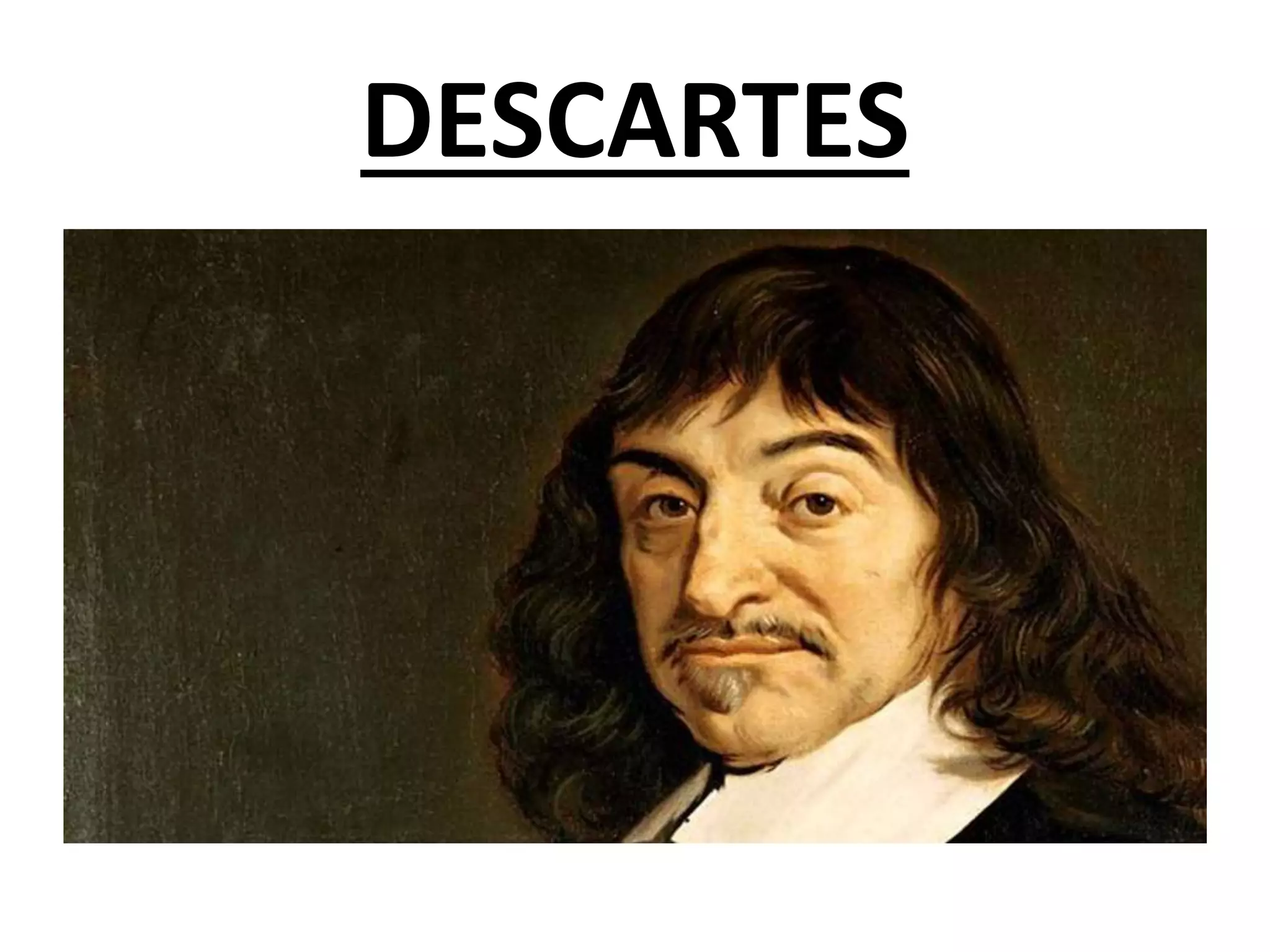
• Descartes.
• Kant & Hegel.
• Tagore.
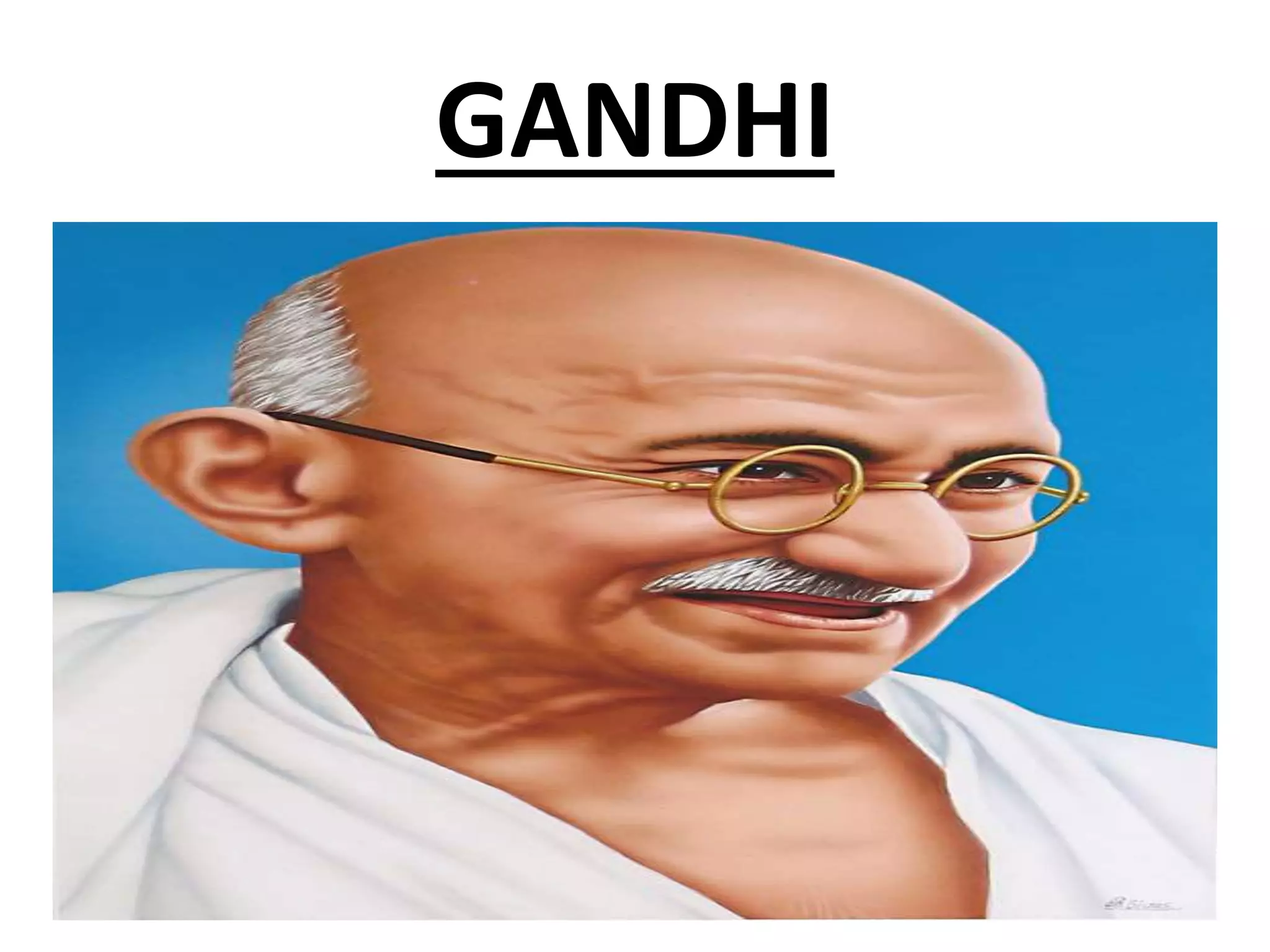
• Gandhi.
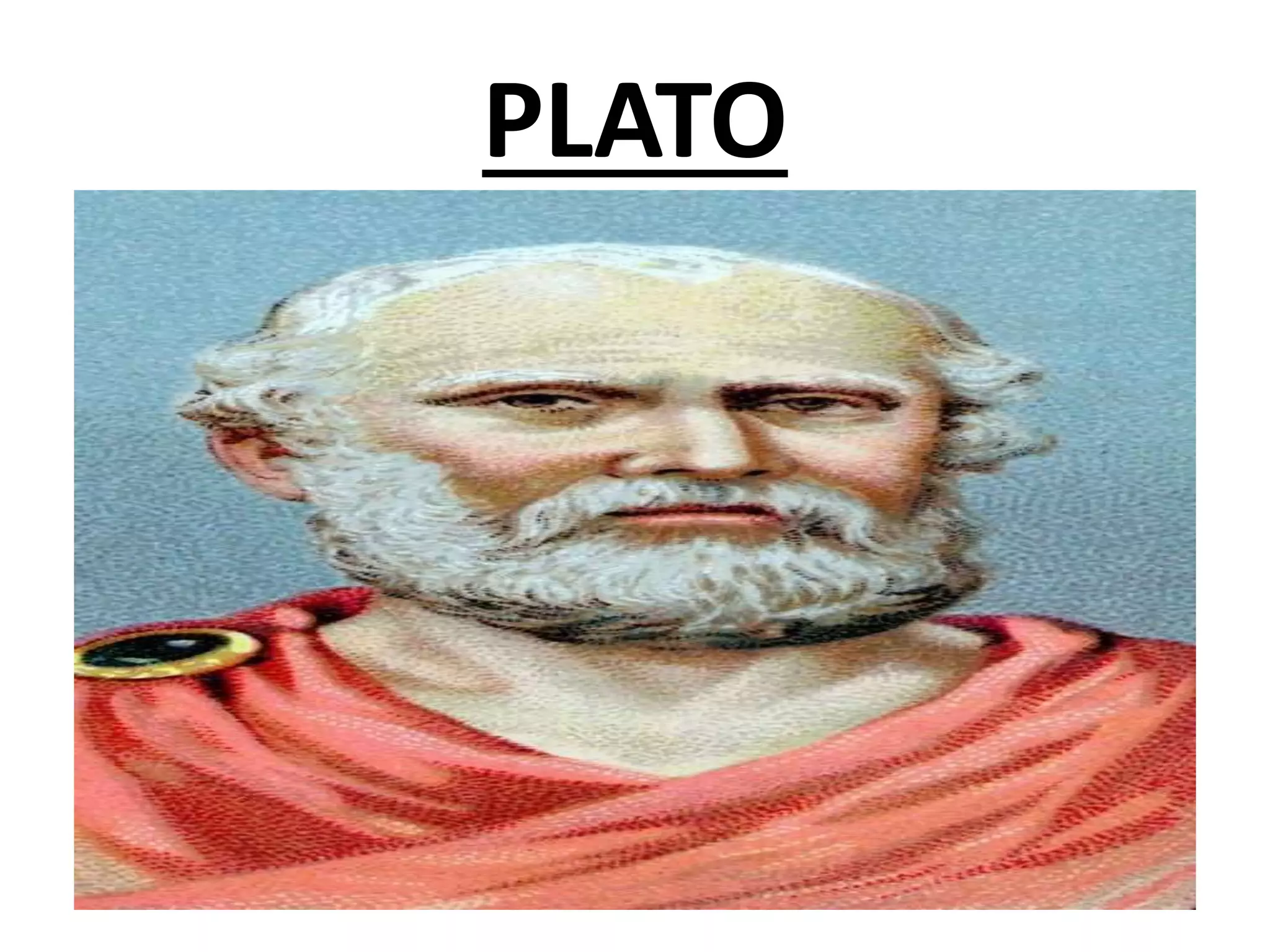
PLATO
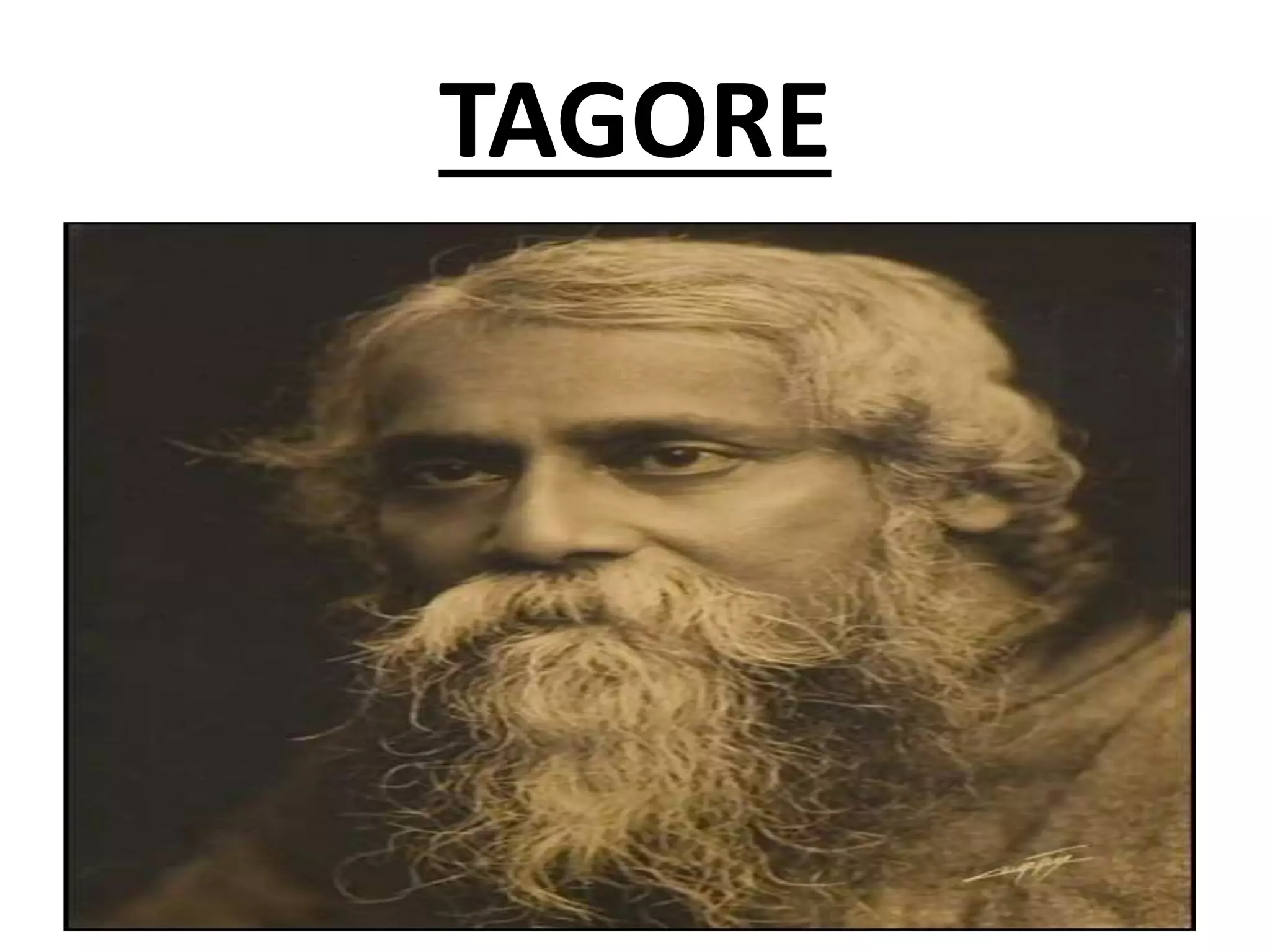
TAGORE
GANDHI
HEGEL
DESCARTES
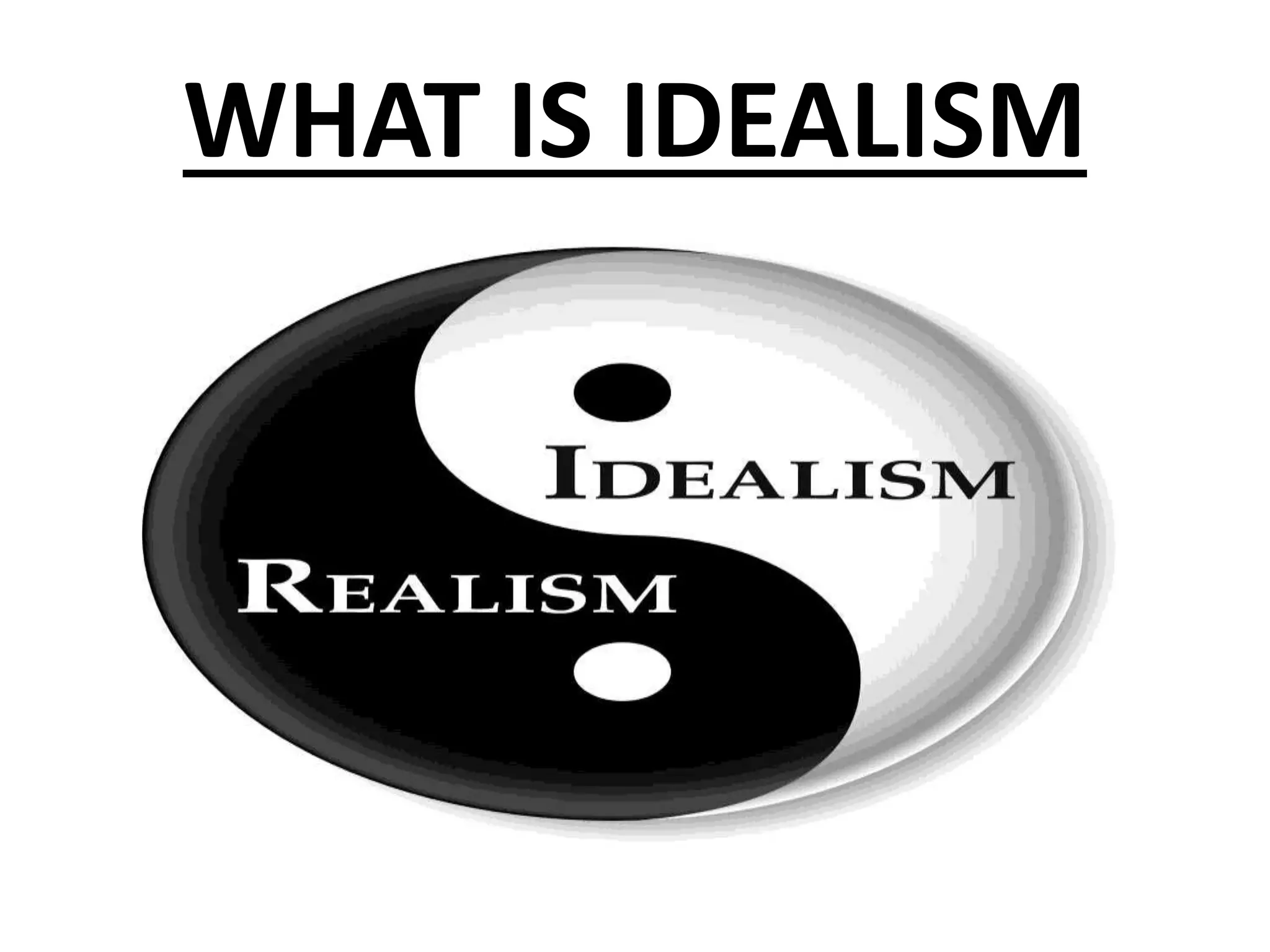
WHAT IS IDEALISM
• According to idealism a man is
born with a spiritual self. He
understands its true nature
only through education.
•Idealist believe that it is
only through the agency of
education the ideals of race
and its cultural patterns are
preserved, transmitted and
modified subsequently in
light of the new situation.
IDEALISM & AIMS OF
EDUCATION
• The aims of education are as
follows:
1. EXALTATION OF HUMAN
PERSONALITY.
2. UNIVERSAL EDUCATION.
3. DEVELOPMENT OF
INITIATIVE & CREATIVE
POWER.
4. ACQUISITION AND
ENRICHMENT OF CULTURAL
ENVIRONMENT.
5.DEVELOPMENT OF MORAL
SENSE.
6. SELF REALIZATION.
EXALTATION OF HUMAN
PERSONALITY
• Idealism believes that human
personality is of supreme
value and constitutes the
noblest work of God.
• Therefore the supreme aim of
education is to exalt the self
which implies self-realization.
Education should help an
individual to become a
perfect pattern.
• Since man is a spiritual being
“ the divine in man” should be
unfolded and brought his
consciousness by means of
education.
UNIVERSAL EDUCATION
• Self realization should not be
an experience of a chosen
few. Since it is universal all
the individuals should realize
self, and education should aim
at this.
DEVELOPMENT OF
INITIATIVE
• Man should modify his
environment according to his
own purpose, needs through
his initiative and creative skill.
• Education must foster
inventive power of a man to
ensure his mastery over the
material given to him.
• Education should form
character, strength of mind,
expand intellect by which one
stands on his own feet and
manifest divinity.
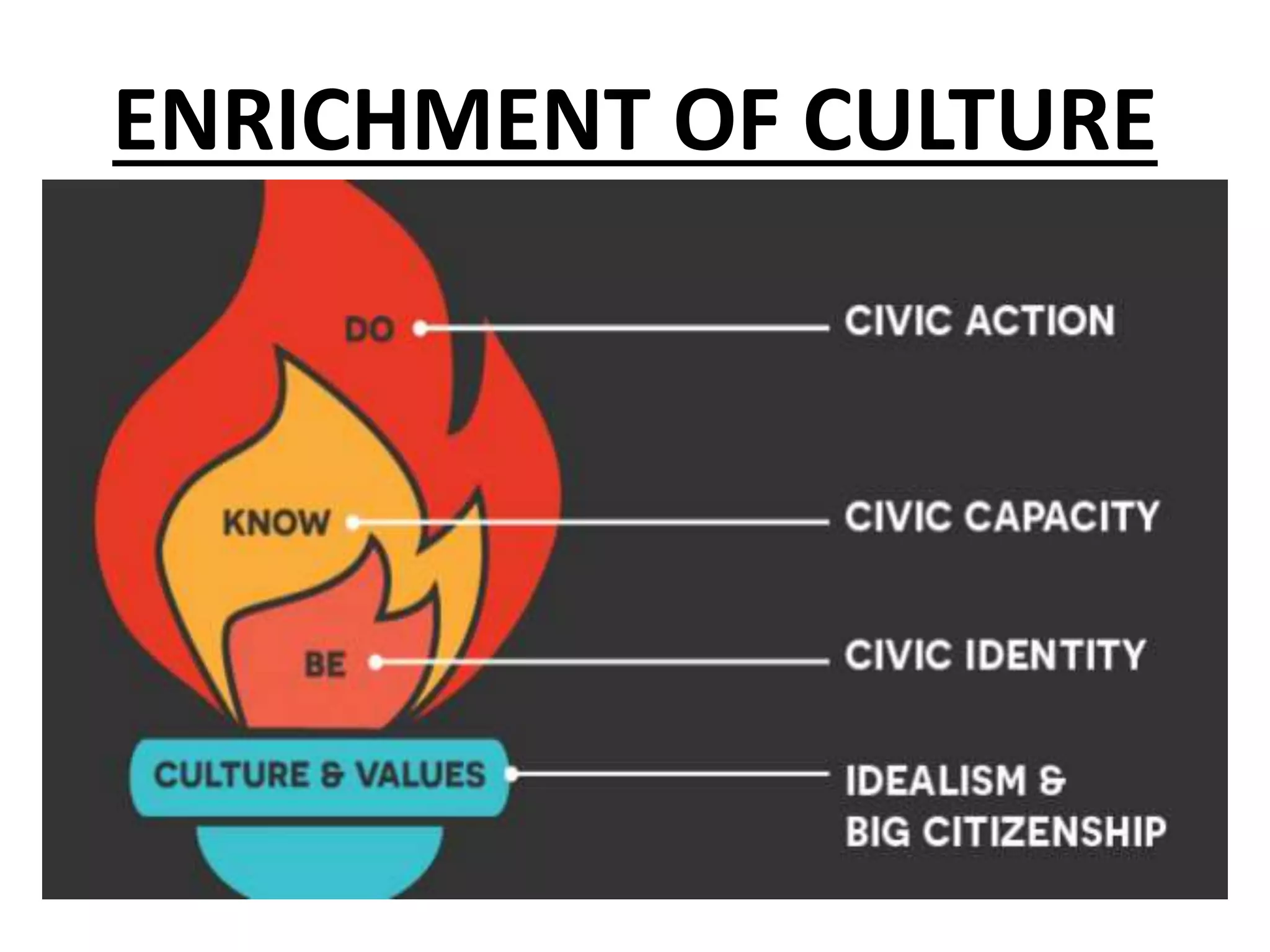
ENRICHMENT OF CULTURE
• Idealist believe that man
himself is the creator of
cultural environment. Religion,
morality, art, literature,
mathematics and science are
the product of man’s moral &
intellectual and aesthetic
activity.
• Therefore education should
aim at teaching the child the
importance of culture and its
components. He should
contribute to his culture and
make every effort to preserve
it.
ENRICHMENT OF CULTURE
DEVELOPMENT OF
MORAL SENSE
• The most important aim of
education is to develop moral
sense so that he may be able
to distinguish between the
right and the wrong.
• Education should develop the
will power of the child so that
he may follow the good and
reject the evil. These virtues
can be developed by correct
appreciation of truth.
SELF-REALIZATION
• The function of education is
to enable individuals to
realize self so as to establish
harmony between his nature
and the ultimate nature of
this universe.
IDEALISM
AND
EDUCATION
IDEALISM &
CURRICULUM
• The idealist approach the
curriculum from the domain
of ideas and ideals.
• Preference is given to the
whole human race. Idealism
aims at developing a true
sense of appreciation of truth,
goodness, beauty, (ie)
attainment of spiritual
perfection.
• Idealist philosophy insists on
the creation of sound mind in
a sound body, neccessitates
the maintenance of bodily
health through proper
physical activities.
• Idealist curriculum comprises
of physical, intellectual and
spiritual activities that will
enable a man to develop fully.
It therefore reflects a diverse
experiences .
IDEALISM & METHOD OF
TEACHING
• The teaching method is the
weakest point in the idealist
philosophy.
• Idealist school of thought
advocates in employing
traditional methods of
teaching.
• Self activities are advocated
for the learner. Instructions
should be given based on the
child’s psychology, according
to Pestalozzi.
• Frobel developed the
methodology of play which is
known as “kindergarten”. He
regards school as a garden
and teacher as a gardener.
• Idealism advocates five
teaching techniques :
Questioning, Discussion,
Lecture method, Single &
group projects & Imitation.
IDEALISM & DISCIPLINE
• Idealist do not advocate a free
discipline as it may lead child
astray. This school of thought
advocates strict discipline for
self-realization.
• Teacher’s guidance is
necessary at every step, as he
would impress upon the child
the importance of higher
values.
• The teacher has to provide
such an environment to
children to realize higher
values. A deserved reward for
a child who has learnt to live
under self-imposed regulation
is advocated.
IDEALISM & TEACHER
• The position of a teacher in
idealism is very high. An
idealist teacher is the one
who has attained self-
realization.
• The teacher is a practical
person and leads an ideal and
righteous life. His personality
is a source of inspiration foe
his pupil.
• A teacher is a friend,
philosopher & guide. He
shows the learner the path to
acquire knowledge.
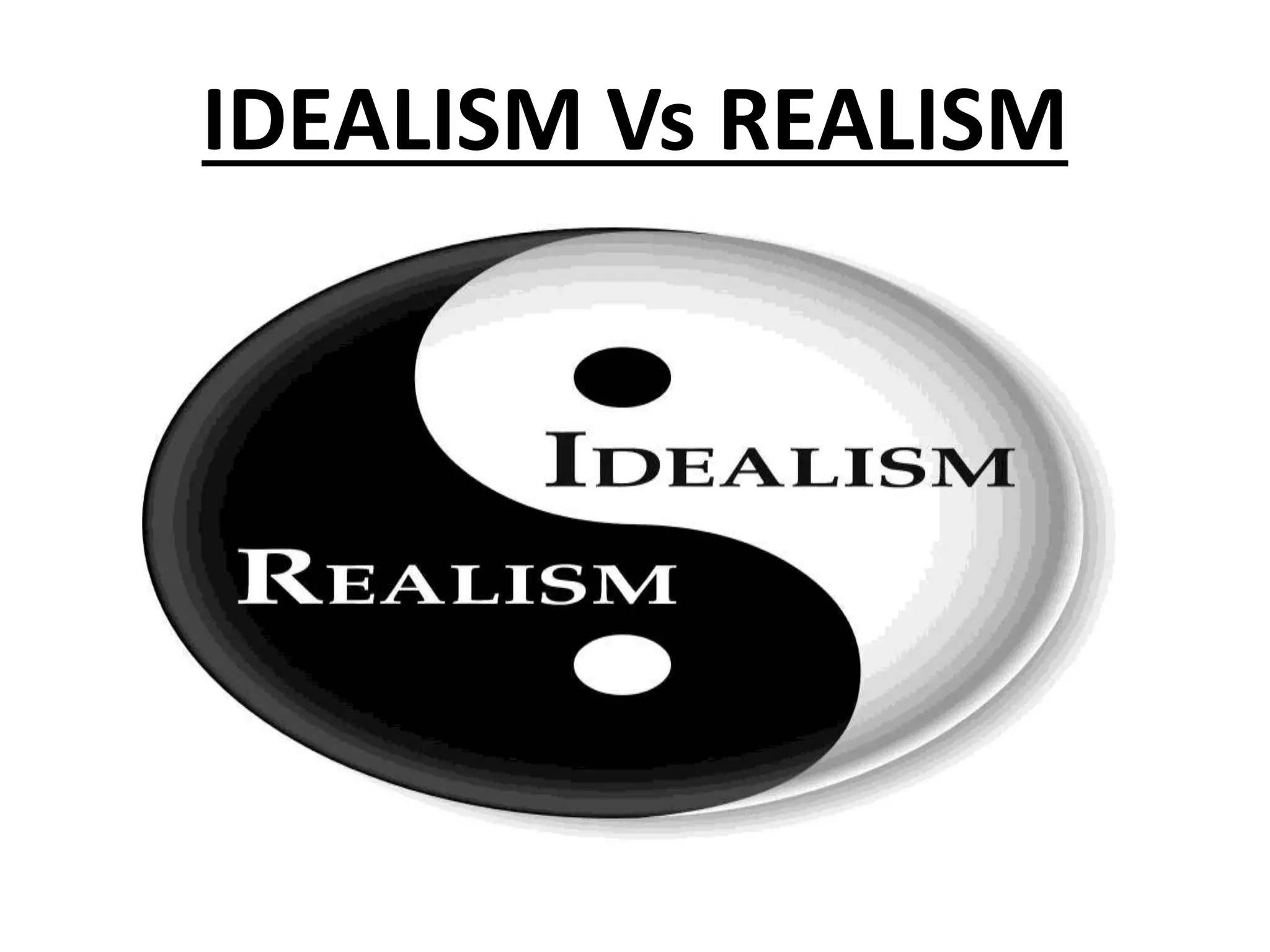
IDEALISM Vs REALISM
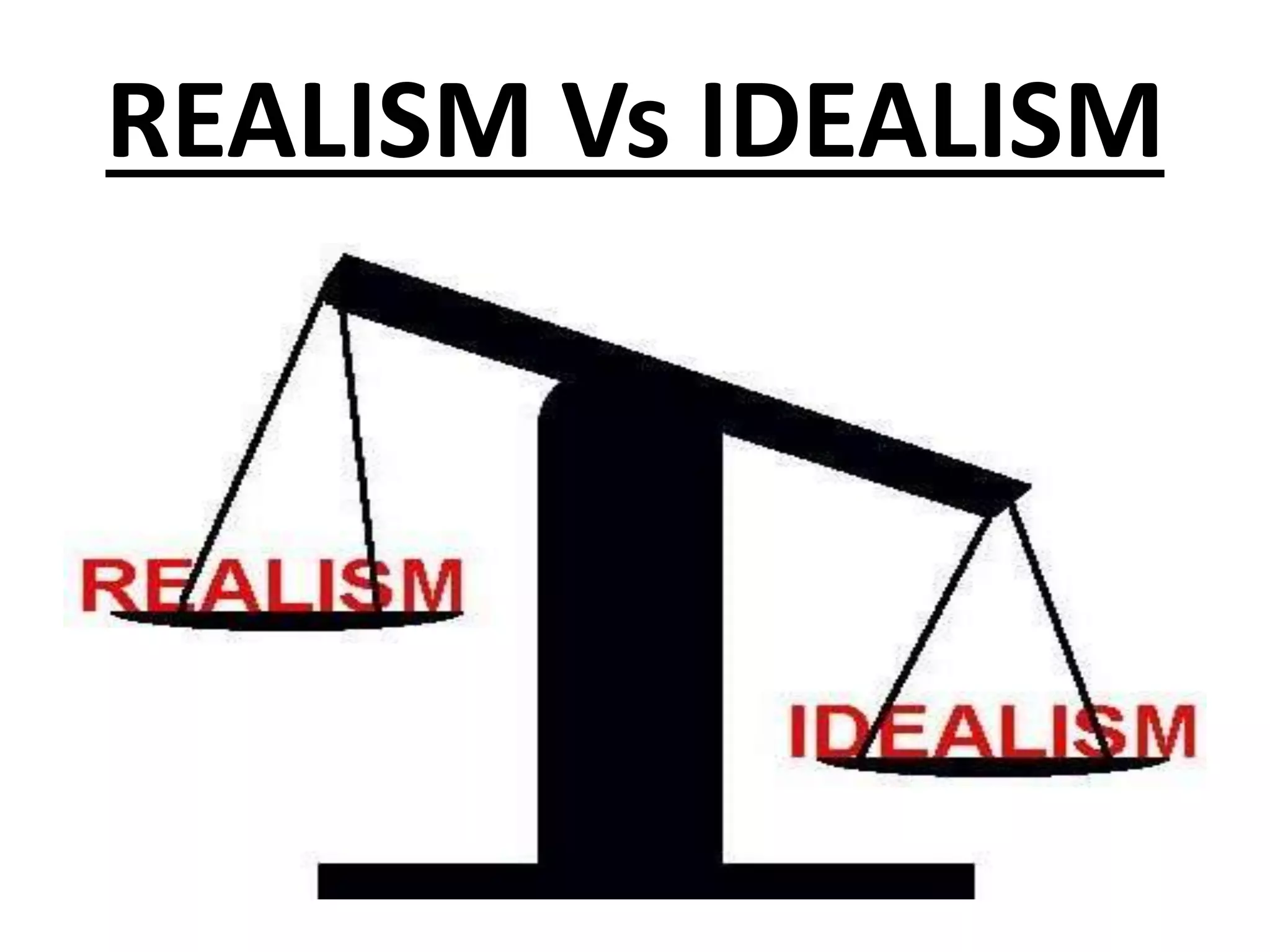
REALISM Vs IDEALISM
THANK YOU

PHILOSOPHY OF IDEALISM & EDUCATION

  • 1.
    PHILOSOPHY OF IDEALISM &EDUCATION DR. MAHESWARI JAIKUMAR maheswarijaikumar2103@gmail.com
  • 2.
    PROPONENTS • Plato. • Augustine. •Descartes. • Kant & Hegel. • Tagore. • Gandhi.
  • 3.
  • 4.
  • 5.
  • 6.
  • 7.
  • 8.
  • 9.
    • According toidealism a man is born with a spiritual self. He understands its true nature only through education.
  • 10.
    •Idealist believe thatit is only through the agency of education the ideals of race and its cultural patterns are preserved, transmitted and modified subsequently in light of the new situation.
  • 11.
    IDEALISM & AIMSOF EDUCATION • The aims of education are as follows: 1. EXALTATION OF HUMAN PERSONALITY. 2. UNIVERSAL EDUCATION.
  • 12.
    3. DEVELOPMENT OF INITIATIVE& CREATIVE POWER. 4. ACQUISITION AND ENRICHMENT OF CULTURAL ENVIRONMENT.
  • 13.
  • 14.
    EXALTATION OF HUMAN PERSONALITY •Idealism believes that human personality is of supreme value and constitutes the noblest work of God.
  • 15.
    • Therefore thesupreme aim of education is to exalt the self which implies self-realization. Education should help an individual to become a perfect pattern.
  • 16.
    • Since manis a spiritual being “ the divine in man” should be unfolded and brought his consciousness by means of education.
  • 17.
    UNIVERSAL EDUCATION • Selfrealization should not be an experience of a chosen few. Since it is universal all the individuals should realize self, and education should aim at this.
  • 18.
    DEVELOPMENT OF INITIATIVE • Manshould modify his environment according to his own purpose, needs through his initiative and creative skill.
  • 19.
    • Education mustfoster inventive power of a man to ensure his mastery over the material given to him.
  • 20.
    • Education shouldform character, strength of mind, expand intellect by which one stands on his own feet and manifest divinity.
  • 21.
    ENRICHMENT OF CULTURE •Idealist believe that man himself is the creator of cultural environment. Religion, morality, art, literature, mathematics and science are the product of man’s moral & intellectual and aesthetic activity.
  • 22.
    • Therefore educationshould aim at teaching the child the importance of culture and its components. He should contribute to his culture and make every effort to preserve it.
  • 23.
  • 24.
    DEVELOPMENT OF MORAL SENSE •The most important aim of education is to develop moral sense so that he may be able to distinguish between the right and the wrong.
  • 25.
    • Education shoulddevelop the will power of the child so that he may follow the good and reject the evil. These virtues can be developed by correct appreciation of truth.
  • 26.
    SELF-REALIZATION • The functionof education is to enable individuals to realize self so as to establish harmony between his nature and the ultimate nature of this universe.
  • 27.
  • 28.
    IDEALISM & CURRICULUM • Theidealist approach the curriculum from the domain of ideas and ideals.
  • 29.
    • Preference isgiven to the whole human race. Idealism aims at developing a true sense of appreciation of truth, goodness, beauty, (ie) attainment of spiritual perfection.
  • 30.
    • Idealist philosophyinsists on the creation of sound mind in a sound body, neccessitates the maintenance of bodily health through proper physical activities.
  • 31.
    • Idealist curriculumcomprises of physical, intellectual and spiritual activities that will enable a man to develop fully. It therefore reflects a diverse experiences .
  • 32.
    IDEALISM & METHODOF TEACHING • The teaching method is the weakest point in the idealist philosophy.
  • 33.
    • Idealist schoolof thought advocates in employing traditional methods of teaching.
  • 34.
    • Self activitiesare advocated for the learner. Instructions should be given based on the child’s psychology, according to Pestalozzi.
  • 35.
    • Frobel developedthe methodology of play which is known as “kindergarten”. He regards school as a garden and teacher as a gardener.
  • 36.
    • Idealism advocatesfive teaching techniques : Questioning, Discussion, Lecture method, Single & group projects & Imitation.
  • 37.
    IDEALISM & DISCIPLINE •Idealist do not advocate a free discipline as it may lead child astray. This school of thought advocates strict discipline for self-realization.
  • 38.
    • Teacher’s guidanceis necessary at every step, as he would impress upon the child the importance of higher values.
  • 39.
    • The teacherhas to provide such an environment to children to realize higher values. A deserved reward for a child who has learnt to live under self-imposed regulation is advocated.
  • 40.
    IDEALISM & TEACHER •The position of a teacher in idealism is very high. An idealist teacher is the one who has attained self- realization.
  • 41.
    • The teacheris a practical person and leads an ideal and righteous life. His personality is a source of inspiration foe his pupil.
  • 42.
    • A teacheris a friend, philosopher & guide. He shows the learner the path to acquire knowledge.
  • 43.
  • 44.
  • 45.