A presentation on Perspective
Projection( 3D Projection).
By-Pranjal Das.
MCA 4th semester
Roll no=19
Contents
Overview of 3D Projection.
Types of 3D Projection.
Brief introduction to Parallel projection.
Introduction to Perspective Projection.
What is Vanishing point ??
Types of Perspective Projection.
References.
Conclusion.
Overview of 3D Projection:
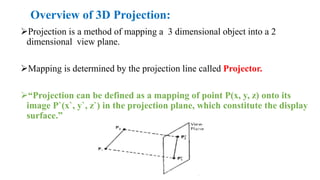
Projection is a method of mapping a 3 dimensional object into a 2
dimensional view plane.
Mapping is determined by the projection line called Projector.
“Projection can be defined as a mapping of point P(x, y, z) onto its
image P`(x`, y`, z`) in the projection plane, which constitute the display
surface.”
Types of 3D Projection:
Two types of projections are there.
 Those are Perspective projection and Parallel projection.
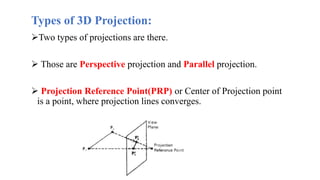
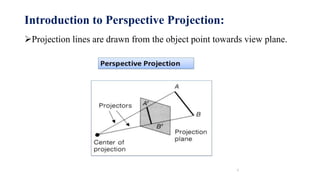
 Projection Reference Point(PRP) or Center of Projection point
is a point, where projection lines converges.
Brief introduction to Parallel projection:
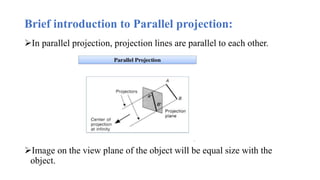
In parallel projection, projection lines are parallel to each other.
Image on the view plane of the object will be equal size with the
object.
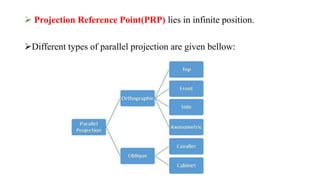
 Projection Reference Point(PRP) lies in infinite position.
Different types of parallel projection are given bellow:
Introduction to Perspective Projection:
Projection lines are drawn from the object point towards view plane.
 Image of the object in the view plane is smaller than the real object.
 PRP lies in finite position.
Realistic image relative proportion could not be preserved.
Commonly used by artists and the designers.
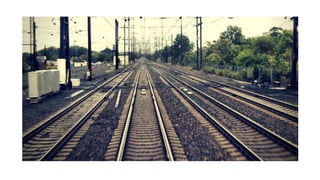
Let’s Observe some pictures closely.
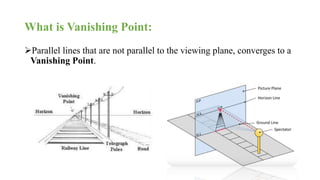
What is Vanishing Point:
Parallel lines that are not parallel to the viewing plane, converges to a
Vanishing Point.
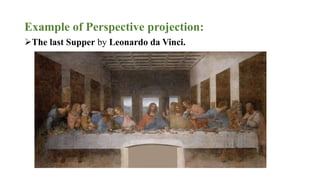
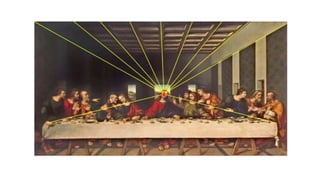
Example of Perspective projection:
The last Supper by Leonardo da Vinci.
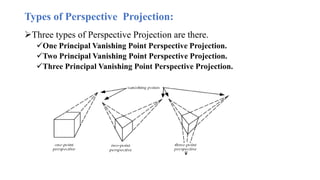
Types of Perspective Projection:
Three types of Perspective Projection are there.
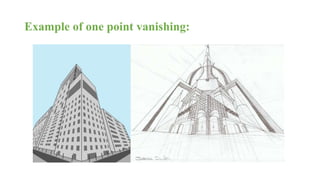
One Principal Vanishing Point Perspective Projection.
Two Principal Vanishing Point Perspective Projection.
Three Principal Vanishing Point Perspective Projection.
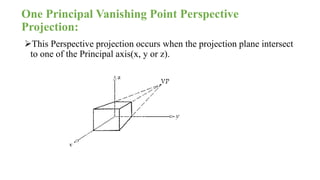
One Principal Vanishing Point Perspective
Projection:
This Perspective projection occurs when the projection plane intersect
to one of the Principal axis(x, y or z).
Example of one point vanishing:
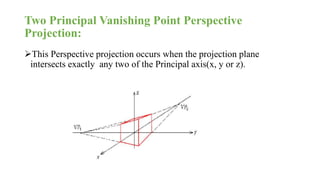
Two Principal Vanishing Point Perspective
Projection:
This Perspective projection occurs when the projection plane
intersects exactly any two of the Principal axis(x, y or z).
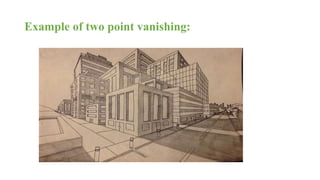
Example of two point vanishing:
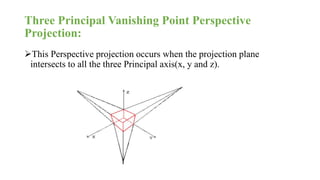
Three Principal Vanishing Point Perspective
Projection:
This Perspective projection occurs when the projection plane
intersects to all the three Principal axis(x, y and z).
Example of one point vanishing:
References:
https://en.wikipedia.org/wiki/3D_projection
Google
Bibliography:
Computer Graphics, C Version ,Second Edition by- Donald D. Hearn,
M. Pauline Baker.
Conclusion:
“Clearly, if wed had the kind of computer graphics
capability then that we have now, the Star Gate sequence
would be much more complex than flat planes of light
and color.”
- Douglas Trumbull.
https://www.youtube.com/watch?v=ebmwYqoUp44&t=125s
THANK YOU

Perspective projection

  • 1.
    A presentation onPerspective Projection( 3D Projection). By-Pranjal Das. MCA 4th semester Roll no=19
  • 2.
    Contents Overview of 3DProjection. Types of 3D Projection. Brief introduction to Parallel projection. Introduction to Perspective Projection. What is Vanishing point ?? Types of Perspective Projection. References. Conclusion.
  • 3.
    Overview of 3DProjection: Projection is a method of mapping a 3 dimensional object into a 2 dimensional view plane. Mapping is determined by the projection line called Projector. “Projection can be defined as a mapping of point P(x, y, z) onto its image P`(x`, y`, z`) in the projection plane, which constitute the display surface.”
  • 4.
    Types of 3DProjection: Two types of projections are there.  Those are Perspective projection and Parallel projection.  Projection Reference Point(PRP) or Center of Projection point is a point, where projection lines converges.
  • 5.
    Brief introduction toParallel projection: In parallel projection, projection lines are parallel to each other. Image on the view plane of the object will be equal size with the object.
  • 6.
     Projection ReferencePoint(PRP) lies in infinite position. Different types of parallel projection are given bellow:
  • 7.
    Introduction to PerspectiveProjection: Projection lines are drawn from the object point towards view plane.
  • 8.
     Image ofthe object in the view plane is smaller than the real object.  PRP lies in finite position. Realistic image relative proportion could not be preserved. Commonly used by artists and the designers.
  • 9.
    Let’s Observe somepictures closely.
  • 14.
    What is VanishingPoint: Parallel lines that are not parallel to the viewing plane, converges to a Vanishing Point.
  • 15.
    Example of Perspectiveprojection: The last Supper by Leonardo da Vinci.
  • 17.
    Types of PerspectiveProjection: Three types of Perspective Projection are there. One Principal Vanishing Point Perspective Projection. Two Principal Vanishing Point Perspective Projection. Three Principal Vanishing Point Perspective Projection.
  • 18.
    One Principal VanishingPoint Perspective Projection: This Perspective projection occurs when the projection plane intersect to one of the Principal axis(x, y or z).
  • 19.
    Example of onepoint vanishing:
  • 20.
    Two Principal VanishingPoint Perspective Projection: This Perspective projection occurs when the projection plane intersects exactly any two of the Principal axis(x, y or z).
  • 21.
    Example of twopoint vanishing:
  • 22.
    Three Principal VanishingPoint Perspective Projection: This Perspective projection occurs when the projection plane intersects to all the three Principal axis(x, y and z).
  • 23.
    Example of onepoint vanishing:
  • 24.
  • 25.
    Conclusion: “Clearly, if wedhad the kind of computer graphics capability then that we have now, the Star Gate sequence would be much more complex than flat planes of light and color.” - Douglas Trumbull. https://www.youtube.com/watch?v=ebmwYqoUp44&t=125s
  • 26.