PERSONALIZED LEARNING 
implications for curricula, staff and students 
Simon Bates 
! 
simon.bates@ubc.ca 
@simonpbates 
bit.ly/batestalks
? 
• Adjusting the pace (individualization) and 
approach (differentiation) and connecting to the 
learner’s interest and experiences (National Ed 
Tech Plan, US DoE) 
• Personalized learning is ‘putting the learner at the 
heart of the education system’ (Leadbetter 2008)
The learner, guided by the teacher, is an active co-designer 
in the learning pathway experience
WHAT ARE THE DRIVERS? 
• Experiences and expectations of students 
• And of employers, parents etc 
• Affordances of technology 
• Blurring of physical and temporal campus 
boundaries
How to make it happen 
• Timing of learning - when 
• Pacing of learning - accelerated vs not 
• Place for learning - within and beyond the campus 
• Ways of learning - blending online, self-paced, enquiry, collaborative 
• Support for learning - SME as a guide, key role of advising 
• Aims for learning - skills and competencies through disciplinary knowledge 
• Technology for learning - as a catalyst, enabler, connector
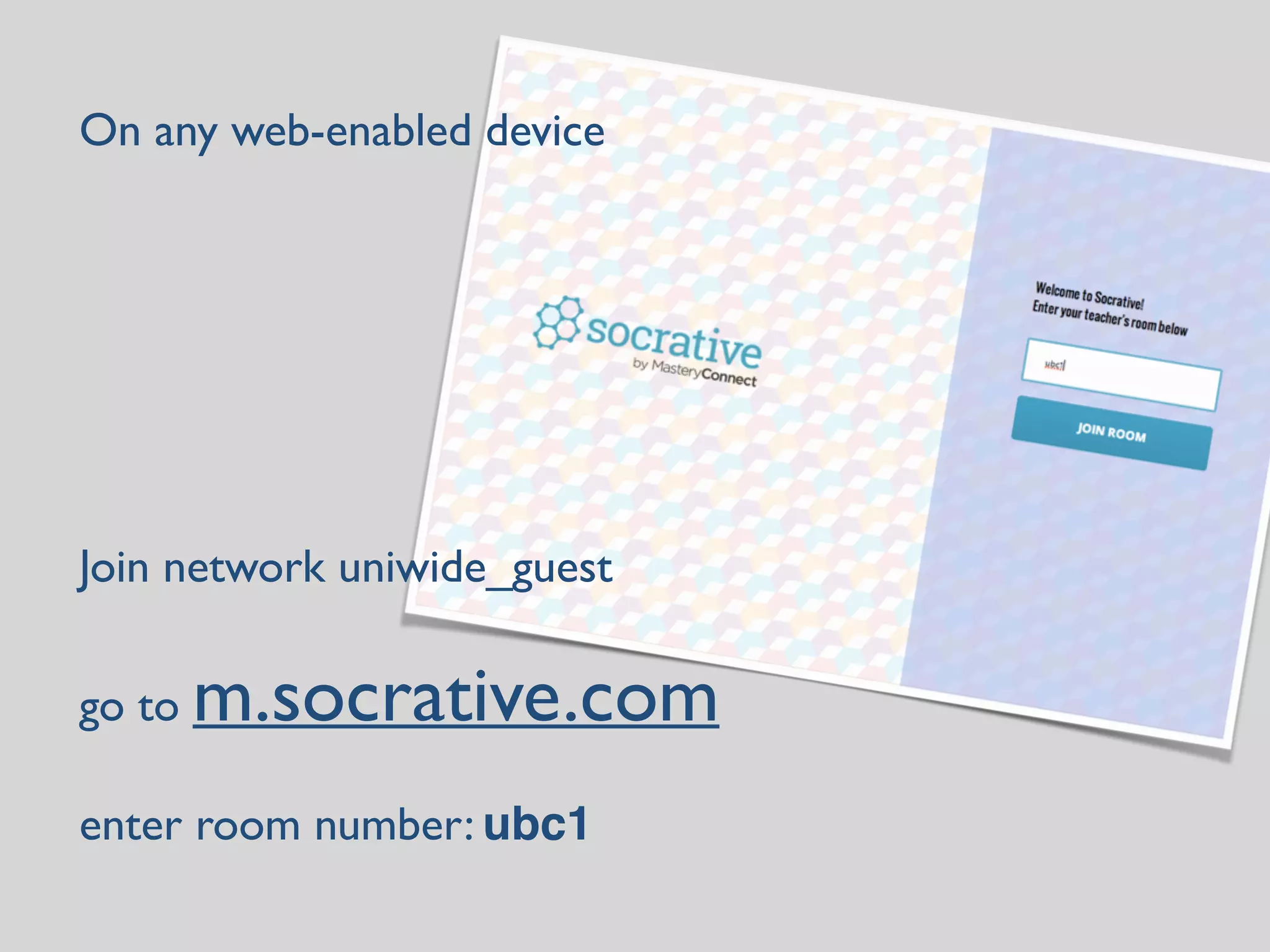
On any web-enabled device 
! 
! 
! 
! 
! 
! 
! 
Join network uniwide_guest 
! 
go to m.socrative.com 
! 
enter room number: ubc1
What I might have expected 
1. Spread centred around 32 skewed R 
2. Spread centred around minor / moderate 
3. Narrow spread around too slow
“Prepare, apply, cram, conform, get through, graduate ... 
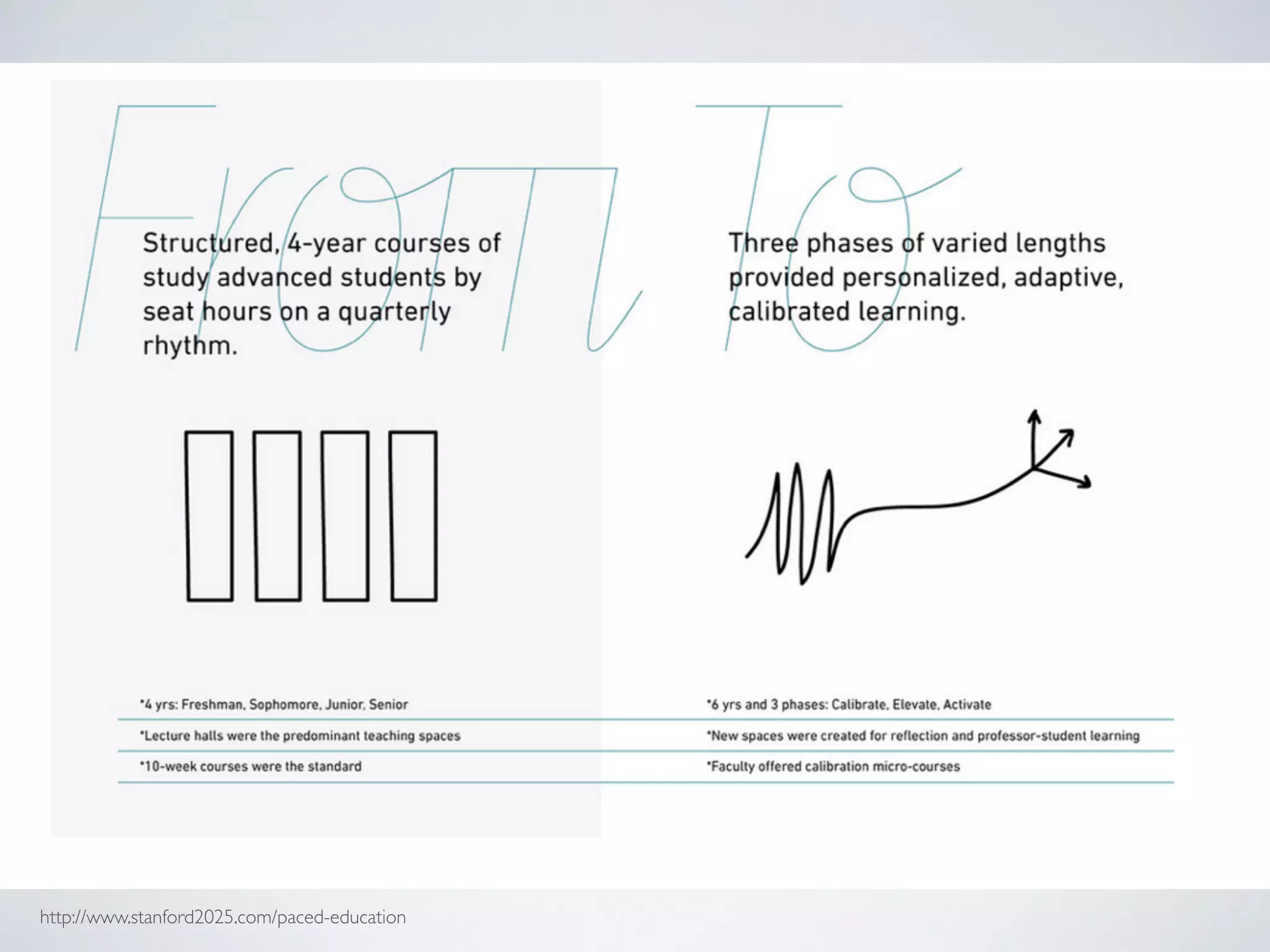
Stanford d.School - Paced Education 
! 
……then search, flounder, flail: 
! 
this was the archetypal experience of a university 
student at the turn of the 21st century. “
implications for 
CURRICULUM
At a program level…. 
• With what courses? 
• In what sequence? 
• At what pace? 
• With what pre-reqs? 
• From where? 
! 
TO WHAT END?
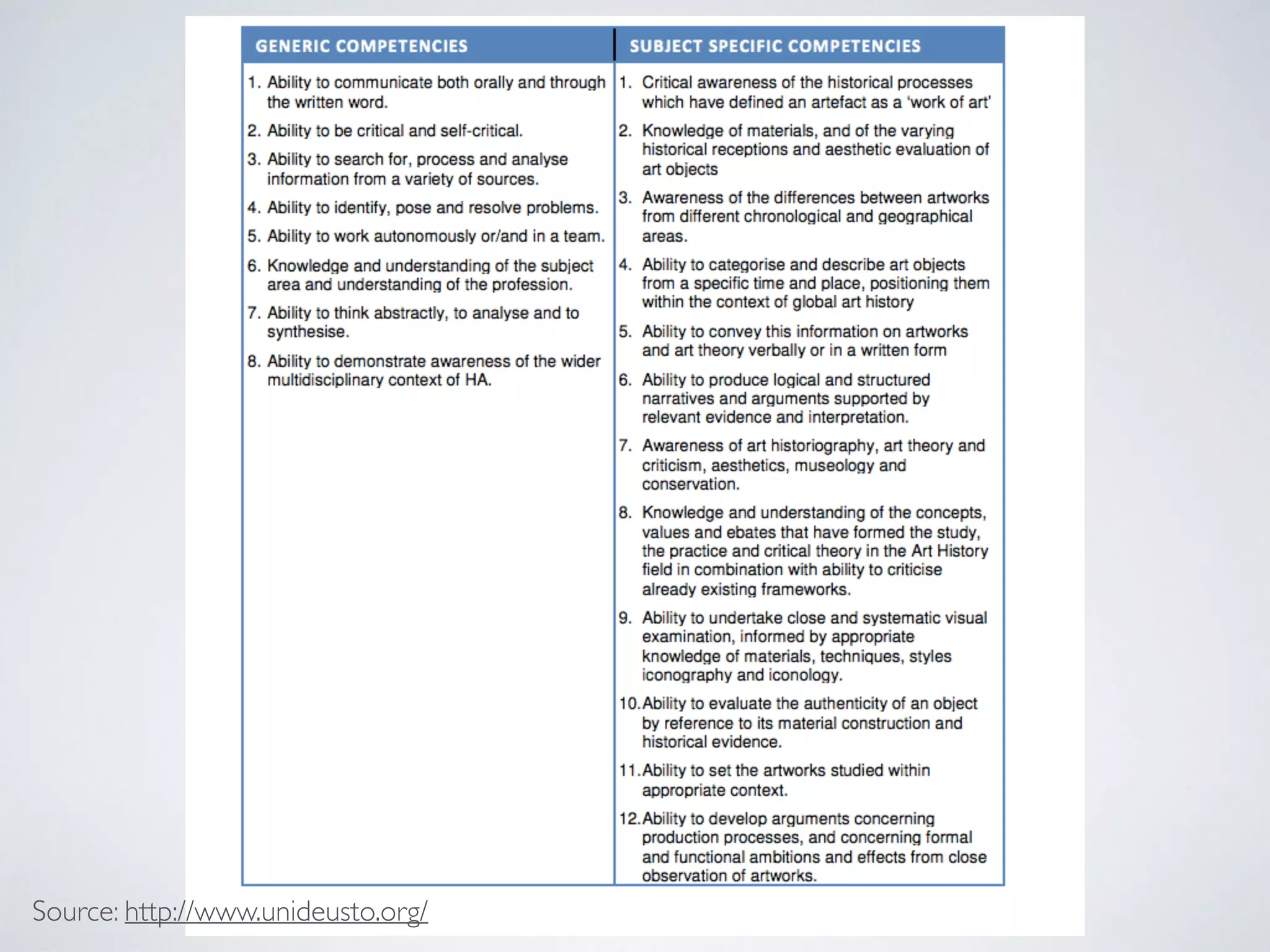
Source: http://www.unideusto.org/
At a course level…. 
• What? 
• Where? 
• When? 
• With whom? 
ACROSS CONTENT, ASSESSMENT & INTERACTION
implications for 
FACULTY & STAFF 
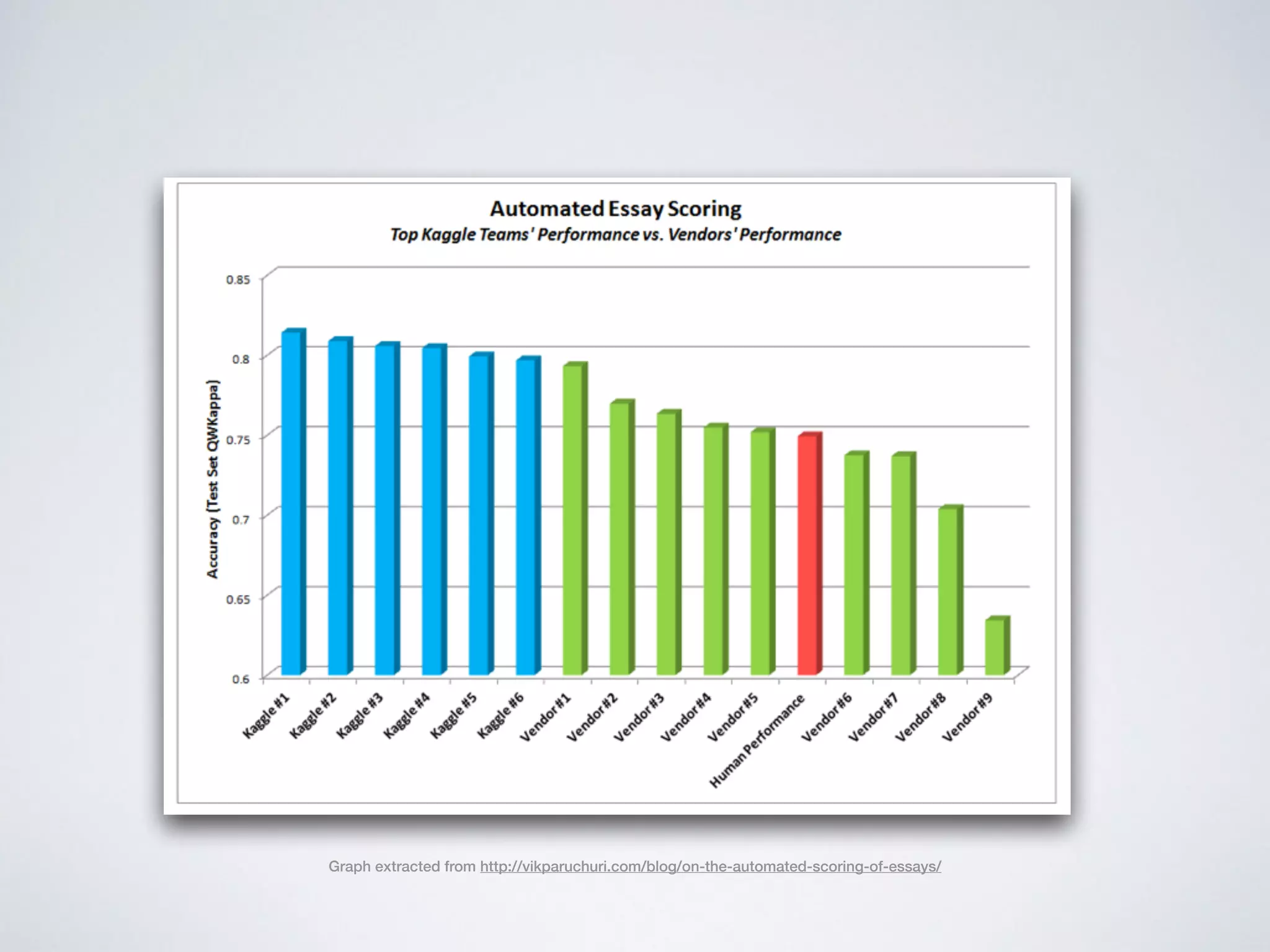
Graph extracted from http://vikparuchuri.com/blog/on-the-automated-scoring-of-essays/
implications for 
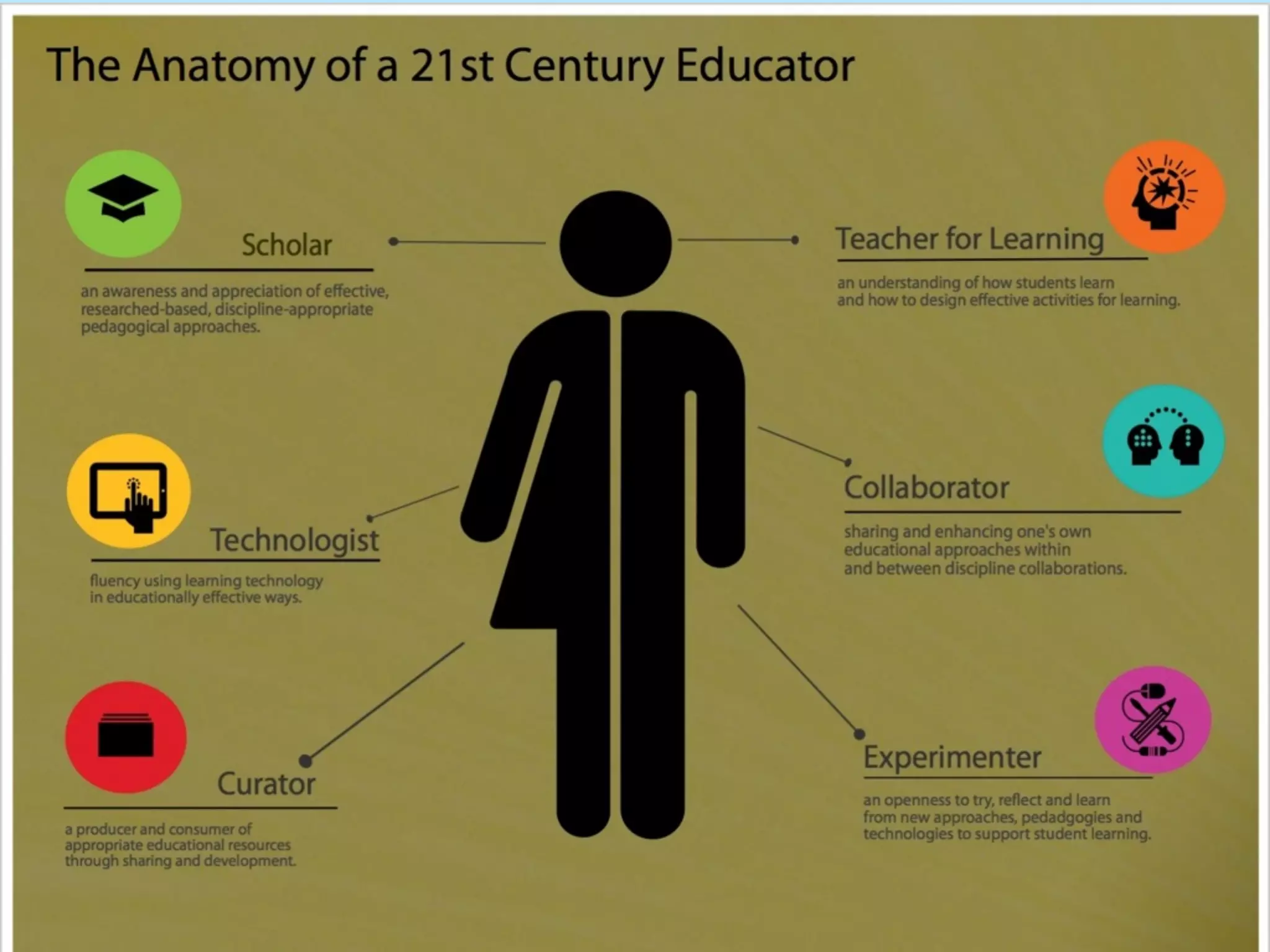
FACULTY & STAFF 
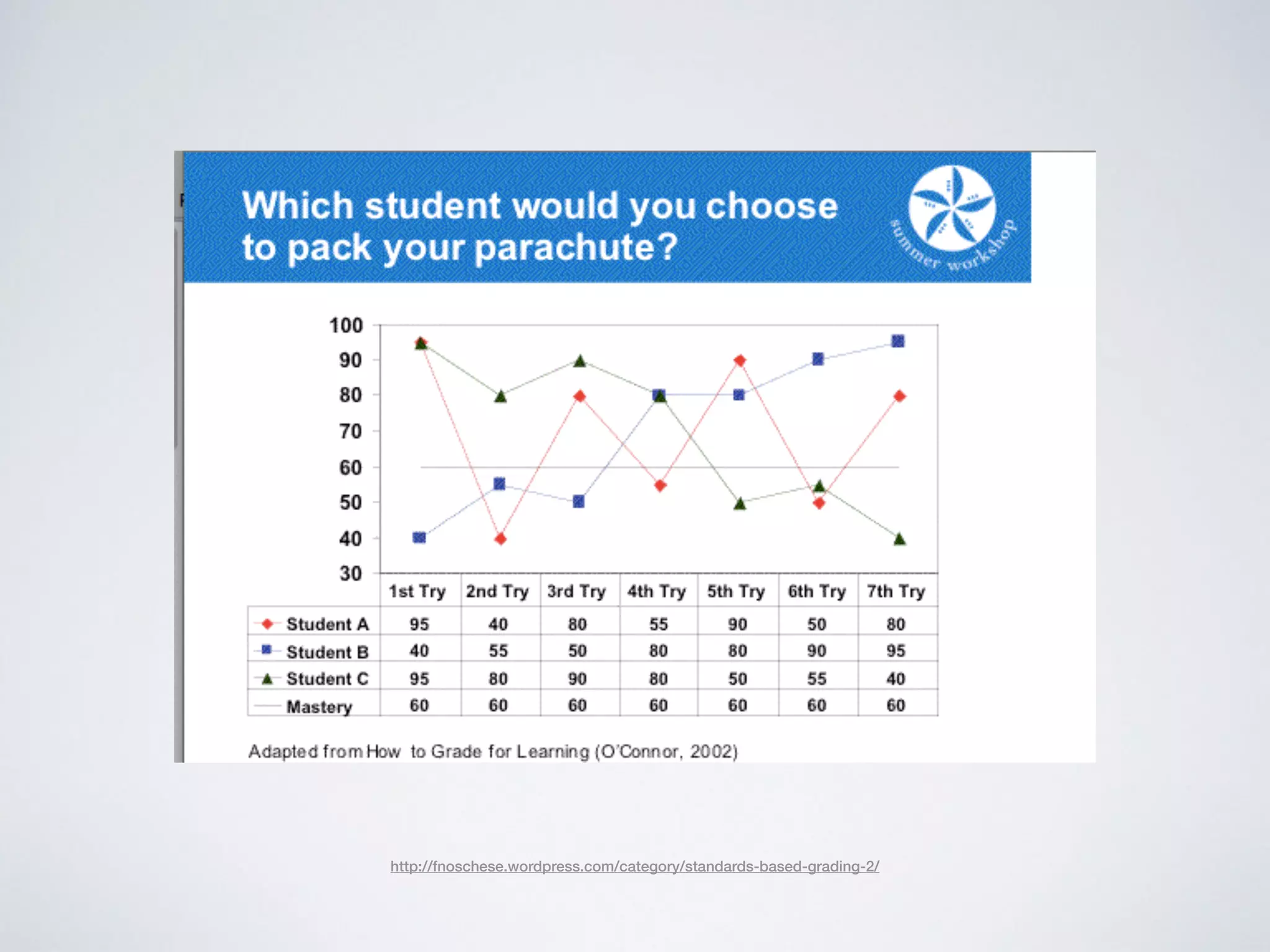
http://fnoschese.wordpress.com/category/standards-based-grading-2/
implications for 
FACULTY & STAFF 
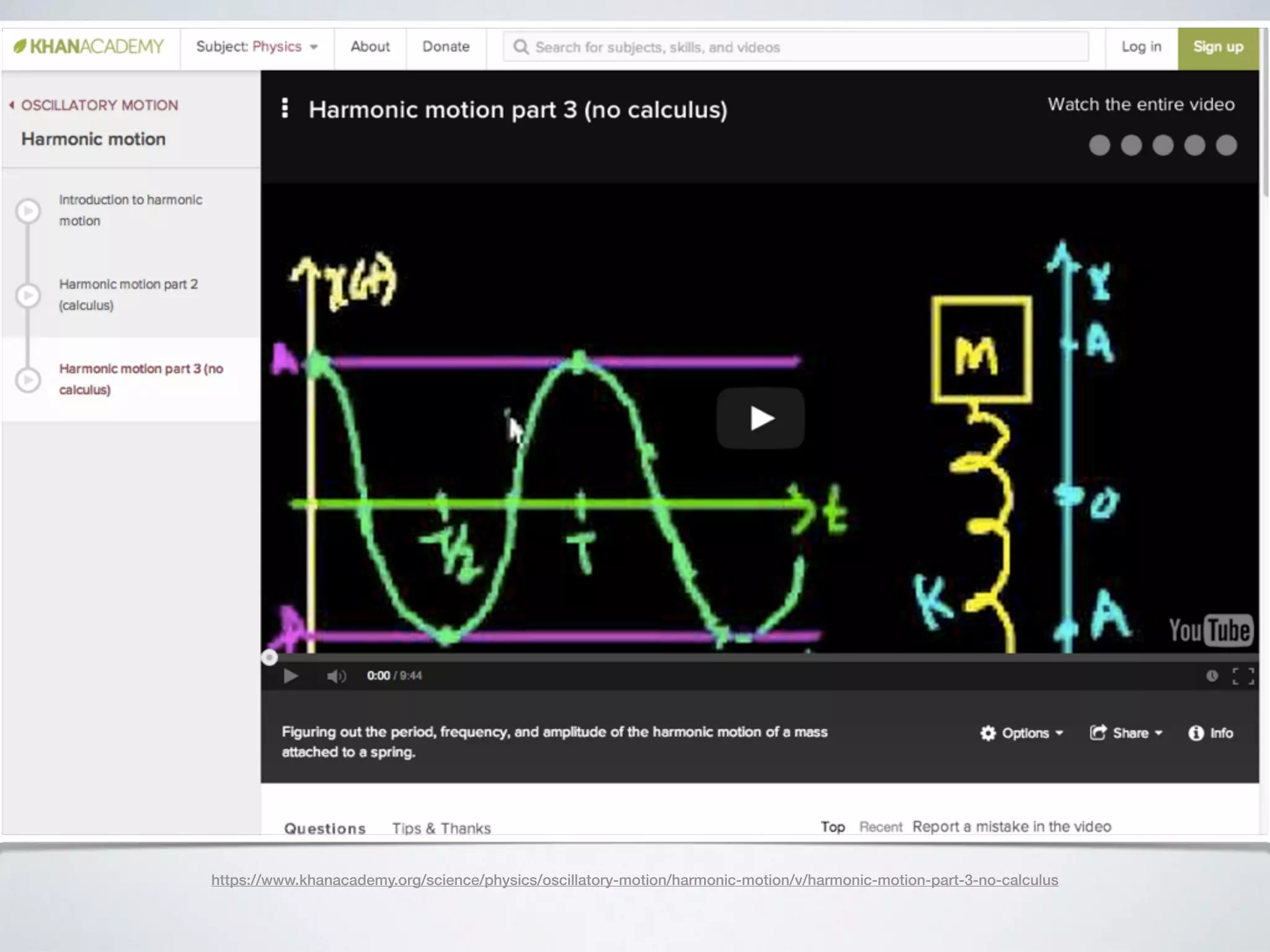
https://www.khanacademy.org/science/physics/oscillatory-motion/harmonic-motion/v/harmonic-motion-part-3-no-calculus
implications for 
FACULTY & STAFF 
https://students.open.ac.uk/openmark/science.ayrf.s104.q64/
implications for 
FACULTY & STAFF
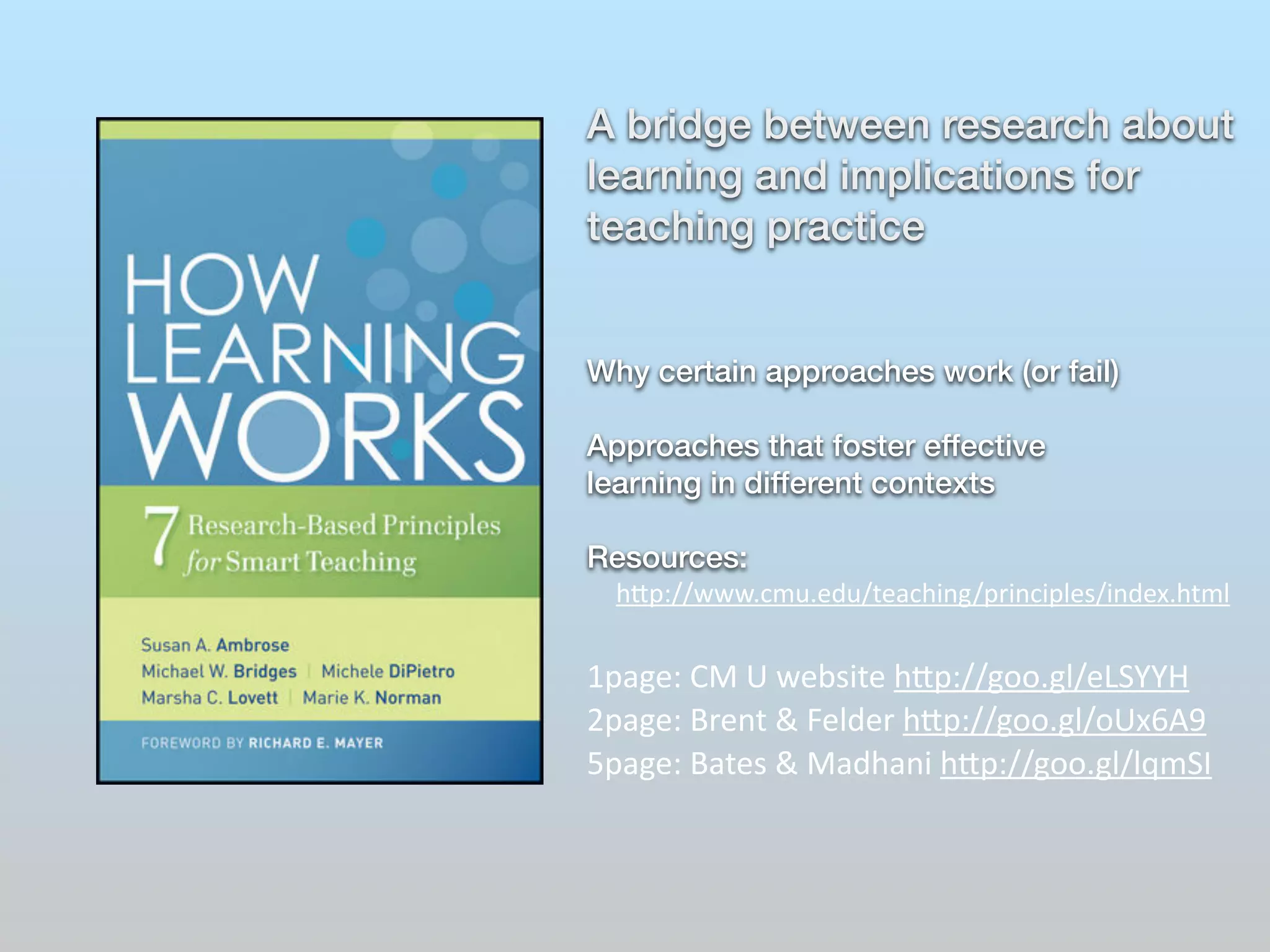
A bridge between research about 
learning and implications for 
teaching practice 
! 
! 
Why certain approaches work (or fail) 
! 
Approaches that foster effective 
learning in different contexts 
! 
Resources: 
h"p://www.cmu.edu/teaching/principles/index.html 
! 
1page: 
CM 
U 
website 
h"p://goo.gl/eLSYYH 
2page: 
Brent 
& 
Felder 
h"p://goo.gl/oUx6A9 
5page: 
Bates 
& 
Madhani 
h"p://goo.gl/lqmSI 
! 
!
implications for 
STUDENTS 
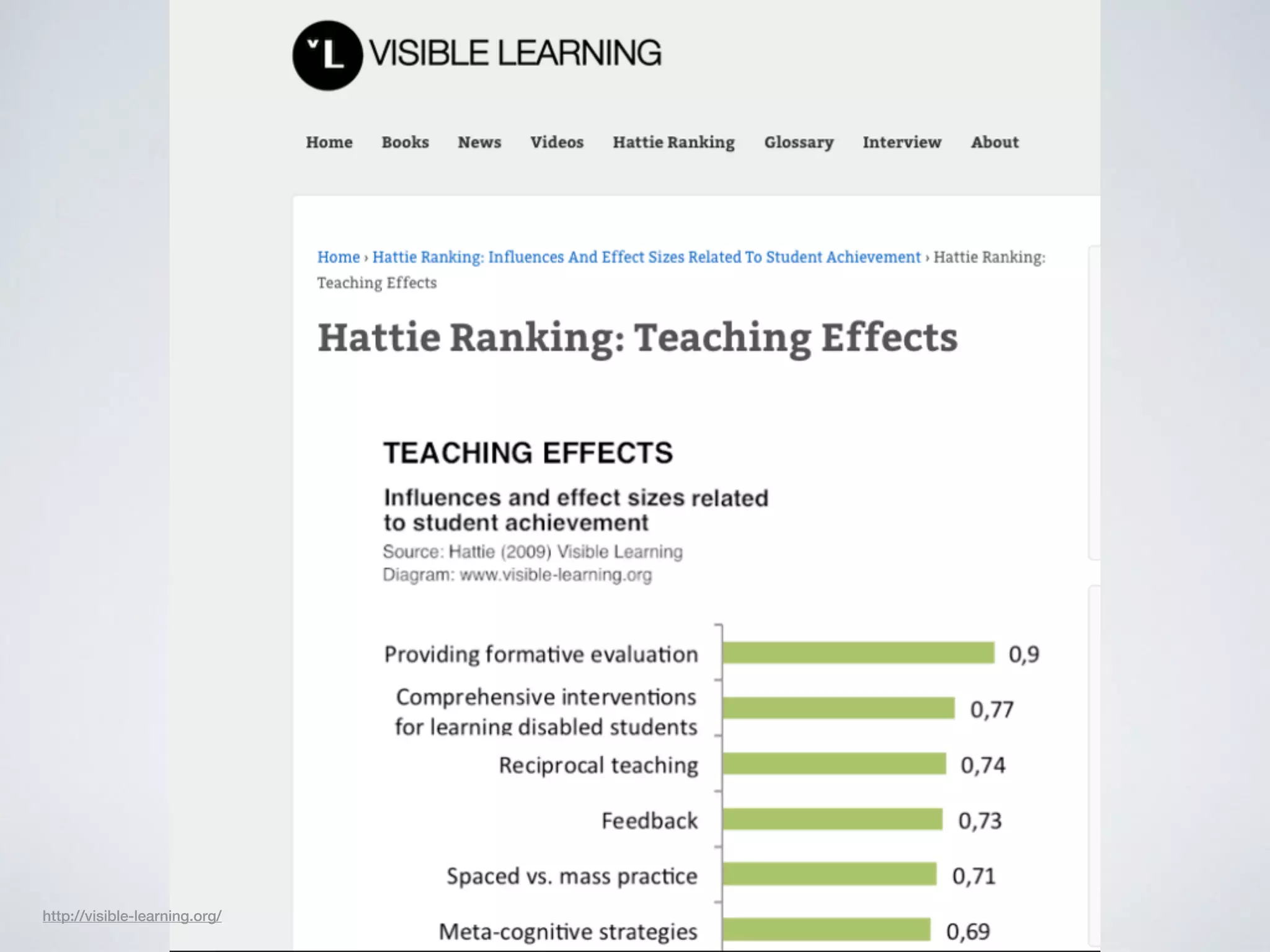
http://visible-learning.org/
implications for 
STUDENTS
from 
CONSUMERS 
to 
CO-PRODUCERS & COLLABORATORS
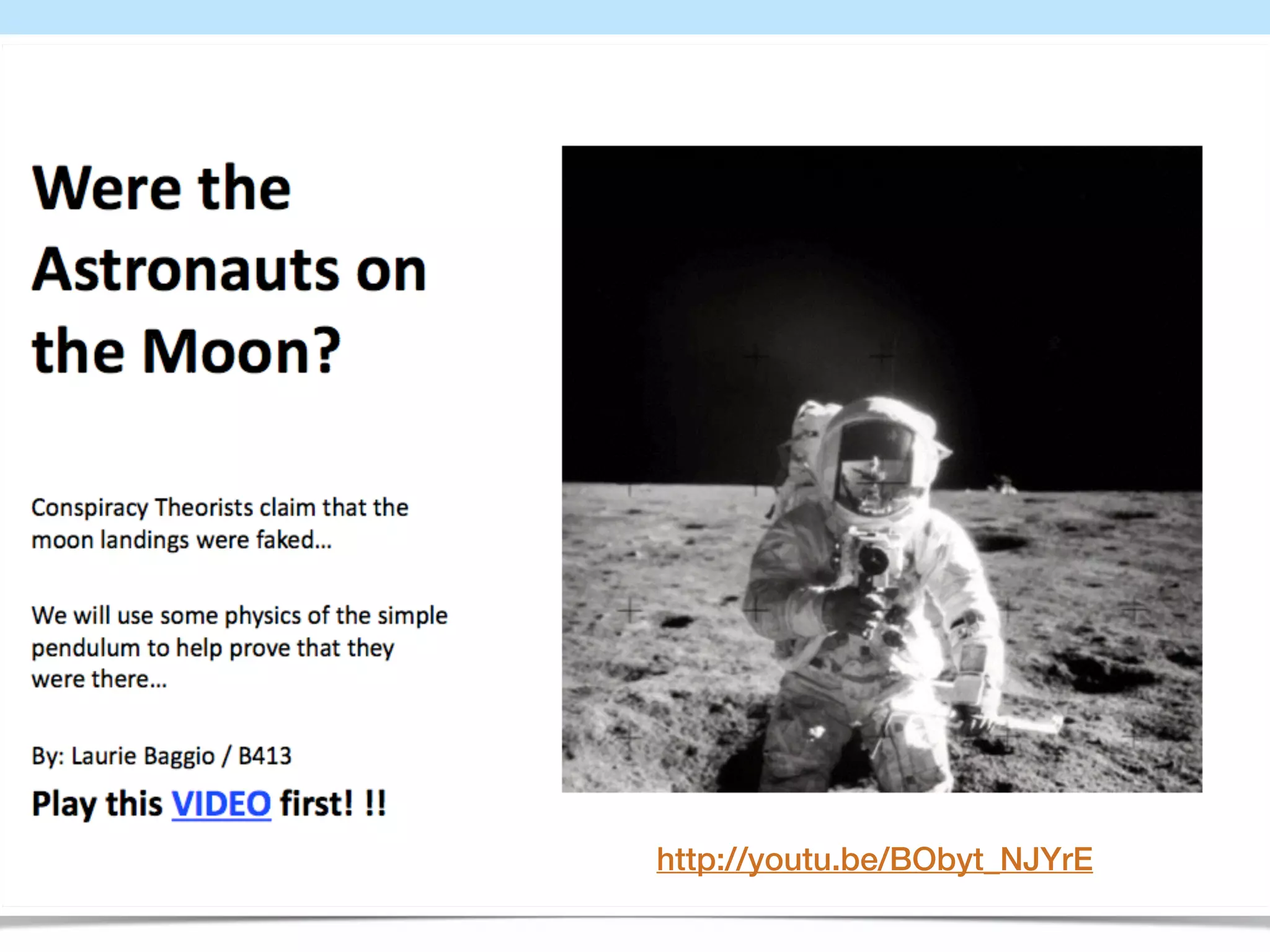
PHYS101: 
Energy and Waves 
3. Successes 
http://youtu.be/BObyt_NJYrE
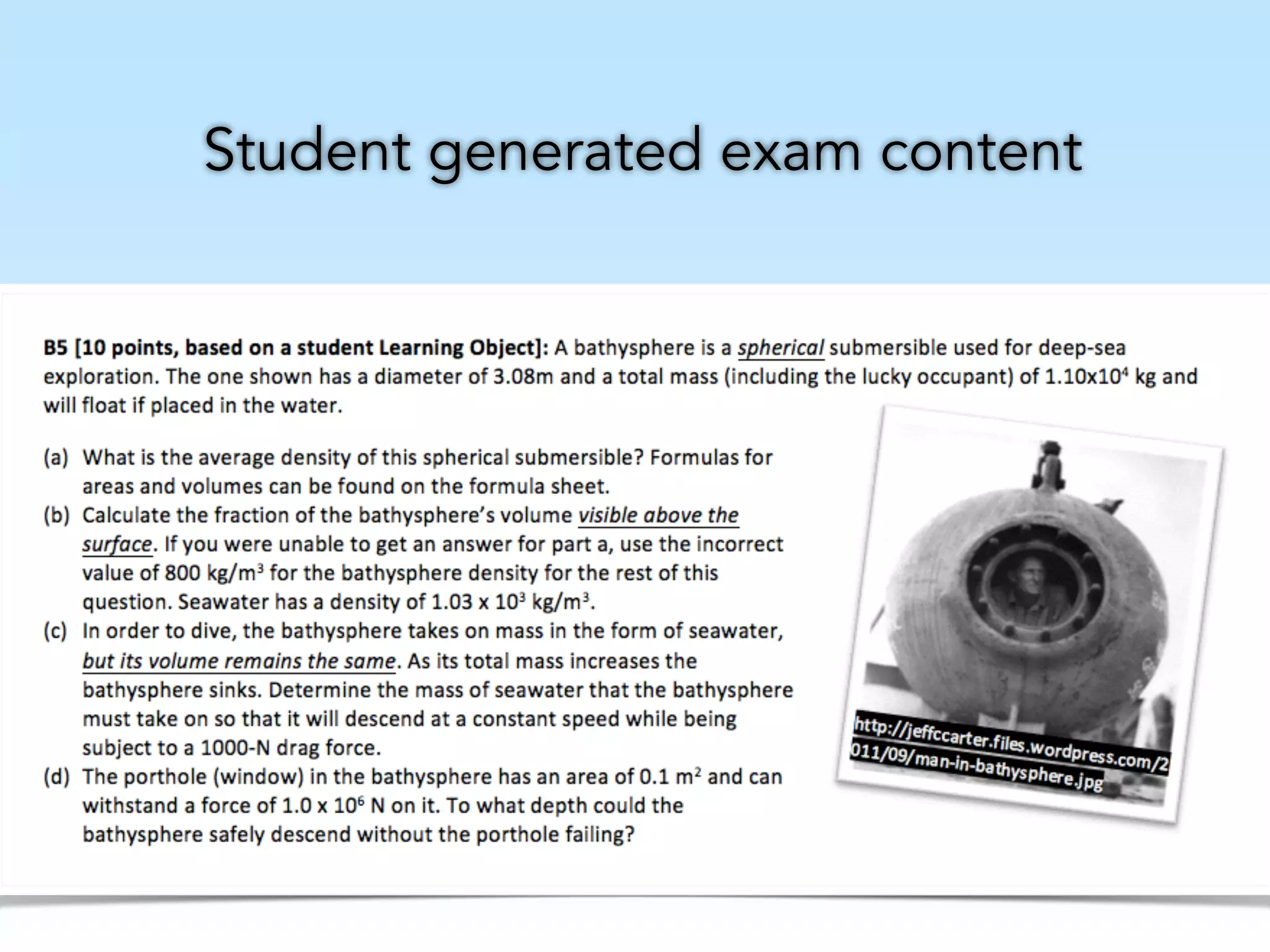
Student generated exam content 
3. Successes
from 
CONSUMERS 
to 
CO-PRODUCERS & COLLABORATORS 
http://www.stanford2025.com/paced-education
A CHALLENGE 
What can we learn? 
What can we do?
READING / RESOURCES 
1. 
Michael 
Fullan 
on 
Personalized 
Learning. 
Available 
at 
http://www.michaelfullan.ca/media/13435863160.html 
Much 
has 
been 
done 
on 
PL 
in 
the 
K-­‐12 
sector 
and 
that 
is 
the 
focus 
of 
this 
article. 
It 
is 
a 
useful 
overview 
article 
that 
touches 
on 
the 
themes 
of 
many 
of 
the 
sessions 
for 
the 
EI 
conference 
(eg 
technology, 
analytics, 
organizational 
capabilities 
and 
infrastructure). 
! 
2. 
Doug 
Rohrer 
and 
Harold 
Paschler: 
Learning 
Styles, 
where’s 
the 
evidence? 
http://onlinelibrary.wiley.com/doi/10.1111/j.1365-­‐2923.2012.04273.x/abstract 
A 
short 
article 
that 
debunks 
the 
myth 
of 
learning 
styles: 
I 
include 
this 
for 
two 
reasons. 
First, 
to 
hopefully 
prevent 
us 
from 
disappearing 
down 
a 
rabbit 
hole 
during 
the 
discussions 
and 
second, 
because 
in 
my 
experience 
many 
senior 
academics 
(including 
those 
with 
responsibilities 
for 
teaching 
and 
learning) 
are 
unaware 
of 
the 
comprehensive 
body 
of 
evidence 
against 
this. 
3. 
www.stanford2025.cm, 
Stanford 
d.School. 
A 
‘future-­‐based 
retrospective’ 
to 
2025, 
when 
Stanford 
imagines 
looking 
back 
on 
how 
they 
re-­‐engineered 
university 
education. 
Comprises 
topics 
of 
‘open 
loop 
university’ 
(no 
longer 
a 
single 
block 
of 
continuous 
study 
immediately 
post 
high 
school) 
paced 
educated 
(moving 
between 
phases 
at 
a 
pace 
to 
suit 
the 
learner) 
axis 
Plip 
(skills 
and 
competencies 
through 
disciplinary 
study) 
and 
purpose 
learning 
(learning 
with 
a 
declared 
purpose 
as 
a 
goal, 
not 
merely 
a 
major). 
I 
will 
touch 
on 
the 
implications 
of 
a 
couple 
of 
these 
future 
designs, 
and 
consider 
the 
practicalities 
of 
realizing 
them. 
! 
4. 
The 
Minerva 
Project 
http://www.minervaproject.com/about/ 
Minerva 
describes 
itself 
as 
‘a 
reinvented 
University 
experience’. 
It 
is 
small 
(33 
students 
in 
its 
Pirst 
intake) 
but 
is 
building 
a 
very 
different 
curriculum: 
4 
Pirst 
year 
‘cornerstone 
courses’ 
in 
theoretical 
analysis, 
empirical 
analysis, 
complex 
systems 
and 
multimodal 
communications. 
Elite 
cohorts 
of 
students 
will 
move 
around 
the 
world 
to 
gain 
immersive 
international 
context, 
‘piggybacking’ 
on 
existing 
university 
infrastructure 
and 
interacting 
online 
with 
faculty 
based 
at 
the 
Keck 
Graduate 
Institute 
KGI 
in 
California. 
It 
is 
admittedly 
a 
highly 
targeted 
play, 
but 
it 
demonstrates 
the 
power 
of 
technology 
to 
completely 
redePine 
the 
campus 
university ! 
5. 
One 
thought 
to 
start 
your 
day 
– 
Systematically 
valuing 
the 
wrong 
things 
http://higheredstrategy.com/systematically-­‐valuing-­‐the-­‐wrong-­‐things/ 
Alex 
Usher 
writes 
a 
popular 
blog, 
One 
thought 
to 
start 
your 
day. 
This 
is 
a 
short 
post 
(linking 
to 
a 
much 
longer 
document 
and 
book) 
that 
illustrates 
how 
components 
of 
the 
HE 
‘value 
chain’ 
(ie 
what 
universities 
do) 
are 
being 
challenged 
and 
‘unbundled’ 
by 
other 
providers. 
It 
makes 
the 
point 
that 
some 
of 
the 
elements 
of 
that 
value 
chain 
that 
universities 
are 
best 
positioned 
to 
continue 
to 
provide 
often 
receive 
the 
least 
attention. 
This 
has 
obvious 
links 
to 
personalization.
icon credits 
Fingerprint designed by Roy Verhaag from the thenounproject.com
Personalized Learning: Implications for curricula, staff and students

Personalized Learning: Implications for curricula, staff and students

  • 1.
    PERSONALIZED LEARNING implicationsfor curricula, staff and students Simon Bates ! simon.bates@ubc.ca @simonpbates bit.ly/batestalks
  • 2.
    ? • Adjustingthe pace (individualization) and approach (differentiation) and connecting to the learner’s interest and experiences (National Ed Tech Plan, US DoE) • Personalized learning is ‘putting the learner at the heart of the education system’ (Leadbetter 2008)
  • 3.
    The learner, guidedby the teacher, is an active co-designer in the learning pathway experience
  • 4.
    WHAT ARE THEDRIVERS? • Experiences and expectations of students • And of employers, parents etc • Affordances of technology • Blurring of physical and temporal campus boundaries
  • 5.
    How to makeit happen • Timing of learning - when • Pacing of learning - accelerated vs not • Place for learning - within and beyond the campus • Ways of learning - blending online, self-paced, enquiry, collaborative • Support for learning - SME as a guide, key role of advising • Aims for learning - skills and competencies through disciplinary knowledge • Technology for learning - as a catalyst, enabler, connector
  • 6.
    On any web-enableddevice ! ! ! ! ! ! ! Join network uniwide_guest ! go to m.socrative.com ! enter room number: ubc1
  • 7.
    What I mighthave expected 1. Spread centred around 32 skewed R 2. Spread centred around minor / moderate 3. Narrow spread around too slow
  • 8.
    “Prepare, apply, cram,conform, get through, graduate ... Stanford d.School - Paced Education ! ……then search, flounder, flail: ! this was the archetypal experience of a university student at the turn of the 21st century. “
  • 9.
  • 10.
    At a programlevel…. • With what courses? • In what sequence? • At what pace? • With what pre-reqs? • From where? ! TO WHAT END?
  • 11.
  • 12.
    At a courselevel…. • What? • Where? • When? • With whom? ACROSS CONTENT, ASSESSMENT & INTERACTION
  • 14.
    implications for FACULTY& STAFF Graph extracted from http://vikparuchuri.com/blog/on-the-automated-scoring-of-essays/
  • 15.
    implications for FACULTY& STAFF http://fnoschese.wordpress.com/category/standards-based-grading-2/
  • 16.
    implications for FACULTY& STAFF https://www.khanacademy.org/science/physics/oscillatory-motion/harmonic-motion/v/harmonic-motion-part-3-no-calculus
  • 17.
    implications for FACULTY& STAFF https://students.open.ac.uk/openmark/science.ayrf.s104.q64/
  • 18.
  • 20.
    A bridge betweenresearch about learning and implications for teaching practice ! ! Why certain approaches work (or fail) ! Approaches that foster effective learning in different contexts ! Resources: h"p://www.cmu.edu/teaching/principles/index.html ! 1page: CM U website h"p://goo.gl/eLSYYH 2page: Brent & Felder h"p://goo.gl/oUx6A9 5page: Bates & Madhani h"p://goo.gl/lqmSI ! !
  • 22.
    implications for STUDENTS http://visible-learning.org/
  • 23.
  • 24.
    from CONSUMERS to CO-PRODUCERS & COLLABORATORS
  • 25.
    PHYS101: Energy andWaves 3. Successes http://youtu.be/BObyt_NJYrE
  • 26.
    Student generated examcontent 3. Successes
  • 27.
    from CONSUMERS to CO-PRODUCERS & COLLABORATORS http://www.stanford2025.com/paced-education
  • 29.
    A CHALLENGE Whatcan we learn? What can we do?
  • 30.
    READING / RESOURCES 1. Michael Fullan on Personalized Learning. Available at http://www.michaelfullan.ca/media/13435863160.html Much has been done on PL in the K-­‐12 sector and that is the focus of this article. It is a useful overview article that touches on the themes of many of the sessions for the EI conference (eg technology, analytics, organizational capabilities and infrastructure). ! 2. Doug Rohrer and Harold Paschler: Learning Styles, where’s the evidence? http://onlinelibrary.wiley.com/doi/10.1111/j.1365-­‐2923.2012.04273.x/abstract A short article that debunks the myth of learning styles: I include this for two reasons. First, to hopefully prevent us from disappearing down a rabbit hole during the discussions and second, because in my experience many senior academics (including those with responsibilities for teaching and learning) are unaware of the comprehensive body of evidence against this. 3. www.stanford2025.cm, Stanford d.School. A ‘future-­‐based retrospective’ to 2025, when Stanford imagines looking back on how they re-­‐engineered university education. Comprises topics of ‘open loop university’ (no longer a single block of continuous study immediately post high school) paced educated (moving between phases at a pace to suit the learner) axis Plip (skills and competencies through disciplinary study) and purpose learning (learning with a declared purpose as a goal, not merely a major). I will touch on the implications of a couple of these future designs, and consider the practicalities of realizing them. ! 4. The Minerva Project http://www.minervaproject.com/about/ Minerva describes itself as ‘a reinvented University experience’. It is small (33 students in its Pirst intake) but is building a very different curriculum: 4 Pirst year ‘cornerstone courses’ in theoretical analysis, empirical analysis, complex systems and multimodal communications. Elite cohorts of students will move around the world to gain immersive international context, ‘piggybacking’ on existing university infrastructure and interacting online with faculty based at the Keck Graduate Institute KGI in California. It is admittedly a highly targeted play, but it demonstrates the power of technology to completely redePine the campus university ! 5. One thought to start your day – Systematically valuing the wrong things http://higheredstrategy.com/systematically-­‐valuing-­‐the-­‐wrong-­‐things/ Alex Usher writes a popular blog, One thought to start your day. This is a short post (linking to a much longer document and book) that illustrates how components of the HE ‘value chain’ (ie what universities do) are being challenged and ‘unbundled’ by other providers. It makes the point that some of the elements of that value chain that universities are best positioned to continue to provide often receive the least attention. This has obvious links to personalization.
  • 31.
    icon credits Fingerprintdesigned by Roy Verhaag from the thenounproject.com