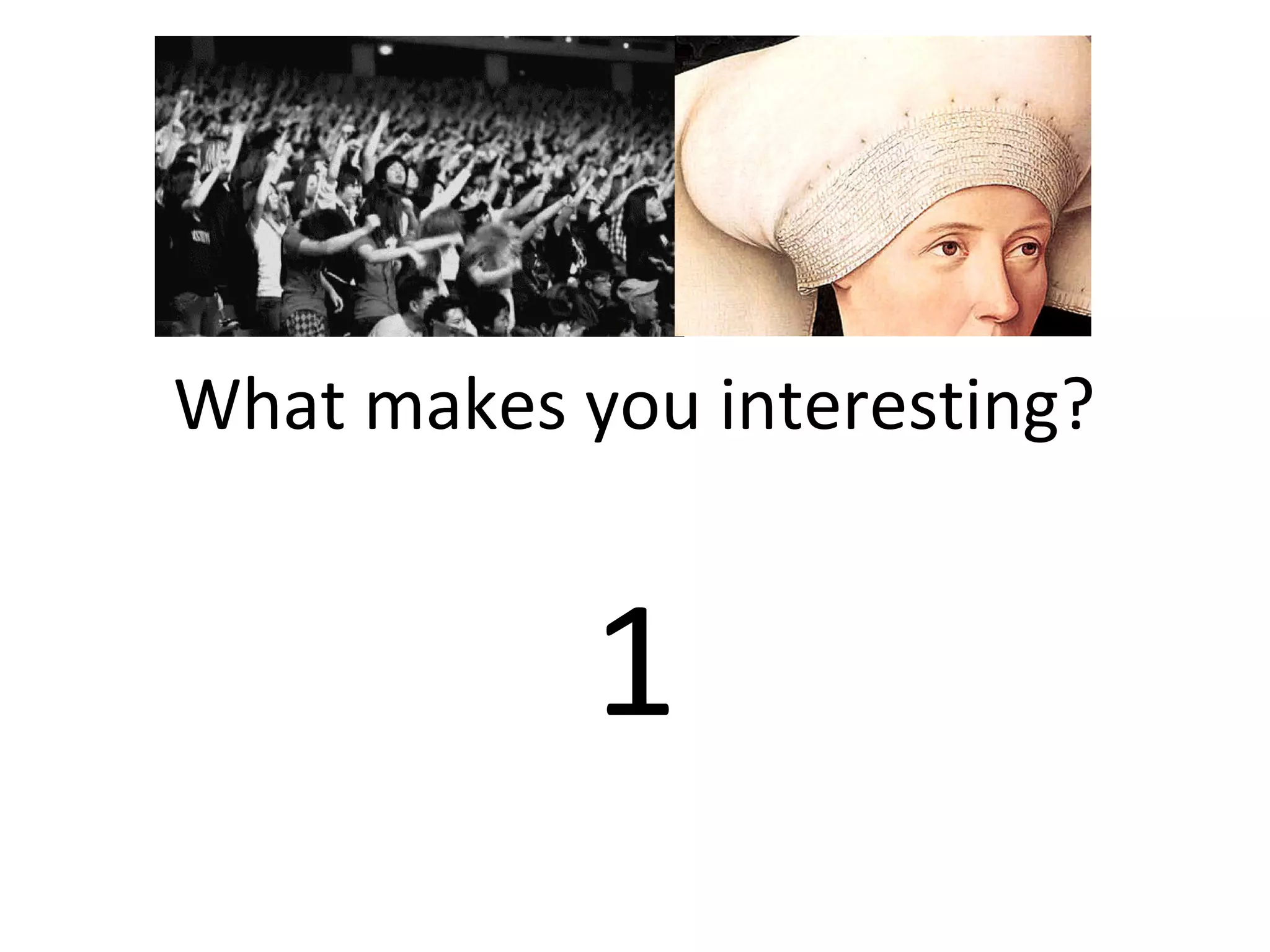
What makes you interesting?
1
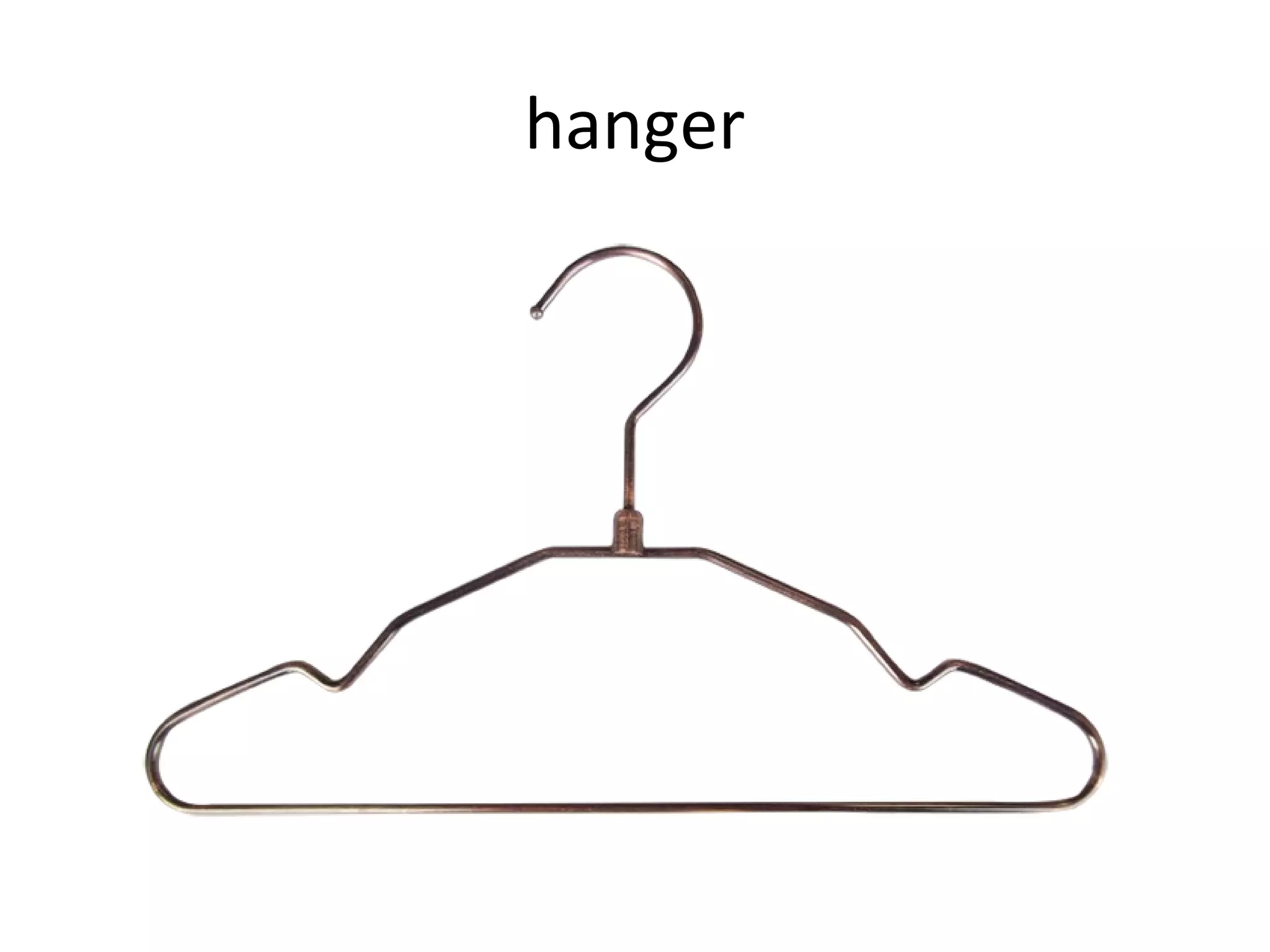
hanger
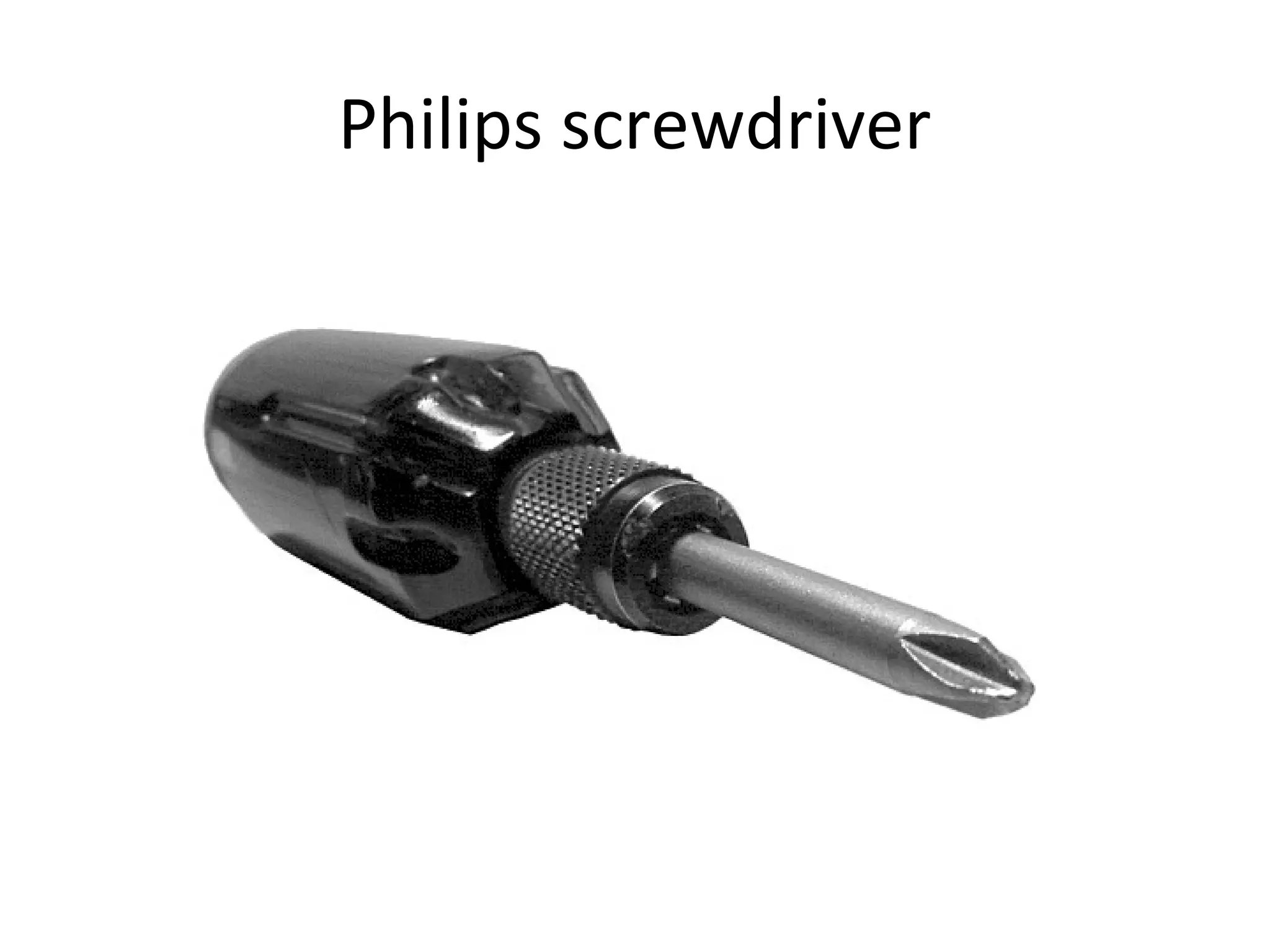
Philips screwdriver
Venice
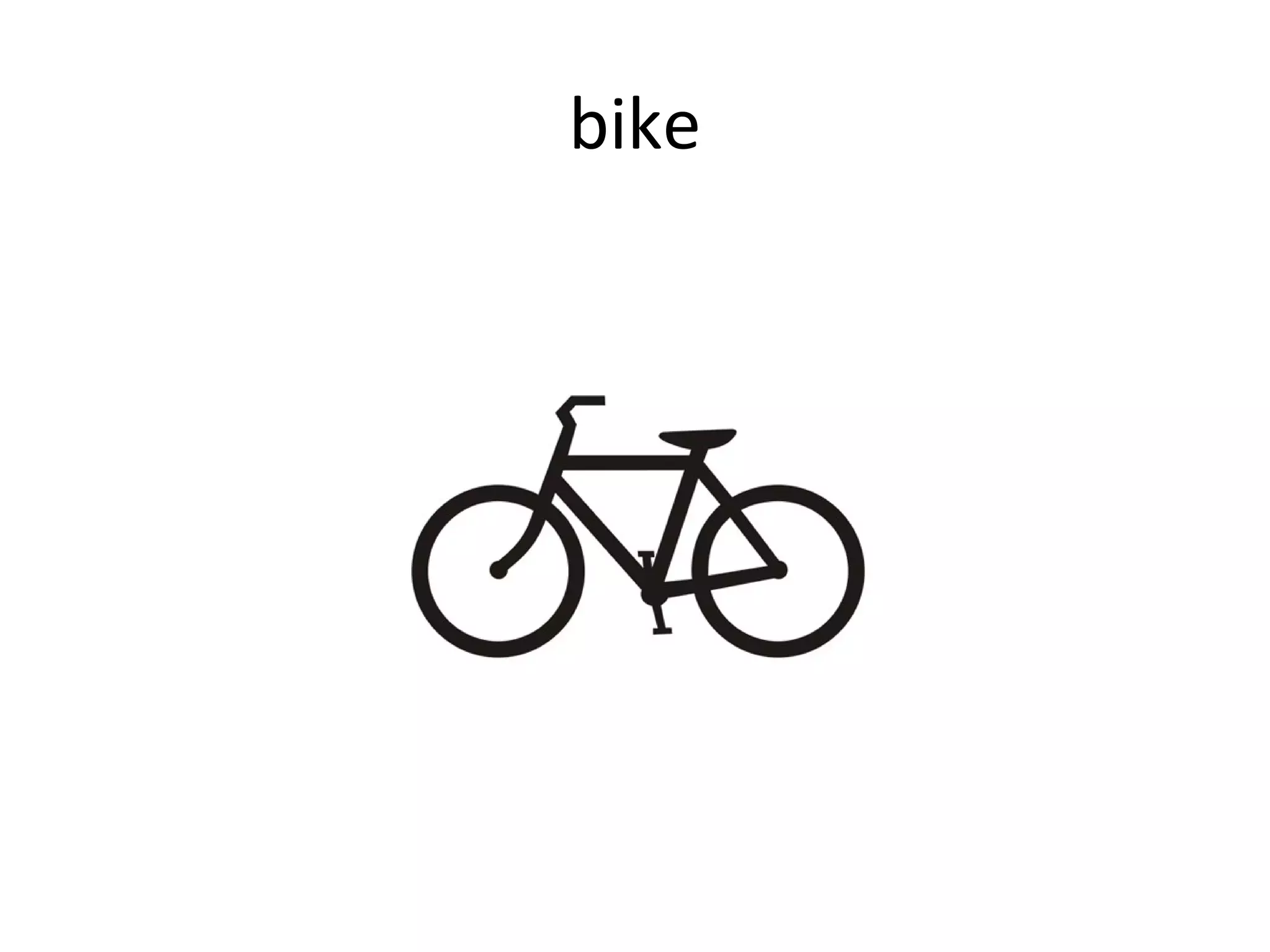
bike
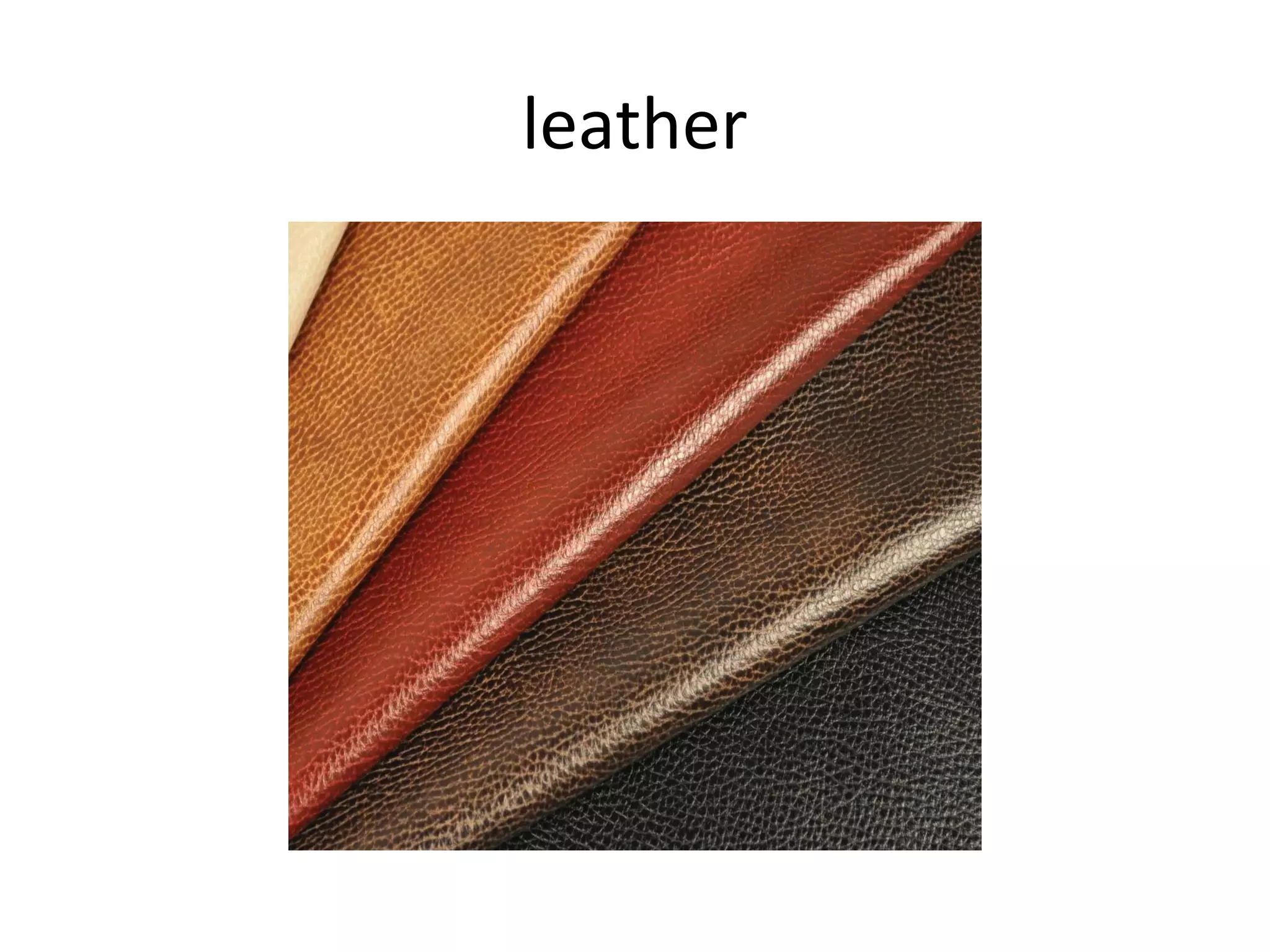
leather
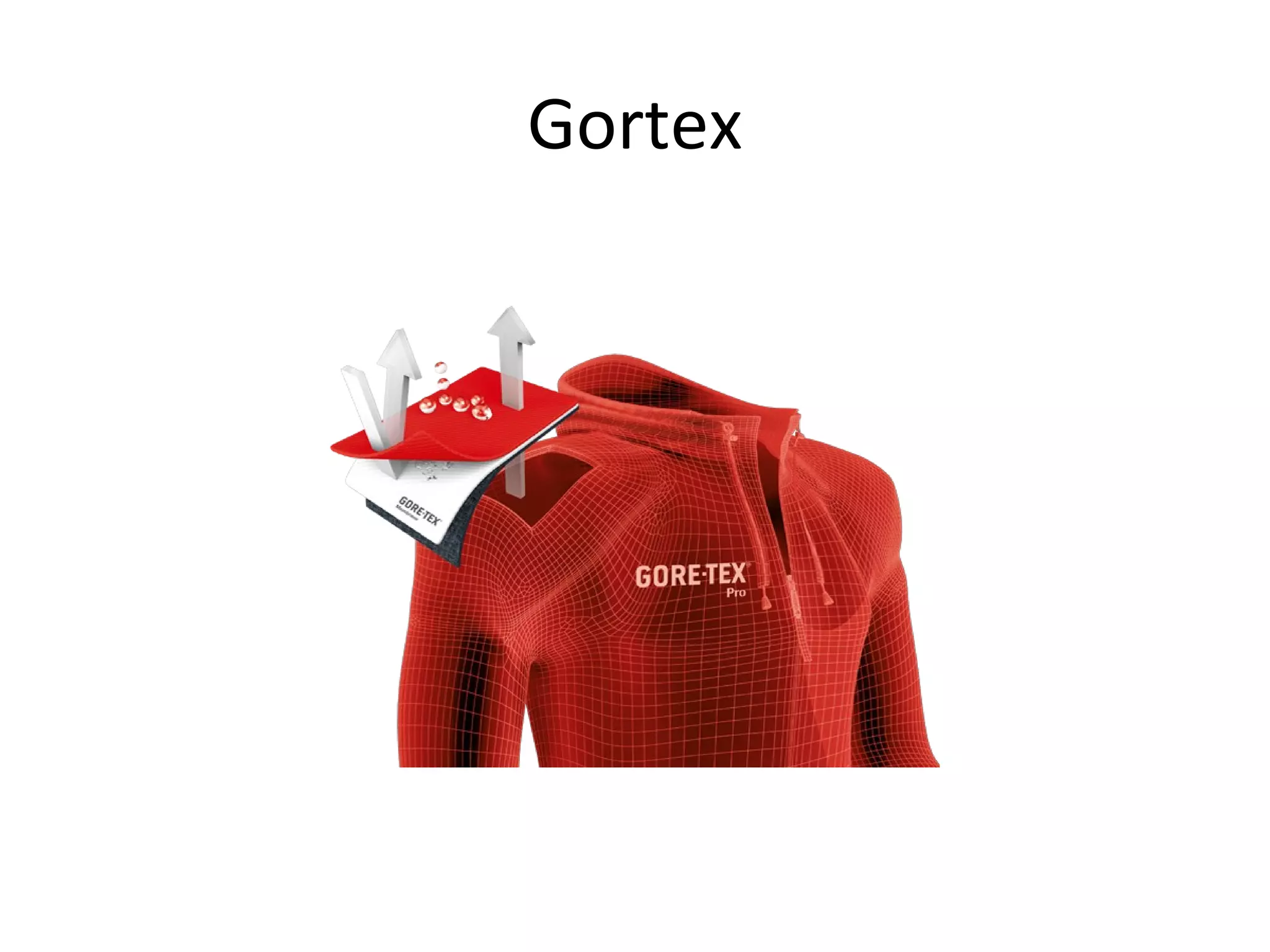
Gortex
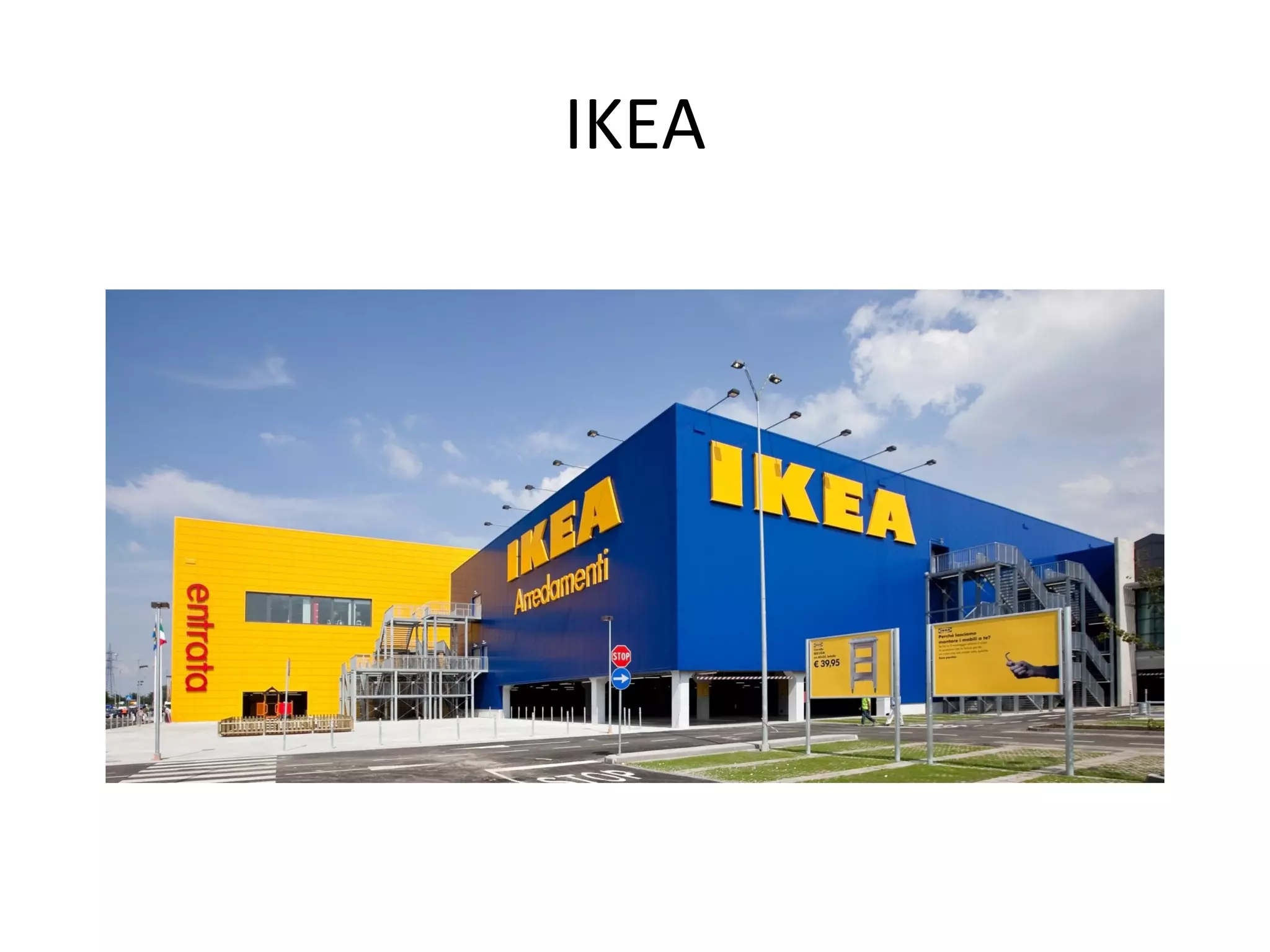
IKEA
TKMAX
apple
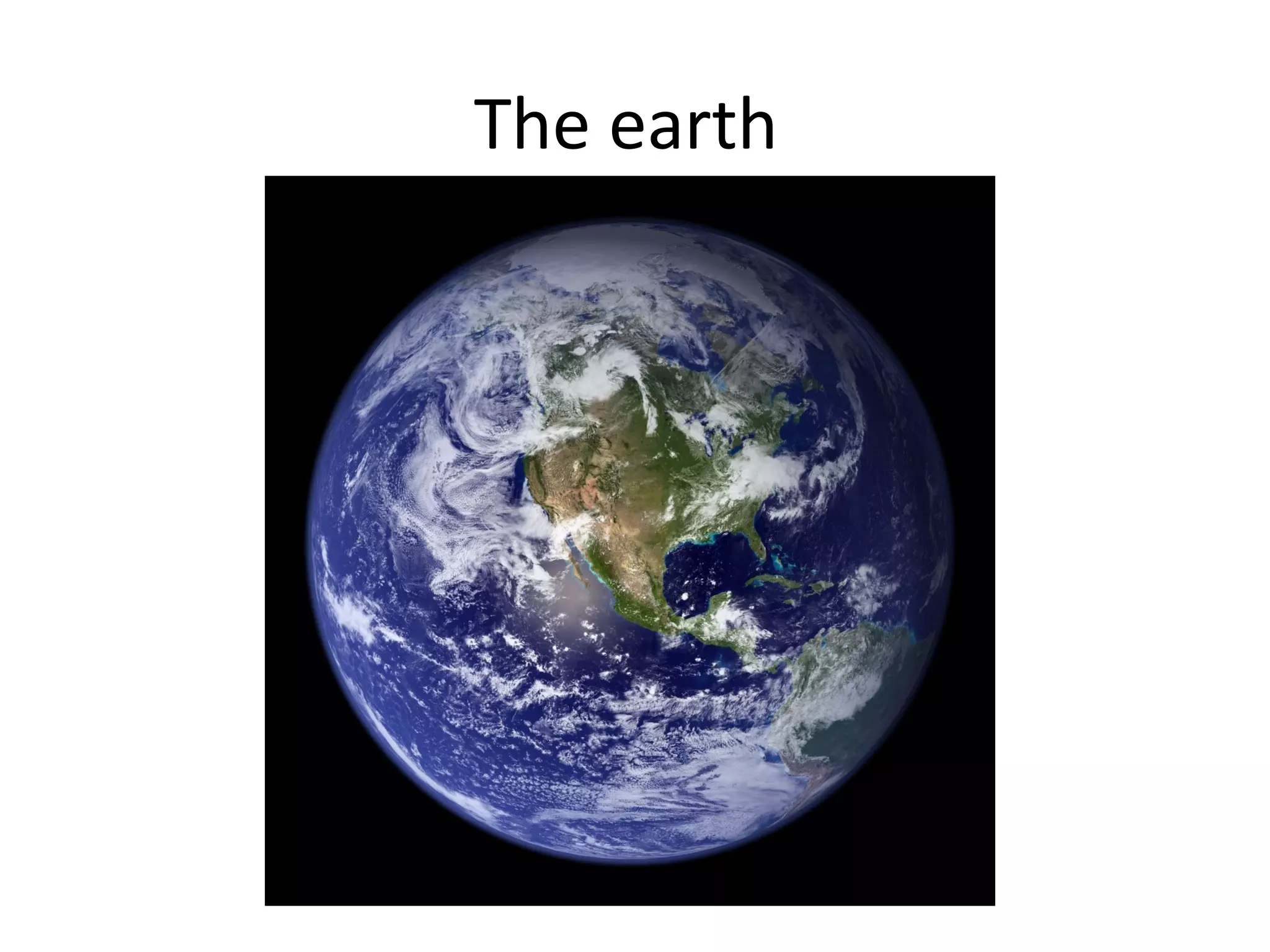
The earth
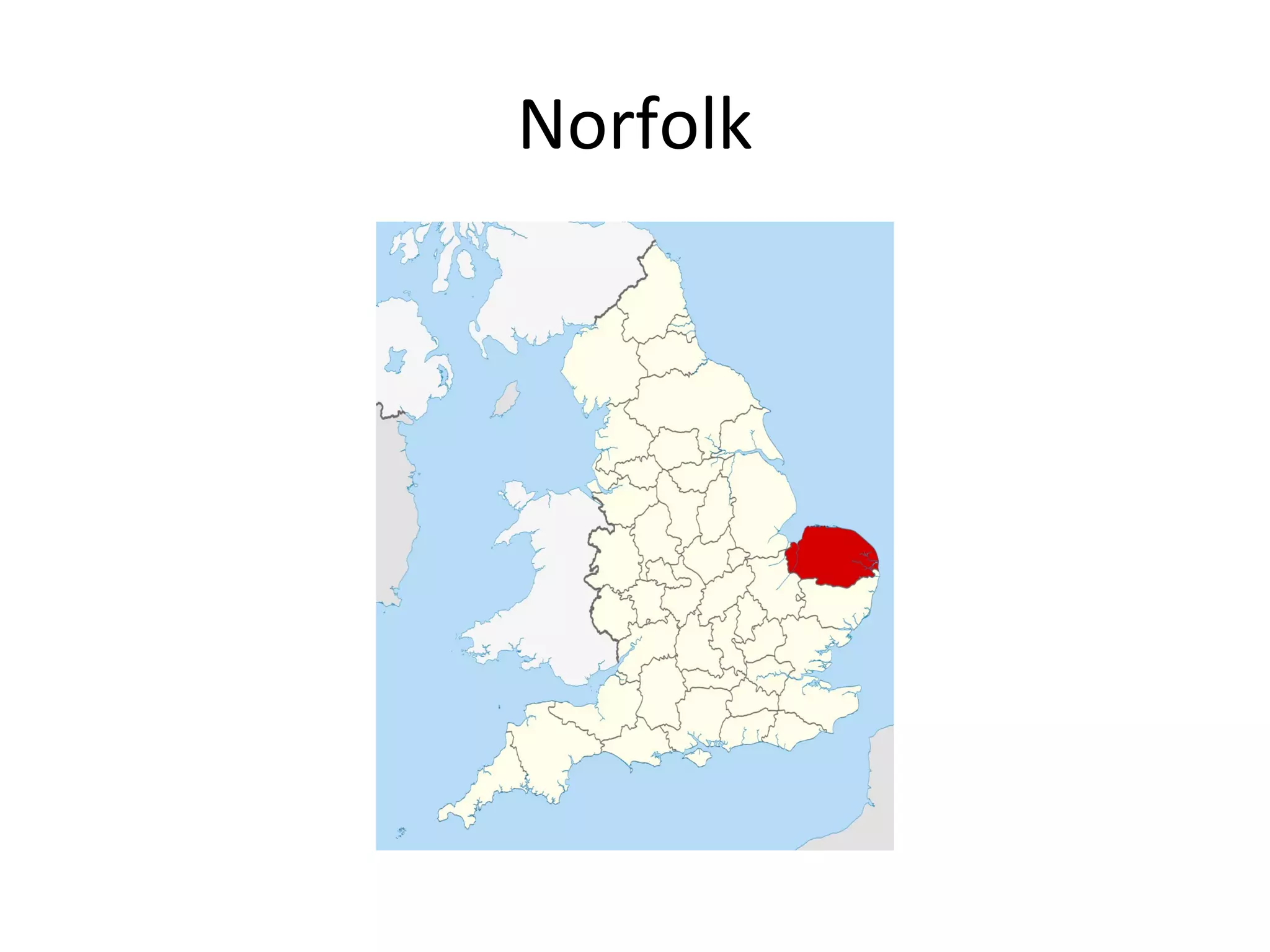
Norfolk
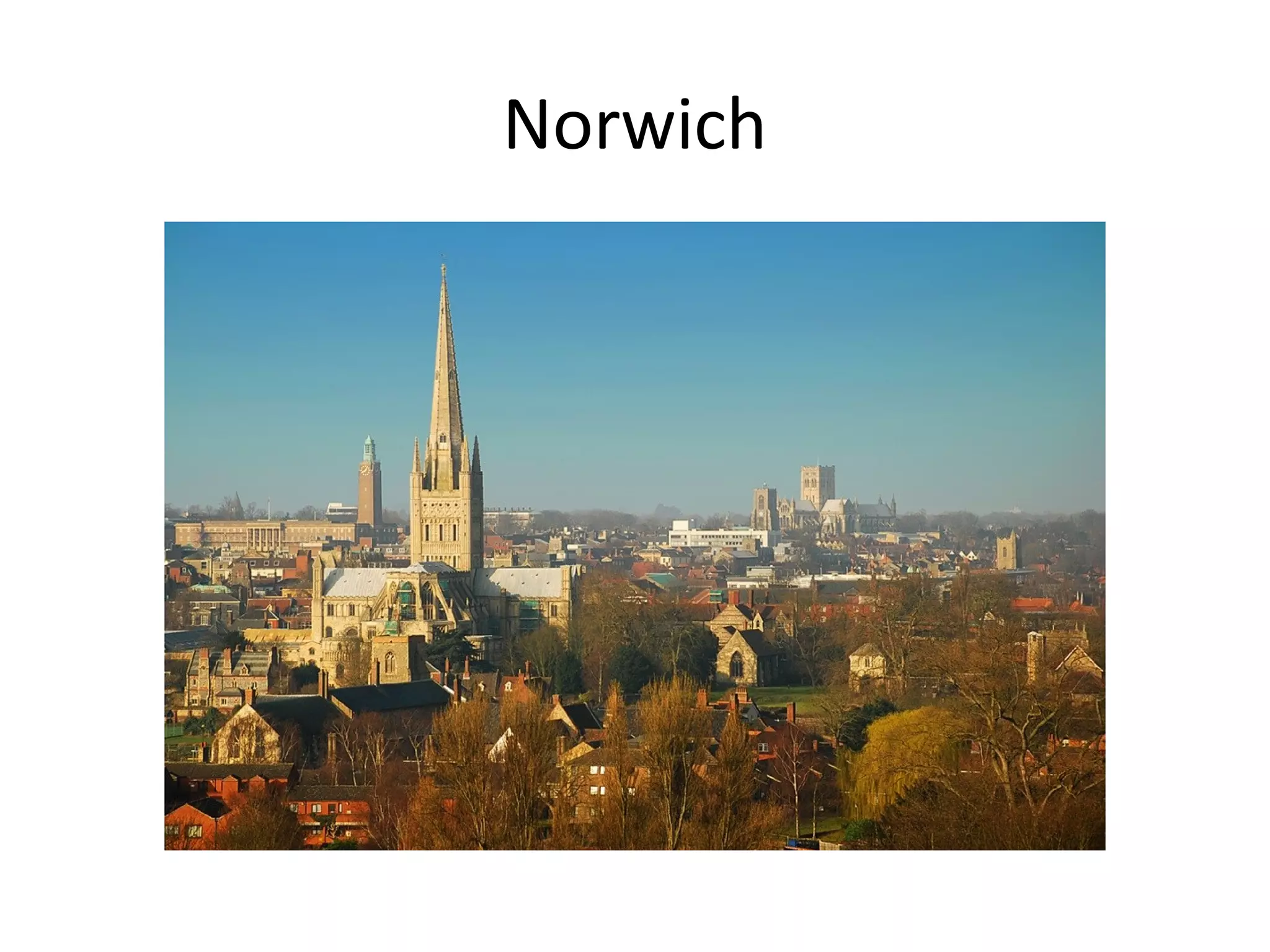
Norwich
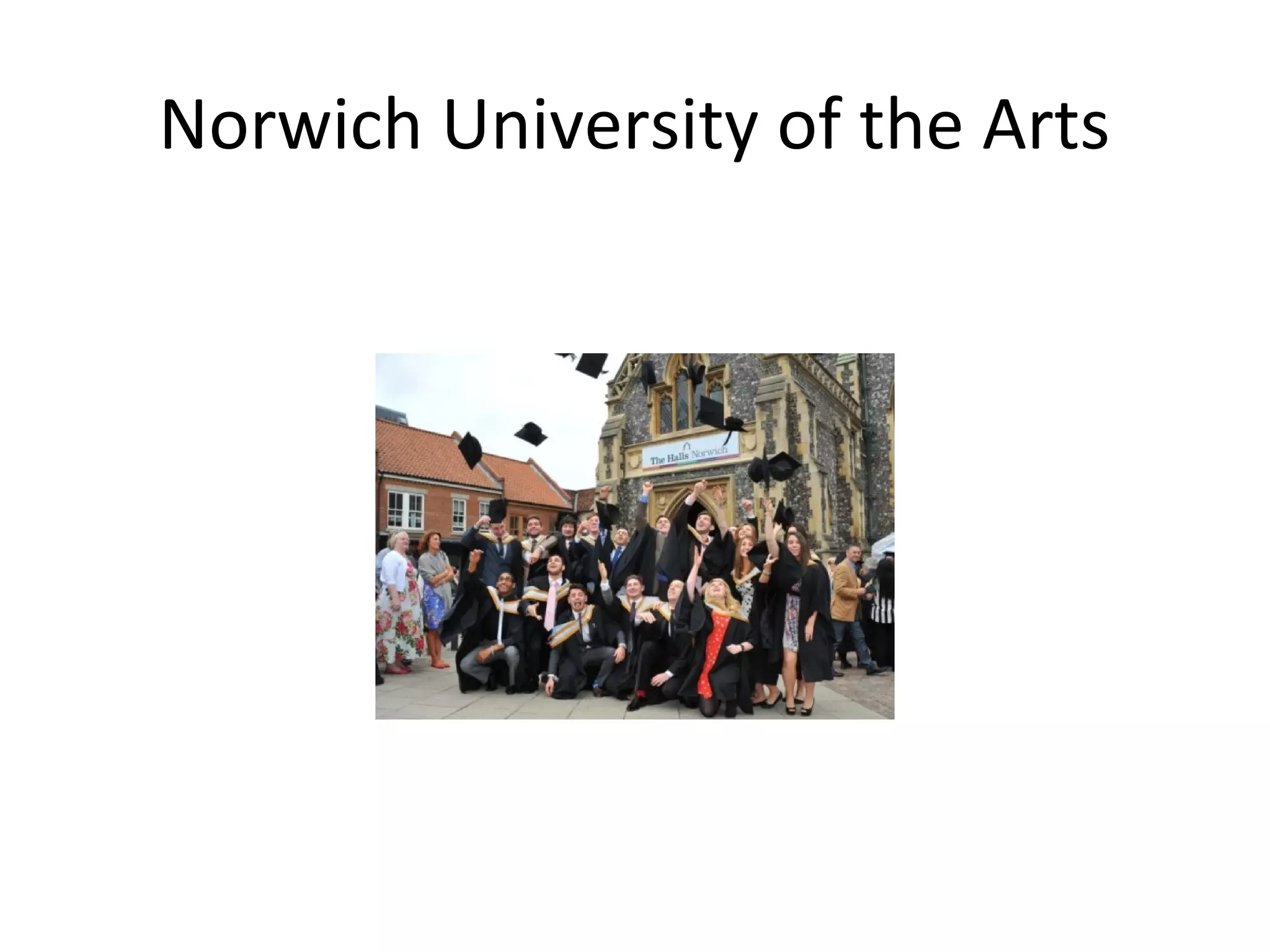
Norwich University of the Arts
BA Textile Design
Unique Selling Point
A unique selling point defines your unique
position in the marketplace.
Unique Selling Point
A strong unique selling Point lets you stand
apart from competitors and actively focus’s
your energy on creating things that cater to
your ideal group of customers.
Unique Selling Point
Why You Need a Unique Selling Point
Your prospective ‘customers’ have difficulty
deciding which option is the one that deserves
their time, money and trust.
Unique Selling Point
This selection can be a daunting process for
‘customers’ that don’t have the experience to
know what separates one competitor from
another.
It is your job to assist them by making your
unique selling point obvious, different and
memorable enough that they can see
exactly what your business has to offer that
the other people do not.
Unique Selling Point
differentiation
In order to be remembered in a crowded
marketplace, it helps if your business (you) have
a trait that is worth remembering.
While a superior product and outstanding
service are the foundation for growing a
successful company you could
consider differentiation as a competitive
advantage in order to stand out.
Ways to Develop a Unique Selling
Point
Unabashedly Appeal to an Ideal Customer
Finding your ideal customer is difficult. When
you’ve finally identified the perfect person to
sell to, it makes sense to appeal to them
through every aspect of your business.
Ways to Develop a Unique Selling
Point
Unabashedly Appeal to an Ideal Customer
Would you ostracizing non-customers to spur on brand
loyalty?
Abercrombie & Fitch’s CEO Mike Jeffries identifies their ideal
customers as “cool, good-looking people,” and has said the
brand refuses to market to anyone outside of that
subgroup.
crazy or tactical?
Ways to Develop a Unique Selling
Point
Get Personal
Can a strong personality be incorporated into a
company’s unique selling proposition?
A strong personality can go a long way—as long as
it aligns with what is being sold.
Consider the value of a recognizable personality.
USP
Understand the characteristics that customers value
What do customers value about you, your product or services,
and about those of your competitors.
Move beyond the basics that are common to all suppliers in
the industry, and look at the criteria that customers use to
decide which product or service to buy.
Talk to salespeople, customer service teams and, most
importantly, to customers themselves.
USP
Make a list of what you know about your target
audience.
Make a list of all the needs that your product or
service could meet – these attributes are all
potential USPs for your business.
USP
Check these USPs against trends and competitors.
Now remove the USPs that are already being well met by competitors.
Don't forget that your USP is a unique selling proposition so you
are looking for a gap in the/a market.
Match each USP against what you (and your business) are good at.
Think about how you want to be seen.
Don't advertise yourself as always being available if you don't want to
work a 60+ hour week!
USP
Double check that you have the right USP.
Does it convey one strong benefit?
Is it memorable?
Is it clear who the brand is targeting from the USP?
Can you deliver what it promises? Is it unique - or could a competitor
claim the same thing?
Use this positioning to develop your business and your marketing
strategy.
USP
Evaluate your activities using your USP as a
benchmark. https://en.wikipedia.org/wiki/Benchmarking
benchmark - A standard or point of reference
against which things may be compared.
Monitor trends and new competitors that could
affect how customers see your USP.
USP
• You..... What makes you interesting?
stand out
who else?
• Specifics....... What you do.
• Good at...................
• Aspire to.................
USP
To consider – further thinking/doing
For each USP you have identified, create a list of
words and visuals to bring the idea to life.
Conduct short interviews with about ten people
in your target market to choose the strongest
USP for your business.

pdp what makes you interesting 1 USP

  • 1.
    What makes youinteresting? 1
  • 2.
  • 3.
  • 4.
  • 5.
  • 6.
  • 7.
  • 8.
  • 9.
  • 10.
  • 11.
  • 12.
  • 13.
  • 14.
  • 15.
  • 16.
  • 17.
    Unique Selling Point Aunique selling point defines your unique position in the marketplace.
  • 18.
    Unique Selling Point Astrong unique selling Point lets you stand apart from competitors and actively focus’s your energy on creating things that cater to your ideal group of customers.
  • 19.
    Unique Selling Point WhyYou Need a Unique Selling Point Your prospective ‘customers’ have difficulty deciding which option is the one that deserves their time, money and trust.
  • 20.
    Unique Selling Point Thisselection can be a daunting process for ‘customers’ that don’t have the experience to know what separates one competitor from another. It is your job to assist them by making your unique selling point obvious, different and memorable enough that they can see exactly what your business has to offer that the other people do not.
  • 21.
    Unique Selling Point differentiation Inorder to be remembered in a crowded marketplace, it helps if your business (you) have a trait that is worth remembering. While a superior product and outstanding service are the foundation for growing a successful company you could consider differentiation as a competitive advantage in order to stand out.
  • 22.
    Ways to Developa Unique Selling Point Unabashedly Appeal to an Ideal Customer Finding your ideal customer is difficult. When you’ve finally identified the perfect person to sell to, it makes sense to appeal to them through every aspect of your business.
  • 23.
    Ways to Developa Unique Selling Point Unabashedly Appeal to an Ideal Customer Would you ostracizing non-customers to spur on brand loyalty? Abercrombie & Fitch’s CEO Mike Jeffries identifies their ideal customers as “cool, good-looking people,” and has said the brand refuses to market to anyone outside of that subgroup. crazy or tactical?
  • 24.
    Ways to Developa Unique Selling Point Get Personal Can a strong personality be incorporated into a company’s unique selling proposition? A strong personality can go a long way—as long as it aligns with what is being sold. Consider the value of a recognizable personality.
  • 25.
    USP Understand the characteristicsthat customers value What do customers value about you, your product or services, and about those of your competitors. Move beyond the basics that are common to all suppliers in the industry, and look at the criteria that customers use to decide which product or service to buy. Talk to salespeople, customer service teams and, most importantly, to customers themselves.
  • 26.
    USP Make a listof what you know about your target audience. Make a list of all the needs that your product or service could meet – these attributes are all potential USPs for your business.
  • 27.
    USP Check these USPsagainst trends and competitors. Now remove the USPs that are already being well met by competitors. Don't forget that your USP is a unique selling proposition so you are looking for a gap in the/a market. Match each USP against what you (and your business) are good at. Think about how you want to be seen. Don't advertise yourself as always being available if you don't want to work a 60+ hour week!
  • 28.
    USP Double check thatyou have the right USP. Does it convey one strong benefit? Is it memorable? Is it clear who the brand is targeting from the USP? Can you deliver what it promises? Is it unique - or could a competitor claim the same thing? Use this positioning to develop your business and your marketing strategy.
  • 29.
    USP Evaluate your activitiesusing your USP as a benchmark. https://en.wikipedia.org/wiki/Benchmarking benchmark - A standard or point of reference against which things may be compared. Monitor trends and new competitors that could affect how customers see your USP.
  • 30.
    USP • You..... Whatmakes you interesting? stand out who else? • Specifics....... What you do. • Good at................... • Aspire to.................
  • 31.
    USP To consider –further thinking/doing For each USP you have identified, create a list of words and visuals to bring the idea to life. Conduct short interviews with about ten people in your target market to choose the strongest USP for your business.