LABURNUM TREE
MAKI KUREISHI
PRESENTED TO
MADAM NAIMA BILAL MINHAS
PRESENTED BY
ADVOCATE M TABASSUM NAZIR
AUTOBIOGRAPHY
 Maki Kureishi was born in Calcutta in 1927
into a Parsee family.
 Her psychiatrist father, Lt. Colonel Jal
Dhunjibhoy, served in that elite, colonial
corps, the Indian Medical Service.
 Her mother, ShireenVacha, had grown up in
Germany, where her father had been
Professor of Languages at Berlin University
and translated the Parsee (Zoroastrian) holy
script Avesta into German and English.
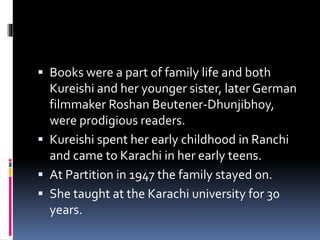
 Books were a part of family life and both
Kureishi and her younger sister, later German
filmmaker Roshan Beutener-Dhunjibhoy,
were prodigious readers.
 Kureishi spent her early childhood in Ranchi
and came to Karachi in her early teens.
 At Partition in 1947 the family stayed on.
 She taught at the Karachi university for 30
years.
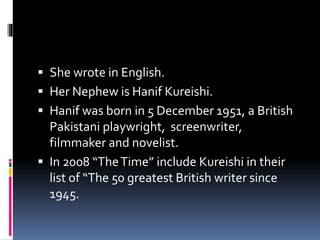
 She wrote in English.
 Her Nephew is Hanif Kureishi.
 Hanif was born in 5 December 1951, a British
Pakistani playwright, screenwriter,
filmmaker and novelist.
 In 2008 “TheTime” include Kureishi in their
list of “The 50 greatest British writer since
1945.
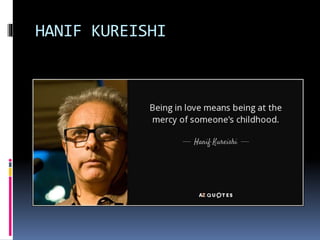
HANIF KUREISHI
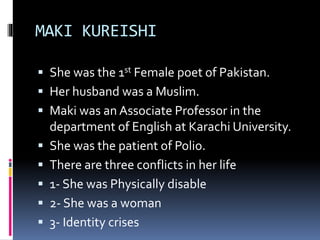
MAKI KUREISHI
 She was the 1st Female poet of Pakistan.
 Her husband was a Muslim.
 Maki was an Associate Professor in the
department of English at Karachi University.
 She was the patient of Polio.
 There are three conflicts in her life
 1- She was Physically disable
 2- She was a woman
 3- Identity crises
 We can compare her poetry with sylvia plath,
Wordsworth, S.T Coleridge, P.B Shelley, KeatsT.S
Eliot and many other poets who wrote on nature.
 She wrote like these poets but unfortunately we
read only British, American or Canadian poets.
 We have read many poems like Birches, Morning
song, Ariel,The Bee Meeting, solidarity reaper,
Ode to Nightingale, Ode to west wind
etc….Unfortunately, we don’t like to read our
poets and their poetry.
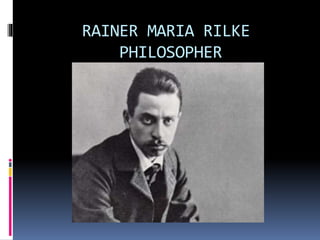
RAINER MARIA RILKE
PHILOSOPHER
 He was a German Philosopher and poet
 He was born in 4 December 1875 and died in 29
December 1926
 He gave the concept of poetry which is followed
by Maki andTaufiq Rafat
 First time it was used byTaufiq Rafat
 In 1920 Rilke gave this concept, why? Because
after 1st World war Germany was divided into
pieces. German identity was demolished. Only
one question was that German country remains
or finish from the earth.
 Then Rilke said
We should use the English Language but we
should develop our environment our customs
in our poetry in our essay in our stories. If we
will fellow the other countries and will write
about their customs traditions nature……
then we are not poet
In simple words if we don’t understand our
environment and don’t write about it then we
are not poet……
 Taufiq Rafat was the friend of Shakir Ali.
 Shakir Ali [: ‫على‬ ‫شاکر‬(1975–1914 was an
influential modern Pakistani artist and art teacher.
 He was the principal of the National College of
Arts in Lahore. He joined Mayo School of Art as
Lecturer in Art in 1954 and after the upgrading of
Mayo School as National College of Arts in 1958, he
became its first Pakistani principal in 1962.Widely
known to have inspired cubism among the artists of
Lahore, he had a huge following of artists in
Pakistan, most of whom were his students including
Jamil Naqsh, Bashir Mirza, Ahmed Parvez and
others.
 On August 14, 2006, Pakistan Post issued a
Rs. 40 sheetlet of stamps to posthumously
honour 10 Pakistani painters. Besides Shakir
Ali, the other nine painters were: Laila
Shahzada, Askari Mian Irani, Sadequain, Ali
Imam, Zahoor ul Akhlaq, Anna Molka
Ahmed, Zubeida Agha, Ahmed
Pervez and Bashir Mirza.
 Shakir was the fan of Rilke.
 There are many books in Shakir’s library on
Rilke.Taufiq visited many times Shakir’s
home and read this idea of Rilke…..And gave
the same idea in 1960 in Pakistan, after that
we see the Pakistani colour, culture,
environment in Pakistani poetry like
 Taufiq from Lahore
 Kaleem Umar and Maki from Karachi
 Daud kamal from Peshawar
 AtharTahir from Sailkot
 Now Government of Pakistan has made the
museum of Shakir Ali’s home.
 It’s name is Shakir Ali museum
 Address
New GardenTown LahoreTipu Block
You can visit there and read the Rilke’s books
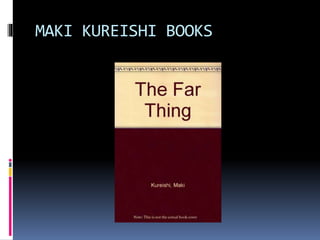
MAKI KUREISHI BOOKS
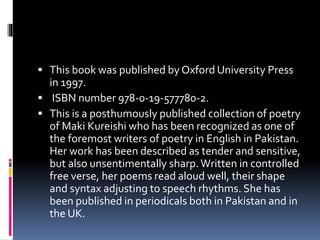
 This book was published by Oxford University Press
in 1997.
 ISBN number 978-0-19-577780-2.
 This is a posthumously published collection of poetry
of Maki Kureishi who has been recognized as one of
the foremost writers of poetry in English in Pakistan.
Her work has been described as tender and sensitive,
but also unsentimentally sharp.Written in controlled
free verse, her poems read aloud well, their shape
and syntax adjusting to speech rhythms. She has
been published in periodicals both in Pakistan and in
the UK.
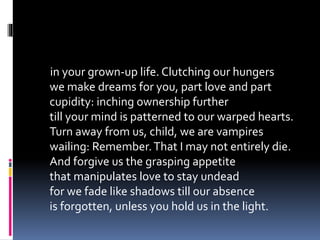
 The other book is, “For My Grandson”
 For My Grandson
 Small shape of our death, with loving care
we nurture you, scanning our own mementos
in your plump tenderness: in your eyes, hair
or hands. Frail little being that must enclose
more than yourself. One day you will grow to be
like me or me or me. Even your allergies
are identified.We shall harass you
with our tall and sacrilegious
gods.This is our final opportunity
to survive. It is my future you will reconstruct
in your grown-up life. Clutching our hungers
we make dreams for you, part love and part
cupidity: inching ownership further
till your mind is patterned to our warped hearts.
Turn away from us, child, we are vampires
wailing: Remember.That I may not entirely die.
And forgive us the grasping appetite
that manipulates love to stay undead
for we fade like shadows till our absence
is forgotten, unless you hold us in the light.
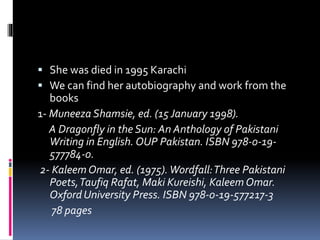
 She was died in 1995 Karachi
 We can find her autobiography and work from the
books
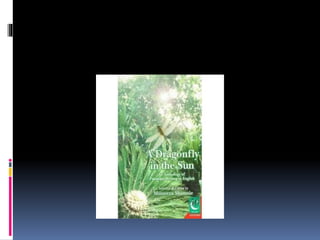
1- Muneeza Shamsie, ed. (15January 1998).
A Dragonfly in the Sun: An Anthology of Pakistani
Writing in English. OUP Pakistan. ISBN 978-0-19-
577784-0.
2- Kaleem Omar, ed. (1975).Wordfall:Three Pakistani
Poets,Taufiq Rafat, Maki Kureishi, Kaleem Omar.
Oxford University Press. ISBN 978-0-19-577217-3
78 pages
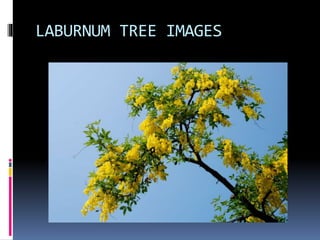
LABURNUM TREE IMAGES
TEXT
Stanza 1
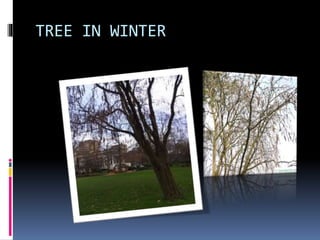
This is not your season
Splotched by passing trucks and slapped
by brutal winds, your branches are
inhospitable to birds.Winter
plucks you to a sparse
rattle of twigs. ‘Dead!’ think passerby
TREE IN WINTER
Stanza 2
Not suspecting when April begins
cautiously to unwind tendril
and modest bud, that every branch
will hang blossoms
like a thousand chandeliers
opulent with light
Stanza 3
If the sky’s blue to set off
that elemental yellow. If the wind
blows gently it’s to display
the shaping of each floweret. Rooted,
you turn slowly to create
our transient spring.The landscape
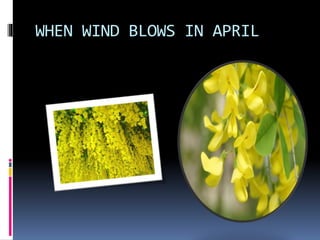
WHEN WIND BLOWS IN APRIL
Stanza 4
Stops at your feet – observing
how you struggle to retrench
your lavishness. But the petals won’t
stop falling. So now you wait, desolate
In green, through the long hard– hitting months
your sap still rioting flowers.
Pak

Pak

  • 1.
  • 2.
  • 3.
  • 4.
  • 5.
     Maki Kureishiwas born in Calcutta in 1927 into a Parsee family.  Her psychiatrist father, Lt. Colonel Jal Dhunjibhoy, served in that elite, colonial corps, the Indian Medical Service.  Her mother, ShireenVacha, had grown up in Germany, where her father had been Professor of Languages at Berlin University and translated the Parsee (Zoroastrian) holy script Avesta into German and English.
  • 6.
     Books werea part of family life and both Kureishi and her younger sister, later German filmmaker Roshan Beutener-Dhunjibhoy, were prodigious readers.  Kureishi spent her early childhood in Ranchi and came to Karachi in her early teens.  At Partition in 1947 the family stayed on.  She taught at the Karachi university for 30 years.
  • 7.
     She wrotein English.  Her Nephew is Hanif Kureishi.  Hanif was born in 5 December 1951, a British Pakistani playwright, screenwriter, filmmaker and novelist.  In 2008 “TheTime” include Kureishi in their list of “The 50 greatest British writer since 1945.
  • 8.
  • 10.
    MAKI KUREISHI  Shewas the 1st Female poet of Pakistan.  Her husband was a Muslim.  Maki was an Associate Professor in the department of English at Karachi University.  She was the patient of Polio.  There are three conflicts in her life  1- She was Physically disable  2- She was a woman  3- Identity crises
  • 11.
     We cancompare her poetry with sylvia plath, Wordsworth, S.T Coleridge, P.B Shelley, KeatsT.S Eliot and many other poets who wrote on nature.  She wrote like these poets but unfortunately we read only British, American or Canadian poets.  We have read many poems like Birches, Morning song, Ariel,The Bee Meeting, solidarity reaper, Ode to Nightingale, Ode to west wind etc….Unfortunately, we don’t like to read our poets and their poetry.
  • 12.
  • 13.
     He wasa German Philosopher and poet  He was born in 4 December 1875 and died in 29 December 1926  He gave the concept of poetry which is followed by Maki andTaufiq Rafat  First time it was used byTaufiq Rafat  In 1920 Rilke gave this concept, why? Because after 1st World war Germany was divided into pieces. German identity was demolished. Only one question was that German country remains or finish from the earth.
  • 14.
     Then Rilkesaid We should use the English Language but we should develop our environment our customs in our poetry in our essay in our stories. If we will fellow the other countries and will write about their customs traditions nature…… then we are not poet In simple words if we don’t understand our environment and don’t write about it then we are not poet……
  • 15.
     Taufiq Rafatwas the friend of Shakir Ali.  Shakir Ali [: ‫على‬ ‫شاکر‬(1975–1914 was an influential modern Pakistani artist and art teacher.  He was the principal of the National College of Arts in Lahore. He joined Mayo School of Art as Lecturer in Art in 1954 and after the upgrading of Mayo School as National College of Arts in 1958, he became its first Pakistani principal in 1962.Widely known to have inspired cubism among the artists of Lahore, he had a huge following of artists in Pakistan, most of whom were his students including Jamil Naqsh, Bashir Mirza, Ahmed Parvez and others.
  • 16.
     On August14, 2006, Pakistan Post issued a Rs. 40 sheetlet of stamps to posthumously honour 10 Pakistani painters. Besides Shakir Ali, the other nine painters were: Laila Shahzada, Askari Mian Irani, Sadequain, Ali Imam, Zahoor ul Akhlaq, Anna Molka Ahmed, Zubeida Agha, Ahmed Pervez and Bashir Mirza.  Shakir was the fan of Rilke.
  • 17.
     There aremany books in Shakir’s library on Rilke.Taufiq visited many times Shakir’s home and read this idea of Rilke…..And gave the same idea in 1960 in Pakistan, after that we see the Pakistani colour, culture, environment in Pakistani poetry like  Taufiq from Lahore  Kaleem Umar and Maki from Karachi  Daud kamal from Peshawar  AtharTahir from Sailkot
  • 18.
     Now Governmentof Pakistan has made the museum of Shakir Ali’s home.  It’s name is Shakir Ali museum  Address New GardenTown LahoreTipu Block You can visit there and read the Rilke’s books
  • 19.
  • 20.
     This bookwas published by Oxford University Press in 1997.  ISBN number 978-0-19-577780-2.  This is a posthumously published collection of poetry of Maki Kureishi who has been recognized as one of the foremost writers of poetry in English in Pakistan. Her work has been described as tender and sensitive, but also unsentimentally sharp.Written in controlled free verse, her poems read aloud well, their shape and syntax adjusting to speech rhythms. She has been published in periodicals both in Pakistan and in the UK.
  • 21.
     The otherbook is, “For My Grandson”  For My Grandson  Small shape of our death, with loving care we nurture you, scanning our own mementos in your plump tenderness: in your eyes, hair or hands. Frail little being that must enclose more than yourself. One day you will grow to be like me or me or me. Even your allergies are identified.We shall harass you with our tall and sacrilegious gods.This is our final opportunity to survive. It is my future you will reconstruct
  • 22.
    in your grown-uplife. Clutching our hungers we make dreams for you, part love and part cupidity: inching ownership further till your mind is patterned to our warped hearts. Turn away from us, child, we are vampires wailing: Remember.That I may not entirely die. And forgive us the grasping appetite that manipulates love to stay undead for we fade like shadows till our absence is forgotten, unless you hold us in the light.
  • 23.
     She wasdied in 1995 Karachi  We can find her autobiography and work from the books 1- Muneeza Shamsie, ed. (15January 1998). A Dragonfly in the Sun: An Anthology of Pakistani Writing in English. OUP Pakistan. ISBN 978-0-19- 577784-0. 2- Kaleem Omar, ed. (1975).Wordfall:Three Pakistani Poets,Taufiq Rafat, Maki Kureishi, Kaleem Omar. Oxford University Press. ISBN 978-0-19-577217-3 78 pages
  • 25.
  • 26.
    TEXT Stanza 1 This isnot your season Splotched by passing trucks and slapped by brutal winds, your branches are inhospitable to birds.Winter plucks you to a sparse rattle of twigs. ‘Dead!’ think passerby
  • 27.
  • 28.
    Stanza 2 Not suspectingwhen April begins cautiously to unwind tendril and modest bud, that every branch will hang blossoms like a thousand chandeliers opulent with light
  • 29.
    Stanza 3 If thesky’s blue to set off that elemental yellow. If the wind blows gently it’s to display the shaping of each floweret. Rooted, you turn slowly to create our transient spring.The landscape
  • 30.
  • 31.
    Stanza 4 Stops atyour feet – observing how you struggle to retrench your lavishness. But the petals won’t stop falling. So now you wait, desolate In green, through the long hard– hitting months your sap still rioting flowers.