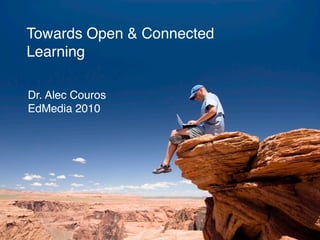
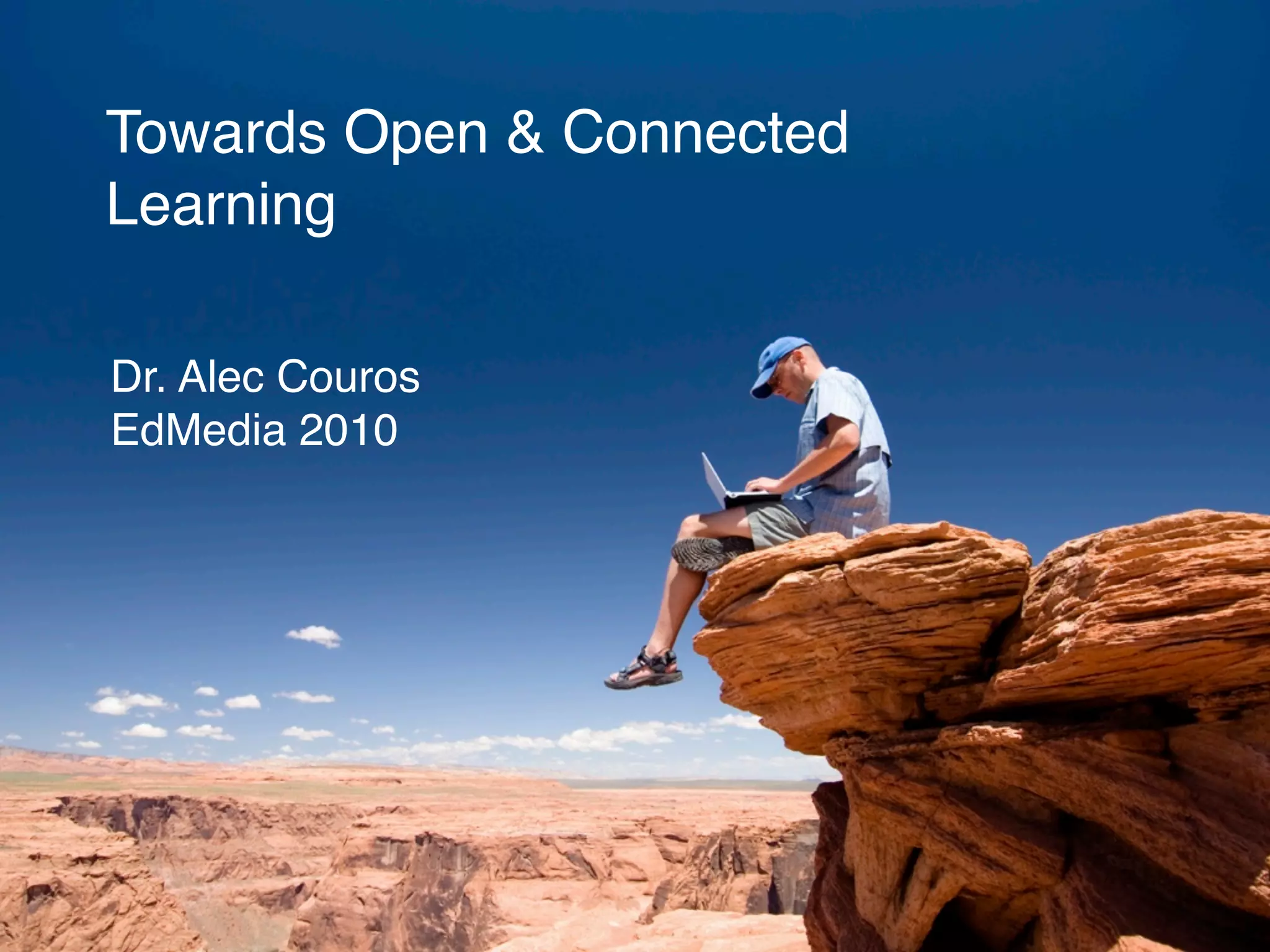
Towards Open & Connected
Learning

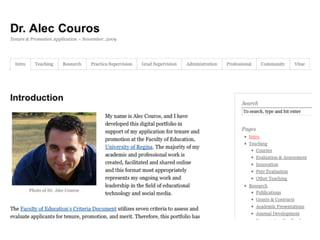
Dr. Alec Couros
EdMedia 2010
me
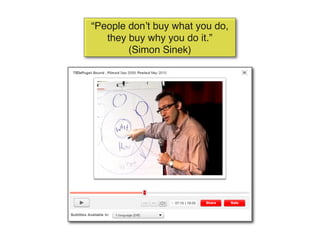
“People donʼt buy what you do,
   they buy why you do it.”
        (Simon Sinek)
journey
(short version)
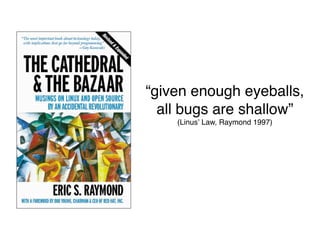
“given enough eyeballs,
  all bugs are shallow”
    (Linusʼ Law, Raymond 1997)
“Open source software
communities are one of the most
     successful -- and least
 understood -- examples of high
 performance collaboration and
   community building on the
        Internet today.”
            (Kim, 2003)
“A key to transformation is for the
 teaching profession to establish
innovation networks that capture
the spirit and culture of hackers -
     the passion, the can-do,
        collective sharing.”
            (Hargreaves, 2003)
open / networked
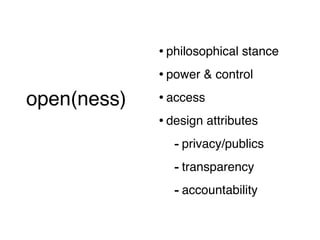
• philosophical stance
                   • power & control
open(ness)         • access
 (short version)
                   • design attributes
                      - privacy/publics
                      - transparency
                      - accountability
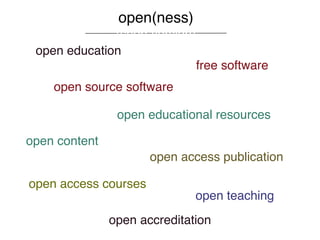
open(ness)
              (short version)
 open education
                                free software
    open source software

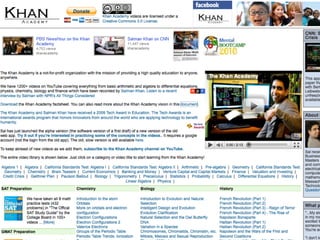
                open educational resources

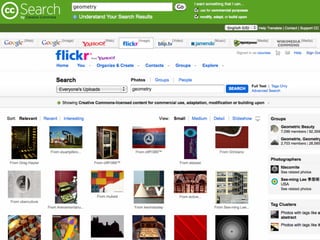
open content
                      open access publication

open access courses
                              open teaching
               open accreditation
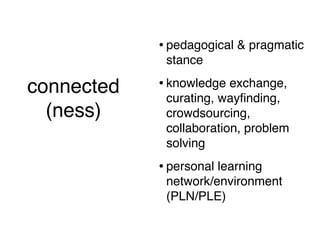
• pedagogical & pragmatic
                     stance

connected           • knowledge exchange,
                     curating, wayfinding,
  (ness)             crowdsourcing,
  (short version)    collaboration, problem
                     solving
                    • personal learning
                     network/environment
                     (PLN/PLE)
context
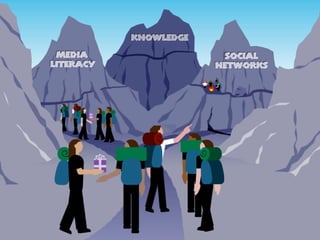
Knowledge
Questions
•   what is k?
•   how is k acquired?
•   how do we know what we
    know?
•   why do we know what we
    know?
•   what do humans know?
•   who controls k?
•   how is k controlled?
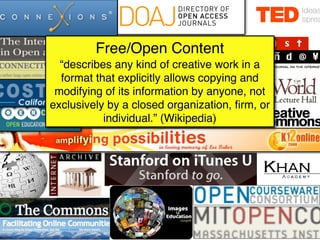
Free/Open Content
  “describes any kind of creative work in a
  format that explicitly allows copying and
 modifying of its information by anyone, not
exclusively by a closed organization, firm, or
           individual.” (Wikipedia)
Stats as of March 17/10 via Mashable
Media
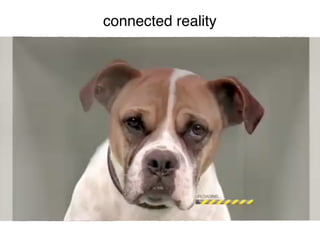
connected reality
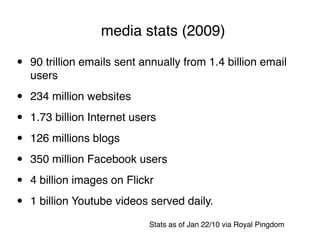
media stats (2009)

•   90 trillion emails sent annually from 1.4 billion email
    users

•   234 million websites

•   1.73 billion Internet users

•   126 millions blogs

•   350 million Facebook users

•   4 billion images on Flickr

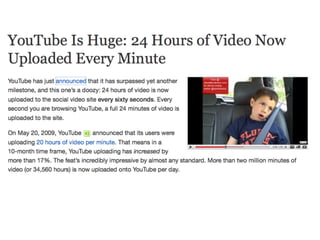
•   1 billion Youtube videos served daily.
                             Stats as of Jan 22/10 via Royal Pingdom
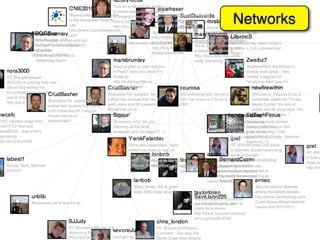
Networks
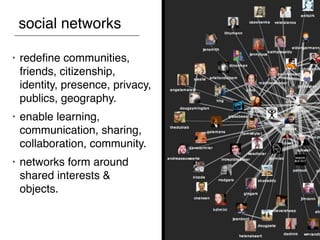
social networks

•   redefine communities,
    friends, citizenship,
    identity, presence, privacy,
    publics, geography.
•   enable learning,
    communication, sharing,
    collaboration, community.
•   networks form around
    shared interests &
    objects.
social tools
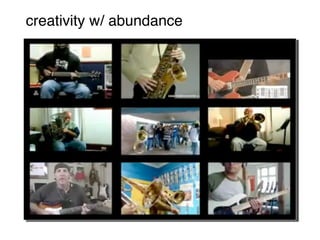
creativity w/ abundance
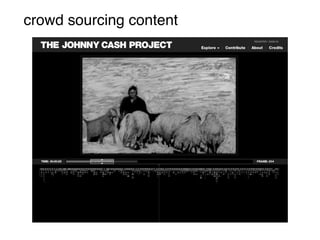
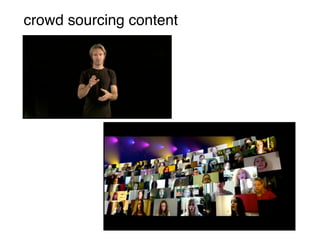
crowd sourcing content
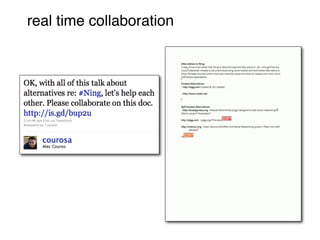
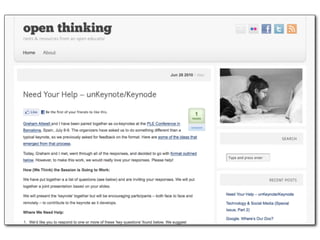
real time collaboration
open practice
“Web 2.0 tools exist that might allow academics to
   reflect and reimagine what they do as scholars.
Such tools might positively affect -- even transform -
  research, teaching, and service responsibilities -
  only if scholars choose to build serious academic
    lives online, presenting semi-public selves and
becoming invested in and connected to the work of
               their peers and students.”
             (Greenhow, Robella, & Hughes, 2009)
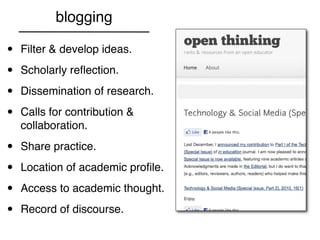
blogging

•   Filter & develop ideas.

•   Scholarly reflection.

•   Dissemination of research.

•   Calls for contribution &
    collaboration.

•   Share practice.

•   Location of academic profile.

•   Access to academic thought.

•   Record of discourse.
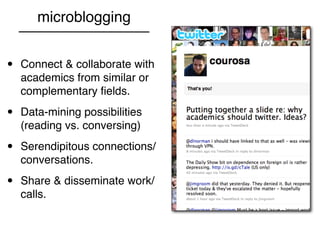
microblogging


•   Connect & collaborate with
    academics from similar or
    complementary fields.

•   Data-mining possibilities
    (reading vs. conversing)

•   Serendipitous connections/
    conversations.

•   Share & disseminate work/
    calls.
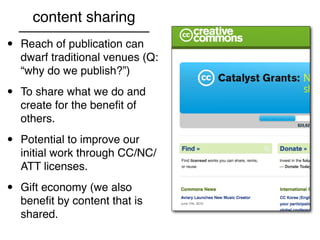
content sharing
•   Reach of publication can
    dwarf traditional venues (Q:
    “why do we publish?”)

•   To share what we do and
    create for the benefit of
    others.

•   Potential to improve our
    initial work through CC/NC/
    ATT licenses.

•   Gift economy (we also
    benefit by content that is
    shared.
open teaching
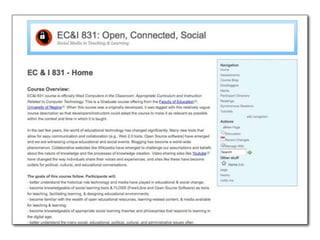
open courses - my view

•   use of open & free tools wherever possible

•   openly accessible experiences

•   assessments related to participant practice

•   participant-controlled/centred spaces

•   range of expertise/participation

•   immersive, experimental activities

•   scaffolding and just-in-time support

•   focus on alternative learning artefacts

•   development of long-term learning community
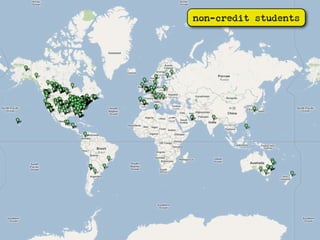
non-credit students
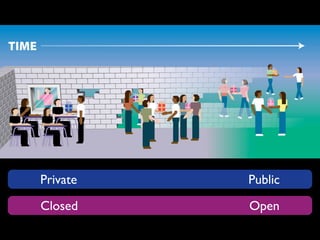
Private   Public

Closed    Open
finding inspiration
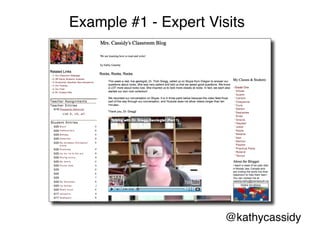
Example #1 - Expert Visits


                       @kathycassidy
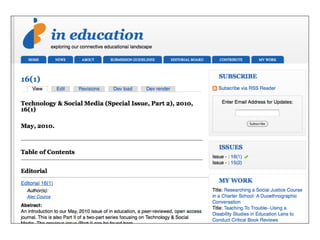
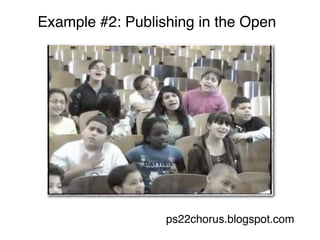
Example #2: Publishing in the Open


                  ps22chorus.blogspot.com
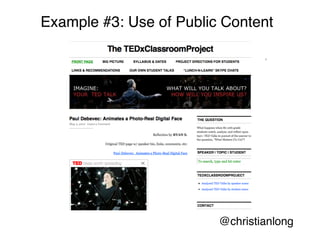
Example #3: Use of Public Content


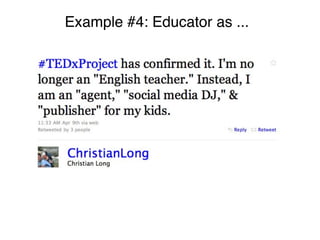
                         @christianlong
Example #4: Educator as ...
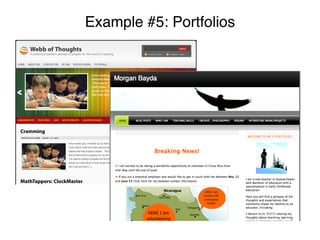
Example #5: Portfolios
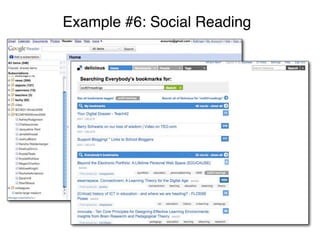
Example #6: Social Reading
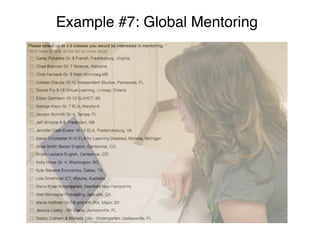
Example #7: Global Mentoring
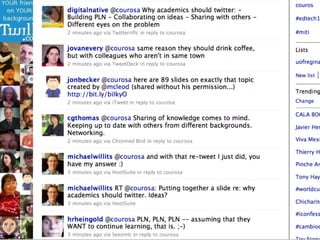
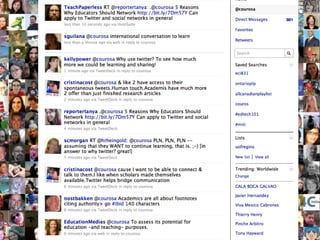
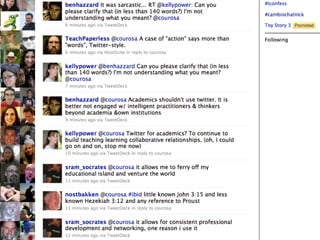
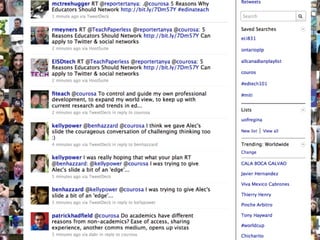
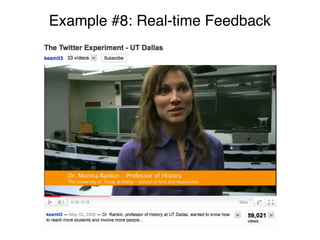
Example #8: Real-time Feedback
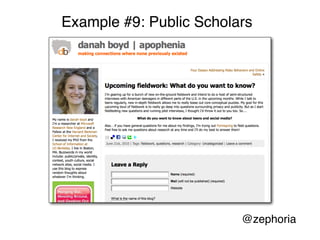
Example #9: Public Scholars


                         @zephoria
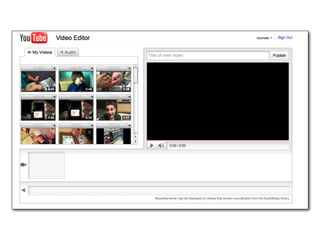
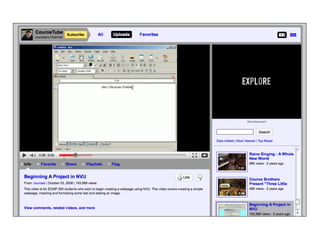
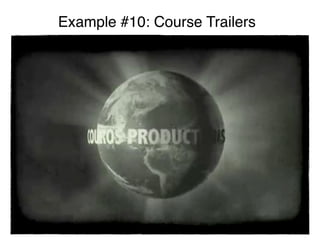
Example #10: Course Trailers
• *this* is not going
                   away.
                  • *this* can amplify
why?               what we do as
(short version)
                   traditional academics.
                  • *this* can reshape/
                   reinvent/reinvigorate
                   and greatly improve
                   what we do.
Donʼt limit a child to your own
 learning, for he was born in
    another time. ~Tagore


      web: couros.ca
      twitter: courosa
      google: couros
    couros@gmail.com

Towards Open & Connected Learning

  • 1.
    Towards Open &Connected Learning Dr. Alec Couros EdMedia 2010
  • 2.
  • 4.
    “People donʼt buywhat you do, they buy why you do it.” (Simon Sinek)
  • 5.
  • 6.
    “given enough eyeballs, all bugs are shallow” (Linusʼ Law, Raymond 1997)
  • 7.
    “Open source software communitiesare one of the most successful -- and least understood -- examples of high performance collaboration and community building on the Internet today.” (Kim, 2003)
  • 8.
    “A key totransformation is for the teaching profession to establish innovation networks that capture the spirit and culture of hackers - the passion, the can-do, collective sharing.” (Hargreaves, 2003)
  • 12.
  • 13.
    • philosophical stance • power & control open(ness) • access (short version) • design attributes - privacy/publics - transparency - accountability
  • 14.
    open(ness) (short version) open education free software open source software open educational resources open content open access publication open access courses open teaching open accreditation
  • 15.
    • pedagogical &pragmatic stance connected • knowledge exchange, curating, wayfinding, (ness) crowdsourcing, (short version) collaboration, problem solving • personal learning network/environment (PLN/PLE)
  • 16.
  • 17.
  • 18.
    Questions • what is k? • how is k acquired? • how do we know what we know? • why do we know what we know? • what do humans know? • who controls k? • how is k controlled?
  • 21.
    Free/Open Content “describes any kind of creative work in a format that explicitly allows copying and modifying of its information by anyone, not exclusively by a closed organization, firm, or individual.” (Wikipedia)
  • 22.
    Stats as ofMarch 17/10 via Mashable
  • 25.
  • 27.
  • 31.
    media stats (2009) • 90 trillion emails sent annually from 1.4 billion email users • 234 million websites • 1.73 billion Internet users • 126 millions blogs • 350 million Facebook users • 4 billion images on Flickr • 1 billion Youtube videos served daily. Stats as of Jan 22/10 via Royal Pingdom
  • 34.
  • 35.
    social networks • redefine communities, friends, citizenship, identity, presence, privacy, publics, geography. • enable learning, communication, sharing, collaboration, community. • networks form around shared interests & objects.
  • 36.
  • 37.
  • 38.
  • 39.
  • 40.
  • 43.
  • 44.
    “Web 2.0 toolsexist that might allow academics to reflect and reimagine what they do as scholars. Such tools might positively affect -- even transform - research, teaching, and service responsibilities - only if scholars choose to build serious academic lives online, presenting semi-public selves and becoming invested in and connected to the work of their peers and students.” (Greenhow, Robella, & Hughes, 2009)
  • 45.
    blogging • Filter & develop ideas. • Scholarly reflection. • Dissemination of research. • Calls for contribution & collaboration. • Share practice. • Location of academic profile. • Access to academic thought. • Record of discourse.
  • 46.
    microblogging • Connect & collaborate with academics from similar or complementary fields. • Data-mining possibilities (reading vs. conversing) • Serendipitous connections/ conversations. • Share & disseminate work/ calls.
  • 52.
    content sharing • Reach of publication can dwarf traditional venues (Q: “why do we publish?”) • To share what we do and create for the benefit of others. • Potential to improve our initial work through CC/NC/ ATT licenses. • Gift economy (we also benefit by content that is shared.
  • 58.
  • 61.
    open courses -my view • use of open & free tools wherever possible • openly accessible experiences • assessments related to participant practice • participant-controlled/centred spaces • range of expertise/participation • immersive, experimental activities • scaffolding and just-in-time support • focus on alternative learning artefacts • development of long-term learning community
  • 62.
  • 63.
    Private Public Closed Open
  • 64.
  • 65.
    Example #1 -Expert Visits @kathycassidy
  • 66.
    Example #2: Publishingin the Open ps22chorus.blogspot.com
  • 67.
    Example #3: Useof Public Content @christianlong
  • 68.
  • 69.
  • 70.
  • 71.
  • 72.
  • 73.
    Example #9: PublicScholars @zephoria
  • 74.
  • 75.
    • *this* isnot going away. • *this* can amplify why? what we do as (short version) traditional academics. • *this* can reshape/ reinvent/reinvigorate and greatly improve what we do.
  • 76.
    Donʼt limit achild to your own learning, for he was born in another time. ~Tagore web: couros.ca twitter: courosa google: couros couros@gmail.com