Online Random Forest in
10 Minutes
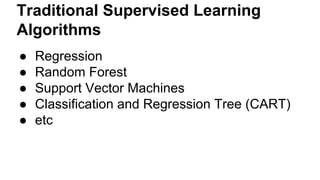
Traditional Supervised Learning
Algorithms
●
●
●
●
●

Regression
Random Forest
Support Vector Machines
Classification and Regression Tree (CART)
etc
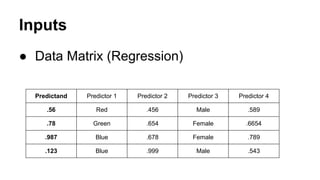
Inputs
● Data Matrix (Regression)
Predictand

Predictor 1

Predictor 2

Predictor 3

Predictor 4

.56

Red

.456

Male

.589

.78

Green

.654

Female

.6654

.987

Blue

.678

Female

.789

.123

Blue

.999

Male

.543
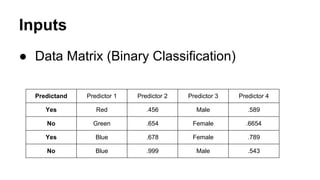
Inputs
● Data Matrix (Binary Classification)
Predictand

Predictor 1

Predictor 2

Predictor 3

Predictor 4

Yes

Red

.456

Male

.589

No

Green

.654

Female

.6654

Yes

Blue

.678

Female

.789

No

Blue

.999

Male

.543
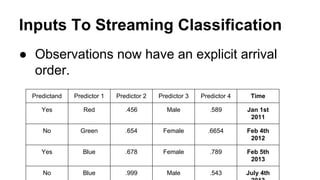
Inputs To Streaming Classification
● Observations now have an explicit arrival
order.
Predictand

Predictor 1

Predictor 2

Predictor 3

Predictor 4

Time

Yes

Red

.456

Male

.589

Jan 1st
2011

No

Green

.654

Female

.6654

Feb 4th
2012

Yes

Blue

.678

Female

.789

Feb 5th
2013

No

Blue

.999

Male

.543

July 4th
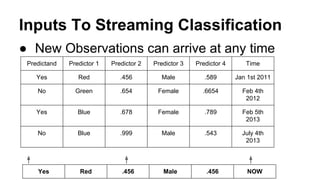
Inputs To Streaming Classification
● New Observations can arrive at any time
Predictand

Predictor 1

Predictor 2

Predictor 3

Predictor 4

Time

Yes

Red

.456

Male

.589

Jan 1st 2011

No

Green

.654

Female

.6654

Feb 4th
2012

Yes

Blue

.678

Female

.789

Feb 5th
2013

No

Blue

.999

Male

.543

July 4th
2013

Yes

Red

.456

Male

.456

NOW
Problems
● Do the important predictors change over
time and when does this change occur?
● How far back is data relevant to today’s
problem?
● What happens when our predictors change
again in the future?
● What if this is all happening rapidly… will it
scale?
Enter Online Random Forest
● Input is a single new observation
● Trees learn incrementally on this new data
● Trees are dropped from the forest based on
performance and replaced a new “ungrown”
tree
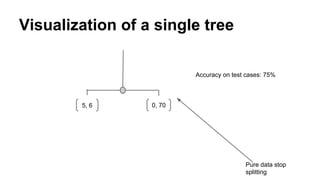
Visualization of a single tree
Accuracy on test cases: 75%

5, 6

0, 70

Pure data stop
splitting
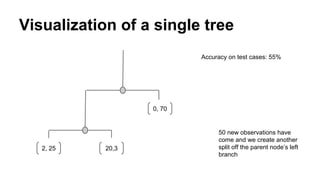
Visualization of a single tree
Accuracy on test cases: 55%

0, 70

2, 25

20,3

50 new observations have
come and we create another
split off the parent node’s left
branch
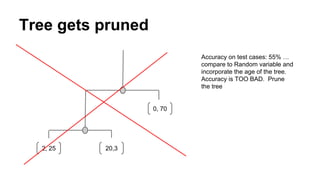
Tree gets pruned
Accuracy on test cases: 55% …
compare to Random variable and
incorporate the age of the tree.
Accuracy is TOO BAD. Prune
the tree

0, 70

2, 25

20,3
New Tree
It’s a stump that hasn’t yet split
any data. If asked for a
classification request it will vote
the prior probability calculated
from the last 100 observations
that the old pruned tree saw
Online Random Forest
● By dropping trees that predict poorly we can
adapt to change in important predictors
● If previous data is relevant to today’s
problem, tree’s learned from it in the past. If
it no longer becomes relevant it will be
reflected in the accuracy and the tree will get
prune
Online Random Forest
● This process of incremental learning and
dropping is constantly occurring so we can
constantly adapt to a changing signal
● We built our Online Random Forest with
scala’s actor framework
● We distribute our tree’s computations (and
physical location) therefore we can handle
high input data streams
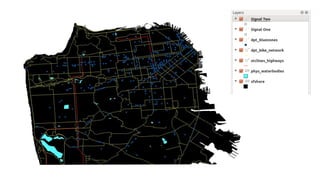
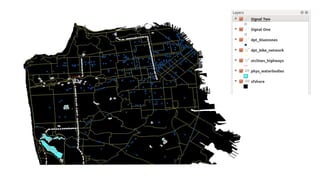
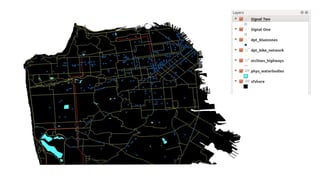
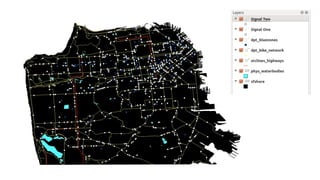
Example Stream
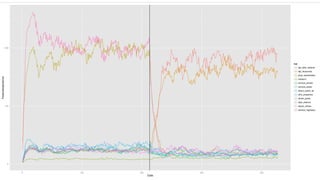
Changing Feature Importance

Online random forests in 10 minutes

  • 1.
    Online Random Forestin 10 Minutes
  • 2.
    Traditional Supervised Learning Algorithms ● ● ● ● ● Regression RandomForest Support Vector Machines Classification and Regression Tree (CART) etc
  • 3.
    Inputs ● Data Matrix(Regression) Predictand Predictor 1 Predictor 2 Predictor 3 Predictor 4 .56 Red .456 Male .589 .78 Green .654 Female .6654 .987 Blue .678 Female .789 .123 Blue .999 Male .543
  • 4.
    Inputs ● Data Matrix(Binary Classification) Predictand Predictor 1 Predictor 2 Predictor 3 Predictor 4 Yes Red .456 Male .589 No Green .654 Female .6654 Yes Blue .678 Female .789 No Blue .999 Male .543
  • 5.
    Inputs To StreamingClassification ● Observations now have an explicit arrival order. Predictand Predictor 1 Predictor 2 Predictor 3 Predictor 4 Time Yes Red .456 Male .589 Jan 1st 2011 No Green .654 Female .6654 Feb 4th 2012 Yes Blue .678 Female .789 Feb 5th 2013 No Blue .999 Male .543 July 4th
  • 6.
    Inputs To StreamingClassification ● New Observations can arrive at any time Predictand Predictor 1 Predictor 2 Predictor 3 Predictor 4 Time Yes Red .456 Male .589 Jan 1st 2011 No Green .654 Female .6654 Feb 4th 2012 Yes Blue .678 Female .789 Feb 5th 2013 No Blue .999 Male .543 July 4th 2013 Yes Red .456 Male .456 NOW
  • 7.
    Problems ● Do theimportant predictors change over time and when does this change occur? ● How far back is data relevant to today’s problem? ● What happens when our predictors change again in the future? ● What if this is all happening rapidly… will it scale?
  • 8.
    Enter Online RandomForest ● Input is a single new observation ● Trees learn incrementally on this new data ● Trees are dropped from the forest based on performance and replaced a new “ungrown” tree
  • 9.
    Visualization of asingle tree Accuracy on test cases: 75% 5, 6 0, 70 Pure data stop splitting
  • 10.
    Visualization of asingle tree Accuracy on test cases: 55% 0, 70 2, 25 20,3 50 new observations have come and we create another split off the parent node’s left branch
  • 11.
    Tree gets pruned Accuracyon test cases: 55% … compare to Random variable and incorporate the age of the tree. Accuracy is TOO BAD. Prune the tree 0, 70 2, 25 20,3
  • 12.
    New Tree It’s astump that hasn’t yet split any data. If asked for a classification request it will vote the prior probability calculated from the last 100 observations that the old pruned tree saw
  • 13.
    Online Random Forest ●By dropping trees that predict poorly we can adapt to change in important predictors ● If previous data is relevant to today’s problem, tree’s learned from it in the past. If it no longer becomes relevant it will be reflected in the accuracy and the tree will get prune
  • 14.
    Online Random Forest ●This process of incremental learning and dropping is constantly occurring so we can constantly adapt to a changing signal ● We built our Online Random Forest with scala’s actor framework ● We distribute our tree’s computations (and physical location) therefore we can handle high input data streams
  • 15.
  • 20.