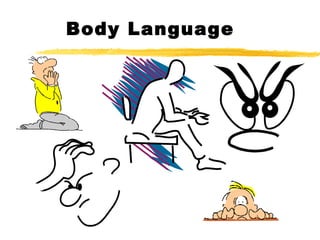
Body Language
Studies show that your words account for only 7% of the messages you convey. The remaining 93% is non-verbal.  55% of communication is based on what people see and the other 38% is transmitted through tone of voice. “ The most important thing is to hear what isn’t being said.” Peter Drucker
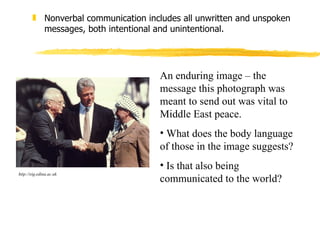
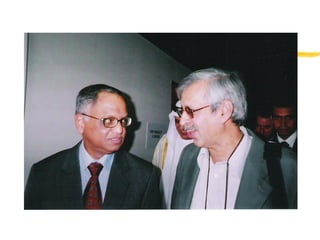
Nonverbal communication includes all unwritten and unspoken messages, both intentional and unintentional. An enduring image – the message this photograph was meant to send out was vital to Middle East peace.  What does the body language of those in the image suggests?  Is that also being communicated to the world? http://eig.edina.ac.uk
Forms of Nonverbal Communication Time Space Territory Eye contact Facial expression Posture and gestures Physical appearance of people
Jockeying for position Inclusive - Non-inclusive How you include/exclude others in a group Parallel body positions Will position yourselves to relate to each other Side by side are neutral Facing means people are involved
 
Territory Intimate Touching  6-18” Personal Close -1½ to 2½ feet Far - 2½ to 4  feet Social  Close 4-7 feet Far - 7-12 feet Public  Close - 12-25 feet Far - 25 feet or greater
Eye Contact Eye contact is the most obvious way you communicate. When you are looking at the other person, you show interest. When you fail to make eye contact, you give the impression that the other person is of no importance. Maintain eye contact about 60% of the time in order to look interested, but not aggressive. Eye-to-eye confrontation-honest and direct Business-Eyes & Forehead-business transaction Social-Forehead to lips-social interaction Intimate-From head to toe-call for intimacy Eyes keep shifting-lack of concentration Evasive eyes-lack of credibility Stammering eyes-lack of confidence
Facial Expression Facial expression is another form of non-verbal communication. A smile sends a positive message and is appropriate in all but a life and death situation. Smiling adds warmth and an aura of confidence. Others will be more receptive if you remember to check your expression. Smile: Open personality Felt smile, Miserable smile, False smile
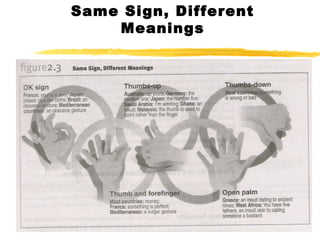
Same Sign, Different Meanings
Gestures & Posture The position of your head speaks to people. Keeping your head straight, which is not the same as keeping your head on straight, will make you appear self-assured and authoritative. People will take you seriously. Tilt your head to one side if you want to come across as friendly and open . How receptive you are is suggested by where you place your arms. Arms crossed or folded over your chest say that you have shut other people out and have no interest in them or what they are saying. This position can also say, "I don't agree with you." You might just be cold, but unless you shiver at the same time, the person in front of you may get the wrong message. How you use your arms can help or hurt your image as well. Waving them about may show enthusiasm to some, but others see this gesture as one of uncertainty and immaturity. The best place for your arms is by your side. You will look confident and relaxed. If this is hard for you, do what you always do when you want to get better at something - practice. After a while, it will feel natural. The angle of your body gives an indication to others about what's going through your head. Leaning in says, "Tell me more." Leaning away signals you've heard enough. Adding a nod of your head is another way to affirm that you are listening. Posture is just as important as your grandmother always said it was. Sit or stand erect if you want to be seen as alert and enthusiastic. When you slump in your chair or lean on the wall, you look tired. No one wants to do business with someone who has no energy.
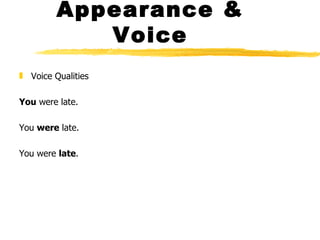
Appearance & Voice Voice Qualities You  were late.  You  were  late. You were  late .
Handshake Open Palms: Positive Personality Equal handshake: Equal in behaviour and attitude with no complexes associated Tight Grasp: Superiority Complex Limp Handshake: Inferiority Complex Informal Handshake: Informal behaviour and attitude Politician’s Handshake: Deceptive behaviour
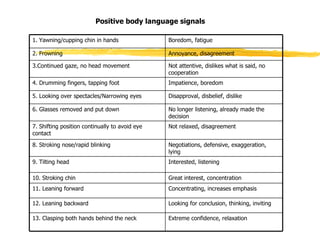
Positive body language signals Looking for conclusion, thinking, inviting 12. Leaning backward Extreme confidence, relaxation 13. Clasping both hands behind the neck Concentrating, increases emphasis 11. Leaning forward Great interest, concentration 10. Stroking chin Not relaxed, disagreement 7. Shifting position continually to avoid eye contact Negotiations, defensive, exaggeration, lying 8. Stroking nose/rapid blinking Interested, listening 9. Tilting head No longer listening, already made the decision 6. Glasses removed and put down  Not attentive, dislikes what is said, no cooperation 3.Continued gaze, no head movement Impatience, boredom 4. Drumming fingers, tapping foot Disapproval, disbelief, dislike 5. Looking over spectacles/Narrowing eyes Annoyance, disagreement 2. Frowning Boredom, fatigue 1. Yawning/cupping chin in hands
Nonverbal Behavior and Perception A “Matching” Quiz 1. Insecurity  2. Defensiveness  3. Cooperation 4. Confidence  5. Nervousness  6. Frustration Short breaths, “tsk” sound, clenched hands, wringing hands Hands behind back, hands on lapels of coat, broad gestures Arms crossed, sideways stance, touching and rubbing nose, rubbing eyes, drawing away Open hands, upper body in sprinter’s position, sitting on edge of chair, hand-to-face gestures Clearing throat, “whew” sound, whistling, smoking, fidgeting, tugging ears Pinching flesh, chewing pen, biting fingernails
 
Nonverbal Behavior and Perception A “Matching” Quiz 1. Insecurity  2. Defensiveness  3. Cooperation 4. Confidence  5. Nervousness  6. Frustration Short breaths, “tsk” sound, clenched hands, wringing hands Steepled hands, hands behind back, hands on lapels of coat, broad gestures Arms crossed, sideways stance, touching and rubbing nose, rubbing eyes, drawing away Open hands, upper body in sprinter’s position, sitting on edge of chair, hand-to-face gestures Clearing throat, “whew” sound, whistling, smoking, fidgeting, tugging ears Pinching flesh, chewing pen, biting fingernails
By Vivekananda

Non Verbal Communication

  • 1.
  • 2.
    Studies show thatyour words account for only 7% of the messages you convey. The remaining 93% is non-verbal. 55% of communication is based on what people see and the other 38% is transmitted through tone of voice. “ The most important thing is to hear what isn’t being said.” Peter Drucker
  • 3.
    Nonverbal communication includesall unwritten and unspoken messages, both intentional and unintentional. An enduring image – the message this photograph was meant to send out was vital to Middle East peace. What does the body language of those in the image suggests? Is that also being communicated to the world? http://eig.edina.ac.uk
  • 4.
    Forms of NonverbalCommunication Time Space Territory Eye contact Facial expression Posture and gestures Physical appearance of people
  • 5.
    Jockeying for positionInclusive - Non-inclusive How you include/exclude others in a group Parallel body positions Will position yourselves to relate to each other Side by side are neutral Facing means people are involved
  • 6.
  • 7.
    Territory Intimate Touching 6-18” Personal Close -1½ to 2½ feet Far - 2½ to 4 feet Social Close 4-7 feet Far - 7-12 feet Public Close - 12-25 feet Far - 25 feet or greater
  • 8.
    Eye Contact Eyecontact is the most obvious way you communicate. When you are looking at the other person, you show interest. When you fail to make eye contact, you give the impression that the other person is of no importance. Maintain eye contact about 60% of the time in order to look interested, but not aggressive. Eye-to-eye confrontation-honest and direct Business-Eyes & Forehead-business transaction Social-Forehead to lips-social interaction Intimate-From head to toe-call for intimacy Eyes keep shifting-lack of concentration Evasive eyes-lack of credibility Stammering eyes-lack of confidence
  • 9.
    Facial Expression Facialexpression is another form of non-verbal communication. A smile sends a positive message and is appropriate in all but a life and death situation. Smiling adds warmth and an aura of confidence. Others will be more receptive if you remember to check your expression. Smile: Open personality Felt smile, Miserable smile, False smile
  • 10.
  • 11.
    Gestures & PostureThe position of your head speaks to people. Keeping your head straight, which is not the same as keeping your head on straight, will make you appear self-assured and authoritative. People will take you seriously. Tilt your head to one side if you want to come across as friendly and open . How receptive you are is suggested by where you place your arms. Arms crossed or folded over your chest say that you have shut other people out and have no interest in them or what they are saying. This position can also say, "I don't agree with you." You might just be cold, but unless you shiver at the same time, the person in front of you may get the wrong message. How you use your arms can help or hurt your image as well. Waving them about may show enthusiasm to some, but others see this gesture as one of uncertainty and immaturity. The best place for your arms is by your side. You will look confident and relaxed. If this is hard for you, do what you always do when you want to get better at something - practice. After a while, it will feel natural. The angle of your body gives an indication to others about what's going through your head. Leaning in says, "Tell me more." Leaning away signals you've heard enough. Adding a nod of your head is another way to affirm that you are listening. Posture is just as important as your grandmother always said it was. Sit or stand erect if you want to be seen as alert and enthusiastic. When you slump in your chair or lean on the wall, you look tired. No one wants to do business with someone who has no energy.
  • 12.
    Appearance & VoiceVoice Qualities You were late. You were late. You were late .
  • 13.
    Handshake Open Palms:Positive Personality Equal handshake: Equal in behaviour and attitude with no complexes associated Tight Grasp: Superiority Complex Limp Handshake: Inferiority Complex Informal Handshake: Informal behaviour and attitude Politician’s Handshake: Deceptive behaviour
  • 14.
    Positive body languagesignals Looking for conclusion, thinking, inviting 12. Leaning backward Extreme confidence, relaxation 13. Clasping both hands behind the neck Concentrating, increases emphasis 11. Leaning forward Great interest, concentration 10. Stroking chin Not relaxed, disagreement 7. Shifting position continually to avoid eye contact Negotiations, defensive, exaggeration, lying 8. Stroking nose/rapid blinking Interested, listening 9. Tilting head No longer listening, already made the decision 6. Glasses removed and put down Not attentive, dislikes what is said, no cooperation 3.Continued gaze, no head movement Impatience, boredom 4. Drumming fingers, tapping foot Disapproval, disbelief, dislike 5. Looking over spectacles/Narrowing eyes Annoyance, disagreement 2. Frowning Boredom, fatigue 1. Yawning/cupping chin in hands
  • 15.
    Nonverbal Behavior andPerception A “Matching” Quiz 1. Insecurity 2. Defensiveness 3. Cooperation 4. Confidence 5. Nervousness 6. Frustration Short breaths, “tsk” sound, clenched hands, wringing hands Hands behind back, hands on lapels of coat, broad gestures Arms crossed, sideways stance, touching and rubbing nose, rubbing eyes, drawing away Open hands, upper body in sprinter’s position, sitting on edge of chair, hand-to-face gestures Clearing throat, “whew” sound, whistling, smoking, fidgeting, tugging ears Pinching flesh, chewing pen, biting fingernails
  • 16.
  • 17.
    Nonverbal Behavior andPerception A “Matching” Quiz 1. Insecurity 2. Defensiveness 3. Cooperation 4. Confidence 5. Nervousness 6. Frustration Short breaths, “tsk” sound, clenched hands, wringing hands Steepled hands, hands behind back, hands on lapels of coat, broad gestures Arms crossed, sideways stance, touching and rubbing nose, rubbing eyes, drawing away Open hands, upper body in sprinter’s position, sitting on edge of chair, hand-to-face gestures Clearing throat, “whew” sound, whistling, smoking, fidgeting, tugging ears Pinching flesh, chewing pen, biting fingernails
  • 18.