Downloaded 48 times
![Political Context: Key AreasThe macro political context (democracy, governance, media freedom; academic freedom) The sector / issue process (Policy uptake = demand – contestation) [NB Demand: political and societal]How policymakers think (narratives & policy streams)Policy implementation and practice (bureaucracies, incentives, street level, room for manoeuvre, participatory approaches)Decisive moments in the policy process (policy processes, votes, policy windows and crises)(Court and Young 2003)](https://image.slidesharecdn.com/nbdcprocessespuskur-110505031936-phpapp01/75/Contributing-to-evidence-based-policy-making-6-2048.jpg)
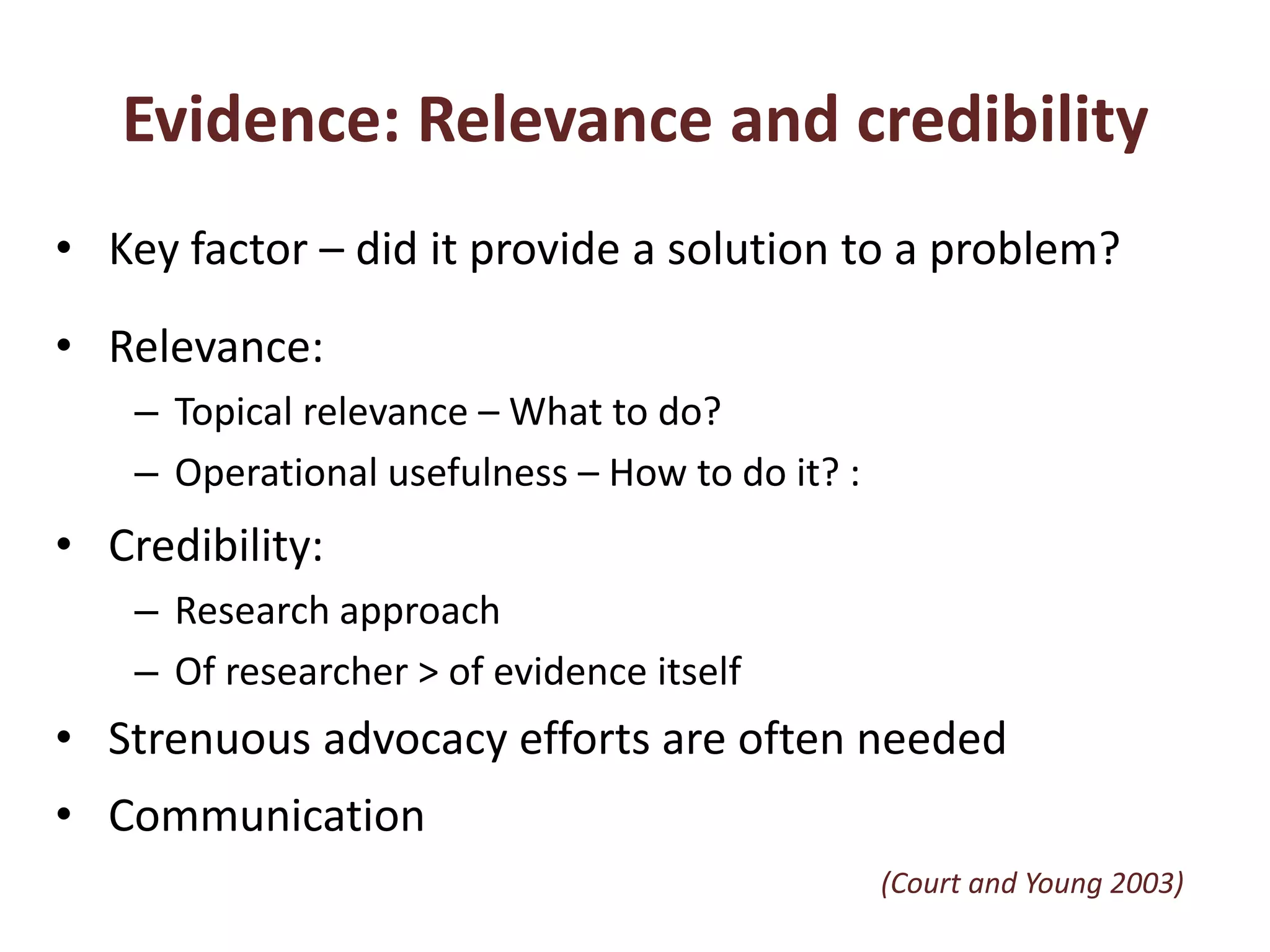
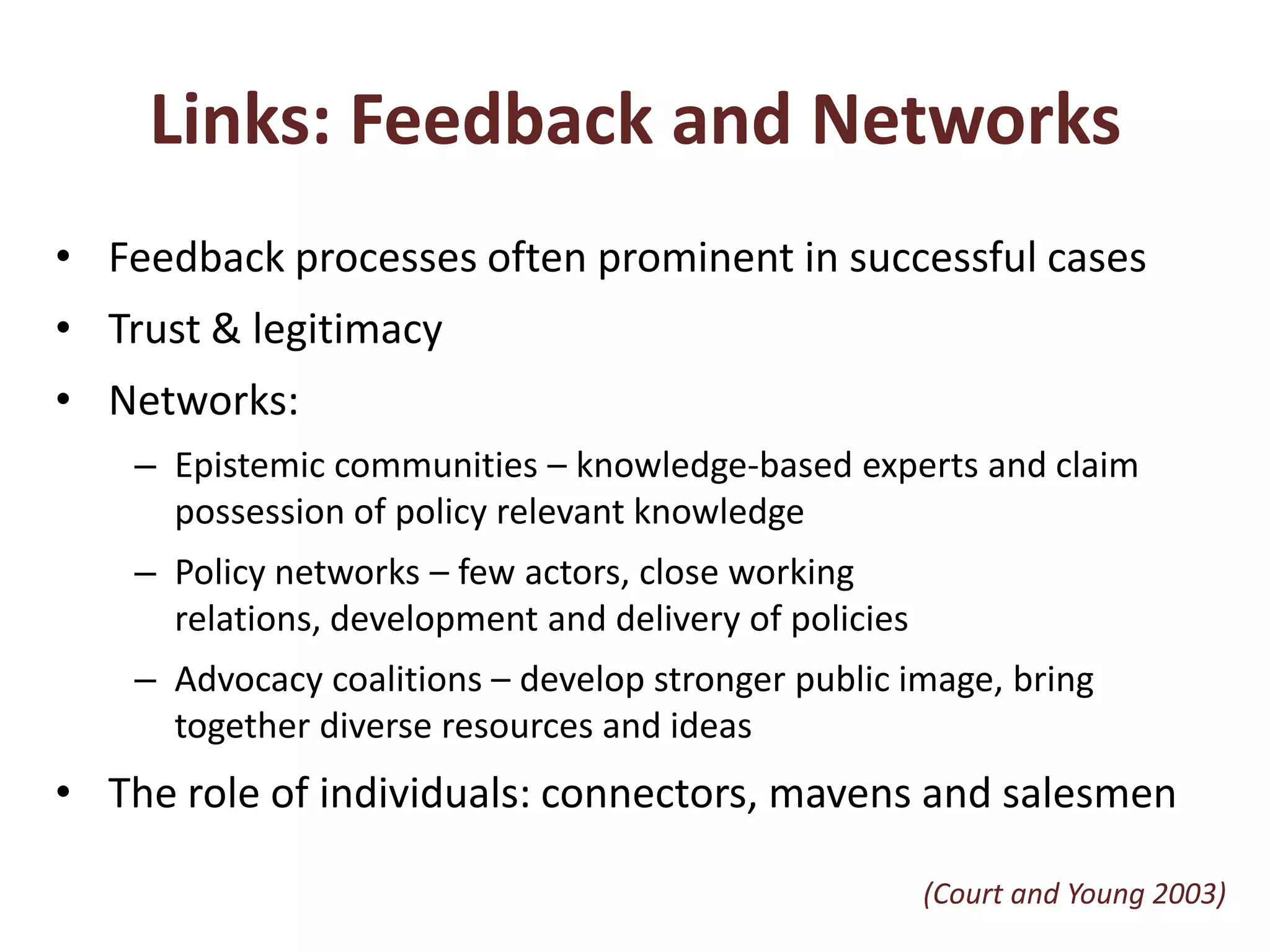
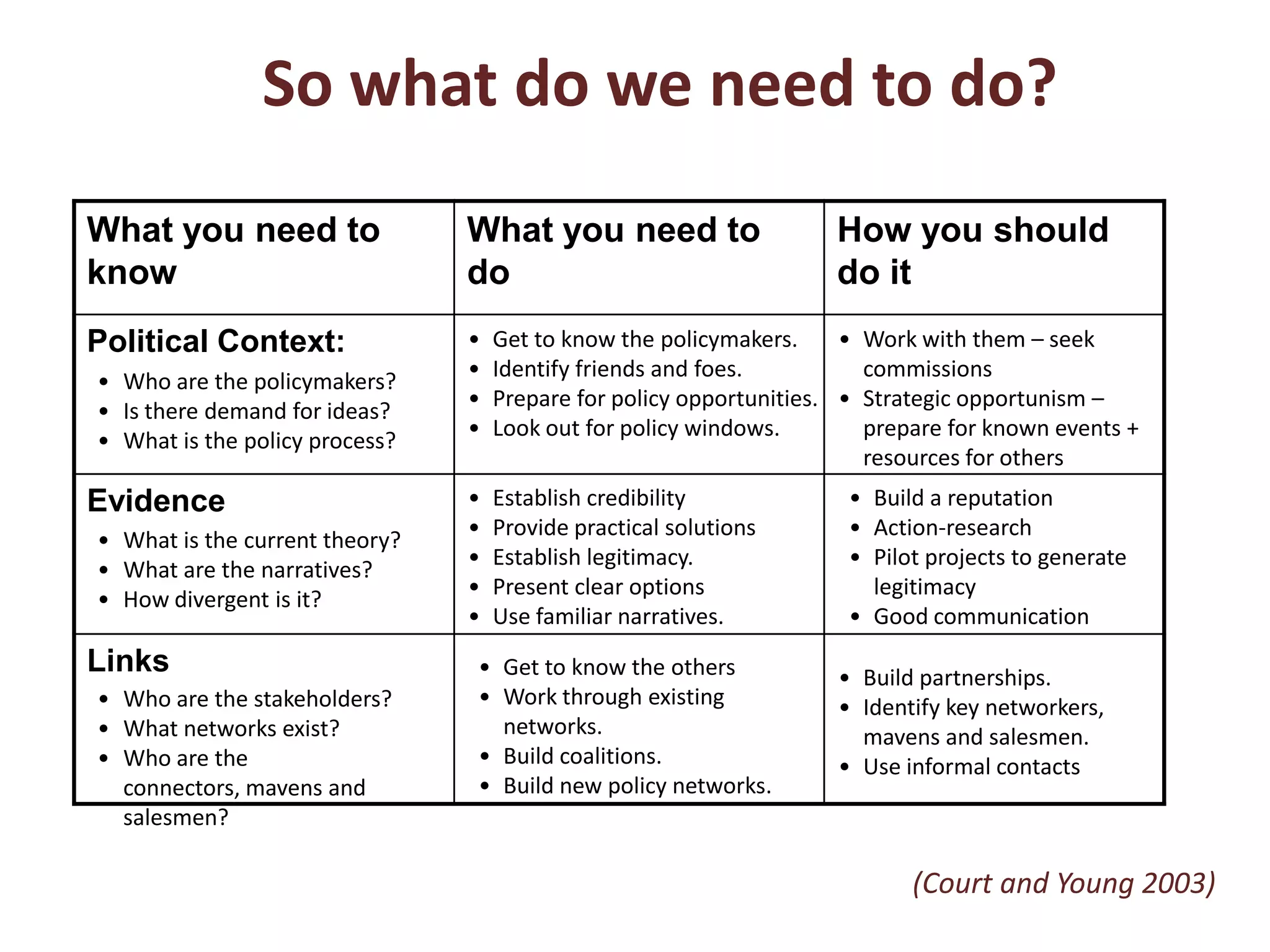
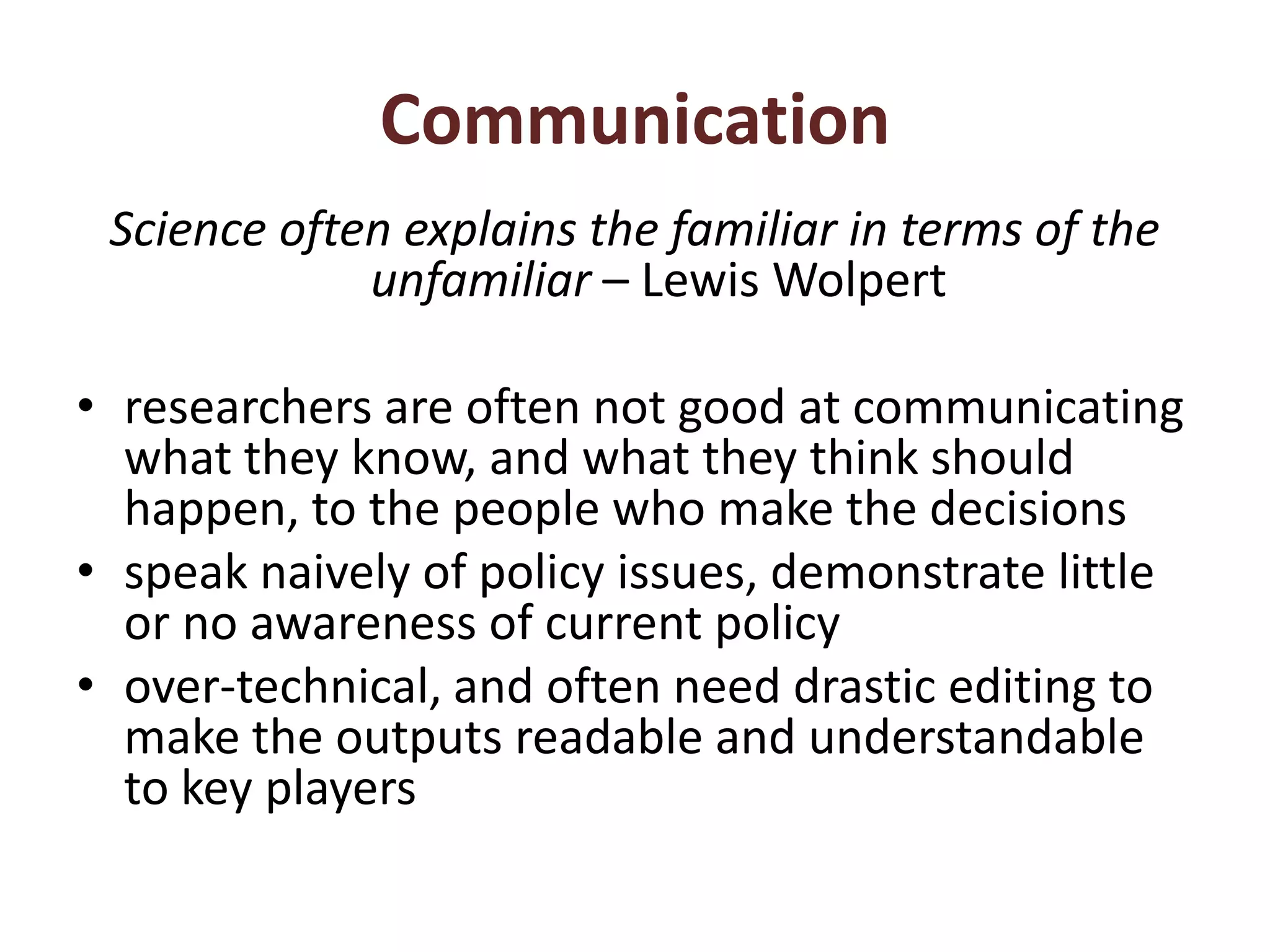
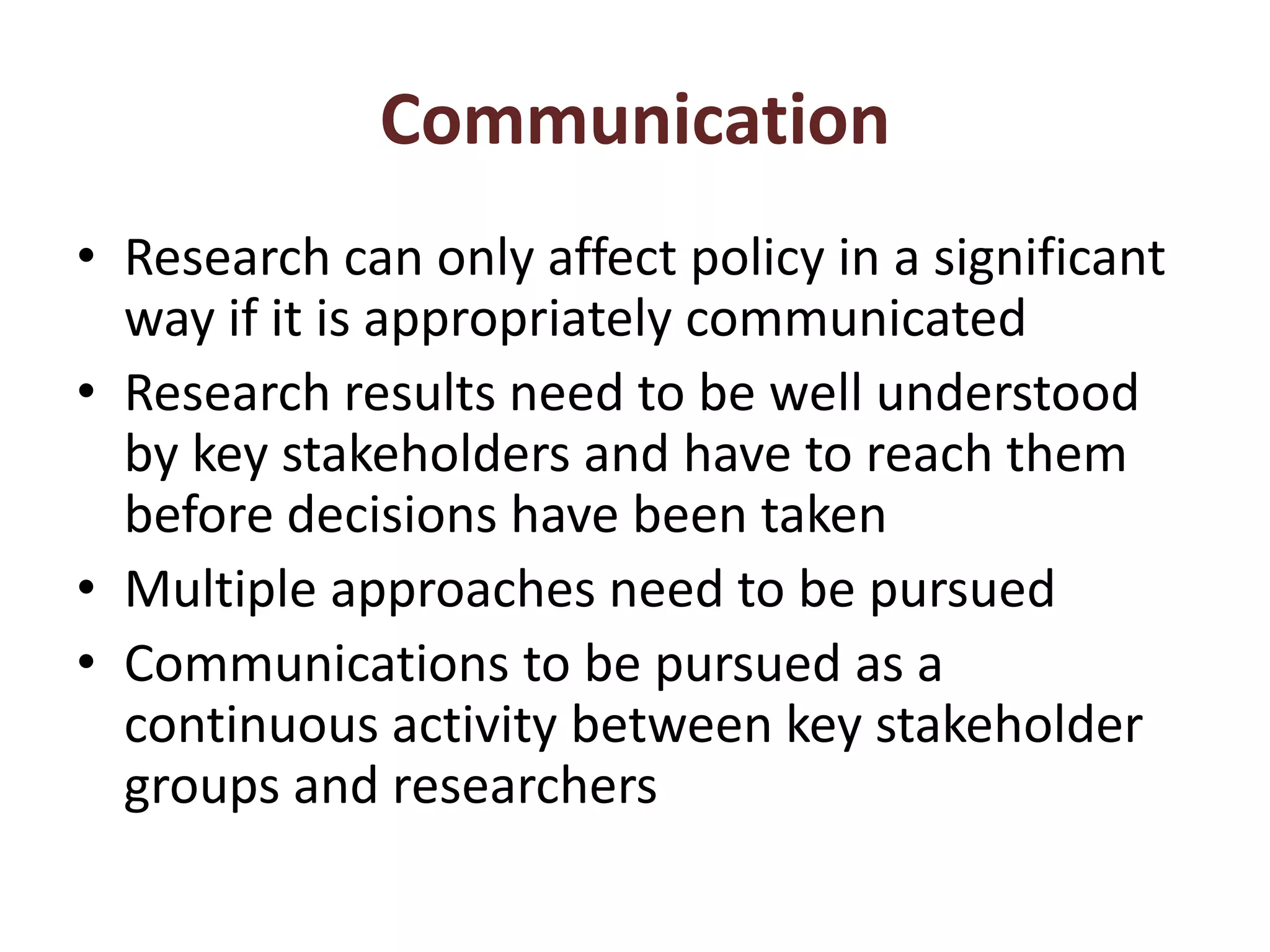
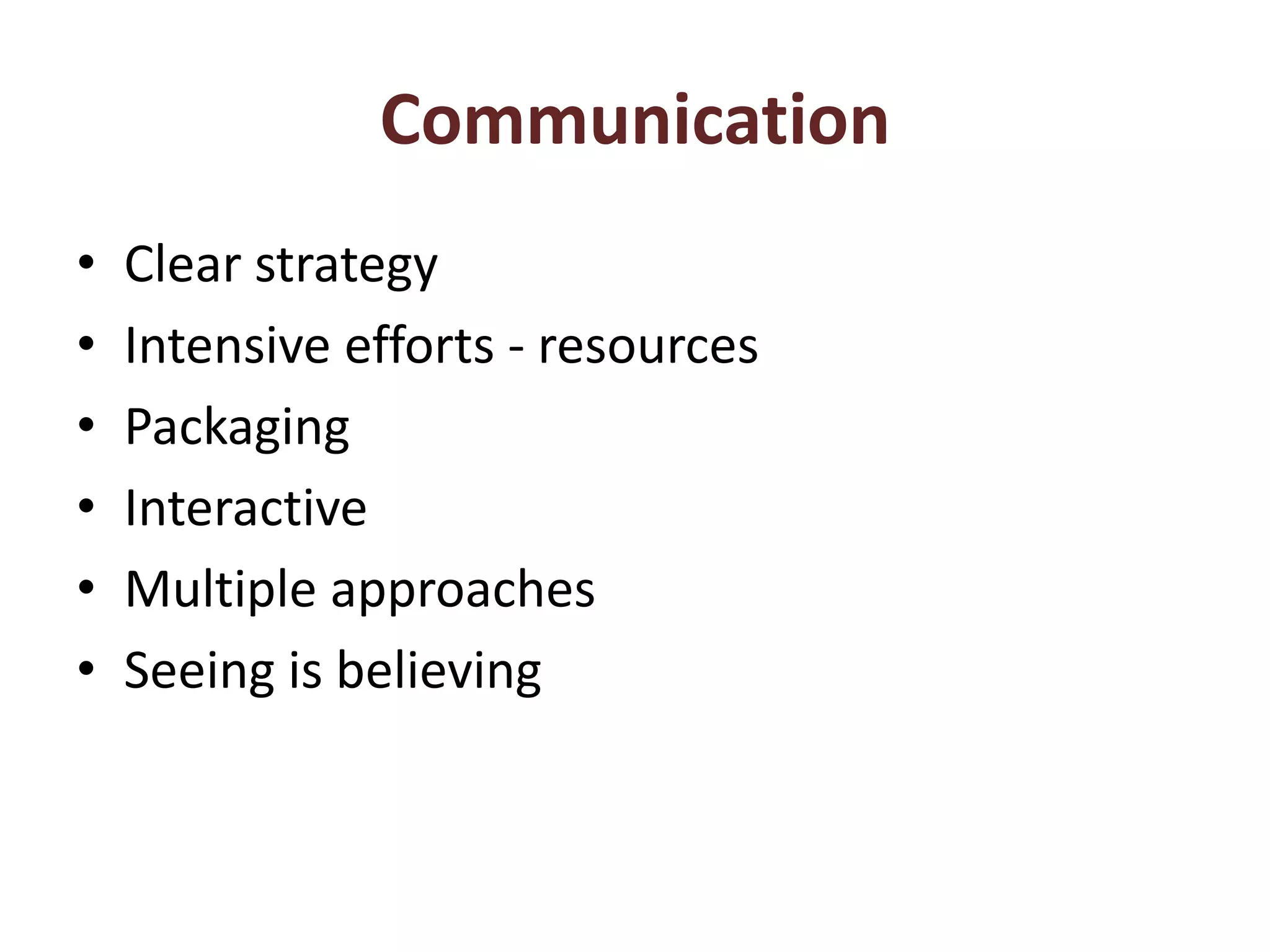
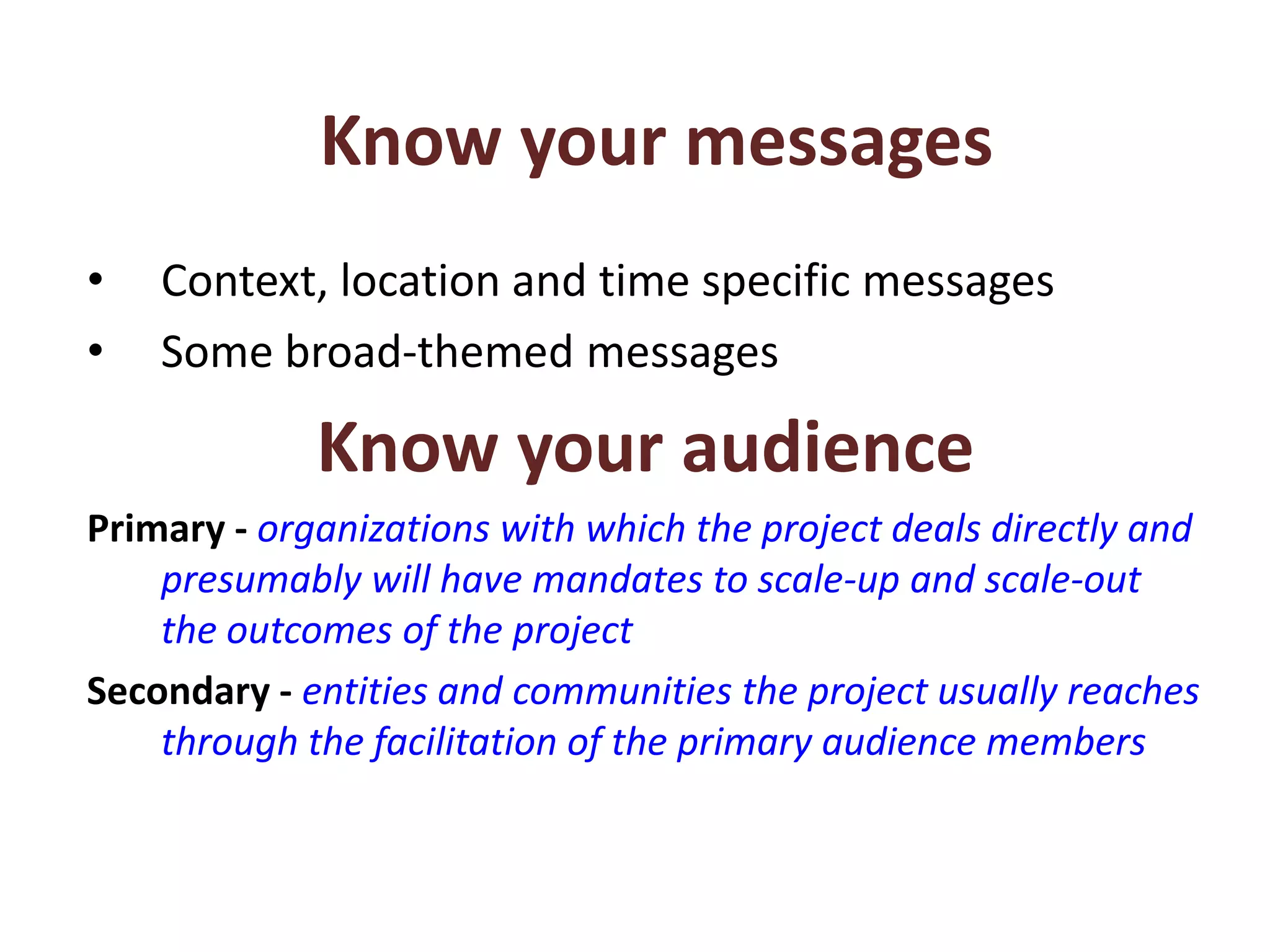
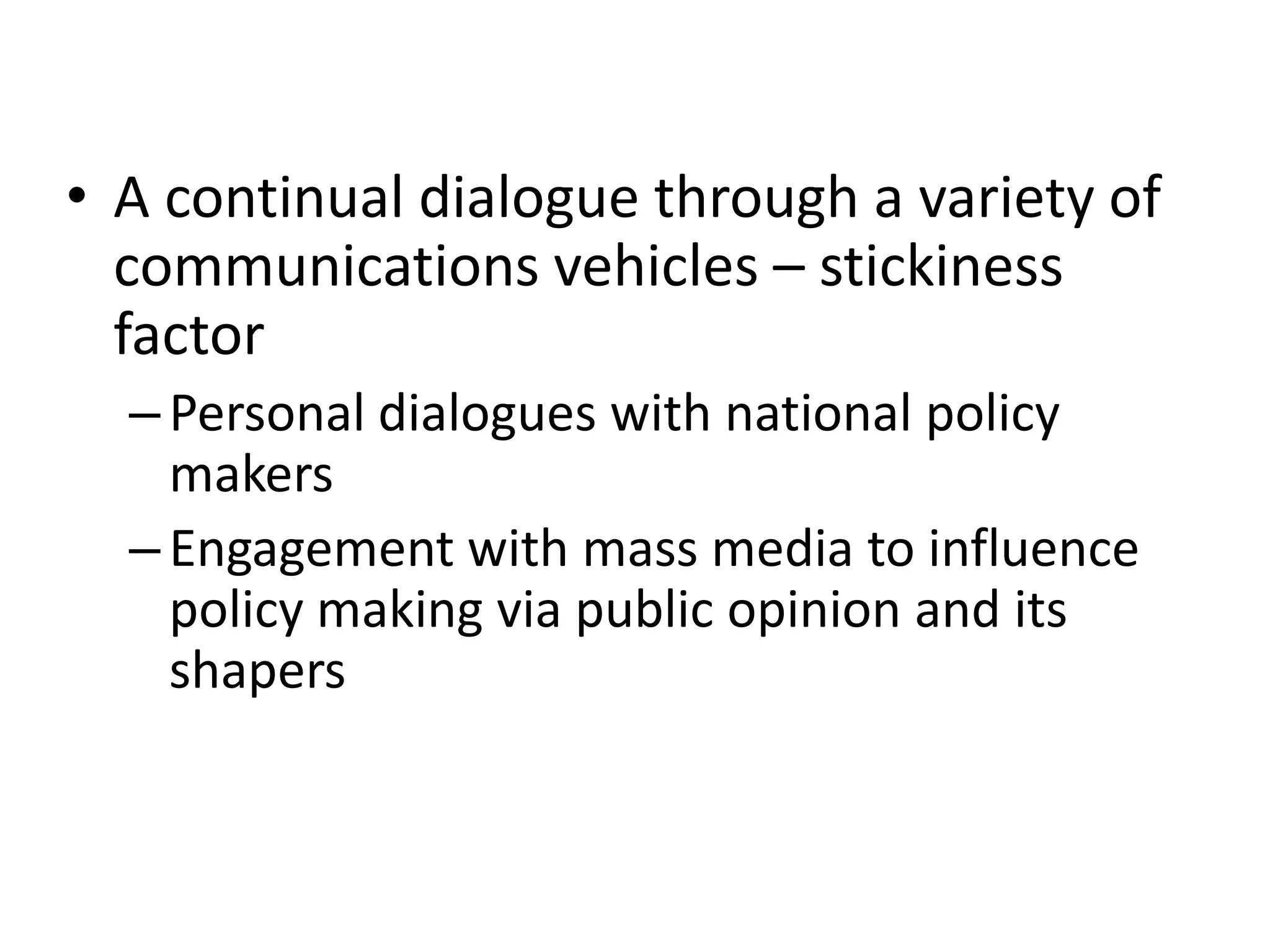
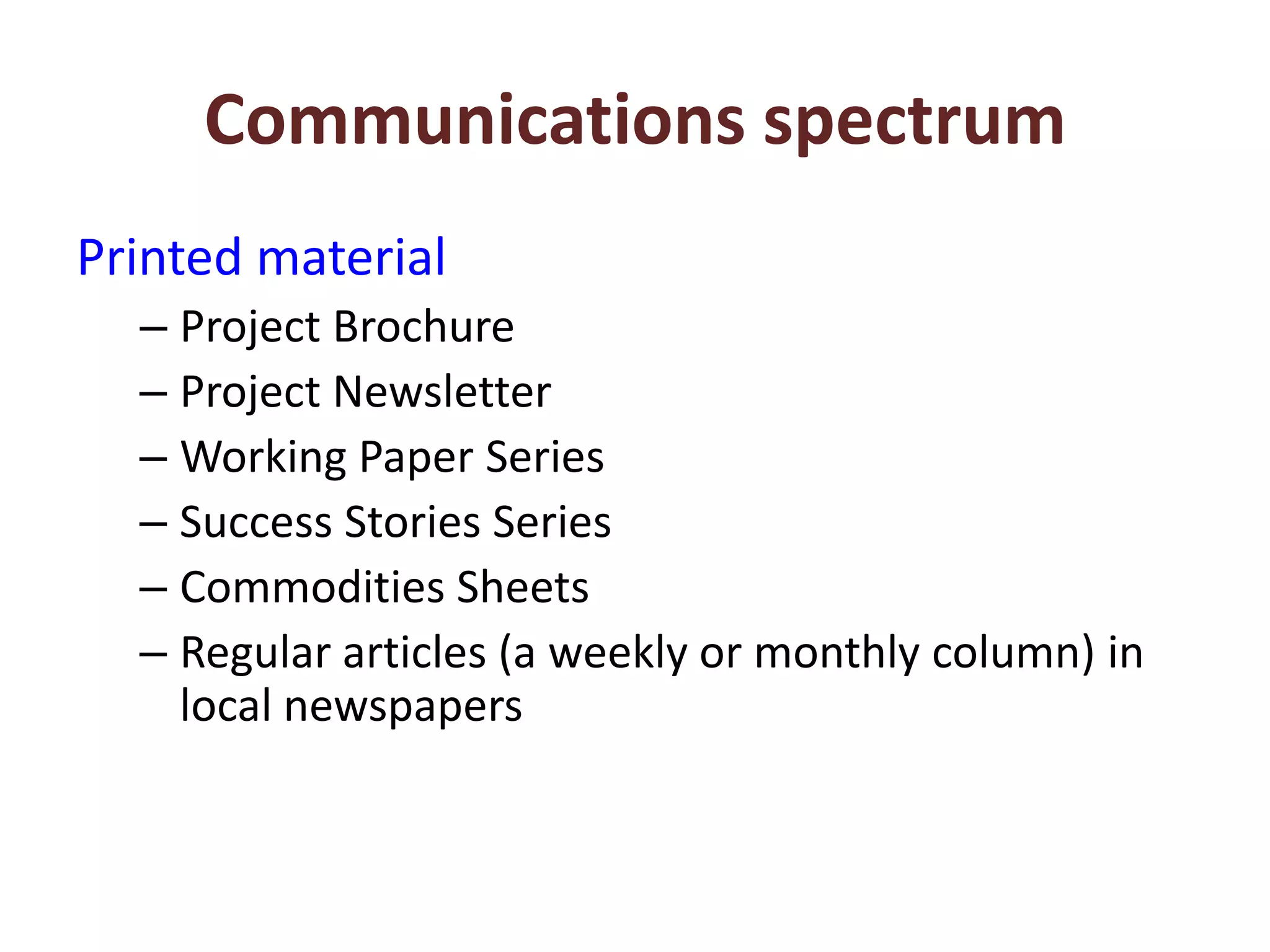
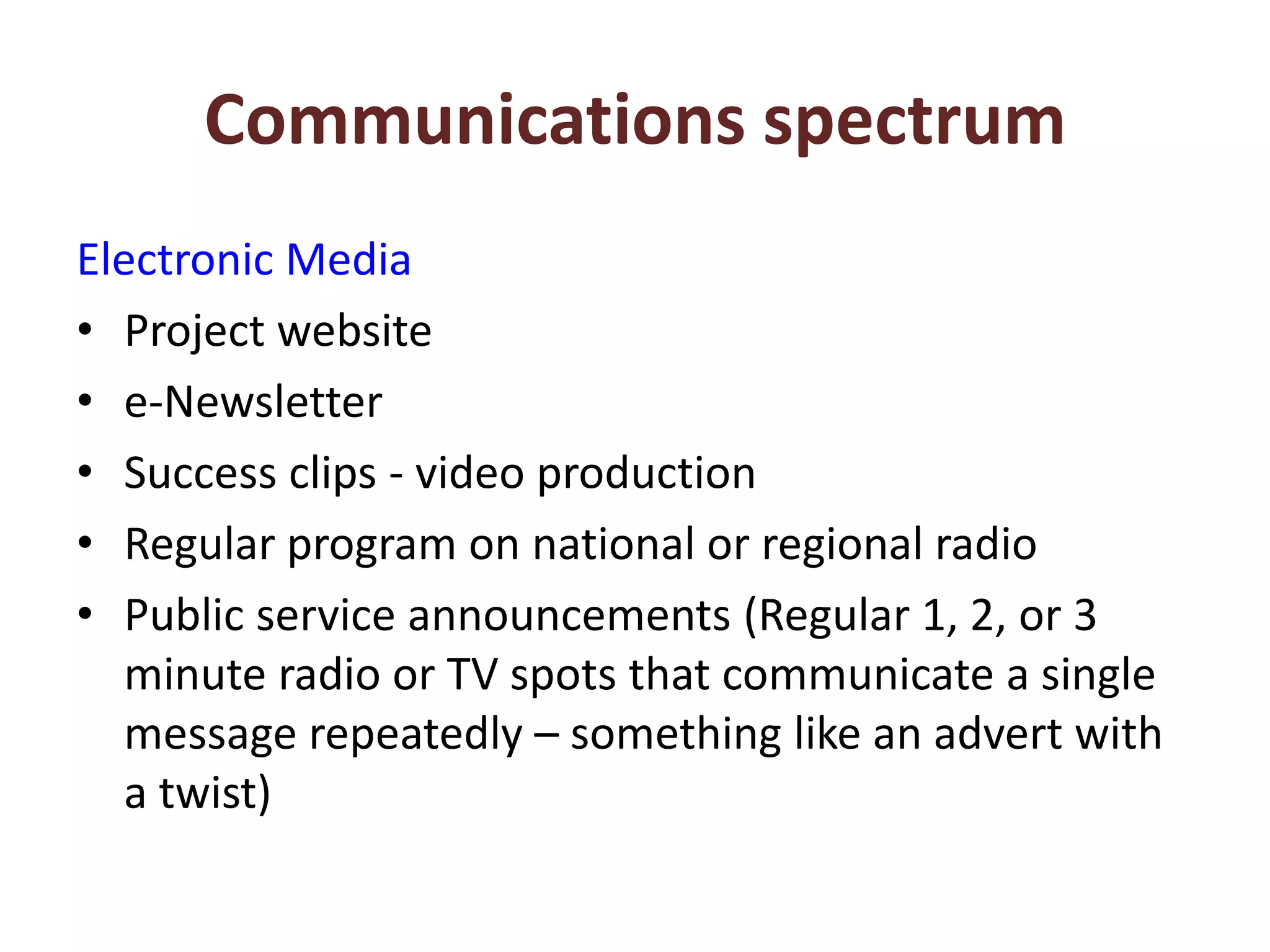

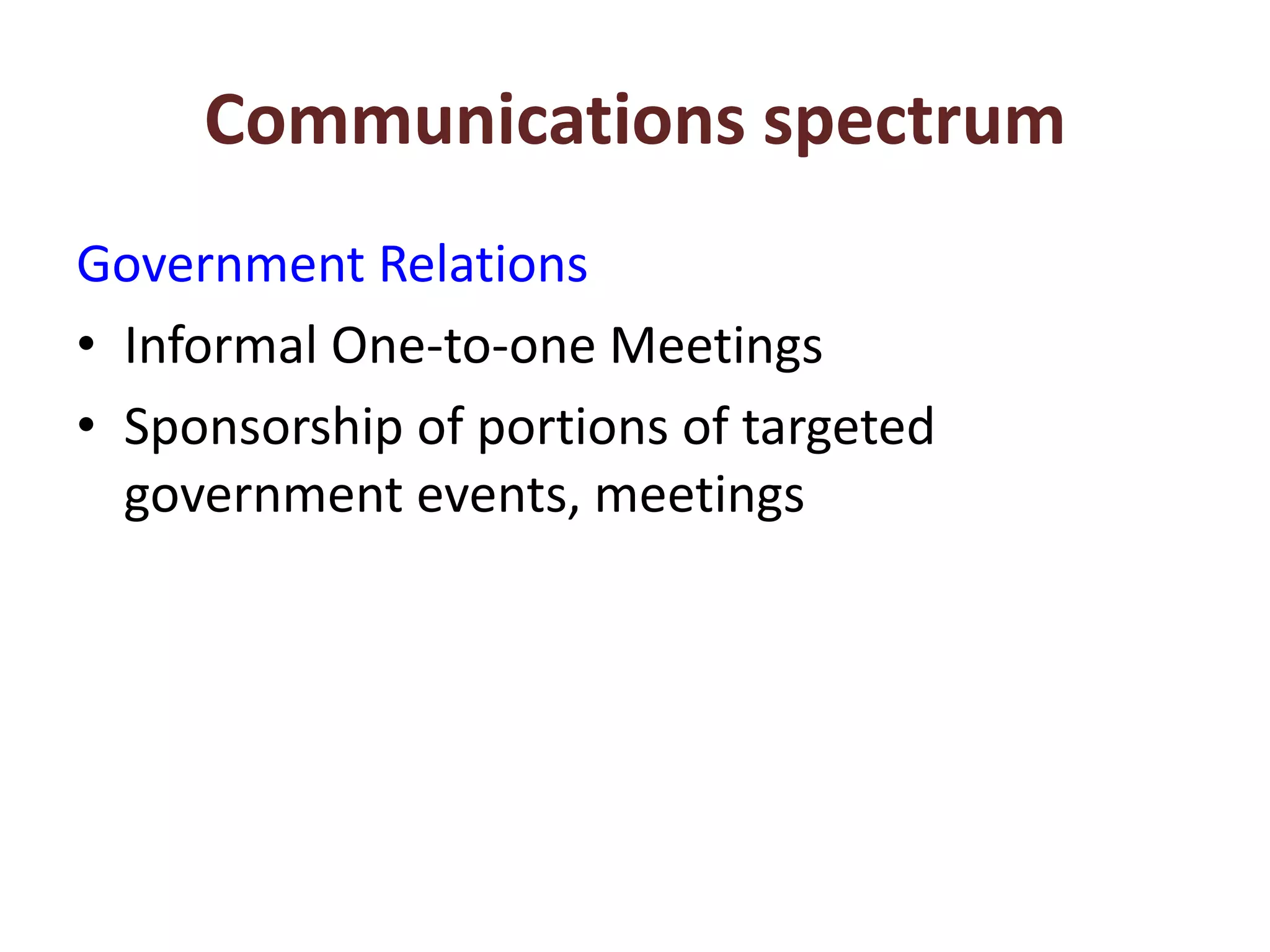
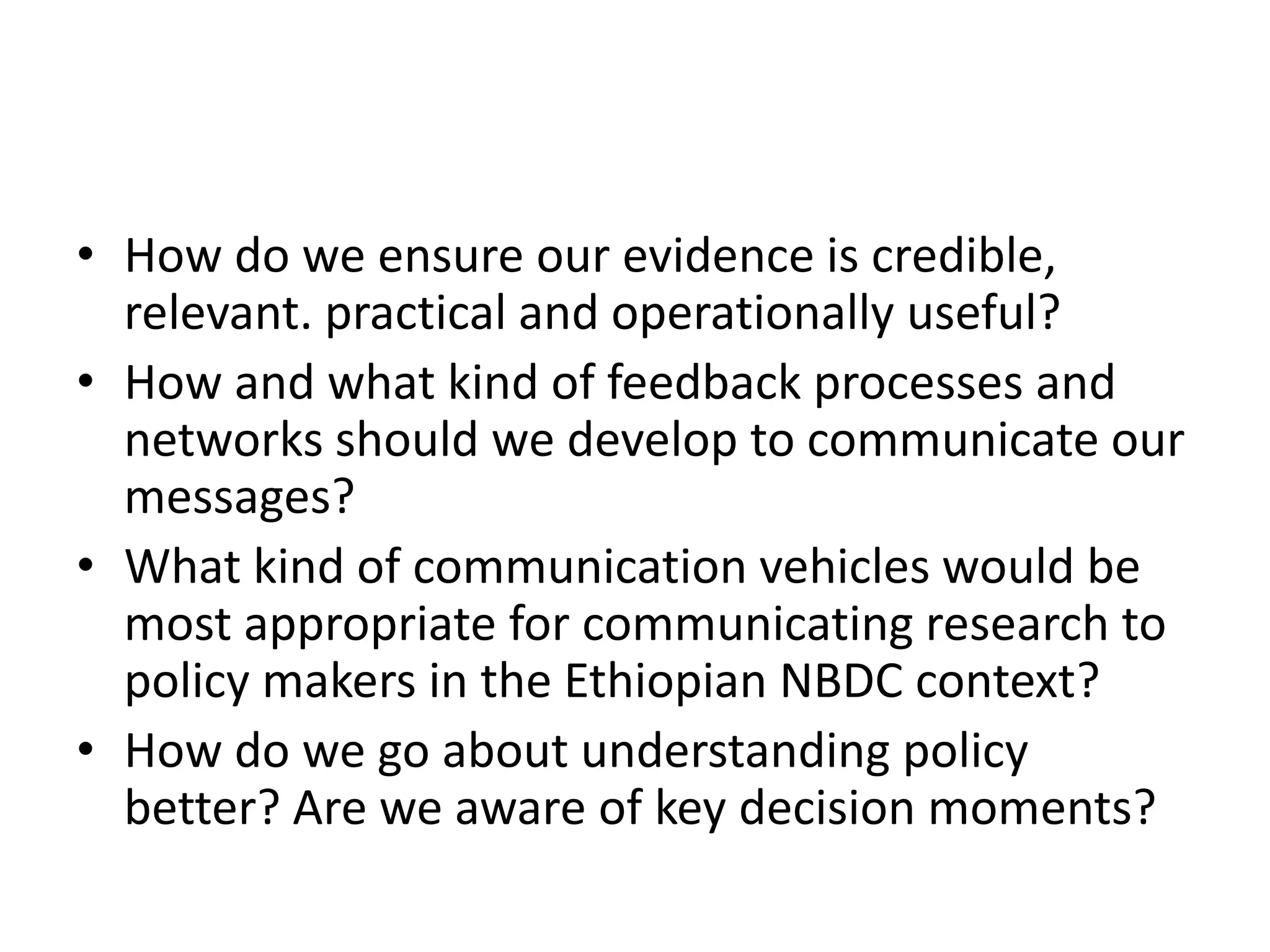


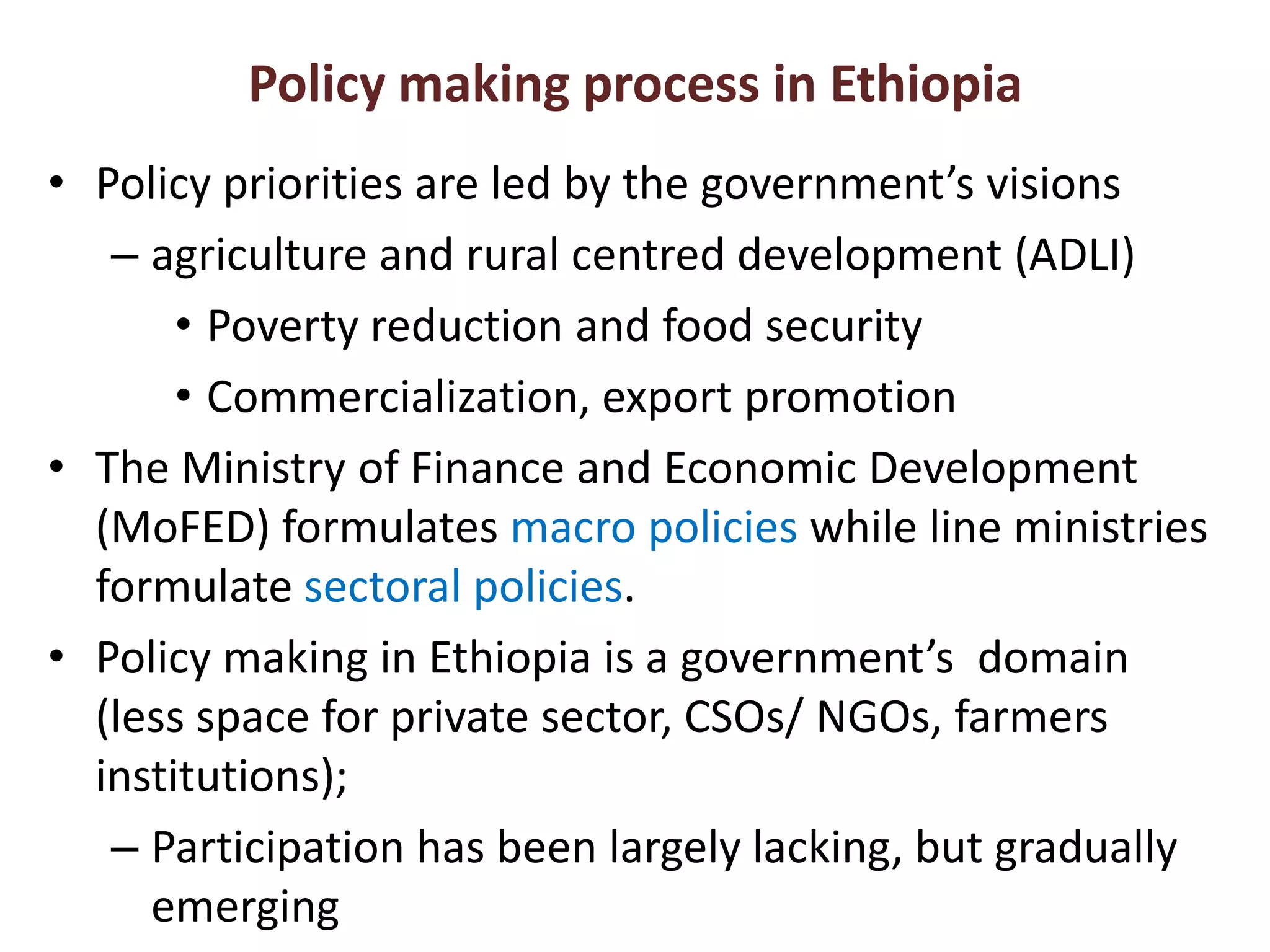
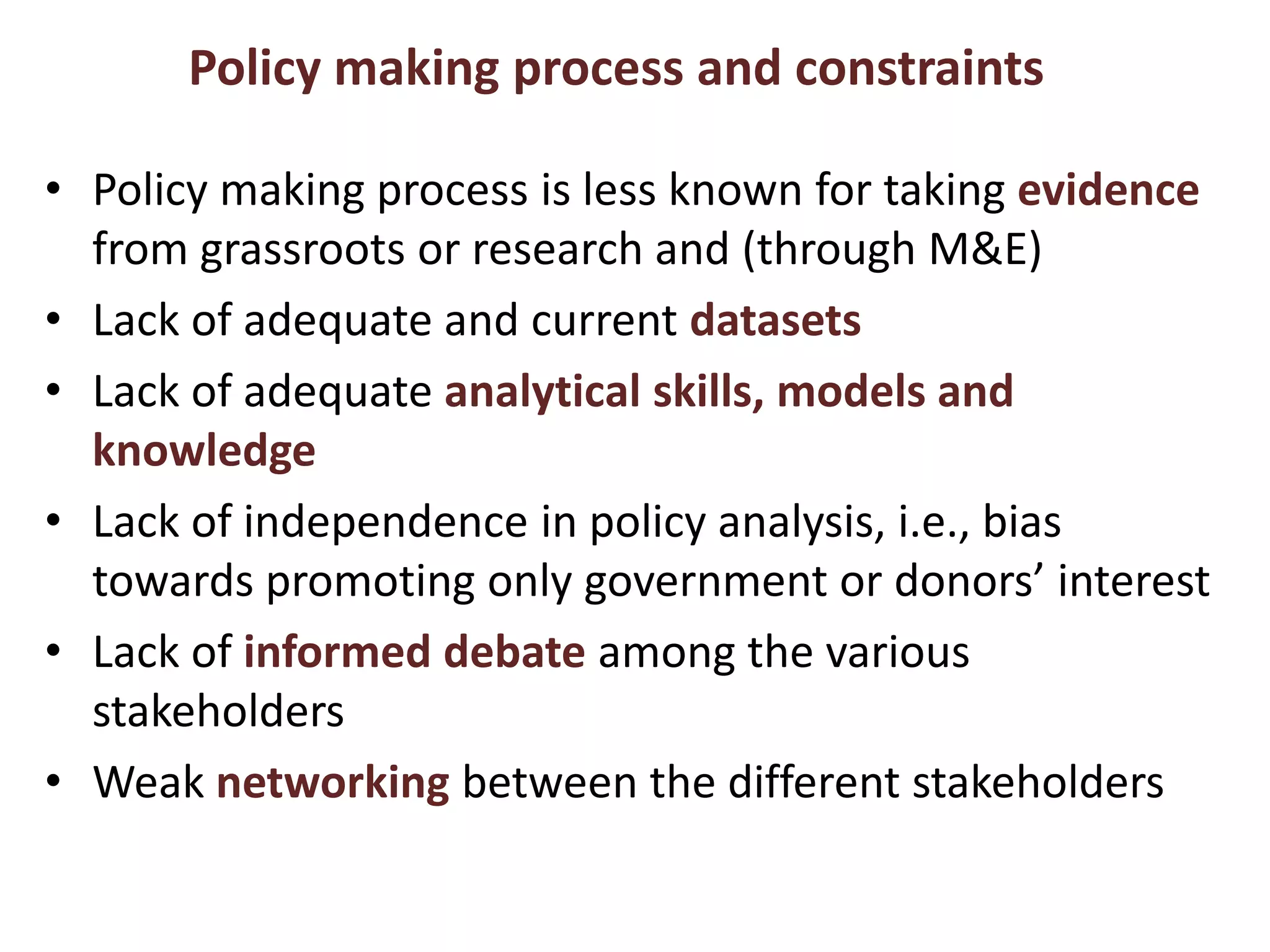
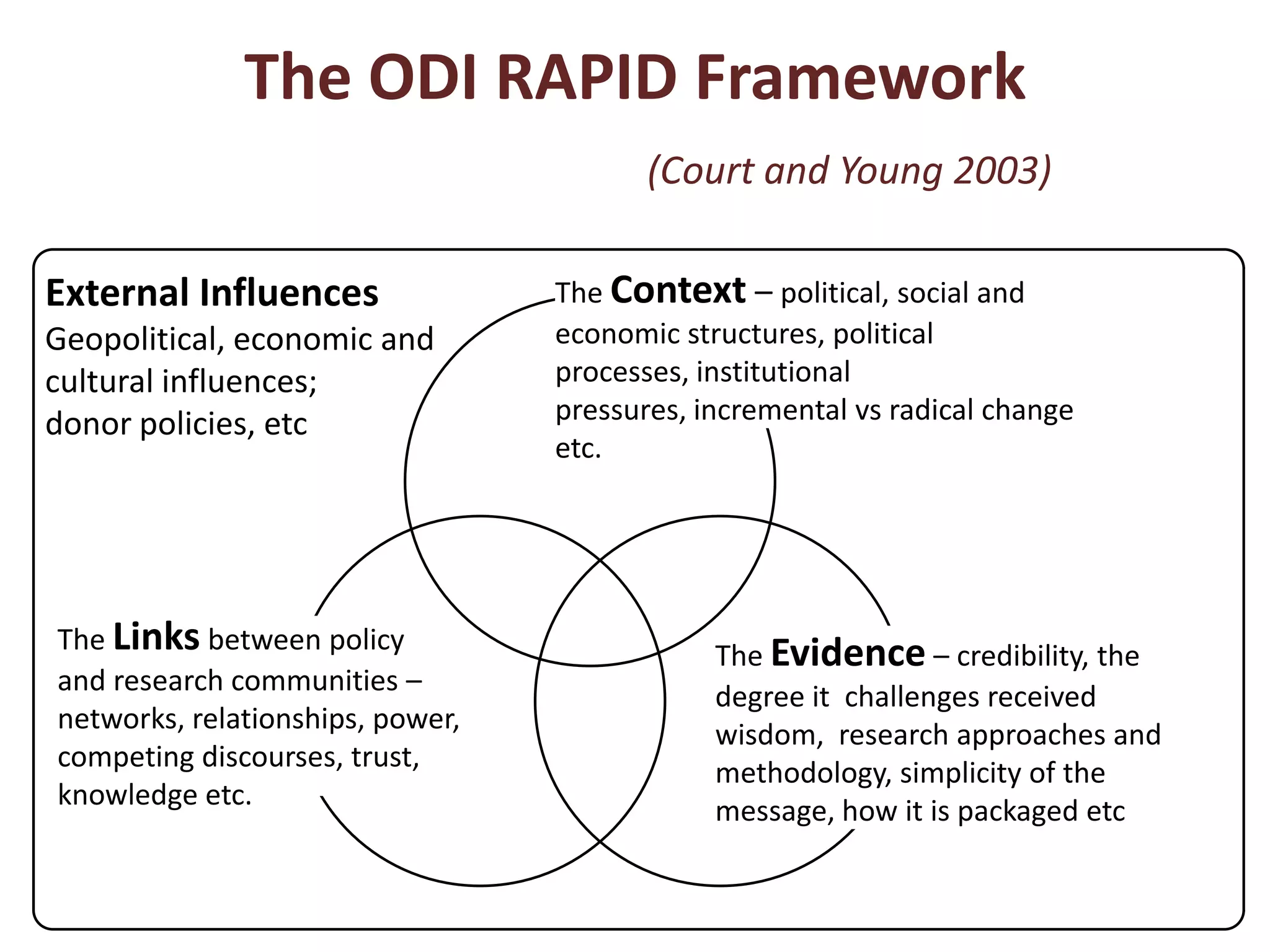
The document discusses the policy-making process in Ethiopia, highlighting the government's predominant role and the lack of participation from various stakeholders. It identifies constraints such as insufficient data, analytical skills, and roles of external influences, while also emphasizing the importance of effective communication and building networks to enhance policy relevance and credibility. The authors propose strategies to engage with policymakers and improve the flow of research evidence to support evidence-based decision-making.


![Context mapping policy influencing: a framework for action [compatibility mode]](https://cdn.slidesharecdn.com/ss_thumbnails/contextmappingpolicyinfluencingnairobicompatibilitymode-130224103345-phpapp02-thumbnail.jpg?width=640&height=640&fit=bounds)


