
Media Planning and Management
Jyostna Jain
Unit 2
 Media Mix: Meaning, Need for Media Mix, Identifying Audience for Mass Media , Factors Affecting
Media Mix Decision, Types of Media Mix Decisions: Broad Media Classes, Media Vehicles, Media Units,
Deciding Ideal Media Mix b) Media Choices
 Print Meaning- Factors Affecting Selection of Print Media Decisions , Types of Print Media, Advantages
and Limitations
 Television- Meaning, Factors Affecting Selection of Television Media Decisions, Advantages and
Limitations
 Radio- Meaning, Factors Affecting Selection of Radio Media Decision, Advantages and Limitations
 Out of Home (OOH)- Meaning, Types of OOH, Factors Affecting OOH Planning Decision, Advantages
and Limitations c) Emerging Media:
 Online, Mobile, Gaming, In flight, In Store, Interactive Media d) Media Strategy:
 Meaning, Need for Media Strategy, Situation Analysis for Media Strategy and its Components
 Steps in Formulating Media Strategies: Defining the Target Group, Market Prioritization, Media Weights,
Media Mix, Media Scheduling.
Media Mix
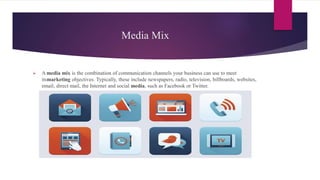
 A media mix is the combination of communication channels your business can use to meet
itsmarketing objectives. Typically, these include newspapers, radio, television, billboards, websites,
email, direct mail, the Internet and social media, such as Facebook or Twitter.
Need of Media Mix
 Communication Objectives
 Frequency of the message and the consumption of the medium
 Reinforce message
 Budget
 Augment Reach
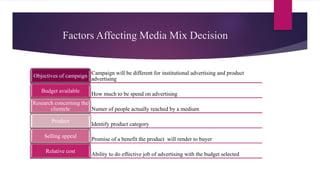
Factors Affecting Media Mix Decision
Campaign will be different for institutional advertising and product
advertising
Objectives of campaign
How much to be spend on advertising
Budget available
Numer of people actually reached by a medium
Research concerning the
clientele
Identify product category
Product
Promise of a benefit the product will render to buyer
Selling appeal
Ability to do effective job of advertising with the budget selected
Relative cost
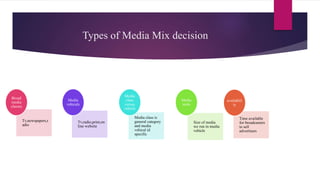
Types of Media Mix decision
Tv,newspapers,r
adio
Broad
media
classes
Tv,radio,print,on
line website
Media
vehicals
Media class is
general category
and media
vehical id
specific
Media
class
versus
vehicle
Size of media
we run in media
vehicle
Media
units
Time available
for broadcasters
to sell
advertisers
availabili
ty
Deciding the Ideal Media Mix
 Identify your Demographics:the more you know about your target demographic such as
age,gender,employment status,hobbies,the better one can identify where one need to display your
message to best reach them and have them remember it.
 Understand your competition: understanding your competition and knowing the marketing moves
that they make can put one ahead of the game.
 Media concentration VS Media Dispersion: media concentration uses fewer media categories and
greater spending per category. This lets the media planner create higher frequency and repetition
within that one media category.Media dispersion is when they use multiple media categories,such as
combination of television,radio,newspapers and the internet.media planners will use dispersion if
they know that no single media outlet will reach a sufficient percentage of target audience
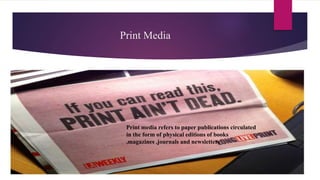
Print Media
Print media refers to paper publications circulated
in the form of physical editions of books
,magazines ,journals and newsletters
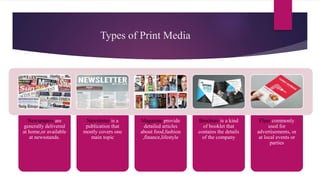
Types of Print Media
Newspapers are
generally delivered
at home,or available
at newsstands.
Newsletter is a
publication that
mostly covers one
main topic
Magazine provide
detailed articles
about food,fashion
,finance,lifestyle
Brochure is a kind
of booklet that
contains the details
of the company
Flyer commonly
used for
advertisements, or
at local events or
parties
Newspapers
Advantages
 Reach and measurement of reach
 Low cost
 Credible and respectable
 Mobility
 Availability and Delivery
 Multilingual
 Split –run facility
Disadvantages
 Expensive
 Short shelf life
 Ad clutter
 Media Competition
 Demonstration
 Poor reproduction
Television
Advantages
 Convinient and flexible
 Strong impact
 Mass coverage
 Multimedia Content
 Penetration
 Demonstration
Disadvantages
 High cost
 Ad clutter
 Too less time
 No channel loyalty
 Zipping and Zapping
 HD content
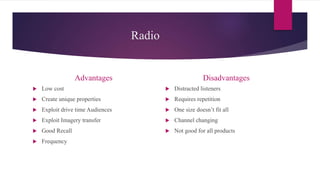
Radio
Advantages
 Low cost
 Create unique properties
 Exploit drive time Audiences
 Exploit Imagery transfer
 Good Recall
 Frequency
Disadvantages
 Distracted listeners
 Requires repetition
 One size doesn’t fit all
 Channel changing
 Not good for all products
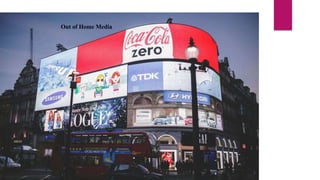
Out of Home Media
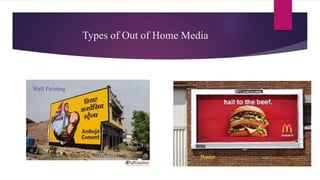
Types of Out of Home Media
Wall Painting
Poster
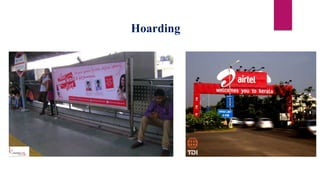
Hoarding
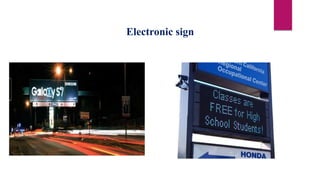
Electronic sign
Sky Writing
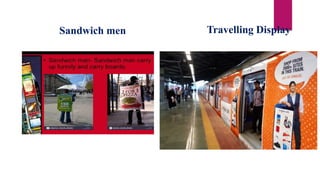
Sandwich men Travelling Display
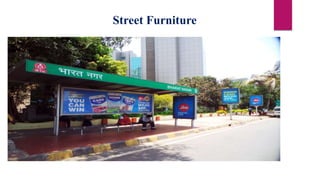
Street Furniture
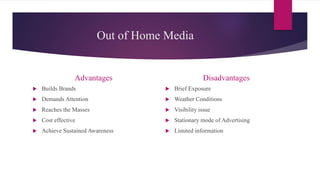
Out of Home Media
Advantages
 Builds Brands
 Demands Attention
 Reaches the Masses
 Cost effective
 Achieve Sustained Awareness
Disadvantages
 Brief Exposure
 Weather Conditions
 Visibility issue
 Stationary mode of Advertising
 Limited information
Online Media
Online technology has come in new forms of communication,
advertising and relationship building covering online advertising,
smart phones, video conferencing, social networks, video games and
so on.
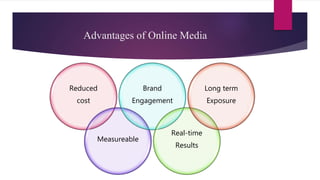
Advantages of Online Media
Reduced
cost
Measureable
Brand
Engagement
Real-time
Results
Long term
Exposure
Mobile Advertising
 Mobile advertising is type of advertising that appears on mobile devices such as smart
phones and tablets that have wireless connections.
 As a subset of mobile marketing, mobile advertising can take place as text ads via SMS,
or banner advertisements that appear embedded in mobile web site, in downloaded apps or
in mobile games.
 Mobile technology used by companies such as Google and Facebook tailor mobile
advertisements based on individual's web browsing history, geographic location, and with
data collected by shopping habits.
 Because mobile devices typically have smaller screens than computers or laptops, this
form of digital advertising is usually optimized for small displays by being concise.
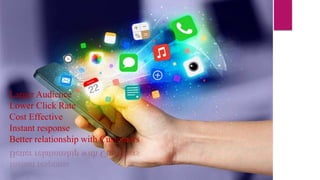
Larger Audience
Lower Click Rate
Cost Effective
Instant response
Better relationship with Customers
Gaming Advertising
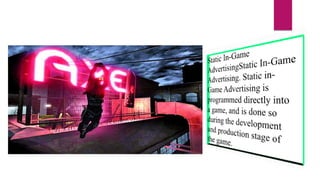
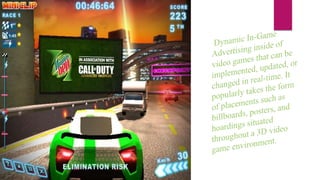
 In-game advertising (IGA) refers to advertising in computer and
video games. IGA differs from advergaming, which refers to
a game specifically made to advertise a product.
 Due to the custom programming required, dynamic advertising is
usually presented in the background; static advertisements can
appear as either
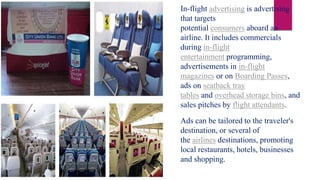
In-flight advertising is advertising
that targets
potential consumers aboard an
airline. It includes commercials
during in-flight
entertainment programming,
advertisements in in-flight
magazines or on Boarding Passes,
ads on seatback tray
tables and overhead storage bins, and
sales pitches by flight attendants.
Ads can be tailored to the traveler's
destination, or several of
the airlines destinations, promoting
local restaurants, hotels, businesses
and shopping.
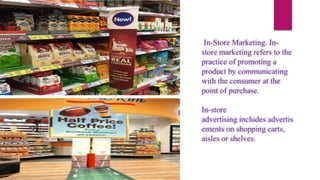
In-Store Marketing. In-
store marketing refers to the
practice of promoting a
product by communicating
with the consumer at the
point of purchase.
In-store
advertising includes advertis
ements on shopping carts,
aisles or shelves.
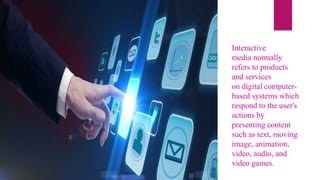
Interactive
media normally
refers to products
and services
on digital computer-
based systems which
respond to the user's
actions by
presenting content
such as text, moving
image, animation,
video, audio, and
video games.
Media Strategy
 Media strategy can be defined as the usage of an
appropriate media mix in order to achieve desired and optimum
outcomes from the advertising campaign.
 It plays a key role in advertising campaigns.
 Media Strategy is designed to achieve the above mentioned target
but the budget is always kept in mind.
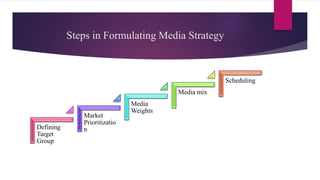
Steps in Formulating Media Strategy
Defining
Target
Group
Market
Prioritizatio
n
Media
Weights
Media mix
Scheduling

Media planning and management unit 2

  • 1.
    Media Planning andManagement Jyostna Jain
  • 2.
    Unit 2  MediaMix: Meaning, Need for Media Mix, Identifying Audience for Mass Media , Factors Affecting Media Mix Decision, Types of Media Mix Decisions: Broad Media Classes, Media Vehicles, Media Units, Deciding Ideal Media Mix b) Media Choices  Print Meaning- Factors Affecting Selection of Print Media Decisions , Types of Print Media, Advantages and Limitations  Television- Meaning, Factors Affecting Selection of Television Media Decisions, Advantages and Limitations  Radio- Meaning, Factors Affecting Selection of Radio Media Decision, Advantages and Limitations  Out of Home (OOH)- Meaning, Types of OOH, Factors Affecting OOH Planning Decision, Advantages and Limitations c) Emerging Media:  Online, Mobile, Gaming, In flight, In Store, Interactive Media d) Media Strategy:  Meaning, Need for Media Strategy, Situation Analysis for Media Strategy and its Components  Steps in Formulating Media Strategies: Defining the Target Group, Market Prioritization, Media Weights, Media Mix, Media Scheduling.
  • 3.
    Media Mix  Amedia mix is the combination of communication channels your business can use to meet itsmarketing objectives. Typically, these include newspapers, radio, television, billboards, websites, email, direct mail, the Internet and social media, such as Facebook or Twitter.
  • 4.
    Need of MediaMix  Communication Objectives  Frequency of the message and the consumption of the medium  Reinforce message  Budget  Augment Reach
  • 5.
    Factors Affecting MediaMix Decision Campaign will be different for institutional advertising and product advertising Objectives of campaign How much to be spend on advertising Budget available Numer of people actually reached by a medium Research concerning the clientele Identify product category Product Promise of a benefit the product will render to buyer Selling appeal Ability to do effective job of advertising with the budget selected Relative cost
  • 6.
    Types of MediaMix decision Tv,newspapers,r adio Broad media classes Tv,radio,print,on line website Media vehicals Media class is general category and media vehical id specific Media class versus vehicle Size of media we run in media vehicle Media units Time available for broadcasters to sell advertisers availabili ty
  • 7.
    Deciding the IdealMedia Mix  Identify your Demographics:the more you know about your target demographic such as age,gender,employment status,hobbies,the better one can identify where one need to display your message to best reach them and have them remember it.  Understand your competition: understanding your competition and knowing the marketing moves that they make can put one ahead of the game.  Media concentration VS Media Dispersion: media concentration uses fewer media categories and greater spending per category. This lets the media planner create higher frequency and repetition within that one media category.Media dispersion is when they use multiple media categories,such as combination of television,radio,newspapers and the internet.media planners will use dispersion if they know that no single media outlet will reach a sufficient percentage of target audience
  • 8.
    Print Media Print mediarefers to paper publications circulated in the form of physical editions of books ,magazines ,journals and newsletters
  • 9.
    Types of PrintMedia Newspapers are generally delivered at home,or available at newsstands. Newsletter is a publication that mostly covers one main topic Magazine provide detailed articles about food,fashion ,finance,lifestyle Brochure is a kind of booklet that contains the details of the company Flyer commonly used for advertisements, or at local events or parties
  • 10.
    Newspapers Advantages  Reach andmeasurement of reach  Low cost  Credible and respectable  Mobility  Availability and Delivery  Multilingual  Split –run facility Disadvantages  Expensive  Short shelf life  Ad clutter  Media Competition  Demonstration  Poor reproduction
  • 11.
    Television Advantages  Convinient andflexible  Strong impact  Mass coverage  Multimedia Content  Penetration  Demonstration Disadvantages  High cost  Ad clutter  Too less time  No channel loyalty  Zipping and Zapping  HD content
  • 12.
    Radio Advantages  Low cost Create unique properties  Exploit drive time Audiences  Exploit Imagery transfer  Good Recall  Frequency Disadvantages  Distracted listeners  Requires repetition  One size doesn’t fit all  Channel changing  Not good for all products
  • 13.
  • 14.
    Types of Outof Home Media Wall Painting Poster
  • 15.
  • 16.
  • 17.
  • 18.
  • 19.
  • 20.
    Out of HomeMedia Advantages  Builds Brands  Demands Attention  Reaches the Masses  Cost effective  Achieve Sustained Awareness Disadvantages  Brief Exposure  Weather Conditions  Visibility issue  Stationary mode of Advertising  Limited information
  • 21.
    Online Media Online technologyhas come in new forms of communication, advertising and relationship building covering online advertising, smart phones, video conferencing, social networks, video games and so on.
  • 22.
    Advantages of OnlineMedia Reduced cost Measureable Brand Engagement Real-time Results Long term Exposure
  • 23.
    Mobile Advertising  Mobileadvertising is type of advertising that appears on mobile devices such as smart phones and tablets that have wireless connections.  As a subset of mobile marketing, mobile advertising can take place as text ads via SMS, or banner advertisements that appear embedded in mobile web site, in downloaded apps or in mobile games.  Mobile technology used by companies such as Google and Facebook tailor mobile advertisements based on individual's web browsing history, geographic location, and with data collected by shopping habits.  Because mobile devices typically have smaller screens than computers or laptops, this form of digital advertising is usually optimized for small displays by being concise.
  • 24.
    Larger Audience Lower ClickRate Cost Effective Instant response Better relationship with Customers
  • 25.
    Gaming Advertising  In-gameadvertising (IGA) refers to advertising in computer and video games. IGA differs from advergaming, which refers to a game specifically made to advertise a product.  Due to the custom programming required, dynamic advertising is usually presented in the background; static advertisements can appear as either
  • 28.
    In-flight advertising isadvertising that targets potential consumers aboard an airline. It includes commercials during in-flight entertainment programming, advertisements in in-flight magazines or on Boarding Passes, ads on seatback tray tables and overhead storage bins, and sales pitches by flight attendants. Ads can be tailored to the traveler's destination, or several of the airlines destinations, promoting local restaurants, hotels, businesses and shopping.
  • 29.
    In-Store Marketing. In- storemarketing refers to the practice of promoting a product by communicating with the consumer at the point of purchase. In-store advertising includes advertis ements on shopping carts, aisles or shelves.
  • 30.
    Interactive media normally refers toproducts and services on digital computer- based systems which respond to the user's actions by presenting content such as text, moving image, animation, video, audio, and video games.
  • 31.
    Media Strategy  Mediastrategy can be defined as the usage of an appropriate media mix in order to achieve desired and optimum outcomes from the advertising campaign.  It plays a key role in advertising campaigns.  Media Strategy is designed to achieve the above mentioned target but the budget is always kept in mind.
  • 32.
    Steps in FormulatingMedia Strategy Defining Target Group Market Prioritizatio n Media Weights Media mix Scheduling