Managing chronic inflammation: 
a cutting edge approach to treating chronic disease 
Nina Bailey 
BSc (hons) MSc PhD ANutr
Talk outline 
Understanding inflammation as a risk factor for disease 
The significance of omega-3 and the role of fatty acids in inflammatory 
resoleomics 
Treating inflammation through the modulation of eicosanoids 
Biomarkers for personalising omega-3 fatty acid dosing 
 The omega-3 index 
 AA to EPA ratio 
Clinical evidence of EPA as an inflammatory modulator
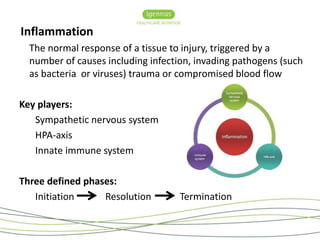
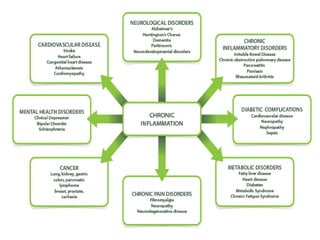
Inflammation 
The normal response of a tissue to injury, triggered by a 
number of causes including infection, invading pathogens (such 
as bacteria or viruses) trauma or compromised blood flow 
Key players: 
Sympathetic nervous system 
HPA-axis 
Innate immune system 
Three defined phases: 
Initiation Resolution Termination
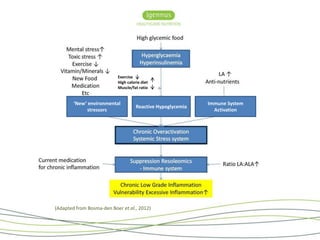
Exercise 
High calorie diet 
Muscle/fat ratio 
‘New’ environmental 
stressors 
Reactive Hypoglycemia 
Immune System 
Activation 
(Adapted from Bosma-den Boer et al., 2012)
In some cases, such as rheumatoid arthritis (RA), inflammatory bowel 
diseases (IBD) and asthma, the central role of inflammation in the pathology 
is well recognised 
Individuals with these conditions have heavy infiltration of inflammatory 
cells at the site of disease activity (e.g. the joints, the intestinal mucosa, the 
lungs) 
They have elevated concentrations of inflammatory mediators at those sites 
and in the systemic circulation, and they are treated with anti-inflammatory 
drugs with a corresponding improvement in symptoms
Inflammation – the role of fat 
• Igennus is the only independent manufacturer 
of specialist Fatty Acid in the UK. Based in 
Cambridge the medical innovation hub for the 
UK: 
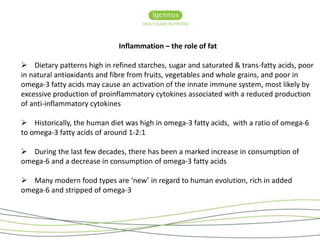
 Dietary patterns high in refined starches, sugar and saturated & trans-fatty acids, poor 
in natural antioxidants and fibre from fruits, vegetables and whole grains, and poor in 
omega-3 fatty acids may cause an activation of the innate immune system, most likely by 
excessive production of proinflammatory cytokines associated with a reduced production 
of anti-inflammatory cytokines 
 Historically, the human diet was high in omega-3 fatty acids, with a ratio of omega-6 
to omega-3 fatty acids of around 1-2:1 
- Seven Seas Merck Pharma Germany 
- Minami Atrium Pharma Canada 
- Biocare Elder Pharma India 
- Eskimo 3 Bringwell Pharma Sweden 
- Equizen Vifor Pharma Swiss 
 During the last few decades, there has been a marked increase in consumption of 
omega-6 and a decrease in consumption of omega-3 fatty acids 
 Many modern food types are ‘new’ in regard to human evolution, rich in added 
omega-6 and stripped of omega-3
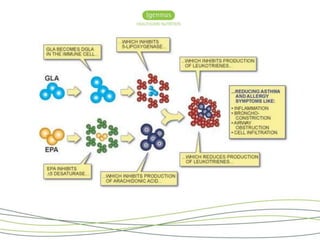
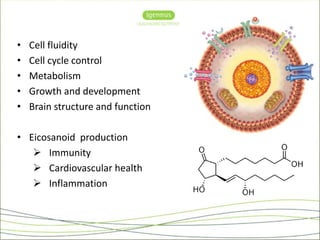
• Cell fluidity 
• Cell cycle control 
• Metabolism 
• Growth and development 
• Brain structure and function 
• Eicosanoid production 
 Immunity 
 Cardiovascular health 
 Inflammation
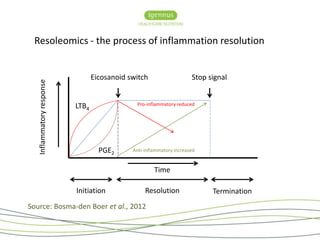
Resoleomics - the process of inflammation resolution 
Inflammatory response 
Eicosanoid switch Stop signal 
PGE2 
LTB4 
Pro-inflammatory reduced 
Anti-inflammatory increased 
Time 
Initiation Resolution Termination 
Source: Bosma-den Boer et al., 2012
Biomarkers for personalising omega-3 fatty acid dosing
Shifting the balance 
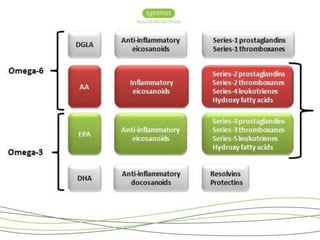
The omega-6 to omega-3 ratio is well documented as a marker of health 
status; however, the ratio of AA to EPA is a more accurate indicator of 
inflammatory status 
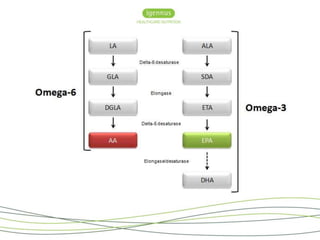
AA and EPA contents of cell membranes can be altered through 
consumption of omega-3 EPA (marine products/marine oils) 
Changing the fatty acid composition of cell membranes affects 
• changes in membrane structure 
• products involved in immune function and the inflammatory cascade 
• cell signalling 
• gene expression and cell cycle control
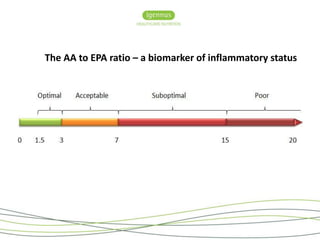
The AA to EPA ratio – a biomarker of inflammatory status
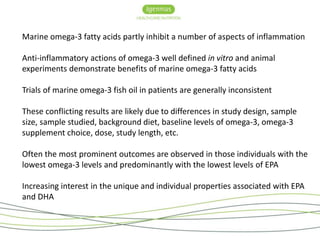
Marine omega-3 fatty acids partly inhibit a number of aspects of inflammation 
Anti-inflammatory actions of omega-3 well defined in vitro and animal 
experiments demonstrate benefits of marine omega-3 fatty acids 
Trials of marine omega-3 fish oil in patients are generally inconsistent 
These conflicting results are likely due to differences in study design, sample 
size, sample studied, background diet, baseline levels of omega-3, omega-3 
supplement choice, dose, study length, etc. 
Often the most prominent outcomes are observed in those individuals with the 
lowest omega-3 levels and predominantly with the lowest levels of EPA 
Increasing interest in the unique and individual properties associated with EPA 
and DHA
The omega-3 index 
The omega-3 index was originally developed as an informative risk factor 
for developing cardiovascular disease and is defined as the content of EPA 
and DHA in the cell membrane of RBCs, expressed as a weight percentage 
of total fatty acids and reflects tissue fatty acid composition (Harris & Von 
Schackey 2004) 
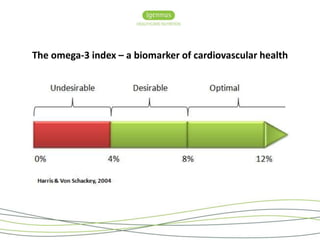
Data from epidemiological and dietary intervention studies suggest a 
desirable target value for the omega-3 index of more than 8%, with less 
than 4% recognised as an undesirable level 
A low omega-3 index is also associated with numerous health conditions 
including neurodevelopmental and mental health disorders, with 
increasing interest in its use as a biomarker of mental health (Milte et al., 
2009)
The omega-3 index – a biomarker of cardiovascular health
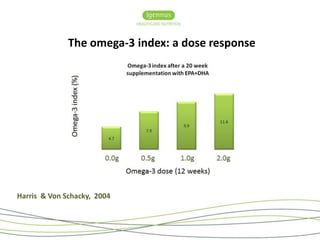
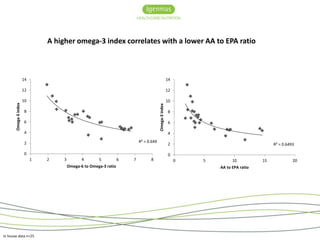
The omega-3 index: a dose response 
Harris & Von Schacky, 2004
R² = 0.649 
14 
12 
10 
8 
6 
4 
2 
0 
1 2 3 4 5 6 7 8 
Omega-3 index 
Omega-6 to Omega-3 ratio 
R² = 0.6493 
14 
12 
10 
8 
6 
4 
2 
0 
0 5 10 15 20 
Omega-3 index 
AA to EPA ratio 
In house data n=25 
A higher omega-3 index correlates with a lower AA to EPA ratio
Dosing with omega-3 – how much do I need?
Fatty acid composition of RBC is considered to be a more reliable biomarker of 
long-term fatty acid intake because the turnover of RBC (4 months) is slower 
than that of plasma or platelets 
Using the model developed by Flock and colleagues (2013) it is possible to 
estimate the dose required to raise the omega-3 index to a desirable level 
The Opti-0-3 is the only omega-3 biomarker test that offers a bespoke dosing 
guide to optimise omega-3 fatty acid biomarkers for optimal health
Biomarkers for personalising omega-3 fatty acid dosing 
Omega-3 index 
an early cardiovascular risk indicator 
Omega-6 to omega-3 ratio 
an established marker of long-term health and chronic illness 
AA to EPA ratio 
a measure of ’silent’ or chronic inflammation 
A personalised plan aims to achieve: 
An omega-3 index of more than 8% 
An omega-6 to omega-3 ratio of between 3 and 4 
An AA to EPA ratio of between 1.5 and 3
AA to EPA ratio in health and disease 
Fasted blood samples from 1432 [Italian] subjects, who were referred by 
their physicians, were analysed to assess their AA to EPA and total omega-6 to 
omega-3 ratios in whole blood and in RBC membrane phospholipids 
Individuals with no diagnosable conditions had lower AA to EPA ratios than 
those with diagnosable health conditions 
Individuals with allergic, skin and neurodegenerative diseases had higher 
ratios of AA to EPA compared to the values for subjects with other 
pathologies, possibly due to a higher turnover of EPA 
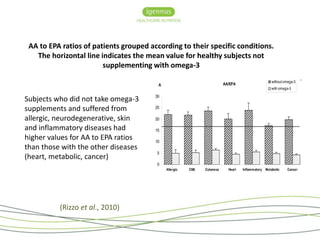
Subjects who did not take omega-3 supplements and suffered from allergic, 
neurodegenerative, skin and inflammatory diseases had higher values for AA 
to EPA ratios than those with the other diseases (heart, metabolic, cancer) 
(Rizzo et al., 2010)
AA to EPA ratios of patients grouped according to their specific conditions. 
The horizontal line indicates the mean value for healthy subjects not 
supplementing with omega-3 
Subjects who did not take omega-3 
supplements and suffered from 
allergic, neurodegenerative, skin 
and inflammatory diseases had 
higher values for AA to EPA ratios 
than those with the other diseases 
(heart, metabolic, cancer) 
(Rizzo et al., 2010)
Obesity, insulin resistance and the metabolic syndrome 
Subjects with metabolic syndrome have been shown to possess tissue 
and plasma fatty acid profiles characterised by a relative predominance 
of saturated fatty acids and omega-6 polyunsaturated fatty acids, with 
corresponding low levels of long-chain omega-3 polyunsaturated fatty 
acids 
Levels of saturated fatty acids are significantly higher and EPA levels 
significantly lower in obese subjects both with and without insulin 
resistance compared to controls (p<0.001 for both) (Gunes et al., 2014) 
This fatty acid pattern appears to confer a higher risk of both 
diabetes and coronary heart disease (CHD) events (Nigam et al., 2013)
AA to EPA ratio and the metabolic syndrome 
High AA to EPA ratio associated with insulin resistance 
Age and visceral fat accumulation correlated significantly with serum AA to 
EPA ratio 
Subjects with visceral fat accumulation ≥100 cm2 had higher serum AA to 
EPA ratio (but not DHA to AA or [EPA+DHA] to AA) and more likely to have 
metabolic syndrome and history of coronary artery disease, compared to 
those with visceral fat accumulation <100 cm2 (Inoue et al., 2013) 
“The balance of AA to EPA by lifestyle modification and medication (such as 
EPA-based medications) could be useful in reducing the prevalence of the 
metabolic syndrome and atherosclerosis” (Inoue et al., 2013)
Cancer – an inflammatory disease? 
A high rate of cell proliferation and a low rate of apoptosis are the hallmark of 
abnormal cell growth 
The link between non-resolving inflammation and cancer is well documented, 
with epidemiological evidence supporting that approximately 25% of all 
human cancer worldwide is caused by non-resolving inflammation 
Inflammatory cells are found in the microenvironment of most, if not all 
tumours 
High AA content of cells indicates a pro-inflammatory microenvironment 
Products derived from inflammatory cells influence almost every aspect 
of cancer 
Vendramini-Costa & Carvalho 2012
AA, EPA and the cell cycle 
Inflammation creates the ideal ‘tumour microenvironment’ and is now widely 
recognised as an enabling characteristic of cancer in regard to enhanced cell 
proliferation, cell survival, cell migration and angiogenesis 
AA and EPA have opposing effects on the proliferation, differentiation and 
apoptosis of genetically altered cells and therefore the disposal/accumulation 
of DNA damaged tissue (Cathcart et al, 2011) 
The anti-proliferative effects of EPA combined with the ability to induce 
programmed cell death suggests that EPA supplementation may have a 
significant impact on halting disease progression (Hawcroft et al., 2010; 
Hawcroft et al., 2012)
Modulation of angiogenesis by AA and EPA 
The formation of new blood vessels (angiogenesis), a critical process that affects 
tumour growth and dissemination (Szymczak et al., 2008) 
 EPA inhibits and AA stimulates major pro-angiogenic processes in human 
endothelial cells: 
 angiopoietin-2 (Ang-2) 
 vascular endothelial growth factor (VEGF) 
 basic fibroblast growth factor (bFGF) 
 insulin-like growth factor-1 
 matrix metalloproteases (MMPs) that degrade the extracellular matrix, 
and play an important role in the migration of endothelial cells during 
angiogenesis
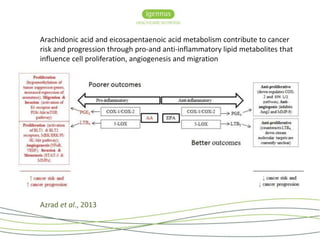
Arachidonic acid and eicosapentaenoic acid metabolism contribute to cancer 
risk and progression through pro-and anti-inflammatory lipid metabolites that 
influence cell proliferation, angiogenesis and migration 
Azrad et al., 2013
A new biomarker in cancer patients: the AA to EPA ratio 
 Aim To evaluate the potential value of tumour risk assessment in colon and breast 
cancer patients by determining the AA to EPA ratio in plasma in a case-control study 
against healthy patients (Garassino et al., 2006) 
 Findings 
Colorectal cancer 
Plasma AA to EPA ratio was 22.232+1.852 compared to 14.25+1.083 for 
healthy subjects (median age 70; range 53 - 81) 
Breast cancer 
Plasma AA to EPA ratio was 21.029+2.584 compared to 12.10+1.414 in 
healthy subjects (median age 77; range 44 - 86)
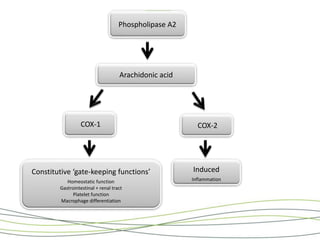
Arachidonic acid 
COX-1 
Constitutive ‘gate-keeping functions’ 
Homeostatic function 
Gastrointestinal + renal tract 
Platelet function 
Macrophage differentiation 
COX-2 
Induced 
Inflammation 
Phospholipase A2
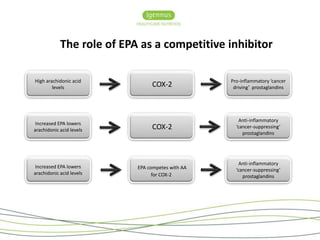
The role of EPA as a competitive inhibitor 
High arachidonic acid 
levels 
Pro-inflammatory ‘cancer 
driving’ prostaglandins COX-2 
Increased EPA lowers 
arachidonic acid levels 
Anti-inflammatory 
‘cancer-suppressing’ 
prostaglandins 
COX-2 
Increased EPA lowers 
arachidonic acid levels 
Anti-inflammatory 
‘cancer-suppressing’ 
prostaglandins 
EPA competes with AA 
for COX-2
Changes in omega fatty acids within the mucosa of CRC patients 
Patients with CRC have shown increased concentrations of AA and AA-derived 
prostaglandins within the tumoural mucosa (Bennett et al, 1987) 
Phospholipase A2 and prostaglandin E2 (potent tumour promoter) have been 
shown to be increased in human CRC tissue (Soydan et al., 1996) 
Patients with CRC have shown increased concentrations of AA and DHA 
(Neoptolemos et al., 1991) 
Unlike EPA, DHA may have detrimental effects on CRC by accelerating dysplastic 
tissue transformation (Woodworth et al., 2010)
EPA has been shown in studies to be significantly more effective than DHA in 
reducing tumourigenesis in animal models of CRC, with some indication that DHA 
may actually accelerate dysplastic tissue transformation (Petrick et al., 2000; 
Woodworth et al., 2010) 
Increasing numbers of studies are focusing on pure EPA as a safe and potentially 
viable chemopreventative agent for the treatment of CRC 
EPA has been shown to reduce intestinal adenoma multiplicity by 79% in animal 
models of familial adenomatous polyposis (FAP) (Fini et al., 2010) 
In humans, the effects of EPA (2g daily for 6 months) on rectal polyp growth in 
patients with FAP produced a 22.4% decrease in adenoma numbers and a 29.8% 
reduction in adenoma size (West et al., 2010) 
Incremental increases in the dietary intake of EPA results in a dose-dependent 
decrease in pro-inflammatory PGE2 concentrations (Jiang et al., 2014)
The seAFOod Polyp Prevention Trial (Hull et al., 2013) 
The seAFOod Polyp Prevention Trial is a randomised, double-blind, placebo-controlled, 
2×2 factorial ‘efficacy’ study, which will determine whether EPA prevents 
colorectal adenomas, either alone (1 g twice daily) or in combination with aspirin 
(300mg daily) 
Aspirin irreversibly acetylates the COX enzymes, leading to conversion of EPA to 18R-hydroxyeicosapentaenoic 
acid (18R-HEPE) and then trihydroxy-EPA, also known as 
resolvin E1, which has potent anti-inflammatory activity 
Participants are 55–73 year-old patients, who have been identified as ‘high risk’ 
(detection of ≥5 small adenomas or ≥3 adenomas with at least one being ≥10 mm in 
diameter) at screening colonoscopy in the English Bowel Cancer Screening 
Programme (BCSP) 
EPA and and aspirin lead to the production of different bioactive lipid mediators, 
including PGE3 and 15R-HETE (resolvin E1)
Inflammation and dementia 
Inflammation factors are known to be associated with a higher 
risk for Alzheimer's disease and cognitive decline (Halliday et al., 
2000) 
Two large-scale prospective studies showed baseline blood levels 
of inflammatory markers are associated with higher risk of 
incident Alzheimer's disease (Schmidt et al., 2002; Engelhart et 
al., 2004)
Omega-3 and dementia 
The physiological roles of omega-3 PUFAs in the brain include regulation 
of cell membrane fluidity, dopaminergic and serotonergic transmission, 
regulation of cellular signal transduction, brain glucose metabolism, 
eicosanoid synthesis, gene expression and cell cycle control 
Deficiencies in omega-3 fatty acids are observed in dementia patients 
(Lopes da Silva et al., 2013) 
High AA to EPA and omega-6 to omega-3 is associated with an increased 
risk of dementia, whereas a higher EPA concentration is associated with a 
lower risk of dementia (Samieri et al, 2008)
2012 meta-analysis of 10 studies (including 2,280 subjects) 
- EPA and total n-3 PUFAs were decreased in patients with dementia 
- levels of EPA, but not DHA or other PUFAs, were significantly lower 
in patients with pre-dementia syndrome 
- EPA may act as a disease-state marker AND a risk factor for 
cognitive impairment (Lin et al, 2012) 
EPA intake is more advantageous than DHA in reducing "brain effort" 
relative to cognitive performance (in young adults) (Bauer et al., 2014) 
40
Omega-3 and cardiovascular health 
Numerous studies have been conducted that highlight the importance of 
omega-3 to support cardiovascular health 
(i.e., DART studies, GISSI, JELIS,…) 
Omega-3 fatty acid therapy shows great promise in both primary and 
secondary prevention of cardiovascular diseases (Peter et al., 2013) 
Significant reductions in total mortality and sudden cardiac death to the 
extent of 20% to 50% have been found in studies using doses ranging from 
0.85 to 4.0 grams daily (Artham et al., 2008) 
EPA (not DHA) is associated with a lower risk of cardiovascular disease 
events and of all-cause death (Chien et al., 2013)
The Japan EPA Lipid Intervention Study (JELIS) has established the 
clinical efficacy of EPA for CVD, with higher levels of blood EPA, not 
DHA, found to be associated with a lower incidence of major coronary 
events: 
EPA ‘gold standard’ for preventing recurrent coronary events 
Supplementing with 1.8g/day recommended for women with raised 
cholesterol and triglycerides 
Supplementation with EPA and statins in hypercholesterolaemia 
patients resulted in a significant reduction of coronary events when the 
AA to EPA ratio was <1.34 (HR:0.83, p = 0.031) 
(Yokoyama et al, 2003; Yokoyama et al, 2007; Yamanouchi & Komori 
2010; Ohnishi & Saito 2013)
EPA as a therapeutic tool 
 In 2012 the FDA approved a high purity EPA product for use in treating 
hypertriglyceridaemia 
 Products containing a combination of EPA and DHA, including dietary 
supplements, are more likely to raise LDL than EPA-only products, especially 
for those not on statin therapy (Ballantyne et al., 2013) 
 A systematic review of 22 RCTs of EPA and/or DHA reported increased 
LDL-C in 71% of studies of DHA monotherapy (Jacobson et al., 2012; Wei & 
Jacobson 2011) 
 Patients who are switched from EPA/DHA-containing products to pure 
EPA show substantial improvements in lipid profiles (Hilleman & Malesker 
2014)
Inflammation and mood disorders 
There is now an extensive body of data showing that depression is 
associated with both a chronic low-grade inflammatory response, and 
activation of cell-mediated immunity 
Early research on the role of inflammation in major depression centred 
on the observation that some people with depression show elevated 
levels of pro-inflammatory cytokines; recent reviews and pooled analyses 
have found general immune dysregulation and/or positive associations 
between depression and various cytokines including : IL-1, IL-6, and C-reactive 
protein & TNF-α 
Howren et al., 2009; Dowlati et al., 2010; Berk et al., 2013
High AA to EPA ratio and high levels of pro-inflammatory cytokines are directly 
correlated with severity of depression, lower RBC membrane omega-3 and especially 
EPA are associated with the severity of depression (Adams et al., 1996; Conklin et al., 
2007) and distinguish between anxious and non-anxious forms of major depressive 
disorder (Liu et al., 2013) 
Depression [in the elderly] is characterised by very low levels of omega-3, in 
particular of EPA, in RBC membranes and a high AA to EPA ratio compared to healthy 
subjects (Rizzo et al., 2012) 
Omega-3 intervention lowers AA to EPA ratio and is correlated with improved scores 
on the Geriatric Depression Scale (GDS) (Rizzo et al., 2012) 
Omega-3 Index (mean, 3.9% vs 5.1%) and individual omega-3 fatty acids were 
significantly lower in major depressive disorder patients. An Omega-3 Index < 4% 
was associated with high concentrations IL-6 (indicative of an elevated cardiovascular 
risk profile (Baghai et al., 2011)
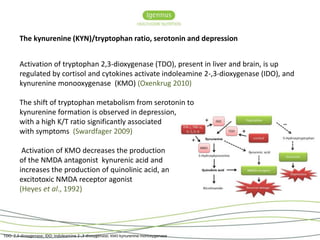
The kynurenine (KYN)/tryptophan ratio, serotonin and depression 
Activation of tryptophan 2,3-dioxygenase (TDO), present in liver and brain, is up 
regulated by cortisol and cytokines activate indoleamine 2-,3-dioxygenase (IDO), and 
kynurenine monooxygenase (KMO) (Oxenkrug 2010) 
The shift of tryptophan metabolism from serotonin to 
kynurenine formation is observed in depression, 
with a high K/T ratio significantly associated 
with symptoms (Swardfager 2009) 
Activation of KMO decreases the production 
of the NMDA antagonist kynurenic acid and 
increases the production of quinolinic acid, an 
excitotoxic NMDA receptor agonist 
(Heyes et al., 1992) 
TDO: 2,3-dioxygenase; IDO: indoleamine 2-,3-dioxygenase; KMO kynurenine monoxygenase
Changes in brain structure in mood disorders 
MRI shows structural brain grey matter abnormalities in major depression, bi-polar 
and schizophrenia (Kempton et al., 2011) 
Elevated quinolinic acid has the potential to cause neuronal damage and 
accumulation in certain areas of the brain tissue has been reported in depressed 
patients (Steiner et al., 2012) 
Furthermore, serotonin transporter activity (involved in recycling serotonin for 
reuse) is increased by certain pro-inflammatory cytokines, thus reducing overall 
serotonin activity (Jazayeri et al., 2010; Song et al., 2007) 
The depletion of tryptophan and subsequent decrease in serotonin production is 
a well-established feature of mood disorders pathophysiology (Oxenkrug 2010)
Omega-3 intervention studies meta-analysis findings 
Fish oil studies produce conflicting and often contradictory findings 
2009 meta-analysis (28 studies) clarified ‘EPA but not DHA to be responsible for 
the efficacy of omega-3 long-chain polyunsaturated fatty acid supplementation in 
depression’ (Martins 2009) 
Only those supplements containing EPA ≥ 60% of total EPA + DHA, in a dose 
range of 200 to 2,200 mg/d of EPA in excess of DHA, were effective against 
primary depression (Sublette et al., 2011) 
It is the EPA in excess of DHA within a supplement that exerts therapeutic effects 
(Sublette et al., 2011) 
1g pure EPA more effective than 1g DHA in treating depressive symptoms 
(Mozaffari-Khosravi et al., 2012)
The effect of EPA supplements on cortisol and cytokine levels 
EPA treatment (1g/daily 8 weeks) as effective as 20 mg fluoxetine in treating 
depressive symptoms (Jazayeri et al., 2008) 
EPA supplementation decreases the AA to EPA ratio and increases IL-10, an anti-inflammatory 
cytokine associated with decreased depressive-like behaviour (Satoh- 
Asahara et al., 2012) 
EPA may exert its therapeutic effects through its ability to reduce cortisol (Jazayeri 
et al., 2008) and TNF-a and IL-B1 (Caughey et al., 1996) 
EPA rather than DHA exerts therapeutic effects in the prevention of IFN-a induced 
depression (therapy for chronic hepatitis C virus infection) (Su et al., 2014)
Neurodevelopmental disorders 
Deficiencies or imbalances in the long-chain highly unsaturated omega-3 fatty 
acids have been implicated in the predisposition and development of 
neurodevelopmental disorders (Richardson & Ross 2000; Richardson 2000) 
AA to EPA ratio correlates with ADHD symptoms (Germano et al., 2007) 
In ADHD, callous-unemotional (CU) traits are significantly negatively related to 
both EPA and total omega-3 (Gow et al., 2013) 
Omega-3 fatty acids related to abnormal emotion processing in adolescent boys 
with attention deficit hyperactivity disorder (Gow et al., 2013) 
Correlation between AA to EPA ratio and physical aggression 
(Itomura et al., 2005
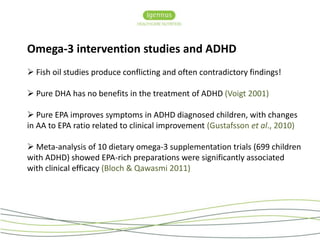
Omega-3 intervention studies and ADHD 
 Fish oil studies produce conflicting and often contradictory findings! 
 Pure DHA has no benefits in the treatment of ADHD (Voigt 2001) 
 Pure EPA improves symptoms in ADHD diagnosed children, with changes 
in AA to EPA ratio related to clinical improvement (Gustafsson et al., 2010) 
 Meta-analysis of 10 dietary omega-3 supplementation trials (699 children 
with ADHD) showed EPA-rich preparations were significantly associated 
with clinical efficacy (Bloch & Qawasmi 2011)
Summary 
Western dietary and lifestyle factors, particularly those that create an 
inflammatory environment, contribute significantly to inflammatory related 
disorders 
Diets that are high in omega-6 increase ‘risk’, whilst diets that are rich in long-chain 
omega-3 may reduce the ‘risk’ 
Specifically, a high AA to EPA ratio and low EPA [rather than DHA] appears to 
be associated with many inflammatory conditions 
Modifying the diet can reduce systemic inflammation by manipulating the AA 
to EPA ratio
Summary 
Human intervention studies show inconsistent findings – is there a need 
for personalising omega-3 fatty acid dosing for clinical outcomes? 
Not all ‘fish oils’ are the same – acknowledge the significance of the EPA to 
DHA ratio 
Pure EPA is a safe adjunctive therapy for inflammatory disorders 
Evidence suggests that the presence of DHA within the therapeutic oil may 
be [in some conditions] undesirable 
Pure EPA, because of its safety and known anti-cancer benefits, is now 
entering phase III human trials as a chemopreventive agent 
Pure EPA is recognised for its cardiovascular health benefits
ninab@igennus.com 
www.igennus.com 
drninabailey.co.uk 
0044 1223 421434
Adams, P. B., S. Lawson, et al. (1996). "Arachidonic acid to eicosapentaenoic acid ratio in blood correlates positively with clinical symptoms 
of depression." Lipids 31 Suppl: S157-161. 
Artham, S. M., C. J. Lavie, et al. (2008). "Fish oil in primary and secondary cardiovascular prevention." Ochsner J 8(2): 49-60. 
Azrad, M., C. Turgeon, et al. (2013). "Current evidence linking polyunsaturated Fatty acids with cancer risk and progression." Front Oncol 
3: 224. 
Baghai, T. C., G. Varallo-Bedarida, et al. (2011). "Major depressive disorder is associated with cardiovascular risk factors and low Omega-3 
Index." J Clin Psychiatry 72(9): 1242-1247. 
Bennett, A., A. Civier, et al. (1987). "Measurement of arachidonate and its metabolites extracted from human normal and malignant 
gastrointestinal tissues." Gut 28(3): 315-318. 
Berk, M., L. J. Williams, et al. (2013). "So depression is an inflammatory disease, but where does the inflammation come from?" BMC Med 
11: 200. 
Bloch, M. H. and A. Qawasmi (2011). "Omega-3 fatty acid supplementation for the treatment of children with attention-deficit/ 
hyperactivity disorder symptomatology: systematic review and meta-analysis." J Am Acad Child Adolesc Psychiatry 50(10): 991- 
1000. 
Bosma-den Boer, M. M., M. L. van Wetten, et al. (2012). "Chronic inflammatory diseases are stimulated by current lifestyle: how diet, 
stress levels and medication prevent our body from recovering." Nutr Metab (Lond) 9(1): 32. 
Cathcart, M. C., J. Lysaght, et al. (2011). "Eicosanoid signalling pathways in the development and progression of colorectal cancer: novel 
approaches for prevention/intervention." Cancer Metastasis Rev 30(3-4): 363-385. 
Caughey, G. E., E. Mantzioris, et al. (1996). "The effect on human tumor necrosis factor alpha and interleukin 1 beta production of diets 
enriched in n-3 fatty acids from vegetable oil or fish oil." Am J Clin Nutr 63(1): 116-122. 
Chien, K. L., H. J. Lin, et al. (2013). "Comparison of predictive performance of various fatty acids for the risk of cardiovascular disease 
events and all-cause deaths in a community-based cohort." Atherosclerosis 230(1): 140-147. 
Conklin, S. M., J. I. Harris, et al. (2007). "Serum omega-3 fatty acids are associated with variation in mood, personality and behavior in 
hypercholesterolemic community volunteers." Psychiatry Res 152(1): 1-10. 
Dowlati, Y., N. Herrmann, et al. (2010). "Relationship between hair cortisol concentrations and depressive symptoms in patients with 
coronary artery disease." Neuropsychiatr Dis Treat 6: 393-400. 
Engelhart, M. J., M. I. Geerlings, et al. (2004). "Inflammatory proteins in plasma and the risk of dementia: the rotterdam study." Arch 
Neurol 61(5): 668-672. 
Fini, L., G. Piazzi, et al. (2010). "Highly purified eicosapentaenoic acid as free fatty acids strongly suppresses polyps in Apc(Min/+) mice." 
Clin Cancer Res 16(23): 5703-5711. 
Flock, M. R., A. C. Skulas-Ray, et al. (2013). "Determinants of erythrocyte omega-3 fatty acid content in response to fish oil 
supplementation: a dose-response randomized controlled trial." J Am Heart Assoc 2(6): e000513.
Germano, M., D. Meleleo, et al. (2007). "Plasma, red blood cells phospholipids and clinical evaluation after long chain omega-3 
supplementation in children with attention deficit hyperactivity disorder (ADHD)." Nutr Neurosci 10(1-2): 1-9. 
Gow, R. V., A. Sumich, et al. (2013). "Omega-3 fatty acids are related to abnormal emotion processing in adolescent boys with attention 
deficit hyperactivity disorder." Prostaglandins Leukot Essent Fatty Acids 88(6): 419-429. 
Gow, R. V., F. Vallee-Tourangeau, et al. (2013). "Omega-3 fatty acids are inversely related to callous and unemotional traits in adolescent 
boys with attention deficit hyperactivity disorder." Prostaglandins Leukot Essent Fatty Acids 88(6): 411-418. 
Gunes, O., E. Tascilar, et al. (2014). "Associations between erythrocyte membrane fatty acid compositions and insulin resistance in obese 
adolescents." Chem Phys Lipids. 
Gustafsson, P. A., U. Birberg-Thornberg, et al. (2010). "EPA supplementation improves teacher-rated behaviour and oppositional 
symptoms in children with ADHD." Acta Paediatr 99(10): 1540-1549. 
Halliday, G., S. R. Robinson, et al. (2000). "Alzheimer's disease and inflammation: a review of cellular and therapeutic mechanisms." Clin 
Exp Pharmacol Physiol 27(1-2): 1-8. 
Harris, W. S. (2008). "The omega-3 index as a risk factor for coronary heart disease." Am J Clin Nutr 87(6): 1997S-2002S. 
Harris, W. S. and C. Von Schacky (2004). "The Omega-3 Index: a new risk factor for death from coronary heart disease?" Prev Med 39(1): 
212-220. 
Hawcroft, G., P. M. Loadman, et al. (2010). "Effect of eicosapentaenoic acid on E-type prostaglandin synthesis and EP4 receptor signaling 
in human colorectal cancer cells." Neoplasia 12(8): 618-627. 
Hawcroft, G., M. Volpato, et al. (2012). "The omega-3 polyunsaturated fatty acid eicosapentaenoic acid inhibits mouse MC-26 colorectal 
cancer cell liver metastasis via inhibition of PGE2-dependent cell motility." Br J Pharmacol 166(5): 1724-1737. 
Heyes, M. P., K. Saito, et al. (1992). "Quinolinic acid and kynurenine pathway metabolism in inflammatory and non-inflammatory 
neurological disease." Brain 115 ( Pt 5): 1249-1273. 
Howren, M. B., J. Suls, et al. (2009). "Depressive symptomatology, rather than neuroticism, predicts inflated physical symptom reports in 
community-residing women." PsychosomMed 71(9): 951-957. 
Inoue, K., K. Kishida, et al. (2013). "Low serum eicosapentaenoic acid / arachidonic acid ratio in male subjects with visceral obesity." Nutr 
Metab (Lond) 10(1): 25. 
Itomura, M., K. Hamazaki, et al. (2005). "The effect of fish oil on physical aggression in schoolchildren--a randomized, double-blind, 
placebo-controlled trial." J Nutr Biochem 16(3): 163-171. 
Jazayeri, S., S. A. Keshavarz, et al. (2010). "Effects of eicosapentaenoic acid and fluoxetine on plasma cortisol, serum interleukin-1beta and 
interleukin-6 concentrations in patients with major depressive disorder." Psychiatry Res 178(1): 112-115. 
Jazayeri, S., M. Tehrani-Doost, et al. (2008). "Comparison of therapeutic effects of omega-3 fatty acid eicosapentaenoic acid and 
fluoxetine, separately and in combination, in major depressive disorder." Aust N Z J Psychiatry 42(3): 192-198.
Jiang, Y., Z. Djuric, et al. (2014). "Biomarkers for Personalizing Omega-3 Fatty Acid Dosing." Cancer Prev Res (Phila). 
Kempton, M. J., Z. Salvador, et al. (2011). "Structural neuroimaging studies in major depressive disorder. Meta-analysis and comparison 
with bipolar disorder." Arch Gen Psychiatry 68(7): 675-690. 
Liu, J. J., H. C. Galfalvy, et al. (2013). "Omega-3 polyunsaturated fatty acid (PUFA) status in major depressive disorder with comorbid 
anxiety disorders." J Clin Psychiatry 74(7): 732-738. 
Martins, J. G. (2009). "EPA but not DHA appears to be responsible for the efficacy of omega-3 long chain polyunsaturated fatty acid 
supplementation in depression: evidence from a meta-analysis of randomized controlled trials." J Am Coll Nutr 28(5): 525-542. 
Milte, C. M., N. Sinn, et al. (2009). "Polyunsaturated fatty acid status in attention deficit hyperactivity disorder, depression, and 
Alzheimer's disease: towards an omega-3 index for mental health?" Nutr Rev 67(10): 573-590. 
Mozaffari-Khosravi, H., M. Yassini-Ardakani, et al. (2013). "Eicosapentaenoic acid versus docosahexaenoic acid in mild-to-moderate 
depression: a randomized, double-blind, placebo-controlled trial." Eur Neuropsychopharmacol 23(7): 636-644. 
Neoptolemos, J. P., D. Husband, et al. (1991). "Arachidonic acid and docosahexaenoic acid are increased in human colorectal cancer." Gut 
32(3): 278-281. 
Nigam, A., N. Frasure-Smith, et al. (2009). "Relationship between n-3 and n-6 plasma fatty acid levels and insulin resistance in coronary 
patients with and without metabolic syndrome." Nutr Metab Cardiovasc Dis 19(4): 264-270. 
Ohnishi, H. and Y. Saito (2013). "Eicosapentaenoic acid (EPA) reduces cardiovascular events: relationship with the EPA/arachidonic acid 
ratio." J Atheroscler Thromb 20(12): 861-877. 
Oxenkrug, G. F. (2010). "Tryptophan kynurenine metabolism as a common mediator of genetic and environmental impacts in major 
depressive disorder: the serotonin hypothesis revisited 40 years later." Isr J Psychiatry Relat Sci 47(1): 56-63. 
Peter, S., S. Chopra, et al. (2013). "A fish a day, keeps the cardiologist away! - A review of the effect of omega-3 fatty acids in the 
cardiovascular system." Indian J EndocrinolMetab 17(3): 422-429. 
Petrik, M. B., M. F. McEntee, et al. (2000). "Highly unsaturated (n-3) fatty acids, but not alpha-linolenic, conjugated linoleic or gamma-linolenic 
acids, reduce tumorigenesis in Apc(Min/+) mice." J Nutr 130(10): 2434-2443. 
Richardson, A. J. and B. K. Puri (2000). "The potential role of fatty acids in attention-deficit/hyperactivity disorder." Prostaglandins Leukot 
Essent Fatty Acids 63(1-2): 79-87. 
Richardson, A. J. and M. A. Ross (2000). "Fatty acid metabolism in neurodevelopmental disorder: a new perspective on associations 
between attention-deficit/hyperactivity disorder, dyslexia, dyspraxia and the autistic spectrum." Prostaglandins Leukot Essent Fatty Acids 
63(1-2): 1-9. 
Rizzo, A. M., P. A. Corsetto, et al. (2012). "Comparison between the AA/EPA ratio in depressed and non depressed elderly females: omega- 
3 fatty acid supplementation correlates with improved symptoms but does not change immunological parameters." Nutr J 11: 82. 
Rizzo, A. M., G. Montorfano, et al. (2010). "A rapid method for determining arachidonic:eicosapentaenoic acid ratios in whole blood lipids: 
correlation with erythrocyte membrane ratios and validation in a large Italian population of various ages and pathologies." Lipids Health 
Dis 9: 7.
Satoh-Asahara, N., A. Shimatsu, et al. (2012). "Highly purified eicosapentaenoic acid increases interleukin-10 levels of peripheral blood 
monocytes in obese patients with dyslipidemia." Diabetes Care 35(12): 2631-2639. 
Schmidt, R., H. Schmidt, et al. (2002). "Early inflammation and dementia: a 25-year follow-up of the Honolulu-Asia Aging Study." Ann 
Neurol 52(2): 168-174. 
Song, C., X. Li, et al. (2007). "Omega-3 fatty acid ethyl-eicosapentaenoate attenuates IL-1beta-induced changes in dopamine and 
metabolites in the shell of the nucleus accumbens: involved with PLA2 activity and corticosterone secretion." Neuropsychopharmacology 
32(3): 736-744. 
Soydan, A. S., I. A. Tavares, et al. (1997). "High molecular weight phospholipase A2: its occurrence and quantification in human colon 
cancer and normal mucosa." Adv Exp Med Biol 400A: 31-37. 
Steiner, J., B. Bogerts, et al. (2012). "Bridging the gap between the immune and glutamate hypotheses of schizophrenia and major 
depression: Potential role of glial NMDA receptor modulators and impaired blood-brain barrier integrity." World J Biol Psychiatry 13(7): 
482-492. 
Su, K. P., H. C. Lai, et al. (2014). "Omega-3 Fatty acids in the prevention of interferon-alpha-induced depression: results from a 
randomized, controlled trial." Biol Psychiatry 76(7): 559-566. 
Sublette, M. E., S. P. Ellis, et al. (2011). "Meta-analysis of the effects of eicosapentaenoic acid (EPA) in clinical trials in depression." J Clin 
Psychiatry 72(12): 1577-1584. 
Swardfager, W., N. Herrmann, et al. (2009). "Indoleamine 2,3-dioxygenase activation and depressive symptoms in patients with coronary 
artery disease." Psychoneuroendocrinology 34(10): 1560-1566. 
Szymczak, M., M. Murray, et al. (2008). "Modulation of angiogenesis by omega-3 polyunsaturated fatty acids is mediated by 
cyclooxygenases." Blood 111(7): 3514-3521. 
Vendramini-Costa, D. B. and J. E. Carvalho (2012). "Molecular link mechanisms between inflammation and cancer." Curr Pharm Des 
18(26): 3831-3852. 
Voigt, R. G., A. M. Llorente, et al. (2001). "A randomized, double-blind, placebo-controlled trial of docosahexaenoic acid supplementation 
in children with attention-deficit/hyperactivity disorder." J Pediatr 139(2): 189-196. 
West, N. J., S. K. Clark, et al. (2010). "Eicosapentaenoic acid reduces rectal polyp number and size in familial adenomatous polyposis." Gut 
59(7): 918-925. 
Whelan, J. (1996). "Antagonistic effects of dietary arachidonic acid and n-3 polyunsaturated fatty acids." J Nutr 126(4 Suppl): 1086S- 
1091S. 
Whelan, J., B. Li, et al. (1997). "Dietary arachidonic acid increases eicosanoid production in the presence of equal amounts of dietary 
eicosapentaenoic acid." Adv Exp Med Biol 400B: 897-904. 
Woodworth, H. L., S. J. McCaskey, et al. (2010). "Dietary fish oil alters T lymphocyte cell populations and exacerbates disease in a mouse 
model of inflammatory colitis." Cancer Res 70(20): 7960-7969. 
Yamanouchi, D. and K. Komori (2010). "Eicosapentaenoic acid as the gold standard for patients with peripheral artery disease? - 
subanalysis of the JELIS trial." Circ J 74(7): 1298-1299.
Yokoyama, M. and H. Origasa (2003). "Effects of eicosapentaenoic acid on cardiovascular events in Japanese patients with 
hypercholesterolemia: rationale, design, and baseline characteristics of the Japan EPA Lipid Intervention Study (JELIS)." Am Heart J 146(4): 
613-620. 
Yokoyama, M., H. Origasa, et al. (2007). "Effects of eicosapentaenoic acid on major coronary events in hypercholesterolaemic patients 
(JELIS): a randomised open-label, blinded endpoint analysis." Lancet 369(9567): 1090-1098.
Managing Chronic Inflammation

Managing Chronic Inflammation

  • 1.
    Managing chronic inflammation: a cutting edge approach to treating chronic disease Nina Bailey BSc (hons) MSc PhD ANutr
  • 2.
    Talk outline Understandinginflammation as a risk factor for disease The significance of omega-3 and the role of fatty acids in inflammatory resoleomics Treating inflammation through the modulation of eicosanoids Biomarkers for personalising omega-3 fatty acid dosing  The omega-3 index  AA to EPA ratio Clinical evidence of EPA as an inflammatory modulator
  • 3.
    Inflammation The normalresponse of a tissue to injury, triggered by a number of causes including infection, invading pathogens (such as bacteria or viruses) trauma or compromised blood flow Key players: Sympathetic nervous system HPA-axis Innate immune system Three defined phases: Initiation Resolution Termination
  • 4.
    Exercise High caloriediet Muscle/fat ratio ‘New’ environmental stressors Reactive Hypoglycemia Immune System Activation (Adapted from Bosma-den Boer et al., 2012)
  • 5.
    In some cases,such as rheumatoid arthritis (RA), inflammatory bowel diseases (IBD) and asthma, the central role of inflammation in the pathology is well recognised Individuals with these conditions have heavy infiltration of inflammatory cells at the site of disease activity (e.g. the joints, the intestinal mucosa, the lungs) They have elevated concentrations of inflammatory mediators at those sites and in the systemic circulation, and they are treated with anti-inflammatory drugs with a corresponding improvement in symptoms
  • 7.
    Inflammation – therole of fat • Igennus is the only independent manufacturer of specialist Fatty Acid in the UK. Based in Cambridge the medical innovation hub for the UK:  Dietary patterns high in refined starches, sugar and saturated & trans-fatty acids, poor in natural antioxidants and fibre from fruits, vegetables and whole grains, and poor in omega-3 fatty acids may cause an activation of the innate immune system, most likely by excessive production of proinflammatory cytokines associated with a reduced production of anti-inflammatory cytokines  Historically, the human diet was high in omega-3 fatty acids, with a ratio of omega-6 to omega-3 fatty acids of around 1-2:1 - Seven Seas Merck Pharma Germany - Minami Atrium Pharma Canada - Biocare Elder Pharma India - Eskimo 3 Bringwell Pharma Sweden - Equizen Vifor Pharma Swiss  During the last few decades, there has been a marked increase in consumption of omega-6 and a decrease in consumption of omega-3 fatty acids  Many modern food types are ‘new’ in regard to human evolution, rich in added omega-6 and stripped of omega-3
  • 8.
    • Cell fluidity • Cell cycle control • Metabolism • Growth and development • Brain structure and function • Eicosanoid production  Immunity  Cardiovascular health  Inflammation
  • 11.
    Resoleomics - theprocess of inflammation resolution Inflammatory response Eicosanoid switch Stop signal PGE2 LTB4 Pro-inflammatory reduced Anti-inflammatory increased Time Initiation Resolution Termination Source: Bosma-den Boer et al., 2012
  • 12.
    Biomarkers for personalisingomega-3 fatty acid dosing
  • 13.
    Shifting the balance The omega-6 to omega-3 ratio is well documented as a marker of health status; however, the ratio of AA to EPA is a more accurate indicator of inflammatory status AA and EPA contents of cell membranes can be altered through consumption of omega-3 EPA (marine products/marine oils) Changing the fatty acid composition of cell membranes affects • changes in membrane structure • products involved in immune function and the inflammatory cascade • cell signalling • gene expression and cell cycle control
  • 14.
    The AA toEPA ratio – a biomarker of inflammatory status
  • 15.
    Marine omega-3 fattyacids partly inhibit a number of aspects of inflammation Anti-inflammatory actions of omega-3 well defined in vitro and animal experiments demonstrate benefits of marine omega-3 fatty acids Trials of marine omega-3 fish oil in patients are generally inconsistent These conflicting results are likely due to differences in study design, sample size, sample studied, background diet, baseline levels of omega-3, omega-3 supplement choice, dose, study length, etc. Often the most prominent outcomes are observed in those individuals with the lowest omega-3 levels and predominantly with the lowest levels of EPA Increasing interest in the unique and individual properties associated with EPA and DHA
  • 16.
    The omega-3 index The omega-3 index was originally developed as an informative risk factor for developing cardiovascular disease and is defined as the content of EPA and DHA in the cell membrane of RBCs, expressed as a weight percentage of total fatty acids and reflects tissue fatty acid composition (Harris & Von Schackey 2004) Data from epidemiological and dietary intervention studies suggest a desirable target value for the omega-3 index of more than 8%, with less than 4% recognised as an undesirable level A low omega-3 index is also associated with numerous health conditions including neurodevelopmental and mental health disorders, with increasing interest in its use as a biomarker of mental health (Milte et al., 2009)
  • 17.
    The omega-3 index– a biomarker of cardiovascular health
  • 18.
    The omega-3 index:a dose response Harris & Von Schacky, 2004
  • 19.
    R² = 0.649 14 12 10 8 6 4 2 0 1 2 3 4 5 6 7 8 Omega-3 index Omega-6 to Omega-3 ratio R² = 0.6493 14 12 10 8 6 4 2 0 0 5 10 15 20 Omega-3 index AA to EPA ratio In house data n=25 A higher omega-3 index correlates with a lower AA to EPA ratio
  • 20.
    Dosing with omega-3– how much do I need?
  • 21.
    Fatty acid compositionof RBC is considered to be a more reliable biomarker of long-term fatty acid intake because the turnover of RBC (4 months) is slower than that of plasma or platelets Using the model developed by Flock and colleagues (2013) it is possible to estimate the dose required to raise the omega-3 index to a desirable level The Opti-0-3 is the only omega-3 biomarker test that offers a bespoke dosing guide to optimise omega-3 fatty acid biomarkers for optimal health
  • 22.
    Biomarkers for personalisingomega-3 fatty acid dosing Omega-3 index an early cardiovascular risk indicator Omega-6 to omega-3 ratio an established marker of long-term health and chronic illness AA to EPA ratio a measure of ’silent’ or chronic inflammation A personalised plan aims to achieve: An omega-3 index of more than 8% An omega-6 to omega-3 ratio of between 3 and 4 An AA to EPA ratio of between 1.5 and 3
  • 24.
    AA to EPAratio in health and disease Fasted blood samples from 1432 [Italian] subjects, who were referred by their physicians, were analysed to assess their AA to EPA and total omega-6 to omega-3 ratios in whole blood and in RBC membrane phospholipids Individuals with no diagnosable conditions had lower AA to EPA ratios than those with diagnosable health conditions Individuals with allergic, skin and neurodegenerative diseases had higher ratios of AA to EPA compared to the values for subjects with other pathologies, possibly due to a higher turnover of EPA Subjects who did not take omega-3 supplements and suffered from allergic, neurodegenerative, skin and inflammatory diseases had higher values for AA to EPA ratios than those with the other diseases (heart, metabolic, cancer) (Rizzo et al., 2010)
  • 25.
    AA to EPAratios of patients grouped according to their specific conditions. The horizontal line indicates the mean value for healthy subjects not supplementing with omega-3 Subjects who did not take omega-3 supplements and suffered from allergic, neurodegenerative, skin and inflammatory diseases had higher values for AA to EPA ratios than those with the other diseases (heart, metabolic, cancer) (Rizzo et al., 2010)
  • 26.
    Obesity, insulin resistanceand the metabolic syndrome Subjects with metabolic syndrome have been shown to possess tissue and plasma fatty acid profiles characterised by a relative predominance of saturated fatty acids and omega-6 polyunsaturated fatty acids, with corresponding low levels of long-chain omega-3 polyunsaturated fatty acids Levels of saturated fatty acids are significantly higher and EPA levels significantly lower in obese subjects both with and without insulin resistance compared to controls (p<0.001 for both) (Gunes et al., 2014) This fatty acid pattern appears to confer a higher risk of both diabetes and coronary heart disease (CHD) events (Nigam et al., 2013)
  • 27.
    AA to EPAratio and the metabolic syndrome High AA to EPA ratio associated with insulin resistance Age and visceral fat accumulation correlated significantly with serum AA to EPA ratio Subjects with visceral fat accumulation ≥100 cm2 had higher serum AA to EPA ratio (but not DHA to AA or [EPA+DHA] to AA) and more likely to have metabolic syndrome and history of coronary artery disease, compared to those with visceral fat accumulation <100 cm2 (Inoue et al., 2013) “The balance of AA to EPA by lifestyle modification and medication (such as EPA-based medications) could be useful in reducing the prevalence of the metabolic syndrome and atherosclerosis” (Inoue et al., 2013)
  • 28.
    Cancer – aninflammatory disease? A high rate of cell proliferation and a low rate of apoptosis are the hallmark of abnormal cell growth The link between non-resolving inflammation and cancer is well documented, with epidemiological evidence supporting that approximately 25% of all human cancer worldwide is caused by non-resolving inflammation Inflammatory cells are found in the microenvironment of most, if not all tumours High AA content of cells indicates a pro-inflammatory microenvironment Products derived from inflammatory cells influence almost every aspect of cancer Vendramini-Costa & Carvalho 2012
  • 29.
    AA, EPA andthe cell cycle Inflammation creates the ideal ‘tumour microenvironment’ and is now widely recognised as an enabling characteristic of cancer in regard to enhanced cell proliferation, cell survival, cell migration and angiogenesis AA and EPA have opposing effects on the proliferation, differentiation and apoptosis of genetically altered cells and therefore the disposal/accumulation of DNA damaged tissue (Cathcart et al, 2011) The anti-proliferative effects of EPA combined with the ability to induce programmed cell death suggests that EPA supplementation may have a significant impact on halting disease progression (Hawcroft et al., 2010; Hawcroft et al., 2012)
  • 30.
    Modulation of angiogenesisby AA and EPA The formation of new blood vessels (angiogenesis), a critical process that affects tumour growth and dissemination (Szymczak et al., 2008)  EPA inhibits and AA stimulates major pro-angiogenic processes in human endothelial cells:  angiopoietin-2 (Ang-2)  vascular endothelial growth factor (VEGF)  basic fibroblast growth factor (bFGF)  insulin-like growth factor-1  matrix metalloproteases (MMPs) that degrade the extracellular matrix, and play an important role in the migration of endothelial cells during angiogenesis
  • 31.
    Arachidonic acid andeicosapentaenoic acid metabolism contribute to cancer risk and progression through pro-and anti-inflammatory lipid metabolites that influence cell proliferation, angiogenesis and migration Azrad et al., 2013
  • 32.
    A new biomarkerin cancer patients: the AA to EPA ratio  Aim To evaluate the potential value of tumour risk assessment in colon and breast cancer patients by determining the AA to EPA ratio in plasma in a case-control study against healthy patients (Garassino et al., 2006)  Findings Colorectal cancer Plasma AA to EPA ratio was 22.232+1.852 compared to 14.25+1.083 for healthy subjects (median age 70; range 53 - 81) Breast cancer Plasma AA to EPA ratio was 21.029+2.584 compared to 12.10+1.414 in healthy subjects (median age 77; range 44 - 86)
  • 33.
    Arachidonic acid COX-1 Constitutive ‘gate-keeping functions’ Homeostatic function Gastrointestinal + renal tract Platelet function Macrophage differentiation COX-2 Induced Inflammation Phospholipase A2
  • 34.
    The role ofEPA as a competitive inhibitor High arachidonic acid levels Pro-inflammatory ‘cancer driving’ prostaglandins COX-2 Increased EPA lowers arachidonic acid levels Anti-inflammatory ‘cancer-suppressing’ prostaglandins COX-2 Increased EPA lowers arachidonic acid levels Anti-inflammatory ‘cancer-suppressing’ prostaglandins EPA competes with AA for COX-2
  • 35.
    Changes in omegafatty acids within the mucosa of CRC patients Patients with CRC have shown increased concentrations of AA and AA-derived prostaglandins within the tumoural mucosa (Bennett et al, 1987) Phospholipase A2 and prostaglandin E2 (potent tumour promoter) have been shown to be increased in human CRC tissue (Soydan et al., 1996) Patients with CRC have shown increased concentrations of AA and DHA (Neoptolemos et al., 1991) Unlike EPA, DHA may have detrimental effects on CRC by accelerating dysplastic tissue transformation (Woodworth et al., 2010)
  • 36.
    EPA has beenshown in studies to be significantly more effective than DHA in reducing tumourigenesis in animal models of CRC, with some indication that DHA may actually accelerate dysplastic tissue transformation (Petrick et al., 2000; Woodworth et al., 2010) Increasing numbers of studies are focusing on pure EPA as a safe and potentially viable chemopreventative agent for the treatment of CRC EPA has been shown to reduce intestinal adenoma multiplicity by 79% in animal models of familial adenomatous polyposis (FAP) (Fini et al., 2010) In humans, the effects of EPA (2g daily for 6 months) on rectal polyp growth in patients with FAP produced a 22.4% decrease in adenoma numbers and a 29.8% reduction in adenoma size (West et al., 2010) Incremental increases in the dietary intake of EPA results in a dose-dependent decrease in pro-inflammatory PGE2 concentrations (Jiang et al., 2014)
  • 37.
    The seAFOod PolypPrevention Trial (Hull et al., 2013) The seAFOod Polyp Prevention Trial is a randomised, double-blind, placebo-controlled, 2×2 factorial ‘efficacy’ study, which will determine whether EPA prevents colorectal adenomas, either alone (1 g twice daily) or in combination with aspirin (300mg daily) Aspirin irreversibly acetylates the COX enzymes, leading to conversion of EPA to 18R-hydroxyeicosapentaenoic acid (18R-HEPE) and then trihydroxy-EPA, also known as resolvin E1, which has potent anti-inflammatory activity Participants are 55–73 year-old patients, who have been identified as ‘high risk’ (detection of ≥5 small adenomas or ≥3 adenomas with at least one being ≥10 mm in diameter) at screening colonoscopy in the English Bowel Cancer Screening Programme (BCSP) EPA and and aspirin lead to the production of different bioactive lipid mediators, including PGE3 and 15R-HETE (resolvin E1)
  • 38.
    Inflammation and dementia Inflammation factors are known to be associated with a higher risk for Alzheimer's disease and cognitive decline (Halliday et al., 2000) Two large-scale prospective studies showed baseline blood levels of inflammatory markers are associated with higher risk of incident Alzheimer's disease (Schmidt et al., 2002; Engelhart et al., 2004)
  • 39.
    Omega-3 and dementia The physiological roles of omega-3 PUFAs in the brain include regulation of cell membrane fluidity, dopaminergic and serotonergic transmission, regulation of cellular signal transduction, brain glucose metabolism, eicosanoid synthesis, gene expression and cell cycle control Deficiencies in omega-3 fatty acids are observed in dementia patients (Lopes da Silva et al., 2013) High AA to EPA and omega-6 to omega-3 is associated with an increased risk of dementia, whereas a higher EPA concentration is associated with a lower risk of dementia (Samieri et al, 2008)
  • 40.
    2012 meta-analysis of10 studies (including 2,280 subjects) - EPA and total n-3 PUFAs were decreased in patients with dementia - levels of EPA, but not DHA or other PUFAs, were significantly lower in patients with pre-dementia syndrome - EPA may act as a disease-state marker AND a risk factor for cognitive impairment (Lin et al, 2012) EPA intake is more advantageous than DHA in reducing "brain effort" relative to cognitive performance (in young adults) (Bauer et al., 2014) 40
  • 41.
    Omega-3 and cardiovascularhealth Numerous studies have been conducted that highlight the importance of omega-3 to support cardiovascular health (i.e., DART studies, GISSI, JELIS,…) Omega-3 fatty acid therapy shows great promise in both primary and secondary prevention of cardiovascular diseases (Peter et al., 2013) Significant reductions in total mortality and sudden cardiac death to the extent of 20% to 50% have been found in studies using doses ranging from 0.85 to 4.0 grams daily (Artham et al., 2008) EPA (not DHA) is associated with a lower risk of cardiovascular disease events and of all-cause death (Chien et al., 2013)
  • 42.
    The Japan EPALipid Intervention Study (JELIS) has established the clinical efficacy of EPA for CVD, with higher levels of blood EPA, not DHA, found to be associated with a lower incidence of major coronary events: EPA ‘gold standard’ for preventing recurrent coronary events Supplementing with 1.8g/day recommended for women with raised cholesterol and triglycerides Supplementation with EPA and statins in hypercholesterolaemia patients resulted in a significant reduction of coronary events when the AA to EPA ratio was <1.34 (HR:0.83, p = 0.031) (Yokoyama et al, 2003; Yokoyama et al, 2007; Yamanouchi & Komori 2010; Ohnishi & Saito 2013)
  • 43.
    EPA as atherapeutic tool  In 2012 the FDA approved a high purity EPA product for use in treating hypertriglyceridaemia  Products containing a combination of EPA and DHA, including dietary supplements, are more likely to raise LDL than EPA-only products, especially for those not on statin therapy (Ballantyne et al., 2013)  A systematic review of 22 RCTs of EPA and/or DHA reported increased LDL-C in 71% of studies of DHA monotherapy (Jacobson et al., 2012; Wei & Jacobson 2011)  Patients who are switched from EPA/DHA-containing products to pure EPA show substantial improvements in lipid profiles (Hilleman & Malesker 2014)
  • 44.
    Inflammation and mooddisorders There is now an extensive body of data showing that depression is associated with both a chronic low-grade inflammatory response, and activation of cell-mediated immunity Early research on the role of inflammation in major depression centred on the observation that some people with depression show elevated levels of pro-inflammatory cytokines; recent reviews and pooled analyses have found general immune dysregulation and/or positive associations between depression and various cytokines including : IL-1, IL-6, and C-reactive protein & TNF-α Howren et al., 2009; Dowlati et al., 2010; Berk et al., 2013
  • 45.
    High AA toEPA ratio and high levels of pro-inflammatory cytokines are directly correlated with severity of depression, lower RBC membrane omega-3 and especially EPA are associated with the severity of depression (Adams et al., 1996; Conklin et al., 2007) and distinguish between anxious and non-anxious forms of major depressive disorder (Liu et al., 2013) Depression [in the elderly] is characterised by very low levels of omega-3, in particular of EPA, in RBC membranes and a high AA to EPA ratio compared to healthy subjects (Rizzo et al., 2012) Omega-3 intervention lowers AA to EPA ratio and is correlated with improved scores on the Geriatric Depression Scale (GDS) (Rizzo et al., 2012) Omega-3 Index (mean, 3.9% vs 5.1%) and individual omega-3 fatty acids were significantly lower in major depressive disorder patients. An Omega-3 Index < 4% was associated with high concentrations IL-6 (indicative of an elevated cardiovascular risk profile (Baghai et al., 2011)
  • 46.
    The kynurenine (KYN)/tryptophanratio, serotonin and depression Activation of tryptophan 2,3-dioxygenase (TDO), present in liver and brain, is up regulated by cortisol and cytokines activate indoleamine 2-,3-dioxygenase (IDO), and kynurenine monooxygenase (KMO) (Oxenkrug 2010) The shift of tryptophan metabolism from serotonin to kynurenine formation is observed in depression, with a high K/T ratio significantly associated with symptoms (Swardfager 2009) Activation of KMO decreases the production of the NMDA antagonist kynurenic acid and increases the production of quinolinic acid, an excitotoxic NMDA receptor agonist (Heyes et al., 1992) TDO: 2,3-dioxygenase; IDO: indoleamine 2-,3-dioxygenase; KMO kynurenine monoxygenase
  • 47.
    Changes in brainstructure in mood disorders MRI shows structural brain grey matter abnormalities in major depression, bi-polar and schizophrenia (Kempton et al., 2011) Elevated quinolinic acid has the potential to cause neuronal damage and accumulation in certain areas of the brain tissue has been reported in depressed patients (Steiner et al., 2012) Furthermore, serotonin transporter activity (involved in recycling serotonin for reuse) is increased by certain pro-inflammatory cytokines, thus reducing overall serotonin activity (Jazayeri et al., 2010; Song et al., 2007) The depletion of tryptophan and subsequent decrease in serotonin production is a well-established feature of mood disorders pathophysiology (Oxenkrug 2010)
  • 48.
    Omega-3 intervention studiesmeta-analysis findings Fish oil studies produce conflicting and often contradictory findings 2009 meta-analysis (28 studies) clarified ‘EPA but not DHA to be responsible for the efficacy of omega-3 long-chain polyunsaturated fatty acid supplementation in depression’ (Martins 2009) Only those supplements containing EPA ≥ 60% of total EPA + DHA, in a dose range of 200 to 2,200 mg/d of EPA in excess of DHA, were effective against primary depression (Sublette et al., 2011) It is the EPA in excess of DHA within a supplement that exerts therapeutic effects (Sublette et al., 2011) 1g pure EPA more effective than 1g DHA in treating depressive symptoms (Mozaffari-Khosravi et al., 2012)
  • 49.
    The effect ofEPA supplements on cortisol and cytokine levels EPA treatment (1g/daily 8 weeks) as effective as 20 mg fluoxetine in treating depressive symptoms (Jazayeri et al., 2008) EPA supplementation decreases the AA to EPA ratio and increases IL-10, an anti-inflammatory cytokine associated with decreased depressive-like behaviour (Satoh- Asahara et al., 2012) EPA may exert its therapeutic effects through its ability to reduce cortisol (Jazayeri et al., 2008) and TNF-a and IL-B1 (Caughey et al., 1996) EPA rather than DHA exerts therapeutic effects in the prevention of IFN-a induced depression (therapy for chronic hepatitis C virus infection) (Su et al., 2014)
  • 50.
    Neurodevelopmental disorders Deficienciesor imbalances in the long-chain highly unsaturated omega-3 fatty acids have been implicated in the predisposition and development of neurodevelopmental disorders (Richardson & Ross 2000; Richardson 2000) AA to EPA ratio correlates with ADHD symptoms (Germano et al., 2007) In ADHD, callous-unemotional (CU) traits are significantly negatively related to both EPA and total omega-3 (Gow et al., 2013) Omega-3 fatty acids related to abnormal emotion processing in adolescent boys with attention deficit hyperactivity disorder (Gow et al., 2013) Correlation between AA to EPA ratio and physical aggression (Itomura et al., 2005
  • 51.
    Omega-3 intervention studiesand ADHD  Fish oil studies produce conflicting and often contradictory findings!  Pure DHA has no benefits in the treatment of ADHD (Voigt 2001)  Pure EPA improves symptoms in ADHD diagnosed children, with changes in AA to EPA ratio related to clinical improvement (Gustafsson et al., 2010)  Meta-analysis of 10 dietary omega-3 supplementation trials (699 children with ADHD) showed EPA-rich preparations were significantly associated with clinical efficacy (Bloch & Qawasmi 2011)
  • 52.
    Summary Western dietaryand lifestyle factors, particularly those that create an inflammatory environment, contribute significantly to inflammatory related disorders Diets that are high in omega-6 increase ‘risk’, whilst diets that are rich in long-chain omega-3 may reduce the ‘risk’ Specifically, a high AA to EPA ratio and low EPA [rather than DHA] appears to be associated with many inflammatory conditions Modifying the diet can reduce systemic inflammation by manipulating the AA to EPA ratio
  • 53.
    Summary Human interventionstudies show inconsistent findings – is there a need for personalising omega-3 fatty acid dosing for clinical outcomes? Not all ‘fish oils’ are the same – acknowledge the significance of the EPA to DHA ratio Pure EPA is a safe adjunctive therapy for inflammatory disorders Evidence suggests that the presence of DHA within the therapeutic oil may be [in some conditions] undesirable Pure EPA, because of its safety and known anti-cancer benefits, is now entering phase III human trials as a chemopreventive agent Pure EPA is recognised for its cardiovascular health benefits
  • 54.
  • 55.
    Adams, P. B.,S. Lawson, et al. (1996). "Arachidonic acid to eicosapentaenoic acid ratio in blood correlates positively with clinical symptoms of depression." Lipids 31 Suppl: S157-161. Artham, S. M., C. J. Lavie, et al. (2008). "Fish oil in primary and secondary cardiovascular prevention." Ochsner J 8(2): 49-60. Azrad, M., C. Turgeon, et al. (2013). "Current evidence linking polyunsaturated Fatty acids with cancer risk and progression." Front Oncol 3: 224. Baghai, T. C., G. Varallo-Bedarida, et al. (2011). "Major depressive disorder is associated with cardiovascular risk factors and low Omega-3 Index." J Clin Psychiatry 72(9): 1242-1247. Bennett, A., A. Civier, et al. (1987). "Measurement of arachidonate and its metabolites extracted from human normal and malignant gastrointestinal tissues." Gut 28(3): 315-318. Berk, M., L. J. Williams, et al. (2013). "So depression is an inflammatory disease, but where does the inflammation come from?" BMC Med 11: 200. Bloch, M. H. and A. Qawasmi (2011). "Omega-3 fatty acid supplementation for the treatment of children with attention-deficit/ hyperactivity disorder symptomatology: systematic review and meta-analysis." J Am Acad Child Adolesc Psychiatry 50(10): 991- 1000. Bosma-den Boer, M. M., M. L. van Wetten, et al. (2012). "Chronic inflammatory diseases are stimulated by current lifestyle: how diet, stress levels and medication prevent our body from recovering." Nutr Metab (Lond) 9(1): 32. Cathcart, M. C., J. Lysaght, et al. (2011). "Eicosanoid signalling pathways in the development and progression of colorectal cancer: novel approaches for prevention/intervention." Cancer Metastasis Rev 30(3-4): 363-385. Caughey, G. E., E. Mantzioris, et al. (1996). "The effect on human tumor necrosis factor alpha and interleukin 1 beta production of diets enriched in n-3 fatty acids from vegetable oil or fish oil." Am J Clin Nutr 63(1): 116-122. Chien, K. L., H. J. Lin, et al. (2013). "Comparison of predictive performance of various fatty acids for the risk of cardiovascular disease events and all-cause deaths in a community-based cohort." Atherosclerosis 230(1): 140-147. Conklin, S. M., J. I. Harris, et al. (2007). "Serum omega-3 fatty acids are associated with variation in mood, personality and behavior in hypercholesterolemic community volunteers." Psychiatry Res 152(1): 1-10. Dowlati, Y., N. Herrmann, et al. (2010). "Relationship between hair cortisol concentrations and depressive symptoms in patients with coronary artery disease." Neuropsychiatr Dis Treat 6: 393-400. Engelhart, M. J., M. I. Geerlings, et al. (2004). "Inflammatory proteins in plasma and the risk of dementia: the rotterdam study." Arch Neurol 61(5): 668-672. Fini, L., G. Piazzi, et al. (2010). "Highly purified eicosapentaenoic acid as free fatty acids strongly suppresses polyps in Apc(Min/+) mice." Clin Cancer Res 16(23): 5703-5711. Flock, M. R., A. C. Skulas-Ray, et al. (2013). "Determinants of erythrocyte omega-3 fatty acid content in response to fish oil supplementation: a dose-response randomized controlled trial." J Am Heart Assoc 2(6): e000513.
  • 56.
    Germano, M., D.Meleleo, et al. (2007). "Plasma, red blood cells phospholipids and clinical evaluation after long chain omega-3 supplementation in children with attention deficit hyperactivity disorder (ADHD)." Nutr Neurosci 10(1-2): 1-9. Gow, R. V., A. Sumich, et al. (2013). "Omega-3 fatty acids are related to abnormal emotion processing in adolescent boys with attention deficit hyperactivity disorder." Prostaglandins Leukot Essent Fatty Acids 88(6): 419-429. Gow, R. V., F. Vallee-Tourangeau, et al. (2013). "Omega-3 fatty acids are inversely related to callous and unemotional traits in adolescent boys with attention deficit hyperactivity disorder." Prostaglandins Leukot Essent Fatty Acids 88(6): 411-418. Gunes, O., E. Tascilar, et al. (2014). "Associations between erythrocyte membrane fatty acid compositions and insulin resistance in obese adolescents." Chem Phys Lipids. Gustafsson, P. A., U. Birberg-Thornberg, et al. (2010). "EPA supplementation improves teacher-rated behaviour and oppositional symptoms in children with ADHD." Acta Paediatr 99(10): 1540-1549. Halliday, G., S. R. Robinson, et al. (2000). "Alzheimer's disease and inflammation: a review of cellular and therapeutic mechanisms." Clin Exp Pharmacol Physiol 27(1-2): 1-8. Harris, W. S. (2008). "The omega-3 index as a risk factor for coronary heart disease." Am J Clin Nutr 87(6): 1997S-2002S. Harris, W. S. and C. Von Schacky (2004). "The Omega-3 Index: a new risk factor for death from coronary heart disease?" Prev Med 39(1): 212-220. Hawcroft, G., P. M. Loadman, et al. (2010). "Effect of eicosapentaenoic acid on E-type prostaglandin synthesis and EP4 receptor signaling in human colorectal cancer cells." Neoplasia 12(8): 618-627. Hawcroft, G., M. Volpato, et al. (2012). "The omega-3 polyunsaturated fatty acid eicosapentaenoic acid inhibits mouse MC-26 colorectal cancer cell liver metastasis via inhibition of PGE2-dependent cell motility." Br J Pharmacol 166(5): 1724-1737. Heyes, M. P., K. Saito, et al. (1992). "Quinolinic acid and kynurenine pathway metabolism in inflammatory and non-inflammatory neurological disease." Brain 115 ( Pt 5): 1249-1273. Howren, M. B., J. Suls, et al. (2009). "Depressive symptomatology, rather than neuroticism, predicts inflated physical symptom reports in community-residing women." PsychosomMed 71(9): 951-957. Inoue, K., K. Kishida, et al. (2013). "Low serum eicosapentaenoic acid / arachidonic acid ratio in male subjects with visceral obesity." Nutr Metab (Lond) 10(1): 25. Itomura, M., K. Hamazaki, et al. (2005). "The effect of fish oil on physical aggression in schoolchildren--a randomized, double-blind, placebo-controlled trial." J Nutr Biochem 16(3): 163-171. Jazayeri, S., S. A. Keshavarz, et al. (2010). "Effects of eicosapentaenoic acid and fluoxetine on plasma cortisol, serum interleukin-1beta and interleukin-6 concentrations in patients with major depressive disorder." Psychiatry Res 178(1): 112-115. Jazayeri, S., M. Tehrani-Doost, et al. (2008). "Comparison of therapeutic effects of omega-3 fatty acid eicosapentaenoic acid and fluoxetine, separately and in combination, in major depressive disorder." Aust N Z J Psychiatry 42(3): 192-198.
  • 57.
    Jiang, Y., Z.Djuric, et al. (2014). "Biomarkers for Personalizing Omega-3 Fatty Acid Dosing." Cancer Prev Res (Phila). Kempton, M. J., Z. Salvador, et al. (2011). "Structural neuroimaging studies in major depressive disorder. Meta-analysis and comparison with bipolar disorder." Arch Gen Psychiatry 68(7): 675-690. Liu, J. J., H. C. Galfalvy, et al. (2013). "Omega-3 polyunsaturated fatty acid (PUFA) status in major depressive disorder with comorbid anxiety disorders." J Clin Psychiatry 74(7): 732-738. Martins, J. G. (2009). "EPA but not DHA appears to be responsible for the efficacy of omega-3 long chain polyunsaturated fatty acid supplementation in depression: evidence from a meta-analysis of randomized controlled trials." J Am Coll Nutr 28(5): 525-542. Milte, C. M., N. Sinn, et al. (2009). "Polyunsaturated fatty acid status in attention deficit hyperactivity disorder, depression, and Alzheimer's disease: towards an omega-3 index for mental health?" Nutr Rev 67(10): 573-590. Mozaffari-Khosravi, H., M. Yassini-Ardakani, et al. (2013). "Eicosapentaenoic acid versus docosahexaenoic acid in mild-to-moderate depression: a randomized, double-blind, placebo-controlled trial." Eur Neuropsychopharmacol 23(7): 636-644. Neoptolemos, J. P., D. Husband, et al. (1991). "Arachidonic acid and docosahexaenoic acid are increased in human colorectal cancer." Gut 32(3): 278-281. Nigam, A., N. Frasure-Smith, et al. (2009). "Relationship between n-3 and n-6 plasma fatty acid levels and insulin resistance in coronary patients with and without metabolic syndrome." Nutr Metab Cardiovasc Dis 19(4): 264-270. Ohnishi, H. and Y. Saito (2013). "Eicosapentaenoic acid (EPA) reduces cardiovascular events: relationship with the EPA/arachidonic acid ratio." J Atheroscler Thromb 20(12): 861-877. Oxenkrug, G. F. (2010). "Tryptophan kynurenine metabolism as a common mediator of genetic and environmental impacts in major depressive disorder: the serotonin hypothesis revisited 40 years later." Isr J Psychiatry Relat Sci 47(1): 56-63. Peter, S., S. Chopra, et al. (2013). "A fish a day, keeps the cardiologist away! - A review of the effect of omega-3 fatty acids in the cardiovascular system." Indian J EndocrinolMetab 17(3): 422-429. Petrik, M. B., M. F. McEntee, et al. (2000). "Highly unsaturated (n-3) fatty acids, but not alpha-linolenic, conjugated linoleic or gamma-linolenic acids, reduce tumorigenesis in Apc(Min/+) mice." J Nutr 130(10): 2434-2443. Richardson, A. J. and B. K. Puri (2000). "The potential role of fatty acids in attention-deficit/hyperactivity disorder." Prostaglandins Leukot Essent Fatty Acids 63(1-2): 79-87. Richardson, A. J. and M. A. Ross (2000). "Fatty acid metabolism in neurodevelopmental disorder: a new perspective on associations between attention-deficit/hyperactivity disorder, dyslexia, dyspraxia and the autistic spectrum." Prostaglandins Leukot Essent Fatty Acids 63(1-2): 1-9. Rizzo, A. M., P. A. Corsetto, et al. (2012). "Comparison between the AA/EPA ratio in depressed and non depressed elderly females: omega- 3 fatty acid supplementation correlates with improved symptoms but does not change immunological parameters." Nutr J 11: 82. Rizzo, A. M., G. Montorfano, et al. (2010). "A rapid method for determining arachidonic:eicosapentaenoic acid ratios in whole blood lipids: correlation with erythrocyte membrane ratios and validation in a large Italian population of various ages and pathologies." Lipids Health Dis 9: 7.
  • 58.
    Satoh-Asahara, N., A.Shimatsu, et al. (2012). "Highly purified eicosapentaenoic acid increases interleukin-10 levels of peripheral blood monocytes in obese patients with dyslipidemia." Diabetes Care 35(12): 2631-2639. Schmidt, R., H. Schmidt, et al. (2002). "Early inflammation and dementia: a 25-year follow-up of the Honolulu-Asia Aging Study." Ann Neurol 52(2): 168-174. Song, C., X. Li, et al. (2007). "Omega-3 fatty acid ethyl-eicosapentaenoate attenuates IL-1beta-induced changes in dopamine and metabolites in the shell of the nucleus accumbens: involved with PLA2 activity and corticosterone secretion." Neuropsychopharmacology 32(3): 736-744. Soydan, A. S., I. A. Tavares, et al. (1997). "High molecular weight phospholipase A2: its occurrence and quantification in human colon cancer and normal mucosa." Adv Exp Med Biol 400A: 31-37. Steiner, J., B. Bogerts, et al. (2012). "Bridging the gap between the immune and glutamate hypotheses of schizophrenia and major depression: Potential role of glial NMDA receptor modulators and impaired blood-brain barrier integrity." World J Biol Psychiatry 13(7): 482-492. Su, K. P., H. C. Lai, et al. (2014). "Omega-3 Fatty acids in the prevention of interferon-alpha-induced depression: results from a randomized, controlled trial." Biol Psychiatry 76(7): 559-566. Sublette, M. E., S. P. Ellis, et al. (2011). "Meta-analysis of the effects of eicosapentaenoic acid (EPA) in clinical trials in depression." J Clin Psychiatry 72(12): 1577-1584. Swardfager, W., N. Herrmann, et al. (2009). "Indoleamine 2,3-dioxygenase activation and depressive symptoms in patients with coronary artery disease." Psychoneuroendocrinology 34(10): 1560-1566. Szymczak, M., M. Murray, et al. (2008). "Modulation of angiogenesis by omega-3 polyunsaturated fatty acids is mediated by cyclooxygenases." Blood 111(7): 3514-3521. Vendramini-Costa, D. B. and J. E. Carvalho (2012). "Molecular link mechanisms between inflammation and cancer." Curr Pharm Des 18(26): 3831-3852. Voigt, R. G., A. M. Llorente, et al. (2001). "A randomized, double-blind, placebo-controlled trial of docosahexaenoic acid supplementation in children with attention-deficit/hyperactivity disorder." J Pediatr 139(2): 189-196. West, N. J., S. K. Clark, et al. (2010). "Eicosapentaenoic acid reduces rectal polyp number and size in familial adenomatous polyposis." Gut 59(7): 918-925. Whelan, J. (1996). "Antagonistic effects of dietary arachidonic acid and n-3 polyunsaturated fatty acids." J Nutr 126(4 Suppl): 1086S- 1091S. Whelan, J., B. Li, et al. (1997). "Dietary arachidonic acid increases eicosanoid production in the presence of equal amounts of dietary eicosapentaenoic acid." Adv Exp Med Biol 400B: 897-904. Woodworth, H. L., S. J. McCaskey, et al. (2010). "Dietary fish oil alters T lymphocyte cell populations and exacerbates disease in a mouse model of inflammatory colitis." Cancer Res 70(20): 7960-7969. Yamanouchi, D. and K. Komori (2010). "Eicosapentaenoic acid as the gold standard for patients with peripheral artery disease? - subanalysis of the JELIS trial." Circ J 74(7): 1298-1299.
  • 59.
    Yokoyama, M. andH. Origasa (2003). "Effects of eicosapentaenoic acid on cardiovascular events in Japanese patients with hypercholesterolemia: rationale, design, and baseline characteristics of the Japan EPA Lipid Intervention Study (JELIS)." Am Heart J 146(4): 613-620. Yokoyama, M., H. Origasa, et al. (2007). "Effects of eicosapentaenoic acid on major coronary events in hypercholesterolaemic patients (JELIS): a randomised open-label, blinded endpoint analysis." Lancet 369(9567): 1090-1098.

Editor's Notes

  • #5  Triggers from chronic altered diet and psycho-emotional stress negatively influence the resolution step of the inflammatory response Failure to resolve inflammation increases susceptibility to the development of chronic, low-grade, inflammation-based diseases due to the constant activation of both the HPA-axis and innate immune system
  • #6 In some condition the role of inflammation is extremely clear
  • #7 In other conditions, the role of inflammation has emerged more recently and its contribution to the pathology alongside the many other factors involved is less clear Certainly, individuals with these conditions show infiltration of inflammatory cells at the site of disease activity (e.g. the blood vessel wall, adipose tissue) and/or moderately elevated concentrations of inflammatory mediators in the systemic circulation These conditions are not treated, primarily, with anti-inflammatory drugs!!
  • #8 We know that diet has a direct influence on our response to inflammation with dietary fat playing a key role in influencing the inflammatory response
  • #9 Omega-6 and omega-3 fats contribute to the framework of our cells where they influence many metabolic pathwaysThe longer chain omega-6 and omega-3 are also the precursors to a family of hormone like substances, prostaglandins, leukotrienes and thromboxanes which influence Immunity Cardiovascular health and Inflammatory processes
  • #10 The omega-6 family can give rise to both inflammatory and anti inflammatory end products, but the pathway taken (DGLA or AA) depends on how much omega-3 there is in the diet When omega-3 intake is increased delta-5 desaturase converts ETA to EPA and reduces the conversion of DGLA to AA Further, EPA inhibits the enzyme delta-5 desaturase that would otherwise produce AA from DGLA
  • #21 A key question as a practitioner is how much omega-3 is needed to see noticeable improvements in symptoms? From intervention studies we know that in some cases, individuals with the lowest base line levels of omega-3 see the strongest improvements. Omega-3 requirements can be effected by numerous factors such as individual requirements, age, sex, diet and base line levels. These variables may even explain why some intervention studies do always report statistically significant findings.
  • #22 2008
  • #23 2008
  • #24 In other cases, such as atherosclerosis and obesity, the role of inflammation has emerged more recently and its contribution to the pathology alongside the many other factors involved is less clear Certainly, individuals with these conditions show infiltration of inflammatory cells at the site of disease activity (e.g. the blood vessel wall, adipose tissue) and moderately elevated concentrations of inflammatory mediators in the systemic circulation These conditions are not treated, primarily, with anti-inflammatory drugs!!
  • #25 2008
  • #26 The horizontal lines indicate the mean value for all the healthy subjects that do not use omega-3.
  • #27 The obesity epidemic is a growing problem in the uk 1993 - 13% of men 16% of women were obese 2011 - 24% for men and 26% for women Heart disease High blood pressure Asthma and breathing problems Diabetes Some types of cancer Neurodegenerative diseases and so on
  • #28 In a 2013 study individuals with high visceral fat accumulation had higher AA to EPA ratio and were mre likey to have metabolic syndrome compared to those with lower visceral fat accumulation
  • #32 Two receptors for leukotriene B4 (LTB4) – BLT1 and BLT2 BRCA are tumour suppressors As human caretaker genes they produce a protein responsible for repairing DNA or destroying cells if DNA cannot be repaired AA down-regulates BRCA1 and BRCA2 expression which increases proliferation and anchorage independent growth of tumour cells EPA increases BRCA1 and BRCA2 expression which decreases proliferation and increases apoptosis of tumour cells EPA inhibit and AA stimulates major pro-angiogenic processes in human endothelial cells: angiopoietin-2 (Ang-2) – a key regulator of angiogenesis  vascular endothelial growth factor (VEGF) stimulates vasculogenesis and angiogenesis basic fibroblast growth factor (bFGF) insulin-like growth factor-1 matrix metalloproteases (MMPs) that degrade the extracellular matrix, and play an important role in the migration of endothelial cells during angiogenesis Signal transducer and activator of transcription 3 (STAT3) STAT3 mediates the expression of a variety of genes in response to cell stimuli, and thus plays a key role in many cellular processes such as cell growth and apoptosis.
  • #34 Over expression of PLA2 and COX-2 appears to be related to cancers and abnormal growths in the intestinal tract Many pharmanceutical treatments centre on COX inhibition (NSAIDS asparin) Aspirin in combination with EPA leads to the conversion of EPA to resolvin E1 – a powerful antinflammtory which as the name suggests is involved in inflammatory resoleomics
  • #35 Targeting COX
  • #37 2008
  • #38 2008
  • #44  DHA increase LDL-C levels by 2.6% on average whereas EPA reduces LDL-C by 0.7%
  • #47 IL-4 inhibits IDO Quinolinic = agonist; Kynurenic acid = antagonist
  • #53 2008
  • #54 2008