Making Thinking
   VISIBLE
      Aloha Lavina
   EDD 8113 CRN 50777
      July 29, 2012
How do these artifacts SHOW
         thinking?
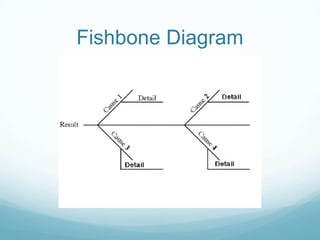
Fishbone Diagram
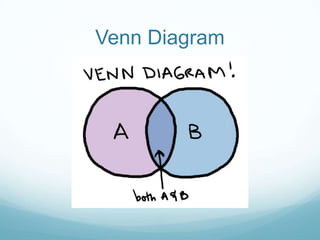
Venn Diagram
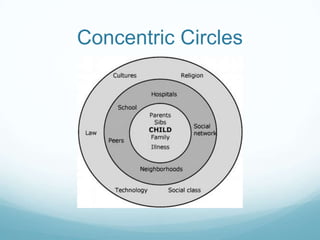
Concentric Circles
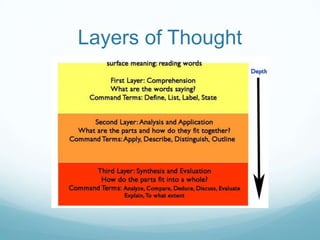
Layers of Thought
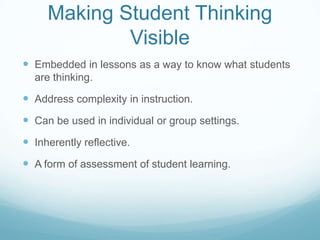
Making Student Thinking
             Visible
 Embedded in lessons as a way to know what students
  are thinking.

 Address complexity in instruction.
 Can be used in individual or group settings.
 Inherently reflective.
 A form of assessment of student learning.
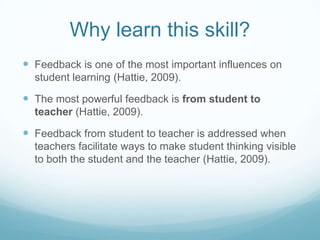
Why learn this skill?
 Feedback is one of the most important influences on
  student learning (Hattie, 2009).

 The most powerful feedback is from student to
  teacher (Hattie, 2009).

 Feedback from student to teacher is addressed when
  teachers facilitate ways to make student thinking visible
  to both the student and the teacher (Hattie, 2009).
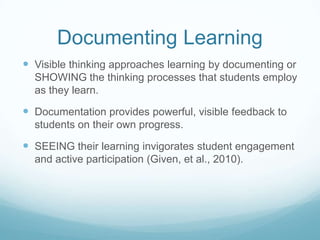
Documenting Learning
 Visible thinking approaches learning by documenting or
  SHOWING the thinking processes that students employ
  as they learn.

 Documentation provides powerful, visible feedback to
  students on their own progress.

 SEEING their learning invigorates student engagement
  and active participation (Given, et al., 2010).
How can it impact classroom
          practice?
 Nonthreatening way to prepare thinking for sharing to
  the group (Nicolini, 2007).

 Nudges students to pay closer attention to class
  materials while forming relationships between ideas
  learned (Nicolini, 2007).

 Finding connections through visible thinking strategies
  cements the learning in tangible ways.

 Makes visible decisions that students make as they
  traverse complexities in the content.
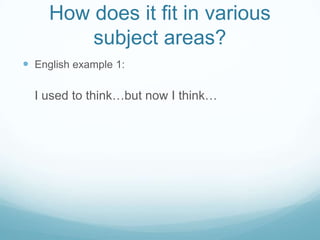
How does it fit in various
         subject areas?
 English example 1:

  I used to think…but now I think…
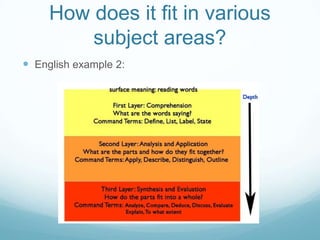
How does it fit in various
         subject areas?
 English example 2:
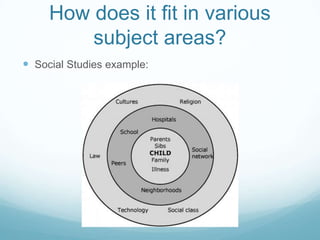
How does it fit in various
         subject areas?
 Social Studies example:
How does it fit in various
        subject areas?
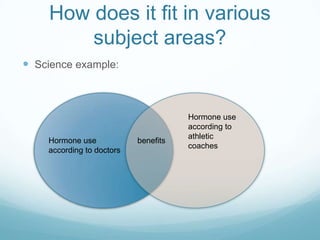
 Science example:


                                      Hormone use
                                      according to
                                      athletic
    Hormone use            benefits
                                      coaches
    according to doctors
How does it fit in various
         subject areas?
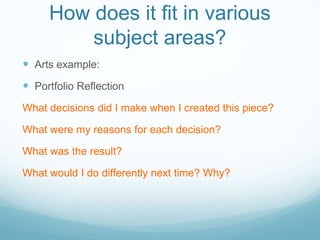
 Arts example:
 Portfolio Reflection
What decisions did I make when I created this piece?

What were my reasons for each decision?

What was the result?

What would I do differently next time? Why?
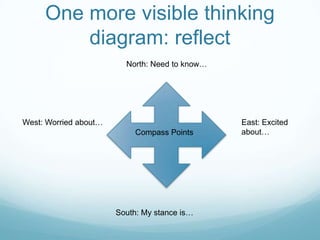
One more visible thinking
         diagram: reflect
                         North: Need to know…


West: Worried about…                            East: Excited
                            Compass Points      about…


                       South: My stance is…
References

Given, H., &Kuh, L., &LeeKeenan, D., &Mardell, B., &Redditt, S., &Twombly, S. (2010). Changing school culture: Using
     documentation to support collaborative inquiry. Theory Into Practice, 49, 36-46. doi 10.1080/00405840903435733

Greitz Miller, R. &Calfee, R.C. (2004). Making thinking visible. Science and Children, 20-25.

Hattie, J. (2009). Visible Learning; A synthesis of over 800 meta-analyses relating to achievement. London: Routledge.

Hattie, J. (2012). Visible Learning for Teachers; Maximing student impact on learning. London: Routledge.

Mardell, B., &Rivardi, M., &Krechevsky, M. (Jan 2012). The power of the group in a kindergarten classroom. Young Children,
    12-19.

McLeelan, S. (2010). Pedagogical documentation as research in early mathematics. The Alberta Journal of Educational
    Research, 56(1), 99-101.

Nicolini, M. B., (2007). Making thinking visible: Writing in the center. The Clearing House, 80(2), 66-69.

Olson, C. B. & Land, R. (2007). A cognitive strategies approach to reading and writing instruction for English language learners.
     Research in the Teaching of English, 41(3), 269-303.

Stickney, J. A. (2009). Wittgenstein’s contextualist approach to judging ‘sound’ teaching: Escaping enthrallment in criteria-
      based assessments. Educational Theory, 59(2), 197-215.

Tabatabaei, O. &Assefi, F. (2012). The effect of portfolio assessment technique on writing performance of EFL learners.
     English Language Teaching, 5(5), 138-147. doi 10.5539/elt.v5n5p138

Whitebread, D., &Coltman, P., & Pasternak, D. P., & Sangster, C., &Grau, V., & Bingham, S., &Almeqdad, Q., &Demetriou, D.
     (2009). The development of two observational tools for assessing metacognition and self-regulated learning in young
     children. Metacognitive Learning, 4, 63-85.

Young, L. P. (2009). Rubrics that develop creativity. English Journal, 99(2), 74-79.

Making Thinking Visible

  • 1.
    Making Thinking VISIBLE Aloha Lavina EDD 8113 CRN 50777 July 29, 2012
  • 2.
    How do theseartifacts SHOW thinking?
  • 3.
  • 4.
  • 5.
  • 6.
  • 7.
    Making Student Thinking Visible  Embedded in lessons as a way to know what students are thinking.  Address complexity in instruction.  Can be used in individual or group settings.  Inherently reflective.  A form of assessment of student learning.
  • 8.
    Why learn thisskill?  Feedback is one of the most important influences on student learning (Hattie, 2009).  The most powerful feedback is from student to teacher (Hattie, 2009).  Feedback from student to teacher is addressed when teachers facilitate ways to make student thinking visible to both the student and the teacher (Hattie, 2009).
  • 9.
    Documenting Learning  Visiblethinking approaches learning by documenting or SHOWING the thinking processes that students employ as they learn.  Documentation provides powerful, visible feedback to students on their own progress.  SEEING their learning invigorates student engagement and active participation (Given, et al., 2010).
  • 10.
    How can itimpact classroom practice?  Nonthreatening way to prepare thinking for sharing to the group (Nicolini, 2007).  Nudges students to pay closer attention to class materials while forming relationships between ideas learned (Nicolini, 2007).  Finding connections through visible thinking strategies cements the learning in tangible ways.  Makes visible decisions that students make as they traverse complexities in the content.
  • 11.
    How does itfit in various subject areas?  English example 1: I used to think…but now I think…
  • 12.
    How does itfit in various subject areas?  English example 2:
  • 13.
    How does itfit in various subject areas?  Social Studies example:
  • 14.
    How does itfit in various subject areas?  Science example: Hormone use according to athletic Hormone use benefits coaches according to doctors
  • 15.
    How does itfit in various subject areas?  Arts example:  Portfolio Reflection What decisions did I make when I created this piece? What were my reasons for each decision? What was the result? What would I do differently next time? Why?
  • 16.
    One more visiblethinking diagram: reflect North: Need to know… West: Worried about… East: Excited Compass Points about… South: My stance is…
  • 17.
    References Given, H., &Kuh,L., &LeeKeenan, D., &Mardell, B., &Redditt, S., &Twombly, S. (2010). Changing school culture: Using documentation to support collaborative inquiry. Theory Into Practice, 49, 36-46. doi 10.1080/00405840903435733 Greitz Miller, R. &Calfee, R.C. (2004). Making thinking visible. Science and Children, 20-25. Hattie, J. (2009). Visible Learning; A synthesis of over 800 meta-analyses relating to achievement. London: Routledge. Hattie, J. (2012). Visible Learning for Teachers; Maximing student impact on learning. London: Routledge. Mardell, B., &Rivardi, M., &Krechevsky, M. (Jan 2012). The power of the group in a kindergarten classroom. Young Children, 12-19. McLeelan, S. (2010). Pedagogical documentation as research in early mathematics. The Alberta Journal of Educational Research, 56(1), 99-101. Nicolini, M. B., (2007). Making thinking visible: Writing in the center. The Clearing House, 80(2), 66-69. Olson, C. B. & Land, R. (2007). A cognitive strategies approach to reading and writing instruction for English language learners. Research in the Teaching of English, 41(3), 269-303. Stickney, J. A. (2009). Wittgenstein’s contextualist approach to judging ‘sound’ teaching: Escaping enthrallment in criteria- based assessments. Educational Theory, 59(2), 197-215. Tabatabaei, O. &Assefi, F. (2012). The effect of portfolio assessment technique on writing performance of EFL learners. English Language Teaching, 5(5), 138-147. doi 10.5539/elt.v5n5p138 Whitebread, D., &Coltman, P., & Pasternak, D. P., & Sangster, C., &Grau, V., & Bingham, S., &Almeqdad, Q., &Demetriou, D. (2009). The development of two observational tools for assessing metacognition and self-regulated learning in young children. Metacognitive Learning, 4, 63-85. Young, L. P. (2009). Rubrics that develop creativity. English Journal, 99(2), 74-79.