Submitted by:
Geeta Hansdah (13PGP079)
Sai Shilpa (13PGP124)
Corporate Background
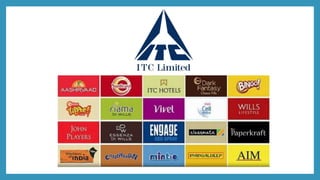
• ITC was incorporated onAugust 24, 1910 under the name of
'ImperialTobacco Company of India Limited'.
• The Company's ownership progressively Indianised, and the name
of the Company was changed to I.T.C. Limited in 1974.
• In recognition of the Company's multi-business portfolio
encompassing a wide range of businesses the full stops in the
Company's name were removed effective September 18, 2001.
The Company now stands rechristened 'ITC Limited'.
 One of the 8 Indian Companies to feature in ‘Forbes A-list’ for 2004
 Only Indian FMCG Company to feature in Forbes 2000 List
 Ranks No. 5 among Indian listed Private Sector Companies by market cap.
 Rated as one of India’s Most Respected Companies (IMRB-Businessworld
Survey 2006)
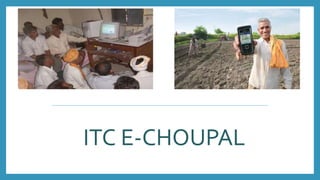
ITC E-CHOUPAL
E-choupal concept
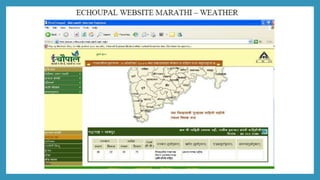
• E-Choupal is a Hindi word which means “village meeting place”
• Market is a meeting place where vendors and customers come together to
do transactions.
• E-Choupal is a virtual market place where farmers can transact directly
with a processor and can realize better price for their produce
• Bottom of pyramid model: It is referred to business model that
deliberately target the poorest socio-economic group constituting large part
of community, often using new technology.
• Launched by the Agri Business Division of ITC in June 2000.
• Distinctive sourcing capability for ITC’s Foods business-Vertical Integration
• One of the largest initiatives among all Internet-based interventions in rural India.
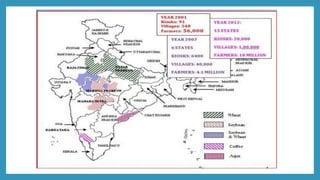
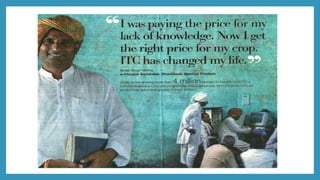
• 'e-Choupal' services today reach out to over 4 million farmers growing a range of crops
- soyabean, coffee, wheat, rice, pulses, shrimp.
• over 40,000 villages through 6500 kiosks across ten states
(Madhya Pradesh, Haryana, Uttarakhand, Karnataka, Andhra Pradesh, Uttar Pradesh,
Rajasthan, Maharashtra, Kerala andTamil Nadu).
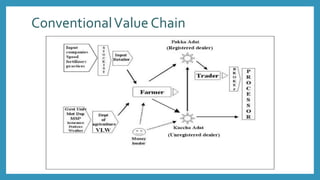
ConventionalValue Chain
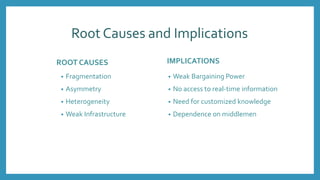
Root Causes and Implications
ROOT CAUSES
• Fragmentation
• Asymmetry
• Heterogeneity
• Weak Infrastructure
IMPLICATIONS
• Weak Bargaining Power
• No access to real-time information
• Need for customized knowledge
• Dependence on middlemen
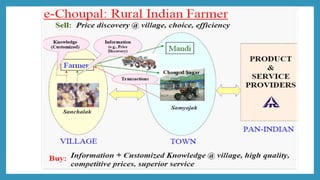
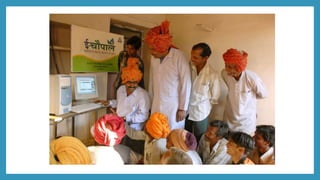
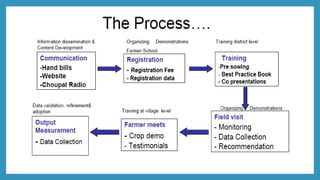
Process @ e-choupal
• Click & Mortar initiative
• ITC sets up a back-up physical service support at Choupal, through sanchalak
• ITC accumulates information and uploads all information on to e-Choupal web
site(Customized)
• weather, modern farming practices, and market prices from sources like Meteorological Department,
Agri-universities, mandis (regional market) etc.
• Sanchalaks access this information and facilitate its dissemination to farmers.
• Power of information is working as the catalyst of transformation of the life of
farmers by helping them to get improved yields from their farms and better price
realization.
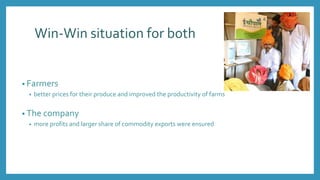
Win-Win situation for both
• Farmers
• better prices for their produce and improved the productivity of farms
• The company
• more profits and larger share of commodity exports were ensured
• Enables transparent transactions with real time information flow.
• Participation of smaller as well as larger farmers.
• Does not attempt total elimination of intermediaries.
• Eliminates the need for hierarchy of brokers.
• Connecting large producers/small producers and small users/large users
• Manage bureaucracy
• Empowers them to when, where and at what price to sell their
produce
• More accurate electronic weighing, faster processing time, and
prompt payment, access etc
• Farmers no longer bear the cost of transporting their crops to
the Mandi, reimbursed for transport to procurement hub
Benefits to the Farmers
• Higher profits for ITC
• Long term supplier relationships with farmers
• Supply security over time
• Better plan future operations
Benefits to ITC
Sanchalak
• Sanchalak is identified from within the e-Choupal village.
• Sanchalak is selected on the basis of
– education, age, family size, caste, political lineage and other affiliation.
• Sanchalak is made to take a public oath in which he swears to perform his job
without any bias with full honesty and commitment.
• Sanchalak encourages farmers to become the member of e-choupal by explaining
to the farmers various benefits, e-choupal can provide.
Sanchalak-Qualities
• Median wealth and status
• Able to read and write
• Part of an extended family
• Risk taking ability
• Willingness to try something new
• Ambitious
• Aspiration of earning additional income
• Recruiting a local farmer from the community serves various purposes
Trust
No need for building physical infrastructure
Acts as approachable and familiar interface for villagers
Motivation for Sanchalak
• A mean to help their community
• A profitable business for themselves
• Getting access to functional computer
• Increased social status
Returns for Sanchalak
• Sanchalak has a transaction-based income stream.
• Some of the Sanchalaks are making close to Rs. 100,000 as income from solely their
e-choupal operations.
• The best Sanchalaks are also given awards in the meeting of Sanchalaks.
Samyojak
• Traditional middle-men who now take care of the warehouse hub.
• Fulfill critical jobs like cash disbursement, quantity aggregation and
transportation.
• No exploitative power due to information symmetry and organization.
Why Samyojaks agree to work with ITC?
• Company has made it clear that they will continue to buy through them.
• Company offers significant commission to samyojak for services.
• Agents are fragmented and fear other agents might gain the promised e-
choupal revenues.
eChoupal facilititates
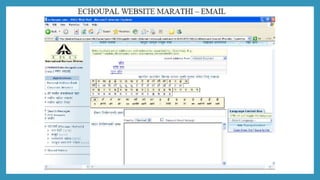
• It transmits Information (weather, prices, news)
• It transfers Knowledge (farm management, risk management)
• It facilitates sales of Farm Inputs (screened for quality)
• It offers the choice of an alternative Output-marketing channel (convenience, lower
transaction costs) to the farmer right at his doorstep
• It is an interlocking network of partnerships (ITC + Met Dept + Universities + Input COs +
Sanyojaks, the erstwhile Commission Agents) bringing the “best-inclass” in information,
knowledge and inputs.
THE SOCIAL IMPACT OF e choupal
• Children are using computers for schoolwork and games.
• Villagers access global resources to learn about agriculture.
• Youngsters in the village use computers to research the latest movies, cell-
phone models, and cricket News.
Other Services through eChoupal
• Distribution of Products and Services to Rural Markets
• Choupal Sagar
• Through Sanchalaks
• Micro marketing
• Product/Services Demos
• Marketing and Brand Building activities
• Pilots
• Bhoomi, e-governance project
• eHealth with Private Health Service Providers
• eEducation
• Rural BPO
EVALUATION OF
E-CHOUPAL
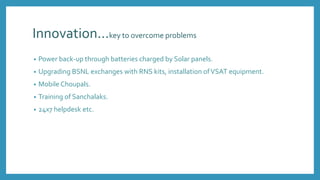
Problems encountered
• Infrastructure inadequacies
• Power supply
• Telecom connectivity and bandwidth
• Impart skills to the first time internet users in remote and inaccessible areas of
rural India.
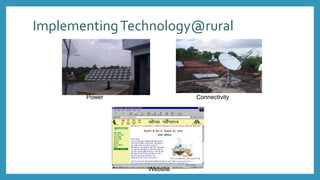
Innovation…key to overcome problems
• Power back-up through batteries charged by Solar panels.
• Upgrading BSNL exchanges with RNS kits, installation ofVSAT equipment.
• Mobile Choupals.
• Training of Sanchalaks.
• 24x7 helpdesk etc.
ImplementingTechnology@rural
Power Connectivity
Website
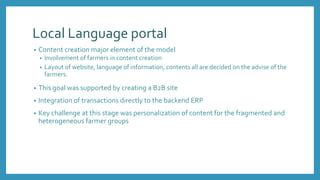
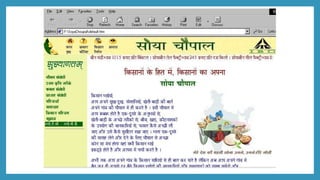
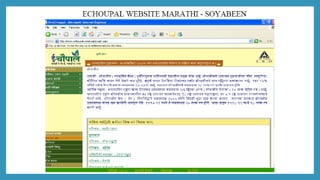
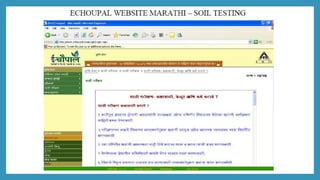
Local Language portal
• Content creation major element of the model
• Involvement of farmers in content creation
• Layout of website, language of information, contents all are decided on the advise of the
farmers.
• This goal was supported by creating a B2B site
• Integration of transactions directly to the backend ERP
• Key challenge at this stage was personalization of content for the fragmented and
heterogeneous farmer groups
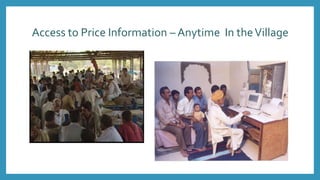
Access to Price Information – Anytime In theVillage
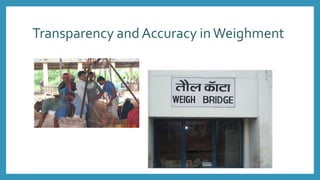
Transparency and Accuracy inWeighment
Modern Methods for Quality Assessment
ITC E-CHOUPAL
7 P’S
Product
• Portal for information dissemination for benefit of farmers.
Place
• e-Choupal within 5km radius serving 10 villages.
• A processing center within 25 - 30 km radius.
People
• Sanchalak
• Samyojak
• Farmers
• ITC staff
Price
• NIL
Process
Physical Distribution
• Sanchalak’s place
• Choupal Sagar
Promotion
• Carries out CSR activities as part of promotions
• Provided livelihood to 5 million people (work, education)
• Social and Farm Forestry
• Water shade development
• Agriculture development
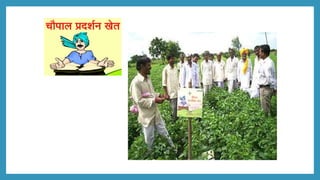
• Choupal Pradarshan Khet
SWOT ANALYSIS
ITC E-Choupal
Strengths
• Delivery of real –time information
• Preference over mandis
• Easy access to any e- Choupal
• Sanchalak is educated & trained in computer operations.
• Low Transactional costs
• Use of Technology
Weaknesses
• Power unavailability in Rural India.
• Poor Telecommunication Infrastructure.
• Lack of proper roads, limiting vehicle access.
• Aggressive influence of Mandi traders.
Opportunities
• Access to the underserved rural markets.
• New business opportunities (similar to choupal sagar).
• Farmers wish to negotiate prices at mandi but face the issue of lack of unity.
• Business partnerships with other companies.
Threats
• Demand for Unwarranted additional payments by the Sanchalaks.
• Competitors attempt to divert produce from farmers.
• Political influence in villages.
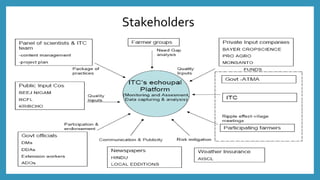
Stakeholders
e-choupal: StrategicThrust
 Procurement: cost & quality optimisation
• sourcing support to the Foods business
• cost-effective sourcing for exports/domestic external business
 Rural Distribution
• ‘last mile connectivity’
• diverse range of goods/services to the rural consumers
 Financial Services
• insurance (focus: weather)
• credit (focus: Kisan credit card scheme)
 Rural retail
• 23 Choupal Saagars operational
• Rapid expansion planned in identified rural markets andTier 2, 3 & 4 towns
Critical Success Factors
• Comprehensive knowledge of rural markets.
• Designing aWin-Win transaction model.
• Selection of Sanchalak.
• Evolving an appropriate user interface(IT).
• Bottom-up model for entrepreneurship.
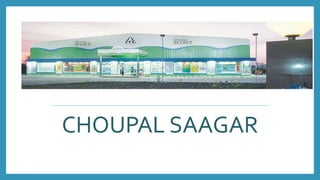
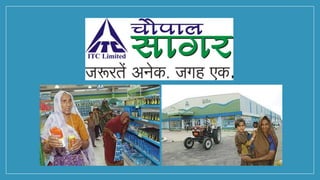
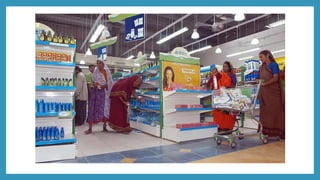
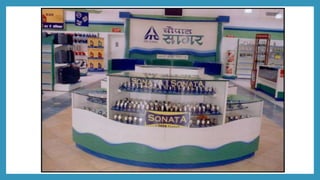
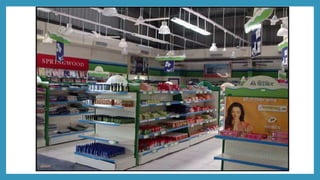
CHOUPAL SAAGAR
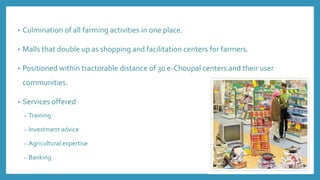
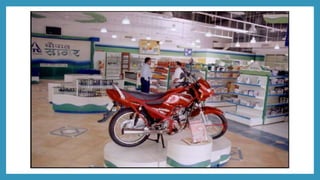
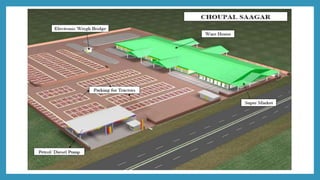
• Culmination of all farming activities in one place.
• Malls that double up as shopping and facilitation centers for farmers.
• Positioned within tractorable distance of 30 e-Choupal centers and their user
communities.
• Services offered
– Training
– Investment advice
– Agricultural expertise
– Banking
Products In choupal saagar
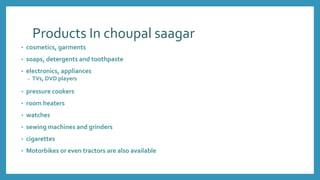
• cosmetics, garments
• soaps, detergents and toothpaste
• electronics, appliances
– TVs, DVD players
• pressure cookers
• room heaters
• watches
• sewing machines and grinders
• cigarettes
• Motorbikes or even tractors are also available
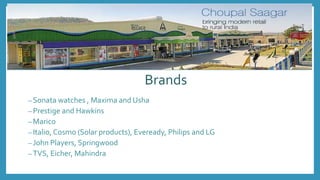
Brands
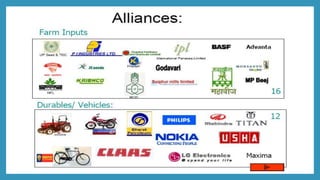
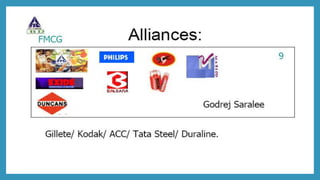
– Sonata watches , Maxima and Usha
– Prestige and Hawkins
– Marico
– Italio, Cosmo (Solar products), Eveready, Philips and LG
– John Players, Springwood
– TVS, Eicher, Mahindra
One Stop destination for farmers
• The farmer, with his family, drives into Choupal Saagar in a tractor trolley laden with the
produce from his field, he proposes to sell.
• His grain weighed on the digital weighing machine, he drives on to the godown where the
produce is unloaded.
• Meanwhile, his kids can enjoy the swings and video games and his wife may like to move
around and select the items she needs for the household.
• As soon as the farmer gets his cash, they make the required purchases and drive back by
evening.
• They can, for a change, have their lunch in the cafeteria.
• If he intends to, he can even carry fertilizers and pesticides and get a diesel fill for his tractor.
• It also has a BPCL outlet selling diesel and petrol, and an average farmer buys fuel for Rs 3,000
or above.
• Each mall has a turnover of over Rs 3 crore per annum.
• 24 choupal saagars
–11 MP
–5 Maharashtra
–8 UP
ITC CSR INITIATIVES
Mission Sunehra Kal
CSR Initiatives through e Choupal : “Sunehra Kal”
Sunerha Kal (CSR) Initiatives focuses upon
• Improving farmer livelihood
• Long term community impact programs
• Livestock Management programs
• Water Management
• Self Help Groups focusing on women
Leveraging capability of
• ITC ‘s management skills
• The knowledge & experience of NGO’s
• ITC is focusing on strengthening primary education, health & sanitation in rural
India.
• Focus on women’s empowerment & gender equality
• Already experimented with the concept in Madhya Pradesh.
• Has plans to expand into Uttar Pradesh and Maharashtra.
CHOUPAL
PRADARSHAN KHET
CSR initiative through ITC E-Choupal
Choupal Pradarshan Khet (CPK)
A Holistic, Integrated farm extension program aimed towards yield
improvement of focus crops
• Holistic: Seed to Seed.
• Integrated: Involvement of all stake holders .
• Yield improvement:Through better & proven Agronomy.
• Focus crops: Strategic interests of the nation.
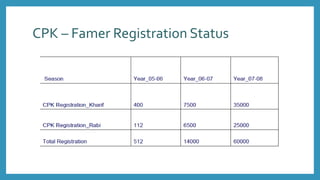
CPK – Famer Registration Status
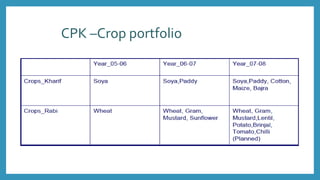
CPK –Crop portfolio
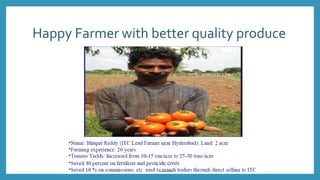
ITC HORTICULTURE
At the backend of ITC E-Choupal
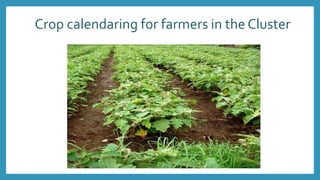
Crop calendaring for farmers in the Cluster
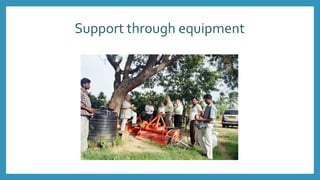
Support through equipment
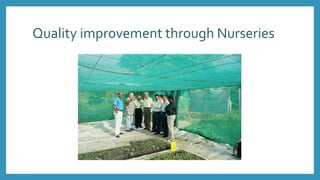
Quality improvement through Nurseries
Happy Farmer with better quality produce
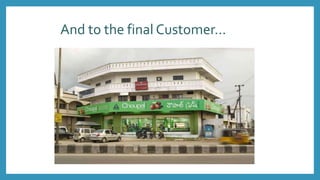
And to the final Customer…
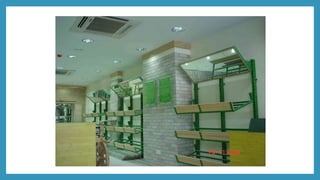
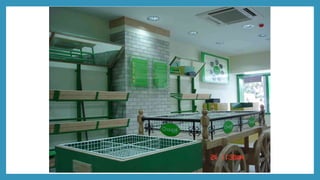
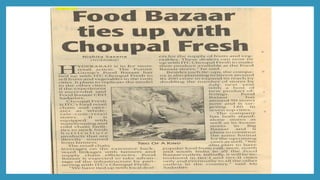
CHOUPAL FRESH
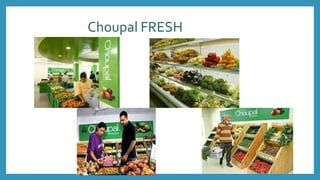
Choupal FRESH
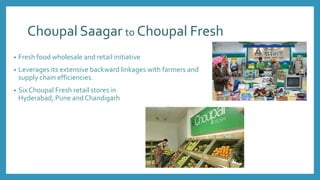
Choupal Saagar to Choupal Fresh
• Fresh food wholesale and retail initiative
• Leverages its extensive backward linkages with farmers and
supply chain efficiencies.
• Six Choupal Fresh retail stores in
Hyderabad, Pune and Chandigarh
The E-Choupal portfolio
• In soya bean-Elimination of non-value adding costs.
• In wheat- value from raceability-establishing of brand “Aashirwad” wheat flour.
• In horticulture –Demand driven production –Value to farmer and consumer” Choupal
Fresh”.
• In potatoes-Variety /quality linked production to brand “BINGO”.
• In crop extension –best practices and technologies to farmers fields through Choupal
Pradarshan khet.
• In rural markets- cost effective delivery of a range of goods and services through Choupal
Saagar
• In rural resource development- water,women empowerment, SHGs, livestock ,education
–sunhera kal.
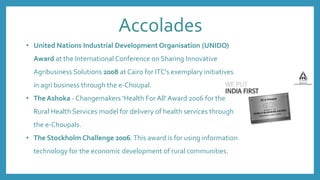
Accolades
• United Nations Industrial Development Organisation (UNIDO)
Award at the International Conference on Sharing Innovative
Agribusiness Solutions 2008 at Cairo for ITC's exemplary initiatives
in agri business through the e-Choupal.
• The Ashoka - Changemakers 'Health For All' Award 2006 for the
Rural Health Services model for delivery of health services through
the e-Choupals.
• The Stockholm Challenge 2006.This award is for using information
technology for the economic development of rural communities.
Strategic Rationale
Blend multiple competencies residing within the ITC Group to create new avenues of
growth.
Best fit between internal capabilities and emerging market opportunities.
Each segment enhances the depth and width of ITC’s FMCG distribution capability.
Business model retains critical elements of value chains within ITC with other elements
outsourced.
References
• http://www.itcportal.com/businesses/agri-business/e-choupal.aspx
• http://www.itcportal.com/media-centre/press-reports-
content.aspx?id=627&type=C&news=CHAUPAL-SAGAR-Unlocking-rural-markets
• http://www.itcportal.com/sustainability/sustainability-report-2013/mission-
sunehra-kal-01.aspx
• http://www.it.iitb.ac.in/~prathabk/egovernance/egov_success_stories_bhoomi.ht
ml
• http://www.business-standard.com/article/companies/itc-delays-choupal-sagar-
project-108120201090_1.html
• http://articles.economictimes.indiatimes.com/2007-10-23/news/27675247_1_big-
bazaar-retail-chain-top-cities
THANKYOU

ITC E-Choupal

  • 1.
    Submitted by: Geeta Hansdah(13PGP079) Sai Shilpa (13PGP124)
  • 3.
    Corporate Background • ITCwas incorporated onAugust 24, 1910 under the name of 'ImperialTobacco Company of India Limited'. • The Company's ownership progressively Indianised, and the name of the Company was changed to I.T.C. Limited in 1974. • In recognition of the Company's multi-business portfolio encompassing a wide range of businesses the full stops in the Company's name were removed effective September 18, 2001. The Company now stands rechristened 'ITC Limited'.
  • 4.
     One ofthe 8 Indian Companies to feature in ‘Forbes A-list’ for 2004  Only Indian FMCG Company to feature in Forbes 2000 List  Ranks No. 5 among Indian listed Private Sector Companies by market cap.  Rated as one of India’s Most Respected Companies (IMRB-Businessworld Survey 2006)
  • 6.
  • 7.
    E-choupal concept • E-Choupalis a Hindi word which means “village meeting place” • Market is a meeting place where vendors and customers come together to do transactions. • E-Choupal is a virtual market place where farmers can transact directly with a processor and can realize better price for their produce • Bottom of pyramid model: It is referred to business model that deliberately target the poorest socio-economic group constituting large part of community, often using new technology.
  • 8.
    • Launched bythe Agri Business Division of ITC in June 2000. • Distinctive sourcing capability for ITC’s Foods business-Vertical Integration • One of the largest initiatives among all Internet-based interventions in rural India. • 'e-Choupal' services today reach out to over 4 million farmers growing a range of crops - soyabean, coffee, wheat, rice, pulses, shrimp. • over 40,000 villages through 6500 kiosks across ten states (Madhya Pradesh, Haryana, Uttarakhand, Karnataka, Andhra Pradesh, Uttar Pradesh, Rajasthan, Maharashtra, Kerala andTamil Nadu).
  • 9.
  • 10.
    Root Causes andImplications ROOT CAUSES • Fragmentation • Asymmetry • Heterogeneity • Weak Infrastructure IMPLICATIONS • Weak Bargaining Power • No access to real-time information • Need for customized knowledge • Dependence on middlemen
  • 12.
    Process @ e-choupal •Click & Mortar initiative • ITC sets up a back-up physical service support at Choupal, through sanchalak • ITC accumulates information and uploads all information on to e-Choupal web site(Customized) • weather, modern farming practices, and market prices from sources like Meteorological Department, Agri-universities, mandis (regional market) etc. • Sanchalaks access this information and facilitate its dissemination to farmers. • Power of information is working as the catalyst of transformation of the life of farmers by helping them to get improved yields from their farms and better price realization.
  • 13.
    Win-Win situation forboth • Farmers • better prices for their produce and improved the productivity of farms • The company • more profits and larger share of commodity exports were ensured
  • 14.
    • Enables transparenttransactions with real time information flow. • Participation of smaller as well as larger farmers. • Does not attempt total elimination of intermediaries. • Eliminates the need for hierarchy of brokers. • Connecting large producers/small producers and small users/large users • Manage bureaucracy
  • 15.
    • Empowers themto when, where and at what price to sell their produce • More accurate electronic weighing, faster processing time, and prompt payment, access etc • Farmers no longer bear the cost of transporting their crops to the Mandi, reimbursed for transport to procurement hub Benefits to the Farmers • Higher profits for ITC • Long term supplier relationships with farmers • Supply security over time • Better plan future operations Benefits to ITC
  • 17.
    Sanchalak • Sanchalak isidentified from within the e-Choupal village. • Sanchalak is selected on the basis of – education, age, family size, caste, political lineage and other affiliation. • Sanchalak is made to take a public oath in which he swears to perform his job without any bias with full honesty and commitment. • Sanchalak encourages farmers to become the member of e-choupal by explaining to the farmers various benefits, e-choupal can provide.
  • 18.
    Sanchalak-Qualities • Median wealthand status • Able to read and write • Part of an extended family • Risk taking ability • Willingness to try something new • Ambitious • Aspiration of earning additional income
  • 20.
    • Recruiting alocal farmer from the community serves various purposes Trust No need for building physical infrastructure Acts as approachable and familiar interface for villagers
  • 21.
    Motivation for Sanchalak •A mean to help their community • A profitable business for themselves • Getting access to functional computer • Increased social status
  • 22.
    Returns for Sanchalak •Sanchalak has a transaction-based income stream. • Some of the Sanchalaks are making close to Rs. 100,000 as income from solely their e-choupal operations. • The best Sanchalaks are also given awards in the meeting of Sanchalaks.
  • 23.
    Samyojak • Traditional middle-menwho now take care of the warehouse hub. • Fulfill critical jobs like cash disbursement, quantity aggregation and transportation. • No exploitative power due to information symmetry and organization.
  • 24.
    Why Samyojaks agreeto work with ITC? • Company has made it clear that they will continue to buy through them. • Company offers significant commission to samyojak for services. • Agents are fragmented and fear other agents might gain the promised e- choupal revenues.
  • 25.
    eChoupal facilititates • Ittransmits Information (weather, prices, news) • It transfers Knowledge (farm management, risk management) • It facilitates sales of Farm Inputs (screened for quality) • It offers the choice of an alternative Output-marketing channel (convenience, lower transaction costs) to the farmer right at his doorstep • It is an interlocking network of partnerships (ITC + Met Dept + Universities + Input COs + Sanyojaks, the erstwhile Commission Agents) bringing the “best-inclass” in information, knowledge and inputs.
  • 26.
    THE SOCIAL IMPACTOF e choupal • Children are using computers for schoolwork and games. • Children are using computers for schoolwork and games. • Villagers access global resources to learn about agriculture. • Youngsters in the village use computers to research the latest movies, cell- phone models, and cricket News.
  • 27.
    Other Services througheChoupal • Distribution of Products and Services to Rural Markets • Choupal Sagar • Through Sanchalaks • Micro marketing • Product/Services Demos • Marketing and Brand Building activities • Pilots • Bhoomi, e-governance project • eHealth with Private Health Service Providers • eEducation • Rural BPO
  • 28.
  • 29.
    Problems encountered • Infrastructureinadequacies • Power supply • Telecom connectivity and bandwidth • Impart skills to the first time internet users in remote and inaccessible areas of rural India.
  • 30.
    Innovation…key to overcomeproblems • Power back-up through batteries charged by Solar panels. • Upgrading BSNL exchanges with RNS kits, installation ofVSAT equipment. • Mobile Choupals. • Training of Sanchalaks. • 24x7 helpdesk etc.
  • 31.
  • 32.
    Local Language portal •Content creation major element of the model • Involvement of farmers in content creation • Layout of website, language of information, contents all are decided on the advise of the farmers. • This goal was supported by creating a B2B site • Integration of transactions directly to the backend ERP • Key challenge at this stage was personalization of content for the fragmented and heterogeneous farmer groups
  • 38.
    Access to PriceInformation – Anytime In theVillage
  • 39.
  • 40.
    Modern Methods forQuality Assessment
  • 41.
  • 42.
    Product • Portal forinformation dissemination for benefit of farmers. Place • e-Choupal within 5km radius serving 10 villages. • A processing center within 25 - 30 km radius. People • Sanchalak • Samyojak • Farmers • ITC staff Price • NIL
  • 43.
  • 44.
    Physical Distribution • Sanchalak’splace • Choupal Sagar Promotion • Carries out CSR activities as part of promotions • Provided livelihood to 5 million people (work, education) • Social and Farm Forestry • Water shade development • Agriculture development • Choupal Pradarshan Khet
  • 45.
  • 46.
    Strengths • Delivery ofreal –time information • Preference over mandis • Easy access to any e- Choupal • Sanchalak is educated & trained in computer operations. • Low Transactional costs • Use of Technology
  • 47.
    Weaknesses • Power unavailabilityin Rural India. • Poor Telecommunication Infrastructure. • Lack of proper roads, limiting vehicle access. • Aggressive influence of Mandi traders.
  • 48.
    Opportunities • Access tothe underserved rural markets. • New business opportunities (similar to choupal sagar). • Farmers wish to negotiate prices at mandi but face the issue of lack of unity. • Business partnerships with other companies.
  • 49.
    Threats • Demand forUnwarranted additional payments by the Sanchalaks. • Competitors attempt to divert produce from farmers. • Political influence in villages.
  • 50.
  • 51.
    e-choupal: StrategicThrust  Procurement:cost & quality optimisation • sourcing support to the Foods business • cost-effective sourcing for exports/domestic external business  Rural Distribution • ‘last mile connectivity’ • diverse range of goods/services to the rural consumers  Financial Services • insurance (focus: weather) • credit (focus: Kisan credit card scheme)  Rural retail • 23 Choupal Saagars operational • Rapid expansion planned in identified rural markets andTier 2, 3 & 4 towns
  • 52.
    Critical Success Factors •Comprehensive knowledge of rural markets. • Designing aWin-Win transaction model. • Selection of Sanchalak. • Evolving an appropriate user interface(IT). • Bottom-up model for entrepreneurship.
  • 54.
  • 56.
    • Culmination ofall farming activities in one place. • Malls that double up as shopping and facilitation centers for farmers. • Positioned within tractorable distance of 30 e-Choupal centers and their user communities. • Services offered – Training – Investment advice – Agricultural expertise – Banking
  • 59.
    Products In choupalsaagar • cosmetics, garments • soaps, detergents and toothpaste • electronics, appliances – TVs, DVD players • pressure cookers • room heaters • watches • sewing machines and grinders • cigarettes • Motorbikes or even tractors are also available
  • 61.
    Brands – Sonata watches, Maxima and Usha – Prestige and Hawkins – Marico – Italio, Cosmo (Solar products), Eveready, Philips and LG – John Players, Springwood – TVS, Eicher, Mahindra
  • 65.
    One Stop destinationfor farmers • The farmer, with his family, drives into Choupal Saagar in a tractor trolley laden with the produce from his field, he proposes to sell. • His grain weighed on the digital weighing machine, he drives on to the godown where the produce is unloaded. • Meanwhile, his kids can enjoy the swings and video games and his wife may like to move around and select the items she needs for the household. • As soon as the farmer gets his cash, they make the required purchases and drive back by evening. • They can, for a change, have their lunch in the cafeteria. • If he intends to, he can even carry fertilizers and pesticides and get a diesel fill for his tractor. • It also has a BPCL outlet selling diesel and petrol, and an average farmer buys fuel for Rs 3,000 or above.
  • 67.
    • Each mallhas a turnover of over Rs 3 crore per annum. • 24 choupal saagars –11 MP –5 Maharashtra –8 UP
  • 68.
  • 69.
    CSR Initiatives throughe Choupal : “Sunehra Kal” Sunerha Kal (CSR) Initiatives focuses upon • Improving farmer livelihood • Long term community impact programs • Livestock Management programs • Water Management • Self Help Groups focusing on women Leveraging capability of • ITC ‘s management skills • The knowledge & experience of NGO’s
  • 70.
    • ITC isfocusing on strengthening primary education, health & sanitation in rural India. • Focus on women’s empowerment & gender equality • Already experimented with the concept in Madhya Pradesh. • Has plans to expand into Uttar Pradesh and Maharashtra.
  • 71.
  • 73.
    Choupal Pradarshan Khet(CPK) A Holistic, Integrated farm extension program aimed towards yield improvement of focus crops • Holistic: Seed to Seed. • Integrated: Involvement of all stake holders . • Yield improvement:Through better & proven Agronomy. • Focus crops: Strategic interests of the nation.
  • 74.
    CPK – FamerRegistration Status
  • 75.
  • 76.
    ITC HORTICULTURE At thebackend of ITC E-Choupal
  • 77.
    Crop calendaring forfarmers in the Cluster
  • 78.
  • 79.
  • 80.
    Happy Farmer withbetter quality produce
  • 81.
    And to thefinal Customer…
  • 82.
  • 83.
  • 86.
    Choupal Saagar toChoupal Fresh • Fresh food wholesale and retail initiative • Leverages its extensive backward linkages with farmers and supply chain efficiencies. • Six Choupal Fresh retail stores in Hyderabad, Pune and Chandigarh
  • 88.
    The E-Choupal portfolio •In soya bean-Elimination of non-value adding costs. • In wheat- value from raceability-establishing of brand “Aashirwad” wheat flour. • In horticulture –Demand driven production –Value to farmer and consumer” Choupal Fresh”. • In potatoes-Variety /quality linked production to brand “BINGO”. • In crop extension –best practices and technologies to farmers fields through Choupal Pradarshan khet. • In rural markets- cost effective delivery of a range of goods and services through Choupal Saagar • In rural resource development- water,women empowerment, SHGs, livestock ,education –sunhera kal.
  • 89.
    Accolades • United NationsIndustrial Development Organisation (UNIDO) Award at the International Conference on Sharing Innovative Agribusiness Solutions 2008 at Cairo for ITC's exemplary initiatives in agri business through the e-Choupal. • The Ashoka - Changemakers 'Health For All' Award 2006 for the Rural Health Services model for delivery of health services through the e-Choupals. • The Stockholm Challenge 2006.This award is for using information technology for the economic development of rural communities.
  • 90.
    Strategic Rationale Blend multiplecompetencies residing within the ITC Group to create new avenues of growth. Best fit between internal capabilities and emerging market opportunities. Each segment enhances the depth and width of ITC’s FMCG distribution capability. Business model retains critical elements of value chains within ITC with other elements outsourced.
  • 92.
    References • http://www.itcportal.com/businesses/agri-business/e-choupal.aspx • http://www.itcportal.com/media-centre/press-reports- content.aspx?id=627&type=C&news=CHAUPAL-SAGAR-Unlocking-rural-markets •http://www.itcportal.com/sustainability/sustainability-report-2013/mission- sunehra-kal-01.aspx • http://www.it.iitb.ac.in/~prathabk/egovernance/egov_success_stories_bhoomi.ht ml • http://www.business-standard.com/article/companies/itc-delays-choupal-sagar- project-108120201090_1.html • http://articles.economictimes.indiatimes.com/2007-10-23/news/27675247_1_big- bazaar-retail-chain-top-cities
  • 93.

Editor's Notes

  • #52 FMCG, consumer durables, agri-inputs, paid extension services etc.
  • #74 'Choupal Pradarshan Khet', the new initiative will have agriculture scientists advising 7,500 farmers about good farm practices across Uttar Pradesh, Madhya Pradesh, Rajasthan and Maharashtra during the Kharif season.