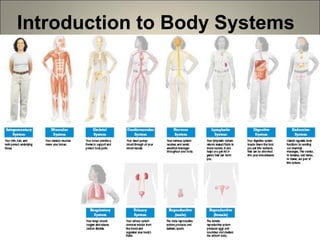
Introduction to Body Systems
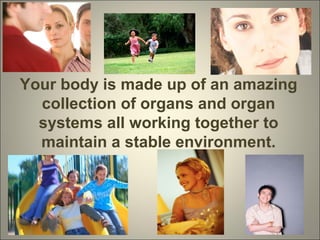
Your body is made up of an amazing
collection of organs and organ
systems all working together to
maintain a stable environment.
Homeostasis is the
ability of an
organism to
maintain a stable
internal
environment while
living in a changing
external
environment.
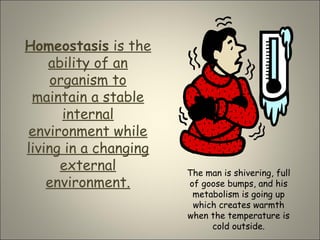
The man is shivering, full
of goose bumps, and his
metabolism is going up
which creates warmth
when the temperature is
cold outside.
Your body is
continually
working to
maintain
homeostasis.
Look at the pictures on the next 4 slides.
Explain how the body is demonstrating
homeostasis in each picture.
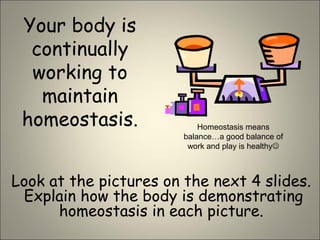
Homeostasis means
balance…a good balance of
work and play is healthy
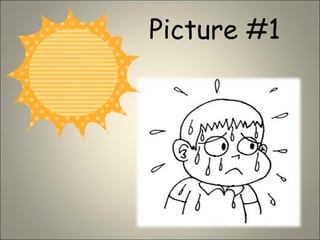
Picture #1
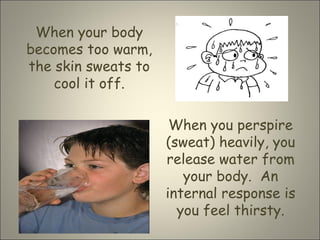
When your body
becomes too warm,
the skin sweats to
cool it off.
When you perspire
(sweat) heavily, you
release water from
your body. An
internal response is
you feel thirsty.
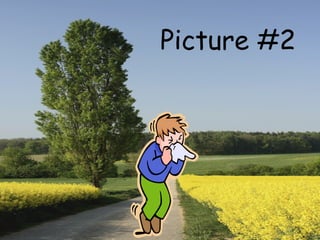
Picture #2
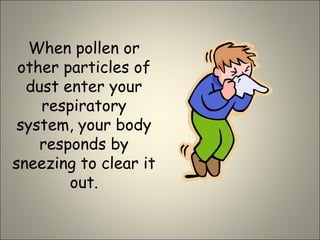
When pollen or
other particles of
dust enter your
respiratory
system, your body
responds by
sneezing to clear it
out.
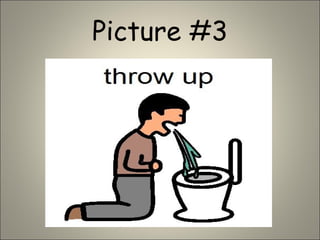
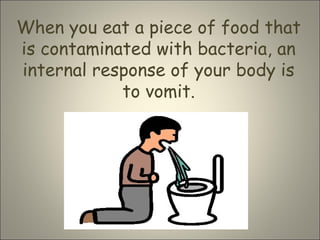
Picture #3
When you eat a piece of food that
is contaminated with bacteria, an
internal response of your body is
to vomit.
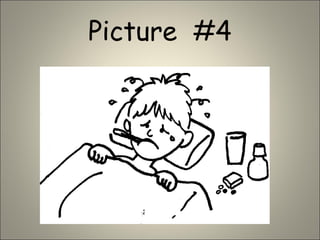
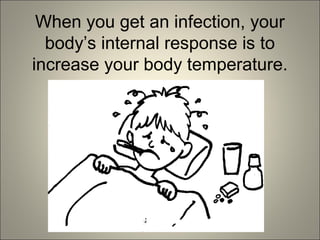
Picture #4
When you get an infection, your
body’s internal response is to
increase your body temperature.
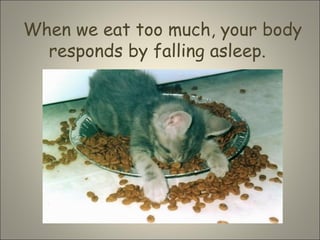
When we eat too much, your body
responds by falling asleep.
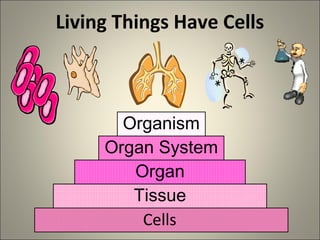
Living Things Have Cells
Cells
Tissue
Organ
Organ System
Organism
Cells
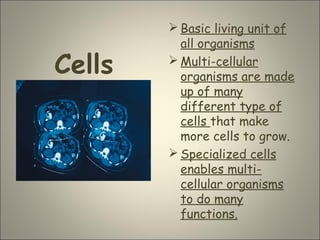
 Basic living unit of
all organisms
 Multi-cellular
organisms are made
up of many
different type of
cells that make
more cells to grow.
 Specialized cells
enables multi-
cellular organisms
to do many
functions.
Tissue
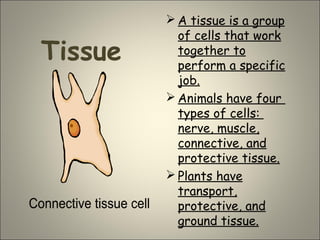
 A tissue is a group
of cells that work
together to
perform a specific
job.
 Animals have four
types of cells:
nerve, muscle,
connective, and
protective tissue.
 Plants have
transport,
protective, and
ground tissue.
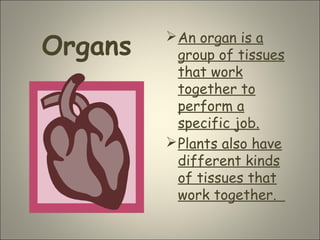
Organs
An organ is a
group of tissues
that work
together to
perform a
specific job.
Plants also have
different kinds
of tissues that
work together.
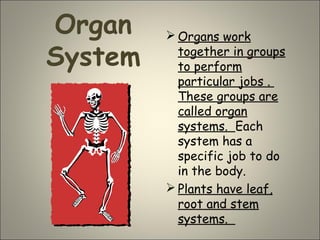
Organ
System
 Organs work
together in groups
to perform
particular jobs .
These groups are
called organ
systems. Each
system has a
specific job to do
in the body.
 Plants have leaf,
root and stem
systems.
Cells
Tissue
Organ
Organ System
Organism
Which
leads to…
Quiz Time
Stimulus
• Ate turkey at your
aunt’s house and started
feeling bad.
Response
• In the bathroom
throwing up!
• Worms show up,
crawling around on the
sidewalk.
• It has been raining.
• The days become cooler
and the nights get
colder.
• Leaves turn autumn
colors of red, orange,
yellow, and brown.
• Bunnies typically run
into the bushes.
• Sense humans, cars,
bikes, really anything
coming.
TAKS Question 1
• The process of
walking requires a
complicated and
specific coordination
of movements. At
what level does the
movement that
allows you to walk
occur?
• Cellular
• Tissue
• Organ
• System
• Movement occurs at the level of the
individual muscles and bones
TAKS
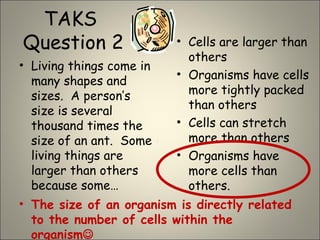
Question 2
• Living things come in
many shapes and
sizes. A person’s
size is several
thousand times the
size of an ant. Some
living things are
larger than others
because some…
• Cells are larger than
others
• Organisms have cells
more tightly packed
than others
• Cells can stretch
more than others
• Organisms have
more cells than
others.
• The size of an organism is directly related
to the number of cells within the
organism
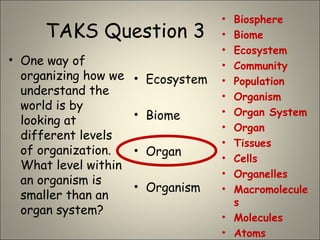
TAKS Question 3
• One way of
organizing how we
understand the
world is by
looking at
different levels
of organization.
What level within
an organism is
smaller than an
organ system?
• Ecosystem
• Biome
• Organ
• Organism
• Biosphere
• Biome
• Ecosystem
• Community
• Population
• Organism
• Organ System
• Organ
• Tissues
• Cells
• Organelles
• Macromolecule
s
• Molecules
• Atoms
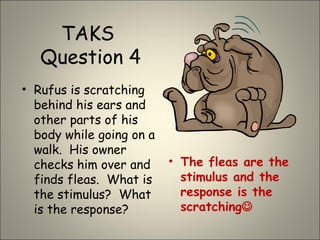
TAKS
Question 4
• Rufus is scratching
behind his ears and
other parts of his
body while going on a
walk. His owner
checks him over and
finds fleas. What is
the stimulus? What
is the response?
• The fleas are the
stimulus and the
response is the
scratching

Introduction to Human Body Systems

  • 1.
  • 2.
    Your body ismade up of an amazing collection of organs and organ systems all working together to maintain a stable environment.
  • 3.
    Homeostasis is the abilityof an organism to maintain a stable internal environment while living in a changing external environment. The man is shivering, full of goose bumps, and his metabolism is going up which creates warmth when the temperature is cold outside.
  • 4.
    Your body is continually workingto maintain homeostasis. Look at the pictures on the next 4 slides. Explain how the body is demonstrating homeostasis in each picture. Homeostasis means balance…a good balance of work and play is healthy
  • 5.
  • 6.
    When your body becomestoo warm, the skin sweats to cool it off. When you perspire (sweat) heavily, you release water from your body. An internal response is you feel thirsty.
  • 7.
  • 8.
    When pollen or otherparticles of dust enter your respiratory system, your body responds by sneezing to clear it out.
  • 9.
  • 10.
    When you eata piece of food that is contaminated with bacteria, an internal response of your body is to vomit.
  • 11.
  • 12.
    When you getan infection, your body’s internal response is to increase your body temperature.
  • 13.
    When we eattoo much, your body responds by falling asleep.
  • 14.
    Living Things HaveCells Cells Tissue Organ Organ System Organism
  • 15.
    Cells  Basic livingunit of all organisms  Multi-cellular organisms are made up of many different type of cells that make more cells to grow.  Specialized cells enables multi- cellular organisms to do many functions.
  • 16.
    Tissue  A tissueis a group of cells that work together to perform a specific job.  Animals have four types of cells: nerve, muscle, connective, and protective tissue.  Plants have transport, protective, and ground tissue.
  • 17.
    Organs An organ isa group of tissues that work together to perform a specific job. Plants also have different kinds of tissues that work together.
  • 18.
    Organ System  Organs work togetherin groups to perform particular jobs . These groups are called organ systems. Each system has a specific job to do in the body.  Plants have leaf, root and stem systems.
  • 19.
  • 20.
    Quiz Time Stimulus • Ateturkey at your aunt’s house and started feeling bad. Response • In the bathroom throwing up! • Worms show up, crawling around on the sidewalk. • It has been raining. • The days become cooler and the nights get colder. • Leaves turn autumn colors of red, orange, yellow, and brown. • Bunnies typically run into the bushes. • Sense humans, cars, bikes, really anything coming.
  • 21.
    TAKS Question 1 •The process of walking requires a complicated and specific coordination of movements. At what level does the movement that allows you to walk occur? • Cellular • Tissue • Organ • System • Movement occurs at the level of the individual muscles and bones
  • 22.
    TAKS Question 2 • Livingthings come in many shapes and sizes. A person’s size is several thousand times the size of an ant. Some living things are larger than others because some… • Cells are larger than others • Organisms have cells more tightly packed than others • Cells can stretch more than others • Organisms have more cells than others. • The size of an organism is directly related to the number of cells within the organism
  • 23.
    TAKS Question 3 •One way of organizing how we understand the world is by looking at different levels of organization. What level within an organism is smaller than an organ system? • Ecosystem • Biome • Organ • Organism • Biosphere • Biome • Ecosystem • Community • Population • Organism • Organ System • Organ • Tissues • Cells • Organelles • Macromolecule s • Molecules • Atoms
  • 24.
    TAKS Question 4 • Rufusis scratching behind his ears and other parts of his body while going on a walk. His owner checks him over and finds fleas. What is the stimulus? What is the response? • The fleas are the stimulus and the response is the scratching