Internal Behavior
Prepared by:
Ashak Hossan
Ethics:

A group of moral principles or set
of values that define or direct us
to the right choice
to the right choice
Factors That Influence Workplace Behavior







Philosophy and Standards of the organization.
Leadership style of supervisors
How meaningful or important the work is.
How challenging the work is for the person
How the person fits in with coworkers
Personal characteristics of a worker such as
abilities, interests, aptitudes, values, and
expectations
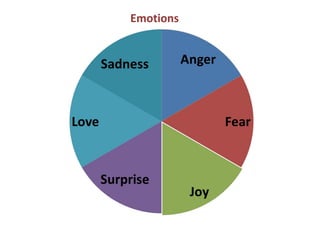
Emotions
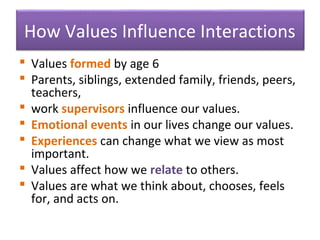
How Values Influence Interactions
 Values formed by age 6
 Parents, siblings, extended family, friends, peers,
teachers,
 work supervisors influence our values.
 Emotional events in our lives change our values.
 Experiences can change what we view as most
important.
 Values affect how we relate to others.
 Values are what we think about, chooses, feels
for, and acts on.
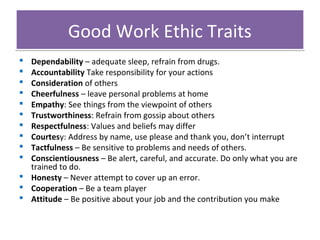
Good Work Ethic Traits
Dependability – adequate sleep, refrain from drugs.
Accountability Take responsibility for your actions
Consideration of others
Cheerfulness – leave personal problems at home
Empathy: See things from the viewpoint of others
Trustworthiness: Refrain from gossip about others
Respectfulness: Values and beliefs may differ
Courtesy: Address by name, use please and thank you, don’t interrupt
Tactfulness – Be sensitive to problems and needs of others.
Conscientiousness – Be alert, careful, and accurate. Do only what you are
trained to do.
 Honesty – Never attempt to cover up an error.
 Cooperation – Be a team player
 Attitude – Be positive about your job and the contribution you make










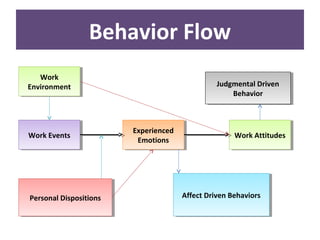
Behavior Flow
Work
Work
Environment
Environment

Work Events
Work Events

Personal Dispositions

Judgmental Driven
Judgmental Driven
Behavior
Behavior

Experienced
Experienced
Emotions
Emotions

Work Attitudes
Work Attitudes

Affect Driven Behaviors
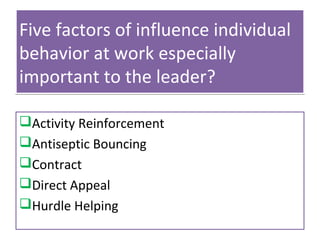
Five factors of influence individual
behavior at work especially
important to the leader?
Activity Reinforcement
Antiseptic Bouncing
Contract
Direct Appeal
Hurdle Helping
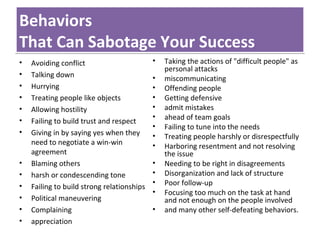
Behaviors
That Can Sabotage Your Success
•
•
•
•
•
•
•

•
•
•
•
•
•

Avoiding conflict
Talking down
Hurrying
Treating people like objects
Allowing hostility
Failing to build trust and respect
Giving in by saying yes when they
need to negotiate a win-win
agreement
Blaming others
harsh or condescending tone
Failing to build strong relationships
Political maneuvering
Complaining
appreciation

•
•
•
•
•
•
•
•
•
•
•
•
•
•

Taking the actions of "difficult people" as
personal attacks
miscommunicating
Offending people
Getting defensive
admit mistakes
ahead of team goals
Failing to tune into the needs
Treating people harshly or disrespectfully
Harboring resentment and not resolving
the issue
Needing to be right in disagreements
Disorganization and lack of structure
Poor follow-up
Focusing too much on the task at hand
and not enough on the people involved
and many other self-defeating behaviors.
Thank You

for your participation

Internal behavior

  • 1.
  • 2.
    Ethics: A group ofmoral principles or set A group of moral principles or set of values that define or direct us of values that define or direct us to the right choice to the right choice
  • 3.
    Factors That InfluenceWorkplace Behavior       Philosophy and Standards of the organization. Leadership style of supervisors How meaningful or important the work is. How challenging the work is for the person How the person fits in with coworkers Personal characteristics of a worker such as abilities, interests, aptitudes, values, and expectations
  • 4.
  • 5.
    How Values InfluenceInteractions  Values formed by age 6  Parents, siblings, extended family, friends, peers, teachers,  work supervisors influence our values.  Emotional events in our lives change our values.  Experiences can change what we view as most important.  Values affect how we relate to others.  Values are what we think about, chooses, feels for, and acts on.
  • 6.
    Good Work EthicTraits Dependability – adequate sleep, refrain from drugs. Accountability Take responsibility for your actions Consideration of others Cheerfulness – leave personal problems at home Empathy: See things from the viewpoint of others Trustworthiness: Refrain from gossip about others Respectfulness: Values and beliefs may differ Courtesy: Address by name, use please and thank you, don’t interrupt Tactfulness – Be sensitive to problems and needs of others. Conscientiousness – Be alert, careful, and accurate. Do only what you are trained to do.  Honesty – Never attempt to cover up an error.  Cooperation – Be a team player  Attitude – Be positive about your job and the contribution you make          
  • 7.
    Behavior Flow Work Work Environment Environment Work Events WorkEvents Personal Dispositions Personal Dispositions Judgmental Driven Judgmental Driven Behavior Behavior Experienced Experienced Emotions Emotions Work Attitudes Work Attitudes Affect Driven Behaviors Affect Driven Behaviors
  • 8.
    Five factors ofinfluence individual behavior at work especially important to the leader? Activity Reinforcement Antiseptic Bouncing Contract Direct Appeal Hurdle Helping
  • 9.
    Behaviors That Can SabotageYour Success • • • • • • • • • • • • • Avoiding conflict Talking down Hurrying Treating people like objects Allowing hostility Failing to build trust and respect Giving in by saying yes when they need to negotiate a win-win agreement Blaming others harsh or condescending tone Failing to build strong relationships Political maneuvering Complaining appreciation • • • • • • • • • • • • • • Taking the actions of "difficult people" as personal attacks miscommunicating Offending people Getting defensive admit mistakes ahead of team goals Failing to tune into the needs Treating people harshly or disrespectfully Harboring resentment and not resolving the issue Needing to be right in disagreements Disorganization and lack of structure Poor follow-up Focusing too much on the task at hand and not enough on the people involved and many other self-defeating behaviors.
  • 10.
    Thank You for yourparticipation