Advances in molecular pathogenesis
 Mechanism of killing by humoral and cellular defenses
 Complement
 Inflammatory process
1Advances in Molecular Pathogenesis1/12/2016
IMMUNE SYSTEM
Immunity — the state of protection from infectious disease.
— has both a less specific and more specific
component.
 The less specific component, innate immunity, provides
the first line of defense against infection.
 Adaptive immunity responds to the challenge with a high
degree of specificity as well as the remarkable property of
“memory.”
2Advances in Molecular Pathogenesis1/12/2016
INNATE IMMUNITY
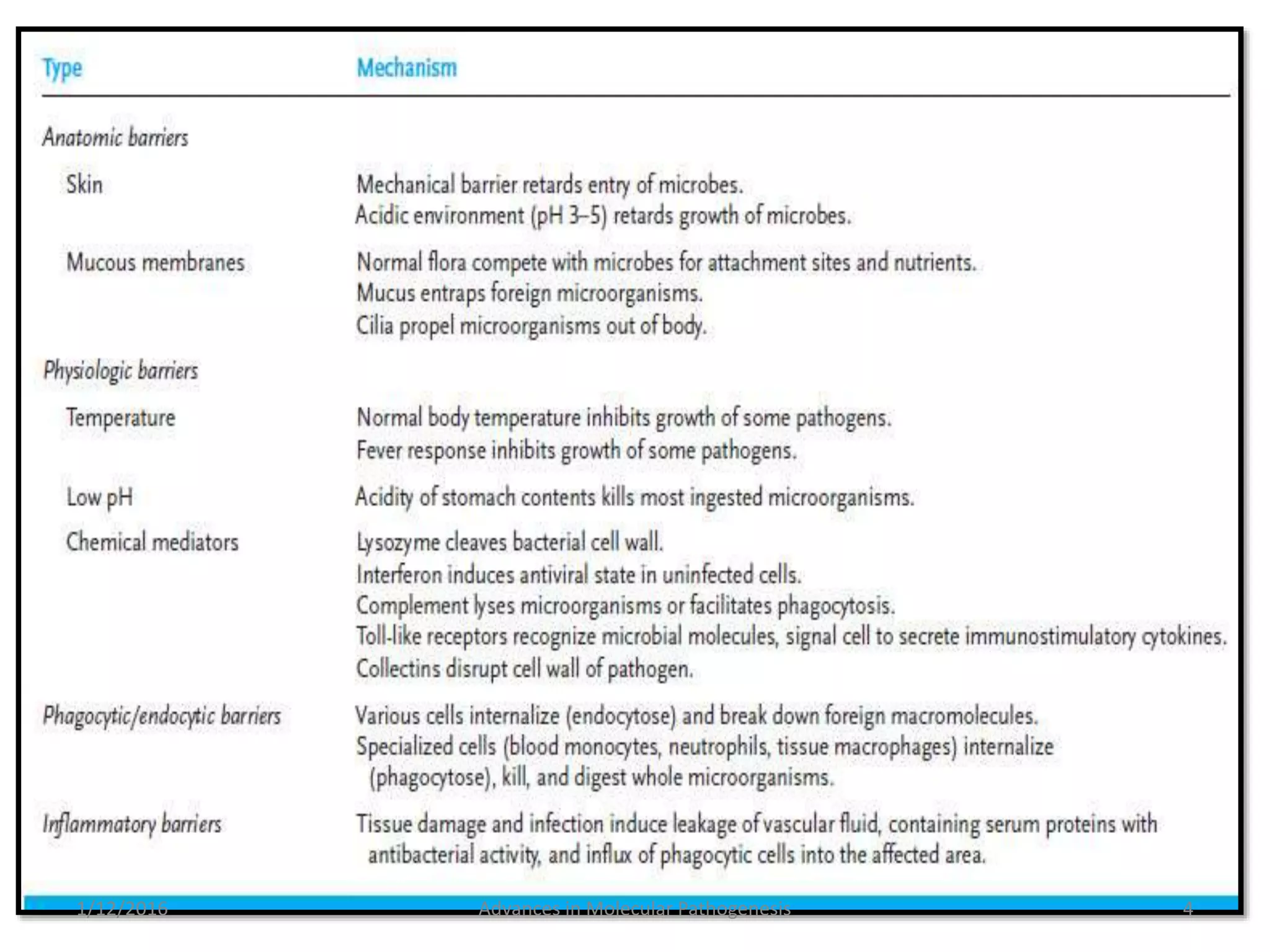
Innate immunity can be seen to comprise four types
of defensive barriers:
 Anatomic
 Physiologic
 Phagocytic
 Inflammatory
3Advances in Molecular Pathogenesis1/12/2016
4Advances in Molecular Pathogenesis1/12/2016
PHYSICAL AND CHEMICAL BARRIERS
• Skin
– Effective
mechanical barrier
– Skin – Associated
Lymphoid tissues
(SALT)
• Langerhans cells
• Interdigitating
dendritic cells
• Intraepidermal
Lymphocyte –
functions as T cells
– Macrophages
present at the
dermal layer
5Advances in Molecular Pathogenesis1/12/2016
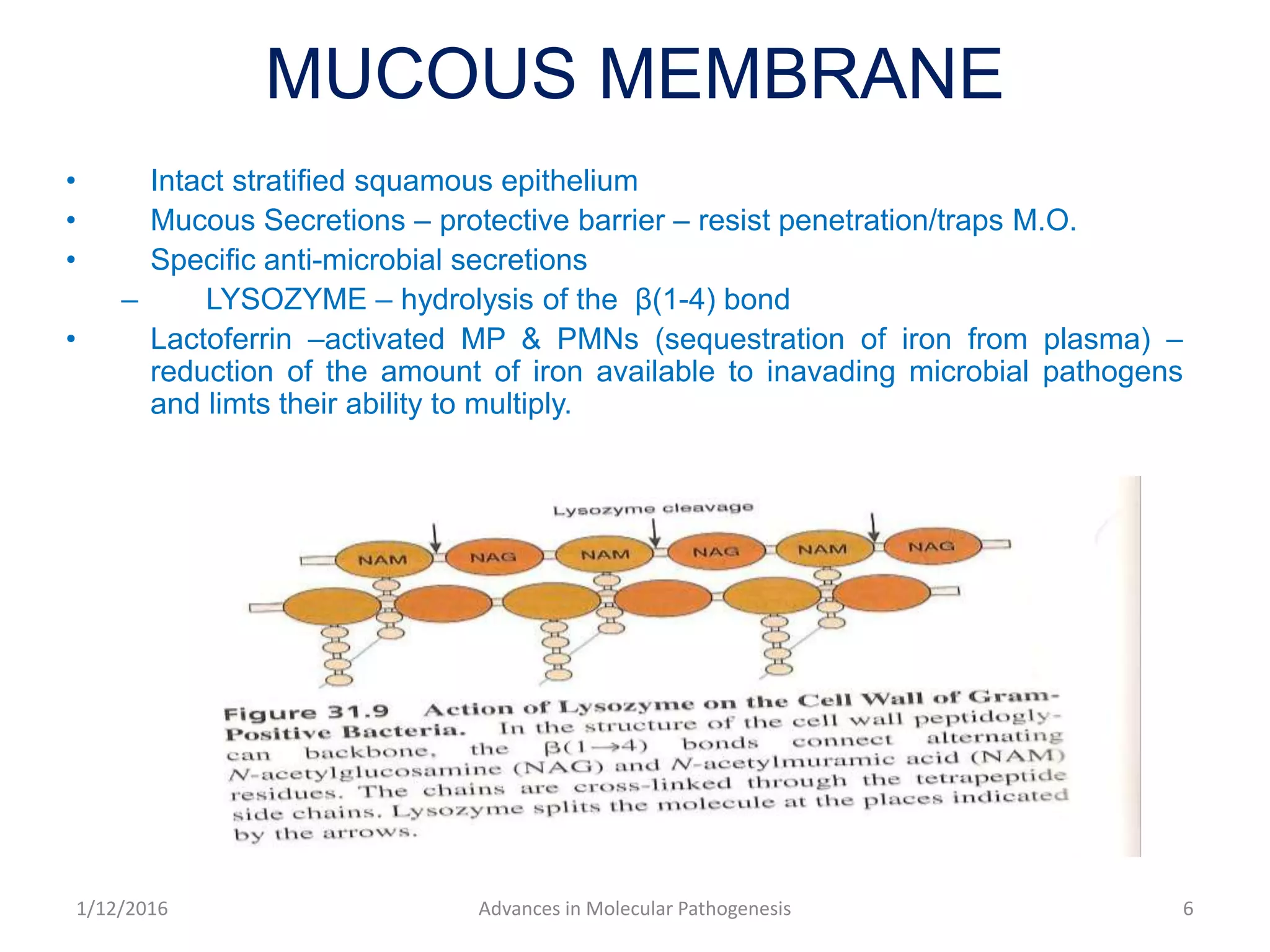
MUCOUS MEMBRANE
• Intact stratified squamous epithelium
• Mucous Secretions – protective barrier – resist penetration/traps M.O.
• Specific anti-microbial secretions
– LYSOZYME – hydrolysis of the β(1-4) bond
• Lactoferrin –activated MP & PMNs (sequestration of iron from plasma) –
reduction of the amount of iron available to inavading microbial pathogens
and limts their ability to multiply.
6Advances in Molecular Pathogenesis1/12/2016
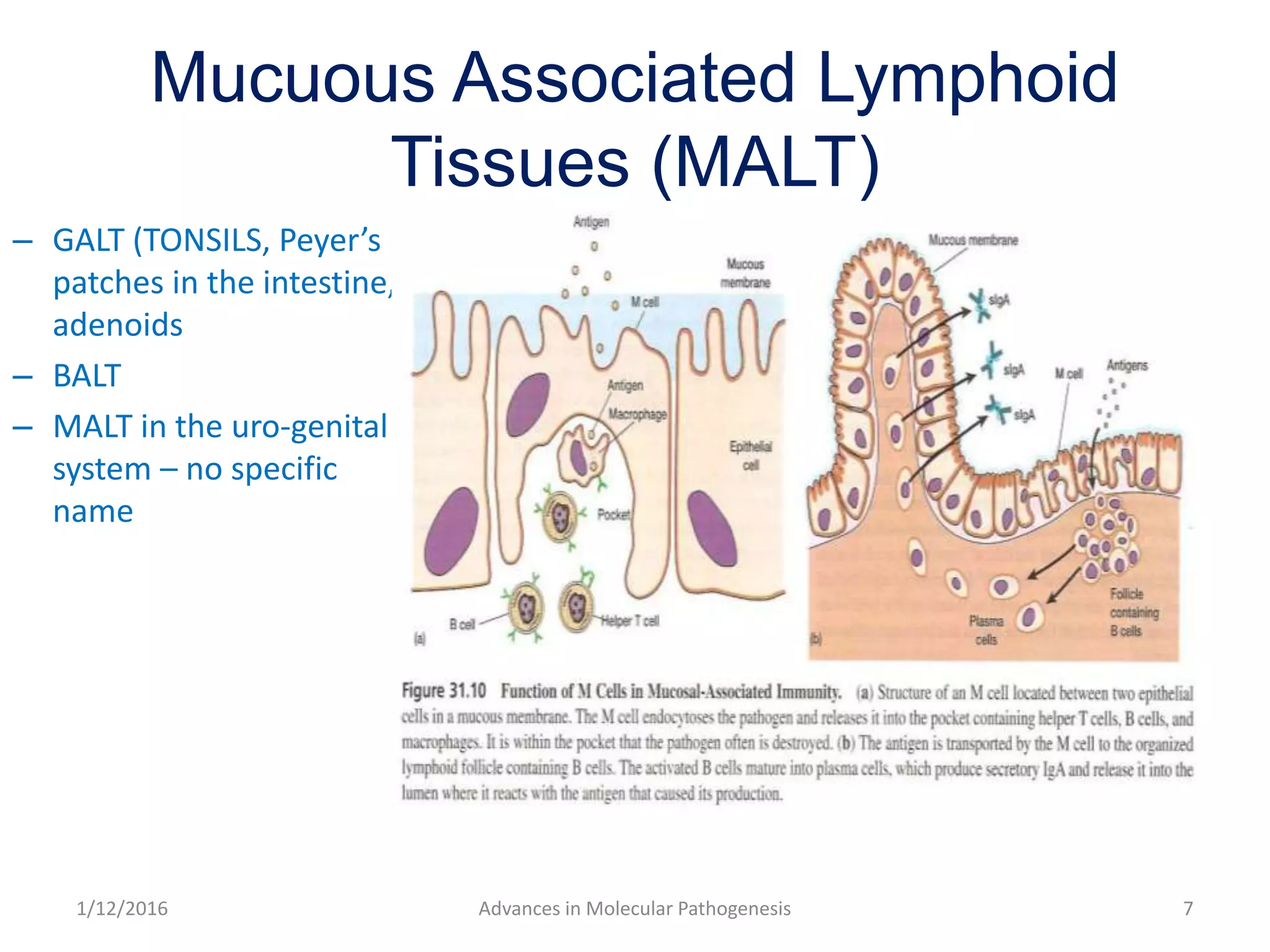
Mucuous Associated Lymphoid
Tissues (MALT)
– GALT (TONSILS, Peyer’s
patches in the intestine,
adenoids
– BALT
– MALT in the uro-genital
system – no specific
name
7Advances in Molecular Pathogenesis1/12/2016
RESPIRATORY SYSTEM
• Inhale 8 M.O./Minute – 10,000 orgs. A day
• Sticky mucosal surface
• Cilia – mucociliary escalator
• Humidification of the air – hygroscopic – M.O. enlarge.
• Muco-ciliary blanket – less than 10 microns – transported
by cilia
• Coughing & Sneezing reflexes
• Salivation – washes the M.O. from the mouth & naso-
pharyngeal areas into the mouth.
• Alveolar Macrophages –fixed phagocytic cells
8Advances in Molecular Pathogenesis1/12/2016
GASTROINTESTINAL TRACT
• ACIDIC pH
• Small intestine – various pancreatic enzymes, bile, enzymes in
intestinal secretions, GALT system.
• Peristalsis, loss of columnar cells –purging intestinal M.O.
• Preventing establishment of M.O. – production. of metabolic
products –fatty acids – prevent establishment
• Competition of nutrients & binding sites
• Paneth Cells in mucous membrane of the intestinal cells.
• Cells produce lysozyme – a set of peptides – cryptins. (mode of
action not known)
9Advances in Molecular Pathogenesis1/12/2016
GENITOURINARY TRACT
• Urine – Low pH – presence of urea –metabolic end products (uric
acid, hippuric acid, indican, fatty acids, mucin, enzymes)
• Kidney medulla –hypertonic – few organism only can survive.
• Lower urinary tract – flushed with urine and some mucus 4-10
times/day.
• In males, the anatomical length of urethra (20 cm) –distance
barrier –exclusion of M.O. from the urinary bladder – short urethra
– 5 cm in females – GENERAL UTI 14 TIMES MORE COMMON
IN FEMALES THAN IN MALES
• Cervical mucus in female has antibacterial activity.
10Advances in Molecular Pathogenesis1/12/2016
EYE
• Specialized mucus-secreting epithelial membrane that lines the
interior surface of each eyelid and the exposed surface of the
eyeball. It is kept moist by the continuous flushing action of tears
(lacrimal fluid) from the lacrimal glands.
• Tears contain large amounts of lysozyme, lactoferrin and sIgA and
thus provide chemical as well as physical protection.
11Advances in Molecular Pathogenesis1/12/2016
LIMITATIONS OF FREE IRON
• The use of iron as a cofactor in basic metabolic
pathways is essential to both pathogenic
microorganisms and their hosts.
• It is also a pivotal component of the innate immune
response through its role in the generation of toxic
oxygen and nitrogen intermediates.
• During evolution, the shared requirement of micro-
and macroorganisms for this important nutrient has
shaped the pathogen–host relationship
• Pathogens compete with the host for iron, and the
host uses iron to counteract this threat.
Requirement
• Most thorougly Studied Nutrient in the Infectious
Process.
• 0.4 – 4 mol/L of iron for growth
• Most iron available – myoglobin and hemoglobin
121/12/2016 Advances in Molecular Pathogenesis
13
• Ferric iron (Fe3+) – primarily as highly insoluble hydroxides, carbonates & phosphates.
• Conc. of free iron – blood, lymph, extra-cellular tissue fluid and external secretions –low – 10-18 mol/L Fe3+
even though iron is the second-most abundant metal on Earth
• Host’s iron-binding and transport proteins –transferrin in blood and lymph, and lactoferrrin in external
secretions.
• Transferrin and lactoferrin – high association constants –only partially saturated under normal iron
metabolism
• Ferritin and hemoglobin also bind iron.
• Most bacteria – Low Affinity Iron Assimilation System.
• Some bacteria – high affinity systems – Siderophores – small (MW 500-1000) ligands that are specific for
ferric iron –supply iron to the bacterial cell
• Enterobactin - best characterized of the catechols (phenolates) –produced in low iron conditions – can
remove iron from transferrin
• Ferrichrome best characterized of the hydoraxamtes
1/12/2016 Advances in Molecular Pathogenesis
Role of Fe3+
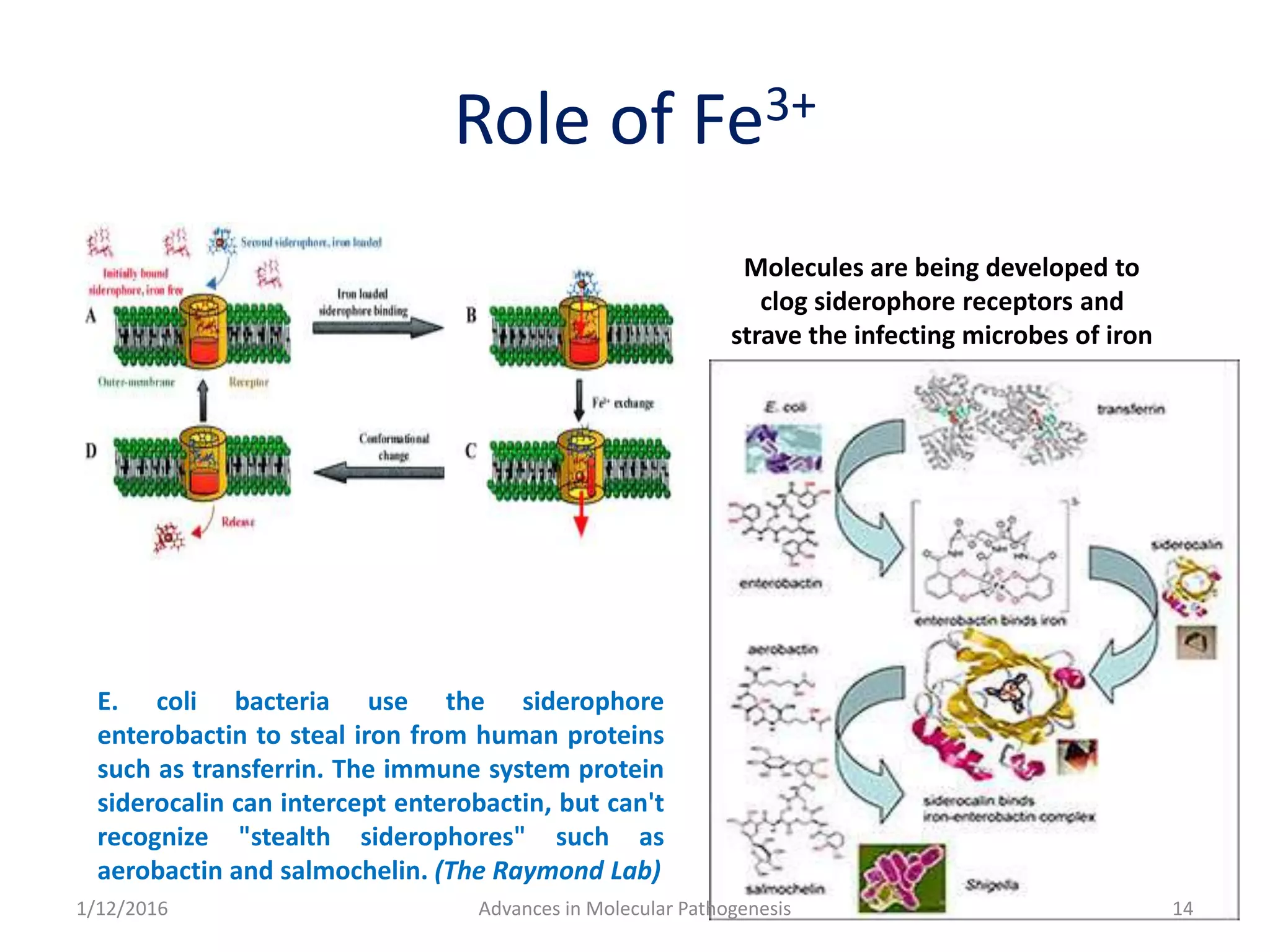
E. coli bacteria use the siderophore
enterobactin to steal iron from human proteins
such as transferrin. The immune system protein
siderocalin can intercept enterobactin, but can't
recognize "stealth siderophores" such as
aerobactin and salmochelin. (The Raymond Lab)
Molecules are being developed to
clog siderophore receptors and
strave the infecting microbes of iron
141/12/2016 Advances in Molecular Pathogenesis
GENERAL MECHANISM
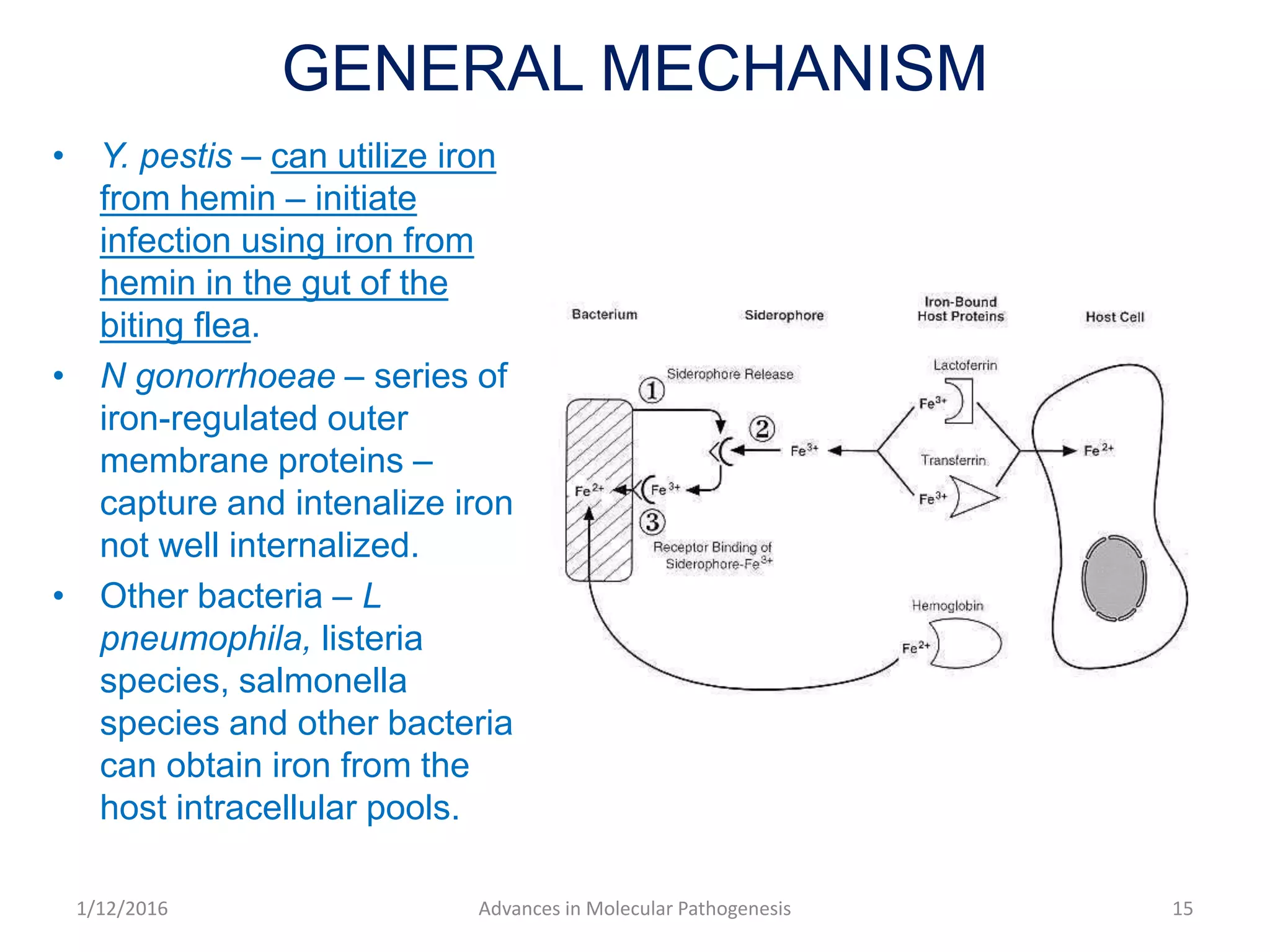
• Y. pestis – can utilize iron
from hemin – initiate
infection using iron from
hemin in the gut of the
biting flea.
• N gonorrhoeae – series of
iron-regulated outer
membrane proteins –
capture and intenalize iron
not well internalized.
• Other bacteria – L
pneumophila, listeria
species, salmonella
species and other bacteria
can obtain iron from the
host intracellular pools.
151/12/2016 Advances in Molecular Pathogenesis
ADAPTIVE IMMUNITY
Adaptive immunity is capable of recognizing and selectively
eliminating specific foreign microorganisms and molecules (i.e.,
foreign antigens). Unlike innate immune responses, adaptive
immune responses are not the same in all members of a
species but are reactions to specific antigenic challenges.
Adaptive immunity displays four characteristic attributes:
 Antigenic specificity
 Diversity
 Immunologic memory
 Self/nonself recognition
16Advances in Molecular Pathogenesis1/12/2016
The Adaptive Immune System Requires Cooperation Between
Lymphocytes and Antigen-Presenting Cells
Lymphocytes – B lymphocytes and T lymphocytes
Antigen presenting cells – macrophages , dendritic cells etc
COMPARISON OF ADAPTIVE AND INNATE IMMUNITY
17Advances in Molecular Pathogenesis1/12/2016
MECHANISMOFHUMORALANDCELL
MEDIATEDIMMUNERESPONSES
18Advances in Molecular Pathogenesis1/12/2016
COMPLEMENT
 Complement is present in serum, they are not antigen or
antibodies.
 Mostly proteins, comes under β globulins.
 They exists as proenzyme form.
 They are thermolabile, inactivated at 56°C.
 They are activated upon stimulation
 The complement system is one of the major effector of the
humoral branch of the immune system.
19Advances in Molecular Pathogenesis1/12/2016
FUNCTIONS OF COMPLEMENT
Complement brings out the following
 Lysis of cells, bacteria, and viruses
 Opsonization, which promotes phagocytosis of particulate
antigens
 Binding to specific complement receptors on cells of the
immune system, triggering specific cell functions,
inflammation, and secretion of immunoregulatory molecules.
 Immune clearance, which removes immune complexes from
the circulation and deposits them in the spleen and liver.
20Advances in Molecular Pathogenesis1/12/2016
21Advances in Molecular Pathogenesis1/12/2016
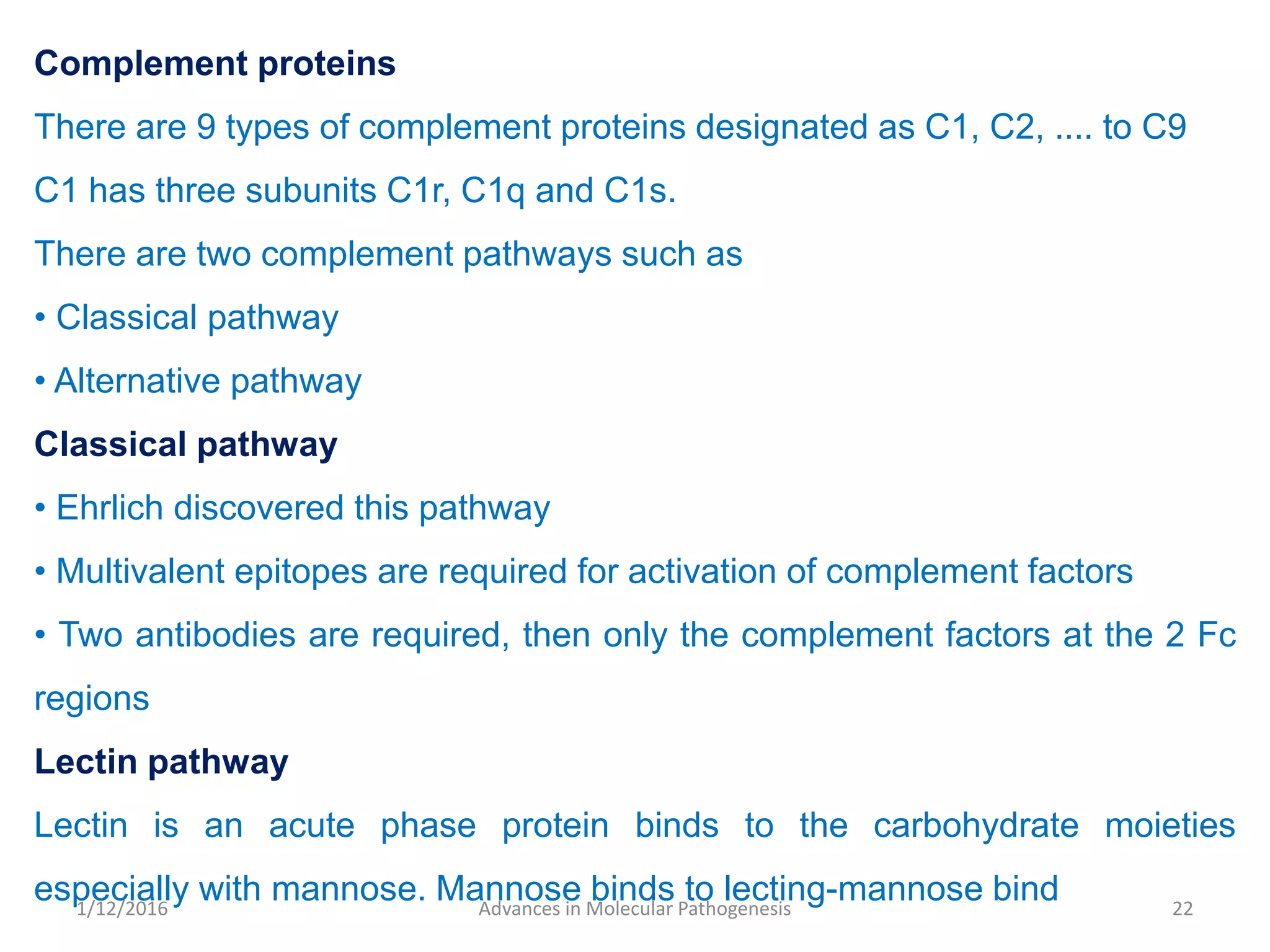
Complement proteins
There are 9 types of complement proteins designated as C1, C2, .... to C9
C1 has three subunits C1r, C1q and C1s.
There are two complement pathways such as
• Classical pathway
• Alternative pathway
Classical pathway
• Ehrlich discovered this pathway
• Multivalent epitopes are required for activation of complement factors
• Two antibodies are required, then only the complement factors at the 2 Fc
regions
Lectin pathway
Lectin is an acute phase protein binds to the carbohydrate moieties
especially with mannose. Mannose binds to lecting-mannose bind 22Advances in Molecular Pathogenesis1/12/2016
OVERVIEWOFCOMPLEMENTSYSTEM
23Advances in Molecular Pathogenesis1/12/2016
BIOLOGICAL CONSEQUENCES OF COMPLEMENT
• Membrane attack complex can lyse a broad
spectrum of cells
• Cleavage products of complement mediate
inflammation
• C3b and C4b facilitates opsonization
• Complement facilitates viral neutralization
• Clears immune complex in circulation
24Advances in Molecular Pathogenesis1/12/2016
25Advances in Molecular Pathogenesis1/12/2016
IMMUNECLEARANCE
OPSONIZATION
26Advances in Molecular Pathogenesis1/12/2016
 Many type of leukocyte move from one part of the body to another. This is
especially true of lymphocytes, which circulate continually in the blood
and lymph and, in common with other types of leukocytes, migrate into
the tissues at sites of infection or tissue injury.
 This recirculation not only increases the chance that lymphocytes specific
for a particular antigen will encounter that antigen but also is critical to
development of an inflammatory response.
 Inflammation is a complex response to local injury or other trauma; it is
characterized by redness, heat, swelling, and pain.
 Inflammation involves various immune-system cells and numerous
mediators.
 Assembling and regulating inflammatory responses would be impossible
without the controlled migration of leukocyte populations.
INFLAMMATION
27Advances in Molecular Pathogenesis1/12/2016
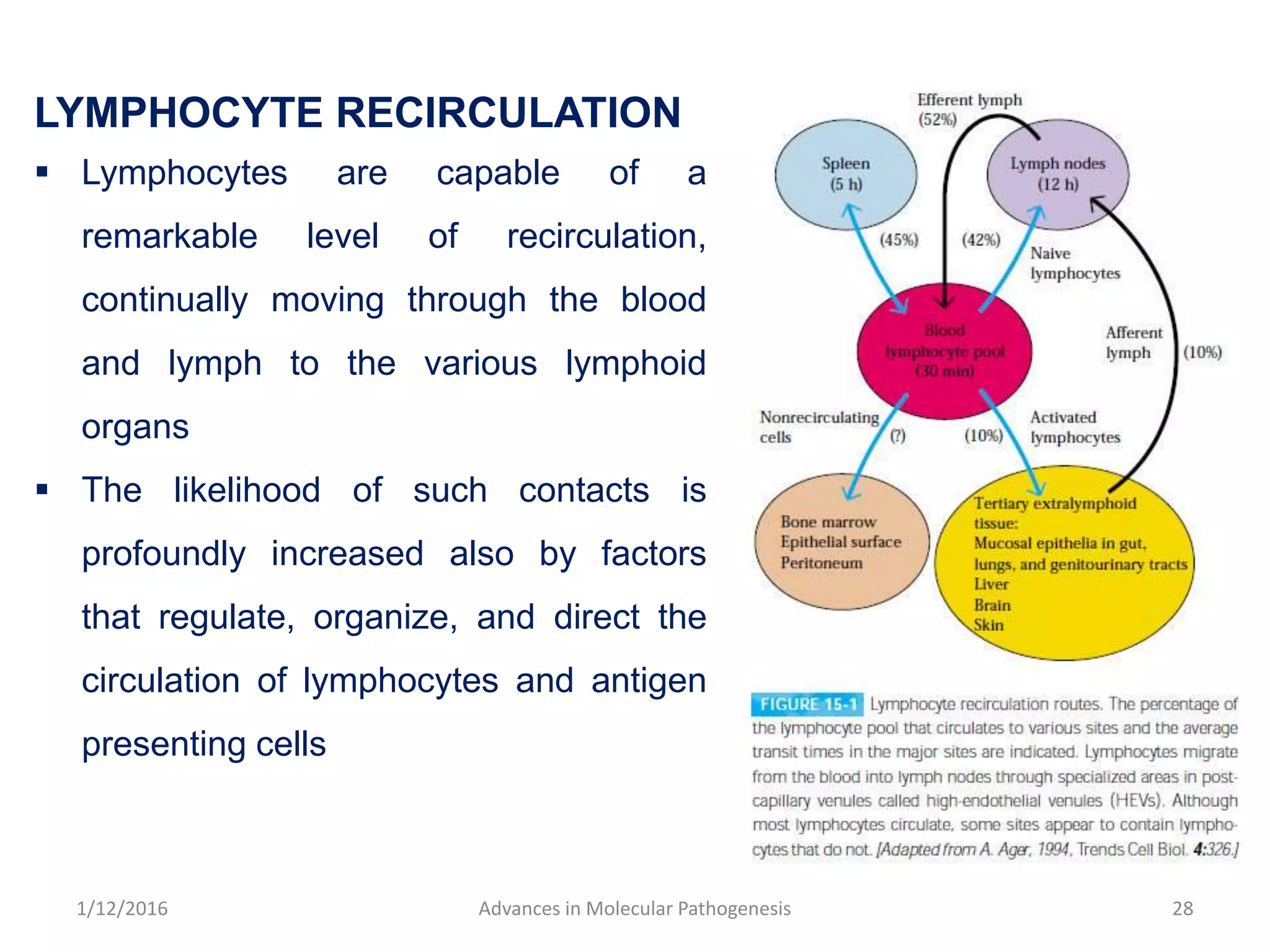
LYMPHOCYTE RECIRCULATION
 Lymphocytes are capable of a
remarkable level of recirculation,
continually moving through the blood
and lymph to the various lymphoid
organs
 The likelihood of such contacts is
profoundly increased also by factors
that regulate, organize, and direct the
circulation of lymphocytes and antigen
presenting cells
28Advances in Molecular Pathogenesis1/12/2016
CELL-ADHESION MOLECULES
 The vascular endothelium serves as an important “gatekeeper,”
regulating the movement of blood-borne molecules and leukocytes into
the tissues. In order for circulating leukocytes to enter inflamed tissue or
peripheral lymphoid organs, the cells must adhere to and pass between
the endothelial cells lining the walls of blood vessels, a process called
extravasation.
 Endothelial cells express leukocyte-specific cell adhesion molecules
(CAMs). Some of these membrane proteins are expressed constitutively;
others are expressed only in response to local concentrations of
cytokines produced during an inflammatory response.
 Recirculating lymphocytes, monocytes, and granulocytes bear receptors
that bind to CAMs on the vascular endothelium, enabling these cells to
extravasate into the tissues. 29Advances in Molecular Pathogenesis1/12/2016
 In addition to their role in leukocyte adhesion to vascular endothelial
cells, CAMs on leukocytes also serve to increase the strength of the
functional interactions between cells of the immune system.
 Various adhesion molecules have been shown to contribute to the
interactions between TH cells and APCs, TH and B cells, and CTLs and
target cells.
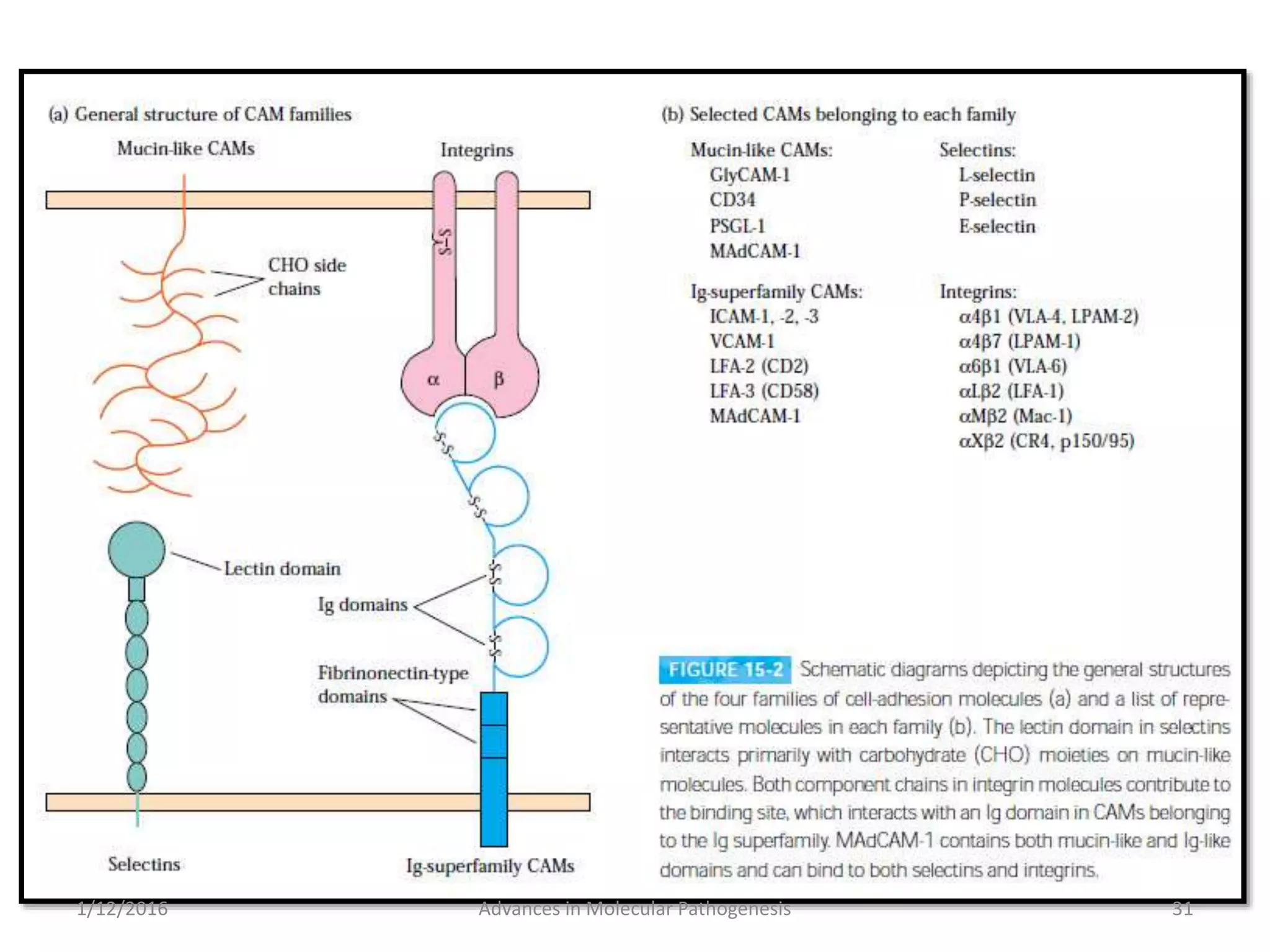
 A number of endothelial and leukocyte CAMs have been cloned and
characterized, providing new details about the extravasation process.
Most of these CAMs belong to four families of proteins:
 The selectin family,
 The mucin-like family,
 The integrin family,
 The immunoglobulin (ig) superfamily
30Advances in Molecular Pathogenesis1/12/2016
31Advances in Molecular Pathogenesis1/12/2016
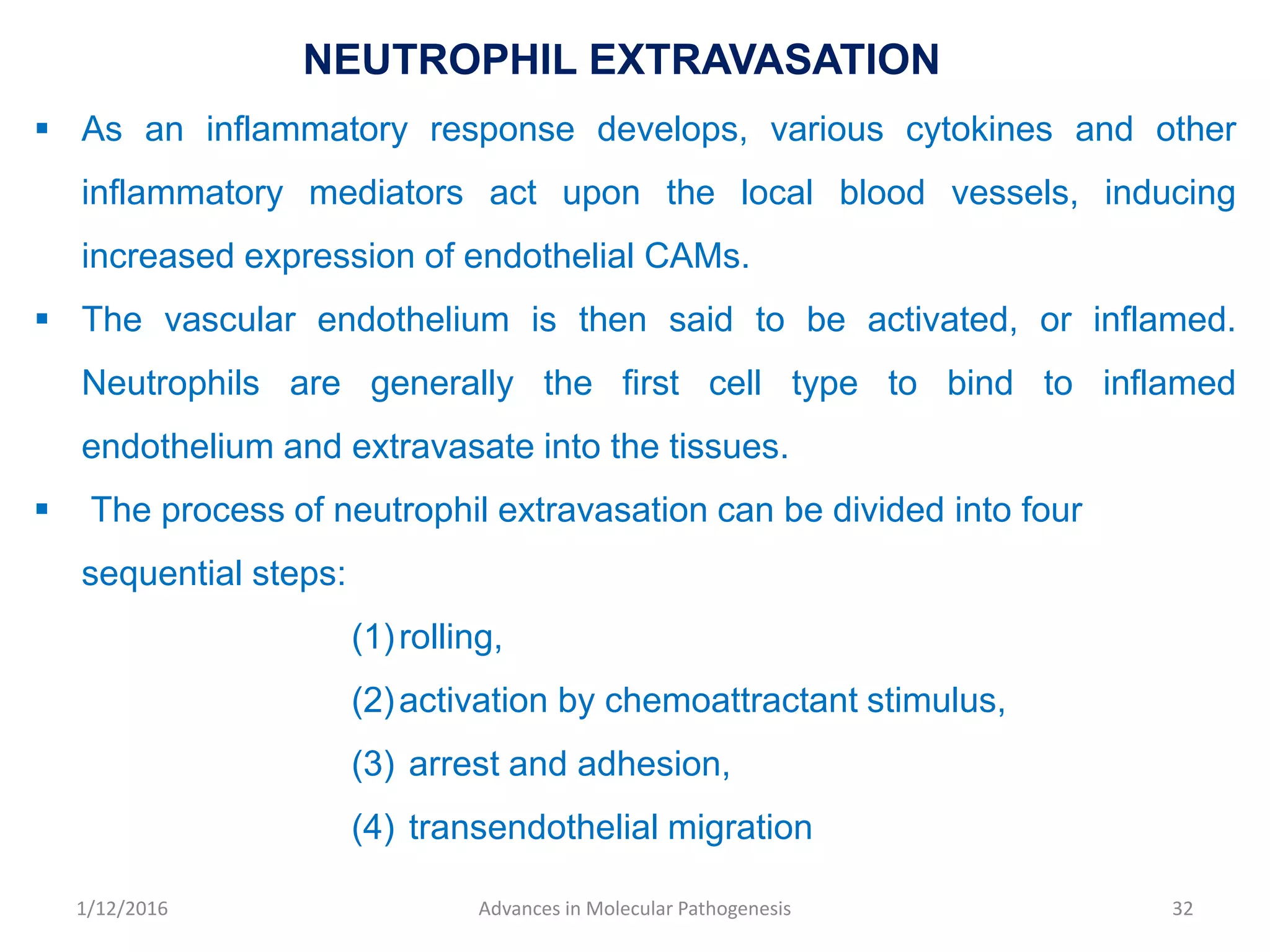
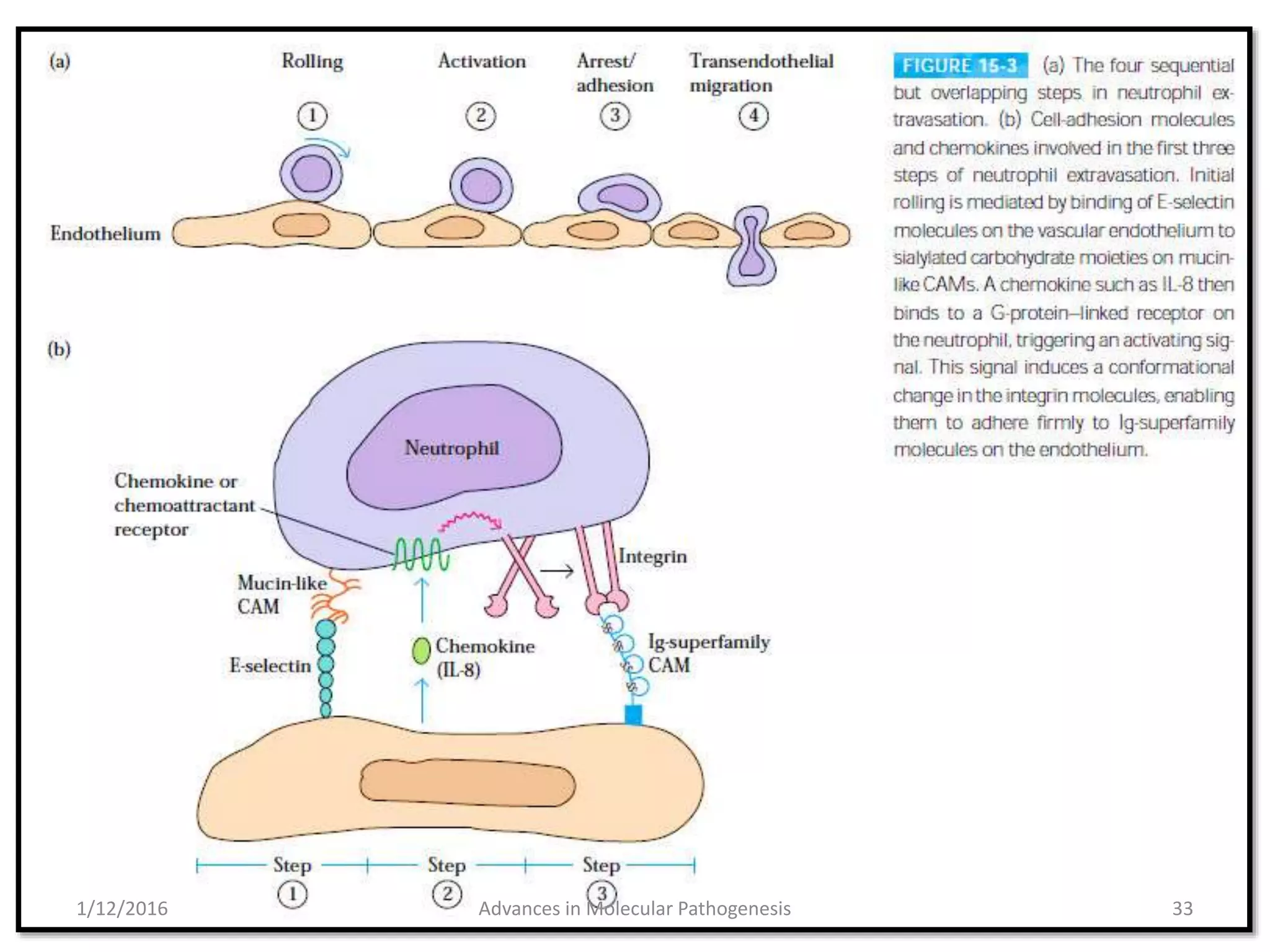
NEUTROPHIL EXTRAVASATION
 As an inflammatory response develops, various cytokines and other
inflammatory mediators act upon the local blood vessels, inducing
increased expression of endothelial CAMs.
 The vascular endothelium is then said to be activated, or inflamed.
Neutrophils are generally the first cell type to bind to inflamed
endothelium and extravasate into the tissues.
 The process of neutrophil extravasation can be divided into four
sequential steps:
(1)rolling,
(2)activation by chemoattractant stimulus,
(3) arrest and adhesion,
(4) transendothelial migration
32Advances in Molecular Pathogenesis1/12/2016
33Advances in Molecular Pathogenesis1/12/2016
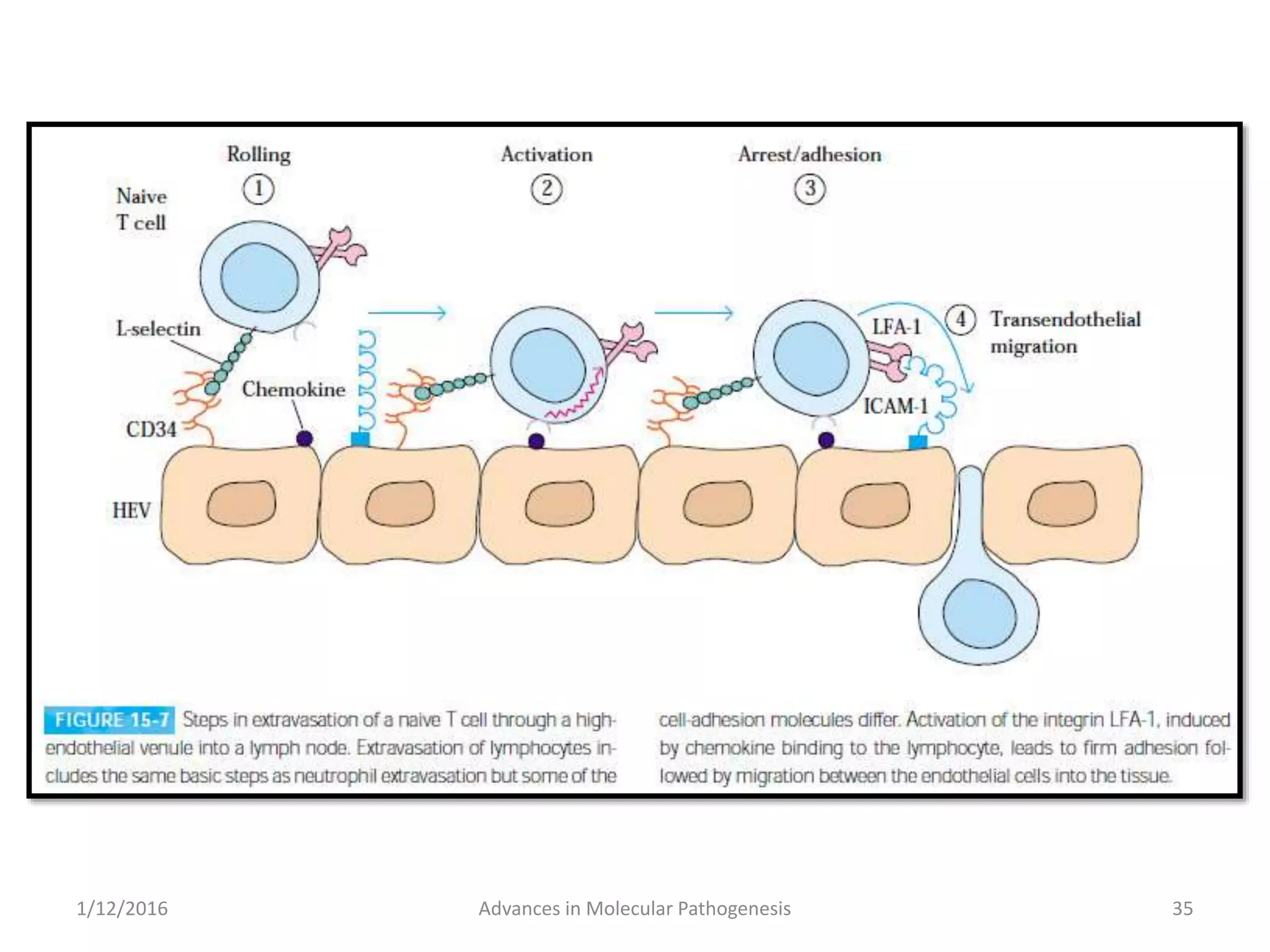
LYMPHOCYTE EXTRAVASATION
 High-Endothelial Venules Are Sites of Lymphocyte
Extravasation
 Lymphocyte Homing Is Directed by Receptor Profiles and
Signals
 Naive Lymphocytes Recirculate to Secondary Lymphoid
Tissue
 Effector and Memory Lymphocytes Adopt Different Trafficking
Patterns
 Adhesion-Molecule Interactions Play Critical Roles in
Extravasation
34Advances in Molecular Pathogenesis1/12/2016
35Advances in Molecular Pathogenesis1/12/2016
INFLAMMATION PROCESS
• Inflammation is a physiologic response to a variety of stimuli such as
infections and tissue injury.
• In general, an acute inflammatory response has a rapid onset and lasts a
short while
• Acute inflammation is generally accompanied by a systemic reaction known
as the acute-phase response, which is characterized by a rapid alteration in
the levels of several plasma proteins.
• In some diseases persistent immune activation can result in chronic
inflammation, which often has pathologic consequences.
• Inflammation
– Localized inflammation
– Systemic inflammation
36Advances in Molecular Pathogenesis1/12/2016
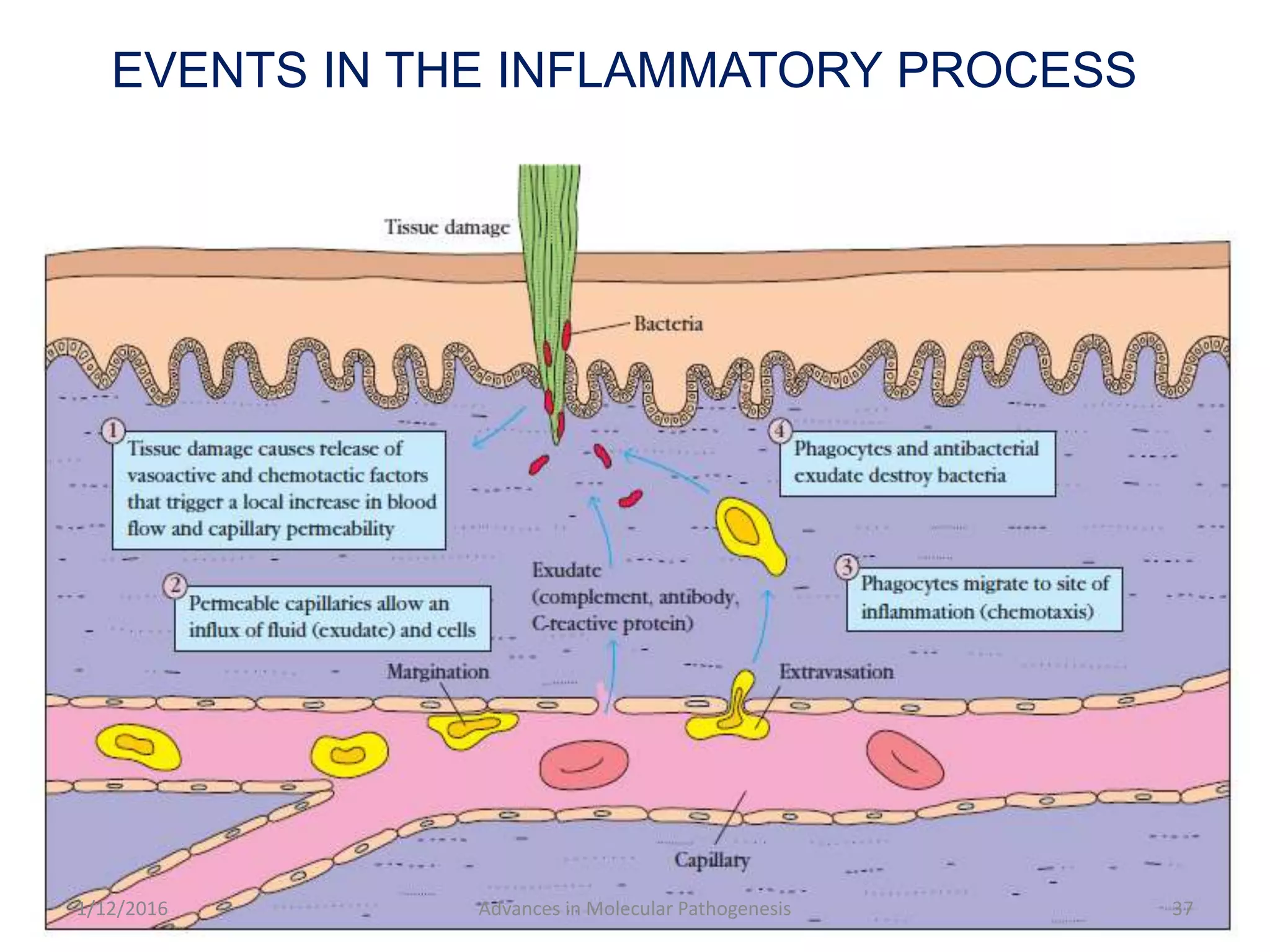
EVENTS IN THE INFLAMMATORY PROCESS
37Advances in Molecular Pathogenesis1/12/2016
CHEMOKINES—KEY MEDIATORS OF
INFLAMMATION
 Chemokines are a superfamily of small polypeptides, most of
which contain 90–130 amino acid residues.
 They selectively, and often specifically, control the adhesion,
chemotaxis, and activation of many types of leukocyte
populations and subpopulations.
 Consequently, they are major regulators of leukocyte traffic.
Some chemokines are primarily involved in inflammatory
processes, others are constitutively expressed and play
important homeostatic or developmental roles.
38Advances in Molecular Pathogenesis1/12/2016
 “Housekeeping” chemokines are produced in lymphoid
organs and tissues or in non-lymphoid sites such as skin,
where they direct normal trafficking of lymphocytes, such as
determining the correct positioning of leukocytes newly
generated by hematopoiesis and arriving from bone marrow.
 The thymus constitutively expresses chemokines, and
normal B cell lymphopoiesis is also dependent on
appropriate chemokine expression.
 Chemokine-mediated effects are not limited to the immune
system.
39Advances in Molecular Pathogenesis1/12/2016
Chemokine receptor pathways
40Advances in Molecular Pathogenesis1/12/2016
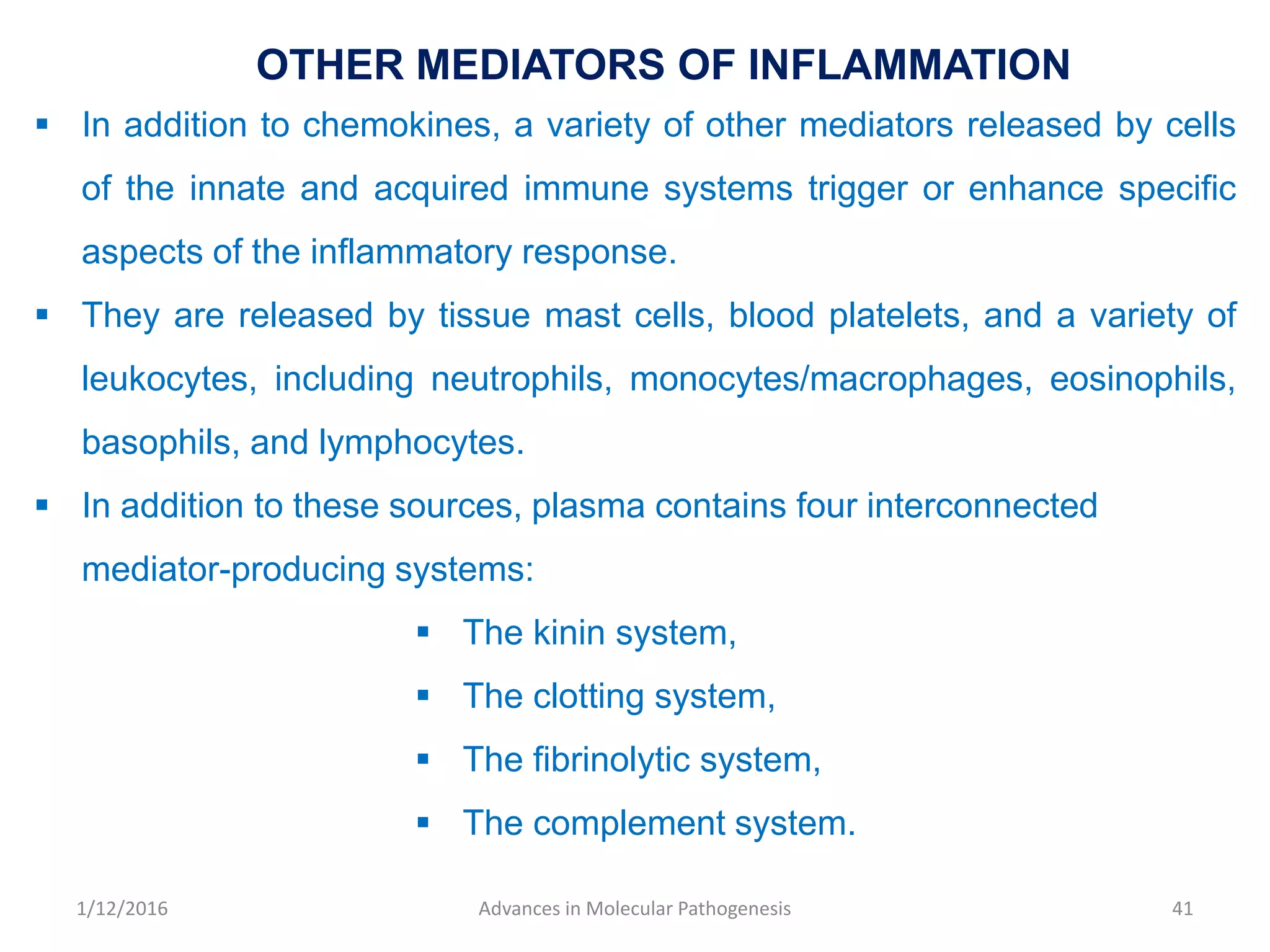
OTHER MEDIATORS OF INFLAMMATION
 In addition to chemokines, a variety of other mediators released by cells
of the innate and acquired immune systems trigger or enhance specific
aspects of the inflammatory response.
 They are released by tissue mast cells, blood platelets, and a variety of
leukocytes, including neutrophils, monocytes/macrophages, eosinophils,
basophils, and lymphocytes.
 In addition to these sources, plasma contains four interconnected
mediator-producing systems:
 The kinin system,
 The clotting system,
 The fibrinolytic system,
 The complement system.
41Advances in Molecular Pathogenesis1/12/2016
 The Kinin System Is
Activated by Tissue
Injury
 The Clotting System
Yields Fibrin-
Generated Mediators
of Inflammation
 The Fibrinolytic
System Yields
Plasmin-Generated
Mediators of
Inflammation
 The Complement
System Produces
Anaphylatoxins
42Advances in Molecular Pathogenesis1/12/2016
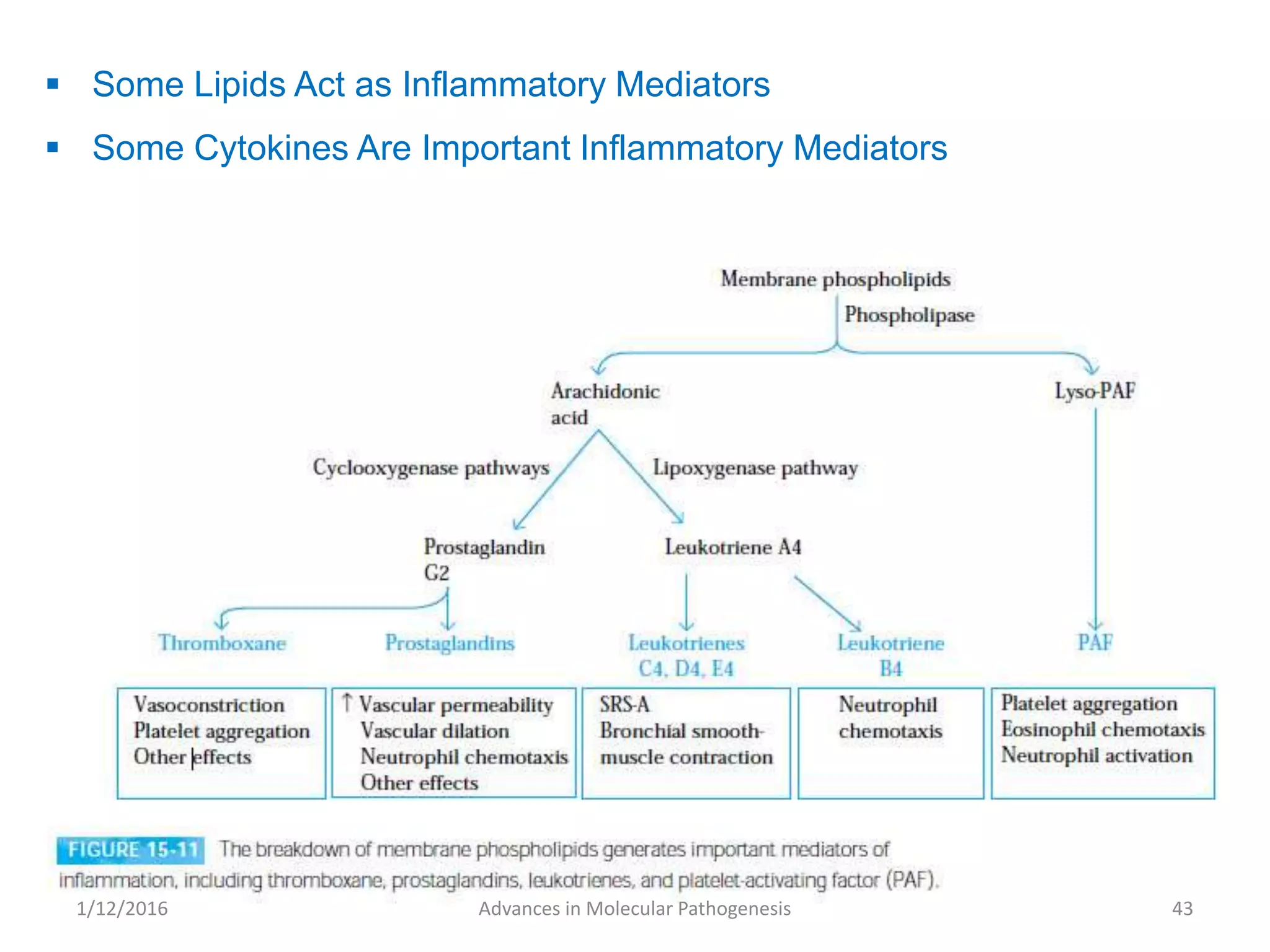
 Some Lipids Act as Inflammatory Mediators
 Some Cytokines Are Important Inflammatory Mediators
43Advances in Molecular Pathogenesis1/12/2016
ACUTE LOCALIZED INFLAMMATION
44Advances in Molecular Pathogenesis1/12/2016
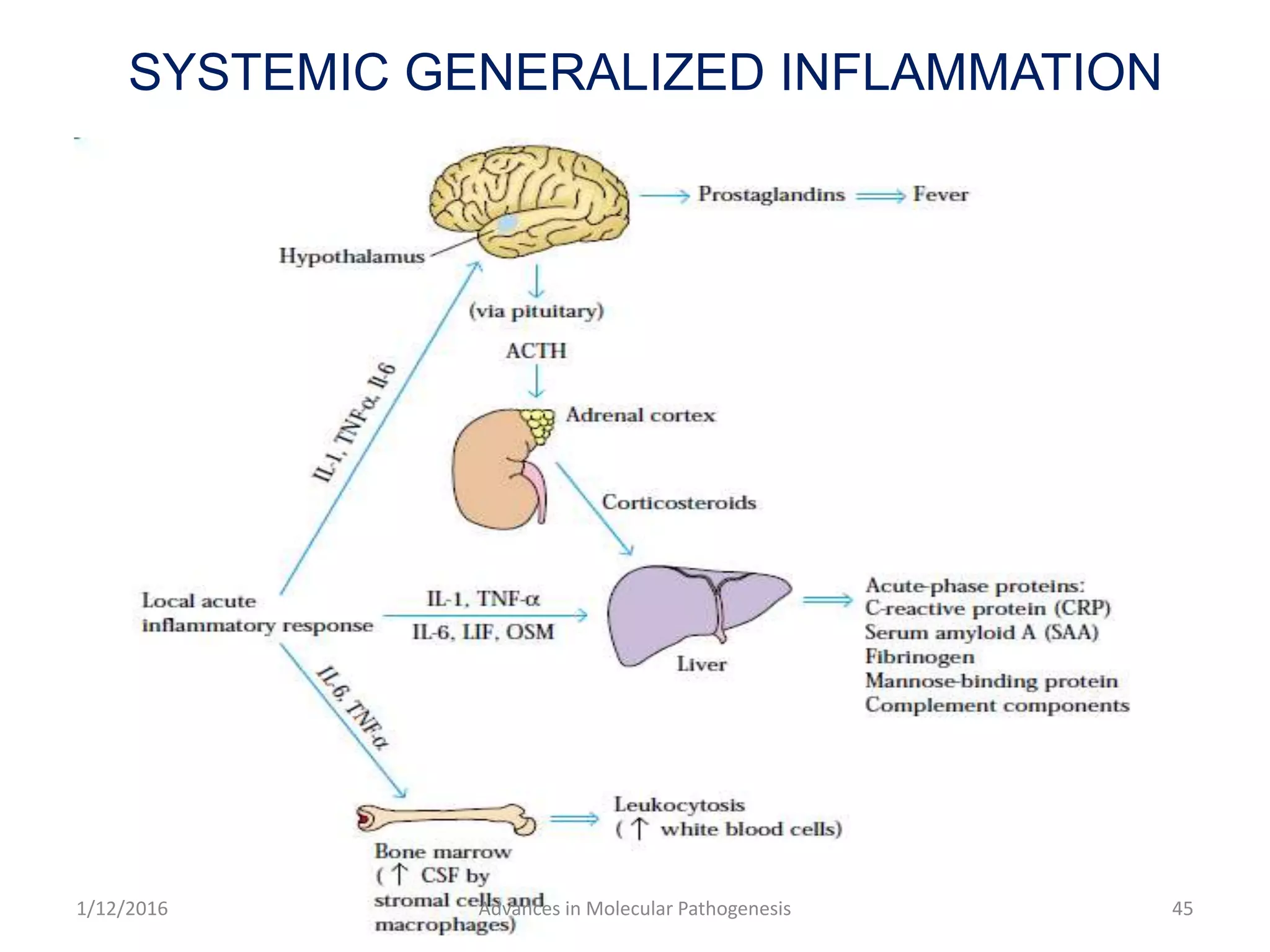
SYSTEMIC GENERALIZED INFLAMMATION
45Advances in Molecular Pathogenesis1/12/2016
Advances in Molecular Pathogenesis 46
REFERENCE
Kuby immunology ; chapter 1,13, and 15
1/12/2016
Thank you
47Advances in Molecular Pathogenesis1/12/2016

Immune system

  • 1.
    Advances in molecularpathogenesis  Mechanism of killing by humoral and cellular defenses  Complement  Inflammatory process 1Advances in Molecular Pathogenesis1/12/2016
  • 2.
    IMMUNE SYSTEM Immunity —the state of protection from infectious disease. — has both a less specific and more specific component.  The less specific component, innate immunity, provides the first line of defense against infection.  Adaptive immunity responds to the challenge with a high degree of specificity as well as the remarkable property of “memory.” 2Advances in Molecular Pathogenesis1/12/2016
  • 3.
    INNATE IMMUNITY Innate immunitycan be seen to comprise four types of defensive barriers:  Anatomic  Physiologic  Phagocytic  Inflammatory 3Advances in Molecular Pathogenesis1/12/2016
  • 4.
    4Advances in MolecularPathogenesis1/12/2016
  • 5.
    PHYSICAL AND CHEMICALBARRIERS • Skin – Effective mechanical barrier – Skin – Associated Lymphoid tissues (SALT) • Langerhans cells • Interdigitating dendritic cells • Intraepidermal Lymphocyte – functions as T cells – Macrophages present at the dermal layer 5Advances in Molecular Pathogenesis1/12/2016
  • 6.
    MUCOUS MEMBRANE • Intactstratified squamous epithelium • Mucous Secretions – protective barrier – resist penetration/traps M.O. • Specific anti-microbial secretions – LYSOZYME – hydrolysis of the β(1-4) bond • Lactoferrin –activated MP & PMNs (sequestration of iron from plasma) – reduction of the amount of iron available to inavading microbial pathogens and limts their ability to multiply. 6Advances in Molecular Pathogenesis1/12/2016
  • 7.
    Mucuous Associated Lymphoid Tissues(MALT) – GALT (TONSILS, Peyer’s patches in the intestine, adenoids – BALT – MALT in the uro-genital system – no specific name 7Advances in Molecular Pathogenesis1/12/2016
  • 8.
    RESPIRATORY SYSTEM • Inhale8 M.O./Minute – 10,000 orgs. A day • Sticky mucosal surface • Cilia – mucociliary escalator • Humidification of the air – hygroscopic – M.O. enlarge. • Muco-ciliary blanket – less than 10 microns – transported by cilia • Coughing & Sneezing reflexes • Salivation – washes the M.O. from the mouth & naso- pharyngeal areas into the mouth. • Alveolar Macrophages –fixed phagocytic cells 8Advances in Molecular Pathogenesis1/12/2016
  • 9.
    GASTROINTESTINAL TRACT • ACIDICpH • Small intestine – various pancreatic enzymes, bile, enzymes in intestinal secretions, GALT system. • Peristalsis, loss of columnar cells –purging intestinal M.O. • Preventing establishment of M.O. – production. of metabolic products –fatty acids – prevent establishment • Competition of nutrients & binding sites • Paneth Cells in mucous membrane of the intestinal cells. • Cells produce lysozyme – a set of peptides – cryptins. (mode of action not known) 9Advances in Molecular Pathogenesis1/12/2016
  • 10.
    GENITOURINARY TRACT • Urine– Low pH – presence of urea –metabolic end products (uric acid, hippuric acid, indican, fatty acids, mucin, enzymes) • Kidney medulla –hypertonic – few organism only can survive. • Lower urinary tract – flushed with urine and some mucus 4-10 times/day. • In males, the anatomical length of urethra (20 cm) –distance barrier –exclusion of M.O. from the urinary bladder – short urethra – 5 cm in females – GENERAL UTI 14 TIMES MORE COMMON IN FEMALES THAN IN MALES • Cervical mucus in female has antibacterial activity. 10Advances in Molecular Pathogenesis1/12/2016
  • 11.
    EYE • Specialized mucus-secretingepithelial membrane that lines the interior surface of each eyelid and the exposed surface of the eyeball. It is kept moist by the continuous flushing action of tears (lacrimal fluid) from the lacrimal glands. • Tears contain large amounts of lysozyme, lactoferrin and sIgA and thus provide chemical as well as physical protection. 11Advances in Molecular Pathogenesis1/12/2016
  • 12.
    LIMITATIONS OF FREEIRON • The use of iron as a cofactor in basic metabolic pathways is essential to both pathogenic microorganisms and their hosts. • It is also a pivotal component of the innate immune response through its role in the generation of toxic oxygen and nitrogen intermediates. • During evolution, the shared requirement of micro- and macroorganisms for this important nutrient has shaped the pathogen–host relationship • Pathogens compete with the host for iron, and the host uses iron to counteract this threat. Requirement • Most thorougly Studied Nutrient in the Infectious Process. • 0.4 – 4 mol/L of iron for growth • Most iron available – myoglobin and hemoglobin 121/12/2016 Advances in Molecular Pathogenesis
  • 13.
    13 • Ferric iron(Fe3+) – primarily as highly insoluble hydroxides, carbonates & phosphates. • Conc. of free iron – blood, lymph, extra-cellular tissue fluid and external secretions –low – 10-18 mol/L Fe3+ even though iron is the second-most abundant metal on Earth • Host’s iron-binding and transport proteins –transferrin in blood and lymph, and lactoferrrin in external secretions. • Transferrin and lactoferrin – high association constants –only partially saturated under normal iron metabolism • Ferritin and hemoglobin also bind iron. • Most bacteria – Low Affinity Iron Assimilation System. • Some bacteria – high affinity systems – Siderophores – small (MW 500-1000) ligands that are specific for ferric iron –supply iron to the bacterial cell • Enterobactin - best characterized of the catechols (phenolates) –produced in low iron conditions – can remove iron from transferrin • Ferrichrome best characterized of the hydoraxamtes 1/12/2016 Advances in Molecular Pathogenesis
  • 14.
    Role of Fe3+ E.coli bacteria use the siderophore enterobactin to steal iron from human proteins such as transferrin. The immune system protein siderocalin can intercept enterobactin, but can't recognize "stealth siderophores" such as aerobactin and salmochelin. (The Raymond Lab) Molecules are being developed to clog siderophore receptors and strave the infecting microbes of iron 141/12/2016 Advances in Molecular Pathogenesis
  • 15.
    GENERAL MECHANISM • Y.pestis – can utilize iron from hemin – initiate infection using iron from hemin in the gut of the biting flea. • N gonorrhoeae – series of iron-regulated outer membrane proteins – capture and intenalize iron not well internalized. • Other bacteria – L pneumophila, listeria species, salmonella species and other bacteria can obtain iron from the host intracellular pools. 151/12/2016 Advances in Molecular Pathogenesis
  • 16.
    ADAPTIVE IMMUNITY Adaptive immunityis capable of recognizing and selectively eliminating specific foreign microorganisms and molecules (i.e., foreign antigens). Unlike innate immune responses, adaptive immune responses are not the same in all members of a species but are reactions to specific antigenic challenges. Adaptive immunity displays four characteristic attributes:  Antigenic specificity  Diversity  Immunologic memory  Self/nonself recognition 16Advances in Molecular Pathogenesis1/12/2016
  • 17.
    The Adaptive ImmuneSystem Requires Cooperation Between Lymphocytes and Antigen-Presenting Cells Lymphocytes – B lymphocytes and T lymphocytes Antigen presenting cells – macrophages , dendritic cells etc COMPARISON OF ADAPTIVE AND INNATE IMMUNITY 17Advances in Molecular Pathogenesis1/12/2016
  • 18.
  • 19.
    COMPLEMENT  Complement ispresent in serum, they are not antigen or antibodies.  Mostly proteins, comes under β globulins.  They exists as proenzyme form.  They are thermolabile, inactivated at 56°C.  They are activated upon stimulation  The complement system is one of the major effector of the humoral branch of the immune system. 19Advances in Molecular Pathogenesis1/12/2016
  • 20.
    FUNCTIONS OF COMPLEMENT Complementbrings out the following  Lysis of cells, bacteria, and viruses  Opsonization, which promotes phagocytosis of particulate antigens  Binding to specific complement receptors on cells of the immune system, triggering specific cell functions, inflammation, and secretion of immunoregulatory molecules.  Immune clearance, which removes immune complexes from the circulation and deposits them in the spleen and liver. 20Advances in Molecular Pathogenesis1/12/2016
  • 21.
    21Advances in MolecularPathogenesis1/12/2016
  • 22.
    Complement proteins There are9 types of complement proteins designated as C1, C2, .... to C9 C1 has three subunits C1r, C1q and C1s. There are two complement pathways such as • Classical pathway • Alternative pathway Classical pathway • Ehrlich discovered this pathway • Multivalent epitopes are required for activation of complement factors • Two antibodies are required, then only the complement factors at the 2 Fc regions Lectin pathway Lectin is an acute phase protein binds to the carbohydrate moieties especially with mannose. Mannose binds to lecting-mannose bind 22Advances in Molecular Pathogenesis1/12/2016
  • 23.
  • 24.
    BIOLOGICAL CONSEQUENCES OFCOMPLEMENT • Membrane attack complex can lyse a broad spectrum of cells • Cleavage products of complement mediate inflammation • C3b and C4b facilitates opsonization • Complement facilitates viral neutralization • Clears immune complex in circulation 24Advances in Molecular Pathogenesis1/12/2016
  • 25.
    25Advances in MolecularPathogenesis1/12/2016
  • 26.
  • 27.
     Many typeof leukocyte move from one part of the body to another. This is especially true of lymphocytes, which circulate continually in the blood and lymph and, in common with other types of leukocytes, migrate into the tissues at sites of infection or tissue injury.  This recirculation not only increases the chance that lymphocytes specific for a particular antigen will encounter that antigen but also is critical to development of an inflammatory response.  Inflammation is a complex response to local injury or other trauma; it is characterized by redness, heat, swelling, and pain.  Inflammation involves various immune-system cells and numerous mediators.  Assembling and regulating inflammatory responses would be impossible without the controlled migration of leukocyte populations. INFLAMMATION 27Advances in Molecular Pathogenesis1/12/2016
  • 28.
    LYMPHOCYTE RECIRCULATION  Lymphocytesare capable of a remarkable level of recirculation, continually moving through the blood and lymph to the various lymphoid organs  The likelihood of such contacts is profoundly increased also by factors that regulate, organize, and direct the circulation of lymphocytes and antigen presenting cells 28Advances in Molecular Pathogenesis1/12/2016
  • 29.
    CELL-ADHESION MOLECULES  Thevascular endothelium serves as an important “gatekeeper,” regulating the movement of blood-borne molecules and leukocytes into the tissues. In order for circulating leukocytes to enter inflamed tissue or peripheral lymphoid organs, the cells must adhere to and pass between the endothelial cells lining the walls of blood vessels, a process called extravasation.  Endothelial cells express leukocyte-specific cell adhesion molecules (CAMs). Some of these membrane proteins are expressed constitutively; others are expressed only in response to local concentrations of cytokines produced during an inflammatory response.  Recirculating lymphocytes, monocytes, and granulocytes bear receptors that bind to CAMs on the vascular endothelium, enabling these cells to extravasate into the tissues. 29Advances in Molecular Pathogenesis1/12/2016
  • 30.
     In additionto their role in leukocyte adhesion to vascular endothelial cells, CAMs on leukocytes also serve to increase the strength of the functional interactions between cells of the immune system.  Various adhesion molecules have been shown to contribute to the interactions between TH cells and APCs, TH and B cells, and CTLs and target cells.  A number of endothelial and leukocyte CAMs have been cloned and characterized, providing new details about the extravasation process. Most of these CAMs belong to four families of proteins:  The selectin family,  The mucin-like family,  The integrin family,  The immunoglobulin (ig) superfamily 30Advances in Molecular Pathogenesis1/12/2016
  • 31.
    31Advances in MolecularPathogenesis1/12/2016
  • 32.
    NEUTROPHIL EXTRAVASATION  Asan inflammatory response develops, various cytokines and other inflammatory mediators act upon the local blood vessels, inducing increased expression of endothelial CAMs.  The vascular endothelium is then said to be activated, or inflamed. Neutrophils are generally the first cell type to bind to inflamed endothelium and extravasate into the tissues.  The process of neutrophil extravasation can be divided into four sequential steps: (1)rolling, (2)activation by chemoattractant stimulus, (3) arrest and adhesion, (4) transendothelial migration 32Advances in Molecular Pathogenesis1/12/2016
  • 33.
    33Advances in MolecularPathogenesis1/12/2016
  • 34.
    LYMPHOCYTE EXTRAVASATION  High-EndothelialVenules Are Sites of Lymphocyte Extravasation  Lymphocyte Homing Is Directed by Receptor Profiles and Signals  Naive Lymphocytes Recirculate to Secondary Lymphoid Tissue  Effector and Memory Lymphocytes Adopt Different Trafficking Patterns  Adhesion-Molecule Interactions Play Critical Roles in Extravasation 34Advances in Molecular Pathogenesis1/12/2016
  • 35.
    35Advances in MolecularPathogenesis1/12/2016
  • 36.
    INFLAMMATION PROCESS • Inflammationis a physiologic response to a variety of stimuli such as infections and tissue injury. • In general, an acute inflammatory response has a rapid onset and lasts a short while • Acute inflammation is generally accompanied by a systemic reaction known as the acute-phase response, which is characterized by a rapid alteration in the levels of several plasma proteins. • In some diseases persistent immune activation can result in chronic inflammation, which often has pathologic consequences. • Inflammation – Localized inflammation – Systemic inflammation 36Advances in Molecular Pathogenesis1/12/2016
  • 37.
    EVENTS IN THEINFLAMMATORY PROCESS 37Advances in Molecular Pathogenesis1/12/2016
  • 38.
    CHEMOKINES—KEY MEDIATORS OF INFLAMMATION Chemokines are a superfamily of small polypeptides, most of which contain 90–130 amino acid residues.  They selectively, and often specifically, control the adhesion, chemotaxis, and activation of many types of leukocyte populations and subpopulations.  Consequently, they are major regulators of leukocyte traffic. Some chemokines are primarily involved in inflammatory processes, others are constitutively expressed and play important homeostatic or developmental roles. 38Advances in Molecular Pathogenesis1/12/2016
  • 39.
     “Housekeeping” chemokinesare produced in lymphoid organs and tissues or in non-lymphoid sites such as skin, where they direct normal trafficking of lymphocytes, such as determining the correct positioning of leukocytes newly generated by hematopoiesis and arriving from bone marrow.  The thymus constitutively expresses chemokines, and normal B cell lymphopoiesis is also dependent on appropriate chemokine expression.  Chemokine-mediated effects are not limited to the immune system. 39Advances in Molecular Pathogenesis1/12/2016
  • 40.
    Chemokine receptor pathways 40Advancesin Molecular Pathogenesis1/12/2016
  • 41.
    OTHER MEDIATORS OFINFLAMMATION  In addition to chemokines, a variety of other mediators released by cells of the innate and acquired immune systems trigger or enhance specific aspects of the inflammatory response.  They are released by tissue mast cells, blood platelets, and a variety of leukocytes, including neutrophils, monocytes/macrophages, eosinophils, basophils, and lymphocytes.  In addition to these sources, plasma contains four interconnected mediator-producing systems:  The kinin system,  The clotting system,  The fibrinolytic system,  The complement system. 41Advances in Molecular Pathogenesis1/12/2016
  • 42.
     The KininSystem Is Activated by Tissue Injury  The Clotting System Yields Fibrin- Generated Mediators of Inflammation  The Fibrinolytic System Yields Plasmin-Generated Mediators of Inflammation  The Complement System Produces Anaphylatoxins 42Advances in Molecular Pathogenesis1/12/2016
  • 43.
     Some LipidsAct as Inflammatory Mediators  Some Cytokines Are Important Inflammatory Mediators 43Advances in Molecular Pathogenesis1/12/2016
  • 44.
    ACUTE LOCALIZED INFLAMMATION 44Advancesin Molecular Pathogenesis1/12/2016
  • 45.
    SYSTEMIC GENERALIZED INFLAMMATION 45Advancesin Molecular Pathogenesis1/12/2016
  • 46.
    Advances in MolecularPathogenesis 46 REFERENCE Kuby immunology ; chapter 1,13, and 15 1/12/2016
  • 47.
    Thank you 47Advances inMolecular Pathogenesis1/12/2016