Tilt Table Test  (HUT Head Up Tilt)  Kiran rai Bsc  .CVT(II YEAR)
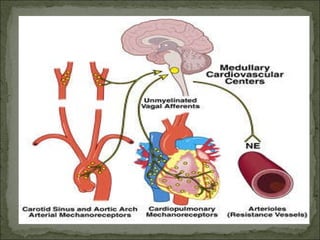
The Tilt Table Test is used to determine a cause of syncope (fainting or loss of consciousness).  it is related to an abnormal nervous system reflex causing the heart to slow and the blood vessels to dilate (open up) lowering the blood pressure.
When this happens there is a reduced amount of blood to the brain causing one to faint. This type of syncope is called  vasovagal,  neurocardiogenic or abnormal  vasoregulatory   syncope   it is considered benign -not dangerous , except for the injuries that can happen when one faints unexpec or
 
The Tilt Table Test is performed to reproduce (bring on) symptoms of syncope while the person is being closely monitored. A  Tilt Table Test  is performed to evaluate one of the causes of syncope (fainting).  Vasovagal or  neurocardiogenic syncope is when the heart rate slows and the blood pressure decreases because the blood vessels dilate (open) as a result of an abnormal reflex of the nervous system.
 
Preparation for the Tilt Table Test Generally, there is no eating or drinking 4-6 hours prior to the test to limit symptoms of nausea/vomiting  physician should see whether patient need to discontinue any of  routine medications prior to the test
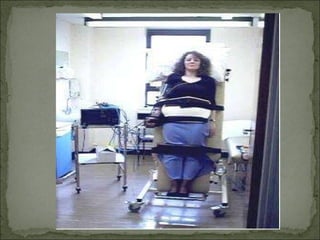
-  make the  Patient  lie down  on a special examining  table  withsafety belts and a foot- rest.  - An intravenous line (IV) is  inserted into one of  patient arms and a blood pressure cuff  is attached to other arm to monitor  blood pressure during the test.  - attached with electrodes to an electrocardiograph ( ECG ) recorder to monitor  heart rate.
- For safety, patient are belted onto the tilt table. - It is then tilted upright to a 60-80 degree vertical angle for approximately 45 minutes.  - Patient are instructed to limit the movement of legs and not to shift  weight during the test. Patient should  asked to describe any symptoms he/she may be experiencing during the test.
even  after 45 minutes if patient will not experienced syncope, a medication,  usually  Isoproterenol/Isupre l that is similar to adrenaline that the body naturally releases, is administered  and again patient should be tilted for up to another 45 minutes while  heart rate and blood pressure continue to be monitored. If the patient faint during the test, the table will be returned to a flat (horizontal) position and patient should be continued to be monitored closely till  recover. Recovery is usually immediate.
Typical symptoms of vasovagal or neurocardiogenic syncope includes:   Nausea  Sweatiness  Pallor  Lightheaededness  Sensation of palpitations  Near-fainting  Fainting  Symptoms frequently happen when standing for long periods or changing positions from lying down to standing.
Risks The Tilt Table Test is generally a safe test. Patient are closely monitored and belted safely onto the table.  patient may faint during the test. Most people recover once the table is lowered to a horizontal (flat) position.  In rare cases a medication has to be administered to help increase the heart rate and blood pressure.
Conclusion for the Tilt Table Test If the patient faint during the test, it is considered "positive" for vasovagal or neurocardiogenic syncope.  If  do not experience fainting during the test it is considered "negative"  And  should do other tests  may need to undergo to determine the cause of your fainting
INDICATIONS   -, RECURRENT SYNCOPE OR PRESYNCOPE  SINGLE SYNCOPE WITH SERIOUS CONSEQUENCES AUTONOMIC FUNCTION TESTS SITUATIONAL SYNCOPE OH POTS CAROTID SINUS HYPERSENSITIVITY. CONTRAINDICATIONS  - SEVERE LV OUTFLOW OBSTRUCTION, SEVERE CORONARY /CAROTID STENOSIS
thankyou

Head up tilt table test .kiransotang

  • 1.
    Tilt Table Test (HUT Head Up Tilt) Kiran rai Bsc .CVT(II YEAR)
  • 2.
    The Tilt TableTest is used to determine a cause of syncope (fainting or loss of consciousness). it is related to an abnormal nervous system reflex causing the heart to slow and the blood vessels to dilate (open up) lowering the blood pressure.
  • 3.
    When this happensthere is a reduced amount of blood to the brain causing one to faint. This type of syncope is called vasovagal, neurocardiogenic or abnormal vasoregulatory syncope it is considered benign -not dangerous , except for the injuries that can happen when one faints unexpec or
  • 4.
  • 5.
    The Tilt TableTest is performed to reproduce (bring on) symptoms of syncope while the person is being closely monitored. A Tilt Table Test is performed to evaluate one of the causes of syncope (fainting). Vasovagal or neurocardiogenic syncope is when the heart rate slows and the blood pressure decreases because the blood vessels dilate (open) as a result of an abnormal reflex of the nervous system.
  • 6.
  • 7.
    Preparation for theTilt Table Test Generally, there is no eating or drinking 4-6 hours prior to the test to limit symptoms of nausea/vomiting physician should see whether patient need to discontinue any of routine medications prior to the test
  • 8.
    - makethe Patient lie down on a special examining table withsafety belts and a foot- rest. - An intravenous line (IV) is inserted into one of patient arms and a blood pressure cuff is attached to other arm to monitor blood pressure during the test. - attached with electrodes to an electrocardiograph ( ECG ) recorder to monitor heart rate.
  • 9.
    - For safety,patient are belted onto the tilt table. - It is then tilted upright to a 60-80 degree vertical angle for approximately 45 minutes. - Patient are instructed to limit the movement of legs and not to shift weight during the test. Patient should asked to describe any symptoms he/she may be experiencing during the test.
  • 10.
    even after45 minutes if patient will not experienced syncope, a medication, usually Isoproterenol/Isupre l that is similar to adrenaline that the body naturally releases, is administered and again patient should be tilted for up to another 45 minutes while heart rate and blood pressure continue to be monitored. If the patient faint during the test, the table will be returned to a flat (horizontal) position and patient should be continued to be monitored closely till recover. Recovery is usually immediate.
  • 11.
    Typical symptoms ofvasovagal or neurocardiogenic syncope includes: Nausea Sweatiness Pallor Lightheaededness Sensation of palpitations Near-fainting Fainting Symptoms frequently happen when standing for long periods or changing positions from lying down to standing.
  • 12.
    Risks The TiltTable Test is generally a safe test. Patient are closely monitored and belted safely onto the table. patient may faint during the test. Most people recover once the table is lowered to a horizontal (flat) position. In rare cases a medication has to be administered to help increase the heart rate and blood pressure.
  • 13.
    Conclusion for theTilt Table Test If the patient faint during the test, it is considered "positive" for vasovagal or neurocardiogenic syncope. If do not experience fainting during the test it is considered "negative" And should do other tests may need to undergo to determine the cause of your fainting
  • 14.
    INDICATIONS -, RECURRENT SYNCOPE OR PRESYNCOPE SINGLE SYNCOPE WITH SERIOUS CONSEQUENCES AUTONOMIC FUNCTION TESTS SITUATIONAL SYNCOPE OH POTS CAROTID SINUS HYPERSENSITIVITY. CONTRAINDICATIONS - SEVERE LV OUTFLOW OBSTRUCTION, SEVERE CORONARY /CAROTID STENOSIS
  • 15.