GLOBAL ENVIRONMENTAL
CONVENTIONS
VIJAI KRISHNAN V
M.Tech Student
RIT Kottayam
What is a CONVENTION ?What is a CONVENTION ?
“A meeting or formal assembly, of representatives or
delegates, for discussion and action on particular
matters of common concern”
◉ Need of GLOBAL ENVIRONMENTAL CONVENTIONS ?
o Protection of environment
o Promotion of sustainable development
TermsTerms
◉ Protocol/Agreement/Treaty
o A legally binding official written agreement
o Establishes rights and obligations b/w each party
◉ Ratification
o A state indicates its consent to be bound to a treaty
o To enact the necessary legislation to give domestic
effect to that treaty
o Universal ratification – 197 parties
List of ConventionsList of Conventions
◉ 1971 – Ramsar Convention
◉ 1972 – UN Conference on Human Environment,
Stockholm
◉ 1973 – Washington Convention
◉ 1985 – Vienna Convention
◉ 1989 – Basel Convention
◉ 1992 – UN Conference on Environment &
Development (Earth Summit)
– Biodiversity Convention, Nairobi
– UN Framework Convention on Climate
Change, New York
◉ 1998 – Rotterdam Convention
◉ 2001 – Stockholm Convention on Persistent Organic
Pollutants
◉ 2002 – World Summit on Sustainable Development,
Johannesburg, SA
◉ 2012 – United Nations Conference on Sustainable
Development, Rio
◉ 2016 – Paris Agreement
RamsarRamsar ConventionConvention –– 19711971
◉ “The Convention on Wetlands of International
Importance, especially as Waterfowl Habitat”,
Ramsar, Iran
◉ Also called “Convention on Wetlands”
◉ World Wetlands Day – Feb 2
◉ 169 contracting parties & 2266 Ramsar sites
◉ Mission:
o Conservation & wise use of wetlands & their resources
Stockholm ConferenceStockholm Conference –– 19721972
◉ First attempt to address inter-relationships of
environment and development at global level
◉ Marks the birth of International Environmental Policy
◉ Objectives:
o Recognize environmental education as a potential tool
to better the lives of many nations
o Engage the international community in environmental
policy debate
◉ Outcome:
o United Nations Environment Programme(UNEP)
◉ Principles:
o Natural resources & wildlife must be safeguarded
o Renewable resources must be maintained
o Non-renewable resources must be shared & not
exhausted
o Pollution must not exceed environment’s capacity to
clean itself
o Prevent oceanic pollution
o Improve the environment & establish standards
o Environmental education & research
o Eliminate destructive weapons
CITES, WashingtonCITES, Washington –– 19731973
◉ “Convention on International Trade in Endangered
Species of Wild Fauna and Flora”
◉ International agreement to which States and regional
organizations adhere voluntarily
◉ Objective:
o To ensure that international trade in specimens of wild
animals and plants does not threaten their survival
◉ Protection to more than 35,000 species of animals
and plants
◉ 183 parties
◉ Appendix – I (About 1000 species)
o Threatened with extinction or affected by trade
o Commercial trade is illegal
◉ Appendix – II (About 34,500 species)
o Not necessarily threatened with extinction, but may
become so unless trade is strictly regulated
o International trade is authorized by the granting
export permit
◉ Appendix – III (about 200 species)
o Species are not necessarily threatened with
extinction globally
o International trade is allowed only on presenting
appropriate permits or certificates
Vienna ConventionVienna Convention –– 19851985
◉ “The Vienna Convention for the
Protection of the Ozone Layer”
◉ First Convention to achieve universal ratification
◉ Objectives:
o To promote cooperation by systematic observations,
research and information exchange on the effects of
human activities on the ozone layer
o To adopt legislative or administrative measures
against activities likely to have adverse effects on the
ozone layer
◉ Montreal Protocol – 1987
o Outcome of Vienna Convention
o Total elimination of Ozone depleting substances
o 197 parties
o To phase out production & consumption of CFCs
o Multilateral fund – developed countries contribute to
help developing countries to achieve control measures
o Ban on trade in designated ozone-depleting chemicals
o World Ozone Day – 16th September 2017
Basel ConventionBasel Convention –– 19891989
◉ “The Basel Convention on the Control of
Transboundary Movements of Hazardous Wastes and
their Disposal”
◉ 186 parties
◉ Objective:
o To protect human health and the environment against
the adverse effects of hazardous wastes
◉ Do not cover radio active wastes
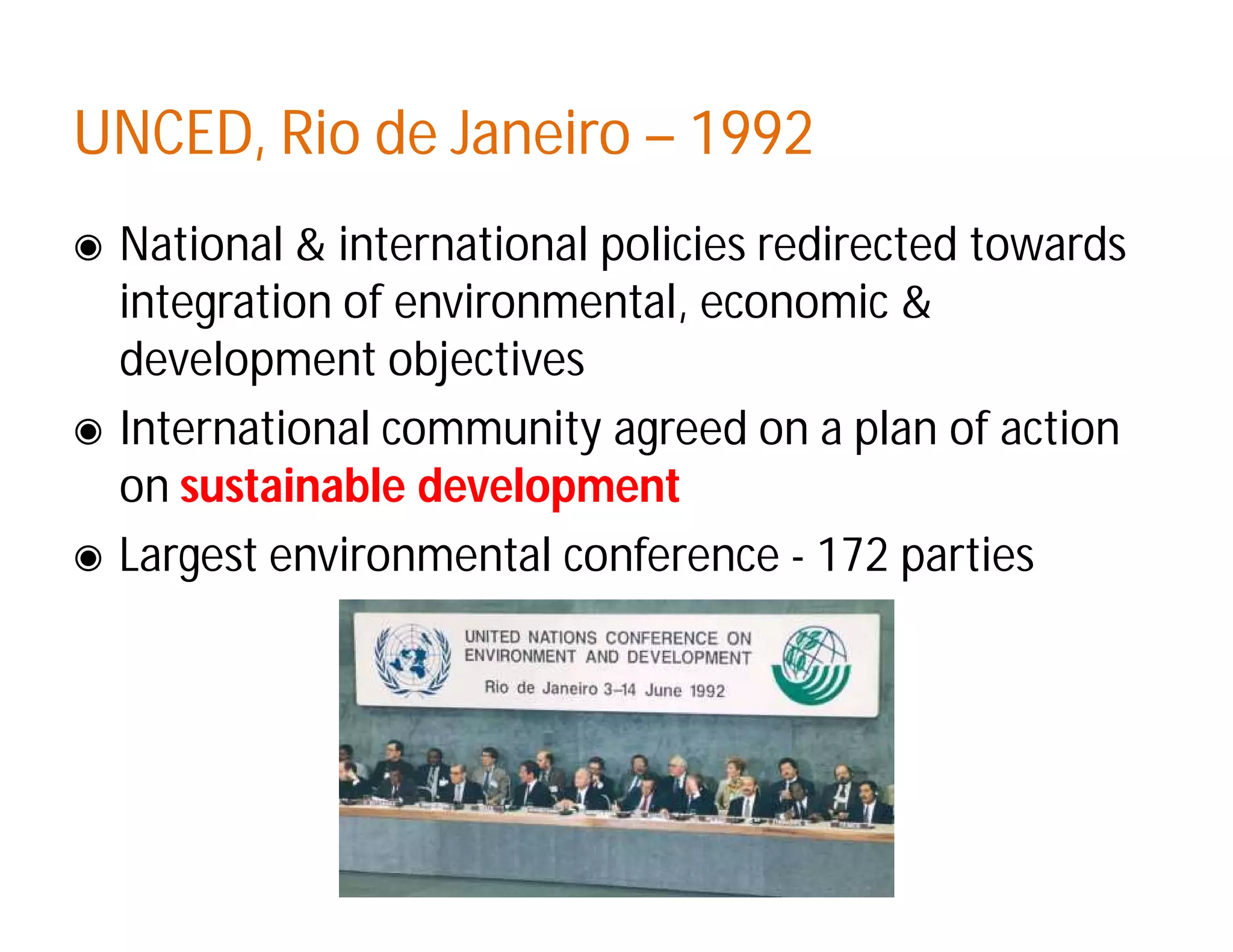
UNCED, Rio de JaneiroUNCED, Rio de Janeiro –– 19921992
◉ National & international policies redirected towards
integration of environmental, economic &
development objectives
◉ International community agreed on a plan of action
on sustainable development
◉ Largest environmental conference - 172 parties
◉ The Summit’s message, “nothing less than a
transformation of our attitudes and behavior would
bring about the necessary changes”
◉ Issues addressed:
o Systematic scrutiny of patterns of production
o Alternative sources of energy to replace fossil fuels
o New reliance on public transportation systems
o Awareness and concern over scarcity of water
◉ Principles:
o Meet environmental & developmental needs
o Healthy & productive life in harmony with nature
o Peace, development & environmental protection are
interdependent & indivisible
o Polluter should bear cost of pollution
o Participation of all citizens
o EIA for proposed activities
o States have responsibility to protect environment
◉ Outcome:
o Commission on Sustainable Development (CSD)
o Agenda 21
o Declaration on Environment & Development
o Forest Principles
o Bio-diversity Convention
o Framework Convention on Climate Change
o Convention to Combat Desertification, Paris
Convention on Biological DiversityConvention on Biological Diversity –– 19921992
◉ To develop national strategies for conservation &
sustainable use of biological diversity
◉ Multilateral treaty – 196 parties
◉ Objectives:
o Conservation of biological diversity
o Sustainable use of the components of biological
diversity
o Fair and equitable sharing of the benefits
◉ International year of Biodiversity – 2010
◉ UN Decade on Biodiversity  2011-2020
◉ Cartagena Protocol on Biosafety , 2000
o Ensure the safe handling, transport and use of living
modified organisms
o Protect biological diversity from the potential risks
posed by genetically modified organisms
o Advance Informed Agreement
o Biosafety Clearing-House
o 171 parties
UNFCCCUNFCCC –– 19921992
◉ Near-universal membership
◉ Objectives:
o To stabilize greenhouse gas concentrations at a level
that would prevent dangerous human induced
interference with the climate system
o Should be achieved within a time-frame sufficient to
allow ecosystems to adapt naturally to climate change
o To ensure that food production is not threatened
o To enable sustainable economic development
◉ Financial support to developing countries
◉ Share technologies
◉ Keeps tabs on the problem and what's being done
about it
◉ Help developing countries limit emissions without
hindering their economic progress
◉ Annual meeting of parties
◉ Kyoto Protocol - 1997
o Set emission reduction targets internationally
o UN member countries divided into
• Annex I countries: Industrialized countries & economy
is in transition
• Annex II countries: Developed countries which pay for
costs of developing countries
• Non-Annex I countries: Developing countries
o Doha amendment in 2012
◉ Paris Agreement on Climate Change, 2016
o Will replace Kyoto Protocol on 31 January 2020
o 192 countries including India signed the agreement
o To limit rise in global temperature below 2C
o To help developing nations to adapt the detrimental
effects of global warming
◉ India’s Commitments
o India – world’s 4th largest carbon emitter
o Produce 40% of total electricity from sources other
than fossil fuels
o Creating additional carbon sink through extra forest &
tree cover by 2030
o Installing 175GW of renewable power capacity by
2022
Rotterdam ConventionRotterdam Convention –– 19981998
◉ “Rotterdam Convention on the Prior Informed
Consent Procedure for Certain Hazardous Chemicals
and Pesticides in International Trade”
◉ Objectives:
o Promote shared responsibility and cooperative efforts
among Parties in the international trade hazardous
chemicals to protect human health and the
environment from potential harm
o Environmentally sound use of hazardous chemicals
◉ Annex III chemicals - 50 chemicals
◉ Prior Informed Consent (PIC) procedure
◉ Decision Guidance Document (DGD) – scope, basic
information, hazards, possible alternatives
◉ Exporters of hazardous chemicals should
o Use proper labeling
o Directions for safe handling
o Inform to import nation on any restriction or ban
Stockholm Convention on Persistent OrganicStockholm Convention on Persistent Organic
PollutantsPollutants -- 20012001
◉ Objective:
o To protect human health and the environment from
persistent organic pollutants (POP)
◉ POP List
o Annex A  Prohibit or eliminate the production, use,
and its import and export
o Annex B Restriction (DDT)
o Annex C  Reduce or eliminate releases from
unintentionally produced POPs
(Endosulfan)
◉ Effects of POPs:
o Remain intact for exceptionally long periods
o Widely distributed throughout the environment by
natural processes (soil, air, water...)
o Accumulate in the fatty tissue of living organisms
o Toxic to humans and wildlife
o Serious health effects
• Cancer
• Birth defects
• Damage nervous systems, immune systems
Johannesburg Conference, 2002Johannesburg Conference, 2002
◉ World Summit on Sustainable Development, South
Africa
◉ Earth Summit 2002 (Rio+10)
◉ Objectives:
o Reaffirm commitment to sustainable development via
social, economical & environmental development
o Vanish under-development
o Basic requirements of human
o Improve lives while preserving earth's resources
◉ Outcomes:
o Agreed to achieve 8 critical economic & social
development priorities by 2015 (Millennium
Development Goals)
UN Conference on Sustainable DevelopmentUN Conference on Sustainable Development ––
20122012
◉ Earth Summit 2012 (Rio+20)
◉ Objectives:
o Securing renewed political commitment for
sustainable development
o Assessing the progress and implementation gaps
o Addressing new and emerging challenges
◉ Outcomes
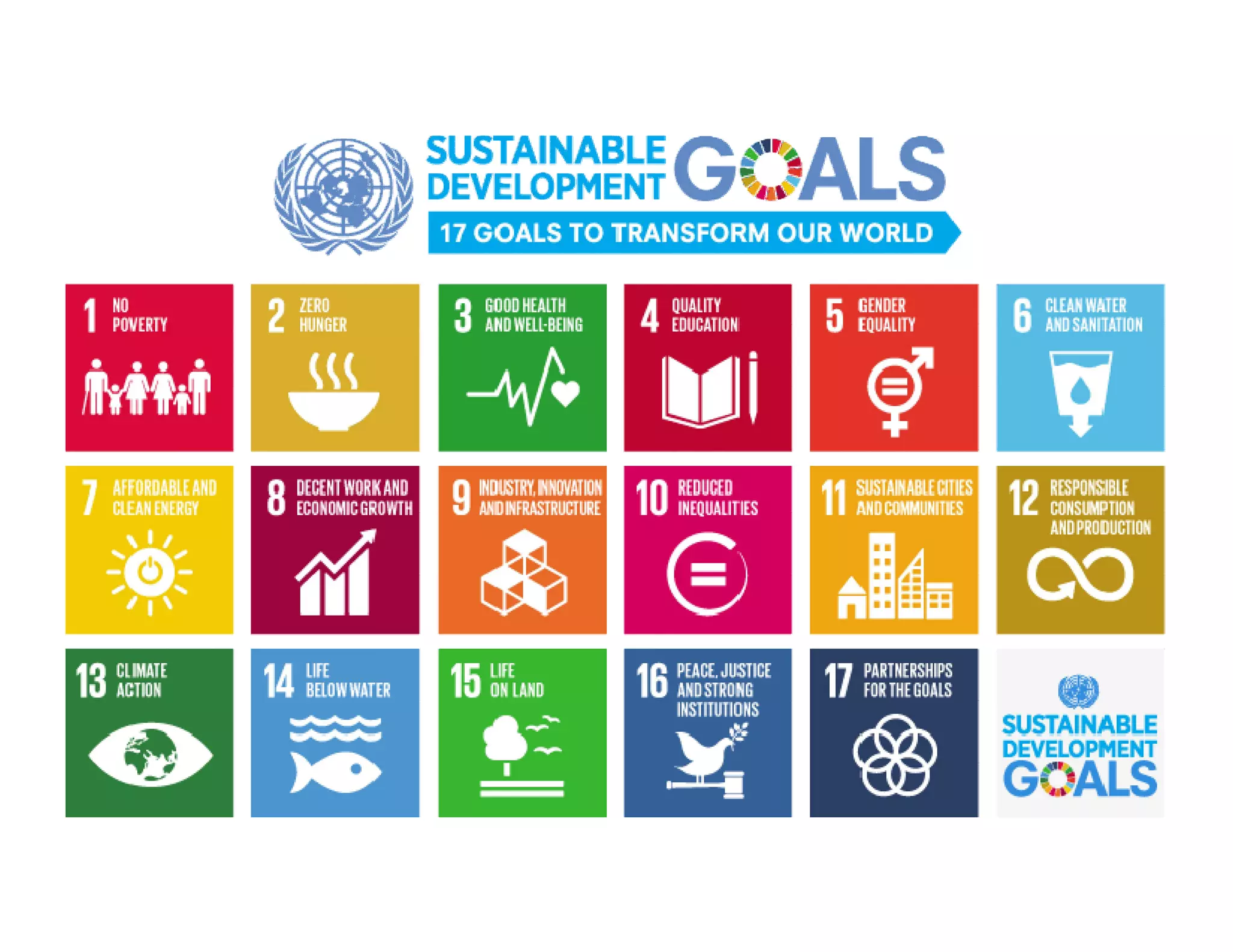
o Sustainable Development Goals
o Make UNEP the “leading global environmental
authority”
o All nations reaffirmed commitments to phase out
fossil fuel subsidies
o Outcome document – “Future We Want”
ReferencesReferences
1. www.britannica.com
2. ozone.unep.org
3. www.basel.int
4. www.un.org
5. www.sustainable-environment.org.uk
6. www.cbd.int
7. unfccc.int
8. www.pic.int
9. chm.pops.int
Global Environmental Conventions

Global Environmental Conventions

  • 1.
  • 2.
    What is aCONVENTION ?What is a CONVENTION ? “A meeting or formal assembly, of representatives or delegates, for discussion and action on particular matters of common concern” ◉ Need of GLOBAL ENVIRONMENTAL CONVENTIONS ? o Protection of environment o Promotion of sustainable development
  • 3.
    TermsTerms ◉ Protocol/Agreement/Treaty o Alegally binding official written agreement o Establishes rights and obligations b/w each party ◉ Ratification o A state indicates its consent to be bound to a treaty o To enact the necessary legislation to give domestic effect to that treaty o Universal ratification – 197 parties
  • 4.
    List of ConventionsListof Conventions ◉ 1971 – Ramsar Convention ◉ 1972 – UN Conference on Human Environment, Stockholm ◉ 1973 – Washington Convention ◉ 1985 – Vienna Convention ◉ 1989 – Basel Convention
  • 5.
    ◉ 1992 –UN Conference on Environment & Development (Earth Summit) – Biodiversity Convention, Nairobi – UN Framework Convention on Climate Change, New York ◉ 1998 – Rotterdam Convention ◉ 2001 – Stockholm Convention on Persistent Organic Pollutants ◉ 2002 – World Summit on Sustainable Development, Johannesburg, SA ◉ 2012 – United Nations Conference on Sustainable Development, Rio ◉ 2016 – Paris Agreement
  • 6.
    RamsarRamsar ConventionConvention ––19711971 ◉ “The Convention on Wetlands of International Importance, especially as Waterfowl Habitat”, Ramsar, Iran ◉ Also called “Convention on Wetlands” ◉ World Wetlands Day – Feb 2 ◉ 169 contracting parties & 2266 Ramsar sites ◉ Mission: o Conservation & wise use of wetlands & their resources
  • 7.
    Stockholm ConferenceStockholm Conference–– 19721972 ◉ First attempt to address inter-relationships of environment and development at global level ◉ Marks the birth of International Environmental Policy ◉ Objectives: o Recognize environmental education as a potential tool to better the lives of many nations o Engage the international community in environmental policy debate ◉ Outcome: o United Nations Environment Programme(UNEP)
  • 8.
    ◉ Principles: o Naturalresources & wildlife must be safeguarded o Renewable resources must be maintained o Non-renewable resources must be shared & not exhausted o Pollution must not exceed environment’s capacity to clean itself o Prevent oceanic pollution o Improve the environment & establish standards o Environmental education & research o Eliminate destructive weapons
  • 9.
    CITES, WashingtonCITES, Washington–– 19731973 ◉ “Convention on International Trade in Endangered Species of Wild Fauna and Flora” ◉ International agreement to which States and regional organizations adhere voluntarily ◉ Objective: o To ensure that international trade in specimens of wild animals and plants does not threaten their survival ◉ Protection to more than 35,000 species of animals and plants ◉ 183 parties
  • 10.
    ◉ Appendix –I (About 1000 species) o Threatened with extinction or affected by trade o Commercial trade is illegal ◉ Appendix – II (About 34,500 species) o Not necessarily threatened with extinction, but may become so unless trade is strictly regulated o International trade is authorized by the granting export permit ◉ Appendix – III (about 200 species) o Species are not necessarily threatened with extinction globally o International trade is allowed only on presenting appropriate permits or certificates
  • 11.
    Vienna ConventionVienna Convention–– 19851985 ◉ “The Vienna Convention for the Protection of the Ozone Layer” ◉ First Convention to achieve universal ratification ◉ Objectives: o To promote cooperation by systematic observations, research and information exchange on the effects of human activities on the ozone layer o To adopt legislative or administrative measures against activities likely to have adverse effects on the ozone layer
  • 12.
    ◉ Montreal Protocol– 1987 o Outcome of Vienna Convention o Total elimination of Ozone depleting substances o 197 parties o To phase out production & consumption of CFCs o Multilateral fund – developed countries contribute to help developing countries to achieve control measures o Ban on trade in designated ozone-depleting chemicals o World Ozone Day – 16th September 2017
  • 13.
    Basel ConventionBasel Convention–– 19891989 ◉ “The Basel Convention on the Control of Transboundary Movements of Hazardous Wastes and their Disposal” ◉ 186 parties ◉ Objective: o To protect human health and the environment against the adverse effects of hazardous wastes ◉ Do not cover radio active wastes
  • 14.
    UNCED, Rio deJaneiroUNCED, Rio de Janeiro –– 19921992 ◉ National & international policies redirected towards integration of environmental, economic & development objectives ◉ International community agreed on a plan of action on sustainable development ◉ Largest environmental conference - 172 parties
  • 15.
    ◉ The Summit’smessage, “nothing less than a transformation of our attitudes and behavior would bring about the necessary changes” ◉ Issues addressed: o Systematic scrutiny of patterns of production o Alternative sources of energy to replace fossil fuels o New reliance on public transportation systems o Awareness and concern over scarcity of water
  • 16.
    ◉ Principles: o Meetenvironmental & developmental needs o Healthy & productive life in harmony with nature o Peace, development & environmental protection are interdependent & indivisible o Polluter should bear cost of pollution o Participation of all citizens o EIA for proposed activities o States have responsibility to protect environment
  • 17.
    ◉ Outcome: o Commissionon Sustainable Development (CSD) o Agenda 21 o Declaration on Environment & Development o Forest Principles o Bio-diversity Convention o Framework Convention on Climate Change o Convention to Combat Desertification, Paris
  • 18.
    Convention on BiologicalDiversityConvention on Biological Diversity –– 19921992 ◉ To develop national strategies for conservation & sustainable use of biological diversity ◉ Multilateral treaty – 196 parties ◉ Objectives: o Conservation of biological diversity o Sustainable use of the components of biological diversity o Fair and equitable sharing of the benefits ◉ International year of Biodiversity – 2010 ◉ UN Decade on Biodiversity  2011-2020
  • 19.
    ◉ Cartagena Protocolon Biosafety , 2000 o Ensure the safe handling, transport and use of living modified organisms o Protect biological diversity from the potential risks posed by genetically modified organisms o Advance Informed Agreement o Biosafety Clearing-House o 171 parties
  • 20.
    UNFCCCUNFCCC –– 19921992 ◉Near-universal membership ◉ Objectives: o To stabilize greenhouse gas concentrations at a level that would prevent dangerous human induced interference with the climate system o Should be achieved within a time-frame sufficient to allow ecosystems to adapt naturally to climate change o To ensure that food production is not threatened o To enable sustainable economic development
  • 21.
    ◉ Financial supportto developing countries ◉ Share technologies ◉ Keeps tabs on the problem and what's being done about it ◉ Help developing countries limit emissions without hindering their economic progress ◉ Annual meeting of parties
  • 22.
    ◉ Kyoto Protocol- 1997 o Set emission reduction targets internationally o UN member countries divided into • Annex I countries: Industrialized countries & economy is in transition • Annex II countries: Developed countries which pay for costs of developing countries • Non-Annex I countries: Developing countries o Doha amendment in 2012
  • 23.
    ◉ Paris Agreementon Climate Change, 2016 o Will replace Kyoto Protocol on 31 January 2020 o 192 countries including India signed the agreement o To limit rise in global temperature below 2C o To help developing nations to adapt the detrimental effects of global warming
  • 24.
    ◉ India’s Commitments oIndia – world’s 4th largest carbon emitter o Produce 40% of total electricity from sources other than fossil fuels o Creating additional carbon sink through extra forest & tree cover by 2030 o Installing 175GW of renewable power capacity by 2022
  • 25.
    Rotterdam ConventionRotterdam Convention–– 19981998 ◉ “Rotterdam Convention on the Prior Informed Consent Procedure for Certain Hazardous Chemicals and Pesticides in International Trade” ◉ Objectives: o Promote shared responsibility and cooperative efforts among Parties in the international trade hazardous chemicals to protect human health and the environment from potential harm o Environmentally sound use of hazardous chemicals
  • 26.
    ◉ Annex IIIchemicals - 50 chemicals ◉ Prior Informed Consent (PIC) procedure ◉ Decision Guidance Document (DGD) – scope, basic information, hazards, possible alternatives ◉ Exporters of hazardous chemicals should o Use proper labeling o Directions for safe handling o Inform to import nation on any restriction or ban
  • 27.
    Stockholm Convention onPersistent OrganicStockholm Convention on Persistent Organic PollutantsPollutants -- 20012001 ◉ Objective: o To protect human health and the environment from persistent organic pollutants (POP) ◉ POP List o Annex A  Prohibit or eliminate the production, use, and its import and export o Annex B Restriction (DDT) o Annex C  Reduce or eliminate releases from unintentionally produced POPs (Endosulfan)
  • 28.
    ◉ Effects ofPOPs: o Remain intact for exceptionally long periods o Widely distributed throughout the environment by natural processes (soil, air, water...) o Accumulate in the fatty tissue of living organisms o Toxic to humans and wildlife o Serious health effects • Cancer • Birth defects • Damage nervous systems, immune systems
  • 29.
    Johannesburg Conference, 2002JohannesburgConference, 2002 ◉ World Summit on Sustainable Development, South Africa ◉ Earth Summit 2002 (Rio+10) ◉ Objectives: o Reaffirm commitment to sustainable development via social, economical & environmental development o Vanish under-development o Basic requirements of human o Improve lives while preserving earth's resources
  • 30.
    ◉ Outcomes: o Agreedto achieve 8 critical economic & social development priorities by 2015 (Millennium Development Goals)
  • 31.
    UN Conference onSustainable DevelopmentUN Conference on Sustainable Development –– 20122012 ◉ Earth Summit 2012 (Rio+20) ◉ Objectives: o Securing renewed political commitment for sustainable development o Assessing the progress and implementation gaps o Addressing new and emerging challenges
  • 32.
    ◉ Outcomes o SustainableDevelopment Goals o Make UNEP the “leading global environmental authority” o All nations reaffirmed commitments to phase out fossil fuel subsidies o Outcome document – “Future We Want”
  • 34.
    ReferencesReferences 1. www.britannica.com 2. ozone.unep.org 3.www.basel.int 4. www.un.org 5. www.sustainable-environment.org.uk 6. www.cbd.int 7. unfccc.int 8. www.pic.int 9. chm.pops.int