Download as PDF, PPTX
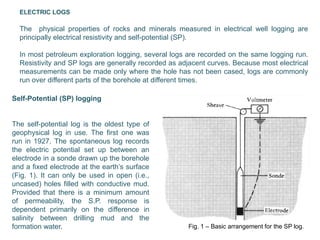
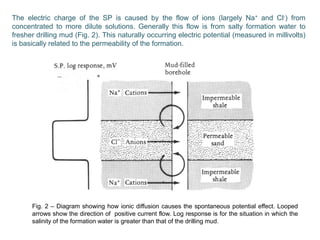
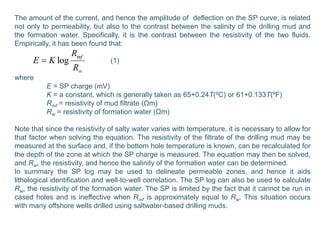
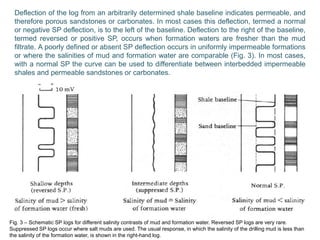
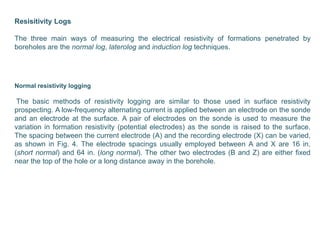
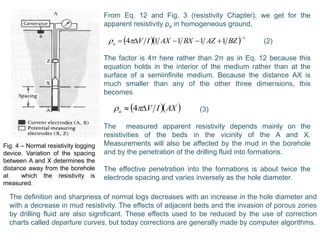
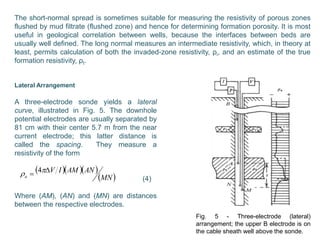
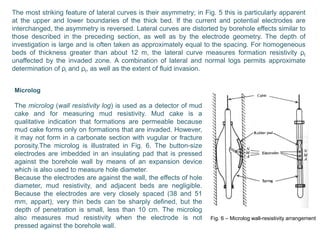
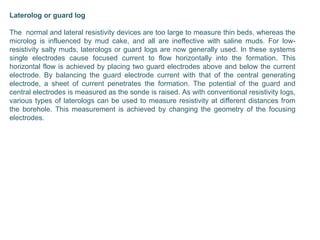
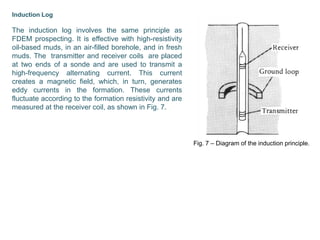
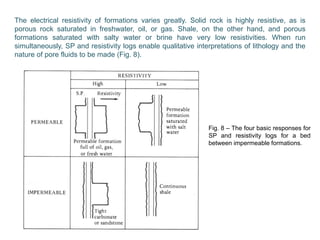
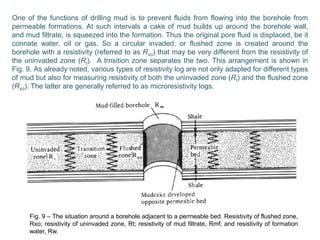
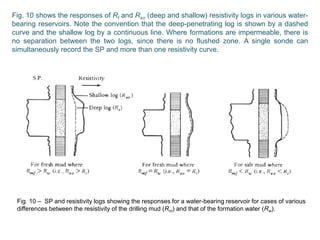
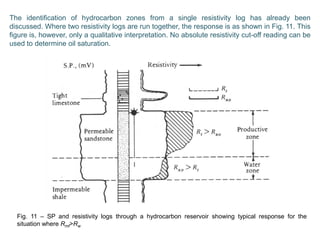
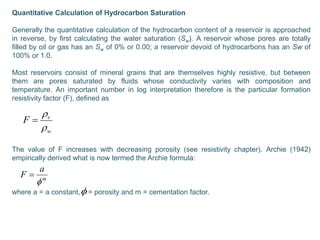
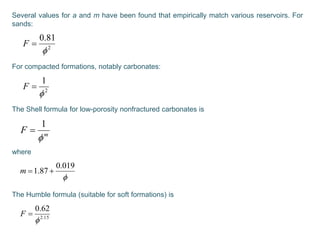
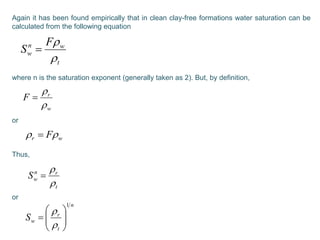
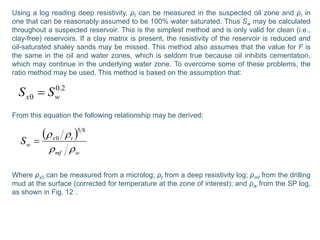
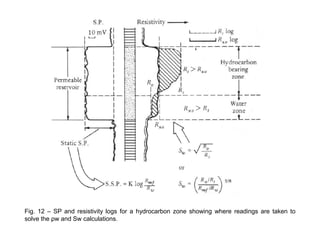
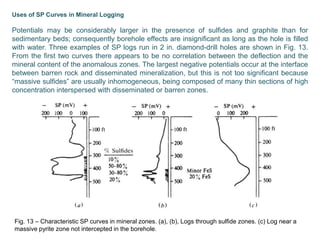
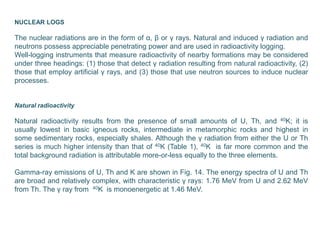
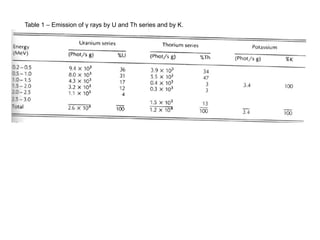
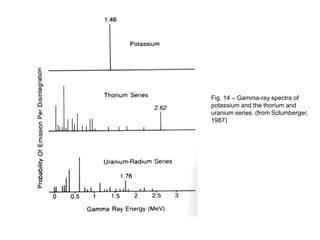
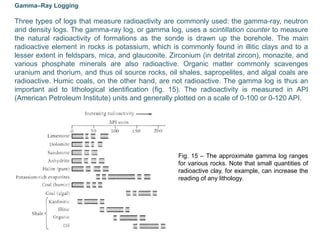
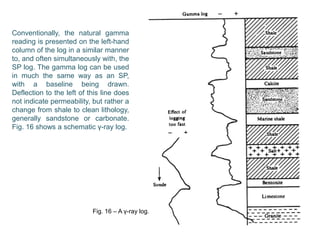
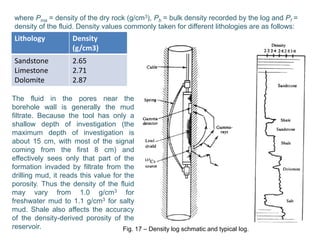
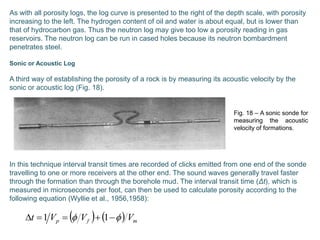
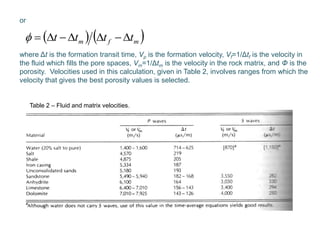
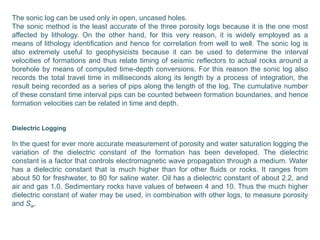
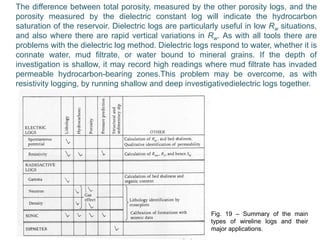

Geophysical well logging uses sensors located in boreholes to measure physical properties of surrounding rocks as a function of depth. Well logs are used to identify geological formations and fluids, correlate between holes, and evaluate reservoir formations. Common logging methods include electrical resistivity, self-potential, nuclear, acoustic, and thermal measurements. The objective is to determine in situ rock and fluid properties, though drilling disturbs the formation. Effective depth of penetration varies between tools and formations. Well logging aims to identify potential reservoirs by determining porosity, permeability, and fluid contents.


