








BATTLING SCRUM FATIGUE:
MOTIVATING A TEAM ON THE FRONTLINE
Gavin Coughlan
Head of Agile – Boost
ABOUT ME
ABOUT
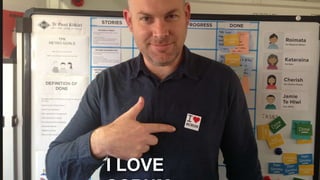
I LOVE
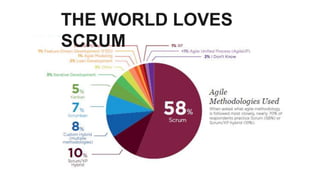
THE WORLD LOVES
SCRUM
WHAT IS SCRUM
WHY SHOULD WE
CARE?
HAPPINESS
MATTERS
THE 8 YEAR
SCRUM204 204
204
204
204 204
1,836
204
THE
PROJECT
THE
SMELLS
THE
SYMPTOMSScrum
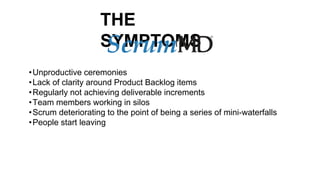
•Unproductive ceremonies
•Lack of clarity around Product Backlog items
•Regularly not achieving deliverable increments
•Team members working in silos
•Scrum deteriorating to the point of being a series of mini-waterfalls
•People start leaving
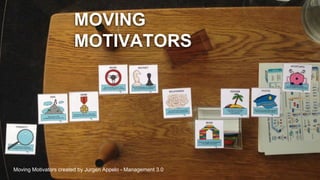
MOVING MOTIVATORSMOVING
MOTIVATORS
Moving Motivators created by Jurgen Appelo - Management 3.0
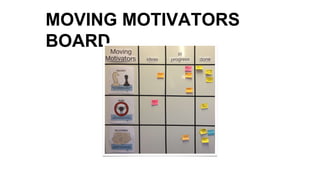
MOVING MOTIVATORS
BOARD
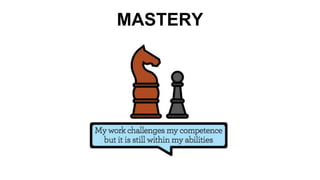
MASTERY
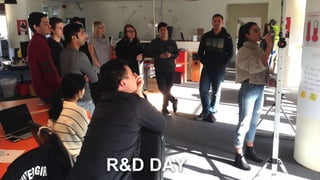
R&D DAY
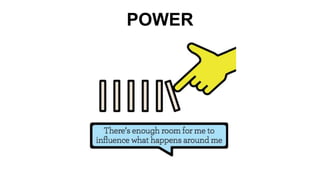
POWER
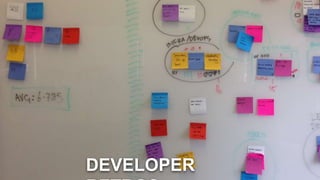
DEVELOPER
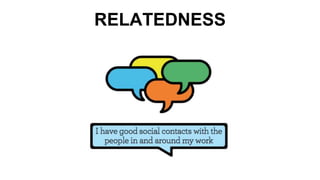
RELATEDNESS
ESCAPE MATE
ESCAPE
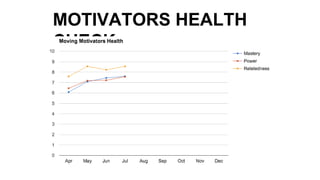
MOTIVATORS HEALTH
CHECK
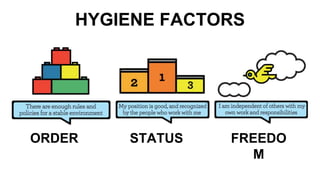
HYGIENE FACTORS
ORDER STATUS FREEDO
M
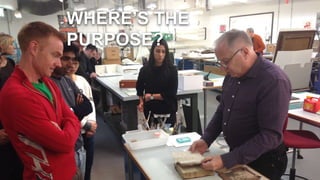
WHERE’S THE
PURPOSE?
THE RIGHT
PEOPLE
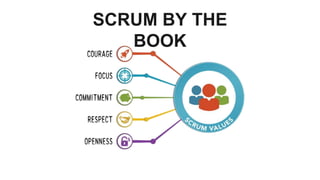
SCRUM BY THE
BOOK
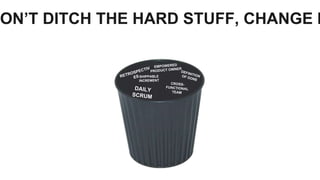
ON’T DITCH THE HARD STUFF, CHANGE I
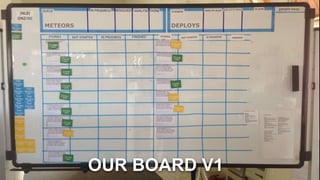
OUR BOARD V1
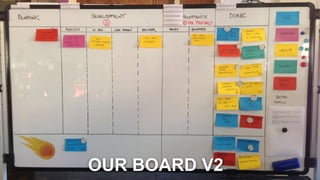
OUR BOARD V2
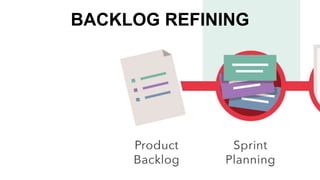
BACKLOG REFINING
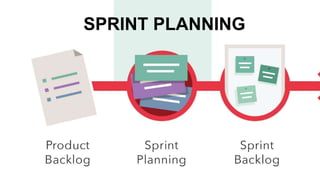
SPRINT PLANNINGSPRINT PLANNING
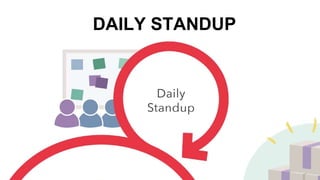
DAILY STANDUPDAILY STANDUP
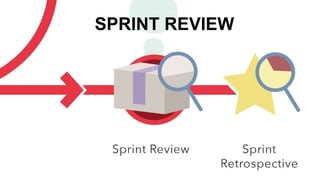
SPRINT REVIEWSPRINT REVIEW
SPRINT
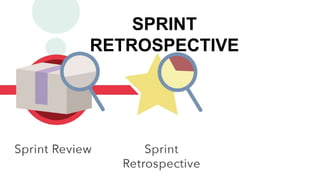
RETROSPECTIVE
SPRINT
RETROSPECTIVE
CONVERSATION
MEASURING
FATIGUE
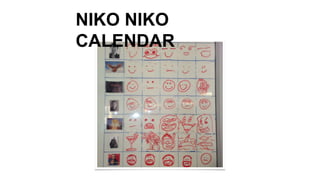
NIKO NIKO
CALENDAR
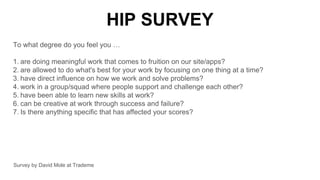
To what degree do you feel you …
1. are doing meaningful work that comes to fruition on our site/apps?
2. are allowed to do what's best for your work by focusing on one thing at a time?
3. have direct influence on how we work and solve problems?
4. work in a group/squad where people support and challenge each other?
5. have been able to learn new skills at work?
6. can be creative at work through success and failure?
7. Is there anything specific that has affected your scores?
Survey by David Mole at Trademe
HIP SURVEY
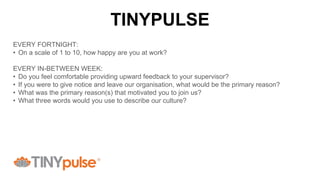
EVERY FORTNIGHT:
• On a scale of 1 to 10, how happy are you at work?
EVERY IN-BETWEEN WEEK:
• Do you feel comfortable providing upward feedback to your supervisor?
• If you were to give notice and leave our organisation, what would be the primary reason?
• What was the primary reason(s) that motivated you to join us?
• What three words would you use to describe our culture?
TINYPULSE
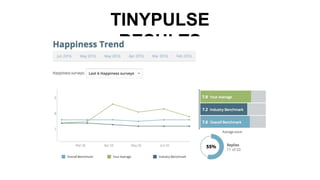
TINYPULSE
RESULTS
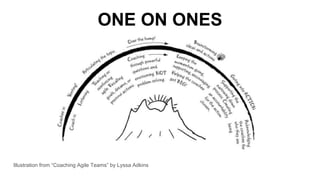
ONE ON ONES
Illustration from “Coaching Agile Teams” by Lyssa Adkins
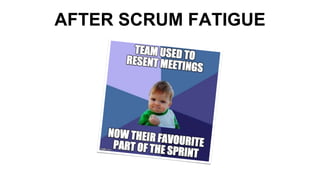
AFTER SCRUM FATIGUE
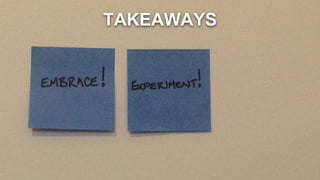
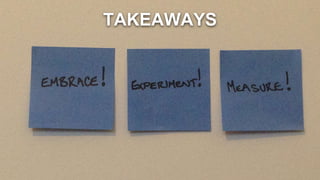
FIGHT THE GOOD FIGHTTAKEAWAYS
Thanks for listening
Any Questions?

Gavin Coughlan (Boost)

Editor's Notes

  • #3 Gavin Ex-frontend developer Fell in to project management 8 years ago I started working with an Agile team Love at first sight Agile coach
  • #4 A little bit about Boost and it’s Agile journey
  • #5 “Battling Scrum Fatigue” is not a slight Great for people starting their Agile journey My favourite benefits (transparency/morale/working software/adapt to changing priorities) Almost old fashioned to say I love Scrum as it is almost 20 years old Used on large and small scale projects
  • #6 Version One survey of almost 4,000 individuals 58% using pure Scrum 75% using either pure Scrum or some sort of hybrid
  • #7 Groundhog day reference No breaks in between Sprints Can seem relentless Ceremonies get stale, ennui sets in What was once a fresh codebase is now a legacy system Changing members can make it difficult for knowledge to stay within the team The propose and vision around the project can get lost in the mix over time With no end date, the motivation can be destroyed when looking at an eternal backlog
  • #8 Because I have seen occur in many of these teams. Agile isn’t a silver bullet for avoiding burnout or fatigue. You can have the best Product Owner, and amazing product and a team that works well together but still the Scrum process can takes it’s toll after a while. So without a lot of care a long running Scrum team can lose sight of their goals and tire of, if not resent, the Scrum ceremonies and artefacts. And an unmotivated team is an unhappy team.
  • #9 A 2009 study from the University of Warwick found that people are 12% more productive when they are happy, and I have seen studies claiming 31% 10% less productive when unhappy A 2002 study found that a positive approach fosters an environment where highly collaborative teamwork can thrive.
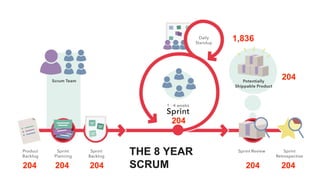
  • #10 204 backlog refinements 204 sprint plannings and forecasts 204 sprint backlogs and goals 204 2 week sprints (although we did experiment with 4 week sprints) 1,836 standups 204 product increments 204 reviews 204 retrospectives and sets of goals Talk about why we still do Scrum after 8 years
  • #11 Helping to make New Zealand digital content easy to find, share and use 30,000,000 records Aerial photos, posters and memorabilia, newspaper clippings, artworks, and publications 230 content partners Earliest paper in Papers Past is 1839 API enables developers to find and query data from across the New Zealand cultural, education, and government sectors and create new digital experiences Lifelines table consumes our API 4 POs
  • #12 Lack of engagement in the ceremonies People just going through the motions No solid results in meetings No real ownership of backlog
  • #13 Tortuous ceremonies - painful and with poor output Product Backlog items never ready for development - and rolling over and not getting done as a result Regularly not achieving deliverable increments Team members working in silos Scrum deteriorating to the point of being a series of mini-waterfalls Start losing people
  • #14 We ran moving motivators by Jurgen Appelo (Management 3.0) Based on the ten intrinsic (not extrinsic) desires from the works of Daniel Pink (Drive: The Surprising Truth About What Motivates Us), Steven Reiss, and Edward Deci Most motivating factors left to right Which ones Boost were supporting up and down
  • #15 We set up a moving motivators board (Seinfeld reference)
  • #16 Number 1 motivator
  • #17 Show and tells Lunch and learns Mentorship (andy gray and new recruiting drive based off WHO) Training and conferences Changed r&d day
  • #18 Number 2 motivator
  • #19 Developer retro (getting great results, my favourite meeting) Company wide retros Democratic workplace
  • #20 Number 3 motivator
  • #21 Escape mate Asiana cooking Werner Herzog movie (Lo and Behold, Reveries of the Connected World) More celebrations!
  • #22 Tracking motivators health over time
  • #23 Order We put just enough process in place to make people feel comfortable, but not so much as to impinge on our culture. Status No one seemed to care about there status, which is good as we don’t have job titles. Obvious mentors did rise to the surface though, and we ensured they had as much time as needed to upskill more junior developers. Freedom Ensured that people could work with whoever they wanted by getting laptops
  • #24 Were losing sight of how they fit in to an amazing bigger picture and the audiences We arranged a day out where we would get a tour of the library Presentations around the future vision and the impacts the project had on its audiences We went behind the scenes to see old manuscripts and intricate books being preserved, Cool albums, Katherine Mansfield books covered in mud, bags of staples The team returned with a new sense of purpose, an understanding of how their work fit in to a huge picture and the knowledge that their work had a very important impact on the culture and heritage of New Zealand
  • #25 First and foremost on any Scrum team, you need the right people. Not everyone is good at working with a team, and not everyone works well within the Scrum structure.
  • #26 The values are now front and centre of the scrum guide Focus on the values and principles Don’t just blindly implement the framework Focus - Because we focus on only a few things at a time, we work well together and produce excellent work. We deliver valuable items sooner. Courage - Because we work as a team, we feel supported and have more resources at our disposal. This gives us the courage to undertake greater challenges. Openness - As we work together, we express how we're doing, what's in our way, and our concerns so they can be addressed. Commitment - Because we have great control over our own destiny, we are more committed to success. Respect - As we work together, sharing successes and failures, we come to respect each other and to help each other become worthy of respect.
  • #27 Knee jerk reactions to the hard stuff can be damaging, assess why they are hard Scrum often highlights an organisations flaws, so people move away Scrum is a light framework, but takes real work to make it effective Sometimes they move to Kanban which seems like an easier road, when in fact it can be far tougher A good question to ask yourself is “when was the last time we changed anything in our process?” Here are a few examples of just some tweaks we have made along the way:
  • #28 Noticed the team weren’t using the board except for stands Asked them if they found it valuable Changed to a Kanban board
  • #29 Now the board is for them Makes sense Has improved their process Definition of done for each column WIP limits working well Team taking accountability Meteors
  • #30 Relative sizing Just split teams and backlog Shorten Refining Sessions Jirandicitis
  • #31 Tasking and hours Fist to five for Sprint Forecast
  • #32 Disregarded the questions, add different questions (good news) Pre-standup Standup
  • #33 Product Owner led review Get outsiders in the meeting
  • #34 Usually the first meeting to suffer from fatigue Different every time Make actions SMART Not too many actions Make sure actions are visible Make sure actions get completed
  • #35 Almost every tool in Scrum is there to promote conversation, and you must do whatever you can to ensure that conversation happens and everyone gets to have input. Developers aren't always keen to talk, so you have to help those conversations to happen (Use headphones always on example).
  • #36 I have used a few tools to help me monitor the team’s happiness, motivation and thirst for Agile, all of which have helped me to uncover some unspoken feelings people are having about Scrum.
  • #37 A simple and fun way to measure happiness on a daily basis. The team I worked with and incorporated the Niko Niko got really in to it and there smiley faces became works of art over time. If a team are delivering, but are unhappy, that points to something that needs investigation. Likewise if a team is really happy but not delivering anything. Have they stopped caring? Use example of Meridian and what happened when I presented the findings of team happiness to them
  • #38 Another tool I used was stolen from David Mole of Trademe. They were sending out a regular survey called the HIP survey, measuring happiness, innovation and productivity. This questionnaire gave me similar results to the niko niko calendar, but got less response from the team.
  • #39 EVERY FORTNIGHT: On a scale of 1 to 10, how happy are you at work? EVERY IN-BETWEEN WEEK: Do you feel comfortable providing upward feedback to your supervisor? If you were to give notice and leave our organisation, what would be the primary reason? What was the primary reason(s) that motivated you to join us? What three words would you use to describe our culture?
  • #40 Industry benchmark: 7.2 Overall benchmark: 7.6 Our average: 7.8 Challenge getting everyone to respond
  • #41 There was no real replacement for just sitting down with someone regularly and talking to them about what is going on with them. One on ones are essential, do not miss them! If everybody turns out to be really happy all the time and Scrum is providing the basis for a collaborative and productive workplace, then congratulations! If you have uncovered areas to work on then congratulations! You can’t improve a situation without the necessary information.
  • #42 You can never rest on your laurels
  • #43 Embrace Scrum and really make it work for you
  • #44 Experiment with everything
  • #45 Measure your experiments and effectiveness