Downloaded 347 times
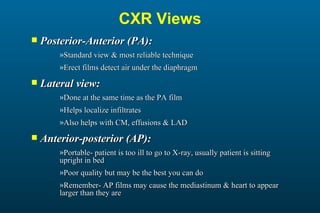
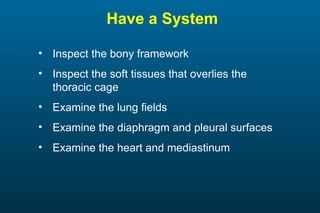
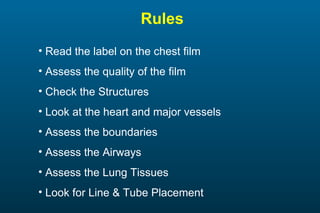
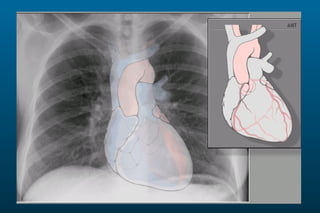
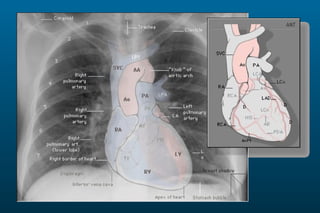
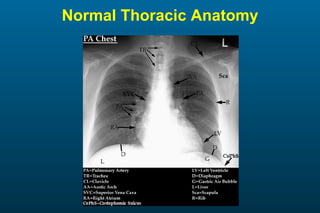
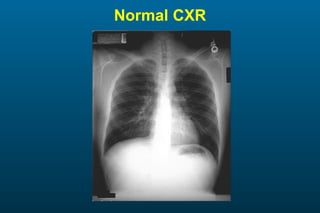
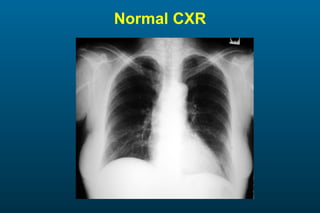
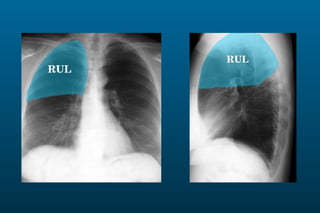
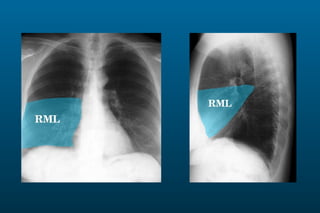
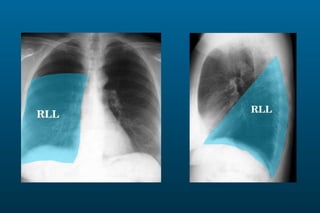
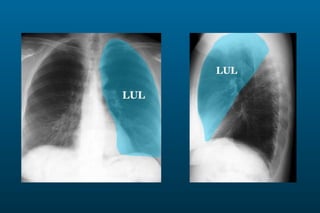
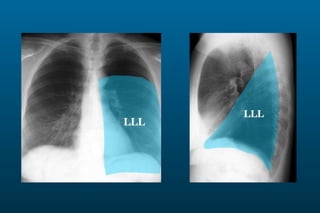
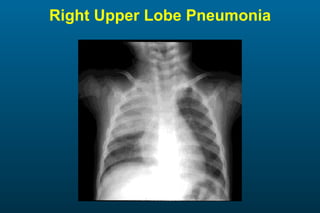
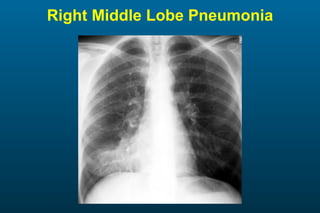
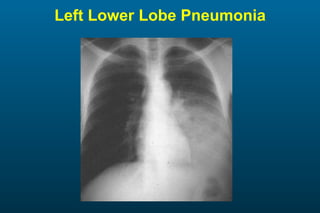
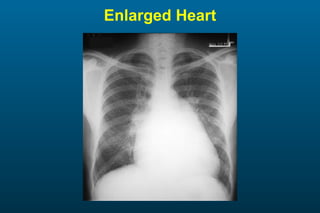
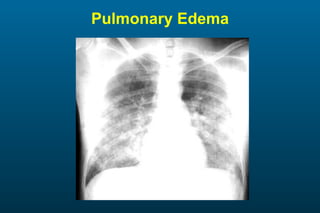
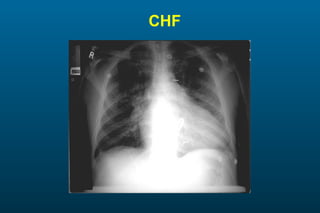
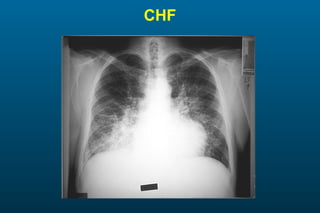
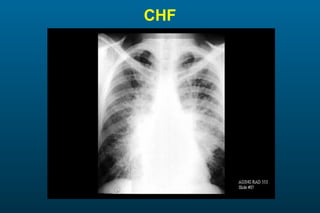
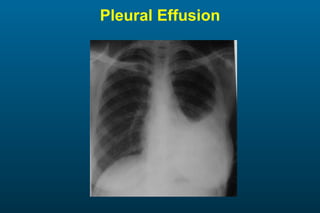
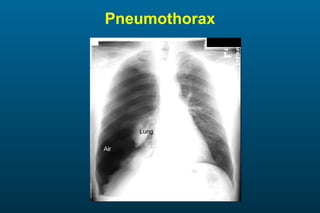
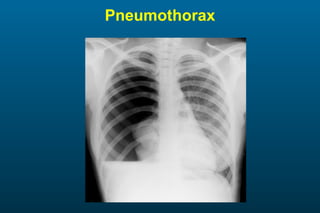
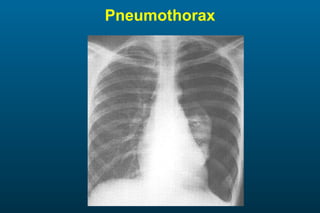
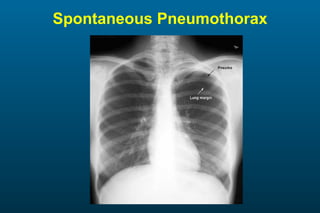
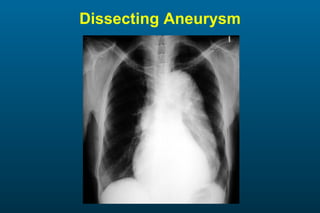
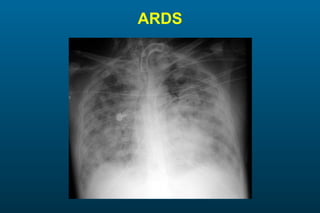
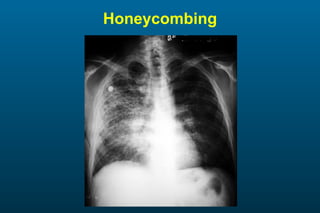
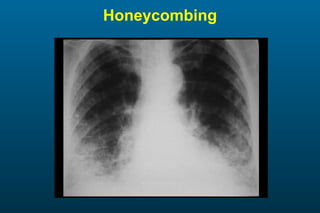
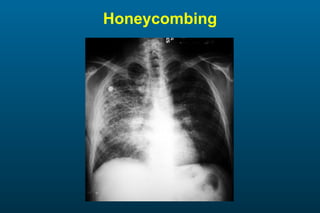
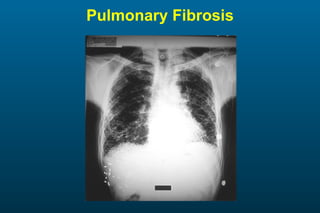
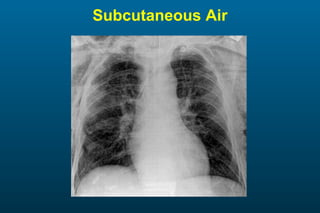
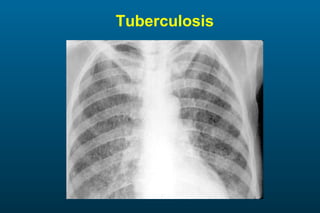
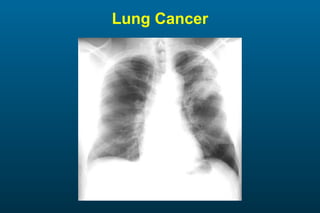
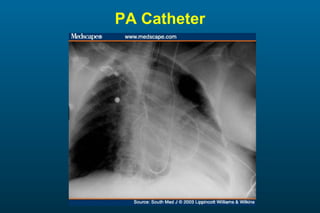
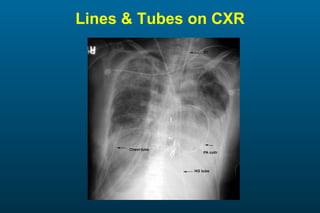

1) The posterior-anterior (PA) view is the standard and most reliable technique for a chest x-ray. It allows detection of air under the diaphragm. 2) A lateral view helps localize infiltrates and evaluate the cardiomediastinal silhouette, effusions, and left atrial dilation. 3) An anterior-posterior (AP) view is used when a patient is too ill to be transported, but image quality is poorer and structures may appear enlarged compared to a PA view.


![Radiological_diagnosis_of_TB_ECHO_MOH[1].pptx](https://cdn.slidesharecdn.com/ss_thumbnails/radiologicaldiagnosisoftbechomoh1-240905083452-eb26e5f9-thumbnail.jpg?width=640&height=640&fit=bounds)


