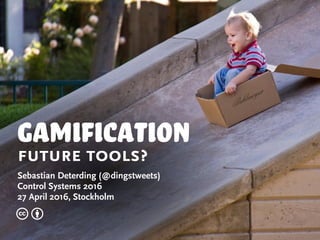

















Gamification
future tools?
Sebastian Deterding (@dingstweets)
Control Systems 2016
27 April 2016, Stockholm
c b
<0>
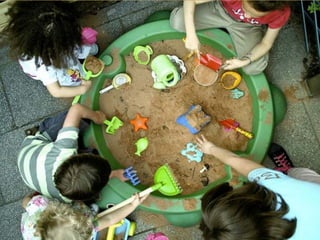
we are all game
designers
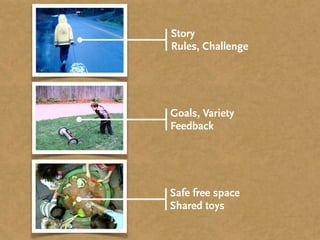
Story
Rules, Challenge
Safe free space
Shared toys
Goals, Variety
Feedback
can we apply
that to work?
gamification
The use of
game design elements
in non-game contexts
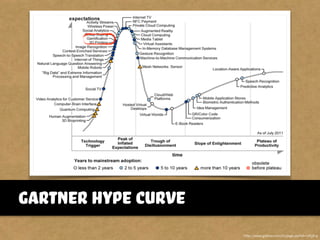
Gartner Hype Curve
http://www.gartner.com/it/page.jsp?id=1763814
business
health & fitness
Education
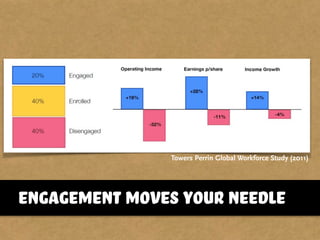
engagement moves your needle
Towers Perrin Global Workforce Study (2011)
three
misconceptions
1. “Work is the opposite
of play”
2. “people need pushing”
3. “fun is an additive”
<1>
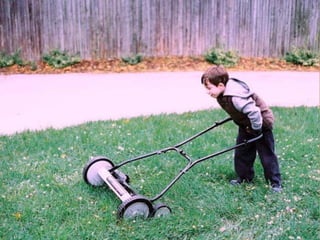
“Work is the
opposite of play”
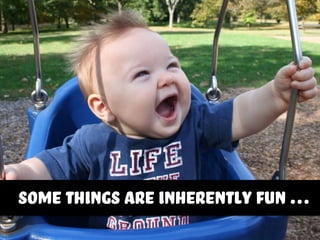
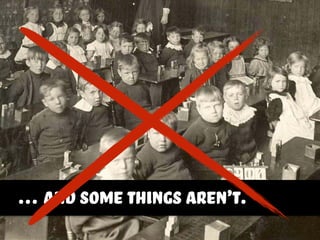
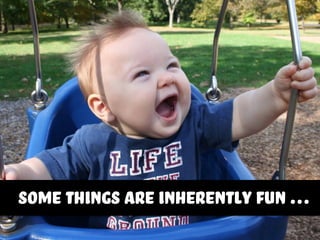
some things are inherently fun …
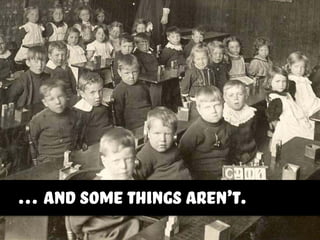
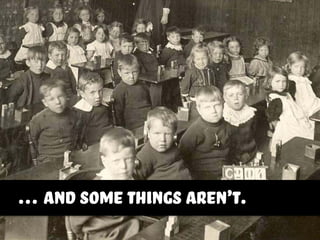
… and some things aren’t.
“optimal
experience”
»a sense that one’s skills are adequate to cope with the
challenges at hand, in a goal-directed, rule-bound action
system that provides clear clues as to how well one is
performing. Concentration is so intense that there is no
attention left... to worry about problems. Self-
consciousness disappears, and the sense of time
becomes distorted. An activity that produces such
experiences is so gratifying that people are willing to do
it for its own sake«
flow (1990: 1542)
Mihaly Csikszentmihalyi
Question
have you had moments where
you were so engaged in work,
you forgot time and yourself?
Question
have you had moments where
you enjoyed work?
Question
have you had moments at work
where you’d say in hindsight,
you would do it even if you
didn’t get paid?
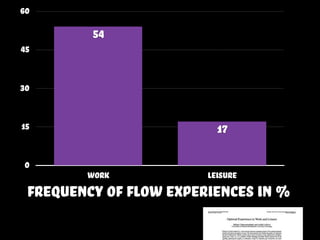
0
15
30
45
60
Work Leisure
17
54
frequency of flow experiences in %
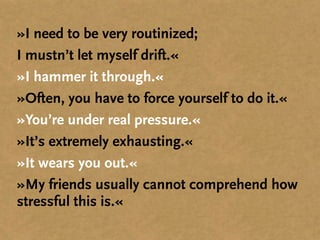
»I need to be very routinized;
I mustn’t let myself drift.«
»I hammer it through.«
»Often, you have to force yourself to do it.«
»You’re under real pressure.«
»It’s extremely exhausting.«
»It wears you out.«
»My friends usually cannot comprehend how
stressful this is.«
»Sometimes, you have to play,
you have to get further –
and then, play is work.«
Good work is play:
something we enjoy doing
for its own sake.
<2>
“people need
pushing”
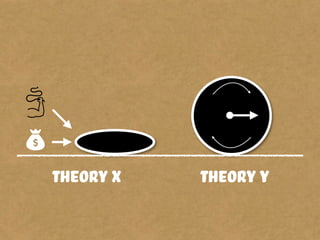
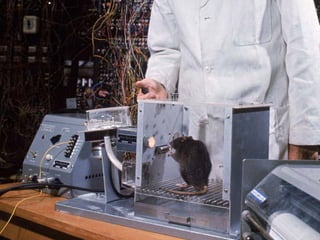
theory X theory Y
http://www.flickr.com/photos/diego_rivera/4261964210
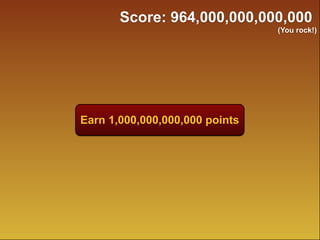
extrinsic motivation
Earn 1,000,000,000,000 points
Score: 964,000,000,000,000
(You rock!)
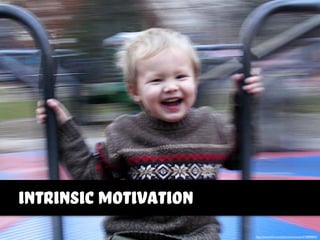
intrinsic motivation
http://www.flickr.com/photos/areyoumyrik/308908967
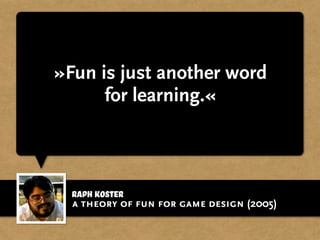
Raph Koster
»Fun is just another word
for learning.«
a theory of fun for game design (2005)
»Fun from games arises out of mastery.
It arises out of comprehension. It is the
act of solving puzzles that makes games
fun. With games, learning is the drug.«
Raph Koster
a theory of fun for game design (2005)
Teresa M. Amabile
»This pattern is what we call the
progress principle: of all the positive
events that influence inner work life, the
single most powerful is progress in
meaningful work.«
the progress principle (2012: 76)
»Truly effective video game designers
know how to create a sense of progress
for players within all stages of the game.
Truly effective managers know how to do
the same for their subordinates.«
Teresa M. Amabile
the progress principle (2012: 88)
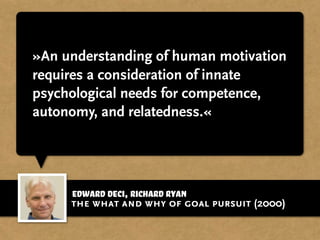
Edward Deci, Richard Ryan
»An understanding of human motivation
requires a consideration of innate
psychological needs for competence,
autonomy, and relatedness.«
the what and why of goal pursuit (2000)
Question
when you enjoyed work, did you
feel you accomplished some
thing, mastered something that
requires skill, achieved change
in the world?
Question
when you enjoyed work, did you
feel you were in tune with your
self, choosing and embracing
what you did?
Question
when you enjoyed work, did you
feel connected to others?
in work and play, we
actively seek out and
enjoy experiences of
Autonomy, competence,
and relatedness.
<3>
“fun is an
additive”
some things are inherently fun …
… and some things aren’t.
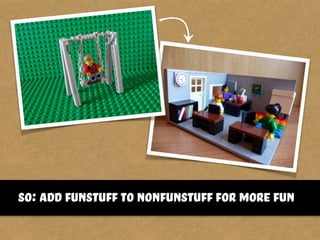
so: add funstuff to nonfunstuff for more fun
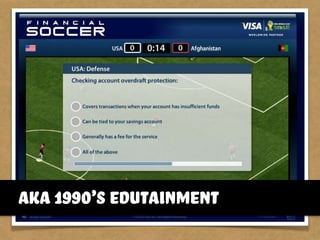
“Just a spoonful of badges …”
aka 1990’s edutainment
a
resounding
failure
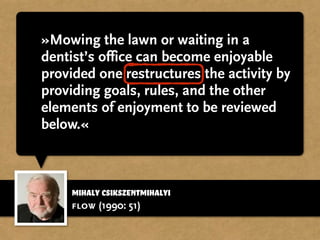
»Mowing the lawn or waiting in a
dentist’s office can become enjoyable
provided one restructures the activity by
providing goals, rules, and the other
elements of enjoyment to be reviewed
below.«
flow (1990: 51)
Mihaly Csikszentmihalyi
1 competence
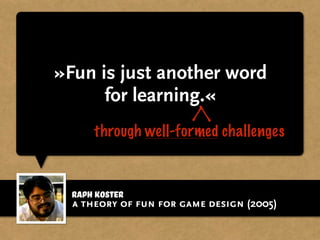
Raph Koster
»Fun is just another word
for learning.«
through well-formed challenges
a theory of fun for game design (2005)
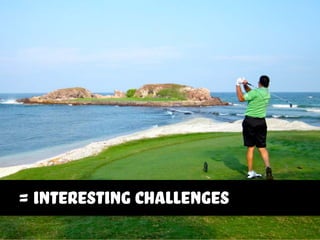
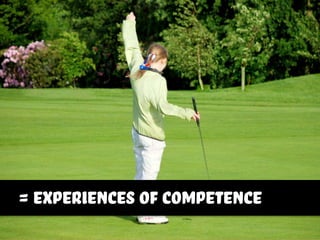
goals …
+ RULES ...
= interesting challenges
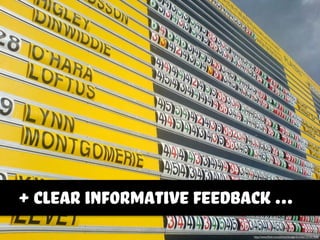
+ clear informative Feedback ...
http://www.flickr.com/photos/bodgerbrooks/1315419080
= experiences of competence
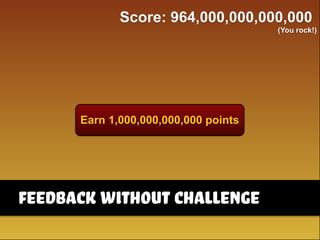
Earn 1,000,000,000,000 points
Score: 964,000,000,000,000
(You rock!)
feedback without challenge
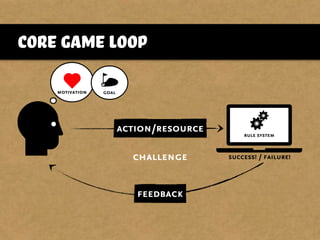
core game loop
motivation
rule system
goal
success! / failure!
action/resource
feedback
challenge
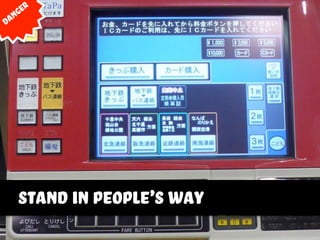
stand in people’s way
Danger
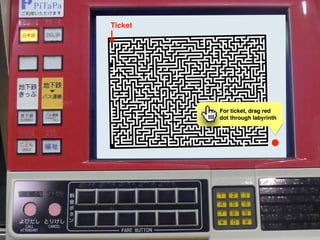
Ticket
For ticket, drag red
dot through labyrinth
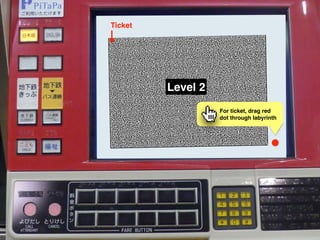
Level 2
Ticket
For ticket, drag red
dot through labyrinth
find the inherent challenge
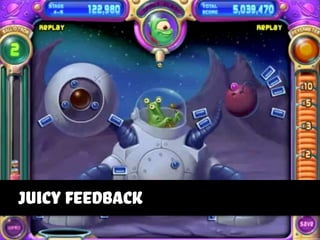
juicy feedback
Autonomy2
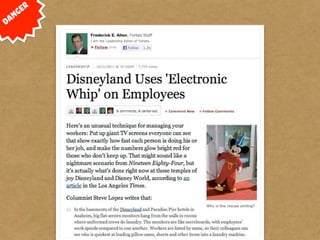
Danger
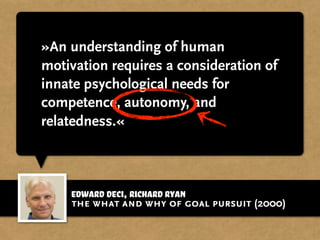
Edward Deci, Richard Ryan
»An understanding of human
motivation requires a consideration of
innate psychological needs for
competence, autonomy, and
relatedness.«
the what and why of goal pursuit (2000)
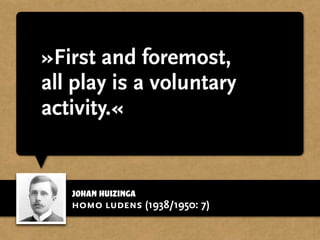
Johan Huizinga
»First and foremost,
all play is a voluntary
activity.«
homo ludens (1938/1950: 7)
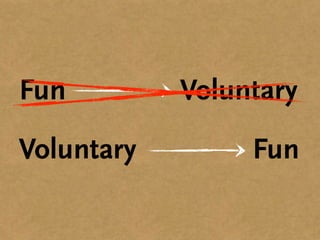
Fun Voluntary
Voluntary Fun
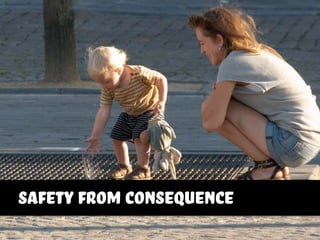
safety from consequence
… vs. Quality and Variety
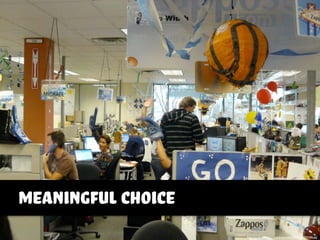
meaningful choice
http://ascottallison.files.wordpress.com/2009/12/p1030286.jpg
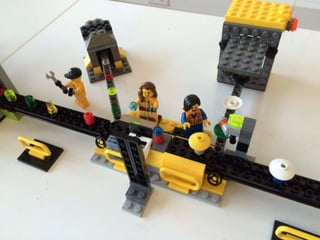
relatedness3
http://www.rasmusen.org/x/images/pd.jpg
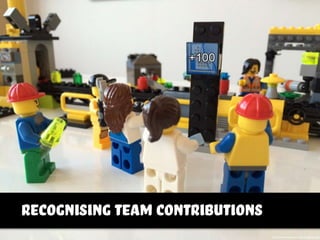
recognising team contributions
http://www.rasmusen.org/x/images/pd.jpg
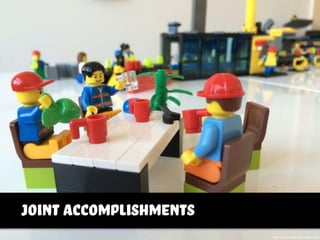
joint accomplishments
http://www.rasmusen.org/x/images/pd.jpg
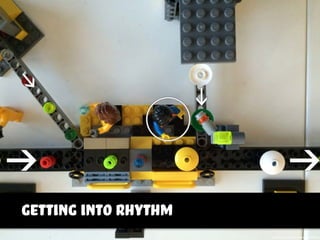
getting into rhythm
game design can help
restructure work to be
intrinsically motivating.
<4>
summary
<1>
“Work is the
opposite of play”
good work is play:
something we enjoy doing
for its own sake.
<2>
“people need
pushing”
in work and play, we
actively seek out and
enjoy experiences of
Autonomy, competence,
relatedness.
<3>
“fun is an
additive”
game design can help
restructure work to be
intrinsically motivating.
sebastian@codingconduct.cc
@dingstweets
codingconduct.cc
thank you.

Gamification: Future Tools