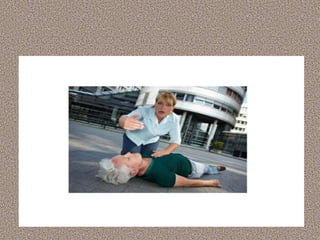
FIRST AID IN EMERGENCY
DR.ANJALATCHI M.SC(N) MD(AM), MBA(HA)
ERA UNIVERSITY
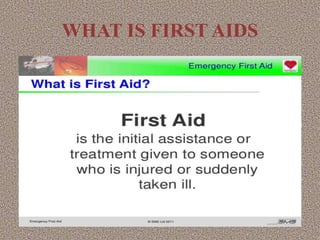
WHAT IS FIRST AIDS
THE AIMS OF FIRST AID ARE:
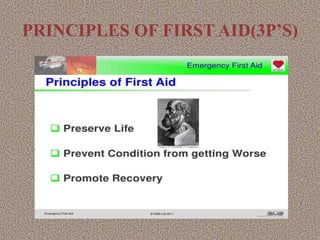
• To preserve life,
• To prevent the worsening of one’s medical
condition,
• To promote recovery, and
• To help to ensure safe transportation to the
nearest healthcare facility.
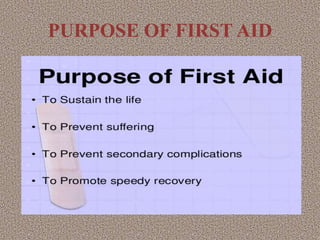
PURPOSE OF FIRST AID
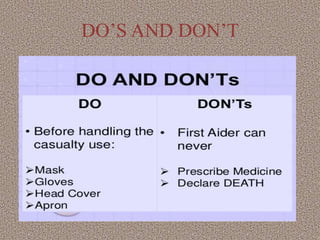
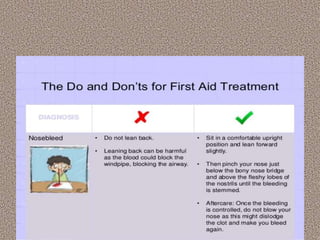
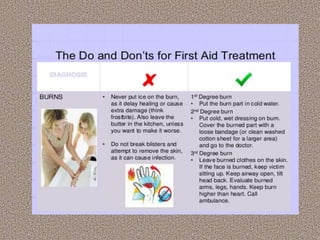
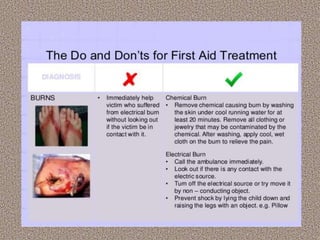
DO’S AND DON’T
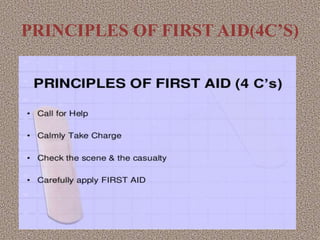
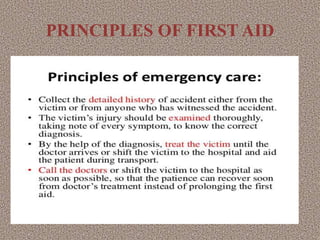
PRINCIPLES OF FIRST AID(4C’S)
PRINCIPLES OF FIRST AID(3P’S)
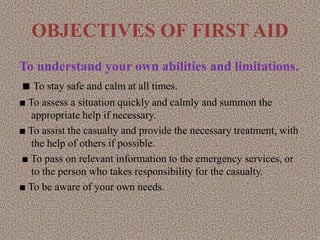
OBJECTIVES OF FIRST AID
To understand your own abilities and limitations.
■ To stay safe and calm at all times.
■ To assess a situation quickly and calmly and summon the
appropriate help if necessary.
■ To assist the casualty and provide the necessary treatment, with
the help of others if possible.
■ To pass on relevant information to the emergency services, or
to the person who takes responsibility for the casualty.
■ To be aware of your own needs.
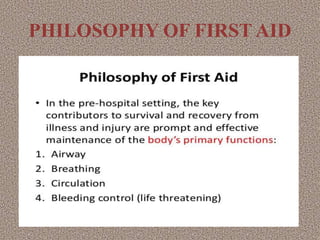
PHILOSOPHY OF FIRST AID
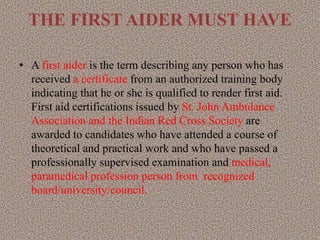
THE FIRST AIDER MUST HAVE
• A first aider is the term describing any person who has
received a certificate from an authorized training body
indicating that he or she is qualified to render first aid.
First aid certifications issued by St. John Ambulance
Association and the Indian Red Cross Society are
awarded to candidates who have attended a course of
theoretical and practical work and who have passed a
professionally supervised examination and medical,
paramedical profession person from recognized
board/university/council.
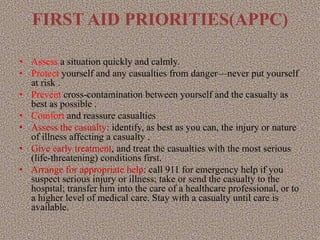
FIRST AID PRIORITIES(APPC)
• Assess a situation quickly and calmly.
• Protect yourself and any casualties from danger—never put yourself
at risk .
• Prevent cross-contamination between yourself and the casualty as
best as possible .
• Comfort and reassure casualties
• Assess the casualty: identify, as best as you can, the injury or nature
of illness affecting a casualty .
• Give early treatment, and treat the casualties with the most serious
(life-threatening) conditions first.
• Arrange for appropriate help: call 911 for emergency help if you
suspect serious injury or illness; take or send the casualty to the
hospital; transfer him into the care of a healthcare professional, or to
a higher level of medical care. Stay with a casualty until care is
available.
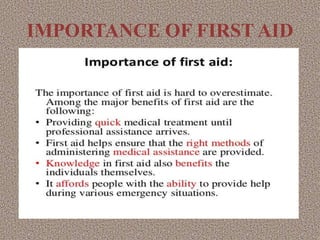
IMPORTANCE OF FIRST AID
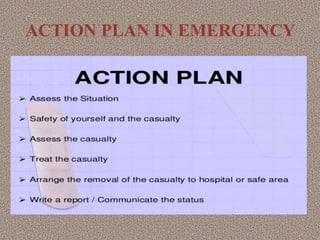
ACTION PLAN IN EMERGENCY
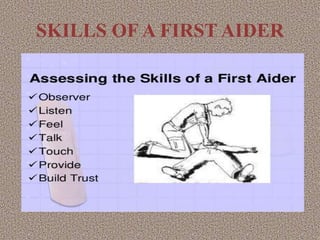
SKILLS OF A FIRST AIDER
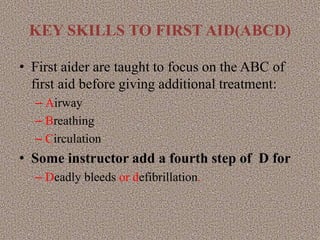
KEY SKILLS TO FIRST AID(ABCD)
• First aider are taught to focus on the ABC of
first aid before giving additional treatment:
– Airway
– Breathing
– Circulation
• Some instructor add a fourth step of D for
– Deadly bleeds or defibrillation.
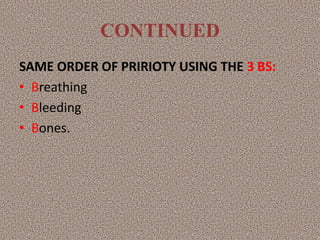
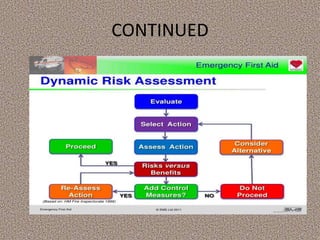
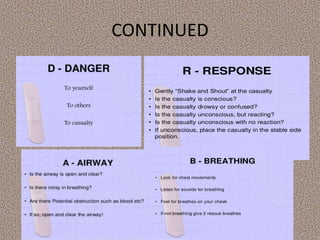
CONTINUED
SAME ORDER OF PRIRIOTY USING THE 3 BS:
• Breathing
• Bleeding
• Bones.
PRINCIPLES OF FIRST AID
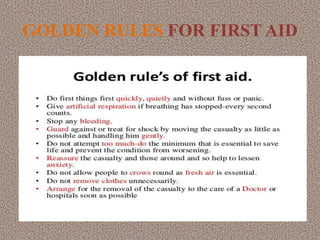
GOLDEN RULES FOR FIRST AID
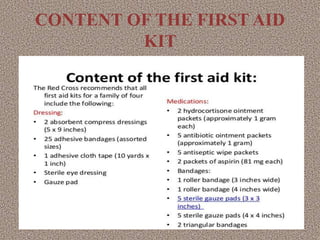
CONTENT OF THE FIRST AID
KIT
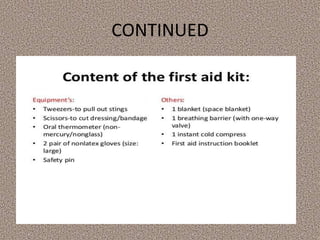
CONTINUED
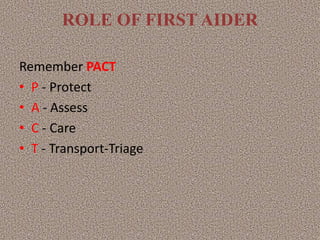
ROLE OF FIRST AIDER
Remember PACT
• P - Protect
• A - Assess
• C - Care
• T - Transport-Triage
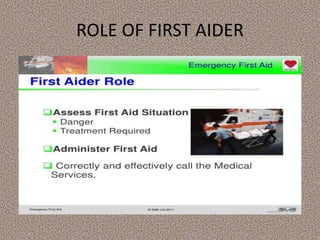
ROLE OF FIRST AIDER
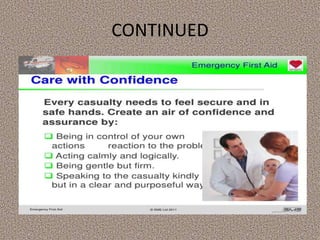
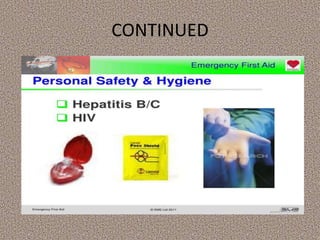
CONTINUED
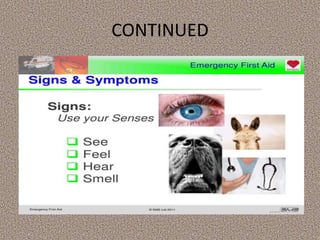
CONTINUED
CONTINUED
CONTINUED
CONTINUED
CONTINUED
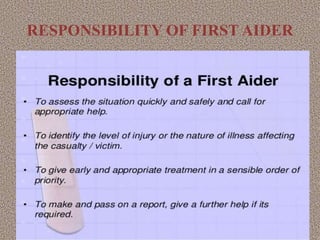
RESPONSIBILITY OF FIRST AIDER
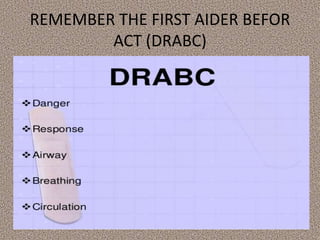
REMEMBER THE FIRST AIDER BEFOR
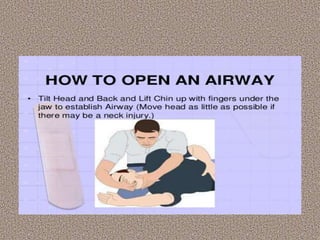
ACT (DRABC)
CONTINUED
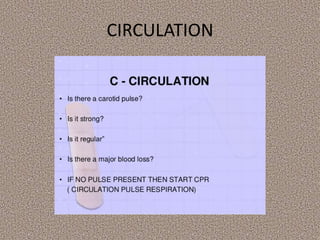
CIRCULATION
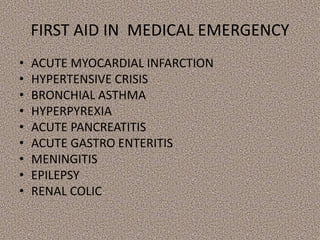
FIRST AID IN MEDICAL EMERGENCY
• ACUTE MYOCARDIAL INFARCTION
• HYPERTENSIVE CRISIS
• BRONCHIAL ASTHMA
• HYPERPYREXIA
• ACUTE PANCREATITIS
• ACUTE GASTRO ENTERITIS
• MENINGITIS
• EPILEPSY
• RENAL COLIC
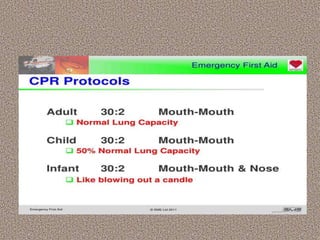
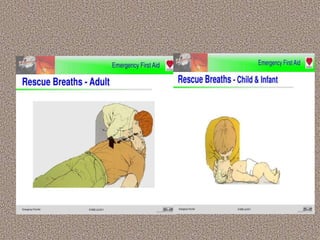
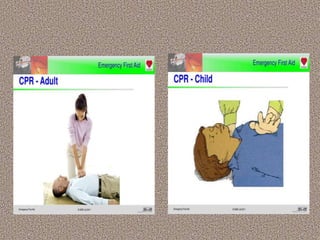
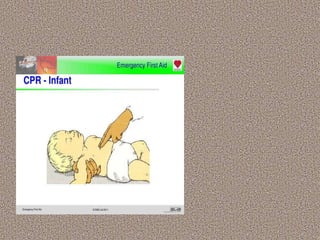
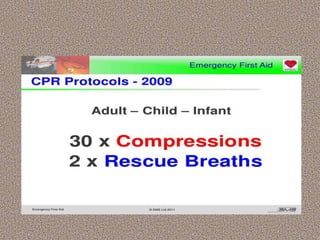
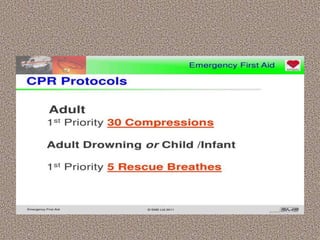
CARDIO PULMONARY RESUSCITATION
(CPR)
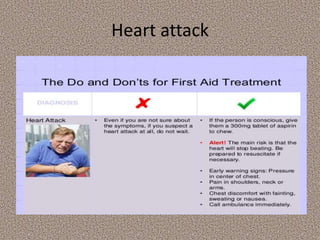
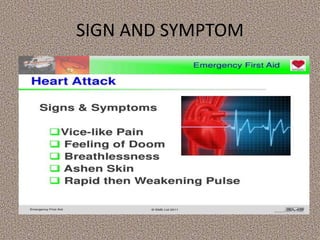
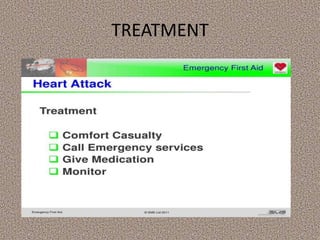
Heart attack
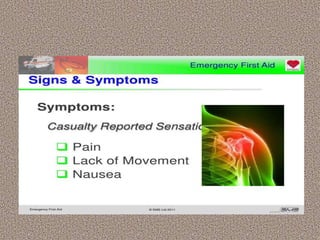
SIGN AND SYMPTOM
TREATMENT
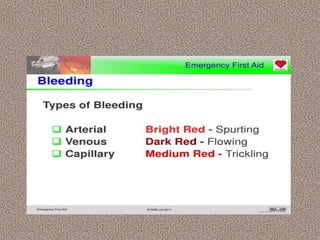
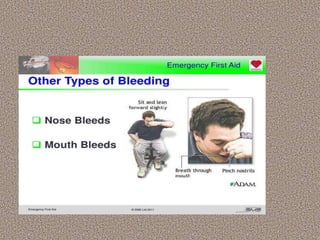
BLEEDING
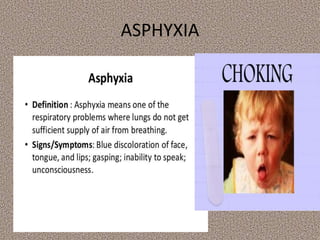
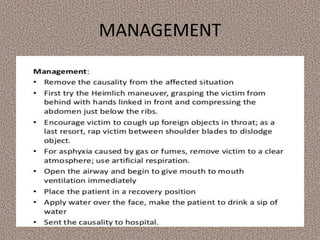
ASPHYXIA
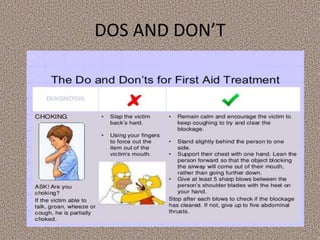
DOS AND DON’T
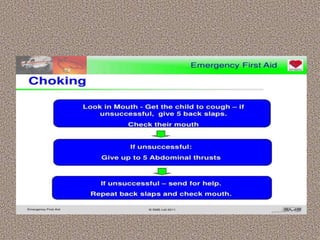
MANAGEMENT
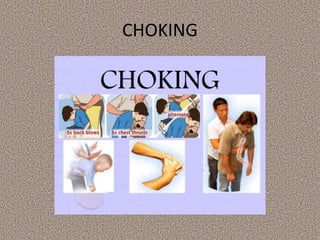
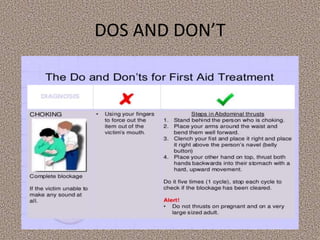
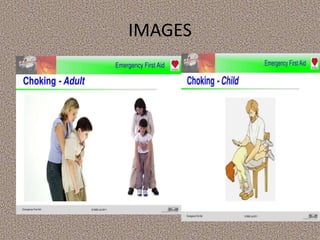
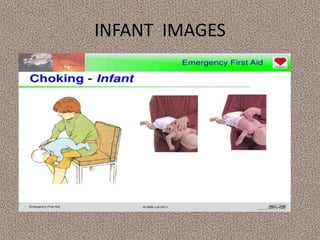
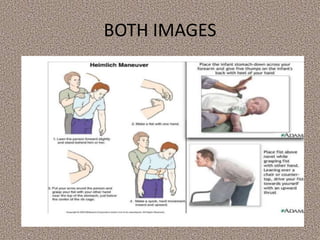
CHOKING
DOS AND DON’T
IMAGES
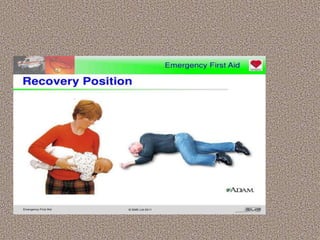
INFANT IMAGES
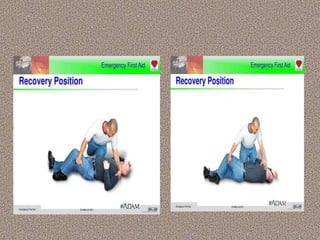
BOTH IMAGES
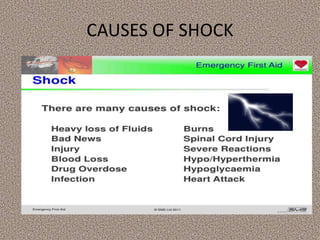
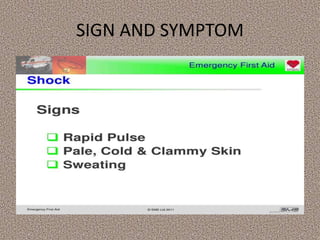
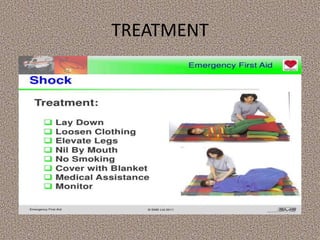
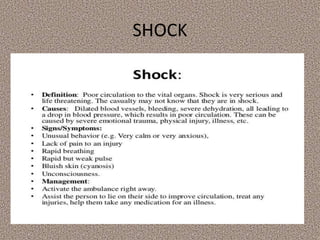
SHOCK
CAUSES OF SHOCK
SIGN AND SYMPTOM
TREATMENT
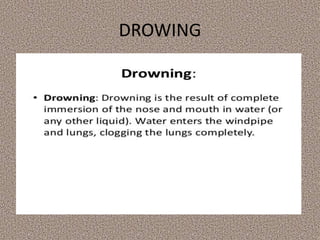
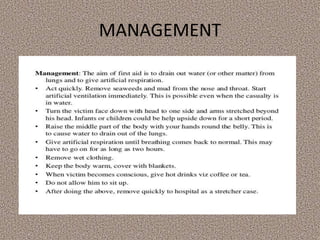
DROWING
MANAGEMENT
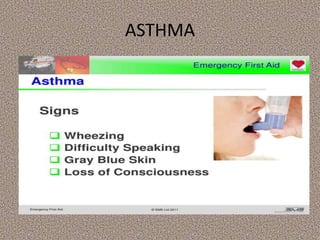
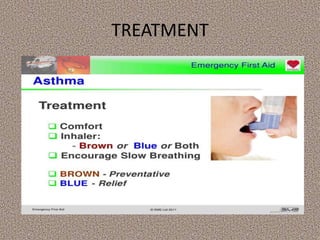
ASTHMA
TREATMENT
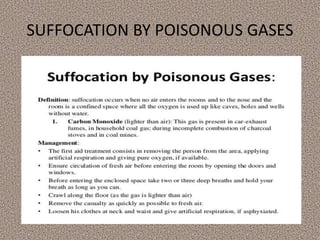
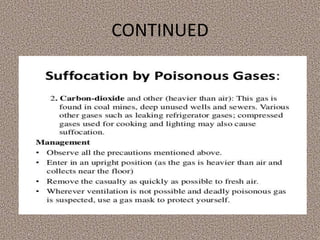
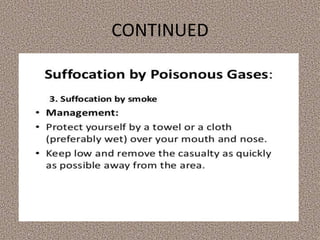
SUFFOCATION BY POISONOUS GASES
CONTINUED
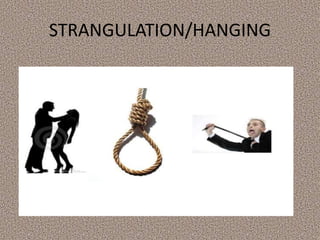
STRANGULATION/HANGING
CONTINUED
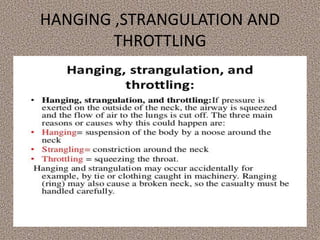
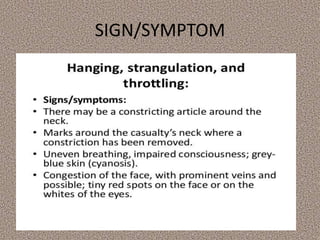
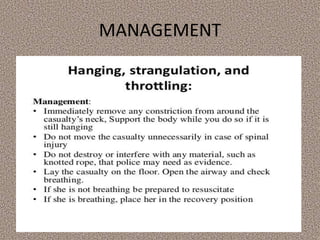
HANGING ,STRANGULATION AND
THROTTLING
SIGN/SYMPTOM
MANAGEMENT
SHOCK
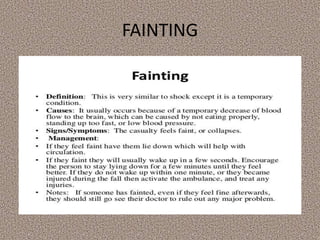
FAINTING
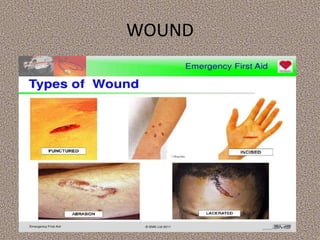
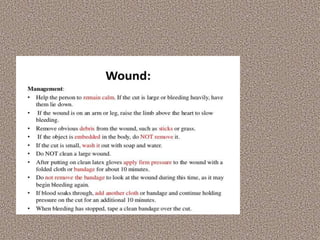
WOUND
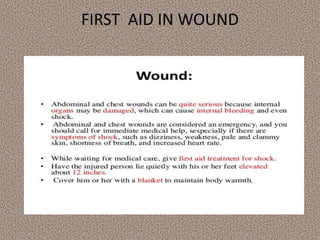
FIRST AID IN WOUND
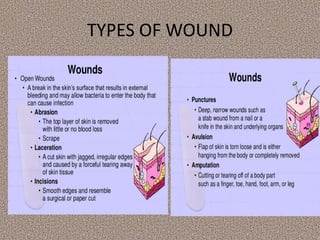
TYPES OF WOUND
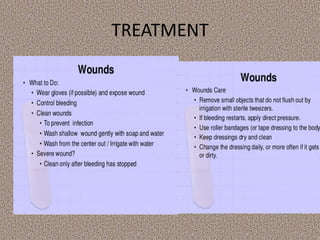
TREATMENT
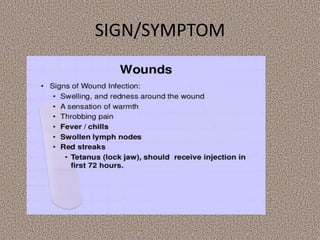
SIGN/SYMPTOM
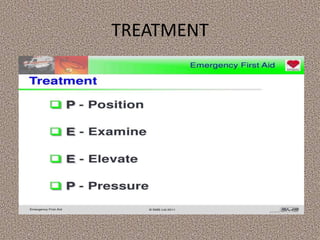
TREATMENT
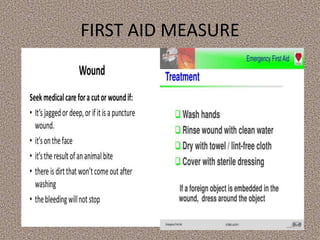
FIRST AID MEASURE
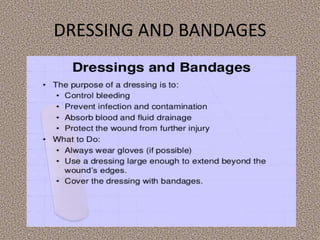
DRESSING AND BANDAGES
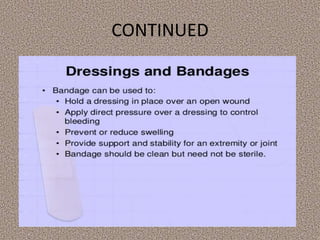
CONTINUED
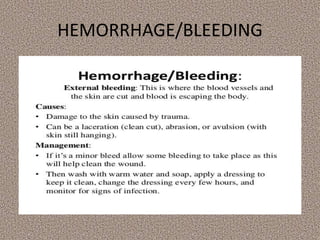
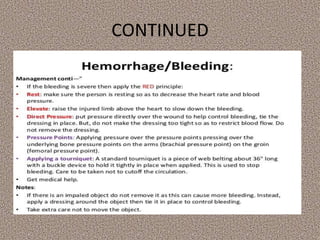
HEMORRHAGE/BLEEDING
CONTINUED
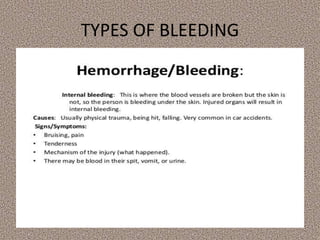
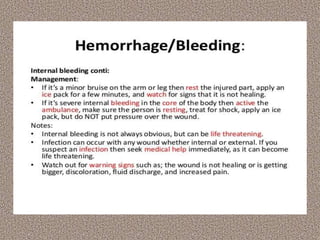
TYPES OF BLEEDING
ALWAYS BE AS HUMANITY AND
SERVE AS A HUMANITY

First aid introduction and emergency