5G AND THE EVOLUTION OF LTE ✱
JANUARY 31, 2017 ✱ ERICSSON TECHNOLOGY REVIEW 1
ERICSSON
TECHNOLOGY
5G wireless access
Gradual migration
Tight interworking
LTE Evolution
Existing spectrum
1GHz 3GHz 10GHz 30GHz 100GHz
New spectrum
NR
No compatibility constraints
1GHz 3GHz 10GHz 30GHz 100GHz
C H A R T I N G T H E F U T U R E O F I N N O V A T I O N | # 1 ∙ 2 0 1 7
EVOLVINGLTE
TOFITTHE5GFUTURE
✱ 5G AND THE EVOLUTION OF LTE
2 ERICSSON TECHNOLOGY REVIEW ✱  JANUARY 31, 2017
OUMER TEYEB,
GUSTAV WIKSTRÖM,
MAGNUS STATTIN,
THOMAS CHENG,
SEBASTIAN FAXÉR,
HIEU DO
With 5G research progressing at a rapid pace, the standardization
process has started in 3GPP. As the most prevalent mobile broadband
communication technology worldwide, LTE constitutes an essential piece
of the 5G puzzle. As such, its upcoming releases (Rel-14 and Rel-15) are
intended to meet as many 5G requirements as possible and address the
relevant use cases expected in the 5G era.
Since its first commercial deployment by
TeliaSonera in December 2009 [1], LTE has
become one of the most successful mobile
communication technologies worldwide.
Currently, there are 537 commercial LTE
networks deployed in 170 countries with
1.7 billion subscribers – a number that is
expected to rise to a staggering 4.6 billion
by 2022 [2].
■Inthesevenyearsthathavepassedsincethe
launchofLTE,majoradvanceshavebeenmade
intermsofbothperformanceandversatility.
Forexample,LTERel-8introduceda20MHz
bandwidthwithpeakdownlink(DL)dataratesof
300Mbpsanduplink(UL)dataratesof75Mbps
[3].MinorexpansionsweremadeforRel-9,such
asmulticast/broadcastservices,location-based
servicesandduallayerbeamforming.LTERel-
10,alsoknownasLTE-Advanced,introduced
severalnewfeaturessuchascarrieraggregation
(CA)toprovideupto100MHzbandwidthas
EvolvingLTE
TO FIT THE
5Gfuture
5G AND THE EVOLUTION OF LTE ✱
JANUARY 31, 2017 ✱ ERICSSON TECHNOLOGY REVIEW 3
wellasenhancedsupportformulti-antennas,
heterogeneousdeploymentsandrelaying[4].
Thesefeaturesenabledpeakdataratesinexcessof
1GbpsinDLand500MbpsinUL.
Rel-11andRel-12includedenhancementssuch
asthesupportofmachinetypecommunications
(MTC),dualconnectivity(DC),LTE-WLANradio
interworking,andnationalsecurityandpublic
safety(NSPS)servicesincludingdirectdevice-to-
device(D2D)communication[5].Furtheradvances
weremadeinRel-13,includingspectralefficiency
enhancementsviaFullDimensionmultiple-input,
multiple-output(FD-MIMO),supportforutilizing
unlicensedspectrumviaLicensedAssistedAccess
(LAA)andLTE-WLANaggregation,extended
supportforMTCthroughNarrowbandInternet
ofThings(NB-IoT)andenhancedMTC(eMTC),
enhancedCA(upto32carriers),indoorpositioning
enhancements,andsingle-cell-point-to-multipoint
(SC-PTM)forbroadcast/multicastservices[6].
SinceOctober2015,3GPPhasusedtheterm
LTE-AdvancedProforRel-13andonwards,
signifyingthatLTEhasreachedamaturitylevel
thatnotonlyaddressesenhancedfunctionality/
efficiencybutalsothesupportofnewusecases.
Why5G?
Globalmobiledatatrafficisexpectedtogrowata
compoundannualrateof45percentinthecoming
years,whichrepresentsatenfoldincreasebetween
2016and2022[2].Thisincreaseisdrivenlargelyby
themassiveadoptionofmobilevideostreaming.
Ontopofthat,theIoTisshiftingfromvisionto
reality,andofthe29billionconnecteddevicesitis
expectedtoincludeby2022,18billionwillbeIoT
(ormachine-to-machine)devices[2].Future5G
networkswillneedtosupportthesechallenging
newusecasesinacostandenergyefficientmanner.
LTE HAS REACHED
A MATURITY LEVEL
THAT NOT ONLY
ADDRESSES ENHANCED
FUNCTIONALITY/EFFICIENCY
BUT ALSO THE SUPPORT OF
NEW USE CASES
Abbreviations
AS – access stratum | BS – base station | CA – carrier aggregation | CN – core network | CP – control plane |
CSI – channel state information | CSI-RS – CSI reference signal | D2D – device-to-device | DC – dual connectivity |
DL – downlink | DoNAS – data over non-access stratum | DSRC – dedicated short range communications |
eMBB – enhanced mobile broadband | eMTC – enhanced MTC | eNB – evolved node B | FD-MIMO – Full Dimension
MIMO | HARQ – hybrid automatic repeat request | IoT – Internet of Things | ITS – intelligent transportation system
| ITU – International Telecommunication Union | LAA – Licensed Assisted Access | MBMS – Multimedia Broadcast/
Multicast Service | MCL – maximum coupling loss | MIMO – multiple-input, multiple-output | mMTC – massive
machine type communications | mm-wave – millimeter wave | MTC – machine type communications |
MU-MIMO – multi-user MIMO | NAS – non-access stratum | NB-IoT – Narrowband Internet of Things |
NR – New Radio | PCell – primary cell | RRC – Radio Resource Control | RS – reference signal | RTT – round-trip
time | SCell – secondary cell | SL – sidelink | SR – scheduling request | TTI – transmission time interval |
UL – uplink | UP – user plane | URLLC – ultra-reliable low latency communications | V2I – vehicle-to-infrastructure |
V2N – vehicle-to-network | V2P – vehicle-to-pedestrian | V2V – vehicle-to-vehicle | V2X – vehicle-to-everything |
3GPP – 3rd generation partnership project
✱ 5G AND THE EVOLUTION OF LTE
4 ERICSSON TECHNOLOGY REVIEW ✱  JANUARY 31, 2017
Althoughtherequirementsfor5Gcapabilitiesare
stillbeingfinalizedbothintheITU[7]and3GPP
[8],thereisapreliminaryagreementregardingthe
threemainusecasesthetechnologymustsupport.
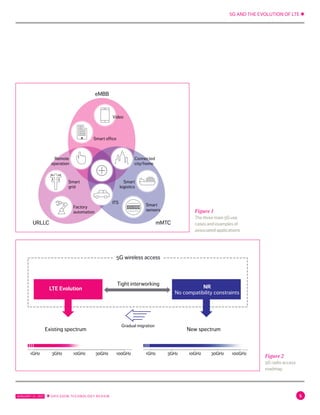
AsillustratedinFigure1,theyare:enhanced
mobilebroadband(eMBB),ultra-reliablelow
latencycommunications(URLLC)andmassive
machinetypecommunications(mMTC).eMBB
referstotheextendedsupportofconventional
MBBthroughimprovedpeak/average/cell-edge
datarates,capacityandcoverage.URLLCisa
requirementforemergingcriticalapplicationssuch
asindustrialinternet,smartgrids,infrastructure
protection,remotesurgeryandintelligent
transportationsystems(ITSs).Lastbutcertainly
notleast,mMTCisnecessarytosupportthe
envisioned5GIoTscenariowithtensofbillionsof
connecteddevicesandsensors.
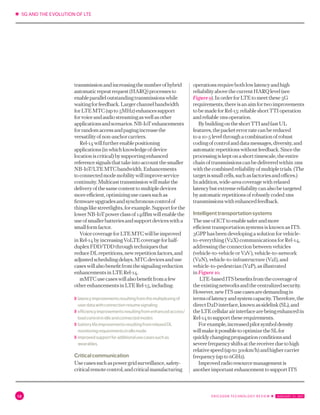
Therearetwotracksthatmakeupthe5Gradio
accessroadmapin3GPP,asillustratedinFigure  2.
OneisbasedontheevolutionofLTEandtheother
onNewRadio(NR)access.IntheLTE-5Gtrack,
enhancementswillcontinuetoenableittosupport
asmany5Grequirementsandusecasesaspossible.
UnliketheLTE-5Gtrack,theNR-5Gtrackis
freefrombackwardcompatibilityrequirements
andtherebyabletointroducemorefundamental
changes,suchastargetingspectrumathigh
(mm-wave)frequencies.However,NRisbeing
designedinascalablemannersoitcouldeventually
bemigratedtofrequenciesthatarecurrently
servedbyLTE.
WhiletheprospectsfortheNR-5Gtrackare
exciting,theoperatorsthathavealreadymade
significantinvestmentsinLTEdonotneedtobe
concerned–atransitionfromLTEto5Gthrough
5Gplug-insisthemostlogicalcourseofaction.
BoththeexpectationsforLTERel-14[9]–whichis
scheduledforcompletioninMarch2017–andthe
strongambitionsforLTERel-15indicatethatthe
developmentplansfortheLTE-5Gtrackaresolid.
TheprocessofmakingLTE5G-readyinvolves
avarietyofenhancementsandnewfeaturesin
Rel-14andRel-15.Themostsignificantonesare
enhancementstouserdataratesandsystem
capacitywithFD-MIMO,improvedsupportfor
unlicensedoperations,andlatencyreduction
inbothcontrolanduserplanes(UPs).The
enhancementsinRel-14andRel-15alsoaim
toprovidebettersupportforusecasessuchas
massiveMTC,criticalcommunicationsandITS.
Userdatarateandsystemcapacity
enhancements
FD-MIMOandunlicensedoperationsarethetwo
mainfeaturesintheupcomingreleasesofLTEthat
areintendedtobringaboutimproveduserdata
ratesandsystemcapacitythatmeet5Gstandards.
FD-MIMO
TheMIMOenhancementin3GPPmakesit
possibletodynamicallyadapttransmissionboth
verticallyandhorizontallybyutilizingasteerable
two-dimensionalantennaarray.Theconcept
ofFD-MIMOinfutureLTEreleasesbuildson
thechannelstateinformation(CSI)feedback
mechanismsintroducedinLTERel-13,inwhich
precodingmatrixcodebookssupporttwo-
dimensionalportlayoutswithupto16antenna
ports.Non-precodedCSIreferencesignals(CSI-
RSs)aretransmittedfromeachantennaand
broadcastinthecell,andtheprecoderisderived
bytheterminal.LTERel-13alsointroduced
anotherCSIfeedbacktypewithterminal-specific,
beamformedCSI-RS,inthesamefashionas
physicaldownlinksharedchannel(PDSCH).In
THE PROCESS OF
MAKING LTE 5G-READY
INVOLVES A VARIETY OF
ENHANCEMENTS AND
NEW FEATURES IN REL-14
AND REL-15
5G AND THE EVOLUTION OF LTE ✱
JANUARY 31, 2017 ✱ ERICSSON TECHNOLOGY REVIEW 5
Figure 2
5G radio access
roadmap
Figure 1
The three main 5G use
cases and examples of
associated applications
Video
Smart office
ITS
Connected
city/home
Smart
logistics
Smart
grid
Factory
automation
URLLC mMTC
eMBB
Smart
sensors
Remote
operation
5G wireless access
Gradual migration
Tight interworking
LTE Evolution
Existing spectrum
1GHz 3GHz 10GHz 30GHz 100GHz
New spectrum
NR
No compatibility constraints
1GHz 3GHz 10GHz 30GHz 100GHz
✱ 5G AND THE EVOLUTION OF LTE
6 ERICSSON TECHNOLOGY REVIEW ✱  JANUARY 31, 2017
thiscase,thebeamformingdirectionforeach
terminalisdecidedbythebasestationratherthan
beingderivedfromterminalfeedback.
Toenhancebothnon-precodedand
beamformedCSI-RSoperation,Rel-14will
introduceseveralnewfeatures,includinghybrid
non-precoded/beamformedCSImodewith
optimizedfeedback;aperiodictriggeringofCSI-
RSmeasurements;supportforupto32antenna
ports;spatiallyrich,advancedCSIfeedback;anda
semi-open-looptransmissionscheme.
Hybridnon-precodedandbeamformedCSI
modewithoptimizedfeedbackwillmakeit
possibletointermittentlytransmitaninitial,
non-precodedCSI-RS.Theterminalscanthen
respondwithadesireddirectionforasecond,more
frequent,beamformedCSI-RS.
AperiodictriggeringofCSI-RSmeasurements
facilitatesCSI-RSresourcepooling,enabling
theefficientuseofmeasurementresourcesand
thereductionofCSI-RSoverhead.Asaresult,
moreterminalsinthecellwillhaveaccessto
beamformedCSI-RSoperation.
Supportfor32antennaportsmakesitpossible
tousefeedback-basedoperationwithmassive
antennasetups,whichincreasesthegainsfrom
multi-userMIMO(MU-MIMO).
Spatiallyrich,advancedCSIfeedbackwill
includeinformationaboutmultiplechannel
propagationpaths,sothatinterferencebetween
co-scheduledterminalscanbeavoidedor
suppressed.Performanceisthencomparableto
reciprocity-basedmassiveMU-MIMOsystems.
Thesemiopen-looptransmissionscheme
combinesfull-dimensionbeamformingand
transmitdiversity,targetinghigh-speedterminals
whereabeamdirectionisknownbutshort-term
CSIchangestooquickly.
Theanticipatedimprovementinsystemcapacity
anduserthroughputwithRel-14FD-MIMOis
illustratedinFigure3–a3GPP3Durbanmicro
scenariofeaturing8x4dualpolarizedarrayand
non-full-buffertraffic.Performanceonthecelledge
increasesroughly2.5timeswithadvancedCSI
feedbackandsupportfor32antennaports.
LTEoperationsinunlicensedspectrum
Toaddresseverincreasingtrafficdemands,many
networkoperatorsareconsideringcomplementary
useofunlicensedspectrum.LAAwasintroduced
inLTERel-13forDLoperation,anditisbeing
enhancedinRel-14tosupportUL.LAAusesCA
tocombinealicensedbandprimarycell(PCell)
withunlicensedbandsecondarycells(SCells).The
SCellsusuallyhaverestrictedtransmissionpower,
however,whichresultsincoverageareasthatare
smallerthanthosethatPCellsareabletoprovide.
Inthisarrangement,aPCellprovidesreliable
coverageforcontrolmessagesandhigh-priority
traffic,whiletheSCellsprovidealargeamount
ofspectrumandhighdatarateswhenavailable.
Figure4showshowLAAoffersacombinationof
themainbenefitsprovidedbybothlicensedand
unlicensedspectrum.
Severalsolutionshavebeenincorporated
into3GPPtoachievecoexistencewithother
technologies–suchasWLAN–thatoperatein
thesamebandasLAA.Theseincludedynamic
carriermeasurement/selection,Listen-Before-
Talkprotocol,anddiscontinuoustransmission
withlimitedmaximumduration.Smartand
adaptivetrafficmanagementbetweenlicensed
andunlicensedcarriers–andbetweenunlicensed
carriers–couldalsofurtherenhancecoexistence.
Figure5showsthenetworkcapacityinanLAA
outdoorcoexistencescenariowhereeachof
SEVERAL SOLUTIONS
HAVE BEEN INCORPORATED
INTO 3GPP TO ACHIEVE
COEXISTENCE WITH OTHER
TECHNOLOGIES – SUCH AS
WLAN – THAT OPERATE IN
THE SAME BAND AS LAA
5G AND THE EVOLUTION OF LTE ✱
JANUARY 31, 2017 ✱ ERICSSON TECHNOLOGY REVIEW 7
Capacity
Data rate
QoS
Reliability
Mobility support
LAA unlicensed
LTE macro
performance
LTE small cells
Improved performance
Licensed spectrum Unlicensed spectrum
Relativegain[%]
Rel-14 32 ports Rel-14 32 ports + advanced CSIRel-14 16 ports + advanced CSI
Cell edge throughput gain [%]
Capacity gain [%]
Mean user throughput gain [%]
160
140
120
100
80
60
40
16
56
28
36
119
47
42
135
52
20
0
Figure 4
Illustration of LAA
Figure 3
Performance of Rel-14
FD-MIMO over a 16 port
Rel-13 baseline (without
advanced CSI) at high
system load
✱ 5G AND THE EVOLUTION OF LTE
8 ERICSSON TECHNOLOGY REVIEW ✱  JANUARY 31, 2017
twooperatorsdeployfourLAAorfourWLAN
nodesperhotspot[10].TheLAAcellssupport
substantiallyhigheroffloadingcapacityonthe
same20MHzchannelcomparedwiththeWLAN
nodes.ThisisbecausetherobustLAAphysical
layerdesignallowsreliableandefficientfrequency
reuse.Infact,themoreefficientLAAnetwork
leavesmorecapacityfortheco-channelWLAN.
FurtherLAAenhancementsareexpectedin
LTERel-15,mostnotablyULcontrolinformation
transmissionandrandomaccesschannelsupport
ontheunlicensedbandSCells.Thiswouldmake
itpossibletooffloadmoretrafficfromthelicensed
bandPCellsandallowforfurtherdeploymentas
wellasenablingusecasessuchasfiberconnected
remoteradioheads.
AnotherpotentialenhancementinLTERel-15
isdualconnectivitybetweenlicensedbandmain
evolvednodeB(eNB)andunlicensedbandsecondary
eNB.Thiswouldfurtherbroadendeployment
possibilitiesbyallowingaggregationbetween
networknodesthatarenotconnectedvialow-latency
backhaul.Finally,Rel-15mayenablemoredeployment
optionsandscenarios,suchasstandaloneandmMTC
operationsinunlicensedspectrum.
Latencyreduction
AnotherimportantaspectofLTEenhancement
istheimplementationoflatencyreduction
techniquesfortheuserandcontrolplanes(UPs
andCPs).Latencyreductionnotonlycontributes
todatarateenhancementsbutalsoenablesnewuse
casessuchascriticalcommunicationandITS.
Userplanelatencyreduction
ImplementingfastULaccessisthefirststep
towardreducingUPlatency.AsspecifiedinRel-
14,fastULaccessmakesitpossibletoconfigure
aterminalwithanuplinkgrantavailableineach
millisecond,tobeusedonlywhenthereisuplink
datatotransmit.Usingthecurrentscheduling
request(SR)basedaccess,theterminalmust
transmitarequest,waitforagrant,andthenwait
tousethegrant.AcomparisonoffastULaccess
withSRaccessisillustratedintheaandbtracks
ofFigure6.Thepre-configuredgrantinfastUL
accessminimizesthewaitingtime,whichreduces
theaverageradioaccessdelayforuplinkdataby
morethanhalf.
Theotherlatencyreductionstepconsists
oftwoenhancementsthatarebothtargeted
forspecificationinRel-15.Thefirstisreduced
processingtime:makingtheterminalrespond
todownlinkdataanduplinkgrantsinthree
millisecondsinsteadoffour.Thesecondisthe
introductionofshortertransmissiontimeintervals
(TTIs):speedingupthewholechainofwaitingfor
atransmitopportunity,schedulingandpreparing
foratransmission,transmittingthedata,and
ultimatelyprocessingthereceiveddataand
sendingfeedback.
WithashortTTI,asillustratedinthectrack
ofFigure6,transmissionscanbemadewitha
shorterduration(aslittleasone-seventhofthe
lengthofanormalLTETTI).Eachoftheseshort
transmissionscanbescheduledseparatelywitha
newDLin-bandcontrolchannel,withfeedback
sentinanewULcontrolchannel.Thescheduling
andfeedbackaresentinadjacentsubframesforthe
shortesttransmissiontime,resultinginatotalradio
accessone-waytransmissiondelayofabout0.5ms,
includingdataprocessingtime.
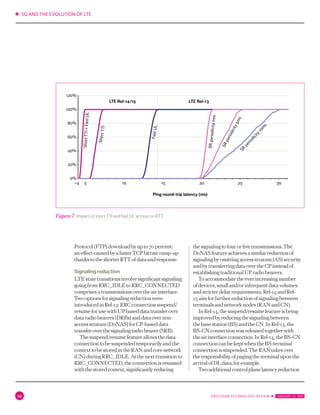
Figure7illustratesthegainsinround-triptime
(RTT)madebyemployingshortTTIandfastUL
access.Fromsimulations,improvementshavealso
beenobservedinthethroughputforFileTransfer
LATENCY REDUCTION
NOT ONLY CONTRIBUTES TO
DATA RATE ENHANCEMENTS
BUT ALSO ENABLES NEW
USE CASES SUCH AS
CRITICAL COMMUNICATION
AND ITS
5G AND THE EVOLUTION OF LTE ✱
JANUARY 31, 2017 ✱ ERICSSON TECHNOLOGY REVIEW 9
Fast UL grant
Fast UL grant
UL grant
inactiveinactiveinactive
active
active active
Data
Data
Data
Data
Data
Delay
Delay
Delay
UL data UL data UL data
SR
a) SR based access b) Fast UL access c) Short TTI + Fast UL access
Figure 5
LAA-WLAN outdoor
coexistence (40MHz
shared carriers, both
networks operating at
5GHz)
Figure 6
SR access (a), fast UL
access (b), and short TTI
in conjunction with fast
UL access (c)
Networkcapacity[%]
Two Wi-Fi networks LAA and Wi-Fi networks
Wi-Fi
network 1
Wi-Fi
network 2
Wi-Fi
network 2
LAA
network 2
160
180
140
120
100
80
60
40
20
0
✱ 5G AND THE EVOLUTION OF LTE
10 ERICSSON TECHNOLOGY REVIEW ✱  JANUARY 31, 2017
Protocol(FTP)downloadbyupto70percent:
aneffectcausedbyafasterTCPbitrateramp-up
thankstotheshorterRTTofdataandresponse.
Signalingreduction
LTEstatetransitionsinvolvesignificantsignaling:
goingfromRRC_IDLEtoRRC_CONNECTED
comprises9transmissionsovertheairinterface.
Twooptionsforsignalingreductionwere
introducedinRel-13:RRCconnectionsuspend/
resumeforusewithUPbaseddatatransferover
dataradiobearers(DRBs)anddataovernon-
accessstratum(DoNAS)forCP-baseddata
transferoverthesignalingradiobearer(SRB).
Thesuspend/resumefeatureallowsthedata
connectiontobesuspendedtemporarilyandthe
contexttobestoredintheRANandcorenetwork
(CN)duringRRC_IDLE.Atthenexttransitionto
RRC_CONNECTED,theconnectionisresumed
withthestoredcontext,significantlyreducing
thesignalingtofourorfivetransmissions.The
DoNASfeatureachievesasimilarreductionof
signalingbyomittingaccessstratum(AS)security
andbytransferringdataovertheCPinsteadof
establishingtraditionalUPradiobearers.
Toaccommodatetheeverincreasingnumber
ofdevices,smalland/orinfrequentdatavolumes
andstricterdelayrequirements,Rel-14andRel-
15aimforfurtherreductionofsignalingbetween
terminalsandnetworknodes(RANandCN).
InRel-14,thesuspend/resumefeatureisbeing
improvedbyreducingthesignalingbetween
thebasestation(BS)andtheCN.InRel-13,the
BS-CNconnectionwasreleasedtogetherwith
theairinterfaceconnection.InRel-14,theBS-CN
connectioncanbekeptwhentheBS-terminal
connectionissuspended.TheRANtakesover
theresponsibilityofpagingtheterminaluponthe
arrivalofDLdata,forexample.
Twoadditionalcontrolplanelatencyreduction
Ping round-trip latency (ms)
120%
100%
80%
60%
40%
20%
0%
<4 5 10 15 20 25 30
LTE Rel-14/15 LTE Rel-13
ShortTTI+FastUL
ShortTTI
FastUL
SRperiodicity1ms
SRperiodicity5msSR
periodicity10m
s
Figure 7 Impact of short TTI and fast UL access on RTT
5G AND THE EVOLUTION OF LTE ✱
JANUARY 31, 2017 ✱ ERICSSON TECHNOLOGY REVIEW 11
LTE MTC
(Cat-M1)
NB-IoT
Bandwidth
1.4MHz
200kHz
164dB 300/375kbps1)
0.8/1Mbps2)
Connected and
idle mode
mobility
Idle mode
mobility
21/63kbps
1) Half duplex, 2) Full duplex
10+ years
10+ years164dB+
Coverage
(MCL)
Battery life Throughput
(DL/UL)
Mobility
Figure 8 NB-IoT and LTE MTC key performance indicators (Rel-13)
improvementsareexpectedinRel-14orRel-15.
Thefirstisanenhancementthatwouldenable
earlierdatatransmissionbymakingitpossibleto
multiplexUPradiobearerdatawithconnection
resumesignaling.Thesecondisknownasrelease
assistanceindication,whichwouldallowthe
terminaltoindicatethatithasnomoreULdata
andthatitdoesnotanticipateDLdata,thereby
enablingearlytransitiontoRRC_IDLE.
Newusecasesfor5G
AnumberofimprovementsinLTERel-14and
Rel-15aredesignedtoprovideimprovedsupport
forusecasessuchasmassiveMTC,critical
communicationsandITS.
Massivemachinetypecommunications
LTEMTCandNB-IoTweredevelopedto
addressmMTCusecases[11].Theyoffer
similarimprovementswithregardtocoverage
enhancement,batterylife,signalingefficiencyand
scalability,butaddressslightlydifferentdemands
intermsofflexibilityandperformance.Asshownin
Figure8,LTEMTCismorecapableofsupporting
higherdataratesandbothintra-RATandinter-
RATconnectedmodemobility.Withthenew
LTEMTCCategoryM1(Cat-M1)andNB-IoT,
whichwerespecifiedin3GPPRel-13,itis
anticipatedthatmodemcostcanbedrastically
reducedcomparedwithRel-8Cat-1devices.
Costwillvarydependingonfeatures,options
andimplementation.Modemcostreductionsare
expectedtobeintheorderof75-80percentfor
Cat-M1[12]andevenmoreforNB-IoTwithits
furtherreducedfeatureset.
LTERel-14aimstofurtherenhanceLTE
MTCandNB-IoTbyimprovingperformance
andaddressingmoreusecases.Higherdata
ratesandefficiencywillbeachievedinRel-14by
allowinglargerchunksofdatatobecarriedineach
✱ 5G AND THE EVOLUTION OF LTE
12 ERICSSON TECHNOLOGY REVIEW ✱  JANUARY 31, 2017
transmissionandincreasingthenumberofhybrid
automaticrepeatrequest(HARQ)processesto
enableparalleloutstandingtransmissionswhile
waitingforfeedback.Largerchannelbandwidth
forLTEMTC(upto5MHz)enhancessupport
forvoiceandaudiostreamingaswellasother
applicationsandscenarios.NB-IoTenhancements
forrandomaccessandpagingincreasethe
versatilityofnon-anchorcarriers.
Rel-14willfurtherenablepositioning
applications(inwhichknowledgeofdevice
locationiscritical)bysupportingenhanced
referencesignalsthattakeintoaccountthesmaller
NB-IoT/LTEMTCbandwidth.Enhancements
toconnectedmodemobilitywillimproveservice
continuity.Multicasttransmissionwillmakethe
deliveryofthesamecontenttomultipledevices
moreefficient,optimizingusecasessuchas
firmwareupgradesandsynchronouscontrolof
thingslikestreetlights,forexample.Supportforthe
lowerNB-IoTpowerclassof14dBmwillenablethe
useofsmallerbatteriesandsupportdeviceswitha
smallformfactor.
VoicecoverageforLTEMTCwillbeimproved
inRel-14byincreasingVoLTEcoverageforhalf-
duplexFDD/TDDthroughtechniquesthat
reduceDLrepetitions,newrepetitionfactors,and
adjustedschedulingdelays.MTCdevicesanduse
caseswillalsobenefitfromthesignalingreduction
enhancementsinLTERel-14.
mMTCusecaseswillalsobenefitfromafew
otherenhancementsinLTERel-15,including:
〉〉	latencyimprovementsresultingfromthemultiplexingof
userdatawithconnectionresumesignaling
〉〉	efficiencyimprovementsresultingfromenhancedaccess/
loadcontrolinidleandconnectedmodes
〉〉	batterylifeimprovementsresultingfromrelaxedDL
monitoringrequirementsinidlemode
〉〉	improvedsupportforadditionalusecasessuchas
wearables.
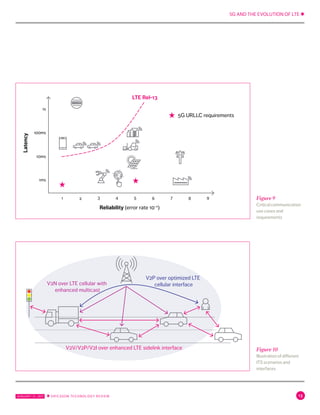
Criticalcommunication
Usecasessuchaspowergridsurveillance,safety-
criticalremotecontrol,andcriticalmanufacturing
operationsrequirebothlowlatencyandhigh
reliabilityabovethecurrentHARQlevel(see
Figure9).InorderforLTEtomeetthese5G
requirements,thereisanaimfortwoimprovements
tobemadeforRel-15:reliableshortTTIoperation
andreliable1msoperation.
BybuildingontheshortTTIandfastUL
features,thepacketerrorratecanbereduced
toa10-5levelthroughacombinationofrobust
codingofcontrolanddatamessages,diversity,and
automaticrepetitionswithoutfeedback.Sincethe
processingiskeptonashorttimescale,theentire
chainoftransmissionscanbedeliveredwithin1ms
withthecombinedreliabilityofmultipletrials.(The
targetissmallcells,suchasfactoriesandoffices.)
Inaddition,wide-areacoveragewithrelaxed
latencybutextremereliabilitycanalsobetargeted
byautomaticrepetitionsofrobustlycoded1ms
transmissionswithenhancedfeedback.
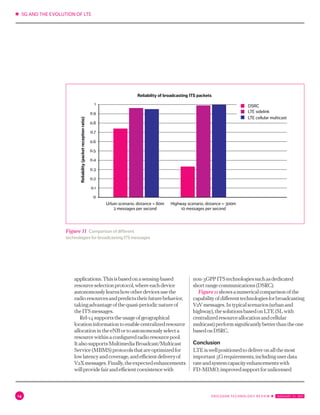
Intelligenttransportationsystems
TheuseofICTtoenablesaferandmore
efficient transportation systems is known as ITS.
3GPP has been developing a solution for vehicle-
to-everything (V2X) communications for Rel-14,
addressing the connection between vehicles
(vehicle-to-vehicle or V2V), vehicle-to-network
(V2N), vehicle-to-infrastructure (V2I), and
vehicle-to-pedestrian (V2P), as illustrated
in Figure 10.
LTE-basedITSbenefitsfromthecoverageof
theexistingnetworksandthecentralizedsecurity.
However,newITSusecasesaredemandingin
termsoflatencyandsystemcapacity.Therefore,the
directD2Dinterface,knownassidelink(SL),and
theLTEcellularairinterfacearebeingenhancedin
Rel-14tosupporttheserequirements.
Forexample,increasedpilotsymboldensity
willmakeitpossibletooptimizetheSLfor
quicklychangingpropagationconditionsand
severefrequencyshiftsatthereceiverduetohigh
relativespeed(upto500km/h)andhighercarrier
frequency(upto6GHz).
Improvedradioresourcemanagementis
anotherimportantenhancementtosupportITS
5G AND THE EVOLUTION OF LTE ✱
JANUARY 31, 2017 ✱ ERICSSON TECHNOLOGY REVIEW 13
V2P over optimized LTE
cellular interfaceV2N over LTE cellular with
enhanced multicast
V2V/V2P/V2I over enhanced LTE sidelink interface
1s
1 2 3 4 5 6 7 8 9
100ms
10ms
1ms
Reliability (error rate 10–x
)
5G URLLC requirements
LTE Rel-13
Latency
Figure 10
Illustration of different
ITS scenarios and
interfaces
Figure 9
Critical communication
use cases and
requirements
✱ 5G AND THE EVOLUTION OF LTE
14 ERICSSON TECHNOLOGY REVIEW ✱  JANUARY 31, 2017
applications.Thisisbasedonasensing-based
resourceselectionprotocol,whereeachdevice
autonomouslylearnshowotherdevicesusethe
radioresourcesandpredictstheirfuturebehavior,
takingadvantageofthequasi-periodicnatureof
theITSmessages.
Rel-14supportstheusageofgeographical
locationinformationtoenablecentralizedresource
allocationintheeNBortoautonomouslyselecta
resourcewithinaconfiguredradioresourcepool.
ItalsosupportsMultimediaBroadcast/Multicast
Service(MBMS)protocolsthatareoptimizedfor
lowlatencyandcoverage,andefficientdeliveryof
V2Xmessages.Finally,theexpectedenhancements
willprovidefairandefficientcoexistencewith
non-3GPPITStechnologiessuchasdedicated
shortrangecommunications(DSRC).
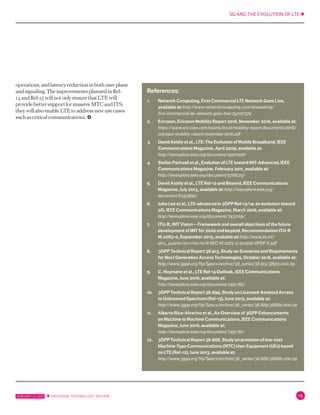
Figure11showsanumericalcomparisonofthe
capabilityofdifferenttechnologiesforbroadcasting
V2Vmessages.Intypicalscenarios(urbanand
highway),thesolutionsbasedonLTE(SLwith
centralizedresourceallocationandcellular
multicast)performsignificantlybetterthantheone
basedonDSRC.
Conclusion
LTEiswellpositionedtodeliveronallthemost
important5Grequirements,includinguserdata
rateandsystemcapacityenhancementswith
FD-MIMO,improvedsupportforunlicensed
Figure 11 Comparison of different
technologies for broadcasting ITS messages
Reliability(packetreceptionratio)
Highway scenario, distance = 300m
10 messages per second
Reliability of broadcasting ITS packets
Urban scenario, distance = 80m
2 messages per second
0.8
0.9
1
0.7
0.6
0.5
0.4
0.3
0.2
0.1
0
LTE sidelink
DSRC
LTE cellular multicast
5G AND THE EVOLUTION OF LTE ✱
JANUARY 31, 2017 ✱ ERICSSON TECHNOLOGY REVIEW 15
1.	 Network Computing, First Commercial LTE Network Goes Live,
available at: http://www.networkcomputing.com/networking/
first-commercial-lte-network-goes-live/752107374
2.	 Ericsson, Ericsson Mobility Report 2016, November 2016, available at:
https://www.ericsson.com/assets/local/mobility-report/documents/2016/
ericsson-mobility-report-november-2016.pdf
3.	 David Astély et al., LTE: The Evolution of Mobile Broadband, IEEE
Communications Magazine, April 2009, available at:
http://ieeexplore.ieee.org/document/4907406/
4.	 Stefan Parkvall et al., Evolution of LTE toward IMT-Advanced, IEEE
Communications Magazine, February 2011, available at:
http://ieeexplore.ieee.org/document/5706315/
5.	 David Astély et al., LTE Rel-12 and Beyond, IEEE Communications
Magazine, July 2013, available at: http://ieeexplore.ieee.org/
document/6553692/
6.	 Juho Lee et al., LTE-advanced in 3GPP Rel-13/14: an evolution toward
5G, IEEE Communications Magazine, March 2016, available at:
http://ieeexplore.ieee.org/document/7432169/
7.	 ITU-R, IMT Vision – Framework and overall objectives of the future
development of IMT for 2020 and beyond, Recommendation ITU-R
M.2083-0, September 2015, available at: http://www.itu.int/
dms_pubrec/itu-r/rec/m/R-REC-M.2083-0-201509-I!!PDF-E.pdf
8.	 3GPP Technical Report 38.913, Study on Scenarios and Requirements
for Next Generation Access Technologies, October 2016, available at:
http://www.3gpp.org/ftp/Specs/archive/38_series/38.913/38913-e00.zip
9.	 C. Hoymann et al., LTE Rel-14 Outlook, IEEE Communications
Magazine, June 2016, available at:
http://ieeexplore.ieee.org/document/7497765/
10.	 3GPP Technical Report 36.899, Study on Licensed-Assisted Access
to Unlicensed Spectrum (Rel-13), June 2015, available at:
http://www.3gpp.org/ftp/Specs/archive/36_series/36.889/36889-d00.zip
11.	 Alberto Rico-Alvarino et al., An Overview of 3GPP Enhancements
on Machine to Machine Communications, IEEE Communications
Magazine, June 2016, available at:
http://ieeexplore.ieee.org/document/7497761/
12.	 3GPP Technical Report 36.888, Study on provision of low-cost
Machine-Type Communications (MTC) User Equipment (UEs) based
on LTE (Rel-12), June 2013, available at:
http://www.3gpp.org/ftp/Specs/archive/36_series/36.888/36888-c00.zip
References:
operations,andlatencyreductioninbothuserplane
andsignaling.TheimprovementsplannedinRel-
14andRel-15willnotonlyensurethatLTEwill
providebettersupportformassiveMTCandITS;
theywillalsoenableLTEtoaddressnewusecases
suchascriticalcommunications.
✱ 5G AND THE EVOLUTION OF LTE
16 ERICSSON TECHNOLOGY REVIEW ✱  JANUARY 31, 2017
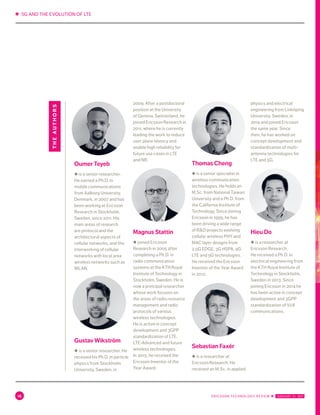
Oumer Teyeb
◆ is a senior researcher.
He earned a Ph.D. in
mobile communications
from Aalborg University,
Denmark, in 2007 and has
been working at Ericsson
Research in Stockholm,
Sweden, since 2011. His
main areas of research
are protocol and the
architectural aspects of
cellular networks, and the
interworking of cellular
networks with local area
wireless networks such as
WLAN.
Gustav Wikström
◆ is a senior researcher. He
received his Ph.D. in particle
physics from Stockholm
University, Sweden, in
2009. After a postdoctoral
position at the University
of Geneva, Switzerland, he
joined Ericsson Research in
2011, where he is currently
leading the work to reduce
user plane latency and
enable high reliability for
future use cases in LTE
and NR.
Magnus Stattin
◆ joined Ericsson
Research in 2005 after
completing a Ph.D. in
radio communication
systems at the KTH Royal
Institute of Technology in
Stockholm, Sweden. He is
now a principal researcher
whose work focuses on
the areas of radio resource
management and radio
protocols of various
wireless technologies.
He is active in concept
development and 3GPP
standardization of LTE,
LTE-Advanced and future
wireless technologies.
In 2015, he received the
Ericsson Inventor of the
Year Award.
Thomas Cheng
◆ is a senior specialist in
wireless communication
technologies. He holds an
M.Sc. from National Taiwan
University and a Ph.D. from
the California Institute of
Technology. Since joining
Ericsson in 1999, he has
been driving a wide range
of R&D projects evolving
cellular wireless PHY and
MAC layer designs from
2.5G EDGE, 3G HSPA, 4G
LTE and 5G technologies.
He received the Ericsson
Inventor of the Year Award
in 2012.
Sebastian Faxér
◆ is a researcher at
Ericsson Research. He
received an M.Sc. in applied
physics and electrical
engineering from Linköping
University, Sweden, in
2014 and joined Ericsson
the same year. Since
then, he has worked on
concept development and
standardization of multi-
antenna technologies for
LTE and 5G.
Hieu Do
◆ is a researcher at
Ericsson Research.
He received a Ph.D. in
electrical engineering from
the KTH Royal Institute of
Technology in Stockholm,
Sweden in 2013. Since
joining Ericsson in 2014 he
has been active in concept
development and 3GPP
standardization of V2X
communications.
theauthors
5G AND THE EVOLUTION OF LTE ✱
JANUARY 31, 2017 ✱ ERICSSON TECHNOLOGY REVIEW 17
ISSN 0014-0171
284 23-3304  | Uen
© Ericsson AB 2017 Ericsson
SE-164 83 Stockholm, Sweden
Phone: +46 10 719 0000

Ericsson Technology Review: Evolving LTE to fit the 5G future

  • 1.
    5G AND THEEVOLUTION OF LTE ✱ JANUARY 31, 2017 ✱ ERICSSON TECHNOLOGY REVIEW 1 ERICSSON TECHNOLOGY 5G wireless access Gradual migration Tight interworking LTE Evolution Existing spectrum 1GHz 3GHz 10GHz 30GHz 100GHz New spectrum NR No compatibility constraints 1GHz 3GHz 10GHz 30GHz 100GHz C H A R T I N G T H E F U T U R E O F I N N O V A T I O N | # 1 ∙ 2 0 1 7 EVOLVINGLTE TOFITTHE5GFUTURE
  • 2.
    ✱ 5G ANDTHE EVOLUTION OF LTE 2 ERICSSON TECHNOLOGY REVIEW ✱  JANUARY 31, 2017 OUMER TEYEB, GUSTAV WIKSTRÖM, MAGNUS STATTIN, THOMAS CHENG, SEBASTIAN FAXÉR, HIEU DO With 5G research progressing at a rapid pace, the standardization process has started in 3GPP. As the most prevalent mobile broadband communication technology worldwide, LTE constitutes an essential piece of the 5G puzzle. As such, its upcoming releases (Rel-14 and Rel-15) are intended to meet as many 5G requirements as possible and address the relevant use cases expected in the 5G era. Since its first commercial deployment by TeliaSonera in December 2009 [1], LTE has become one of the most successful mobile communication technologies worldwide. Currently, there are 537 commercial LTE networks deployed in 170 countries with 1.7 billion subscribers – a number that is expected to rise to a staggering 4.6 billion by 2022 [2]. ■Inthesevenyearsthathavepassedsincethe launchofLTE,majoradvanceshavebeenmade intermsofbothperformanceandversatility. Forexample,LTERel-8introduceda20MHz bandwidthwithpeakdownlink(DL)dataratesof 300Mbpsanduplink(UL)dataratesof75Mbps [3].MinorexpansionsweremadeforRel-9,such asmulticast/broadcastservices,location-based servicesandduallayerbeamforming.LTERel- 10,alsoknownasLTE-Advanced,introduced severalnewfeaturessuchascarrieraggregation (CA)toprovideupto100MHzbandwidthas EvolvingLTE TO FIT THE 5Gfuture
  • 3.
    5G AND THEEVOLUTION OF LTE ✱ JANUARY 31, 2017 ✱ ERICSSON TECHNOLOGY REVIEW 3 wellasenhancedsupportformulti-antennas, heterogeneousdeploymentsandrelaying[4]. Thesefeaturesenabledpeakdataratesinexcessof 1GbpsinDLand500MbpsinUL. Rel-11andRel-12includedenhancementssuch asthesupportofmachinetypecommunications (MTC),dualconnectivity(DC),LTE-WLANradio interworking,andnationalsecurityandpublic safety(NSPS)servicesincludingdirectdevice-to- device(D2D)communication[5].Furtheradvances weremadeinRel-13,includingspectralefficiency enhancementsviaFullDimensionmultiple-input, multiple-output(FD-MIMO),supportforutilizing unlicensedspectrumviaLicensedAssistedAccess (LAA)andLTE-WLANaggregation,extended supportforMTCthroughNarrowbandInternet ofThings(NB-IoT)andenhancedMTC(eMTC), enhancedCA(upto32carriers),indoorpositioning enhancements,andsingle-cell-point-to-multipoint (SC-PTM)forbroadcast/multicastservices[6]. SinceOctober2015,3GPPhasusedtheterm LTE-AdvancedProforRel-13andonwards, signifyingthatLTEhasreachedamaturitylevel thatnotonlyaddressesenhancedfunctionality/ efficiencybutalsothesupportofnewusecases. Why5G? Globalmobiledatatrafficisexpectedtogrowata compoundannualrateof45percentinthecoming years,whichrepresentsatenfoldincreasebetween 2016and2022[2].Thisincreaseisdrivenlargelyby themassiveadoptionofmobilevideostreaming. Ontopofthat,theIoTisshiftingfromvisionto reality,andofthe29billionconnecteddevicesitis expectedtoincludeby2022,18billionwillbeIoT (ormachine-to-machine)devices[2].Future5G networkswillneedtosupportthesechallenging newusecasesinacostandenergyefficientmanner. LTE HAS REACHED A MATURITY LEVEL THAT NOT ONLY ADDRESSES ENHANCED FUNCTIONALITY/EFFICIENCY BUT ALSO THE SUPPORT OF NEW USE CASES Abbreviations AS – access stratum | BS – base station | CA – carrier aggregation | CN – core network | CP – control plane | CSI – channel state information | CSI-RS – CSI reference signal | D2D – device-to-device | DC – dual connectivity | DL – downlink | DoNAS – data over non-access stratum | DSRC – dedicated short range communications | eMBB – enhanced mobile broadband | eMTC – enhanced MTC | eNB – evolved node B | FD-MIMO – Full Dimension MIMO | HARQ – hybrid automatic repeat request | IoT – Internet of Things | ITS – intelligent transportation system | ITU – International Telecommunication Union | LAA – Licensed Assisted Access | MBMS – Multimedia Broadcast/ Multicast Service | MCL – maximum coupling loss | MIMO – multiple-input, multiple-output | mMTC – massive machine type communications | mm-wave – millimeter wave | MTC – machine type communications | MU-MIMO – multi-user MIMO | NAS – non-access stratum | NB-IoT – Narrowband Internet of Things | NR – New Radio | PCell – primary cell | RRC – Radio Resource Control | RS – reference signal | RTT – round-trip time | SCell – secondary cell | SL – sidelink | SR – scheduling request | TTI – transmission time interval | UL – uplink | UP – user plane | URLLC – ultra-reliable low latency communications | V2I – vehicle-to-infrastructure | V2N – vehicle-to-network | V2P – vehicle-to-pedestrian | V2V – vehicle-to-vehicle | V2X – vehicle-to-everything | 3GPP – 3rd generation partnership project
  • 4.
    ✱ 5G ANDTHE EVOLUTION OF LTE 4 ERICSSON TECHNOLOGY REVIEW ✱  JANUARY 31, 2017 Althoughtherequirementsfor5Gcapabilitiesare stillbeingfinalizedbothintheITU[7]and3GPP [8],thereisapreliminaryagreementregardingthe threemainusecasesthetechnologymustsupport. AsillustratedinFigure1,theyare:enhanced mobilebroadband(eMBB),ultra-reliablelow latencycommunications(URLLC)andmassive machinetypecommunications(mMTC).eMBB referstotheextendedsupportofconventional MBBthroughimprovedpeak/average/cell-edge datarates,capacityandcoverage.URLLCisa requirementforemergingcriticalapplicationssuch asindustrialinternet,smartgrids,infrastructure protection,remotesurgeryandintelligent transportationsystems(ITSs).Lastbutcertainly notleast,mMTCisnecessarytosupportthe envisioned5GIoTscenariowithtensofbillionsof connecteddevicesandsensors. Therearetwotracksthatmakeupthe5Gradio accessroadmapin3GPP,asillustratedinFigure  2. OneisbasedontheevolutionofLTEandtheother onNewRadio(NR)access.IntheLTE-5Gtrack, enhancementswillcontinuetoenableittosupport asmany5Grequirementsandusecasesaspossible. UnliketheLTE-5Gtrack,theNR-5Gtrackis freefrombackwardcompatibilityrequirements andtherebyabletointroducemorefundamental changes,suchastargetingspectrumathigh (mm-wave)frequencies.However,NRisbeing designedinascalablemannersoitcouldeventually bemigratedtofrequenciesthatarecurrently servedbyLTE. WhiletheprospectsfortheNR-5Gtrackare exciting,theoperatorsthathavealreadymade significantinvestmentsinLTEdonotneedtobe concerned–atransitionfromLTEto5Gthrough 5Gplug-insisthemostlogicalcourseofaction. BoththeexpectationsforLTERel-14[9]–whichis scheduledforcompletioninMarch2017–andthe strongambitionsforLTERel-15indicatethatthe developmentplansfortheLTE-5Gtrackaresolid. TheprocessofmakingLTE5G-readyinvolves avarietyofenhancementsandnewfeaturesin Rel-14andRel-15.Themostsignificantonesare enhancementstouserdataratesandsystem capacitywithFD-MIMO,improvedsupportfor unlicensedoperations,andlatencyreduction inbothcontrolanduserplanes(UPs).The enhancementsinRel-14andRel-15alsoaim toprovidebettersupportforusecasessuchas massiveMTC,criticalcommunicationsandITS. Userdatarateandsystemcapacity enhancements FD-MIMOandunlicensedoperationsarethetwo mainfeaturesintheupcomingreleasesofLTEthat areintendedtobringaboutimproveduserdata ratesandsystemcapacitythatmeet5Gstandards. FD-MIMO TheMIMOenhancementin3GPPmakesit possibletodynamicallyadapttransmissionboth verticallyandhorizontallybyutilizingasteerable two-dimensionalantennaarray.Theconcept ofFD-MIMOinfutureLTEreleasesbuildson thechannelstateinformation(CSI)feedback mechanismsintroducedinLTERel-13,inwhich precodingmatrixcodebookssupporttwo- dimensionalportlayoutswithupto16antenna ports.Non-precodedCSIreferencesignals(CSI- RSs)aretransmittedfromeachantennaand broadcastinthecell,andtheprecoderisderived bytheterminal.LTERel-13alsointroduced anotherCSIfeedbacktypewithterminal-specific, beamformedCSI-RS,inthesamefashionas physicaldownlinksharedchannel(PDSCH).In THE PROCESS OF MAKING LTE 5G-READY INVOLVES A VARIETY OF ENHANCEMENTS AND NEW FEATURES IN REL-14 AND REL-15
  • 5.
    5G AND THEEVOLUTION OF LTE ✱ JANUARY 31, 2017 ✱ ERICSSON TECHNOLOGY REVIEW 5 Figure 2 5G radio access roadmap Figure 1 The three main 5G use cases and examples of associated applications Video Smart office ITS Connected city/home Smart logistics Smart grid Factory automation URLLC mMTC eMBB Smart sensors Remote operation 5G wireless access Gradual migration Tight interworking LTE Evolution Existing spectrum 1GHz 3GHz 10GHz 30GHz 100GHz New spectrum NR No compatibility constraints 1GHz 3GHz 10GHz 30GHz 100GHz
  • 6.
    ✱ 5G ANDTHE EVOLUTION OF LTE 6 ERICSSON TECHNOLOGY REVIEW ✱  JANUARY 31, 2017 thiscase,thebeamformingdirectionforeach terminalisdecidedbythebasestationratherthan beingderivedfromterminalfeedback. Toenhancebothnon-precodedand beamformedCSI-RSoperation,Rel-14will introduceseveralnewfeatures,includinghybrid non-precoded/beamformedCSImodewith optimizedfeedback;aperiodictriggeringofCSI- RSmeasurements;supportforupto32antenna ports;spatiallyrich,advancedCSIfeedback;anda semi-open-looptransmissionscheme. Hybridnon-precodedandbeamformedCSI modewithoptimizedfeedbackwillmakeit possibletointermittentlytransmitaninitial, non-precodedCSI-RS.Theterminalscanthen respondwithadesireddirectionforasecond,more frequent,beamformedCSI-RS. AperiodictriggeringofCSI-RSmeasurements facilitatesCSI-RSresourcepooling,enabling theefficientuseofmeasurementresourcesand thereductionofCSI-RSoverhead.Asaresult, moreterminalsinthecellwillhaveaccessto beamformedCSI-RSoperation. Supportfor32antennaportsmakesitpossible tousefeedback-basedoperationwithmassive antennasetups,whichincreasesthegainsfrom multi-userMIMO(MU-MIMO). Spatiallyrich,advancedCSIfeedbackwill includeinformationaboutmultiplechannel propagationpaths,sothatinterferencebetween co-scheduledterminalscanbeavoidedor suppressed.Performanceisthencomparableto reciprocity-basedmassiveMU-MIMOsystems. Thesemiopen-looptransmissionscheme combinesfull-dimensionbeamformingand transmitdiversity,targetinghigh-speedterminals whereabeamdirectionisknownbutshort-term CSIchangestooquickly. Theanticipatedimprovementinsystemcapacity anduserthroughputwithRel-14FD-MIMOis illustratedinFigure3–a3GPP3Durbanmicro scenariofeaturing8x4dualpolarizedarrayand non-full-buffertraffic.Performanceonthecelledge increasesroughly2.5timeswithadvancedCSI feedbackandsupportfor32antennaports. LTEoperationsinunlicensedspectrum Toaddresseverincreasingtrafficdemands,many networkoperatorsareconsideringcomplementary useofunlicensedspectrum.LAAwasintroduced inLTERel-13forDLoperation,anditisbeing enhancedinRel-14tosupportUL.LAAusesCA tocombinealicensedbandprimarycell(PCell) withunlicensedbandsecondarycells(SCells).The SCellsusuallyhaverestrictedtransmissionpower, however,whichresultsincoverageareasthatare smallerthanthosethatPCellsareabletoprovide. Inthisarrangement,aPCellprovidesreliable coverageforcontrolmessagesandhigh-priority traffic,whiletheSCellsprovidealargeamount ofspectrumandhighdatarateswhenavailable. Figure4showshowLAAoffersacombinationof themainbenefitsprovidedbybothlicensedand unlicensedspectrum. Severalsolutionshavebeenincorporated into3GPPtoachievecoexistencewithother technologies–suchasWLAN–thatoperatein thesamebandasLAA.Theseincludedynamic carriermeasurement/selection,Listen-Before- Talkprotocol,anddiscontinuoustransmission withlimitedmaximumduration.Smartand adaptivetrafficmanagementbetweenlicensed andunlicensedcarriers–andbetweenunlicensed carriers–couldalsofurtherenhancecoexistence. Figure5showsthenetworkcapacityinanLAA outdoorcoexistencescenariowhereeachof SEVERAL SOLUTIONS HAVE BEEN INCORPORATED INTO 3GPP TO ACHIEVE COEXISTENCE WITH OTHER TECHNOLOGIES – SUCH AS WLAN – THAT OPERATE IN THE SAME BAND AS LAA
  • 7.
    5G AND THEEVOLUTION OF LTE ✱ JANUARY 31, 2017 ✱ ERICSSON TECHNOLOGY REVIEW 7 Capacity Data rate QoS Reliability Mobility support LAA unlicensed LTE macro performance LTE small cells Improved performance Licensed spectrum Unlicensed spectrum Relativegain[%] Rel-14 32 ports Rel-14 32 ports + advanced CSIRel-14 16 ports + advanced CSI Cell edge throughput gain [%] Capacity gain [%] Mean user throughput gain [%] 160 140 120 100 80 60 40 16 56 28 36 119 47 42 135 52 20 0 Figure 4 Illustration of LAA Figure 3 Performance of Rel-14 FD-MIMO over a 16 port Rel-13 baseline (without advanced CSI) at high system load
  • 8.
    ✱ 5G ANDTHE EVOLUTION OF LTE 8 ERICSSON TECHNOLOGY REVIEW ✱  JANUARY 31, 2017 twooperatorsdeployfourLAAorfourWLAN nodesperhotspot[10].TheLAAcellssupport substantiallyhigheroffloadingcapacityonthe same20MHzchannelcomparedwiththeWLAN nodes.ThisisbecausetherobustLAAphysical layerdesignallowsreliableandefficientfrequency reuse.Infact,themoreefficientLAAnetwork leavesmorecapacityfortheco-channelWLAN. FurtherLAAenhancementsareexpectedin LTERel-15,mostnotablyULcontrolinformation transmissionandrandomaccesschannelsupport ontheunlicensedbandSCells.Thiswouldmake itpossibletooffloadmoretrafficfromthelicensed bandPCellsandallowforfurtherdeploymentas wellasenablingusecasessuchasfiberconnected remoteradioheads. AnotherpotentialenhancementinLTERel-15 isdualconnectivitybetweenlicensedbandmain evolvednodeB(eNB)andunlicensedbandsecondary eNB.Thiswouldfurtherbroadendeployment possibilitiesbyallowingaggregationbetween networknodesthatarenotconnectedvialow-latency backhaul.Finally,Rel-15mayenablemoredeployment optionsandscenarios,suchasstandaloneandmMTC operationsinunlicensedspectrum. Latencyreduction AnotherimportantaspectofLTEenhancement istheimplementationoflatencyreduction techniquesfortheuserandcontrolplanes(UPs andCPs).Latencyreductionnotonlycontributes todatarateenhancementsbutalsoenablesnewuse casessuchascriticalcommunicationandITS. Userplanelatencyreduction ImplementingfastULaccessisthefirststep towardreducingUPlatency.AsspecifiedinRel- 14,fastULaccessmakesitpossibletoconfigure aterminalwithanuplinkgrantavailableineach millisecond,tobeusedonlywhenthereisuplink datatotransmit.Usingthecurrentscheduling request(SR)basedaccess,theterminalmust transmitarequest,waitforagrant,andthenwait tousethegrant.AcomparisonoffastULaccess withSRaccessisillustratedintheaandbtracks ofFigure6.Thepre-configuredgrantinfastUL accessminimizesthewaitingtime,whichreduces theaverageradioaccessdelayforuplinkdataby morethanhalf. Theotherlatencyreductionstepconsists oftwoenhancementsthatarebothtargeted forspecificationinRel-15.Thefirstisreduced processingtime:makingtheterminalrespond todownlinkdataanduplinkgrantsinthree millisecondsinsteadoffour.Thesecondisthe introductionofshortertransmissiontimeintervals (TTIs):speedingupthewholechainofwaitingfor atransmitopportunity,schedulingandpreparing foratransmission,transmittingthedata,and ultimatelyprocessingthereceiveddataand sendingfeedback. WithashortTTI,asillustratedinthectrack ofFigure6,transmissionscanbemadewitha shorterduration(aslittleasone-seventhofthe lengthofanormalLTETTI).Eachoftheseshort transmissionscanbescheduledseparatelywitha newDLin-bandcontrolchannel,withfeedback sentinanewULcontrolchannel.Thescheduling andfeedbackaresentinadjacentsubframesforthe shortesttransmissiontime,resultinginatotalradio accessone-waytransmissiondelayofabout0.5ms, includingdataprocessingtime. Figure7illustratesthegainsinround-triptime (RTT)madebyemployingshortTTIandfastUL access.Fromsimulations,improvementshavealso beenobservedinthethroughputforFileTransfer LATENCY REDUCTION NOT ONLY CONTRIBUTES TO DATA RATE ENHANCEMENTS BUT ALSO ENABLES NEW USE CASES SUCH AS CRITICAL COMMUNICATION AND ITS
  • 9.
    5G AND THEEVOLUTION OF LTE ✱ JANUARY 31, 2017 ✱ ERICSSON TECHNOLOGY REVIEW 9 Fast UL grant Fast UL grant UL grant inactiveinactiveinactive active active active Data Data Data Data Data Delay Delay Delay UL data UL data UL data SR a) SR based access b) Fast UL access c) Short TTI + Fast UL access Figure 5 LAA-WLAN outdoor coexistence (40MHz shared carriers, both networks operating at 5GHz) Figure 6 SR access (a), fast UL access (b), and short TTI in conjunction with fast UL access (c) Networkcapacity[%] Two Wi-Fi networks LAA and Wi-Fi networks Wi-Fi network 1 Wi-Fi network 2 Wi-Fi network 2 LAA network 2 160 180 140 120 100 80 60 40 20 0
  • 10.
    ✱ 5G ANDTHE EVOLUTION OF LTE 10 ERICSSON TECHNOLOGY REVIEW ✱  JANUARY 31, 2017 Protocol(FTP)downloadbyupto70percent: aneffectcausedbyafasterTCPbitrateramp-up thankstotheshorterRTTofdataandresponse. Signalingreduction LTEstatetransitionsinvolvesignificantsignaling: goingfromRRC_IDLEtoRRC_CONNECTED comprises9transmissionsovertheairinterface. Twooptionsforsignalingreductionwere introducedinRel-13:RRCconnectionsuspend/ resumeforusewithUPbaseddatatransferover dataradiobearers(DRBs)anddataovernon- accessstratum(DoNAS)forCP-baseddata transferoverthesignalingradiobearer(SRB). Thesuspend/resumefeatureallowsthedata connectiontobesuspendedtemporarilyandthe contexttobestoredintheRANandcorenetwork (CN)duringRRC_IDLE.Atthenexttransitionto RRC_CONNECTED,theconnectionisresumed withthestoredcontext,significantlyreducing thesignalingtofourorfivetransmissions.The DoNASfeatureachievesasimilarreductionof signalingbyomittingaccessstratum(AS)security andbytransferringdataovertheCPinsteadof establishingtraditionalUPradiobearers. Toaccommodatetheeverincreasingnumber ofdevices,smalland/orinfrequentdatavolumes andstricterdelayrequirements,Rel-14andRel- 15aimforfurtherreductionofsignalingbetween terminalsandnetworknodes(RANandCN). InRel-14,thesuspend/resumefeatureisbeing improvedbyreducingthesignalingbetween thebasestation(BS)andtheCN.InRel-13,the BS-CNconnectionwasreleasedtogetherwith theairinterfaceconnection.InRel-14,theBS-CN connectioncanbekeptwhentheBS-terminal connectionissuspended.TheRANtakesover theresponsibilityofpagingtheterminaluponthe arrivalofDLdata,forexample. Twoadditionalcontrolplanelatencyreduction Ping round-trip latency (ms) 120% 100% 80% 60% 40% 20% 0% <4 5 10 15 20 25 30 LTE Rel-14/15 LTE Rel-13 ShortTTI+FastUL ShortTTI FastUL SRperiodicity1ms SRperiodicity5msSR periodicity10m s Figure 7 Impact of short TTI and fast UL access on RTT
  • 11.
    5G AND THEEVOLUTION OF LTE ✱ JANUARY 31, 2017 ✱ ERICSSON TECHNOLOGY REVIEW 11 LTE MTC (Cat-M1) NB-IoT Bandwidth 1.4MHz 200kHz 164dB 300/375kbps1) 0.8/1Mbps2) Connected and idle mode mobility Idle mode mobility 21/63kbps 1) Half duplex, 2) Full duplex 10+ years 10+ years164dB+ Coverage (MCL) Battery life Throughput (DL/UL) Mobility Figure 8 NB-IoT and LTE MTC key performance indicators (Rel-13) improvementsareexpectedinRel-14orRel-15. Thefirstisanenhancementthatwouldenable earlierdatatransmissionbymakingitpossibleto multiplexUPradiobearerdatawithconnection resumesignaling.Thesecondisknownasrelease assistanceindication,whichwouldallowthe terminaltoindicatethatithasnomoreULdata andthatitdoesnotanticipateDLdata,thereby enablingearlytransitiontoRRC_IDLE. Newusecasesfor5G AnumberofimprovementsinLTERel-14and Rel-15aredesignedtoprovideimprovedsupport forusecasessuchasmassiveMTC,critical communicationsandITS. Massivemachinetypecommunications LTEMTCandNB-IoTweredevelopedto addressmMTCusecases[11].Theyoffer similarimprovementswithregardtocoverage enhancement,batterylife,signalingefficiencyand scalability,butaddressslightlydifferentdemands intermsofflexibilityandperformance.Asshownin Figure8,LTEMTCismorecapableofsupporting higherdataratesandbothintra-RATandinter- RATconnectedmodemobility.Withthenew LTEMTCCategoryM1(Cat-M1)andNB-IoT, whichwerespecifiedin3GPPRel-13,itis anticipatedthatmodemcostcanbedrastically reducedcomparedwithRel-8Cat-1devices. Costwillvarydependingonfeatures,options andimplementation.Modemcostreductionsare expectedtobeintheorderof75-80percentfor Cat-M1[12]andevenmoreforNB-IoTwithits furtherreducedfeatureset. LTERel-14aimstofurtherenhanceLTE MTCandNB-IoTbyimprovingperformance andaddressingmoreusecases.Higherdata ratesandefficiencywillbeachievedinRel-14by allowinglargerchunksofdatatobecarriedineach
  • 12.
    ✱ 5G ANDTHE EVOLUTION OF LTE 12 ERICSSON TECHNOLOGY REVIEW ✱  JANUARY 31, 2017 transmissionandincreasingthenumberofhybrid automaticrepeatrequest(HARQ)processesto enableparalleloutstandingtransmissionswhile waitingforfeedback.Largerchannelbandwidth forLTEMTC(upto5MHz)enhancessupport forvoiceandaudiostreamingaswellasother applicationsandscenarios.NB-IoTenhancements forrandomaccessandpagingincreasethe versatilityofnon-anchorcarriers. Rel-14willfurtherenablepositioning applications(inwhichknowledgeofdevice locationiscritical)bysupportingenhanced referencesignalsthattakeintoaccountthesmaller NB-IoT/LTEMTCbandwidth.Enhancements toconnectedmodemobilitywillimproveservice continuity.Multicasttransmissionwillmakethe deliveryofthesamecontenttomultipledevices moreefficient,optimizingusecasessuchas firmwareupgradesandsynchronouscontrolof thingslikestreetlights,forexample.Supportforthe lowerNB-IoTpowerclassof14dBmwillenablethe useofsmallerbatteriesandsupportdeviceswitha smallformfactor. VoicecoverageforLTEMTCwillbeimproved inRel-14byincreasingVoLTEcoverageforhalf- duplexFDD/TDDthroughtechniquesthat reduceDLrepetitions,newrepetitionfactors,and adjustedschedulingdelays.MTCdevicesanduse caseswillalsobenefitfromthesignalingreduction enhancementsinLTERel-14. mMTCusecaseswillalsobenefitfromafew otherenhancementsinLTERel-15,including: 〉〉 latencyimprovementsresultingfromthemultiplexingof userdatawithconnectionresumesignaling 〉〉 efficiencyimprovementsresultingfromenhancedaccess/ loadcontrolinidleandconnectedmodes 〉〉 batterylifeimprovementsresultingfromrelaxedDL monitoringrequirementsinidlemode 〉〉 improvedsupportforadditionalusecasessuchas wearables. Criticalcommunication Usecasessuchaspowergridsurveillance,safety- criticalremotecontrol,andcriticalmanufacturing operationsrequirebothlowlatencyandhigh reliabilityabovethecurrentHARQlevel(see Figure9).InorderforLTEtomeetthese5G requirements,thereisanaimfortwoimprovements tobemadeforRel-15:reliableshortTTIoperation andreliable1msoperation. BybuildingontheshortTTIandfastUL features,thepacketerrorratecanbereduced toa10-5levelthroughacombinationofrobust codingofcontrolanddatamessages,diversity,and automaticrepetitionswithoutfeedback.Sincethe processingiskeptonashorttimescale,theentire chainoftransmissionscanbedeliveredwithin1ms withthecombinedreliabilityofmultipletrials.(The targetissmallcells,suchasfactoriesandoffices.) Inaddition,wide-areacoveragewithrelaxed latencybutextremereliabilitycanalsobetargeted byautomaticrepetitionsofrobustlycoded1ms transmissionswithenhancedfeedback. Intelligenttransportationsystems TheuseofICTtoenablesaferandmore efficient transportation systems is known as ITS. 3GPP has been developing a solution for vehicle- to-everything (V2X) communications for Rel-14, addressing the connection between vehicles (vehicle-to-vehicle or V2V), vehicle-to-network (V2N), vehicle-to-infrastructure (V2I), and vehicle-to-pedestrian (V2P), as illustrated in Figure 10. LTE-basedITSbenefitsfromthecoverageof theexistingnetworksandthecentralizedsecurity. However,newITSusecasesaredemandingin termsoflatencyandsystemcapacity.Therefore,the directD2Dinterface,knownassidelink(SL),and theLTEcellularairinterfacearebeingenhancedin Rel-14tosupporttheserequirements. Forexample,increasedpilotsymboldensity willmakeitpossibletooptimizetheSLfor quicklychangingpropagationconditionsand severefrequencyshiftsatthereceiverduetohigh relativespeed(upto500km/h)andhighercarrier frequency(upto6GHz). Improvedradioresourcemanagementis anotherimportantenhancementtosupportITS
  • 13.
    5G AND THEEVOLUTION OF LTE ✱ JANUARY 31, 2017 ✱ ERICSSON TECHNOLOGY REVIEW 13 V2P over optimized LTE cellular interfaceV2N over LTE cellular with enhanced multicast V2V/V2P/V2I over enhanced LTE sidelink interface 1s 1 2 3 4 5 6 7 8 9 100ms 10ms 1ms Reliability (error rate 10–x ) 5G URLLC requirements LTE Rel-13 Latency Figure 10 Illustration of different ITS scenarios and interfaces Figure 9 Critical communication use cases and requirements
  • 14.
    ✱ 5G ANDTHE EVOLUTION OF LTE 14 ERICSSON TECHNOLOGY REVIEW ✱  JANUARY 31, 2017 applications.Thisisbasedonasensing-based resourceselectionprotocol,whereeachdevice autonomouslylearnshowotherdevicesusethe radioresourcesandpredictstheirfuturebehavior, takingadvantageofthequasi-periodicnatureof theITSmessages. Rel-14supportstheusageofgeographical locationinformationtoenablecentralizedresource allocationintheeNBortoautonomouslyselecta resourcewithinaconfiguredradioresourcepool. ItalsosupportsMultimediaBroadcast/Multicast Service(MBMS)protocolsthatareoptimizedfor lowlatencyandcoverage,andefficientdeliveryof V2Xmessages.Finally,theexpectedenhancements willprovidefairandefficientcoexistencewith non-3GPPITStechnologiessuchasdedicated shortrangecommunications(DSRC). Figure11showsanumericalcomparisonofthe capabilityofdifferenttechnologiesforbroadcasting V2Vmessages.Intypicalscenarios(urbanand highway),thesolutionsbasedonLTE(SLwith centralizedresourceallocationandcellular multicast)performsignificantlybetterthantheone basedonDSRC. Conclusion LTEiswellpositionedtodeliveronallthemost important5Grequirements,includinguserdata rateandsystemcapacityenhancementswith FD-MIMO,improvedsupportforunlicensed Figure 11 Comparison of different technologies for broadcasting ITS messages Reliability(packetreceptionratio) Highway scenario, distance = 300m 10 messages per second Reliability of broadcasting ITS packets Urban scenario, distance = 80m 2 messages per second 0.8 0.9 1 0.7 0.6 0.5 0.4 0.3 0.2 0.1 0 LTE sidelink DSRC LTE cellular multicast
  • 15.
    5G AND THEEVOLUTION OF LTE ✱ JANUARY 31, 2017 ✱ ERICSSON TECHNOLOGY REVIEW 15 1. Network Computing, First Commercial LTE Network Goes Live, available at: http://www.networkcomputing.com/networking/ first-commercial-lte-network-goes-live/752107374 2. Ericsson, Ericsson Mobility Report 2016, November 2016, available at: https://www.ericsson.com/assets/local/mobility-report/documents/2016/ ericsson-mobility-report-november-2016.pdf 3. David Astély et al., LTE: The Evolution of Mobile Broadband, IEEE Communications Magazine, April 2009, available at: http://ieeexplore.ieee.org/document/4907406/ 4. Stefan Parkvall et al., Evolution of LTE toward IMT-Advanced, IEEE Communications Magazine, February 2011, available at: http://ieeexplore.ieee.org/document/5706315/ 5. David Astély et al., LTE Rel-12 and Beyond, IEEE Communications Magazine, July 2013, available at: http://ieeexplore.ieee.org/ document/6553692/ 6. Juho Lee et al., LTE-advanced in 3GPP Rel-13/14: an evolution toward 5G, IEEE Communications Magazine, March 2016, available at: http://ieeexplore.ieee.org/document/7432169/ 7. ITU-R, IMT Vision – Framework and overall objectives of the future development of IMT for 2020 and beyond, Recommendation ITU-R M.2083-0, September 2015, available at: http://www.itu.int/ dms_pubrec/itu-r/rec/m/R-REC-M.2083-0-201509-I!!PDF-E.pdf 8. 3GPP Technical Report 38.913, Study on Scenarios and Requirements for Next Generation Access Technologies, October 2016, available at: http://www.3gpp.org/ftp/Specs/archive/38_series/38.913/38913-e00.zip 9. C. Hoymann et al., LTE Rel-14 Outlook, IEEE Communications Magazine, June 2016, available at: http://ieeexplore.ieee.org/document/7497765/ 10. 3GPP Technical Report 36.899, Study on Licensed-Assisted Access to Unlicensed Spectrum (Rel-13), June 2015, available at: http://www.3gpp.org/ftp/Specs/archive/36_series/36.889/36889-d00.zip 11. Alberto Rico-Alvarino et al., An Overview of 3GPP Enhancements on Machine to Machine Communications, IEEE Communications Magazine, June 2016, available at: http://ieeexplore.ieee.org/document/7497761/ 12. 3GPP Technical Report 36.888, Study on provision of low-cost Machine-Type Communications (MTC) User Equipment (UEs) based on LTE (Rel-12), June 2013, available at: http://www.3gpp.org/ftp/Specs/archive/36_series/36.888/36888-c00.zip References: operations,andlatencyreductioninbothuserplane andsignaling.TheimprovementsplannedinRel- 14andRel-15willnotonlyensurethatLTEwill providebettersupportformassiveMTCandITS; theywillalsoenableLTEtoaddressnewusecases suchascriticalcommunications.
  • 16.
    ✱ 5G ANDTHE EVOLUTION OF LTE 16 ERICSSON TECHNOLOGY REVIEW ✱  JANUARY 31, 2017 Oumer Teyeb ◆ is a senior researcher. He earned a Ph.D. in mobile communications from Aalborg University, Denmark, in 2007 and has been working at Ericsson Research in Stockholm, Sweden, since 2011. His main areas of research are protocol and the architectural aspects of cellular networks, and the interworking of cellular networks with local area wireless networks such as WLAN. Gustav Wikström ◆ is a senior researcher. He received his Ph.D. in particle physics from Stockholm University, Sweden, in 2009. After a postdoctoral position at the University of Geneva, Switzerland, he joined Ericsson Research in 2011, where he is currently leading the work to reduce user plane latency and enable high reliability for future use cases in LTE and NR. Magnus Stattin ◆ joined Ericsson Research in 2005 after completing a Ph.D. in radio communication systems at the KTH Royal Institute of Technology in Stockholm, Sweden. He is now a principal researcher whose work focuses on the areas of radio resource management and radio protocols of various wireless technologies. He is active in concept development and 3GPP standardization of LTE, LTE-Advanced and future wireless technologies. In 2015, he received the Ericsson Inventor of the Year Award. Thomas Cheng ◆ is a senior specialist in wireless communication technologies. He holds an M.Sc. from National Taiwan University and a Ph.D. from the California Institute of Technology. Since joining Ericsson in 1999, he has been driving a wide range of R&D projects evolving cellular wireless PHY and MAC layer designs from 2.5G EDGE, 3G HSPA, 4G LTE and 5G technologies. He received the Ericsson Inventor of the Year Award in 2012. Sebastian Faxér ◆ is a researcher at Ericsson Research. He received an M.Sc. in applied physics and electrical engineering from Linköping University, Sweden, in 2014 and joined Ericsson the same year. Since then, he has worked on concept development and standardization of multi- antenna technologies for LTE and 5G. Hieu Do ◆ is a researcher at Ericsson Research. He received a Ph.D. in electrical engineering from the KTH Royal Institute of Technology in Stockholm, Sweden in 2013. Since joining Ericsson in 2014 he has been active in concept development and 3GPP standardization of V2X communications. theauthors
  • 17.
    5G AND THEEVOLUTION OF LTE ✱ JANUARY 31, 2017 ✱ ERICSSON TECHNOLOGY REVIEW 17 ISSN 0014-0171 284 23-3304  | Uen © Ericsson AB 2017 Ericsson SE-164 83 Stockholm, Sweden Phone: +46 10 719 0000