Ananda Kumar. Chettupalli / J Global Trends Pharm Sci, 2017; 8(1): 3577 - 3583
3577
EVALUATION OF ANTI HYPERLIPIDEMIC ACTIVITY OF MEDICINAL
PLANT, ARGYREIA NERVOSA BURN.F IN HYPERLIPIDEMIC RATS
Ananda Kumar. Chettupalli*, Vasudha. B, Krishna Sanka
Department of Pharmaceutics, Anurag Group of Institutions, Venkatapur,
Ghatkesar, Medchal, Hyderabad, Telangana, India- 500088
*Corresponding author E-mail: anand33.chettupalli@gmail.com
ARTICLE INFO ABSTRACT
Key words:
Sibutramine,
High fat diet,
Serum lipid profile,
Hyperlipidemic activity,
Hyperlipidemia.
The global prevalence of obesity is increasing rapidly and high dietary
fat intake is major risk factor for the development of obesity. The present
study was taken undertaken to evaluate the effect of Argyreia Nervosa
Burn.F leaf ethanol extract on serum lipid profile in Wistar male albino rat
fed with high fat diet and to compare it with a standard hyperlipidemic drug
Sibutramine (10mg/kg). Fifty four health Wistar albino male rats were
randomized in to 9 groups of 6 animals each. The groups were followed as
follows Group I: Sham operated Normal (Normal Diet), Group II: Control
(High fat diet), Group III: Sibutramine 10 mg/kg + HFD, Group IV: EEAN
(100mg/kg) + HFD, Group V: EEAN (200mg/kg) +HFD, Group VI: EEAN
(400mg/kg) + HFD, Remaining groups have received different types of
extracts at various doses. Lipid profile in serum with high triglyceride (TG)
and cholesterol levels were significantly reduced by treatment of 0.5g/day
A. nervosa. The A. nervosa markedly lowers the levels of serum cholesterol
and VLDL. The present investigation shows that all triton induced rats
displayed hyperlipidemia as shown by their elevated levels of serum and
liver cholesterol, triglyceride, PL, VLDL, LDL and the reduction in the
HDL level. It can be concluded that 0.5g/day of A. nervosa treatment was
effective in reduction of cholesterol, PL, TG, VLDL, LDL and HDL in a
dose dependant manner.
INTRODUCTION:
From the beginning of the last century,
evidences on the cholesterol-lowering
properties of medicinal plants have been
accumulating. The importance of such
investigations, are confirmed in the treatment
of obesity, diabetes mellitus, heart failure, and
atherosclerosis. Scientists have reported the
role of medicinal plants in the control of
elevated serum cholesterol, and the reduction
of morbidity and mortality due to vascular
diseases associated with it [1]
. Coronary artery
disease (CAD) is one of the most important
causes of death all over the world [2]
.
According to World Health Organization
(WHO), by 2010, Asian Indians will represent
50-60% of the world’s cardiac patients, which
amounts to about 100 million patients [3]
. High
plasma level of cholesterol along with
generation of reactive species (ROS) play’s
key role in the development of coronary artery
disease (CAD) and atherosclerosis[4]
.Oxidative
stress is currently suggested a mechanism
underlying hypercholesterolemia. Free radicals
are continuously produced in the body as the
result of normal metabolic processes and
interaction with environmental stimuli [5]
.
Although statins have been found effective in
lowering serum low-density lipid levels they
have been found to cause many side effects.
As they are basically enzyme inhibitors, so it
Journal of Global Trends in Pharmaceutical Sciences
An Elsevier Indexed Journal ISSN-2230-7346
Ananda Kumar. Chettupalli / J Global Trends Pharm Sci, 2017; 8(1): 3577 - 3583
3578
is likely that they may be inhibiting other
critical enzymes in body. Statins are ingested
on a long term basis so there may be a risk of
Chronic toxic effects like carcinogenic,
teratogenicity and mutagenic over a life time
of use [6]
. Recent study has shown that
medicinal plants intake in rat’s results in an
increase of antioxidant enzymes activity and
HDL cholesterol, and a decrease in
malondialdehyde, which may reduce the risk
of heart disease [5]
. Traditional medicine is still
the mainstay of about 75-80% of world
population, mainly in the developing
countries. India, having a rich tradition of folk
medicine from centuries, has provided very
simple but effective remedies to various
ailments using plants and plants derived
compounds. There is no such risk factor to use
the plant medicine as compare with the
allopathic drugs [7]
.
MATERIALS AND METHODS:
Plant authentication and extract
preparation:
The plant was collected during the
march 2014 from Tirumalla forest area of
Chitoor district India. The plant was
authenticated by Dr. Madhava Chetty,
Department of Botany, Sri Venkateshwara
University, Tirupati and voucher specimen of
the plant were preserved at institute herbarium
library. The shade dried and powdered leaves
of A. nervosa were extracted with ethanol by
using Soxhlet extractor. The extract was
filtered and then solvent was evaporated under
reduced pressure to a solvent free concentrated
mass, which was then stored in air-tight
container in a cool and dry condition.
Experimental Animals:
Wistar albino adult male rats weighing
200-250g were obtained from the animal
house. The animal were grouped and housed in
polyacrylic cages (38x 23x 10 cm) with not
more than five animals per cage and
maintained under standard laboratory under
standard laboratory conditions (temperature
25+2oC) with dark and light cycle (14/10
hour). They were allowed free access to
standard dry pellet diet (Hindustan Lever,
Kolkata, India) and water ad libitum. The mice
were acclimatized to laboratory condition for
10 days before commencement of experiment.
The experimental protocol was approved by
Institutional Animal Ethical Committee
(IAEC) constituted under CPCSEA.
Induction of Hyper lipidemia :
Hyperlipidemia was induced in Wistar albino
rats by single intraperitoneal injection of
freshly prepared solution of Triton-X-100 (100
mg/kg) in physiological saline solution after
overnight fasting for 18 h [45]
.The animals
were divided into four groups of five rats each.
The first group was given standard pellet diet,
water and orally administered with 5% CMC.
The second group was given a single dose of
triton administered at a dose of 100mg/kg, i.p.
After 72 hours of triton injection, this group
received a daily dose of 5% CMC (p.o) for 7
days. The third group was administered a daily
dose of 0.5g/day Argyreia nervosa suspended
in 5%CMC, p.o., for 7 days, after inducing
hyperlipidemia. Fourth group was
administered with the standard Fenofibrate
65mg/kg, p.o. for 7 days [46]
.
Collection of blood: On the 8thday, blood
was collected by retero orbital sinus puncture,
under mild ether anesthesia. The collected
samples were centrifuged for 10 minutes. Then
serum samples were collected and used for
various biochemical experiments. The animals
were then sacrificed and the liver collected [47]
.
Liver lipid extraction: The liver was
homogenized in cold 0.15M KCl and extracted
with CHCl3 CH3OH (2% v/v). This lipid
extract was used for the estimation of lipid
parameters [48]
.
High Fat diet model Materials: Remi
research centrifuge (R-24), Soxhlet extractor,
Olampus Research microscope with computer
connectivity and image capturing capacity,
HPTLC, Shimadzu UV-visible
spectrophotometer (UV1800), micrtone. Stat
Fax autoanalyser (2000), Afcoset digital
balance (ER-180A). Sibutramine was gifted by
the Ranbaxy Laboratory Ltd, Devas, MP. 2%
Cholesterol was purchased from SRL Pvt.
LTD., Mumbai.
Animal selection: 54 (09 x 6) Wistar albino
rats (180-250 g) were used in this second
model. They were housed six per cage under
standard laboratory conditions at a room
temperature at 22 ± 2oC with 12h light/dark
cycle. The animals were maintained under
Ananda Kumar. Chettupalli / J Global Trends Pharm Sci, 2017; 8(1): 3577 - 3583
3579
standard nutritional and environmental
conditions throughout the experiment. The
experiment ware carried out between 9:00–
16:00 hours at ambient temperature. All the
pharmacological experimental protocols were
approved by the Institutional Animals Ethics
Committee (Ref: CPCSEA/769/2010) of
Sigma Institute of Clinical Research and
Administration Pvt. Ltd, Hyderabad, India.
Animal grouping: The animals were
randomly divided into following 9 groups;
each group consists of six animals. Animal
grouping and their treatment is as follows:
Group- I: Sham operated Normal (Normal
Diet)
Group- II: Control (High fat diet)
Group- III: Sibutramine 10 mg/kg + HFD
Remaining groups have received different
types of extracts at various doses as follows.
Group- IV: EEAN (100mg/kg) + HFD
Group- V: EEAN (200mg/kg) +HFD
Group- VI: EEAN (400mg/kg) + HFD
Induction of High fat diet induced obesity:
Animals were divided in to 9 groups
each group having 6 animals, first group (lean
Rat) had free access to standard pelleted chow
which provided 76.8% of energy as
carbohydrates, 19.2% as protein, and 4.3% as
fat. Remaining 48 rats were fed with a high fat
diet providing 60% of energy as fat, 20% as
protein and 20% as carbohydrates to the
animals. Experimental obesity and other
metabolic changes were induced by dietary
manipulation (by proving HFD) for 48 days to
reaming 9 groups. After 48 days rats were
found to be obese, change in body weight
during this period was recorded.
RESULTS AND DISCUSSION:
A. nervosa has also been shown to indirectly
modify the total cholesterol and high density
lipoprotein cholesterol values. The ethanolic
extract of A. nervosa was found to be non–
toxic up to the dose of 2 g/kg and did not
cause any death of the tested animals. The
Phytochemical tests with the ethanol extract of
A. nervosa indicated the presence of
carbohydrates, glycosides, terpenes, saponins,
proteins and amino acids. Hyperlipidemia is
associated with heart disease, which is the
leading cause of death in the world. The
lowering of the levels of harmful lipids to
satisfactory values has been confirmed by
several experimental animal and interventional
studies indicating lowered morbidity and
mortality in coronary heart diseases. The
results are discussed under the lipid profile in
serum. Lipid profile in serum with high
triglyceride (TG) and cholesterol levels were
significantly reduced by treatment of 0.5g/day
A. nervosa. LDL and VLDL levels were
significantly increased in triton-injected
animals to control rats. The results are shown
in Tables 1 and 3. The A. nervosa markedly
lowers the levels of serum cholesterol and
VLDL. The decrease in cholesterol may
indicate increased oxidation of mobilized fatty
acids of inhibition or lipolysis. The present
investigation shows that all triton induced rats
displayed hyperlipidemia as shown by their
elevated levels of serum and liver cholesterol,
triglyceride, PL, VLDL, LDL and the
reduction in the HDL level. It can be
concluded that 0.5g/day of A. nervosa
treatment was effective in reduction of
cholesterol, PL, TG, VLDL, LDL and HDL in
a dose dependant manner. Histopathological
studies revelaed that control group showing
normal architecture; (b) hyperlipidemic group
showing fatty infiltration and granular
degeneration; (c) Fenofibrate group showing
negligible cytoplasmic fatty infiltration and
granular degeneration; (d) group treated with
200mg/kg extract showing mild cytoplasmic
fatty infiltration and mild granular
degeneration; (e) group treated with 400mg/kg
extract showing mild cytoplasmic fatty
infiltration and mild to moderate granular
degeneration.
CONCLUSION:
Hyperlipidemia is associated with
heart disease, which is the leading cause of
death in the world. The lowering of the levels
of harmful lipids to satisfactory values has
been confirmed by several experimental
animal and interventional studies indicating
lowered morbidity and mortality in coronary
heart diseases. The results are discussed under
the lipid profile in serum. Lipid profile in
serum with high triglyceride (TG) and
cholesterol levels were significantly reduced
by treatment of 200mg/kg extract and 400
mg/kg extract A. nervosa.
Ananda Kumar. Chettupalli / J Global Trends Pharm Sci, 2017; 8(1): 3577 - 3583
3580
Table 1: Effect of Ethanolic extract of Argyreia nervosa on body weight in Triton-X induced
Hyperlipidemia in rats.EEAN- Ethanolic Extract of Argyreia nervosa
Table 2: Effect of Ethanolic extract of Argyreia nervosa on Glucose, SGOT and SGPT levels
on Triton-X induced hyperlipidemia in rats.
Table 3: Effect of Ethanolic extract of Argyreia nervosa on Lipid profile levels onTriton-X induced
hyperlipidemia in rats.
All the values are mean ± SEM, n=6, ns=Not significant, One way Analysis of Variance (ANOVA) followed by
multiple comparison Dunnett’s test, **p<0.01, *** p<0.001 vs. control group, and a
p<0.001
Treatment Groups 1st
Day 7th
Day 14th
Day 21st
day 48th
Day
Sham operated
Normal
157.5±2.81 162.5±2.14 164.3±2.36 169.8±1.662 174.5±1.258
Triton-X -100
Control
157.5±2.81 162.5±2.14 164.3±2.36 169.8±1.662 174.5±1.258
Standard -
Sibutramine10mg/kg
155.0±1.82 165.2±3.13 168.5±3.05* 169.5±1.83*** 170.2±2.19**
*
EEAN (100mg/kg) 153.3±3.07 168.2±0.79 168.8±2.77* 171.0±4.25*** 192.0±4.50**
EEAN (200mg/kg) 153.3±3.07 169.0±1.52 167.5±0.84* 175.0±0.81*** 183.2±2.72**
EEAN (400mg/kg) 155.2±2.89 161.3±1.56 166.8±1.77* 172.8±1.68*** 185.3±5.10**
Treatment Groups Glucose mg/dl SGOT mg/dl SGPT mg/dl
Sham operated Normal 77.83±4.42 12.84±0.82 34.12±2.35
Triton-X -100 Control 87.5±2.81 25.50±2.14 44.31 ±2.36
Standard
(Sibutramine10mg/kg)
64.00±1.39*** 12.70±0.87*** 28.97±1.45***
EEAN (100mg/kg) 85.17±1.24*** 23.44±1.12ns 59.53±3.50**
EEAN (200mg/kg) 92.17±4.28*** 21.02±1.29ns 45.35±4.37***
EEAN (400mg/kg) 63.83±1.49*** 13.59±1.35*** 38.98±4.26***
Treatment Groups
TC (mg/dl) TG (mg/dl)
HDL-C
(mg/dl)
LDL-C
(mg/dl)
VLDL-C (mg/dl)
Sham operated Normal 125.7±1.45 66.84±0.48 40.05±0.66 72.33±1.53 13.37±0.09
Triton-X-100 (control) 184.6±2.55 76.84±0.48 68.15±0.66 92.33±1.53 18.37±0.09
Standard
(Sibutramine10mg/kg)
142.2±2.10
***
68.00±1.77**
*
47.89±1.20**
*
80.40±3.28*** 13.89±0.22***
EEAN(100mg/kg) 185.7±2.96
***
72.17±1.88**
*
39.34±1.67**
*
131.9±3.35ns 14.43±0.37***
EEAN (200mg/kg) 172.1±1.23
***
70.24±1.58**
*
54.15±1.08**
*
118.4±0.80ns 14.04±0.31***
EEAN (400mg/kg 162.7±1.03
***
63.70±1.08**
*
56.31±1.52**
*
103.9±2.11* 12.73±0.21***
Ananda Kumar. Chettupalli / J Global Trends Pharm Sci, 2017; 8(1): 3577 - 3583
3581
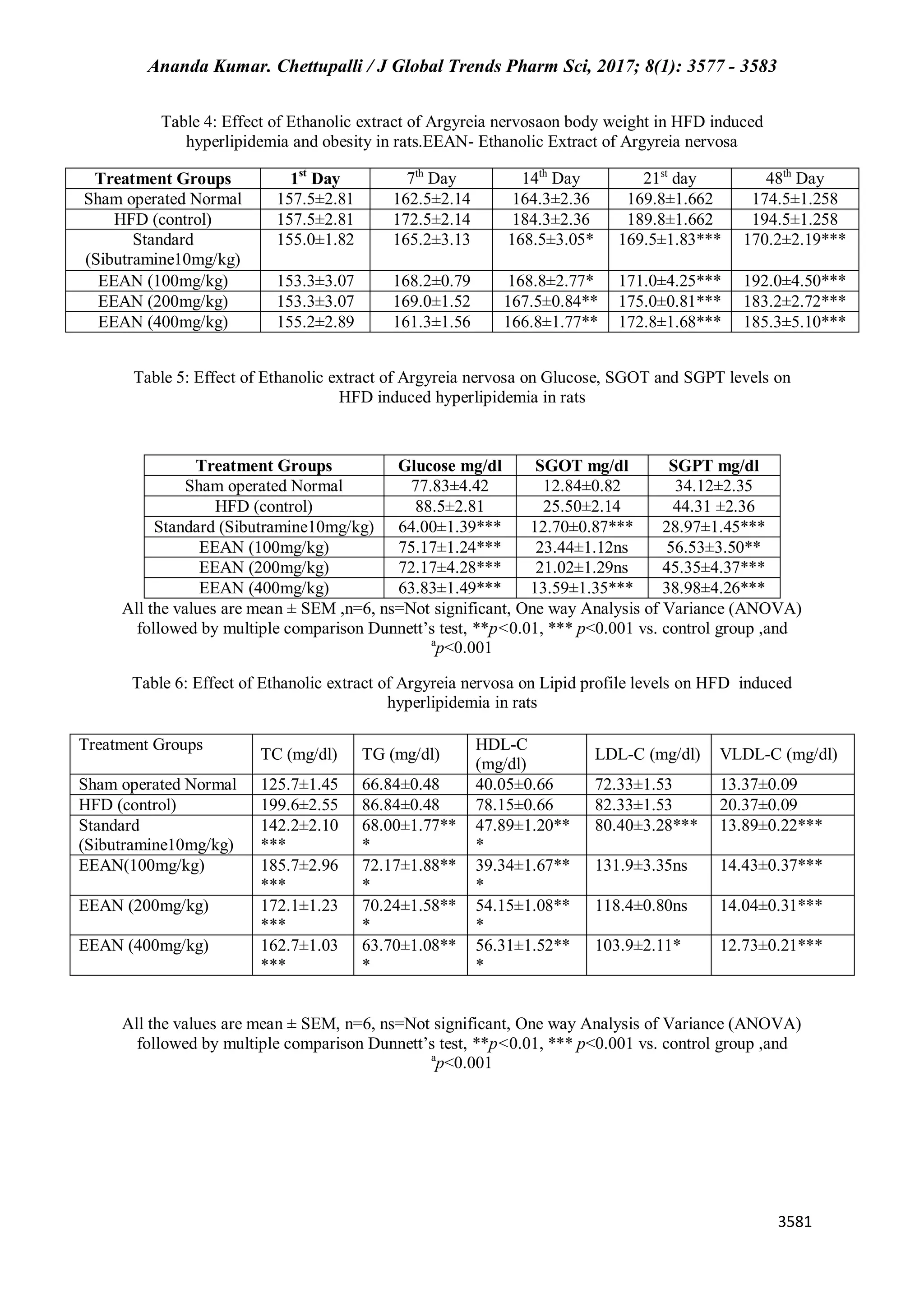
Table 4: Effect of Ethanolic extract of Argyreia nervosaon body weight in HFD induced
hyperlipidemia and obesity in rats.EEAN- Ethanolic Extract of Argyreia nervosa
Table 5: Effect of Ethanolic extract of Argyreia nervosa on Glucose, SGOT and SGPT levels on
HFD induced hyperlipidemia in rats
All the values are mean ± SEM ,n=6, ns=Not significant, One way Analysis of Variance (ANOVA)
followed by multiple comparison Dunnett’s test, **p<0.01, *** p<0.001 vs. control group ,and
a
p<0.001
Table 6: Effect of Ethanolic extract of Argyreia nervosa on Lipid profile levels on HFD induced
hyperlipidemia in rats
All the values are mean ± SEM, n=6, ns=Not significant, One way Analysis of Variance (ANOVA)
followed by multiple comparison Dunnett’s test, **p<0.01, *** p<0.001 vs. control group ,and
a
p<0.001
Treatment Groups 1st
Day 7th
Day 14th
Day 21st
day 48th
Day
Sham operated Normal 157.5±2.81 162.5±2.14 164.3±2.36 169.8±1.662 174.5±1.258
HFD (control) 157.5±2.81 172.5±2.14 184.3±2.36 189.8±1.662 194.5±1.258
Standard
(Sibutramine10mg/kg)
155.0±1.82 165.2±3.13 168.5±3.05* 169.5±1.83*** 170.2±2.19***
EEAN (100mg/kg) 153.3±3.07 168.2±0.79 168.8±2.77* 171.0±4.25*** 192.0±4.50***
EEAN (200mg/kg) 153.3±3.07 169.0±1.52 167.5±0.84** 175.0±0.81*** 183.2±2.72***
EEAN (400mg/kg) 155.2±2.89 161.3±1.56 166.8±1.77** 172.8±1.68*** 185.3±5.10***
Treatment Groups Glucose mg/dl SGOT mg/dl SGPT mg/dl
Sham operated Normal 77.83±4.42 12.84±0.82 34.12±2.35
HFD (control) 88.5±2.81 25.50±2.14 44.31 ±2.36
Standard (Sibutramine10mg/kg) 64.00±1.39*** 12.70±0.87*** 28.97±1.45***
EEAN (100mg/kg) 75.17±1.24*** 23.44±1.12ns 56.53±3.50**
EEAN (200mg/kg) 72.17±4.28*** 21.02±1.29ns 45.35±4.37***
EEAN (400mg/kg) 63.83±1.49*** 13.59±1.35*** 38.98±4.26***
Treatment Groups
TC (mg/dl) TG (mg/dl)
HDL-C
(mg/dl)
LDL-C (mg/dl) VLDL-C (mg/dl)
Sham operated Normal 125.7±1.45 66.84±0.48 40.05±0.66 72.33±1.53 13.37±0.09
HFD (control) 199.6±2.55 86.84±0.48 78.15±0.66 82.33±1.53 20.37±0.09
Standard
(Sibutramine10mg/kg)
142.2±2.10
***
68.00±1.77**
*
47.89±1.20**
*
80.40±3.28*** 13.89±0.22***
EEAN(100mg/kg) 185.7±2.96
***
72.17±1.88**
*
39.34±1.67**
*
131.9±3.35ns 14.43±0.37***
EEAN (200mg/kg) 172.1±1.23
***
70.24±1.58**
*
54.15±1.08**
*
118.4±0.80ns 14.04±0.31***
EEAN (400mg/kg) 162.7±1.03
***
63.70±1.08**
*
56.31±1.52**
*
103.9±2.11* 12.73±0.21***
Ananda Kumar. Chettupalli / J Global Trends Pharm Sci, 2017; 8(1): 3577 - 3583
3582
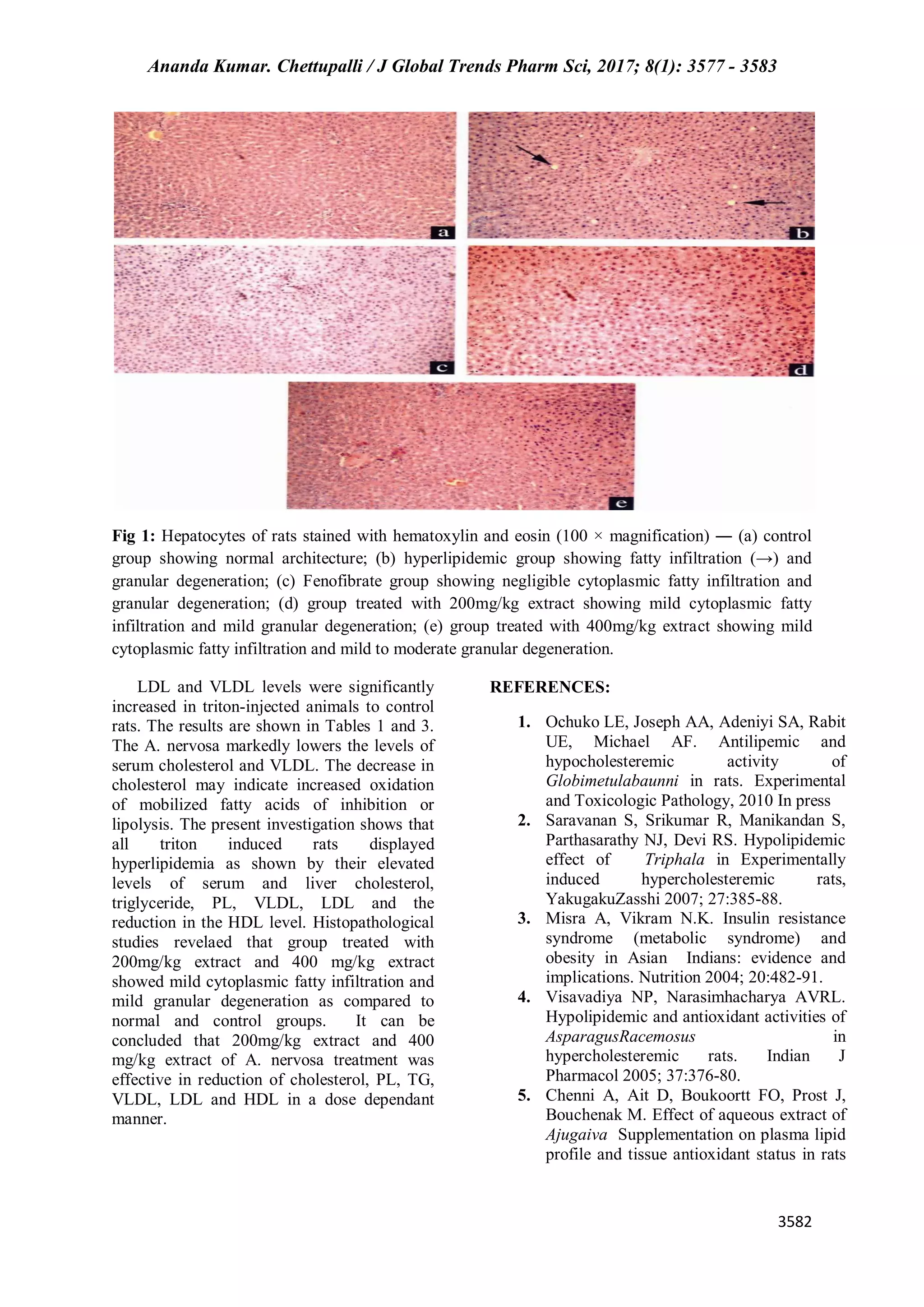
Fig 1: Hepatocytes of rats stained with hematoxylin and eosin (100 × magnification) ― (a) control
group showing normal architecture; (b) hyperlipidemic group showing fatty infiltration (→) and
granular degeneration; (c) Fenofibrate group showing negligible cytoplasmic fatty infiltration and
granular degeneration; (d) group treated with 200mg/kg extract showing mild cytoplasmic fatty
infiltration and mild granular degeneration; (e) group treated with 400mg/kg extract showing mild
cytoplasmic fatty infiltration and mild to moderate granular degeneration.
LDL and VLDL levels were significantly
increased in triton-injected animals to control
rats. The results are shown in Tables 1 and 3.
The A. nervosa markedly lowers the levels of
serum cholesterol and VLDL. The decrease in
cholesterol may indicate increased oxidation
of mobilized fatty acids of inhibition or
lipolysis. The present investigation shows that
all triton induced rats displayed
hyperlipidemia as shown by their elevated
levels of serum and liver cholesterol,
triglyceride, PL, VLDL, LDL and the
reduction in the HDL level. Histopathological
studies revelaed that group treated with
200mg/kg extract and 400 mg/kg extract
showed mild cytoplasmic fatty infiltration and
mild granular degeneration as compared to
normal and control groups. It can be
concluded that 200mg/kg extract and 400
mg/kg extract of A. nervosa treatment was
effective in reduction of cholesterol, PL, TG,
VLDL, LDL and HDL in a dose dependant
manner.
REFERENCES:
1. Ochuko LE, Joseph AA, Adeniyi SA, Rabit
UE, Michael AF. Antilipemic and
hypocholesteremic activity of
Globimetulabaunni in rats. Experimental
and Toxicologic Pathology, 2010 In press
2. Saravanan S, Srikumar R, Manikandan S,
Parthasarathy NJ, Devi RS. Hypolipidemic
effect of Triphala in Experimentally
induced hypercholesteremic rats,
YakugakuZasshi 2007; 27:385-88.
3. Misra A, Vikram N.K. Insulin resistance
syndrome (metabolic syndrome) and
obesity in Asian Indians: evidence and
implications. Nutrition 2004; 20:482-91.
4. Visavadiya NP, Narasimhacharya AVRL.
Hypolipidemic and antioxidant activities of
AsparagusRacemosus in
hypercholesteremic rats. Indian J
Pharmacol 2005; 37:376-80.
5. Chenni A, Ait D, Boukoortt FO, Prost J,
Bouchenak M. Effect of aqueous extract of
Ajugaiva Supplementation on plasma lipid
profile and tissue antioxidant status in rats
Ananda Kumar. Chettupalli / J Global Trends Pharm Sci, 2017; 8(1): 3577 - 3583
3583
fed a high-cholesterol diet, Journal of
Ethnopharmacol,2007;109:207-213.
6. Singh B B, Vinjamury SP, Der- Martirosian C,
Mishra LC, Shepard NP, Singh VJ et al.
Ayurvedic and collateral herbal treatments for
hyperlipidemia: a systematic review of
randomized controlled trials and Quasi-
Experimental designs. Alternative therapies
2007; 13:22-8.
7. Anila L, Vijayalakshmi NR. Flavonoids
from Emblicaofficinalis and
Mangiferaindica effectiveness of
dyslipidemia. J. Ethnopharmacol 2002; 79,
81-7.
8. The Wealth of India, A Dictionary of
Indian Raw Materials and Industrial
products, Volume – V, New Delhi: CSIR;
1956.
9. www. E-Floras.org., accessed on 05.06.10.
10. http://en.wikipedia.org/wiki/Hawaiian_bab
y_woodrose. 6. http://plants.usda.gov,
accessed on 2.11.09.
11. Malahotra SC, Pharmacological
Investigation of Certain Medicinal Plants &
Compound Formulation used in
Ayurveda and Siddha, Volume – I, New
Delhi: Central Council for Research in
Ayurveda & Siddha; 1996.
12. The Useful Plants of India, New Delhi:
National Institute of Science
Communication, CSIR; 2000.
13. Guhabakshi DN, Sensarma P, Pal DC, A
lexicon of medicinal plant in India, Volume
– I, New Delhi: 1999.
14. Kirtikar KR, Basu BD, Basu LM. Indian
Medicinal Plants, Volume – II, Allahabad:
1981.
15. Joshi SG, Medicinal Plant. New Delhi:
Oxford & IBH publication co. Pvt. Ltd;
2000.
16. Dravyaguna Department. Ayurveda
College, Thiruvananthapuram, Kerala,
India.
17. Krishnaveni A, Santh RT,
Pharmacognostical and Preliminary
Phytochemical Studies of Argyreia
nervosa Burm, Ethnobotanical Leaflets
2009;13: 293.
18. Das PN, A Hand Book of Medicinal Plants,
Jodpur: Agrobios; 2003.
19. Dutt UC, The Materia Medica of the
Hindus,Volume – I, New Delhi: 1997.
20. www.toptropicals.com - rare plants for
home and garden
21. Subramonium A, Madhavachandran V,
Ravi K, Anuja VS, Aphordiasic property of
the elephant creeper Argyreia nervosa,
Journal of Endocrinology 2007; 11(2): 82-
85.
22. Gokhale AB, Damre AS, Saraf MN,
Investigation into evaluation of anti-
inflammatory and antiarthritic activity of
S. lappa, A Phytomedicine 2003; 9(5): 433-
437.
23. Habbu PV, Shastry RA, Mahadevan KM,
Hanumanthachar Joshi, Das SK
Hepatoprotective effects of Argyreia
speciosa in rats, African Journal of
Traditional CAM 2008; 5(2):158-164.
24. Galani VJ, Patel BG, Central Nervous
System Activity of Argyreia Speciosa
Roots in Mice. Research Journal of
Pharmaceutical Technology 2009; 2(2):
331-334.
25. Hemet LE, Satyanarayana T, Ramesh A,
Durga Prasad, Routhu Y, Srinivas KV.
Hypoglycemic and antihyperglycemic
effect of Argyreia speciosa Sweet in
normal and in alloxan induced diabetic rats,
Journal of Natural Remedies 2008;8 (2):
203-208.

EVALUATION OF ANTI HYPERLIPIDEMIC ACTIVITY OF MEDICINAL PLANT, ARGYREIA NERVOSA BURN.F IN HYPERLIPIDEMIC RATS

  • 1.
    Ananda Kumar. Chettupalli/ J Global Trends Pharm Sci, 2017; 8(1): 3577 - 3583 3577 EVALUATION OF ANTI HYPERLIPIDEMIC ACTIVITY OF MEDICINAL PLANT, ARGYREIA NERVOSA BURN.F IN HYPERLIPIDEMIC RATS Ananda Kumar. Chettupalli*, Vasudha. B, Krishna Sanka Department of Pharmaceutics, Anurag Group of Institutions, Venkatapur, Ghatkesar, Medchal, Hyderabad, Telangana, India- 500088 *Corresponding author E-mail: anand33.chettupalli@gmail.com ARTICLE INFO ABSTRACT Key words: Sibutramine, High fat diet, Serum lipid profile, Hyperlipidemic activity, Hyperlipidemia. The global prevalence of obesity is increasing rapidly and high dietary fat intake is major risk factor for the development of obesity. The present study was taken undertaken to evaluate the effect of Argyreia Nervosa Burn.F leaf ethanol extract on serum lipid profile in Wistar male albino rat fed with high fat diet and to compare it with a standard hyperlipidemic drug Sibutramine (10mg/kg). Fifty four health Wistar albino male rats were randomized in to 9 groups of 6 animals each. The groups were followed as follows Group I: Sham operated Normal (Normal Diet), Group II: Control (High fat diet), Group III: Sibutramine 10 mg/kg + HFD, Group IV: EEAN (100mg/kg) + HFD, Group V: EEAN (200mg/kg) +HFD, Group VI: EEAN (400mg/kg) + HFD, Remaining groups have received different types of extracts at various doses. Lipid profile in serum with high triglyceride (TG) and cholesterol levels were significantly reduced by treatment of 0.5g/day A. nervosa. The A. nervosa markedly lowers the levels of serum cholesterol and VLDL. The present investigation shows that all triton induced rats displayed hyperlipidemia as shown by their elevated levels of serum and liver cholesterol, triglyceride, PL, VLDL, LDL and the reduction in the HDL level. It can be concluded that 0.5g/day of A. nervosa treatment was effective in reduction of cholesterol, PL, TG, VLDL, LDL and HDL in a dose dependant manner. INTRODUCTION: From the beginning of the last century, evidences on the cholesterol-lowering properties of medicinal plants have been accumulating. The importance of such investigations, are confirmed in the treatment of obesity, diabetes mellitus, heart failure, and atherosclerosis. Scientists have reported the role of medicinal plants in the control of elevated serum cholesterol, and the reduction of morbidity and mortality due to vascular diseases associated with it [1] . Coronary artery disease (CAD) is one of the most important causes of death all over the world [2] . According to World Health Organization (WHO), by 2010, Asian Indians will represent 50-60% of the world’s cardiac patients, which amounts to about 100 million patients [3] . High plasma level of cholesterol along with generation of reactive species (ROS) play’s key role in the development of coronary artery disease (CAD) and atherosclerosis[4] .Oxidative stress is currently suggested a mechanism underlying hypercholesterolemia. Free radicals are continuously produced in the body as the result of normal metabolic processes and interaction with environmental stimuli [5] . Although statins have been found effective in lowering serum low-density lipid levels they have been found to cause many side effects. As they are basically enzyme inhibitors, so it Journal of Global Trends in Pharmaceutical Sciences An Elsevier Indexed Journal ISSN-2230-7346
  • 2.
    Ananda Kumar. Chettupalli/ J Global Trends Pharm Sci, 2017; 8(1): 3577 - 3583 3578 is likely that they may be inhibiting other critical enzymes in body. Statins are ingested on a long term basis so there may be a risk of Chronic toxic effects like carcinogenic, teratogenicity and mutagenic over a life time of use [6] . Recent study has shown that medicinal plants intake in rat’s results in an increase of antioxidant enzymes activity and HDL cholesterol, and a decrease in malondialdehyde, which may reduce the risk of heart disease [5] . Traditional medicine is still the mainstay of about 75-80% of world population, mainly in the developing countries. India, having a rich tradition of folk medicine from centuries, has provided very simple but effective remedies to various ailments using plants and plants derived compounds. There is no such risk factor to use the plant medicine as compare with the allopathic drugs [7] . MATERIALS AND METHODS: Plant authentication and extract preparation: The plant was collected during the march 2014 from Tirumalla forest area of Chitoor district India. The plant was authenticated by Dr. Madhava Chetty, Department of Botany, Sri Venkateshwara University, Tirupati and voucher specimen of the plant were preserved at institute herbarium library. The shade dried and powdered leaves of A. nervosa were extracted with ethanol by using Soxhlet extractor. The extract was filtered and then solvent was evaporated under reduced pressure to a solvent free concentrated mass, which was then stored in air-tight container in a cool and dry condition. Experimental Animals: Wistar albino adult male rats weighing 200-250g were obtained from the animal house. The animal were grouped and housed in polyacrylic cages (38x 23x 10 cm) with not more than five animals per cage and maintained under standard laboratory under standard laboratory conditions (temperature 25+2oC) with dark and light cycle (14/10 hour). They were allowed free access to standard dry pellet diet (Hindustan Lever, Kolkata, India) and water ad libitum. The mice were acclimatized to laboratory condition for 10 days before commencement of experiment. The experimental protocol was approved by Institutional Animal Ethical Committee (IAEC) constituted under CPCSEA. Induction of Hyper lipidemia : Hyperlipidemia was induced in Wistar albino rats by single intraperitoneal injection of freshly prepared solution of Triton-X-100 (100 mg/kg) in physiological saline solution after overnight fasting for 18 h [45] .The animals were divided into four groups of five rats each. The first group was given standard pellet diet, water and orally administered with 5% CMC. The second group was given a single dose of triton administered at a dose of 100mg/kg, i.p. After 72 hours of triton injection, this group received a daily dose of 5% CMC (p.o) for 7 days. The third group was administered a daily dose of 0.5g/day Argyreia nervosa suspended in 5%CMC, p.o., for 7 days, after inducing hyperlipidemia. Fourth group was administered with the standard Fenofibrate 65mg/kg, p.o. for 7 days [46] . Collection of blood: On the 8thday, blood was collected by retero orbital sinus puncture, under mild ether anesthesia. The collected samples were centrifuged for 10 minutes. Then serum samples were collected and used for various biochemical experiments. The animals were then sacrificed and the liver collected [47] . Liver lipid extraction: The liver was homogenized in cold 0.15M KCl and extracted with CHCl3 CH3OH (2% v/v). This lipid extract was used for the estimation of lipid parameters [48] . High Fat diet model Materials: Remi research centrifuge (R-24), Soxhlet extractor, Olampus Research microscope with computer connectivity and image capturing capacity, HPTLC, Shimadzu UV-visible spectrophotometer (UV1800), micrtone. Stat Fax autoanalyser (2000), Afcoset digital balance (ER-180A). Sibutramine was gifted by the Ranbaxy Laboratory Ltd, Devas, MP. 2% Cholesterol was purchased from SRL Pvt. LTD., Mumbai. Animal selection: 54 (09 x 6) Wistar albino rats (180-250 g) were used in this second model. They were housed six per cage under standard laboratory conditions at a room temperature at 22 ± 2oC with 12h light/dark cycle. The animals were maintained under
  • 3.
    Ananda Kumar. Chettupalli/ J Global Trends Pharm Sci, 2017; 8(1): 3577 - 3583 3579 standard nutritional and environmental conditions throughout the experiment. The experiment ware carried out between 9:00– 16:00 hours at ambient temperature. All the pharmacological experimental protocols were approved by the Institutional Animals Ethics Committee (Ref: CPCSEA/769/2010) of Sigma Institute of Clinical Research and Administration Pvt. Ltd, Hyderabad, India. Animal grouping: The animals were randomly divided into following 9 groups; each group consists of six animals. Animal grouping and their treatment is as follows: Group- I: Sham operated Normal (Normal Diet) Group- II: Control (High fat diet) Group- III: Sibutramine 10 mg/kg + HFD Remaining groups have received different types of extracts at various doses as follows. Group- IV: EEAN (100mg/kg) + HFD Group- V: EEAN (200mg/kg) +HFD Group- VI: EEAN (400mg/kg) + HFD Induction of High fat diet induced obesity: Animals were divided in to 9 groups each group having 6 animals, first group (lean Rat) had free access to standard pelleted chow which provided 76.8% of energy as carbohydrates, 19.2% as protein, and 4.3% as fat. Remaining 48 rats were fed with a high fat diet providing 60% of energy as fat, 20% as protein and 20% as carbohydrates to the animals. Experimental obesity and other metabolic changes were induced by dietary manipulation (by proving HFD) for 48 days to reaming 9 groups. After 48 days rats were found to be obese, change in body weight during this period was recorded. RESULTS AND DISCUSSION: A. nervosa has also been shown to indirectly modify the total cholesterol and high density lipoprotein cholesterol values. The ethanolic extract of A. nervosa was found to be non– toxic up to the dose of 2 g/kg and did not cause any death of the tested animals. The Phytochemical tests with the ethanol extract of A. nervosa indicated the presence of carbohydrates, glycosides, terpenes, saponins, proteins and amino acids. Hyperlipidemia is associated with heart disease, which is the leading cause of death in the world. The lowering of the levels of harmful lipids to satisfactory values has been confirmed by several experimental animal and interventional studies indicating lowered morbidity and mortality in coronary heart diseases. The results are discussed under the lipid profile in serum. Lipid profile in serum with high triglyceride (TG) and cholesterol levels were significantly reduced by treatment of 0.5g/day A. nervosa. LDL and VLDL levels were significantly increased in triton-injected animals to control rats. The results are shown in Tables 1 and 3. The A. nervosa markedly lowers the levels of serum cholesterol and VLDL. The decrease in cholesterol may indicate increased oxidation of mobilized fatty acids of inhibition or lipolysis. The present investigation shows that all triton induced rats displayed hyperlipidemia as shown by their elevated levels of serum and liver cholesterol, triglyceride, PL, VLDL, LDL and the reduction in the HDL level. It can be concluded that 0.5g/day of A. nervosa treatment was effective in reduction of cholesterol, PL, TG, VLDL, LDL and HDL in a dose dependant manner. Histopathological studies revelaed that control group showing normal architecture; (b) hyperlipidemic group showing fatty infiltration and granular degeneration; (c) Fenofibrate group showing negligible cytoplasmic fatty infiltration and granular degeneration; (d) group treated with 200mg/kg extract showing mild cytoplasmic fatty infiltration and mild granular degeneration; (e) group treated with 400mg/kg extract showing mild cytoplasmic fatty infiltration and mild to moderate granular degeneration. CONCLUSION: Hyperlipidemia is associated with heart disease, which is the leading cause of death in the world. The lowering of the levels of harmful lipids to satisfactory values has been confirmed by several experimental animal and interventional studies indicating lowered morbidity and mortality in coronary heart diseases. The results are discussed under the lipid profile in serum. Lipid profile in serum with high triglyceride (TG) and cholesterol levels were significantly reduced by treatment of 200mg/kg extract and 400 mg/kg extract A. nervosa.
  • 4.
    Ananda Kumar. Chettupalli/ J Global Trends Pharm Sci, 2017; 8(1): 3577 - 3583 3580 Table 1: Effect of Ethanolic extract of Argyreia nervosa on body weight in Triton-X induced Hyperlipidemia in rats.EEAN- Ethanolic Extract of Argyreia nervosa Table 2: Effect of Ethanolic extract of Argyreia nervosa on Glucose, SGOT and SGPT levels on Triton-X induced hyperlipidemia in rats. Table 3: Effect of Ethanolic extract of Argyreia nervosa on Lipid profile levels onTriton-X induced hyperlipidemia in rats. All the values are mean ± SEM, n=6, ns=Not significant, One way Analysis of Variance (ANOVA) followed by multiple comparison Dunnett’s test, **p<0.01, *** p<0.001 vs. control group, and a p<0.001 Treatment Groups 1st Day 7th Day 14th Day 21st day 48th Day Sham operated Normal 157.5±2.81 162.5±2.14 164.3±2.36 169.8±1.662 174.5±1.258 Triton-X -100 Control 157.5±2.81 162.5±2.14 164.3±2.36 169.8±1.662 174.5±1.258 Standard - Sibutramine10mg/kg 155.0±1.82 165.2±3.13 168.5±3.05* 169.5±1.83*** 170.2±2.19** * EEAN (100mg/kg) 153.3±3.07 168.2±0.79 168.8±2.77* 171.0±4.25*** 192.0±4.50** EEAN (200mg/kg) 153.3±3.07 169.0±1.52 167.5±0.84* 175.0±0.81*** 183.2±2.72** EEAN (400mg/kg) 155.2±2.89 161.3±1.56 166.8±1.77* 172.8±1.68*** 185.3±5.10** Treatment Groups Glucose mg/dl SGOT mg/dl SGPT mg/dl Sham operated Normal 77.83±4.42 12.84±0.82 34.12±2.35 Triton-X -100 Control 87.5±2.81 25.50±2.14 44.31 ±2.36 Standard (Sibutramine10mg/kg) 64.00±1.39*** 12.70±0.87*** 28.97±1.45*** EEAN (100mg/kg) 85.17±1.24*** 23.44±1.12ns 59.53±3.50** EEAN (200mg/kg) 92.17±4.28*** 21.02±1.29ns 45.35±4.37*** EEAN (400mg/kg) 63.83±1.49*** 13.59±1.35*** 38.98±4.26*** Treatment Groups TC (mg/dl) TG (mg/dl) HDL-C (mg/dl) LDL-C (mg/dl) VLDL-C (mg/dl) Sham operated Normal 125.7±1.45 66.84±0.48 40.05±0.66 72.33±1.53 13.37±0.09 Triton-X-100 (control) 184.6±2.55 76.84±0.48 68.15±0.66 92.33±1.53 18.37±0.09 Standard (Sibutramine10mg/kg) 142.2±2.10 *** 68.00±1.77** * 47.89±1.20** * 80.40±3.28*** 13.89±0.22*** EEAN(100mg/kg) 185.7±2.96 *** 72.17±1.88** * 39.34±1.67** * 131.9±3.35ns 14.43±0.37*** EEAN (200mg/kg) 172.1±1.23 *** 70.24±1.58** * 54.15±1.08** * 118.4±0.80ns 14.04±0.31*** EEAN (400mg/kg 162.7±1.03 *** 63.70±1.08** * 56.31±1.52** * 103.9±2.11* 12.73±0.21***
  • 5.
    Ananda Kumar. Chettupalli/ J Global Trends Pharm Sci, 2017; 8(1): 3577 - 3583 3581 Table 4: Effect of Ethanolic extract of Argyreia nervosaon body weight in HFD induced hyperlipidemia and obesity in rats.EEAN- Ethanolic Extract of Argyreia nervosa Table 5: Effect of Ethanolic extract of Argyreia nervosa on Glucose, SGOT and SGPT levels on HFD induced hyperlipidemia in rats All the values are mean ± SEM ,n=6, ns=Not significant, One way Analysis of Variance (ANOVA) followed by multiple comparison Dunnett’s test, **p<0.01, *** p<0.001 vs. control group ,and a p<0.001 Table 6: Effect of Ethanolic extract of Argyreia nervosa on Lipid profile levels on HFD induced hyperlipidemia in rats All the values are mean ± SEM, n=6, ns=Not significant, One way Analysis of Variance (ANOVA) followed by multiple comparison Dunnett’s test, **p<0.01, *** p<0.001 vs. control group ,and a p<0.001 Treatment Groups 1st Day 7th Day 14th Day 21st day 48th Day Sham operated Normal 157.5±2.81 162.5±2.14 164.3±2.36 169.8±1.662 174.5±1.258 HFD (control) 157.5±2.81 172.5±2.14 184.3±2.36 189.8±1.662 194.5±1.258 Standard (Sibutramine10mg/kg) 155.0±1.82 165.2±3.13 168.5±3.05* 169.5±1.83*** 170.2±2.19*** EEAN (100mg/kg) 153.3±3.07 168.2±0.79 168.8±2.77* 171.0±4.25*** 192.0±4.50*** EEAN (200mg/kg) 153.3±3.07 169.0±1.52 167.5±0.84** 175.0±0.81*** 183.2±2.72*** EEAN (400mg/kg) 155.2±2.89 161.3±1.56 166.8±1.77** 172.8±1.68*** 185.3±5.10*** Treatment Groups Glucose mg/dl SGOT mg/dl SGPT mg/dl Sham operated Normal 77.83±4.42 12.84±0.82 34.12±2.35 HFD (control) 88.5±2.81 25.50±2.14 44.31 ±2.36 Standard (Sibutramine10mg/kg) 64.00±1.39*** 12.70±0.87*** 28.97±1.45*** EEAN (100mg/kg) 75.17±1.24*** 23.44±1.12ns 56.53±3.50** EEAN (200mg/kg) 72.17±4.28*** 21.02±1.29ns 45.35±4.37*** EEAN (400mg/kg) 63.83±1.49*** 13.59±1.35*** 38.98±4.26*** Treatment Groups TC (mg/dl) TG (mg/dl) HDL-C (mg/dl) LDL-C (mg/dl) VLDL-C (mg/dl) Sham operated Normal 125.7±1.45 66.84±0.48 40.05±0.66 72.33±1.53 13.37±0.09 HFD (control) 199.6±2.55 86.84±0.48 78.15±0.66 82.33±1.53 20.37±0.09 Standard (Sibutramine10mg/kg) 142.2±2.10 *** 68.00±1.77** * 47.89±1.20** * 80.40±3.28*** 13.89±0.22*** EEAN(100mg/kg) 185.7±2.96 *** 72.17±1.88** * 39.34±1.67** * 131.9±3.35ns 14.43±0.37*** EEAN (200mg/kg) 172.1±1.23 *** 70.24±1.58** * 54.15±1.08** * 118.4±0.80ns 14.04±0.31*** EEAN (400mg/kg) 162.7±1.03 *** 63.70±1.08** * 56.31±1.52** * 103.9±2.11* 12.73±0.21***
  • 6.
    Ananda Kumar. Chettupalli/ J Global Trends Pharm Sci, 2017; 8(1): 3577 - 3583 3582 Fig 1: Hepatocytes of rats stained with hematoxylin and eosin (100 × magnification) ― (a) control group showing normal architecture; (b) hyperlipidemic group showing fatty infiltration (→) and granular degeneration; (c) Fenofibrate group showing negligible cytoplasmic fatty infiltration and granular degeneration; (d) group treated with 200mg/kg extract showing mild cytoplasmic fatty infiltration and mild granular degeneration; (e) group treated with 400mg/kg extract showing mild cytoplasmic fatty infiltration and mild to moderate granular degeneration. LDL and VLDL levels were significantly increased in triton-injected animals to control rats. The results are shown in Tables 1 and 3. The A. nervosa markedly lowers the levels of serum cholesterol and VLDL. The decrease in cholesterol may indicate increased oxidation of mobilized fatty acids of inhibition or lipolysis. The present investigation shows that all triton induced rats displayed hyperlipidemia as shown by their elevated levels of serum and liver cholesterol, triglyceride, PL, VLDL, LDL and the reduction in the HDL level. Histopathological studies revelaed that group treated with 200mg/kg extract and 400 mg/kg extract showed mild cytoplasmic fatty infiltration and mild granular degeneration as compared to normal and control groups. It can be concluded that 200mg/kg extract and 400 mg/kg extract of A. nervosa treatment was effective in reduction of cholesterol, PL, TG, VLDL, LDL and HDL in a dose dependant manner. REFERENCES: 1. Ochuko LE, Joseph AA, Adeniyi SA, Rabit UE, Michael AF. Antilipemic and hypocholesteremic activity of Globimetulabaunni in rats. Experimental and Toxicologic Pathology, 2010 In press 2. Saravanan S, Srikumar R, Manikandan S, Parthasarathy NJ, Devi RS. Hypolipidemic effect of Triphala in Experimentally induced hypercholesteremic rats, YakugakuZasshi 2007; 27:385-88. 3. Misra A, Vikram N.K. Insulin resistance syndrome (metabolic syndrome) and obesity in Asian Indians: evidence and implications. Nutrition 2004; 20:482-91. 4. Visavadiya NP, Narasimhacharya AVRL. Hypolipidemic and antioxidant activities of AsparagusRacemosus in hypercholesteremic rats. Indian J Pharmacol 2005; 37:376-80. 5. Chenni A, Ait D, Boukoortt FO, Prost J, Bouchenak M. Effect of aqueous extract of Ajugaiva Supplementation on plasma lipid profile and tissue antioxidant status in rats
  • 7.
    Ananda Kumar. Chettupalli/ J Global Trends Pharm Sci, 2017; 8(1): 3577 - 3583 3583 fed a high-cholesterol diet, Journal of Ethnopharmacol,2007;109:207-213. 6. Singh B B, Vinjamury SP, Der- Martirosian C, Mishra LC, Shepard NP, Singh VJ et al. Ayurvedic and collateral herbal treatments for hyperlipidemia: a systematic review of randomized controlled trials and Quasi- Experimental designs. Alternative therapies 2007; 13:22-8. 7. Anila L, Vijayalakshmi NR. Flavonoids from Emblicaofficinalis and Mangiferaindica effectiveness of dyslipidemia. J. Ethnopharmacol 2002; 79, 81-7. 8. The Wealth of India, A Dictionary of Indian Raw Materials and Industrial products, Volume – V, New Delhi: CSIR; 1956. 9. www. E-Floras.org., accessed on 05.06.10. 10. http://en.wikipedia.org/wiki/Hawaiian_bab y_woodrose. 6. http://plants.usda.gov, accessed on 2.11.09. 11. Malahotra SC, Pharmacological Investigation of Certain Medicinal Plants & Compound Formulation used in Ayurveda and Siddha, Volume – I, New Delhi: Central Council for Research in Ayurveda & Siddha; 1996. 12. The Useful Plants of India, New Delhi: National Institute of Science Communication, CSIR; 2000. 13. Guhabakshi DN, Sensarma P, Pal DC, A lexicon of medicinal plant in India, Volume – I, New Delhi: 1999. 14. Kirtikar KR, Basu BD, Basu LM. Indian Medicinal Plants, Volume – II, Allahabad: 1981. 15. Joshi SG, Medicinal Plant. New Delhi: Oxford & IBH publication co. Pvt. Ltd; 2000. 16. Dravyaguna Department. Ayurveda College, Thiruvananthapuram, Kerala, India. 17. Krishnaveni A, Santh RT, Pharmacognostical and Preliminary Phytochemical Studies of Argyreia nervosa Burm, Ethnobotanical Leaflets 2009;13: 293. 18. Das PN, A Hand Book of Medicinal Plants, Jodpur: Agrobios; 2003. 19. Dutt UC, The Materia Medica of the Hindus,Volume – I, New Delhi: 1997. 20. www.toptropicals.com - rare plants for home and garden 21. Subramonium A, Madhavachandran V, Ravi K, Anuja VS, Aphordiasic property of the elephant creeper Argyreia nervosa, Journal of Endocrinology 2007; 11(2): 82- 85. 22. Gokhale AB, Damre AS, Saraf MN, Investigation into evaluation of anti- inflammatory and antiarthritic activity of S. lappa, A Phytomedicine 2003; 9(5): 433- 437. 23. Habbu PV, Shastry RA, Mahadevan KM, Hanumanthachar Joshi, Das SK Hepatoprotective effects of Argyreia speciosa in rats, African Journal of Traditional CAM 2008; 5(2):158-164. 24. Galani VJ, Patel BG, Central Nervous System Activity of Argyreia Speciosa Roots in Mice. Research Journal of Pharmaceutical Technology 2009; 2(2): 331-334. 25. Hemet LE, Satyanarayana T, Ramesh A, Durga Prasad, Routhu Y, Srinivas KV. Hypoglycemic and antihyperglycemic effect of Argyreia speciosa Sweet in normal and in alloxan induced diabetic rats, Journal of Natural Remedies 2008;8 (2): 203-208.