WORKSMART Training For Your Bottom Line A State Training Board Initiative Looking Under the Surface Looking Under the Surface
Framework  for   WORKSMART: Training for Your Bottom Line WorkSmart  Profile 20 Generic Abilities PD Workshop Professional Development   Implementation Kit Creative Link  Strategy Method of Recognition Learning  Programs Statement of  Attainment Activities Learning Record Guidelines Case Studies Manual Action Learning Teams Enterprise Sponsors  Work Placement Industry Mentors Site Visits
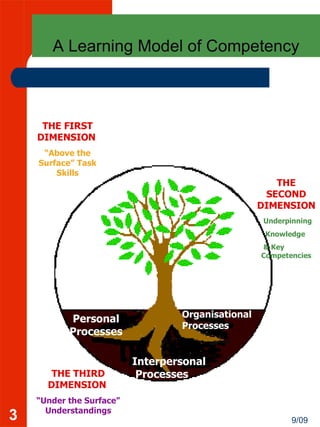
A Learning Model of Competency Personal Process Organisational  Processes THE FIRST DIMENSION   “ Above the Surface”   Task Skills THE SECOND DIMENSION   Underpinning  Knowledge  & Key  Competencies THE THIRD DIMENSION   “ Under the Surface”   Understandings Interpersonal Processes Personal Processes Organisational  Processes
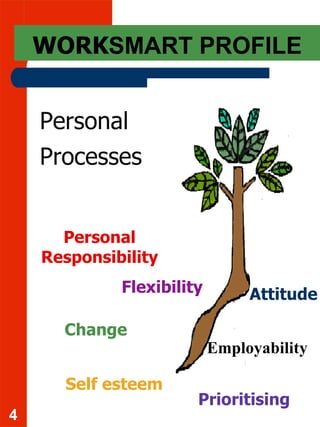
WORK SMART PROFILE TASK MANAGEMENT Personal Processes Attitude Change Personal Responsibility Prioritising Self esteem Flexibility Employability
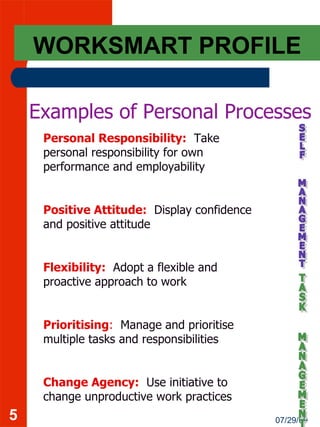
WORKSMART PROFILE Examples of Personal Processes Personal Responsibility:   Take personal responsibility for own performance and employability Positive Attitude:   Display confidence and positive attitude Flexibility:   Adopt a flexible and proactive approach to work Prioritising :   Manage and prioritise multiple tasks and responsibilities Change Agency:   Use initiative to change unproductive work practices SELF  MANAGEMENT TASK  MANAGEMENT SELF  MANAGEMENT
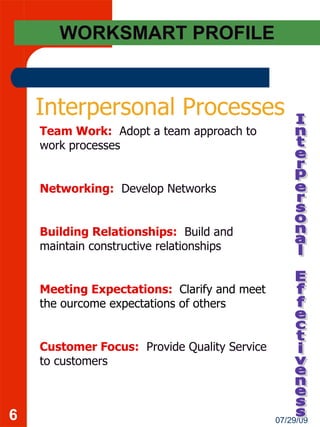
WORKSMART PROFILE Interpersonal Processes Team Work:   Adopt a team approach to work processes Networking:   Develop Networks Building Relationships:   Build and maintain constructive relationships Meeting Expectations:  Clarify and meet the ourcome expectations of others   Customer Focus:   Provide Quality Service to customers Interpersonal Effectiveness
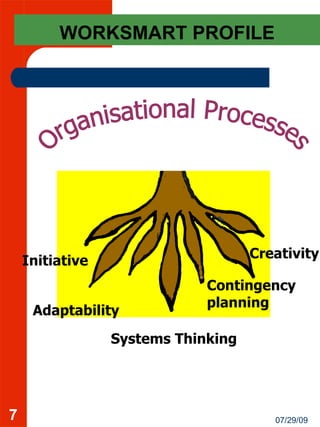
WORKSMART PROFILE Organisational Processes Initiative Adaptability Systems Thinking Contingency planning Creativity
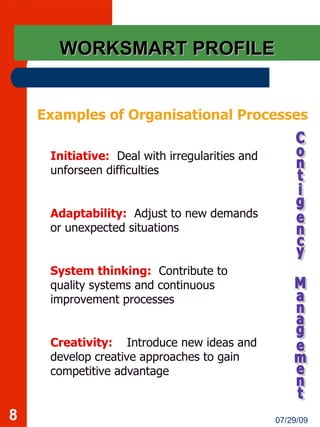
WORKSMART PROFILE Initiative:   Deal with irregularities and unforseen difficulties Adaptability:   Adjust to new demands or unexpected situations System thinking:   Contribute to quality systems and continuous improvement processes Creativity:  Introduce new ideas and develop creative approaches to gain competitive advantage Examples of Organisational Processes Contigency Management
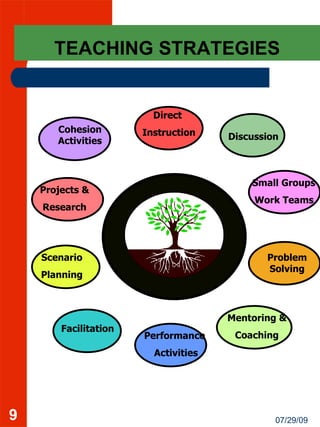
TEACHING STRATEGIES Cohesion Activities Direct  Instruction Discussion Projects & Research Small Groups Work Teams Scenario Planning Facilitation Performance  Activities Mentoring & Coaching Problem Solving
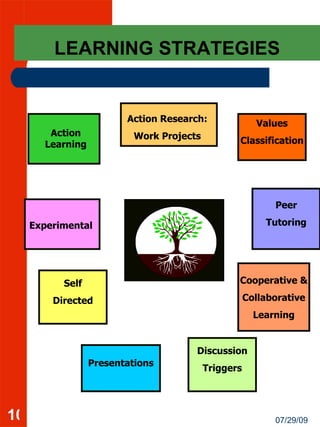
LEARNING STRATEGIES Action Learning Action Research: Work Projects Experimental Self Directed Cooperative & Collaborative Learning Peer Tutoring Presentations Discussion Triggers Values Classification
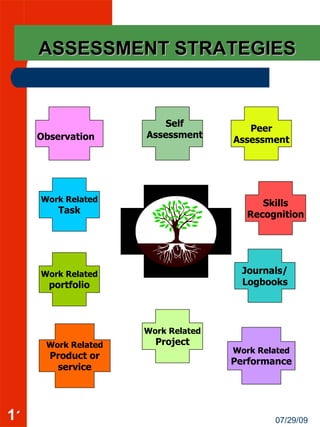
ASSESSMENT STRATEGIES Peer Assessment Skills Recognition Journals/ Logbooks Work Related Product or service Work Related Project Work Related Performance Work Related portfolio Work Related Task Observation Self Assessment

employability skills

  • 1.
    WORKSMART Training ForYour Bottom Line A State Training Board Initiative Looking Under the Surface Looking Under the Surface
  • 2.
    Framework for WORKSMART: Training for Your Bottom Line WorkSmart Profile 20 Generic Abilities PD Workshop Professional Development Implementation Kit Creative Link Strategy Method of Recognition Learning Programs Statement of Attainment Activities Learning Record Guidelines Case Studies Manual Action Learning Teams Enterprise Sponsors Work Placement Industry Mentors Site Visits
  • 3.
    A Learning Modelof Competency Personal Process Organisational Processes THE FIRST DIMENSION “ Above the Surface” Task Skills THE SECOND DIMENSION Underpinning Knowledge & Key Competencies THE THIRD DIMENSION “ Under the Surface” Understandings Interpersonal Processes Personal Processes Organisational Processes
  • 4.
    WORK SMART PROFILETASK MANAGEMENT Personal Processes Attitude Change Personal Responsibility Prioritising Self esteem Flexibility Employability
  • 5.
    WORKSMART PROFILE Examplesof Personal Processes Personal Responsibility: Take personal responsibility for own performance and employability Positive Attitude: Display confidence and positive attitude Flexibility: Adopt a flexible and proactive approach to work Prioritising : Manage and prioritise multiple tasks and responsibilities Change Agency: Use initiative to change unproductive work practices SELF MANAGEMENT TASK MANAGEMENT SELF MANAGEMENT
  • 6.
    WORKSMART PROFILE InterpersonalProcesses Team Work: Adopt a team approach to work processes Networking: Develop Networks Building Relationships: Build and maintain constructive relationships Meeting Expectations: Clarify and meet the ourcome expectations of others Customer Focus: Provide Quality Service to customers Interpersonal Effectiveness
  • 7.
    WORKSMART PROFILE OrganisationalProcesses Initiative Adaptability Systems Thinking Contingency planning Creativity
  • 8.
    WORKSMART PROFILE Initiative: Deal with irregularities and unforseen difficulties Adaptability: Adjust to new demands or unexpected situations System thinking: Contribute to quality systems and continuous improvement processes Creativity: Introduce new ideas and develop creative approaches to gain competitive advantage Examples of Organisational Processes Contigency Management
  • 9.
    TEACHING STRATEGIES CohesionActivities Direct Instruction Discussion Projects & Research Small Groups Work Teams Scenario Planning Facilitation Performance Activities Mentoring & Coaching Problem Solving
  • 10.
    LEARNING STRATEGIES ActionLearning Action Research: Work Projects Experimental Self Directed Cooperative & Collaborative Learning Peer Tutoring Presentations Discussion Triggers Values Classification
  • 11.
    ASSESSMENT STRATEGIES PeerAssessment Skills Recognition Journals/ Logbooks Work Related Product or service Work Related Project Work Related Performance Work Related portfolio Work Related Task Observation Self Assessment