
Ebola virus disease:
Ethical issues
Matthew Rollosson, RN, MPH&TM, BSN
26 January 2015
Introduction
• Registered Nurse, 1992 – present
• Master of Public Health & Tropical Medicine
• Clinical experience
• Neurology/neurosurgery
• Critical care
• Previous volunteer work
• Ethiopia
• New Orleans
• Tanzania
• Maforki Ebola Treatment Unit
• Port Loko, Sierra Leone
• November – December 2014
Preface
• “And I am the worst sinner of all.”
• 1 Timothy 1:15
• “This class intends to develop students'
tolerance for the considered opinions of others
as well as promote students' autonomy in
decision making and shaping their own values.”
• PHIL 223 syllabus
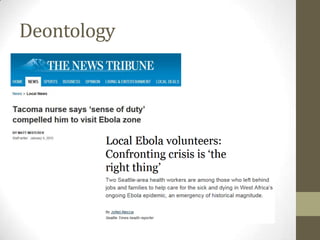
Deontology
Utilitarianism
• Prevent transmission
• Case management
• Isolation
• Treatment
• Contact tracing
• Prophylaxis
• Monitoring
• Quarantine
Altered standards of care
• Mass casualty events
• Overwhelm local resources
• Allocate equipment, personnel, and supplies in
order to save the greatest number lives
• Identify and reserve treatment for individuals who
are most likely to survive
AHRQ 2005
Ebola virus disease
• Preferred over “Ebola hemorrhagic fever”
• Most people with EVD do not have hemorrhagic
symptoms
• Disseminated intravascular coagulation
• Thrombocytopenia
• Non-specific symptoms
• Fever, headache, body aches
• Profuse vomiting and diarrhea
† Fluid and electrolyte loss
• Treatment: aggressive rehydration and
electrolyte replacement
Transmission
• Direct contact with blood or body fluids of a
symptomatic patient
• There is little or no evidence that human
ebolaviruses are transmitted
• through contact with inanimate objects
• via airborne route
• at onset of symptoms
References
• Bausch, D. G., Towner, J. S., Dowell, S. F., Kaducu, F., Lukwiya, M., Sanchez, A., et al. (2007). Assessment of the risk of
Ebola virus transmission from bodily fluids and fomites. Journal of Infectious Diseases, 196(Supple. 2), S142-S147.
• Blumberg, L., Enria, D., & Bausch, D. G. (2014). Viral hemorrhagic fevers. In J. Farrar, P. J. Hotez, T. Junghanss, G. Kang, D.
Lalloo, & N. J. White (Eds.) Manson's tropical diseases, 23rd Ed. [Electronic version]. Elsevier.
• Chertow, D. S., Kleine, C., Edwards, J. K., Scaini, R., Giuliani, R., & Sprecher, A. (2014). Ebola virus disease in West Africa
– clinical manifestation and management. New England Journal of Medicine, 371(22), 2054-2057.
doi:10.1056/NEJMp1413084.
• Fowler, R. A., Fletcher, T., Fischer, W. A., Lomontagne, F., Jacob, S., Brett-Major, D., et al. (2014). Caring for critically ill
patients with Ebola virus disease. Perspectives from West Africa. American Journal of Respiratory and Critical Care
Medicine, 190(7), 733-737. doi:10.1164/rccm.201408-1514CP.
• Geisbert, T. W. (2014). Marburg and Ebola hemorrhagic fevers (Filoviruses). In J. E. Bennett, R. Dolin, & M. J. Blaser
(Eds.). Mandell, Douglas, and Bennett's principles and practice of infectious diseases, 8th Ed. [Electronic version].
Elsevier.
• Hartman, A. L. (2013). Ebola and Marburg virus infections. In, A. J. Magill, D. R. Hill, T. Solomon, & E. T. Ryan (Eds.)
Hunter's tropical medicine, 9th Ed. [Electronic version]. Elsevier.
• Hoenen, T., Groseth, A., Falzarano, D., & Feldman, H. (2006). Ebola virus: unravelling pathogenesis to combat a deadly
disease. TRENDS in Molecular Medicine, 12(5), doi:10.1016/j.molmed.2006.03.006.
• Kortepeter, M. G., Bausch, D. G., & Bray, M. (2011). Basic clinical and laboratory features of filoviral hemorrhagic fever.
Journal of Infectious Diseases, 204(Supple. 3), S810-S816.
• Schieffelin, J. S., Shaffer, J. G., Goba, A., Gbakie, M., Gire, S. K., Colubri, A., et al. (2014). Clinical illness and outcomes in
patients with Ebola in Sierra Leone. New England Journal of Medicine, 371(22), 2092-2100.
doi:10.1056/NEJMoa1411680.
• Towner, J. S., Rollin, P. E., Baucsh, D. G., Sanchez, A., Crary, S. M., Vincent, M., et al. (2004). Rapid diagnosis of Ebola
hemorrhagic fever by reverse transcription-PCR in an outbreak setting and assessment of patient viral load as a
predictor of outcome. Journal of Virology, 78(8), 4330-4341. doi:10.1128/JVI.78.8.4330–4341.2004.
• Yamin, D., Gertler, S., Ndeffo-Mbah, M. L., Skrip, L. A., Fallah, M., Nyenswah, T. G., et al. (2015). Effect of Ebola
progression on transmission and control in Liberia. Annals of Internal Medicine, 162(1), 11-17. doi:10.7326/M14-2255.
Holly and Andrew
No secondary cases among contacts of
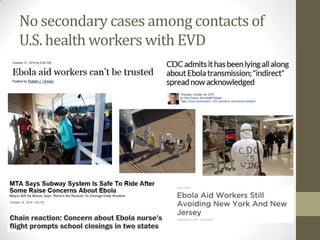
U.S. health workers with EVD
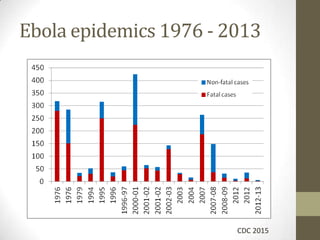
Ebola epidemics 1976 - 2013
CDC 2015
Timeline of current epidemic
• West African Ebola epidemic traced to a 2-year-
old child in Guinea who died from the disease
December 6, 2013
• March 10 2014: World Health Organization
notified of an outbreak of an unknown infectious
disease characterized by fever, vomiting, and
diarrhea in Guinea
• Ebolavirus identified in blood from patients who
were hospitalized with the disease
• First outbreak of EVD in West Africa
Baize et al. 2014
Timeline
•…modest further intervention efforts
at that point could have achieved
control.”
- WHO Ebola Response Team
• Epidemic spreads to
• Liberia in March
• Sierra Leone in May
• Nigeria in July
Timeline
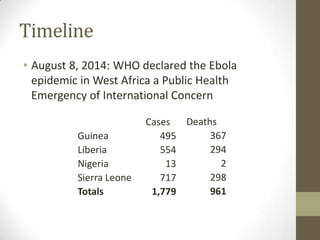
• August 8, 2014: WHO declared the Ebola
epidemic in West Africa a Public Health
Emergency of International Concern
Cases Deaths
Guinea 495 367
Liberia 554 294
Nigeria 13 2
Sierra Leone 717 298
Totals 1,779 961
Timeline
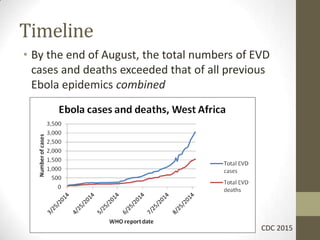
• By the end of August, the total numbers of EVD
cases and deaths exceeded that of all previous
Ebola epidemics combined
CDC 2015
Health workers
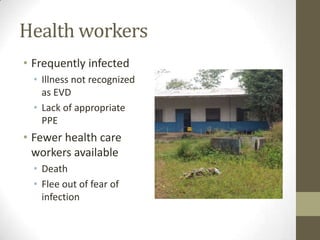
• Frequently infected
• Illness not recognized
as EVD
• Lack of appropriate
PPE
• Fewer health care
workers available
• Death
• Flee out of fear of
infection
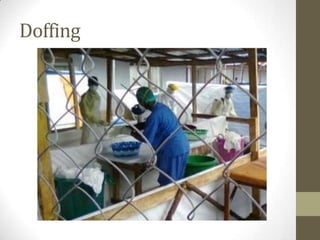
Personal protective equipment
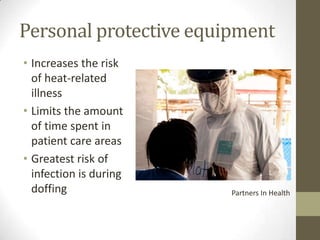
• Increases the risk
of heat-related
illness
• Limits the amount
of time spent in
patient care areas
• Greatest risk of
infection is during
doffing Partners In Health
Doffing
Safety
•Health worker safety is the priority
• Infected health workers
• Negative public perception of relief efforts
• Liability for the organization
• Discourages other health workers from
volunteering
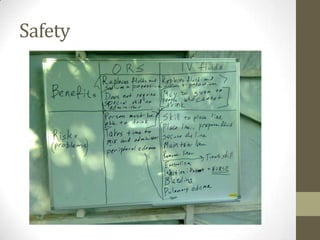
Safety
My approach to patients with EVD
1. Can I care for this person without jeopardizing
my safety?
2. Can I improve this person’s chance of survival?
• If not,
• What can I do to relieve this person’s
suffering?
• What can I do to preserve this person’s
dignity?
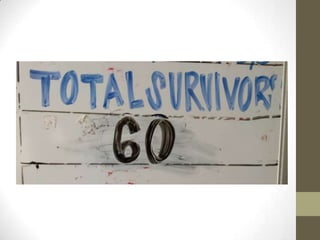
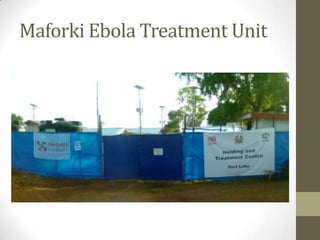
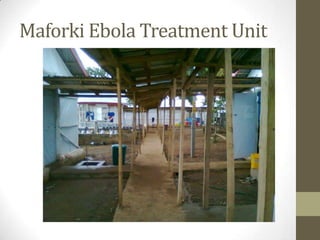
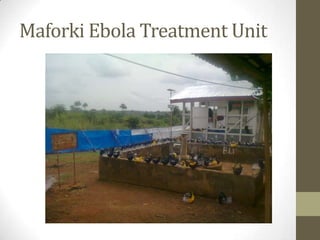
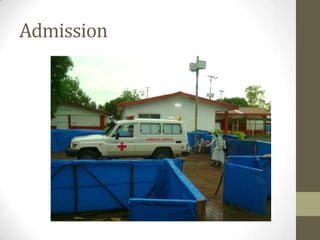
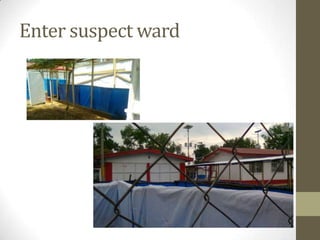
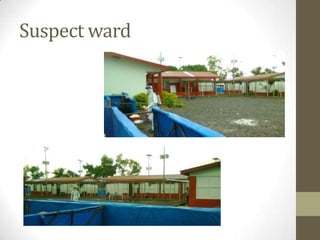
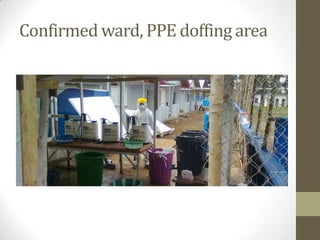
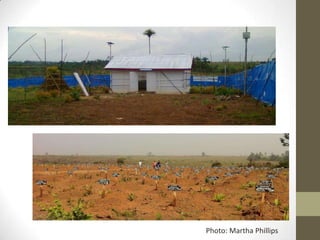
Maforki Ebola Treatment Unit
Admission
Enter suspect ward
Suspect ward
Confirmed ward, PPE doffing area
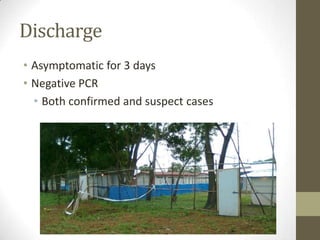
Discharge
• Asymptomatic for 3 days
• Negative PCR
• Both confirmed and suspect cases
Photo: Martha Phillips
Stigmatization
• Survivors
• Loss of employment, family, home, property
• Harassed
• Victims of violence
• Health workers
• Unnecessary quarantine
• Confidentiality
• Names, personal information, photographs of
survivors in the media/social media
Other ethical issues
• Interruption of routine health care
• Obstetric care denied
• Maternal-child health
• Immunizations
• Schools closed
• Economic impact
• Businesses closed
• Unemployment
• Trade restricted
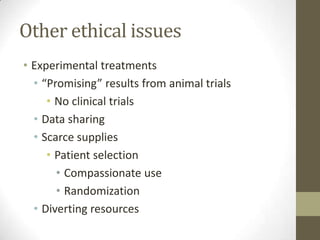
Other ethical issues
• Experimental treatments
• “Promising” results from animal trials
• No clinical trials
• Data sharing
• Scarce supplies
• Patient selection
• Compassionate use
• Randomization
• Diverting resources
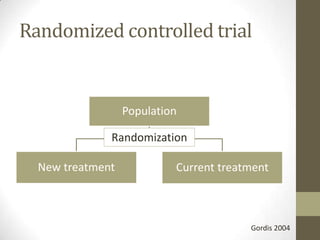
Randomized controlled trial
Population
New treatment Current treatment
Randomization
Gordis 2004
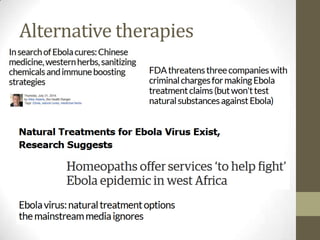
Alternative therapies
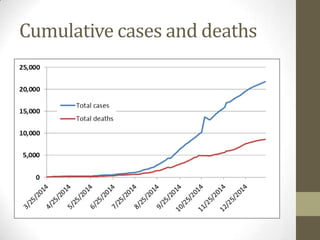
Cumulative cases and deaths
Recommended reading
• Davtyan, M., et al. (2014). Addressing Ebola-
related stigma: lessons learned from HIV/AIDS.
Global Health Action, 7(26058).
doi.org/10.3402/gha.v7.26058.
• Rid, A. & Emanuel, E. J. (2014). Why should high-
income countries help combat Ebola? JAMA,
312(13). doi:10.1001/jama.2014.12869.
• Joffe, S. (2014). Evaluating novel therapeutic
during the Ebola epidemic. JAMA, 312(13).
doi:10.1001/jama.2014.12867.
References
• Agency for Healthcare Research and Quality. (2005). Altered standards
of care in mass casualty events.
http://archive.ahrq.gov/research/altstand.
• Baize, S., Pannetier, D., Oestereich, L., Rieger, T., Koivogui, L.,
Magassouba, N., et al. (2014). Emergence of Zaire Ebola virus disease in
Guinea. New England Journal of Medicine, 371(15),1418-1425.
doi:10.1056/NEJMoa1404505.
• Blumberg, L., Enria, D., & Bausch, D. G. (2014). Viral hemorrhagic fevers.
In J. Farrar, P. J. Hotez, T. Junghanss, G. Kang, D. Lalloo, & N. J. White
(Eds.) Manson's tropical diseases, 23rd Ed. [Electronic version]. Elsevier.
• Centers for Disease Control and Prevention. (October 3, 2014). Ebola
virus disease outbreak – Nigeria, July-September, 2014. Morbidity and
Mortality Weekly Report, 63(39), 867-872.
http://www.cdc.gov/mmwr/preview/mmwrhtml/mm6339a5.htm.
• Centers for Disease Control and Prevention. (November 20, 2014).
Interim guidance for healthcare workers providing care in West African
countries affected by the Ebola outbreak: limiting heat burden while
wearing personal protective equipment (PPE).
References
• Centers for Disease Control and Prevention. (2015). 2014 Ebola
outbreak in West Africa – cumulative reported cases in Guinea, Liberia,
and Sierra Leone. http://www.cdc.gov/vhf/ebola/csv/graph1-
cumulative-reported-cases-all.csv.
• Centers for Disease Control and Prevention. (2015). Outbreaks
chronology: Ebola virus disease.
http://www.cdc.gov/vhf/ebola/outbreaks/history/chronology.html.
• Gordis, L. (2004). Epidemiology, 3rd Ed. Philadelphia: Elsevier
• World Health Organization. (March 30, 2014). Ebola virus disease in
Liberia. http://www.who.int/csr/don/2014_03_30_ebola_lbr/en.
• World Health Organization. (May 26, 2014). Ebola virus disease, West
Africa – update. http://www.who.int/csr/don/2014_05_28_ebola/en.
• World Health Organization. (August 8, 2014). Ebola virus disease update
– West Africa. http://www.who.int/csr/don/2014_08_08_ebola/en.
• World Health Organization Ebola Response Team. (2014). Ebola virus
disease in West Africa – the first 9 months of the epidemic and forward
projections. New England Journal of Medicine, 371(16), 1481-1495.
doi:10.1056/NEJMoa1411100.
Questions?
Questions?

Ebola, ethical issues

  • 1.
    Ebola virus disease: Ethicalissues Matthew Rollosson, RN, MPH&TM, BSN 26 January 2015
  • 2.
    Introduction • Registered Nurse,1992 – present • Master of Public Health & Tropical Medicine • Clinical experience • Neurology/neurosurgery • Critical care • Previous volunteer work • Ethiopia • New Orleans • Tanzania • Maforki Ebola Treatment Unit • Port Loko, Sierra Leone • November – December 2014
  • 3.
    Preface • “And Iam the worst sinner of all.” • 1 Timothy 1:15 • “This class intends to develop students' tolerance for the considered opinions of others as well as promote students' autonomy in decision making and shaping their own values.” • PHIL 223 syllabus
  • 4.
  • 5.
    Utilitarianism • Prevent transmission •Case management • Isolation • Treatment • Contact tracing • Prophylaxis • Monitoring • Quarantine
  • 6.
    Altered standards ofcare • Mass casualty events • Overwhelm local resources • Allocate equipment, personnel, and supplies in order to save the greatest number lives • Identify and reserve treatment for individuals who are most likely to survive AHRQ 2005
  • 7.
    Ebola virus disease •Preferred over “Ebola hemorrhagic fever” • Most people with EVD do not have hemorrhagic symptoms • Disseminated intravascular coagulation • Thrombocytopenia • Non-specific symptoms • Fever, headache, body aches • Profuse vomiting and diarrhea † Fluid and electrolyte loss • Treatment: aggressive rehydration and electrolyte replacement
  • 8.
    Transmission • Direct contactwith blood or body fluids of a symptomatic patient • There is little or no evidence that human ebolaviruses are transmitted • through contact with inanimate objects • via airborne route • at onset of symptoms
  • 9.
    References • Bausch, D.G., Towner, J. S., Dowell, S. F., Kaducu, F., Lukwiya, M., Sanchez, A., et al. (2007). Assessment of the risk of Ebola virus transmission from bodily fluids and fomites. Journal of Infectious Diseases, 196(Supple. 2), S142-S147. • Blumberg, L., Enria, D., & Bausch, D. G. (2014). Viral hemorrhagic fevers. In J. Farrar, P. J. Hotez, T. Junghanss, G. Kang, D. Lalloo, & N. J. White (Eds.) Manson's tropical diseases, 23rd Ed. [Electronic version]. Elsevier. • Chertow, D. S., Kleine, C., Edwards, J. K., Scaini, R., Giuliani, R., & Sprecher, A. (2014). Ebola virus disease in West Africa – clinical manifestation and management. New England Journal of Medicine, 371(22), 2054-2057. doi:10.1056/NEJMp1413084. • Fowler, R. A., Fletcher, T., Fischer, W. A., Lomontagne, F., Jacob, S., Brett-Major, D., et al. (2014). Caring for critically ill patients with Ebola virus disease. Perspectives from West Africa. American Journal of Respiratory and Critical Care Medicine, 190(7), 733-737. doi:10.1164/rccm.201408-1514CP. • Geisbert, T. W. (2014). Marburg and Ebola hemorrhagic fevers (Filoviruses). In J. E. Bennett, R. Dolin, & M. J. Blaser (Eds.). Mandell, Douglas, and Bennett's principles and practice of infectious diseases, 8th Ed. [Electronic version]. Elsevier. • Hartman, A. L. (2013). Ebola and Marburg virus infections. In, A. J. Magill, D. R. Hill, T. Solomon, & E. T. Ryan (Eds.) Hunter's tropical medicine, 9th Ed. [Electronic version]. Elsevier. • Hoenen, T., Groseth, A., Falzarano, D., & Feldman, H. (2006). Ebola virus: unravelling pathogenesis to combat a deadly disease. TRENDS in Molecular Medicine, 12(5), doi:10.1016/j.molmed.2006.03.006. • Kortepeter, M. G., Bausch, D. G., & Bray, M. (2011). Basic clinical and laboratory features of filoviral hemorrhagic fever. Journal of Infectious Diseases, 204(Supple. 3), S810-S816. • Schieffelin, J. S., Shaffer, J. G., Goba, A., Gbakie, M., Gire, S. K., Colubri, A., et al. (2014). Clinical illness and outcomes in patients with Ebola in Sierra Leone. New England Journal of Medicine, 371(22), 2092-2100. doi:10.1056/NEJMoa1411680. • Towner, J. S., Rollin, P. E., Baucsh, D. G., Sanchez, A., Crary, S. M., Vincent, M., et al. (2004). Rapid diagnosis of Ebola hemorrhagic fever by reverse transcription-PCR in an outbreak setting and assessment of patient viral load as a predictor of outcome. Journal of Virology, 78(8), 4330-4341. doi:10.1128/JVI.78.8.4330–4341.2004. • Yamin, D., Gertler, S., Ndeffo-Mbah, M. L., Skrip, L. A., Fallah, M., Nyenswah, T. G., et al. (2015). Effect of Ebola progression on transmission and control in Liberia. Annals of Internal Medicine, 162(1), 11-17. doi:10.7326/M14-2255.
  • 10.
  • 11.
    No secondary casesamong contacts of U.S. health workers with EVD
  • 12.
    Ebola epidemics 1976- 2013 CDC 2015
  • 13.
    Timeline of currentepidemic • West African Ebola epidemic traced to a 2-year- old child in Guinea who died from the disease December 6, 2013 • March 10 2014: World Health Organization notified of an outbreak of an unknown infectious disease characterized by fever, vomiting, and diarrhea in Guinea • Ebolavirus identified in blood from patients who were hospitalized with the disease • First outbreak of EVD in West Africa Baize et al. 2014
  • 14.
    Timeline •…modest further interventionefforts at that point could have achieved control.” - WHO Ebola Response Team • Epidemic spreads to • Liberia in March • Sierra Leone in May • Nigeria in July
  • 15.
    Timeline • August 8,2014: WHO declared the Ebola epidemic in West Africa a Public Health Emergency of International Concern Cases Deaths Guinea 495 367 Liberia 554 294 Nigeria 13 2 Sierra Leone 717 298 Totals 1,779 961
  • 16.
    Timeline • By theend of August, the total numbers of EVD cases and deaths exceeded that of all previous Ebola epidemics combined CDC 2015
  • 17.
    Health workers • Frequentlyinfected • Illness not recognized as EVD • Lack of appropriate PPE • Fewer health care workers available • Death • Flee out of fear of infection
  • 18.
    Personal protective equipment •Increases the risk of heat-related illness • Limits the amount of time spent in patient care areas • Greatest risk of infection is during doffing Partners In Health
  • 19.
  • 20.
    Safety •Health worker safetyis the priority • Infected health workers • Negative public perception of relief efforts • Liability for the organization • Discourages other health workers from volunteering
  • 21.
  • 22.
    My approach topatients with EVD 1. Can I care for this person without jeopardizing my safety? 2. Can I improve this person’s chance of survival? • If not, • What can I do to relieve this person’s suffering? • What can I do to preserve this person’s dignity?
  • 24.
  • 25.
  • 26.
  • 27.
  • 28.
  • 29.
  • 30.
    Confirmed ward, PPEdoffing area
  • 31.
    Discharge • Asymptomatic for3 days • Negative PCR • Both confirmed and suspect cases
  • 32.
  • 33.
    Stigmatization • Survivors • Lossof employment, family, home, property • Harassed • Victims of violence • Health workers • Unnecessary quarantine • Confidentiality • Names, personal information, photographs of survivors in the media/social media
  • 34.
    Other ethical issues •Interruption of routine health care • Obstetric care denied • Maternal-child health • Immunizations • Schools closed • Economic impact • Businesses closed • Unemployment • Trade restricted
  • 35.
    Other ethical issues •Experimental treatments • “Promising” results from animal trials • No clinical trials • Data sharing • Scarce supplies • Patient selection • Compassionate use • Randomization • Diverting resources
  • 36.
    Randomized controlled trial Population Newtreatment Current treatment Randomization Gordis 2004
  • 37.
  • 38.
  • 39.
    Recommended reading • Davtyan,M., et al. (2014). Addressing Ebola- related stigma: lessons learned from HIV/AIDS. Global Health Action, 7(26058). doi.org/10.3402/gha.v7.26058. • Rid, A. & Emanuel, E. J. (2014). Why should high- income countries help combat Ebola? JAMA, 312(13). doi:10.1001/jama.2014.12869. • Joffe, S. (2014). Evaluating novel therapeutic during the Ebola epidemic. JAMA, 312(13). doi:10.1001/jama.2014.12867.
  • 40.
    References • Agency forHealthcare Research and Quality. (2005). Altered standards of care in mass casualty events. http://archive.ahrq.gov/research/altstand. • Baize, S., Pannetier, D., Oestereich, L., Rieger, T., Koivogui, L., Magassouba, N., et al. (2014). Emergence of Zaire Ebola virus disease in Guinea. New England Journal of Medicine, 371(15),1418-1425. doi:10.1056/NEJMoa1404505. • Blumberg, L., Enria, D., & Bausch, D. G. (2014). Viral hemorrhagic fevers. In J. Farrar, P. J. Hotez, T. Junghanss, G. Kang, D. Lalloo, & N. J. White (Eds.) Manson's tropical diseases, 23rd Ed. [Electronic version]. Elsevier. • Centers for Disease Control and Prevention. (October 3, 2014). Ebola virus disease outbreak – Nigeria, July-September, 2014. Morbidity and Mortality Weekly Report, 63(39), 867-872. http://www.cdc.gov/mmwr/preview/mmwrhtml/mm6339a5.htm. • Centers for Disease Control and Prevention. (November 20, 2014). Interim guidance for healthcare workers providing care in West African countries affected by the Ebola outbreak: limiting heat burden while wearing personal protective equipment (PPE).
  • 41.
    References • Centers forDisease Control and Prevention. (2015). 2014 Ebola outbreak in West Africa – cumulative reported cases in Guinea, Liberia, and Sierra Leone. http://www.cdc.gov/vhf/ebola/csv/graph1- cumulative-reported-cases-all.csv. • Centers for Disease Control and Prevention. (2015). Outbreaks chronology: Ebola virus disease. http://www.cdc.gov/vhf/ebola/outbreaks/history/chronology.html. • Gordis, L. (2004). Epidemiology, 3rd Ed. Philadelphia: Elsevier • World Health Organization. (March 30, 2014). Ebola virus disease in Liberia. http://www.who.int/csr/don/2014_03_30_ebola_lbr/en. • World Health Organization. (May 26, 2014). Ebola virus disease, West Africa – update. http://www.who.int/csr/don/2014_05_28_ebola/en. • World Health Organization. (August 8, 2014). Ebola virus disease update – West Africa. http://www.who.int/csr/don/2014_08_08_ebola/en. • World Health Organization Ebola Response Team. (2014). Ebola virus disease in West Africa – the first 9 months of the epidemic and forward projections. New England Journal of Medicine, 371(16), 1481-1495. doi:10.1056/NEJMoa1411100.
  • 42.
  • 43.