Earthquake
Drill
Ma. Hazel T. Teologo
SPST1│ GRDHS
What is an earthquake?
 An earthquake is a sudden, rapid shaking
of the Earth caused by the breaking and
shifting of rock beneath the Earth's
surface. Sometimes the movement is
gradual. At other times, the plates are
locked together. When the accumulated
energy grows strong enough, the plates
break free causing the ground to shake.
Why is the Philippines highly prone to
earthquake?
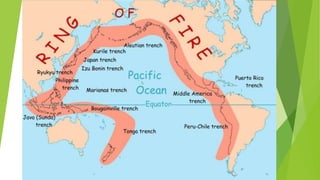
The Philippines is situated along a
highly seismic area lying along the
PACIFIC RING OF FIRE where two
major tectonic plates (Philippine Sea
and Eurasian) meet and is highly-prone
to earthquakes & volanic eruptions.
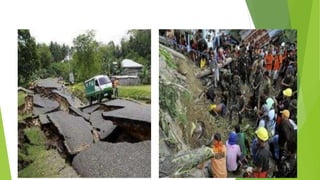
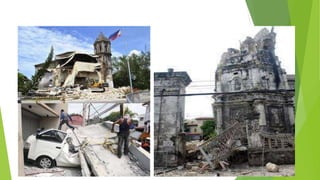
Baguio City, 1990
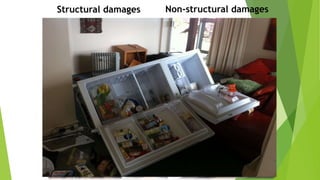
Structural damages
Bohol, 2013
Non-structural damages
How can we minimize
if not prevent, the
impact of earthquake?
Policies and Procedures
1. There should be an Earthquake Preparedness
Program
Preparedness program for possible disaster
(earthquake) affecting the people (students) inside
or within the school premises;
2. There should be a Disaster Response Plan
Earthquake disaster response plan should be
activated once a disaster occur
3. There should be an earthquake and fire drill at
least twice a year
What is the
importance of
earthquake drill in
school?
Earthquake Drill
Earthquake Drill Plan
Alarm
Response during the shake
Response after the shake
Evacuation
ALARM
 A pre-arranged signal in the form of siren will be
known to all
 During the drill, the siren indicates earthquake or
“shaking”
 Everybody will be alerted by this signal or siren
Mechanics:
Siren for 1 minute through public address
 What all the people inside should do:
Stay where you are;
Move only a few steps to a nearby safe place;
If you are outside; do not go inside the room.
If you are inside; do not go outside the room.
If inside the room-
Open the door to prevent from jamming. You may
stand under the door frame.
What all the people inside should do:
Move away from windows, glass,
bookshelves, or any structure that could
fall on you.
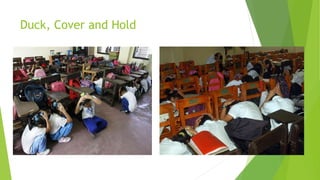
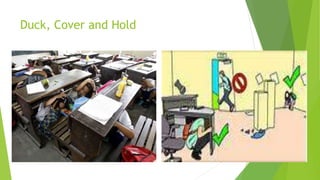
“Duck, Cover, and Hold” under sturdy
tables if present;
Watch out for falling objects;
Remain until the shaking stops
Duck, Cover and Hold
Response after shaking
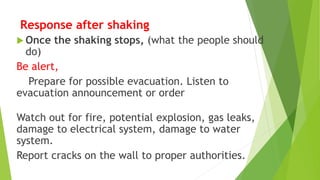
 Once the shaking stops, (what the people should
do)
Be alert,
Prepare for possible evacuation. Listen to
evacuation announcement or order
Watch out for fire, potential explosion, gas leaks,
damage to electrical system, damage to water
system.
Report cracks on the wall to proper authorities.
Evacuation
Once there is a call for evacuation-
What the people should do:
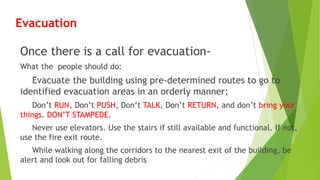
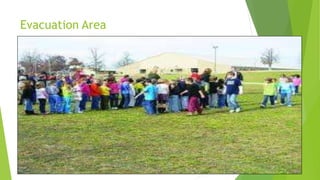
Evacuate the building using pre-determined routes to go to
identified evacuation areas in an orderly manner;
Don’t RUN, Don’t PUSH, Don’t TALK, Don’t RETURN, and don’t bring your
things. DON’T STAMPEDE.
Never use elevators. Use the stairs if still available and functional. If not,
use the fire exit route.
While walking along the corridors to the nearest exit of the building, be
alert and look out for falling debris
Evacuation Area
After the earthquake
has cleared, wait for the
declaration of structural
safety before returning to
the building.
Let us all be resilient and help
lessen the effects of
Earthquake disaster by being
prepared through Earthquake
Drill and other disaster
preparedness programs.
Maraming Maraming

Earthquake_Drill.pptx

  • 1.
    Earthquake Drill Ma. Hazel T.Teologo SPST1│ GRDHS
  • 2.
    What is anearthquake?  An earthquake is a sudden, rapid shaking of the Earth caused by the breaking and shifting of rock beneath the Earth's surface. Sometimes the movement is gradual. At other times, the plates are locked together. When the accumulated energy grows strong enough, the plates break free causing the ground to shake.
  • 3.
    Why is thePhilippines highly prone to earthquake? The Philippines is situated along a highly seismic area lying along the PACIFIC RING OF FIRE where two major tectonic plates (Philippine Sea and Eurasian) meet and is highly-prone to earthquakes & volanic eruptions.
  • 5.
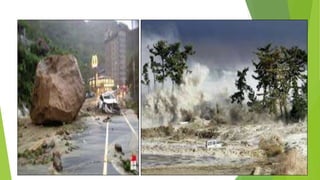
    Baguio City, 1990 Structuraldamages Bohol, 2013 Non-structural damages
  • 9.
    How can weminimize if not prevent, the impact of earthquake?
  • 10.
    Policies and Procedures 1.There should be an Earthquake Preparedness Program Preparedness program for possible disaster (earthquake) affecting the people (students) inside or within the school premises; 2. There should be a Disaster Response Plan Earthquake disaster response plan should be activated once a disaster occur 3. There should be an earthquake and fire drill at least twice a year
  • 11.
    What is the importanceof earthquake drill in school?
  • 12.
    Earthquake Drill Earthquake DrillPlan Alarm Response during the shake Response after the shake Evacuation
  • 13.
    ALARM  A pre-arrangedsignal in the form of siren will be known to all  During the drill, the siren indicates earthquake or “shaking”  Everybody will be alerted by this signal or siren
  • 14.
    Mechanics: Siren for 1minute through public address  What all the people inside should do: Stay where you are; Move only a few steps to a nearby safe place; If you are outside; do not go inside the room. If you are inside; do not go outside the room. If inside the room- Open the door to prevent from jamming. You may stand under the door frame.
  • 15.
    What all thepeople inside should do: Move away from windows, glass, bookshelves, or any structure that could fall on you. “Duck, Cover, and Hold” under sturdy tables if present; Watch out for falling objects; Remain until the shaking stops
  • 17.
  • 18.
  • 19.
    Response after shaking Once the shaking stops, (what the people should do) Be alert, Prepare for possible evacuation. Listen to evacuation announcement or order Watch out for fire, potential explosion, gas leaks, damage to electrical system, damage to water system. Report cracks on the wall to proper authorities.
  • 20.
    Evacuation Once there isa call for evacuation- What the people should do: Evacuate the building using pre-determined routes to go to identified evacuation areas in an orderly manner; Don’t RUN, Don’t PUSH, Don’t TALK, Don’t RETURN, and don’t bring your things. DON’T STAMPEDE. Never use elevators. Use the stairs if still available and functional. If not, use the fire exit route. While walking along the corridors to the nearest exit of the building, be alert and look out for falling debris
  • 21.
  • 22.
    After the earthquake hascleared, wait for the declaration of structural safety before returning to the building.
  • 23.
    Let us allbe resilient and help lessen the effects of Earthquake disaster by being prepared through Earthquake Drill and other disaster preparedness programs. Maraming Maraming

Editor's Notes

  • #6 Effects of Ground Shaking Hyatt Terraces in Baguio City – totally collapsed House in Maribojoc – M7.2 Bohol eq