Downloaded 32 times
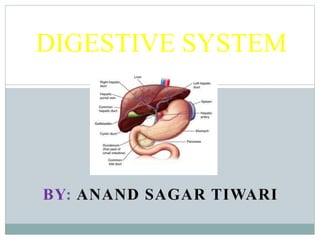
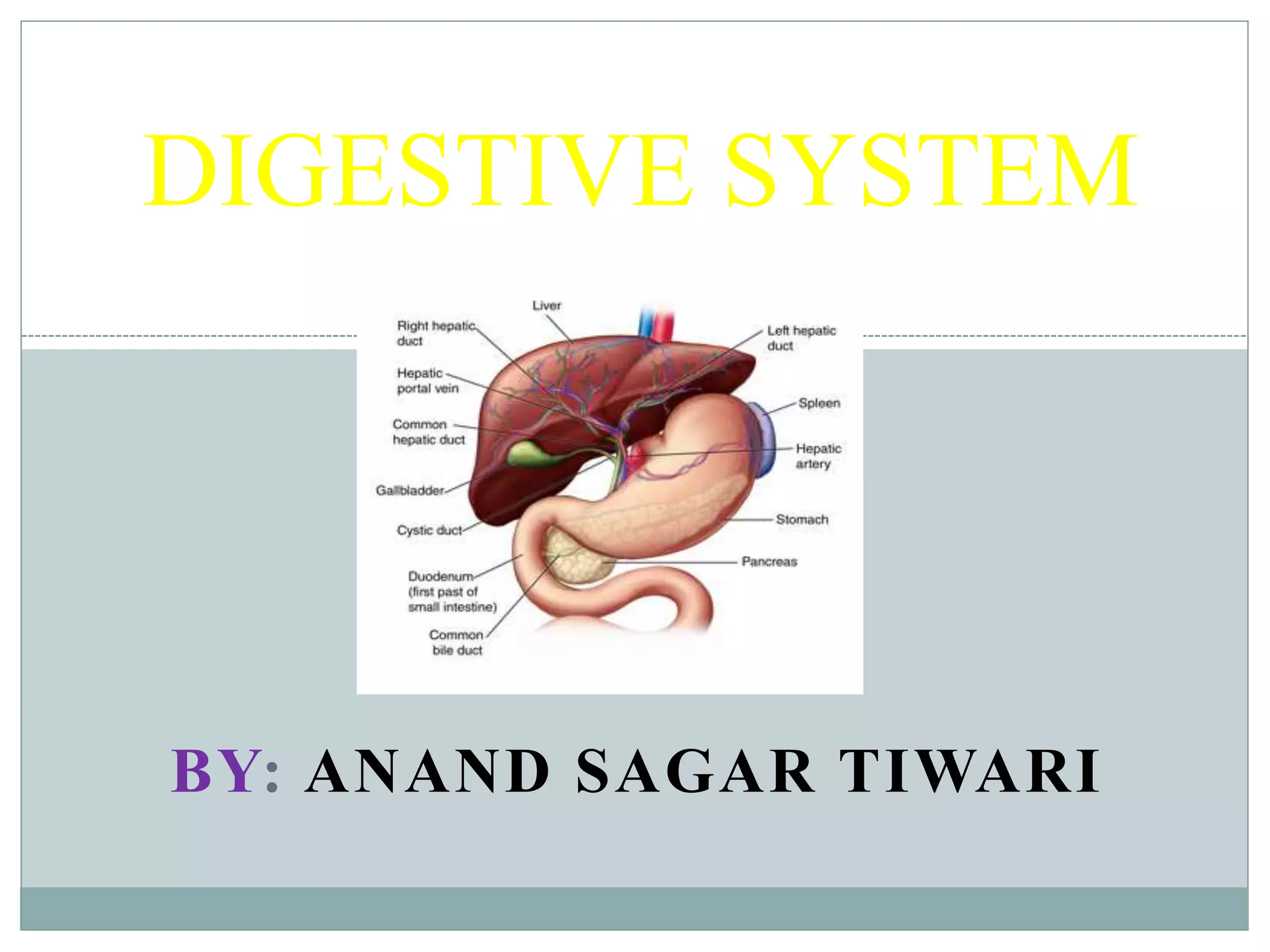
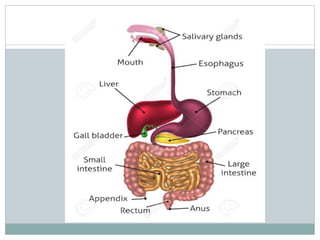
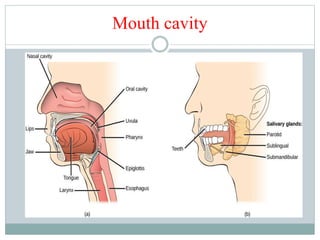
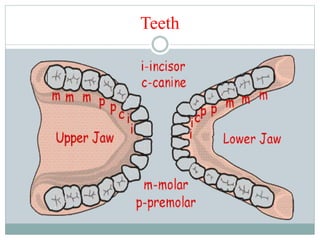
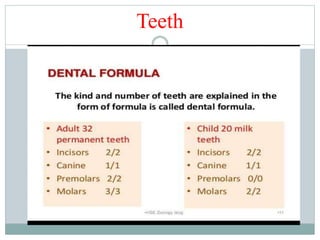
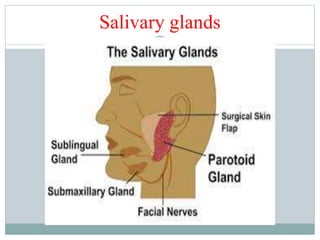
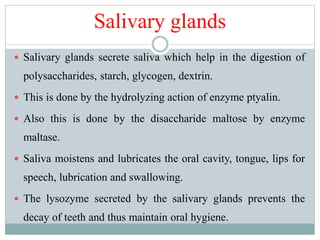
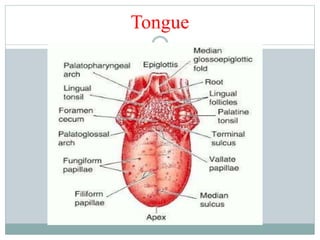
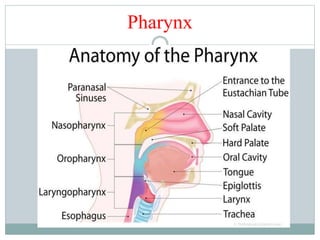
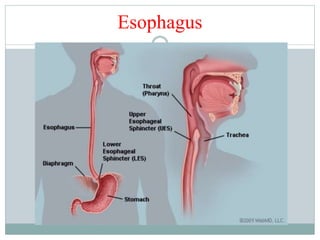
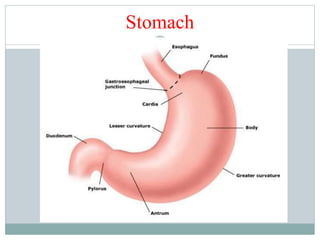
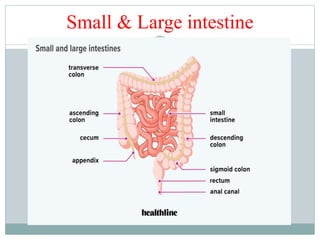
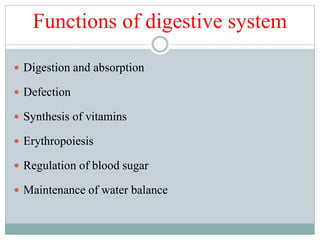
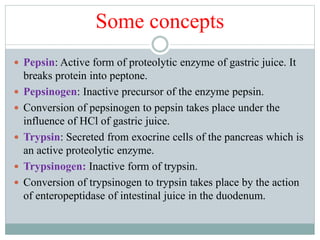
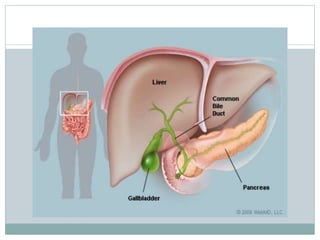
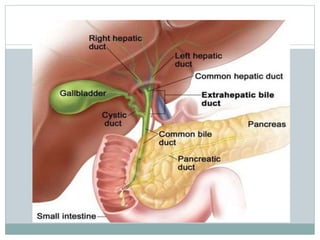


The human digestive system comprises the gastrointestinal tract and accessory organs, responsible for converting food into absorbable substances through processes like peristalsis. It includes the mouth, pharynx, esophagus, stomach, small intestine, and large intestine, each with specific functions in digestion and absorption. Key processes involve secretion of enzymes and hormones, mechanical and chemical digestion, and absorption of nutrients, along with the elimination of waste.


