DIESTIVE ENZYMES
By dr iqra bano chandio
WHAT ARE ENZYMES ?
โ€ข Enzymes are biological molecules (typically proteins) that
significantly speed up the rate of virtually all of the chemical
reactions that take place within cells.
โ€ข They are vital for life and serve a wide range of important functions
in the body, such as aiding in digestion and metabolism.
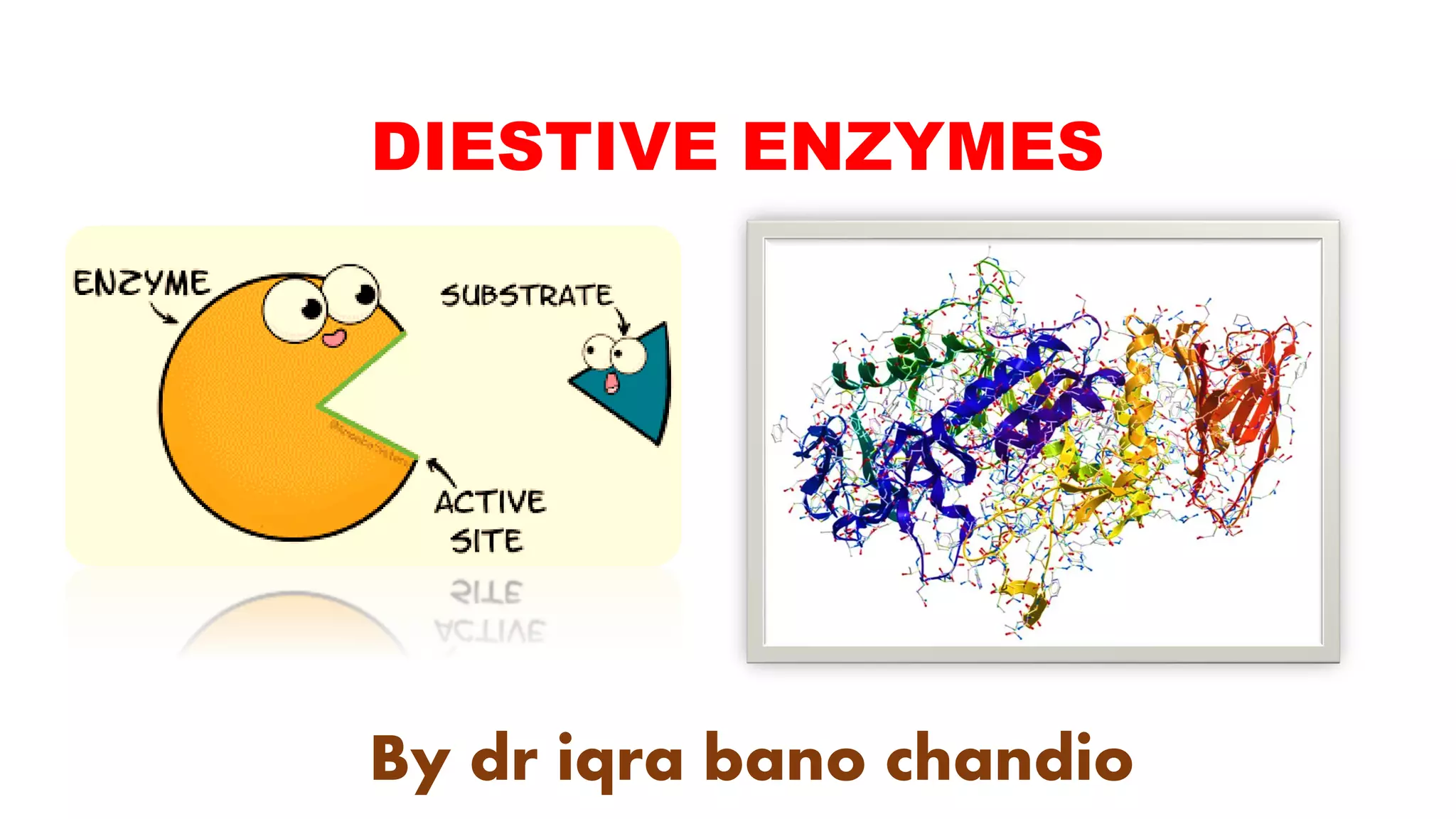
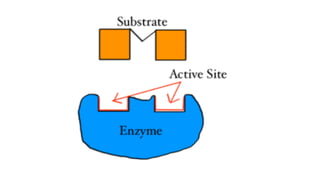
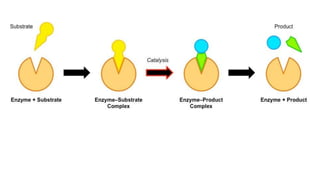
โ€ข The molecules that an enzyme works with are called substrates. The
substrates bind to a region on the enzyme called the active site.
Digestive enzymes
โ€ข Digestive enzymes are substances secreted by the
salivary glands and cells lining the stomach, pancreas,
and small intestine to aid in the digestion of food.
โ€ข They do this by splitting the large, complex molecules
that make up proteins, carbohydrates, and fats
(macronutrients) into smaller ones, allowing the
nutrients from these foods to be easily absorbed into
the bloodstream and carried throughout the body.
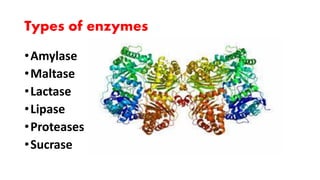
Types of enzymes
โ€ขAmylase
โ€ขMaltase
โ€ขLactase
โ€ขLipase
โ€ขProteases
โ€ขSucrase
Amylase
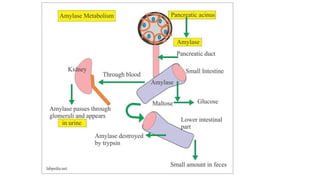
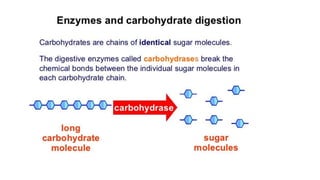
โ€ข Amylase is essential for the digestion of carbohydrates. It
breaks down starches into sugars.
โ€ข Amylase is secreted by both the salivary glands and the
pancreas.
โ€ข High levels of amylase in the blood may indicate a blocked
or injured duct of the pancreas, pancreatic cancer, or
acute pancreatitis
โ€ข The Low levels may indicate chronic pancreatitis (ongoing
inflammation of the pancreas) or liver disease.
Maltase
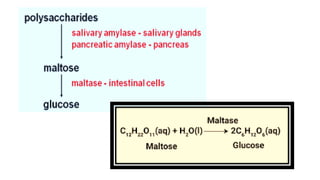
โ€ขMaltase is secreted by the small intestine and is
responsible for breaking down maltose (malt sugar) into
glucose (simple sugar) that the body uses for energy.
โ€ขDuring digestion, starch is partially transformed into
maltose by amylases.
โ€ขThe maltase then converts maltose into glucose that is
either used immediately by the body or stored in the
liver as glycogen for future use.
Lactase
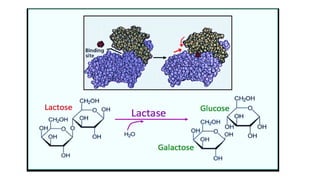
โ€ข Lactase (also called lactase-phlorizin
hydrolase) is a type of enzyme that breaks
down lactose, a sugar found in dairy products,
into the simple sugars glucose and galactose.
โ€ข Lactase is produced by cells known as
enterocytes that line the intestinal tract.
Lactose that is not absorbed undergoes
fermentation by bacteria and can result in gas
and intestinal upset.
Lipase
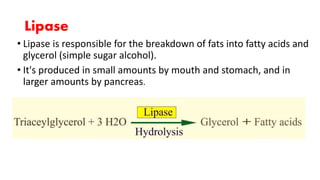
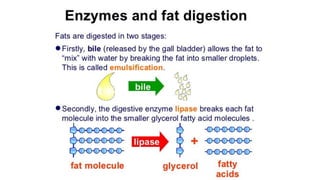
โ€ข Lipase is responsible for the breakdown of fats into fatty acids and
glycerol (simple sugar alcohol).
โ€ข It's produced in small amounts by mouth and stomach, and in
larger amounts by pancreas.
Proteases
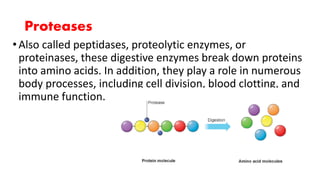
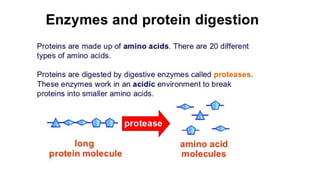
โ€ขAlso called peptidases, proteolytic enzymes, or
proteinases, these digestive enzymes break down proteins
into amino acids. In addition, they play a role in numerous
body processes, including cell division, blood clotting, and
immune function.
โ€ข Proteases are produced in the stomach and pancreas.
The main ones are:
โ€ข Pepsin: Pepsin is secreted by the stomach to break
down proteins into peptides, or smaller groupings of
amino acids, that are either absorbed or broken down
further in the small intestine
โ€ข Trypsin: Trypsin forms when an enzyme secreted by
the pancreas is activated by an enzyme in the small
intestine. Trypsin then activates additional pancreatic
enzymes, such as carboxypeptidase and
chymotrypsin, to assist in breaking down peptides.
โ€ขChymotrypsin: This enzyme breaks down
peptides into free amino acids that can be
absorbed by the intestinal wall.
โ€ขCarboxypeptidase A: Secreted by the
pancreas, it splits peptides into individual amino
acids.
โ€ขCarboxypeptidase B: Secreted by the
pancreas, it breaks down basic amino acids.
The Health Benefits of Proteolytic Enzymes
โ€ข Sucrase
โ€ข Sucrase is secreted by the small intestine where it
breaks down sucrose into fructose and glucose,
simpler sugars that the body can absorb. Sucrase is
found along the intestinal villi, tiny hair-like
projections that line the intestine and shuttle
nutrients into the bloodstream.
DIGESTIVE ENZYMES.pdf

DIGESTIVE ENZYMES.pdf

  • 1.
    DIESTIVE ENZYMES By driqra bano chandio
  • 2.
    WHAT ARE ENZYMES? โ€ข Enzymes are biological molecules (typically proteins) that significantly speed up the rate of virtually all of the chemical reactions that take place within cells. โ€ข They are vital for life and serve a wide range of important functions in the body, such as aiding in digestion and metabolism. โ€ข The molecules that an enzyme works with are called substrates. The substrates bind to a region on the enzyme called the active site.
  • 6.
    Digestive enzymes โ€ข Digestiveenzymes are substances secreted by the salivary glands and cells lining the stomach, pancreas, and small intestine to aid in the digestion of food. โ€ข They do this by splitting the large, complex molecules that make up proteins, carbohydrates, and fats (macronutrients) into smaller ones, allowing the nutrients from these foods to be easily absorbed into the bloodstream and carried throughout the body.
  • 7.
  • 8.
    Amylase โ€ข Amylase isessential for the digestion of carbohydrates. It breaks down starches into sugars. โ€ข Amylase is secreted by both the salivary glands and the pancreas. โ€ข High levels of amylase in the blood may indicate a blocked or injured duct of the pancreas, pancreatic cancer, or acute pancreatitis โ€ข The Low levels may indicate chronic pancreatitis (ongoing inflammation of the pancreas) or liver disease.
  • 10.
    Maltase โ€ขMaltase is secretedby the small intestine and is responsible for breaking down maltose (malt sugar) into glucose (simple sugar) that the body uses for energy. โ€ขDuring digestion, starch is partially transformed into maltose by amylases. โ€ขThe maltase then converts maltose into glucose that is either used immediately by the body or stored in the liver as glycogen for future use.
  • 12.
    Lactase โ€ข Lactase (alsocalled lactase-phlorizin hydrolase) is a type of enzyme that breaks down lactose, a sugar found in dairy products, into the simple sugars glucose and galactose. โ€ข Lactase is produced by cells known as enterocytes that line the intestinal tract. Lactose that is not absorbed undergoes fermentation by bacteria and can result in gas and intestinal upset.
  • 14.
    Lipase โ€ข Lipase isresponsible for the breakdown of fats into fatty acids and glycerol (simple sugar alcohol). โ€ข It's produced in small amounts by mouth and stomach, and in larger amounts by pancreas.
  • 15.
    Proteases โ€ขAlso called peptidases,proteolytic enzymes, or proteinases, these digestive enzymes break down proteins into amino acids. In addition, they play a role in numerous body processes, including cell division, blood clotting, and immune function.
  • 16.
    โ€ข Proteases areproduced in the stomach and pancreas. The main ones are: โ€ข Pepsin: Pepsin is secreted by the stomach to break down proteins into peptides, or smaller groupings of amino acids, that are either absorbed or broken down further in the small intestine โ€ข Trypsin: Trypsin forms when an enzyme secreted by the pancreas is activated by an enzyme in the small intestine. Trypsin then activates additional pancreatic enzymes, such as carboxypeptidase and chymotrypsin, to assist in breaking down peptides.
  • 17.
    โ€ขChymotrypsin: This enzymebreaks down peptides into free amino acids that can be absorbed by the intestinal wall. โ€ขCarboxypeptidase A: Secreted by the pancreas, it splits peptides into individual amino acids. โ€ขCarboxypeptidase B: Secreted by the pancreas, it breaks down basic amino acids.
  • 18.
    The Health Benefitsof Proteolytic Enzymes โ€ข Sucrase โ€ข Sucrase is secreted by the small intestine where it breaks down sucrose into fructose and glucose, simpler sugars that the body can absorb. Sucrase is found along the intestinal villi, tiny hair-like projections that line the intestine and shuttle nutrients into the bloodstream.