Download to read offline
![Diction for Singers 1
[wɛlkəm tu dɪkʃən fɔr sɪŋɚz pɑrt wʌn]
[mɑɪ næm ɪz dɑktɚ koplənd]](https://image.slidesharecdn.com/dictionifirstdayofclass-copeland-120904084556-phpapp02/75/Diction-i-first-day-of-class-copeland-1-2048.jpg)
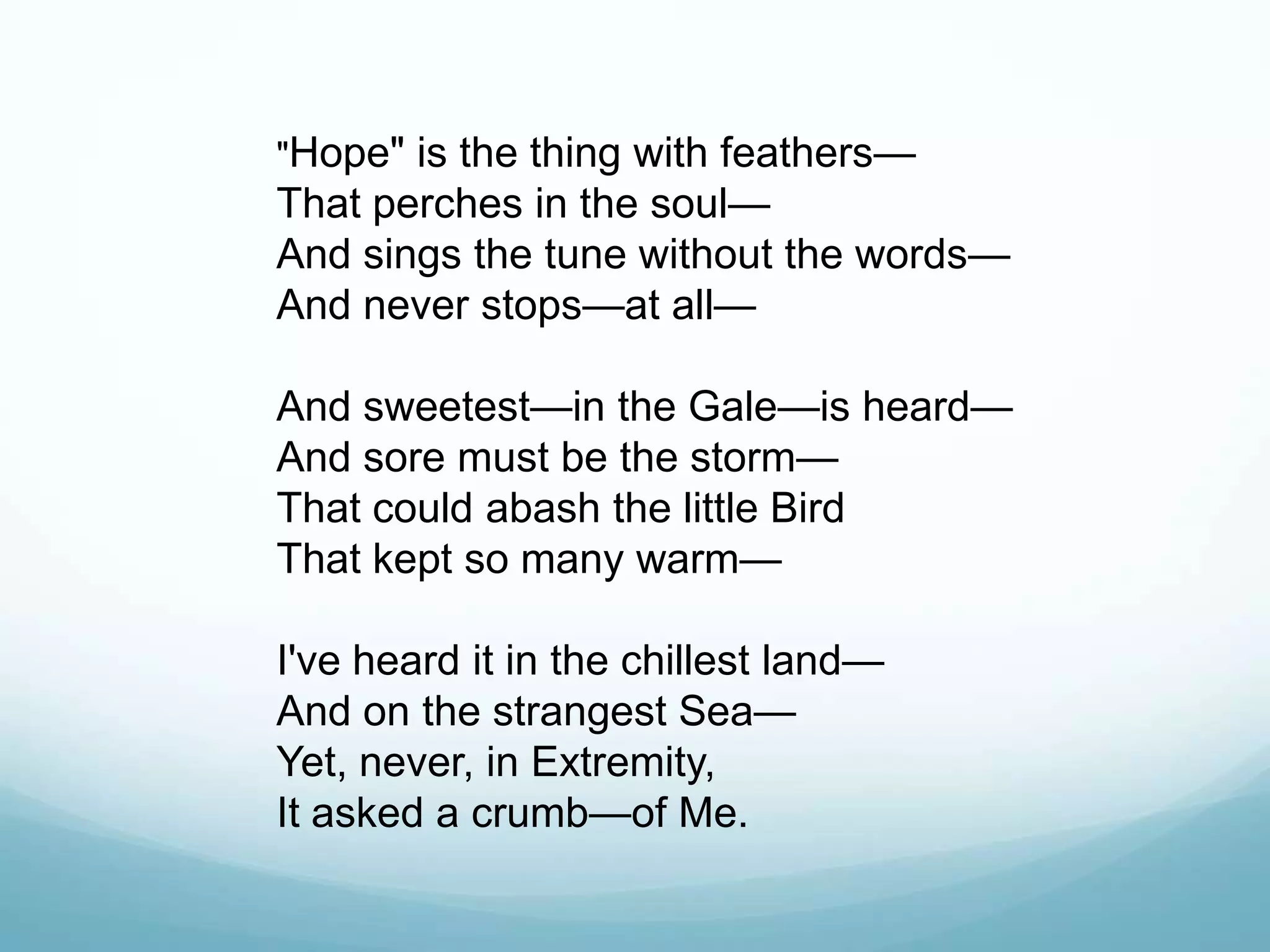
![[hoʊp ɪz ðə θɪŋ wɪð fɛðɚz]](https://image.slidesharecdn.com/dictionifirstdayofclass-copeland-120904084556-phpapp02/75/Diction-i-first-day-of-class-copeland-4-2048.jpg)
![[hoʊp ɪz ðə θɪŋ wɪð fɛðɚz]
"Hope" is the thing with feathers—](https://image.slidesharecdn.com/dictionifirstdayofclass-copeland-120904084556-phpapp02/75/Diction-i-first-day-of-class-copeland-5-2048.jpg)
![[hoʊp ɪz ðə θɪŋ wɪð fɛðɚz]
[ðæt pɝtʃɪz ɪn ðə soʊl]
[ænd sɪŋz ðə tun wɪðaʊt ðə wɝdz]](https://image.slidesharecdn.com/dictionifirstdayofclass-copeland-120904084556-phpapp02/75/Diction-i-first-day-of-class-copeland-6-2048.jpg)
![[hoʊp ɪz ðə θɪŋ wɪð fɛðɚz]
"Hope" is the thing with feathers—
[ðæt pɝtʃɪz ɪn ðə soʊl]
That perches in the soul—
[ænd sɪŋz ðə tun wɪðaʊt ðə wɝdz]
And sings the tune without the words—](https://image.slidesharecdn.com/dictionifirstdayofclass-copeland-120904084556-phpapp02/75/Diction-i-first-day-of-class-copeland-7-2048.jpg)
![[hoʊp ɪz ðə θɪŋ wɪð fɛðɚz]
[ðæt pɝtʃɪz ɪn ðə soʊl]
[ænd sɪŋz ðə tun wɪðaʊt ðə wɝdz]
[ænd nɛvɚ stɑps æt ɔl]
[ænd switɪst ɪn ðə ɡeɪl ɪz hɝd]
[ænd sɔr mʌst bi ðə stɔrm]
[ðæt kʊd ə’bæʃ ðə lɪtl bɝd]
[ðæt kɛpt soʊ mɛni wɔrm]
[aɪv hɝd ɪt ɪn ðə tʃɪlɪst lænd]
[ænd ɑn ðə streɪndʒɪst si]
[jɛt nɛvɚ ɪn ɪkˈstr məti]
ɛ
[ɪt æskt ʌ krʌm əv mi]](https://image.slidesharecdn.com/dictionifirstdayofclass-copeland-120904084556-phpapp02/75/Diction-i-first-day-of-class-copeland-8-2048.jpg)
![Our roman alphabet of English is NOT a phonetic
alphabet – sound and spelling are often not the
same.
For example, the sound ee [i] may have seven
different spellings:](https://image.slidesharecdn.com/dictionifirstdayofclass-copeland-120904084556-phpapp02/75/Diction-i-first-day-of-class-copeland-10-2048.jpg)
![Our roman alphabet of English is NOT a phonetic
alphabet – sound and spelling are often not the
same.
For example, the sound ee [i] may have seven
different spellings:
Be, eat, beet, receive, people, brief, Phoenix](https://image.slidesharecdn.com/dictionifirstdayofclass-copeland-120904084556-phpapp02/75/Diction-i-first-day-of-class-copeland-11-2048.jpg)
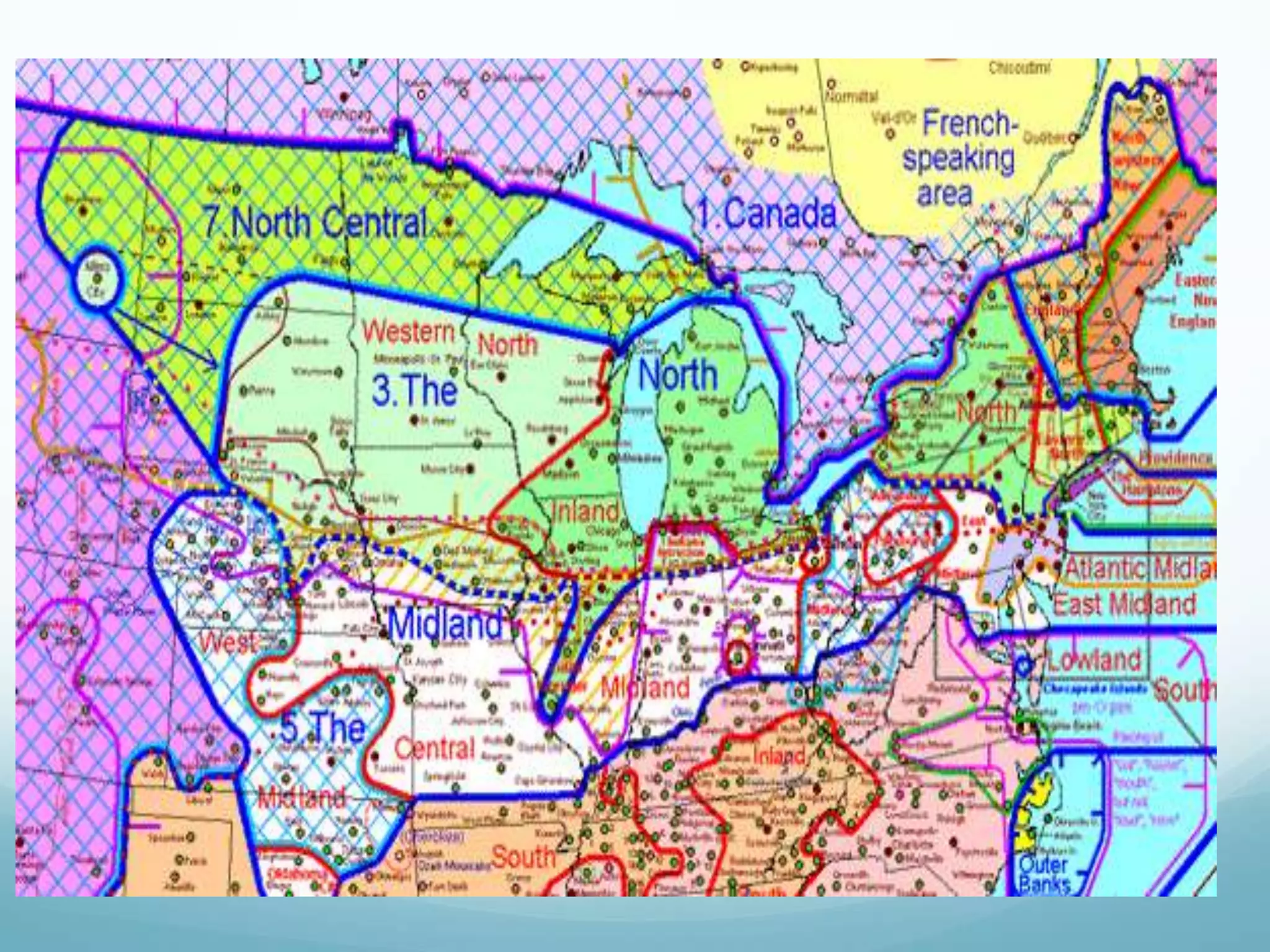
![Also, a single English letter might stand for several
sounds: my = [mɑɪ] lane = [leɪn]
Or a dialect may demand even more sounds per vowel:
pat [pæjət]; pet [pɛjət]; pit [pɪjət]
Standard English: [pæt] [pɛt] [pɪt]](https://image.slidesharecdn.com/dictionifirstdayofclass-copeland-120904084556-phpapp02/75/Diction-i-first-day-of-class-copeland-12-2048.jpg)
![Sometimes dialects even add consonants!
Wash [waʃ] becomes [wɔrʃ] in Appalachian Southern
English! Awesome.
In English, a single letter may have no sound at all, such
as the p in pneumonia.
Other letters represent more that one sound, as in the
word mix where the letter x has two sounds: ks.
Two words may also be spelled differently, but
pronounced alike: piece and peace.
There are twenty-two vowel sounds in English = FUN!](https://image.slidesharecdn.com/dictionifirstdayofclass-copeland-120904084556-phpapp02/75/Diction-i-first-day-of-class-copeland-13-2048.jpg)
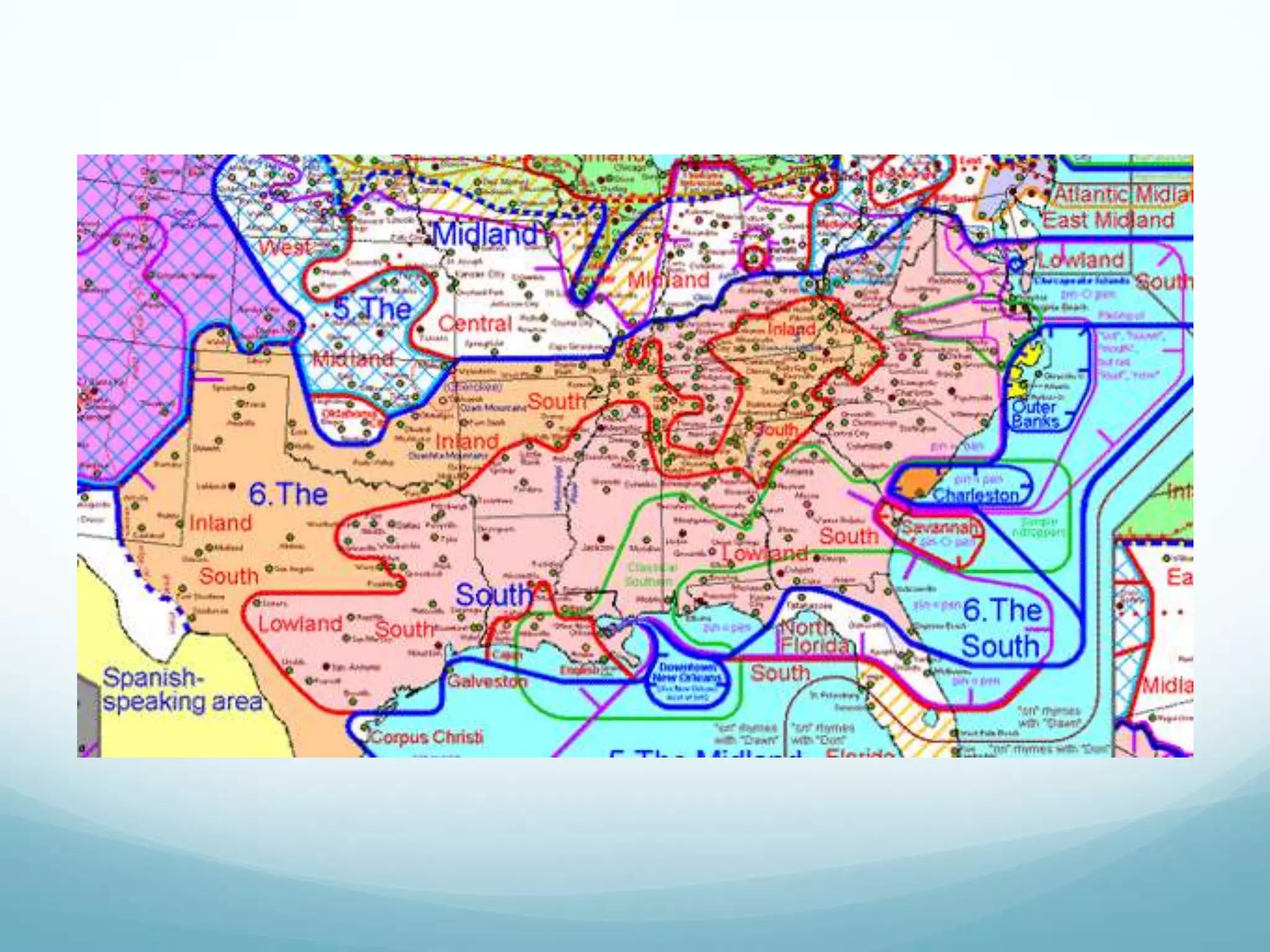
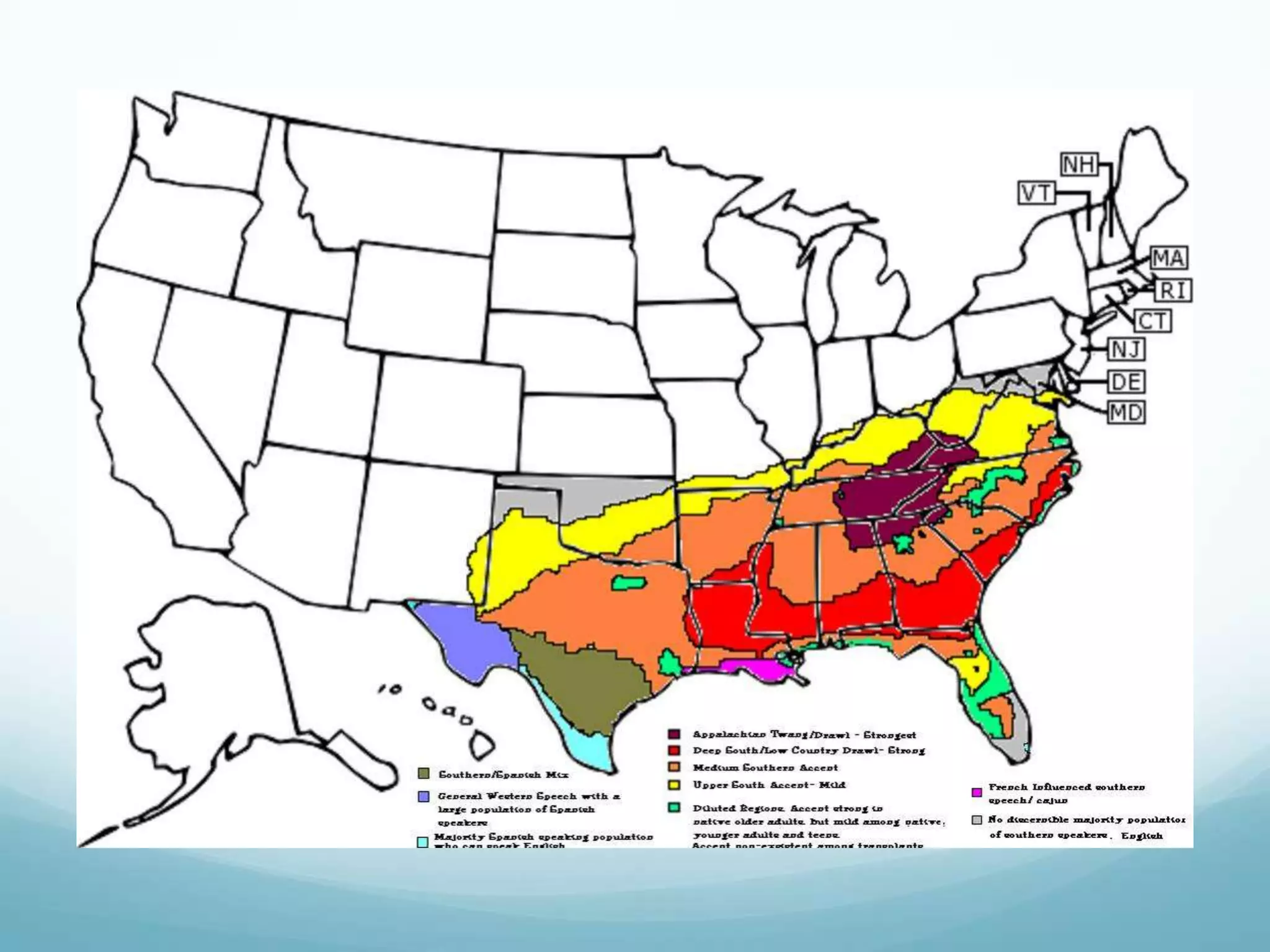


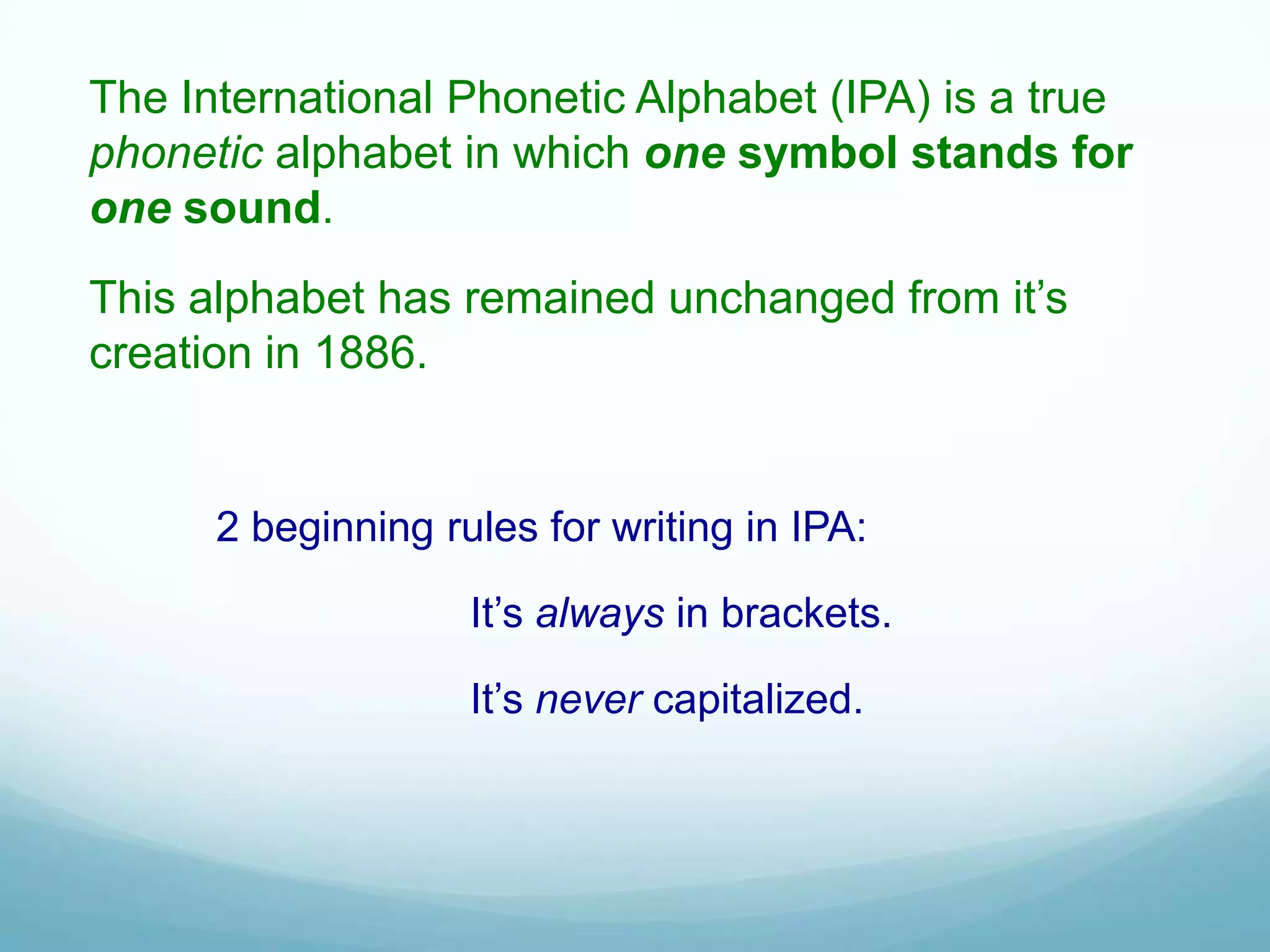
The document provides an introduction to diction for singers. It discusses the International Phonetic Alphabet (IPA) as a true phonetic alphabet where each symbol represents one sound. It notes that the English language is not a phonetic language, as sounds and spellings are often not the same. For example, the vowel sound 'ee' can be spelled seven different ways. The document also discusses dialects and exceptions to standard pronunciation when singing. It emphasizes learning IPA, listening to recordings, and working with a voice teacher to properly train diction skills.


