Designing Effective Reading Activities Jennifer Bixby Joe McVeigh
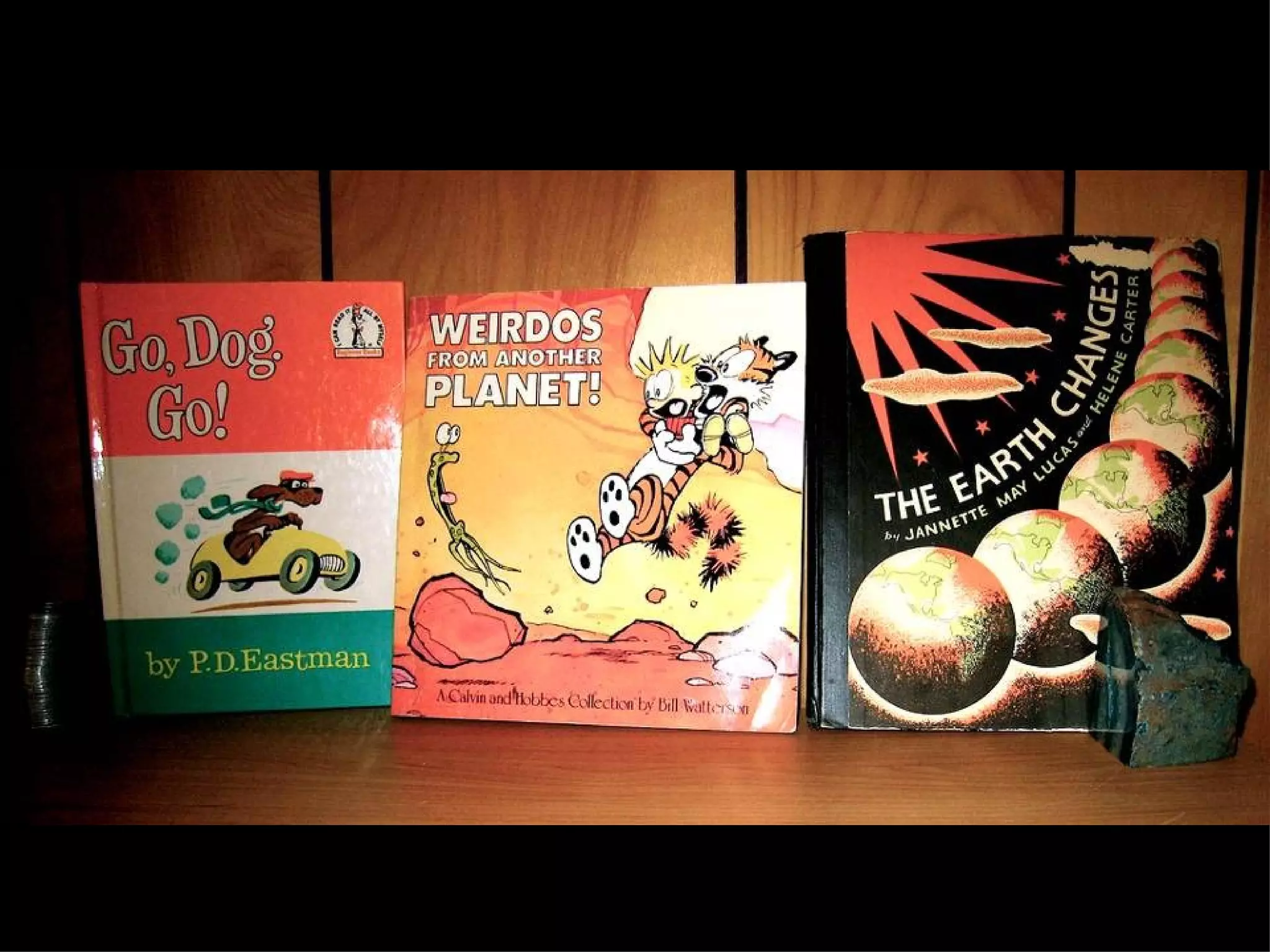
Selecting appropriate reading materials


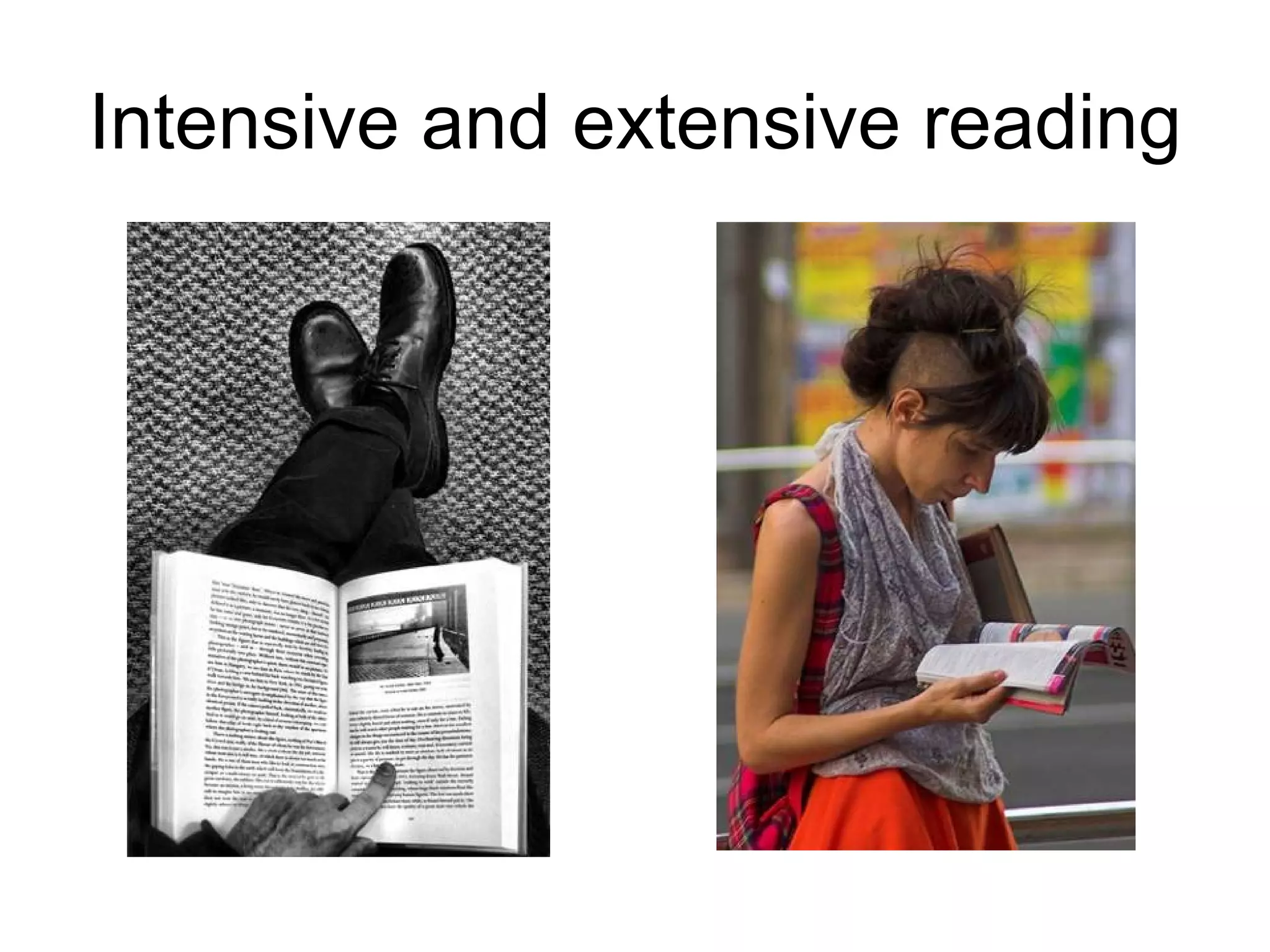
Intensive and extensive reading
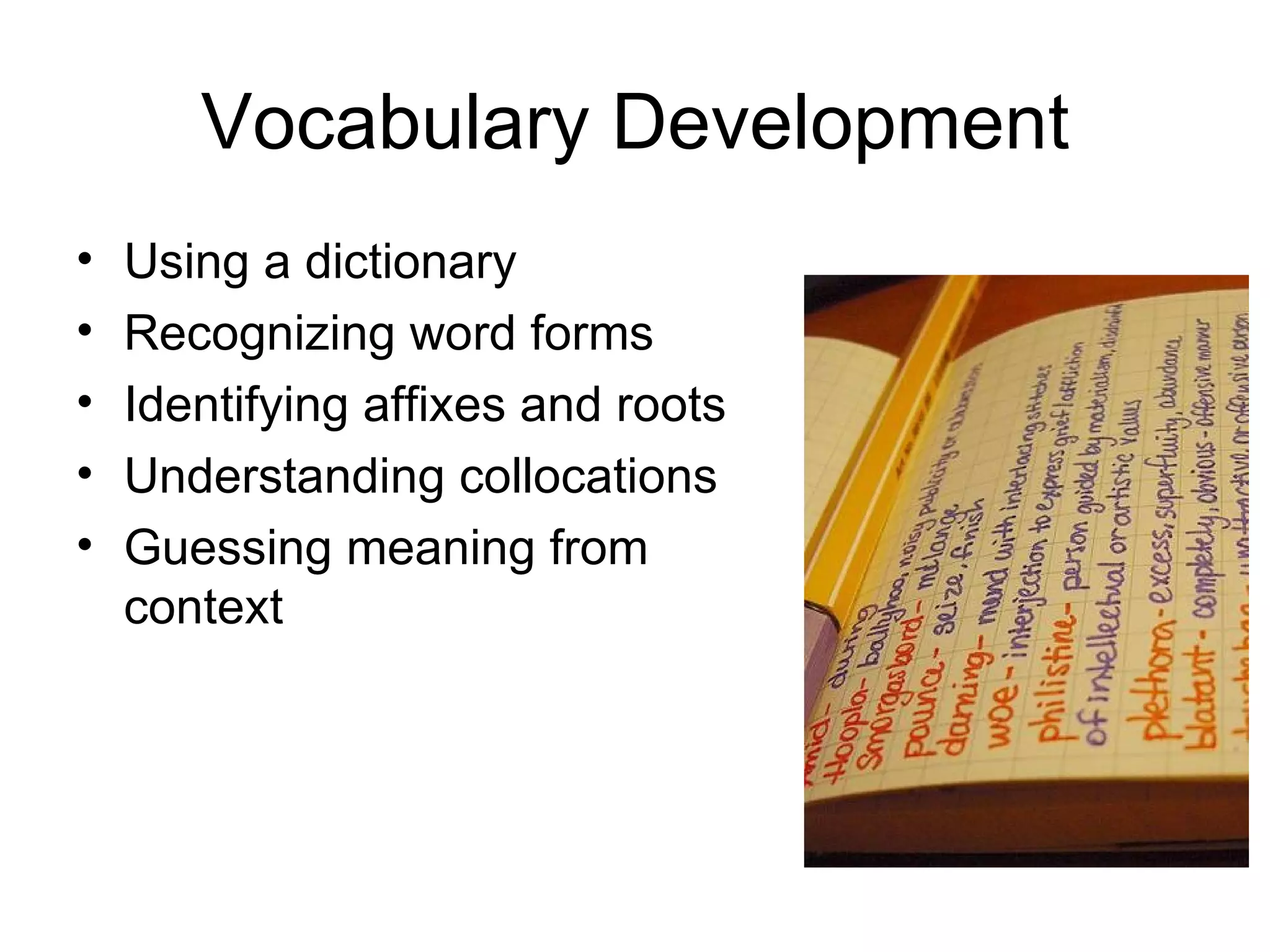
Vocabulary Development Using a dictionary Recognizing word forms Identifying affixes and roots Understanding collocations Guessing meaning from context
Checking on the vocabulary level Use a vocabulary profiler such as this one at the English Centre at the University of Hong Kong http://ec.hku.hk/vocabulary/profile.htm
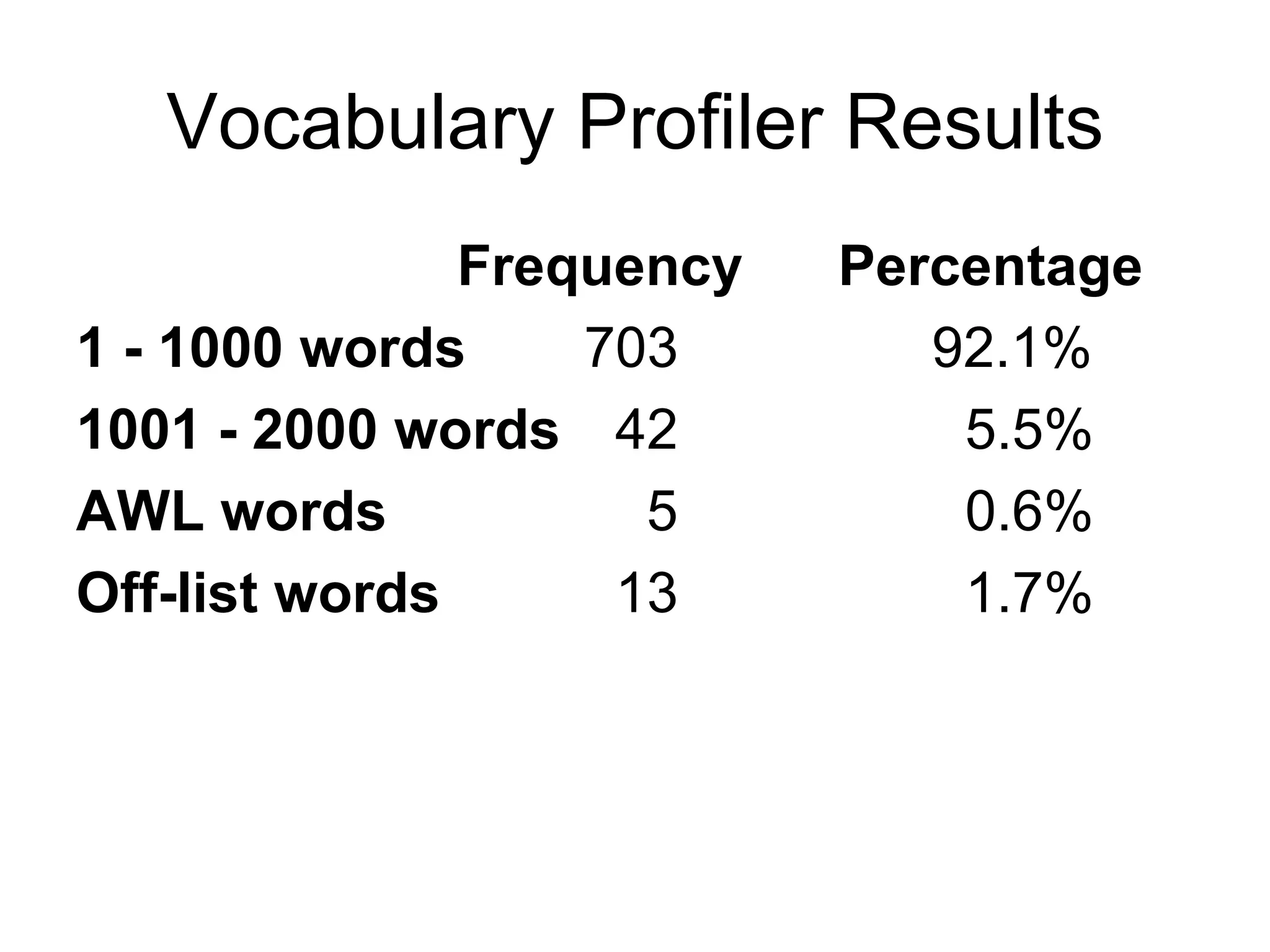
Vocabulary Profiler Results Frequency Percentage 1 - 1000 words  703   92.1% 1001 - 2000 words    42 5.5% AWL words    5 0.6% Off-list words    13 1.7%
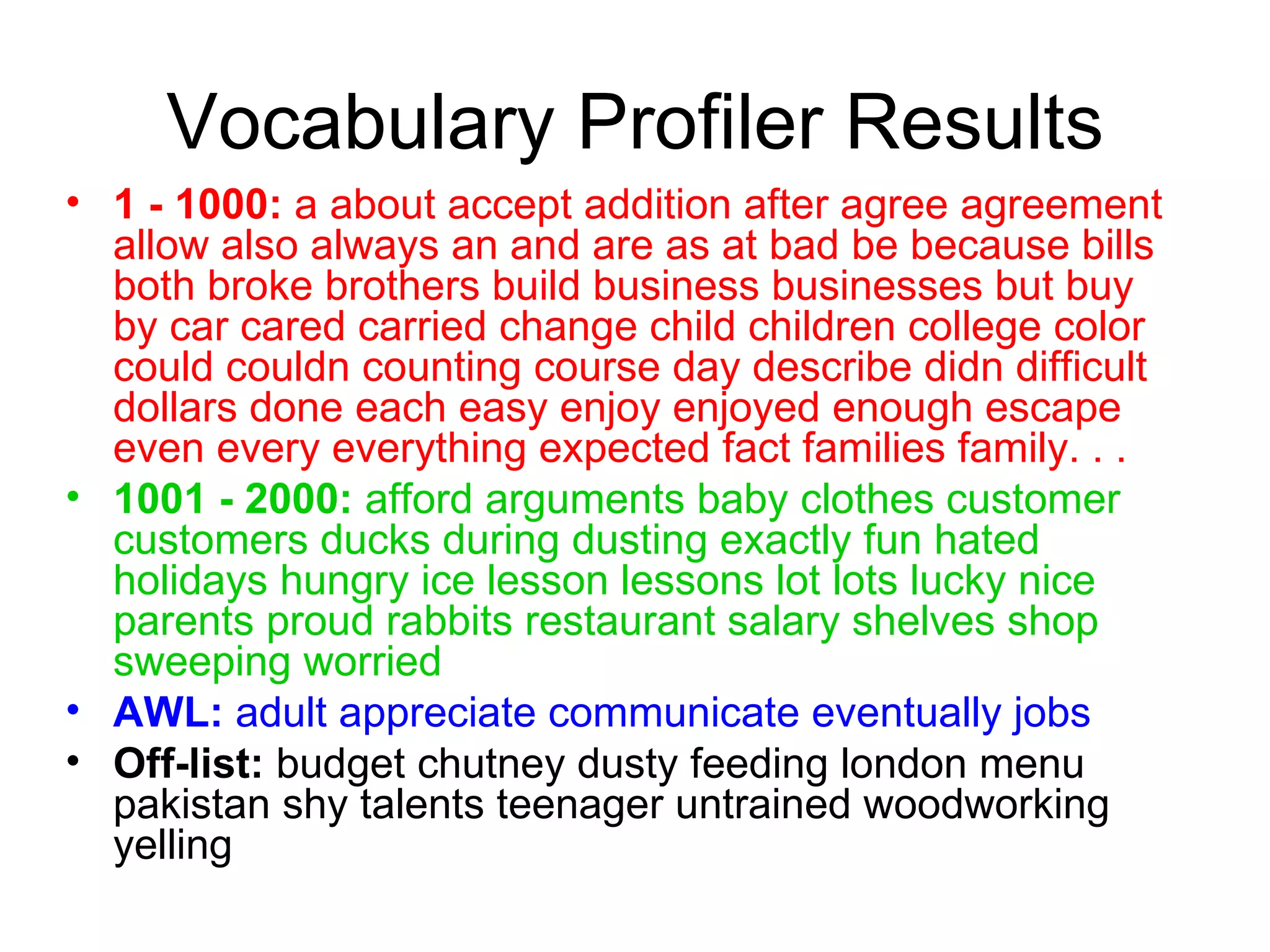
Vocabulary Profiler Results 1 - 1000:  a about accept addition after agree agreement allow also always an and are as at bad be because bills both broke brothers build business businesses but buy by car cared carried change child children college color could couldn counting course day describe didn difficult dollars done each easy enjoy enjoyed enough escape even every everything expected fact families family. . . 1001 - 2000:  afford arguments baby clothes customer customers ducks during dusting exactly fun hated holidays hungry ice lesson lessons lot lots lucky nice parents proud rabbits restaurant salary shelves shop sweeping worried  AWL:  adult appreciate communicate eventually jobs  Off-list:  budget chutney dusty feeding london menu pakistan shy talents teenager untrained woodworking yelling
General guidelines and principles for activities
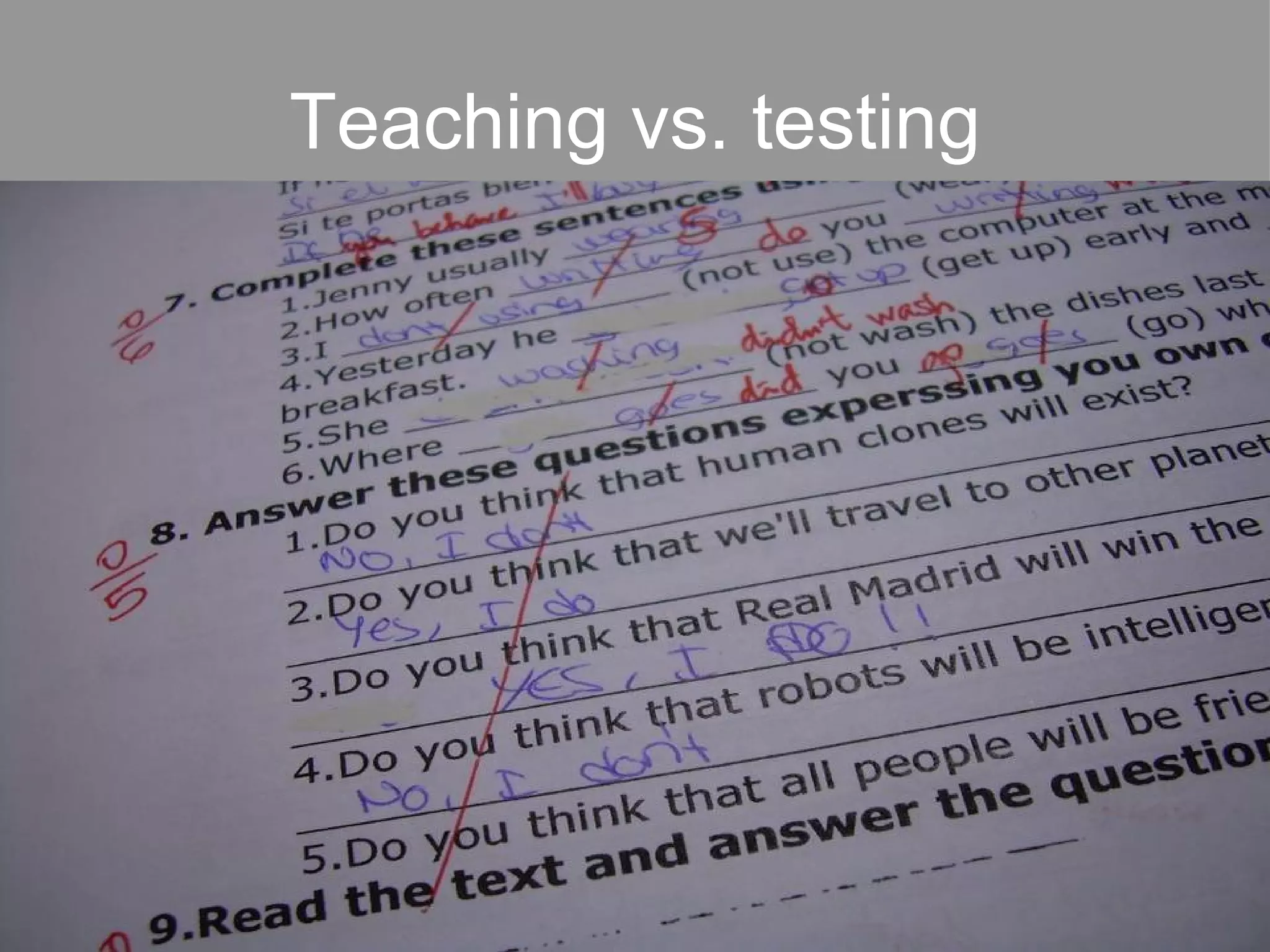
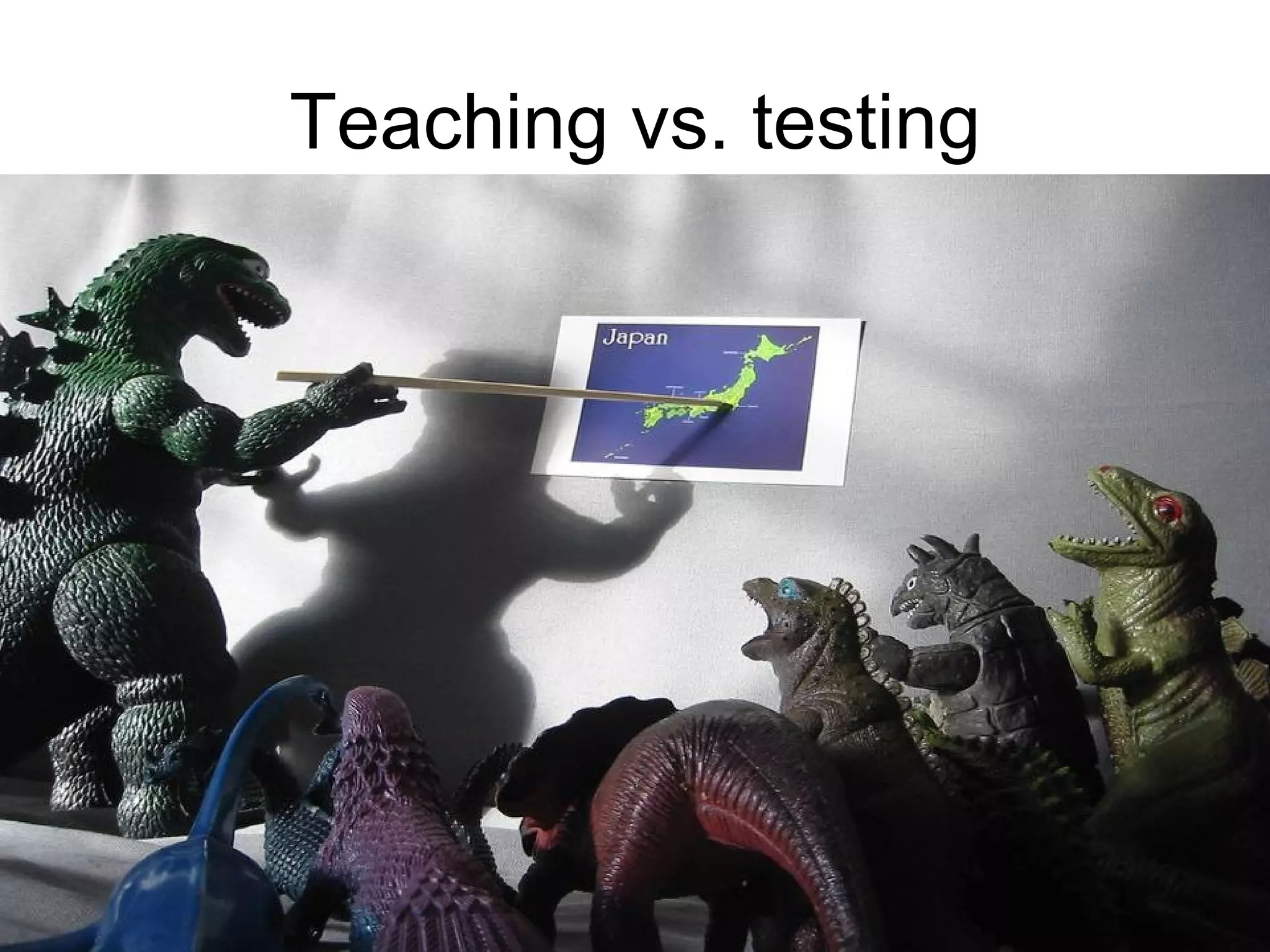
Teaching vs. testing
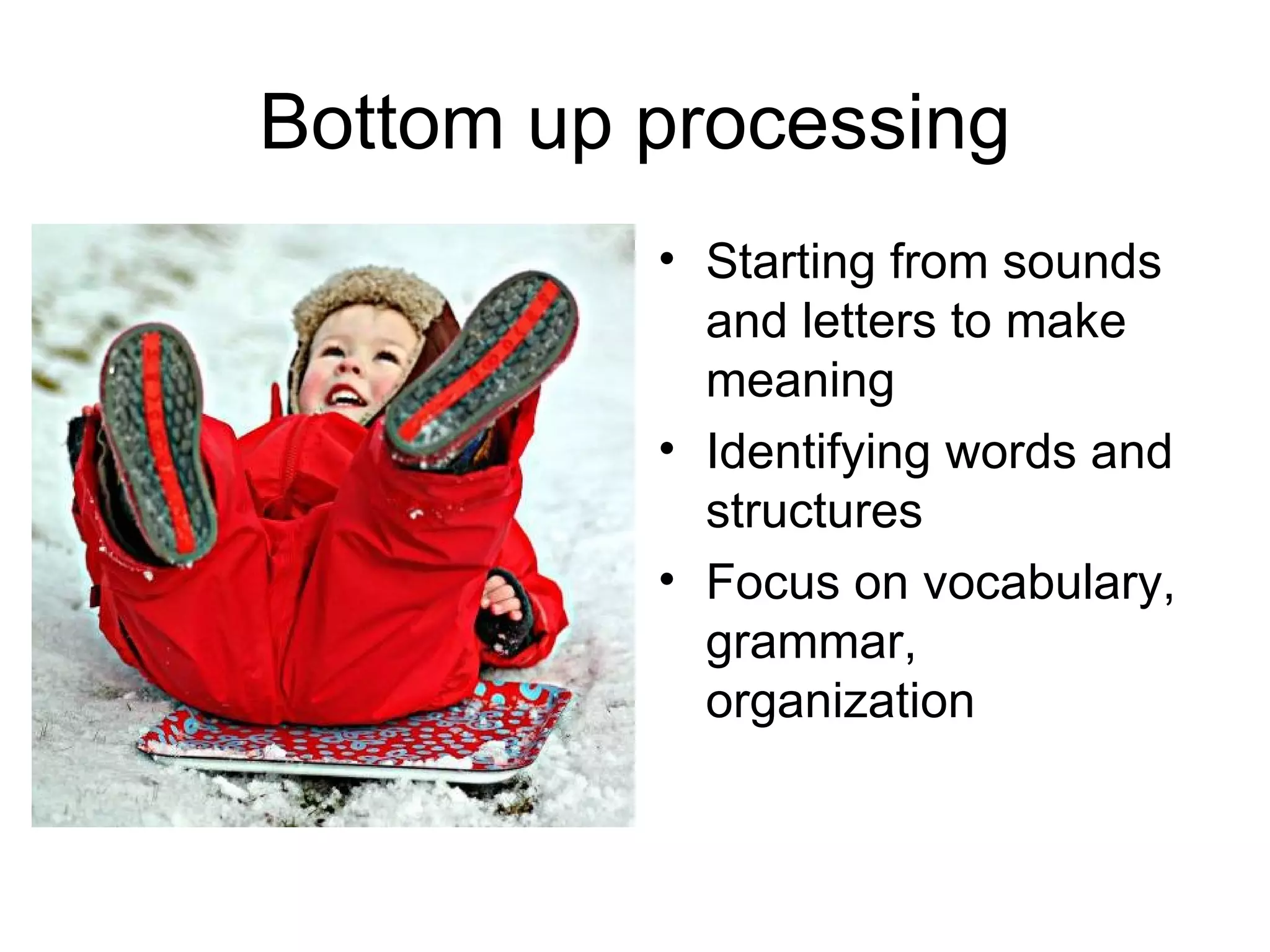
Bottom up processing Starting from sounds and letters to make meaning Identifying words and structures Focus on vocabulary, grammar, organization
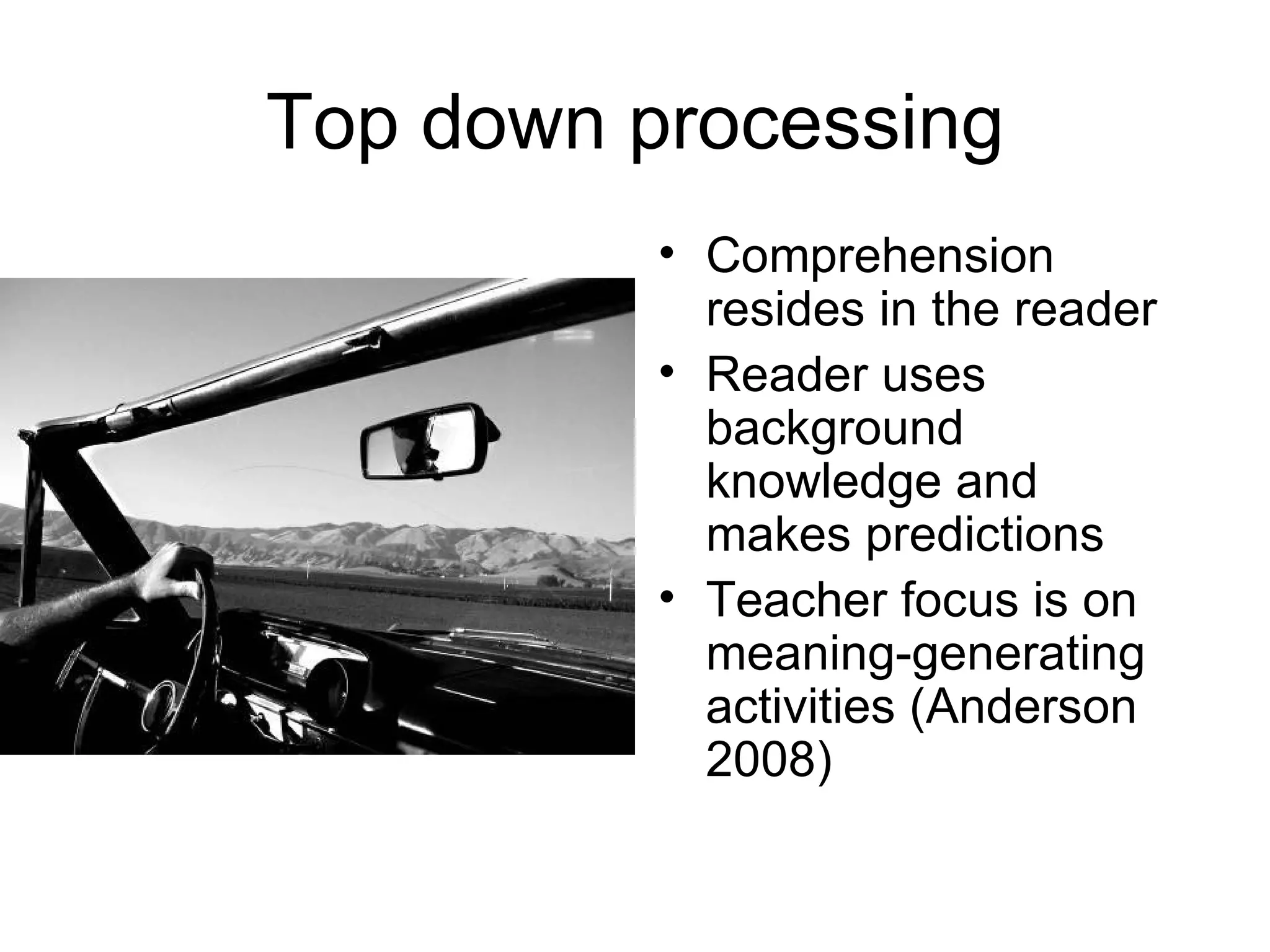
Top down processing Comprehension resides in the reader Reader uses background knowledge and makes predictions Teacher focus is on meaning-generating activities (Anderson 2008)
Top down or bottom up? Schema building to activate background knowledge Pre-teaching new vocabulary words Help students comprehend discourse structures Underline a grammar structure or verb tense Skip over vocabulary words you don’t know Write the number of a paragraph where you find the answer
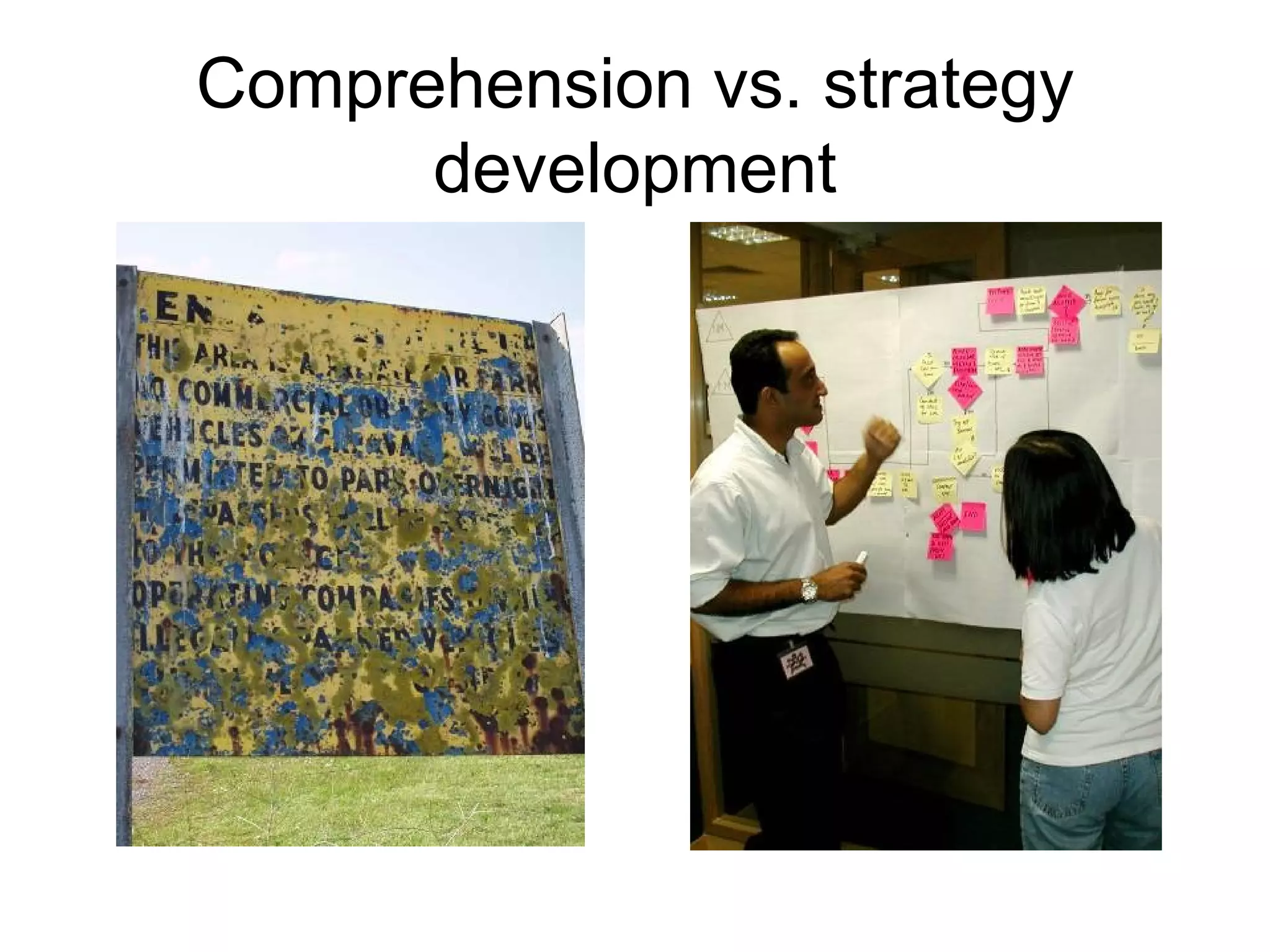
Comprehension vs. strategy development
Strategies Skim for ideas; scan for specific info Find the main idea Locate topic sentences Adjust reading rate relative to purpose Read and interpret tables, charts, maps… Make inferences about content Differentiate between fact and opinion
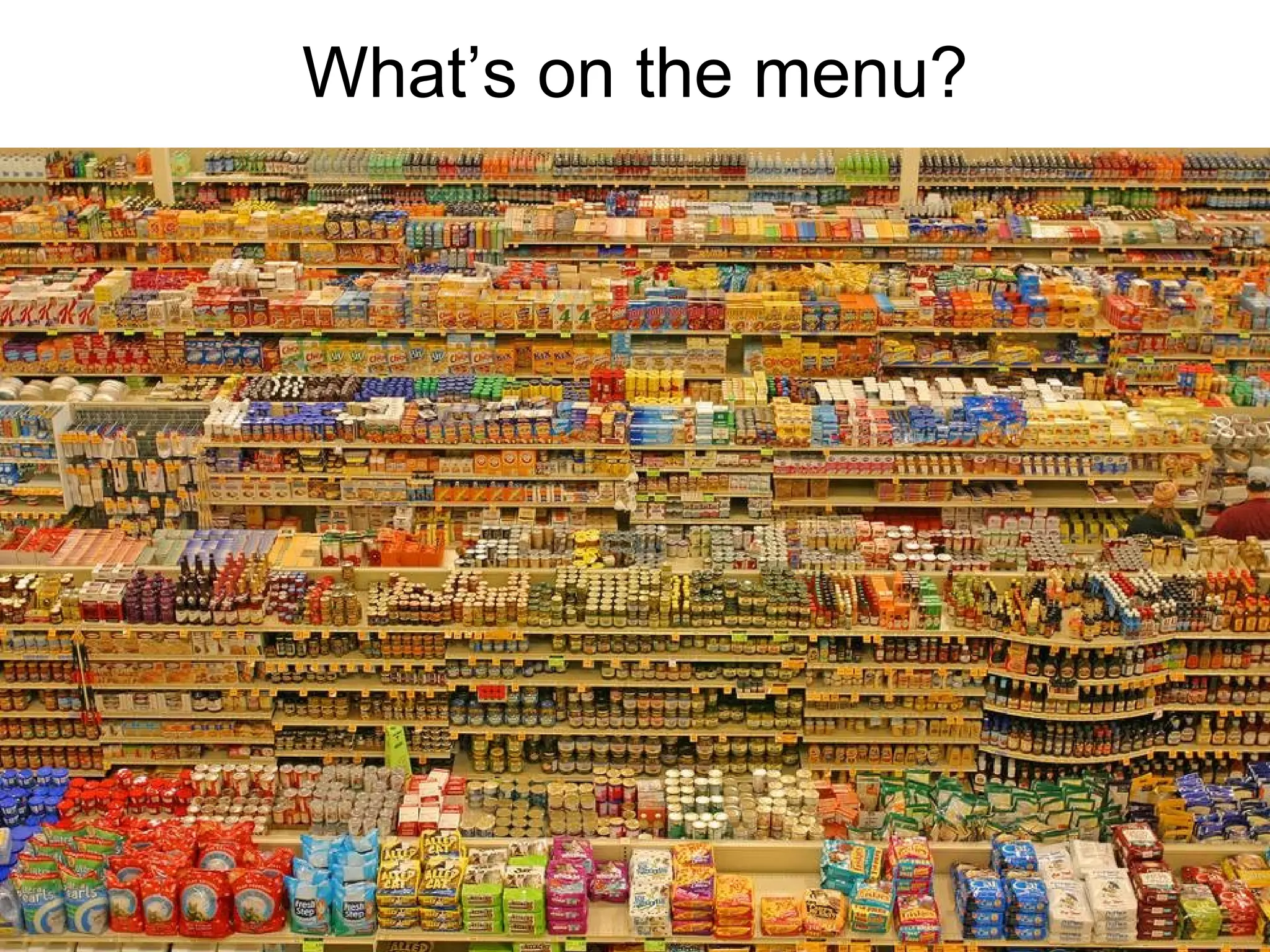
What’s on the menu?
Activity and Response Types Completing a table Sorting or grouping  Finding information in a reading Answering questions Writing a reflection Multiple choice Fill in the blank True-False Matching Sequencing Completing a graphic organizer
What makes an effective activity?
 
 
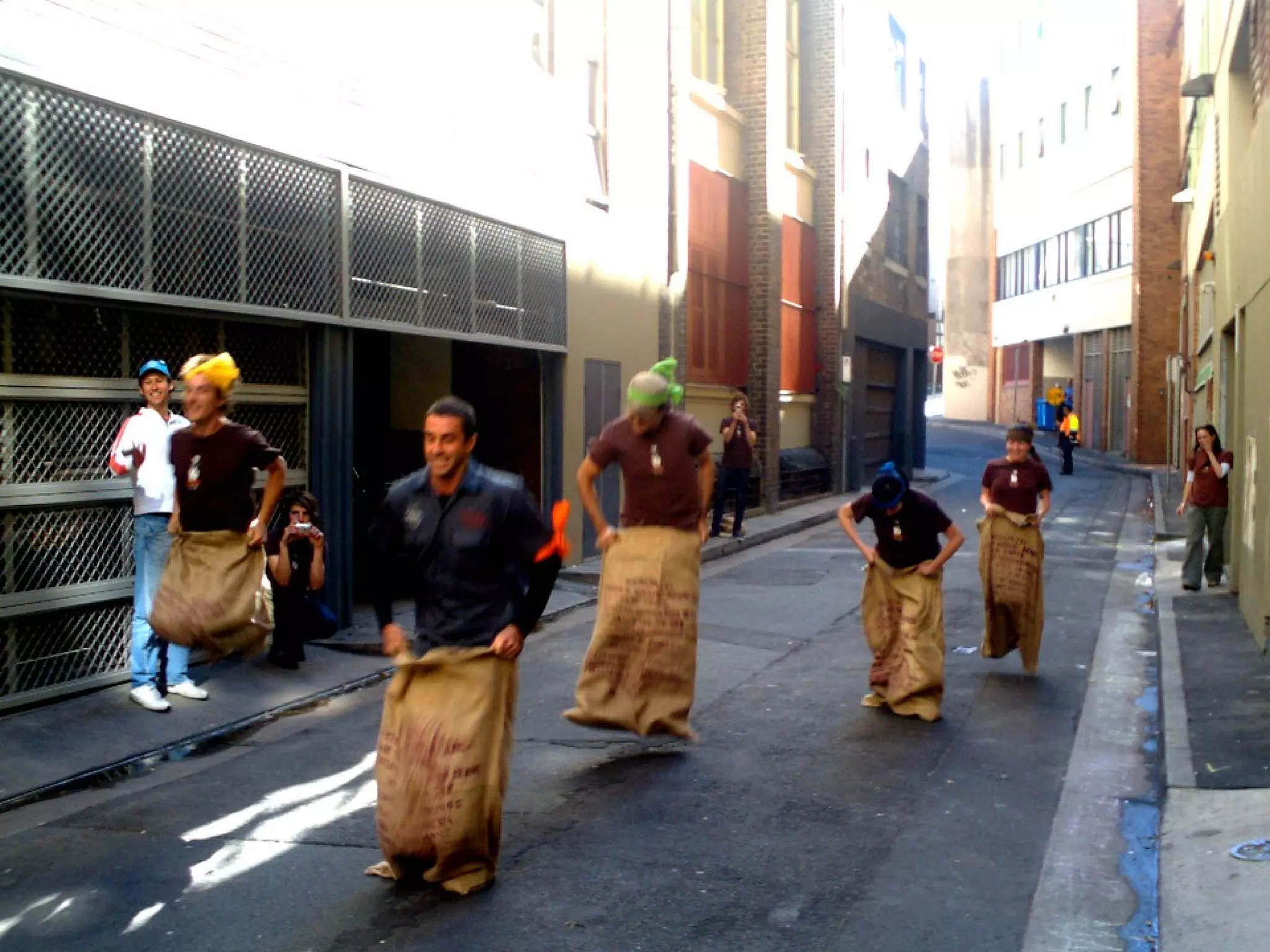
Motivating and engaging – sack race
 
 
Pump slide
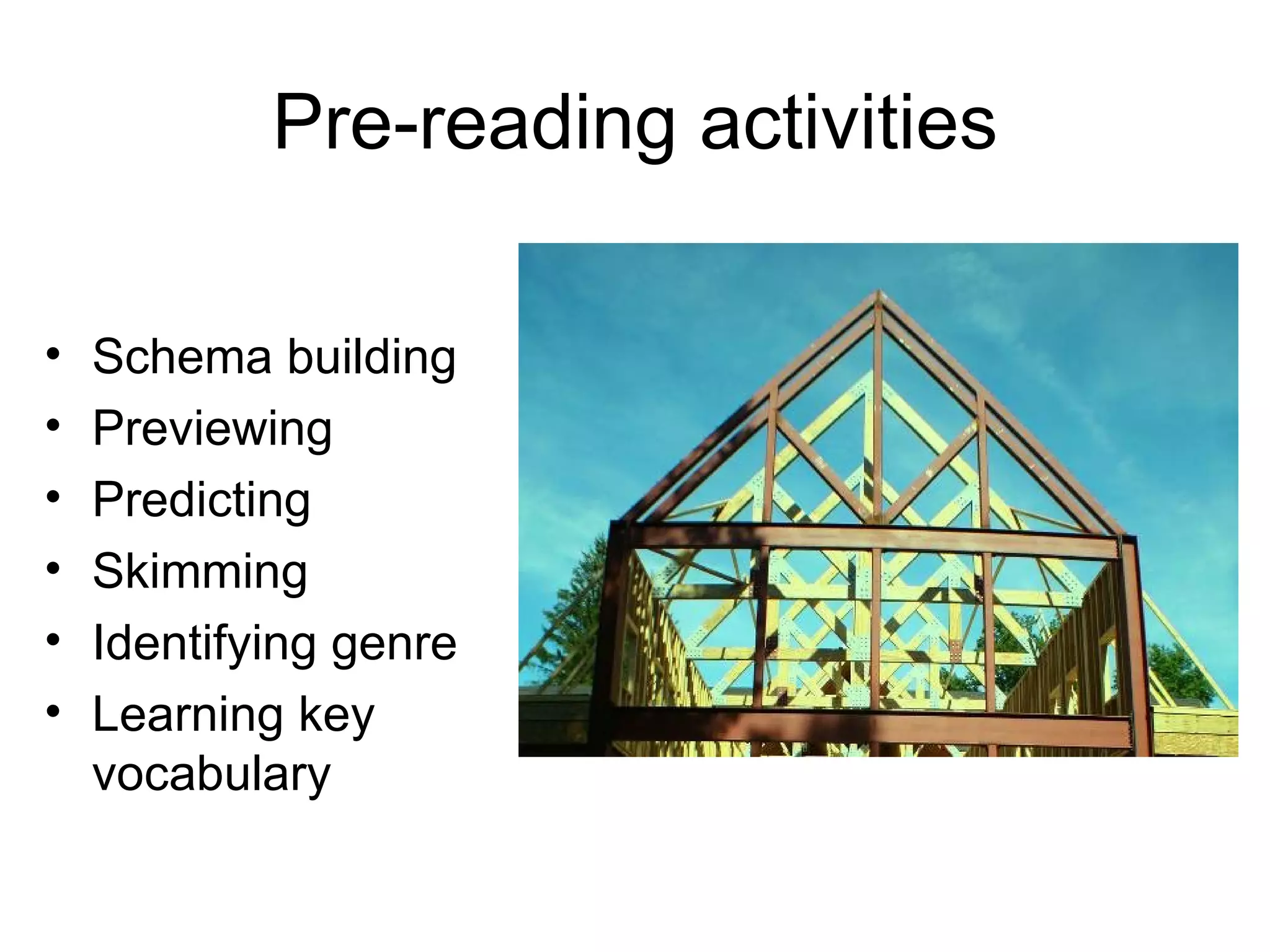
Pre-reading activities Schema building Previewing Predicting Skimming Identifying genre Learning key vocabulary
Schema building This reading is about the invention of the telephone.  What do you know about the topic?  List anything you know about the invention of the telephone. What do you want to know about the invention of the telephone?  Write questions.  After you read, you will fill in the chart with what you learned. What I know… My questions: I learned…
Previewing Preview the reading. Answer these questions. How many paragraphs are in the reading? How long will it take you to read? How many sections are there? What are the titles? Look at the photographs and read the captions. What new word is explained?
Predicting The author of the next reading has a negative opinion about reality TV shows.  What issues do you think the author will discuss in the reading?
Identifying genre Look at the magazine article. How is the format different from the newspaper article on page 17?  What other kinds of differences are there?
Learning key vocabulary Read the sentence. Choose the best definition for the bold word. 1. Company signs come in a  variety  of colors. a. different kinds  b. small choice c. unusual order
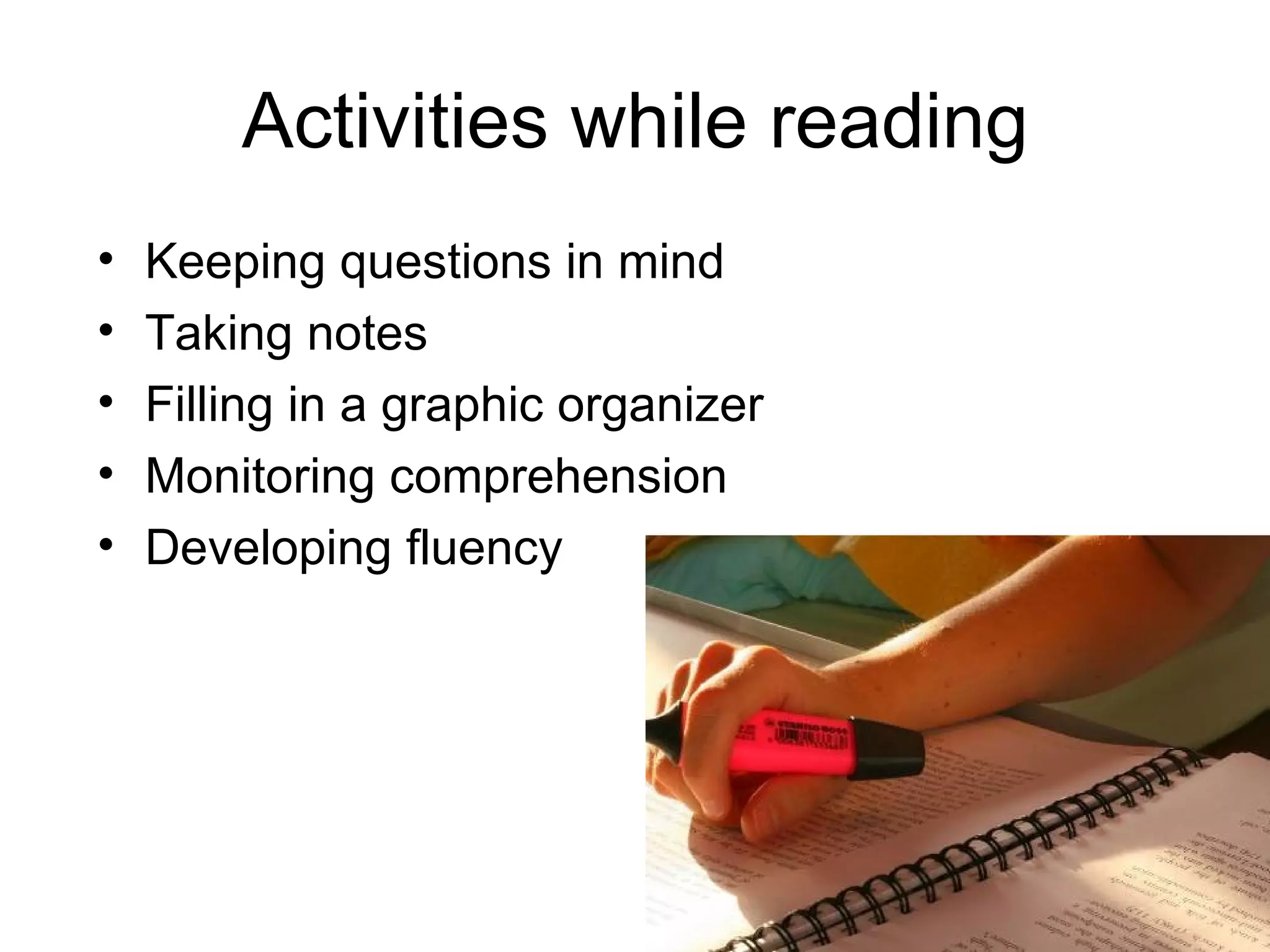
Activities while reading Keeping questions in mind Taking notes Filling in a graphic organizer Monitoring comprehension Developing fluency
Keeping questions in mind As you read, keep these questions in mind. What were three steps in the design process? What was the most difficult problem for the architects?
Underlining As you read, use a pencil and lightly underline important information. Only underline two points in each paragraph. Don’t underline complete sentences.
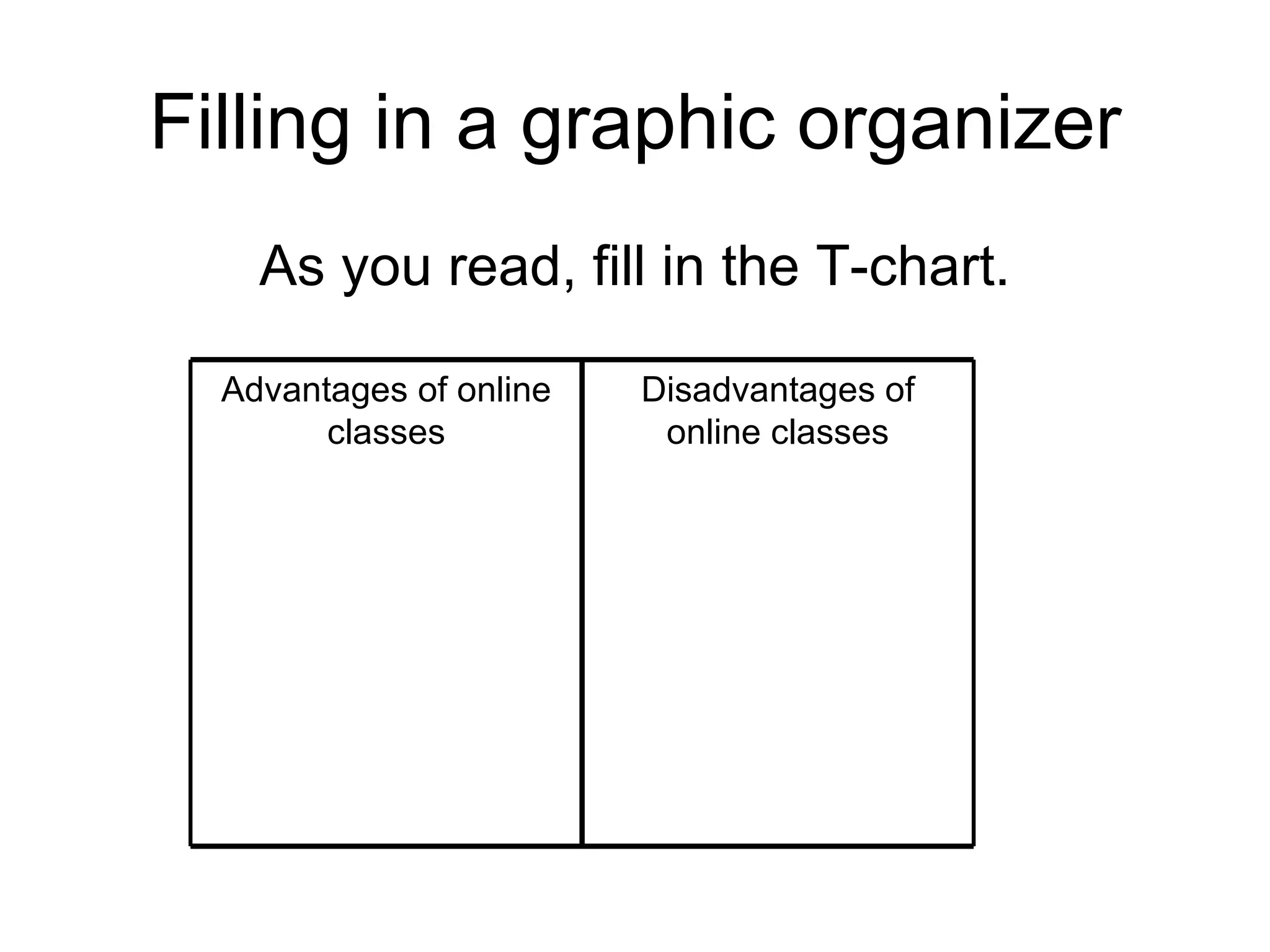
Filling in a graphic organizer As you read, fill in the T-chart. Disadvantages of online classes Advantages of online classes
Monitoring comprehension As you finish reading each section, answer the question. Section 1: Who conducts the survey for the most livable city? Section 2: Which city was the most livable city in 2009?  Why? Section 3:  What three factors make it a great city to live in?
Reading fluency Timed readings Word recognition exercises Capacity building
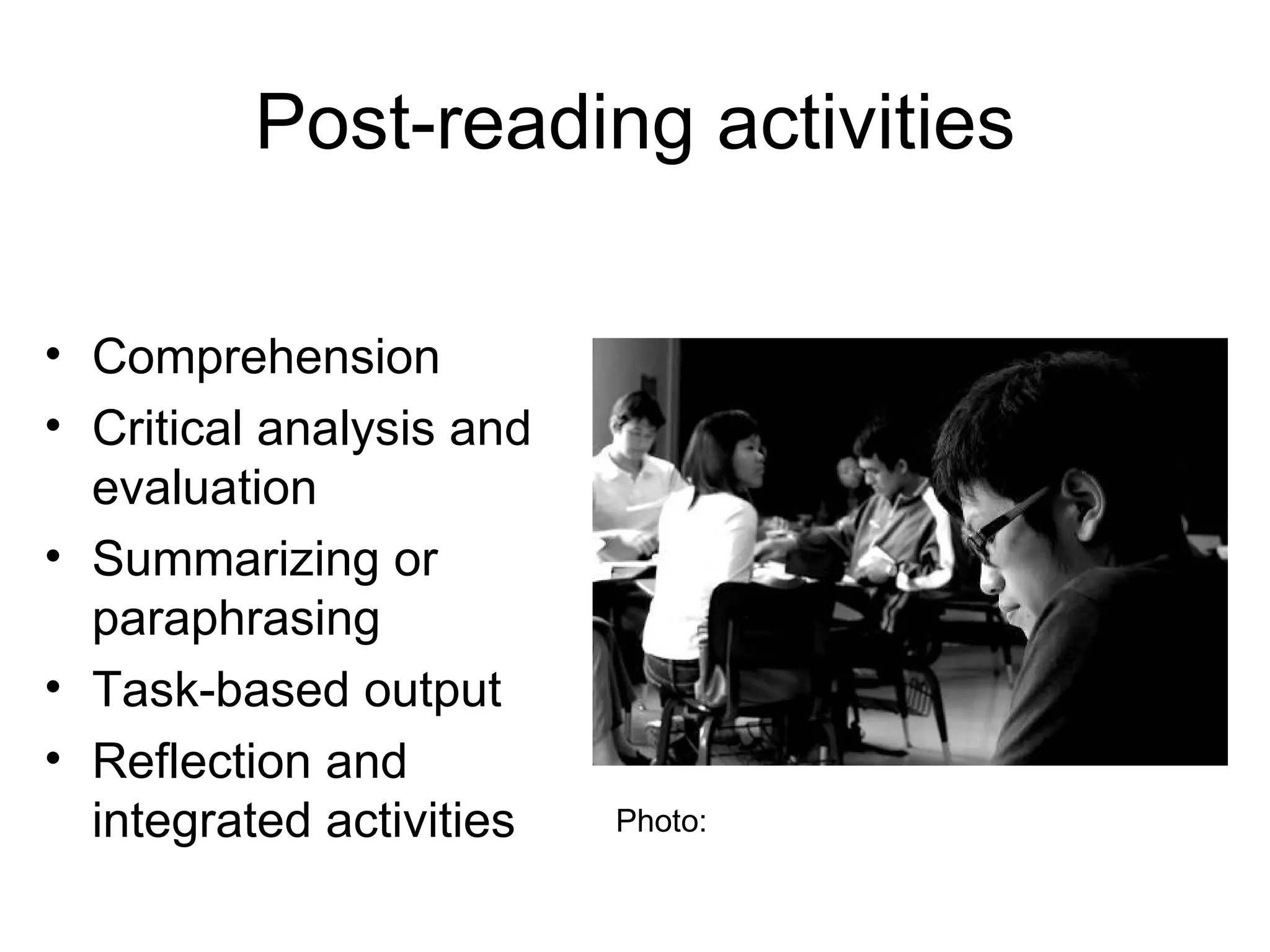
Post-reading activities Comprehension Critical analysis and evaluation Summarizing or paraphrasing Task-based output Reflection and integrated activities Photo:
Comprehension Answer these questions. Re-read the story if you need to. Why was the narrator afraid of the old man? What indications are there that the narrator is mad?
Critical analysis and evaluation In which lines of the reading does the author give factual information? In which lines does the author give her opinion. How do you know?
Summarizing or paraphrasing Write a paragraph in which you summarize the reading.  Write one sentence for each paragraph. Be sure to use your own words. Do not quote directly from the text.
Task-based output Go back to the section describing how to make a paper airplane.  Take a piece of paper and follow the instructions.  Show your airplane to your classmates.  Did everyone’s come out the same way?
Reflection and integrated activities Do you agree with the author that technology is bad for human relationships?  Write a paragraph giving your opinion.  Use quotations from the text to help focus your argument.
Putting it all together
Putting it all together Directions:   Read the text at the end of the handout. With a partner or in a small group, select two activities for  either   the pre-, during, or post- reading portion of the lesson. What activities would you choose? How would you design each activity?  What would the students need to  do  to complete these tasks?  How long would each task take to complete?
 
 
Photo Credits All photos from  flickr  used under a Creative Commons Attribution license  Snowy street  “striatic” Shopper in aisle  “Elsie esq” Rabbit reading email Toms Baugis Amazed child with book Pierre Vignau Shelf of books Alan Levine Soccer girls “Randy, son of Robert” B& W book and feet “striatic” Punk girl reading “txd” Vocabulary list “Autumn Bliss” Blueprints Todd Ehlers Test “sergis blog” Dinosaur classroom “worldislandinfo.com” Bottom up Judith Green Top down Marya “emdot”
Photo credits All photos from  flickr  used under a Creative Commons Attribution license  Disintegrating sign Peter Morgan Strategy Joe McVeigh Aisles of choices Lyza Danger Clear water swimmers Lali Masriera Pole vaulter “latvian” Sack race Ian Chalmers Gears “Ralphbijkers” Yellow chain Jurek Durczak Pump “Tinyfroglet” Framed house Stephen Brotschul Hand with highlighter Steph McGlenchy B & W classroom Chuck Phillips, U. of Arizona CESL Puzzle “Antoanetta” Question mark Ethan Lofton Blue bear Jeff Turner Flower and sky Joanne Quirante-Escober
Materials Writers Interest Section Come to the open meeting 5-7pm CC 602 Visit the booth in the exhibit area Check your program book on p. 214 for more sessions Join the MWIS e-list through TESOL
Come to our other presentations Pathways to Successful Co-authoring Friday, 7-7:45 AM  CC 503 Daphne Mackey & Jennifer Bixby The World of Freelance ESL Editing Saturday, 5-5:45  CC 506 Dorothy Zemach & Jennifer Bixby  Exploring College Slang Friday, 11-11:45  CC 504 Joe McVeigh & Ann Wintergerst Current Trends in ESL/EFL Publishing Saturday, 3-4:45  CC 304 Joe McVeigh, Louisa Hellegers, PietroAlongi, Sherrise Roehr, Laura Pearson
Thank you Download the PowerPoint slides www.joemcveigh.org/resources

Designing Effective Reading Activities

  • 1.
    Designing Effective ReadingActivities Jennifer Bixby Joe McVeigh
  • 2.
  • 3.
  • 4.
  • 5.
  • 6.
  • 7.
  • 8.
    Vocabulary Development Usinga dictionary Recognizing word forms Identifying affixes and roots Understanding collocations Guessing meaning from context
  • 9.
    Checking on thevocabulary level Use a vocabulary profiler such as this one at the English Centre at the University of Hong Kong http://ec.hku.hk/vocabulary/profile.htm
  • 10.
    Vocabulary Profiler ResultsFrequency Percentage 1 - 1000 words 703 92.1% 1001 - 2000 words 42 5.5% AWL words 5 0.6% Off-list words 13 1.7%
  • 11.
    Vocabulary Profiler Results1 - 1000: a about accept addition after agree agreement allow also always an and are as at bad be because bills both broke brothers build business businesses but buy by car cared carried change child children college color could couldn counting course day describe didn difficult dollars done each easy enjoy enjoyed enough escape even every everything expected fact families family. . . 1001 - 2000: afford arguments baby clothes customer customers ducks during dusting exactly fun hated holidays hungry ice lesson lessons lot lots lucky nice parents proud rabbits restaurant salary shelves shop sweeping worried AWL: adult appreciate communicate eventually jobs Off-list: budget chutney dusty feeding london menu pakistan shy talents teenager untrained woodworking yelling
  • 12.
    General guidelines andprinciples for activities
  • 13.
  • 14.
  • 15.
    Bottom up processingStarting from sounds and letters to make meaning Identifying words and structures Focus on vocabulary, grammar, organization
  • 16.
    Top down processingComprehension resides in the reader Reader uses background knowledge and makes predictions Teacher focus is on meaning-generating activities (Anderson 2008)
  • 17.
    Top down orbottom up? Schema building to activate background knowledge Pre-teaching new vocabulary words Help students comprehend discourse structures Underline a grammar structure or verb tense Skip over vocabulary words you don’t know Write the number of a paragraph where you find the answer
  • 18.
  • 19.
    Strategies Skim forideas; scan for specific info Find the main idea Locate topic sentences Adjust reading rate relative to purpose Read and interpret tables, charts, maps… Make inferences about content Differentiate between fact and opinion
  • 20.
  • 21.
    Activity and ResponseTypes Completing a table Sorting or grouping Finding information in a reading Answering questions Writing a reflection Multiple choice Fill in the blank True-False Matching Sequencing Completing a graphic organizer
  • 22.
    What makes aneffective activity?
  • 23.
  • 24.
  • 25.
  • 26.
  • 27.
  • 28.
  • 29.
    Pre-reading activities Schemabuilding Previewing Predicting Skimming Identifying genre Learning key vocabulary
  • 30.
    Schema building Thisreading is about the invention of the telephone. What do you know about the topic? List anything you know about the invention of the telephone. What do you want to know about the invention of the telephone? Write questions. After you read, you will fill in the chart with what you learned. What I know… My questions: I learned…
  • 31.
    Previewing Preview thereading. Answer these questions. How many paragraphs are in the reading? How long will it take you to read? How many sections are there? What are the titles? Look at the photographs and read the captions. What new word is explained?
  • 32.
    Predicting The authorof the next reading has a negative opinion about reality TV shows. What issues do you think the author will discuss in the reading?
  • 33.
    Identifying genre Lookat the magazine article. How is the format different from the newspaper article on page 17? What other kinds of differences are there?
  • 34.
    Learning key vocabularyRead the sentence. Choose the best definition for the bold word. 1. Company signs come in a variety of colors. a. different kinds b. small choice c. unusual order
  • 35.
    Activities while readingKeeping questions in mind Taking notes Filling in a graphic organizer Monitoring comprehension Developing fluency
  • 36.
    Keeping questions inmind As you read, keep these questions in mind. What were three steps in the design process? What was the most difficult problem for the architects?
  • 37.
    Underlining As youread, use a pencil and lightly underline important information. Only underline two points in each paragraph. Don’t underline complete sentences.
  • 38.
    Filling in agraphic organizer As you read, fill in the T-chart. Disadvantages of online classes Advantages of online classes
  • 39.
    Monitoring comprehension Asyou finish reading each section, answer the question. Section 1: Who conducts the survey for the most livable city? Section 2: Which city was the most livable city in 2009? Why? Section 3: What three factors make it a great city to live in?
  • 40.
    Reading fluency Timedreadings Word recognition exercises Capacity building
  • 41.
    Post-reading activities ComprehensionCritical analysis and evaluation Summarizing or paraphrasing Task-based output Reflection and integrated activities Photo:
  • 42.
    Comprehension Answer thesequestions. Re-read the story if you need to. Why was the narrator afraid of the old man? What indications are there that the narrator is mad?
  • 43.
    Critical analysis andevaluation In which lines of the reading does the author give factual information? In which lines does the author give her opinion. How do you know?
  • 44.
    Summarizing or paraphrasingWrite a paragraph in which you summarize the reading. Write one sentence for each paragraph. Be sure to use your own words. Do not quote directly from the text.
  • 45.
    Task-based output Goback to the section describing how to make a paper airplane. Take a piece of paper and follow the instructions. Show your airplane to your classmates. Did everyone’s come out the same way?
  • 46.
    Reflection and integratedactivities Do you agree with the author that technology is bad for human relationships? Write a paragraph giving your opinion. Use quotations from the text to help focus your argument.
  • 47.
  • 48.
    Putting it alltogether Directions: Read the text at the end of the handout. With a partner or in a small group, select two activities for either the pre-, during, or post- reading portion of the lesson. What activities would you choose? How would you design each activity? What would the students need to do to complete these tasks? How long would each task take to complete?
  • 49.
  • 50.
  • 51.
    Photo Credits Allphotos from flickr used under a Creative Commons Attribution license Snowy street “striatic” Shopper in aisle “Elsie esq” Rabbit reading email Toms Baugis Amazed child with book Pierre Vignau Shelf of books Alan Levine Soccer girls “Randy, son of Robert” B& W book and feet “striatic” Punk girl reading “txd” Vocabulary list “Autumn Bliss” Blueprints Todd Ehlers Test “sergis blog” Dinosaur classroom “worldislandinfo.com” Bottom up Judith Green Top down Marya “emdot”
  • 52.
    Photo credits Allphotos from flickr used under a Creative Commons Attribution license Disintegrating sign Peter Morgan Strategy Joe McVeigh Aisles of choices Lyza Danger Clear water swimmers Lali Masriera Pole vaulter “latvian” Sack race Ian Chalmers Gears “Ralphbijkers” Yellow chain Jurek Durczak Pump “Tinyfroglet” Framed house Stephen Brotschul Hand with highlighter Steph McGlenchy B & W classroom Chuck Phillips, U. of Arizona CESL Puzzle “Antoanetta” Question mark Ethan Lofton Blue bear Jeff Turner Flower and sky Joanne Quirante-Escober
  • 53.
    Materials Writers InterestSection Come to the open meeting 5-7pm CC 602 Visit the booth in the exhibit area Check your program book on p. 214 for more sessions Join the MWIS e-list through TESOL
  • 54.
    Come to ourother presentations Pathways to Successful Co-authoring Friday, 7-7:45 AM CC 503 Daphne Mackey & Jennifer Bixby The World of Freelance ESL Editing Saturday, 5-5:45 CC 506 Dorothy Zemach & Jennifer Bixby Exploring College Slang Friday, 11-11:45 CC 504 Joe McVeigh & Ann Wintergerst Current Trends in ESL/EFL Publishing Saturday, 3-4:45 CC 304 Joe McVeigh, Louisa Hellegers, PietroAlongi, Sherrise Roehr, Laura Pearson
  • 55.
    Thank you Downloadthe PowerPoint slides www.joemcveigh.org/resources