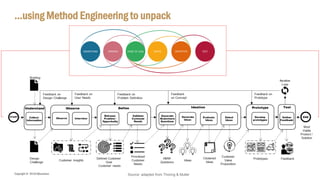
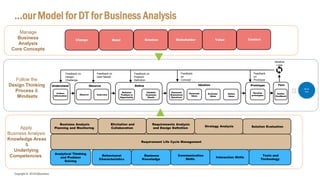
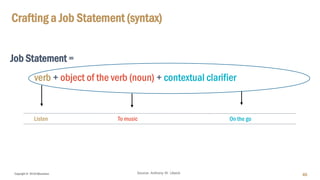
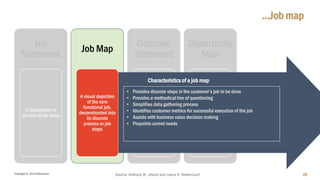
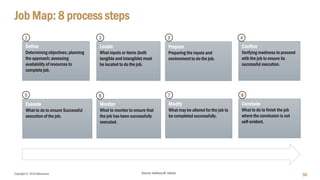
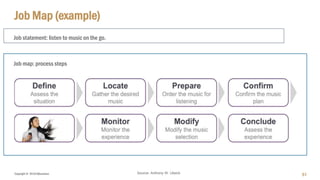
The document discusses the integration of design thinking into business analysis, emphasizing the importance of understanding, observing, defining, ideating, and evaluating customer needs and solutions. It outlines how these methodologies facilitate innovation and enable analysts to create value for stakeholders by addressing unmet needs. Additionally, it highlights the iterative nature of design thinking and the use of various techniques such as job statements and outcome maps to inform business decisions.

Presentation by Tshepo & Sipho introduces the concept of Design Thinking for Business Analysis, followed by an icebreaker session for attendees.
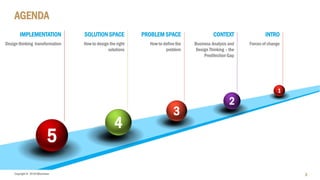
The agenda outlines the problem space, solution space, implementation, context, and introduction aspects of Design Thinking.
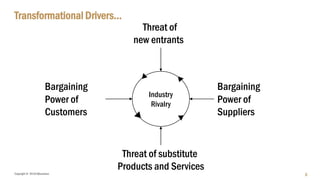
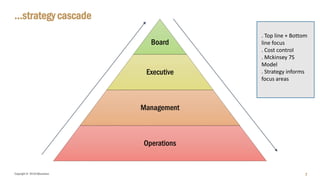
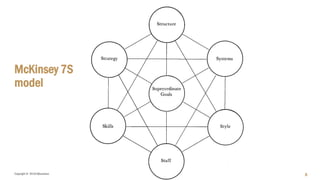
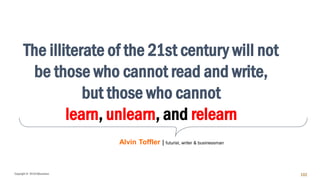
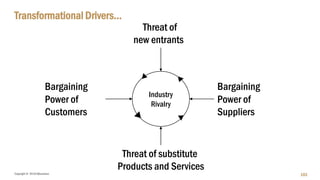
Quotation by Alvin Toffler highlights the need for adaptability. Key transformational drivers address competition, customer power, and strategic models.
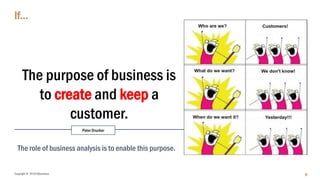
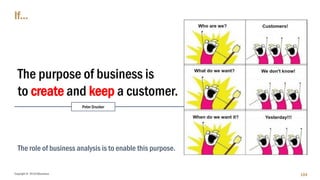
Peter Drucker's perspective emphasizes the role of business analysis in customer retention, focusing on how analysts create business value.
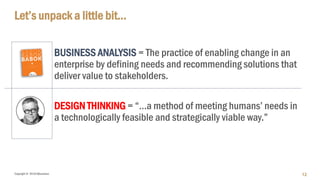
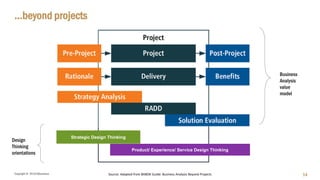
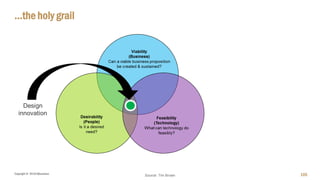
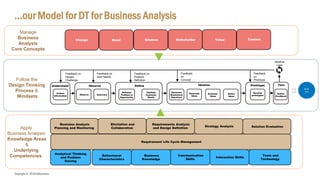
Introduction to combining Business Analysis with Design Thinking for effective change management and value delivery.
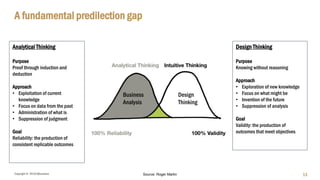
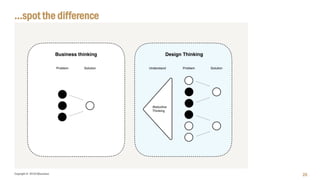
Comparison of Analytical Thinking and Design Thinking processes, highlighting their purposes, approaches, and goals.
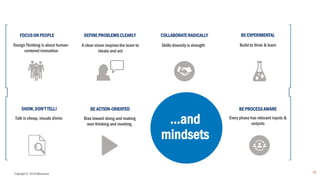
Focus on human-centered innovation, key processes in design thinking, and the importance of collaboration and experimentation.
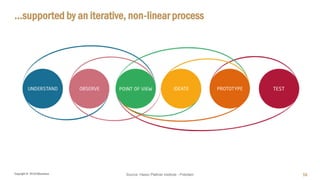
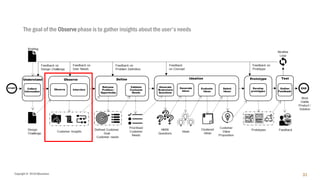
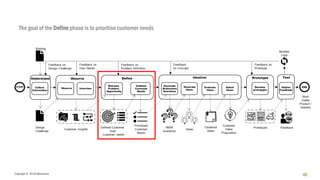
Introducing processes of understanding, observing, defining problems, and validating customer needs using Design Thinking.
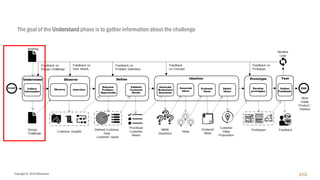
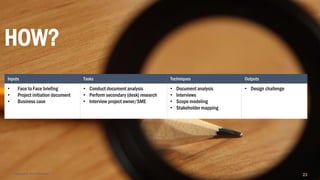
Goals of the Understand phase are detailed, emphasizing information gathering, stakeholder consultation, and clarity in project objectives.
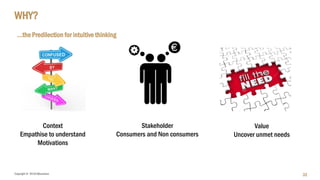
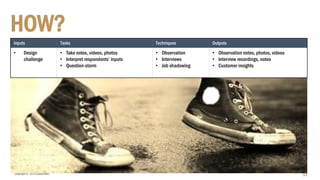
Focus on understanding user motivations, behaviors, and needs through observation techniques for effective design.
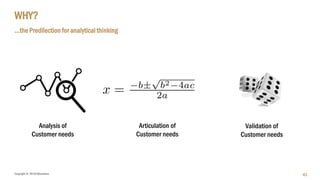
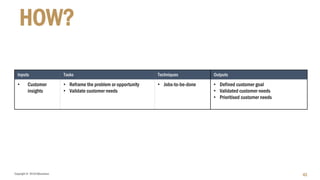
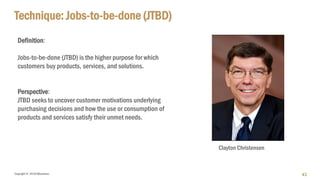
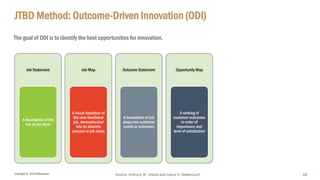
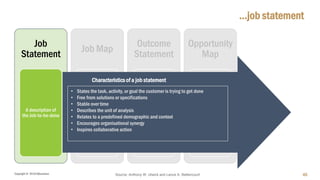
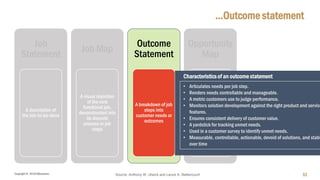
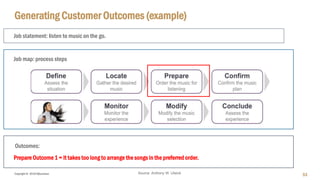
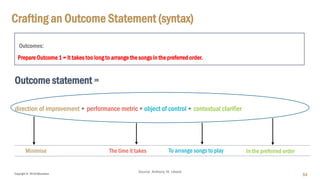
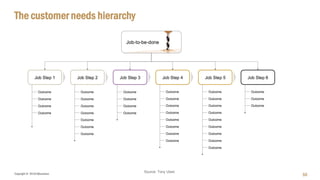
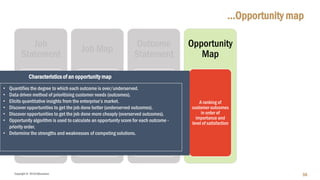
Emphasizes prioritizing and articulating customer needs through analysis, validation, and defining Jobs-to-be-Done (JTBD).
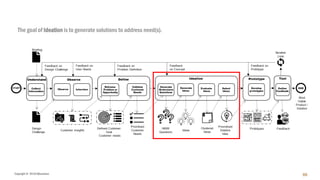
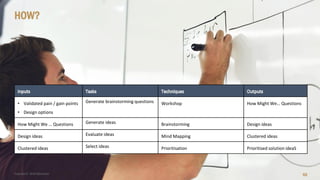
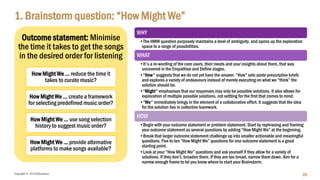
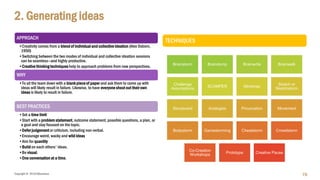
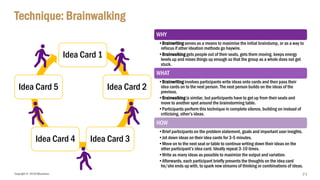
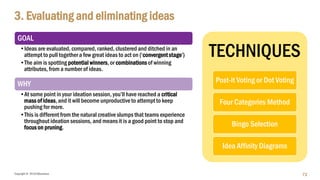
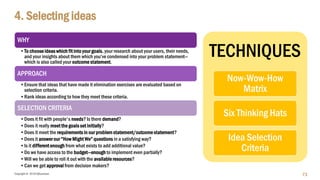
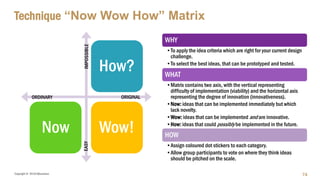
The Ideation phase aims to create and evaluate solutions through brainstorming, utilizing techniques like 'How Might We' questions.

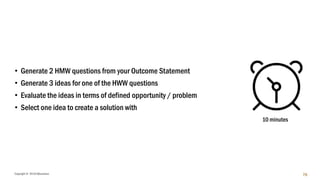
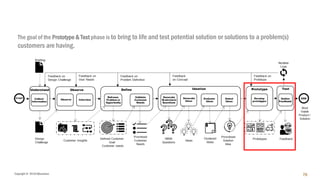
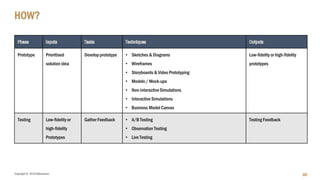
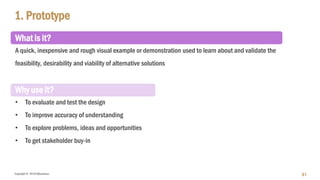
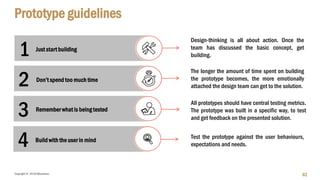
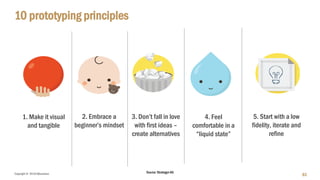
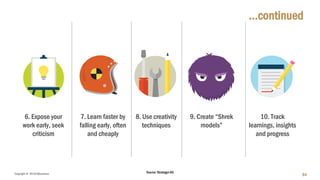
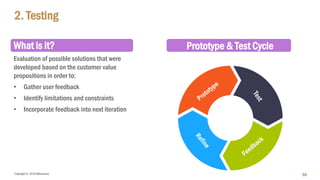
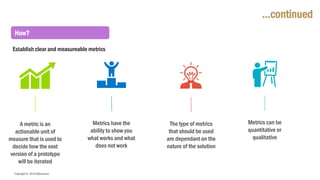
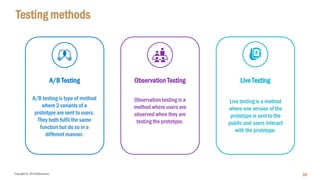
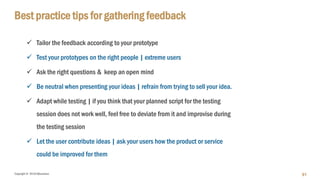
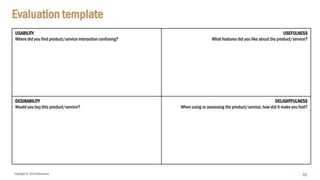
Detailed strategies and best practices for prototyping and testing, focusing on gathering feedback and refining solutions.

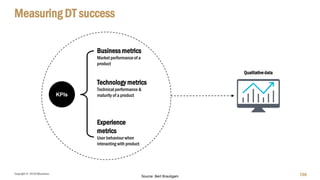
KPIs and different metrics (business, technology, experience) to measure the success of Design Thinking implementations.
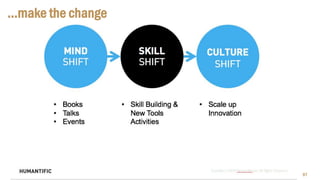
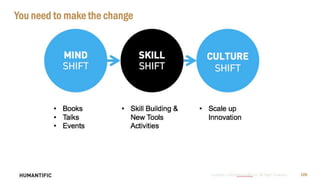
Closing the presentation with a call for action to embrace change and the importance of continuous adaptation.

Final slide provides contact details for Tshepo Matjila and Sipho Sepeng for further inquiries.