D-Dimer Blood Test
Submitted by
Mr.A.Ajith Bsc . Microbiology DMLT
D – Dimer Blood Test
 D-DimerTest
 A D-dimer test looks for D-dimer in blood.D-dimer is a protein fragment
(small piece) that's made when a bloodclot dissolves in your body.
 Blood clottingis an important process that prevents you from losing too much
blood when you are injured. Normally, your body will dissolve the clot once
your injury has healed. With a blood clottingdisorder, clots can form when you
don't have an obvious injury or don't dissolve when they should. These
conditionscan be very serious and even life-threatening. AD-dimer test can
show if you have one of these conditions.
 Other names: fragment D-dimer, fibrin degradation fragment
 USED FOR
 A D.DIMER test is most oftern used to find out the whetheryou have blood
clot disorder. These disorder include
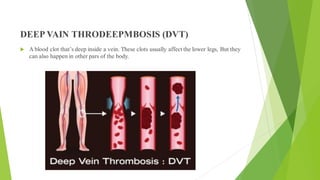
DEEP VAIN THRODEEPMBOSIS (DVT)
 A blood clot that’s deep inside a vein. These clots usually affect the lower legs, But they
can also happen in other pars of the body.
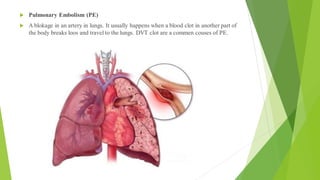
 Pulmonary Embolism (PE)
 A blokage in an artery in lungs. It usually happens when a blood clot in another part of
the body breaks loos and travel to the lungs. DVT clot are a commen couses of PE.
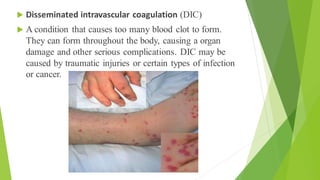
 Disseminated intravascular coagulation (DIC)
 A condition that causes too many blood clot to form.
They can form throughout the body, causing a organ
damage and other serious complications. DIC may be
caused by traumatic injuries or certain types of infection
or cancer.
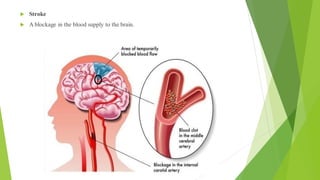
 Stroke
 A blockage in the blood supply to the brain.
 Risks Factors D-dimertest
 You may have slight pain or bruising at the spot where the needlewas put in,
but most symptoms go away quickly.
 results mean
 If your results show low or normal D-dimer levels in the blood, it means you
probablydon't have a clottingdisorder.
 If your results show higher than normal levels of
 D-dimer, it may mean you have a clotting disorder.

 But it cannot show where the clot is located or what type of clottingdisorder
you have. Also, high D-dimer levels are not always caused by clotting
problems. Other conditionsthat can cause high D-dimerlevels
includepregnancy, heart disease, and recent surgery. If your D-dimer
results were not normal, your provider will probablyorder more tests to make a
diagnosis.
 If you have questionsabout your results, talk to your health care provider.
 Learn more about laboratorytests, reference ranges, and understandingresults.
 Testing Purpose
 Blood clotting disorder, such as deep vein thrombosis (DVT) or a
pulmonary embolism (PE).
 Symptoms of DVT include:
 Leg pain or tenderness
 Leg swelling
 Redness or red streaks on the legs
 Symptoms of PE include:
 Trouble breathing
 Cough
 Chest pain
 Rapid heartbeat
 Risks Factors D-dimer test
 You may have slight pain or bruising at the spot where the needle was put in, but most
symptoms go away quickly.
 results mean
 If your results show low or normal D-dimer levels in the blood, it means you probably
don't have a clotting disorder.
 If your results show higher than normal levels of
 D-dimer, it may mean you have a clotting disorder.

 But it cannot show where the clot is located or what type of clotting disorder you have.
Also, high D-dimer levels are not always caused by clotting problems. Other
conditions that can cause high D-dimer levels include pregnancy, heart disease,
and recent surgery. If your D-dimer results were not normal, your provider will
probably order more tests to make a diagnosis.
 If you have questions about your results, talk to your health care provider.
 Learn more about laboratory tests, reference ranges, and understanding results.

 Is there anything else I need to know about a D-dimer test?
 If your D-dimer test results were not normal, your provider may
order one or more imaging tests to find out if you have a clotting
disorder. These include:
 Doppler ultrasound, a test that uses sound waves to create
images of your veins.
 CT angiography. In this test, you are injected with a special dye
that helps your blood vessels show up on a special type of x-
ray machine.
 Ventilation-perfusion (V/Q) scan. These are two tests that may
be done separately or together. They both use small amounts of
radioactive substances to help a scanning machine see how well
air and blood move through your lungs.

Thank you
A.AJITH Bsc.Microbiology. DMLT.,

D dimer

  • 1.
    D-Dimer Blood Test Submittedby Mr.A.Ajith Bsc . Microbiology DMLT
  • 2.
    D – DimerBlood Test  D-DimerTest  A D-dimer test looks for D-dimer in blood.D-dimer is a protein fragment (small piece) that's made when a bloodclot dissolves in your body.  Blood clottingis an important process that prevents you from losing too much blood when you are injured. Normally, your body will dissolve the clot once your injury has healed. With a blood clottingdisorder, clots can form when you don't have an obvious injury or don't dissolve when they should. These conditionscan be very serious and even life-threatening. AD-dimer test can show if you have one of these conditions.  Other names: fragment D-dimer, fibrin degradation fragment  USED FOR  A D.DIMER test is most oftern used to find out the whetheryou have blood clot disorder. These disorder include
  • 3.
    DEEP VAIN THRODEEPMBOSIS(DVT)  A blood clot that’s deep inside a vein. These clots usually affect the lower legs, But they can also happen in other pars of the body.
  • 4.
     Pulmonary Embolism(PE)  A blokage in an artery in lungs. It usually happens when a blood clot in another part of the body breaks loos and travel to the lungs. DVT clot are a commen couses of PE.
  • 5.
     Disseminated intravascularcoagulation (DIC)  A condition that causes too many blood clot to form. They can form throughout the body, causing a organ damage and other serious complications. DIC may be caused by traumatic injuries or certain types of infection or cancer.
  • 6.
     Stroke  Ablockage in the blood supply to the brain.
  • 7.
     Risks FactorsD-dimertest  You may have slight pain or bruising at the spot where the needlewas put in, but most symptoms go away quickly.  results mean  If your results show low or normal D-dimer levels in the blood, it means you probablydon't have a clottingdisorder.  If your results show higher than normal levels of  D-dimer, it may mean you have a clotting disorder.   But it cannot show where the clot is located or what type of clottingdisorder you have. Also, high D-dimer levels are not always caused by clotting problems. Other conditionsthat can cause high D-dimerlevels includepregnancy, heart disease, and recent surgery. If your D-dimer results were not normal, your provider will probablyorder more tests to make a diagnosis.  If you have questionsabout your results, talk to your health care provider.  Learn more about laboratorytests, reference ranges, and understandingresults.
  • 8.
     Testing Purpose Blood clotting disorder, such as deep vein thrombosis (DVT) or a pulmonary embolism (PE).  Symptoms of DVT include:  Leg pain or tenderness  Leg swelling  Redness or red streaks on the legs  Symptoms of PE include:  Trouble breathing  Cough  Chest pain  Rapid heartbeat
  • 9.
     Risks FactorsD-dimer test  You may have slight pain or bruising at the spot where the needle was put in, but most symptoms go away quickly.  results mean  If your results show low or normal D-dimer levels in the blood, it means you probably don't have a clotting disorder.  If your results show higher than normal levels of  D-dimer, it may mean you have a clotting disorder.   But it cannot show where the clot is located or what type of clotting disorder you have. Also, high D-dimer levels are not always caused by clotting problems. Other conditions that can cause high D-dimer levels include pregnancy, heart disease, and recent surgery. If your D-dimer results were not normal, your provider will probably order more tests to make a diagnosis.  If you have questions about your results, talk to your health care provider.  Learn more about laboratory tests, reference ranges, and understanding results. 
  • 10.
     Is thereanything else I need to know about a D-dimer test?  If your D-dimer test results were not normal, your provider may order one or more imaging tests to find out if you have a clotting disorder. These include:  Doppler ultrasound, a test that uses sound waves to create images of your veins.  CT angiography. In this test, you are injected with a special dye that helps your blood vessels show up on a special type of x- ray machine.  Ventilation-perfusion (V/Q) scan. These are two tests that may be done separately or together. They both use small amounts of radioactive substances to help a scanning machine see how well air and blood move through your lungs. 
  • 11.