















Culture: You’re Soaking In It @ steveportigal
Today’s Session Highlight the power of the cultural lens We can observe artifacts of culture We can use culture to inform design process Not a “how-to” We’ll have lots of examples You  tell  me  how it impacts your work Q&A at the end
Portigal Consulting is a bite-sized California firm that helps companies discover and act on new insights about their customers and themselves
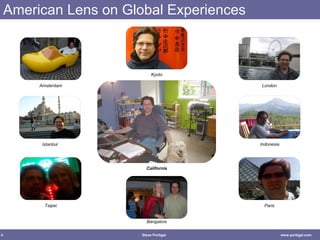
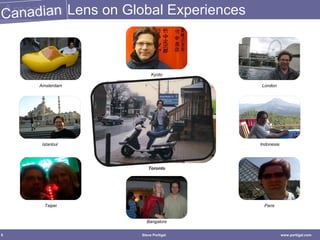
American Lens on Global Experiences Amsterdam Kyoto London Paris Bangalore Taipei California Istanbul Indonesia
American Lens on Global Experiences Amsterdam Kyoto London Paris Bangalore Taipei Toronto Istanbul Indonesia Canadian
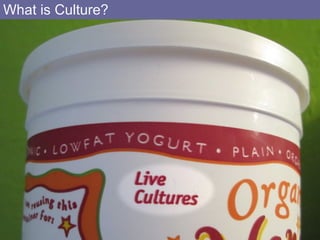
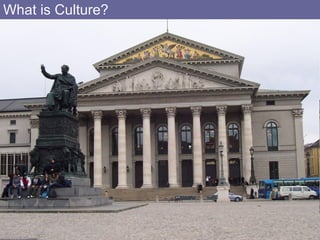
What is Culture?
What is Culture?
Culture How a group of people  make sense of the world Common Experiences Beliefs Knowledge Values Attitudes Behaviors Meanings Patterns Symbols
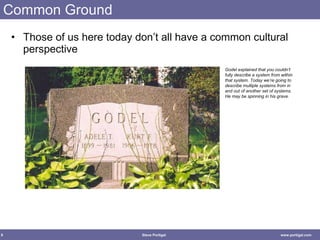
Common Ground Those of us here today don’t all have a common cultural perspective Godel explained that you couldn’t fully describe a system from within that system. Today we’re going to describe multiple systems from in and out of another set of systems. He may be spinning in his grave.
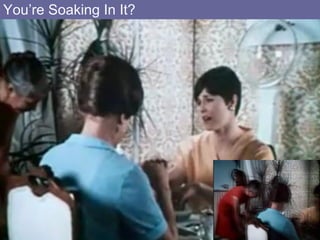
You’re Soaking In It?
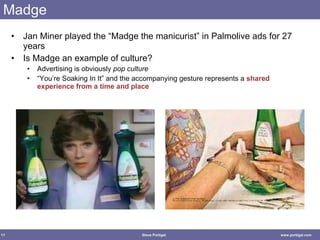
Madge Jan Miner played the “Madge the manicurist” in Palmolive ads for 27 years Is Madge an example of culture? Advertising is obviously  pop culture “You’re Soaking In It” and the accompanying gesture represents a  shared experience from a time and place
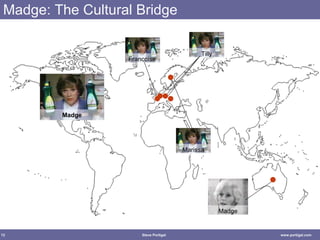
Madge: The Cultural Bridge Francoise Tilly Marissa Madge Madge
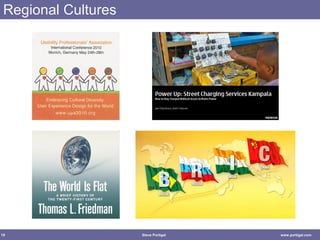
Beyond Manicures: Cultures We Care About Regional  cultures – different places User/customer  cultures – different groups of people Company/profession  cultures – different organizations
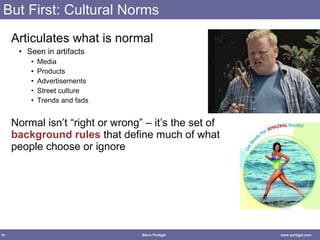
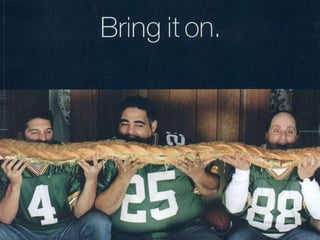
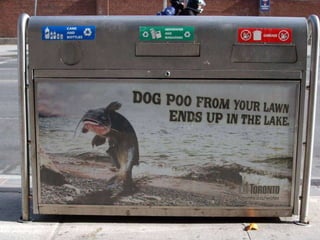
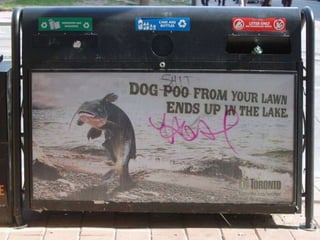
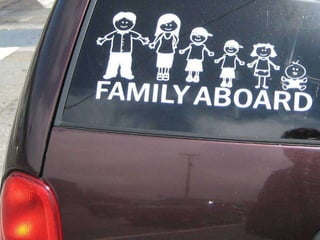
But First: Cultural Norms Articulates what is normal Seen in artifacts Media Products Advertisements Street culture Trends and fads Normal isn’t “right or wrong” – it’s the set of  background rules  that define much of what people choose or ignore
What is Normal?
 
 
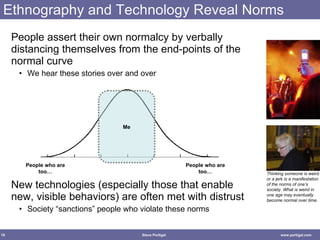
Ethnography and Technology Reveal Norms People assert their own normalcy by verbally distancing themselves from the end-points of the normal curve We hear these stories over and over New technologies (especially those that enable new, visible behaviors) are often met with distrust Society “sanctions” people who violate these norms Thinking someone is  weird  or a  jerk  is a manifestation of the norms of one’s society. What is weird in one age may eventually become normal over time. People who are too… People who are too… Me
Regional Cultures
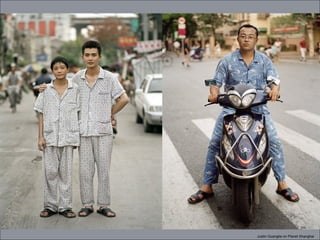
Justin Guariglia on Planet Shanghai


Politicalmaps.org
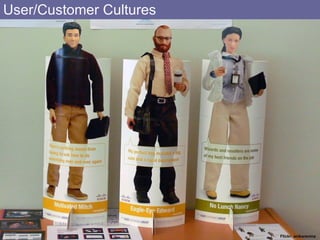
User/Customer Cultures Flickr: anikarenina
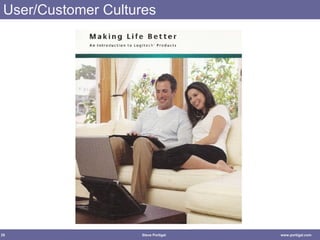
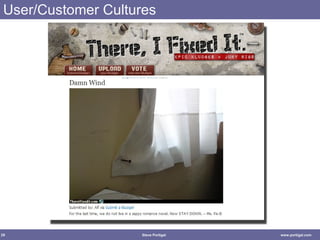
User/Customer Cultures
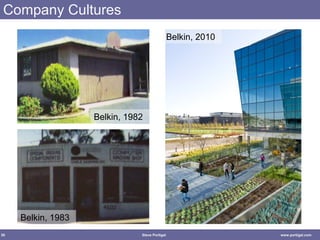
Company Cultures Belkin, 1982 Belkin, 1983 Belkin, 2010
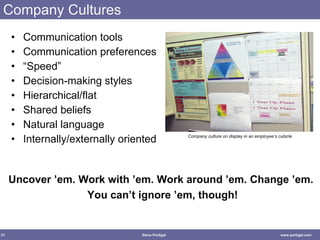
Company Cultures Communication tools Communication preferences “ Speed” Decision-making styles Hierarchical/flat Shared beliefs Natural language Internally/externally oriented Uncover  ’ em. Work with  ’ em. Work around  ’ em. Change  ’ em. You can’t ignore  ’em, though! Company culture on display in an employee’s cubicle
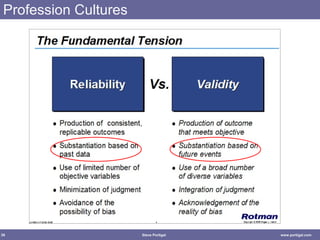
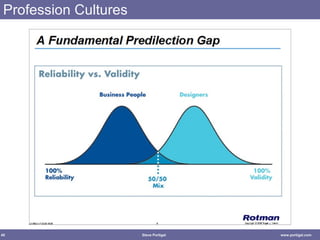
Profession Cultures
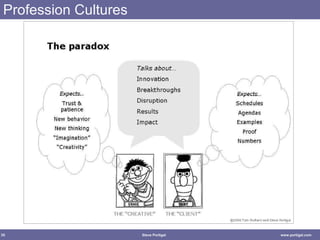
Profession Cultures
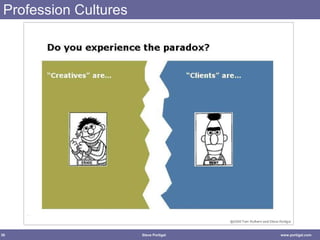
Profession Cultures
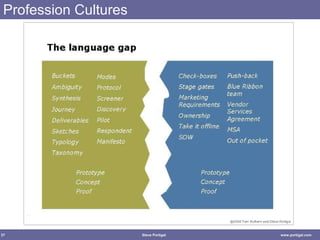
Profession Cultures
Profession Cultures
Profession Cultures
Profession Cultures
Profession Cultures
Profession Cultures
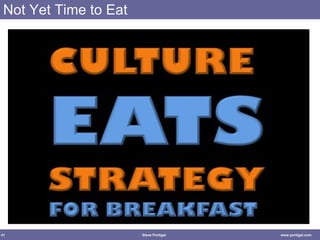
Not Yet Time to Eat
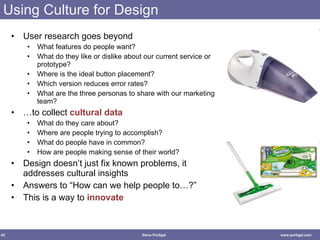
Using Culture for Design User research goes beyond What features do people want? What do they like or dislike about our current service or prototype? Where is the ideal button placement? Which version reduces error rates? What are the three personas to share with our marketing team? …to collect  cultural data What do they care about? Where are people trying to accomplish? What do people have in common? How are people making sense of their world? Design doesn’t just fix known problems, it addresses cultural insights Answers to “How can we help people to…?” This is a way to  innovate
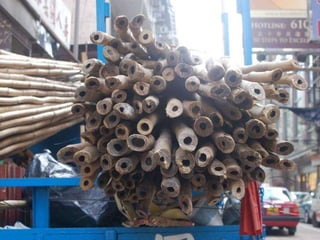
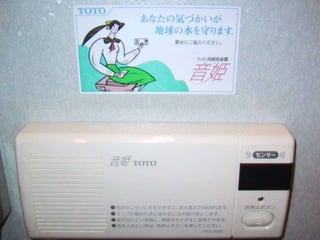
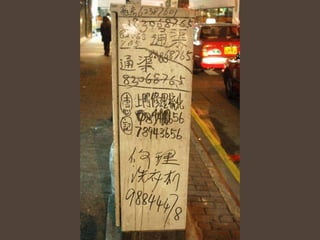
Practice Observing Culture With these examples, think about  your own experiences  with culture Is this outside your norm? Is this something you have an analog for in your own culture? Is it your own culture? Have you observed this? Or something similar?


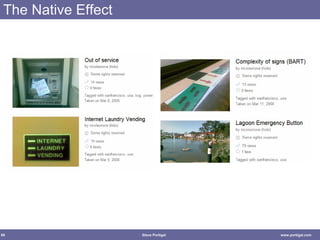
The Native Effect
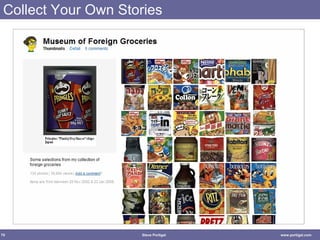
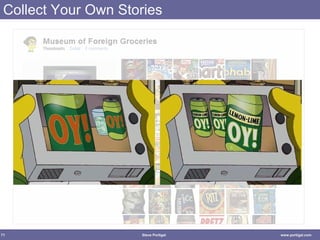
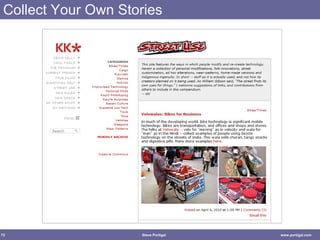
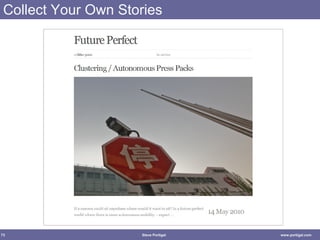
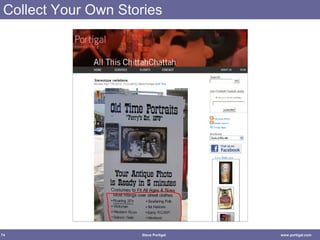
Collect Your Own Stories
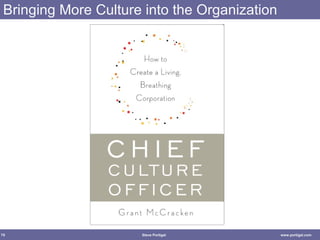
Bringing More Culture into the Organization
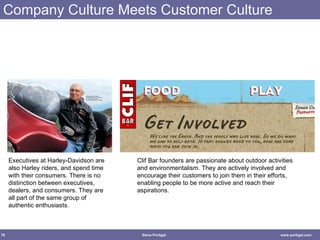
Company Culture Meets Customer Culture Executives at Harley-Davidson are also Harley riders, and spend time with their consumers. There is no distinction between executives, dealers, and consumers. They are all part of the same group of authentic enthusiasts. Clif Bar founders are passionate about outdoor activities and environmentalism. They are actively involved and encourage their customers to join them in their efforts, enabling people to be more active and reach their aspirations.
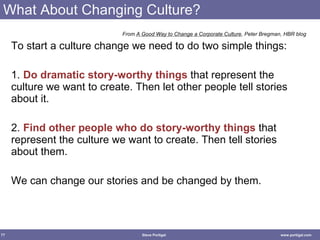
What About Changing Culture? From  A Good Way to Change a Corporate Culture , Peter Bregman, HBR blog To start a culture change we need to do two simple things:  1.  Do dramatic story-worthy things  that represent the culture we want to create. Then let other people tell stories about it. 2. Find other people who do story-worthy things  that represent the culture we want to create. Then tell stories about them.  We can change our stories and be changed by them.
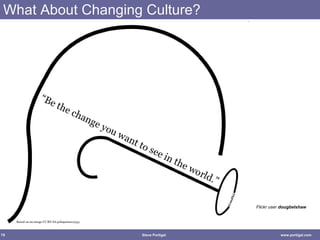
What About Changing Culture? Flickr user  dougbelshaw
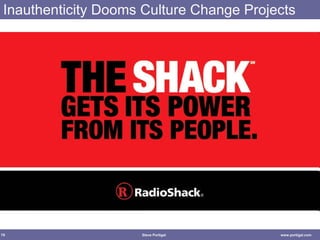
Inauthenticity Dooms Culture Change Projects
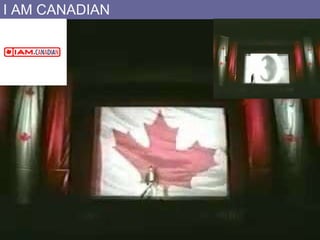
I AM CANADIAN
One new thing I learned today is… I’ve got an example I’d like to share! Yeah, I’ve got a question for ya…
@steveportigal [email_address] +1-415-894-2001 Portigal Consulting www.portigal.com Thank You!

Culture: You're Soaking In It