Kynan Robinson 
kynan.robinson@neweraed.com.au 
KynanRobinson.com 
@kynanr +Kynan
Building Respectful Relations in a Digital World: 
Implications for School Leaders 
In this workshop we will collectively explore the implications for 
leaders of the ‘digital world’ on relationships within school 
communities.
The Modern Learner 
How is the learning and teaching is changing? 
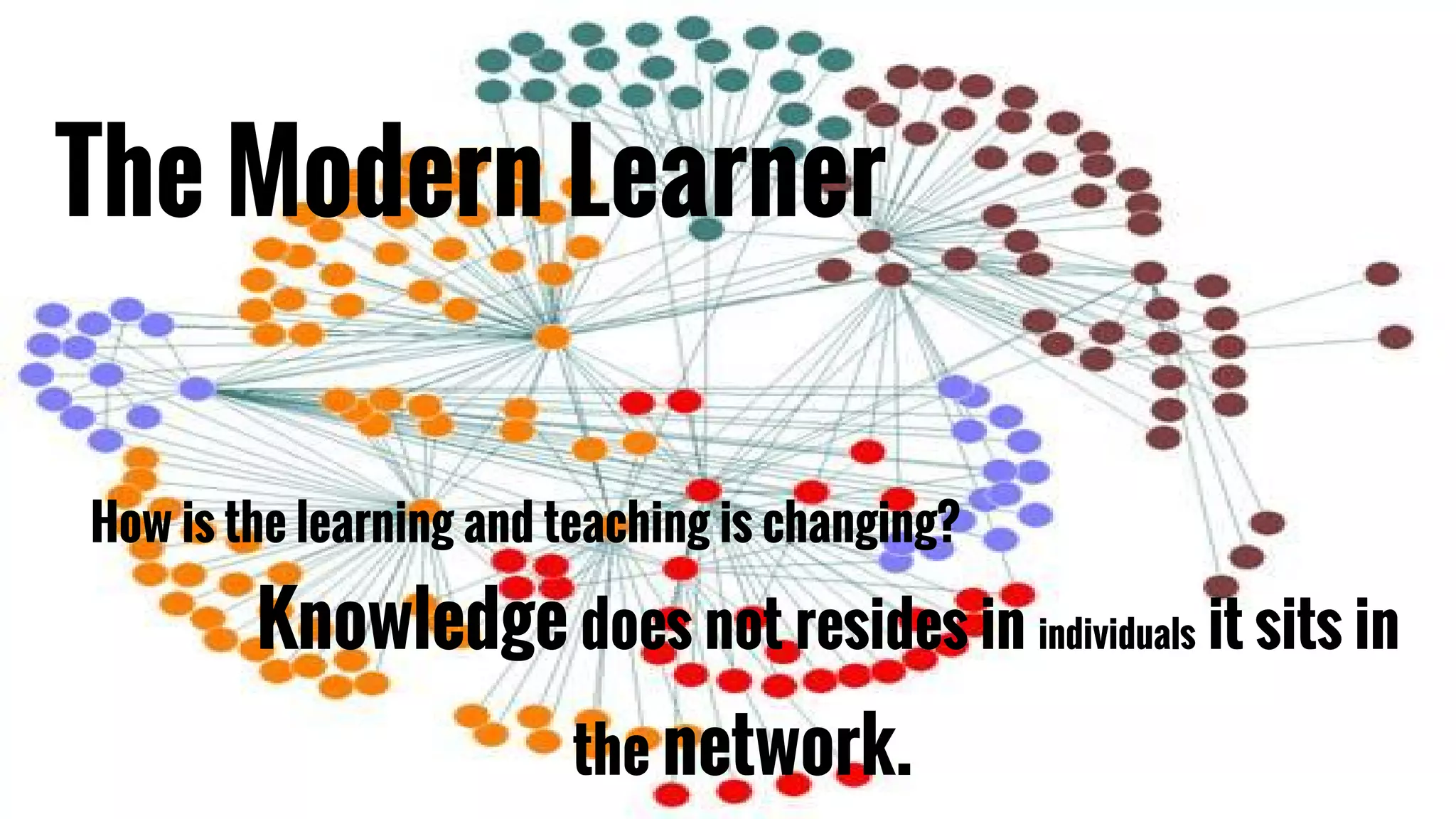
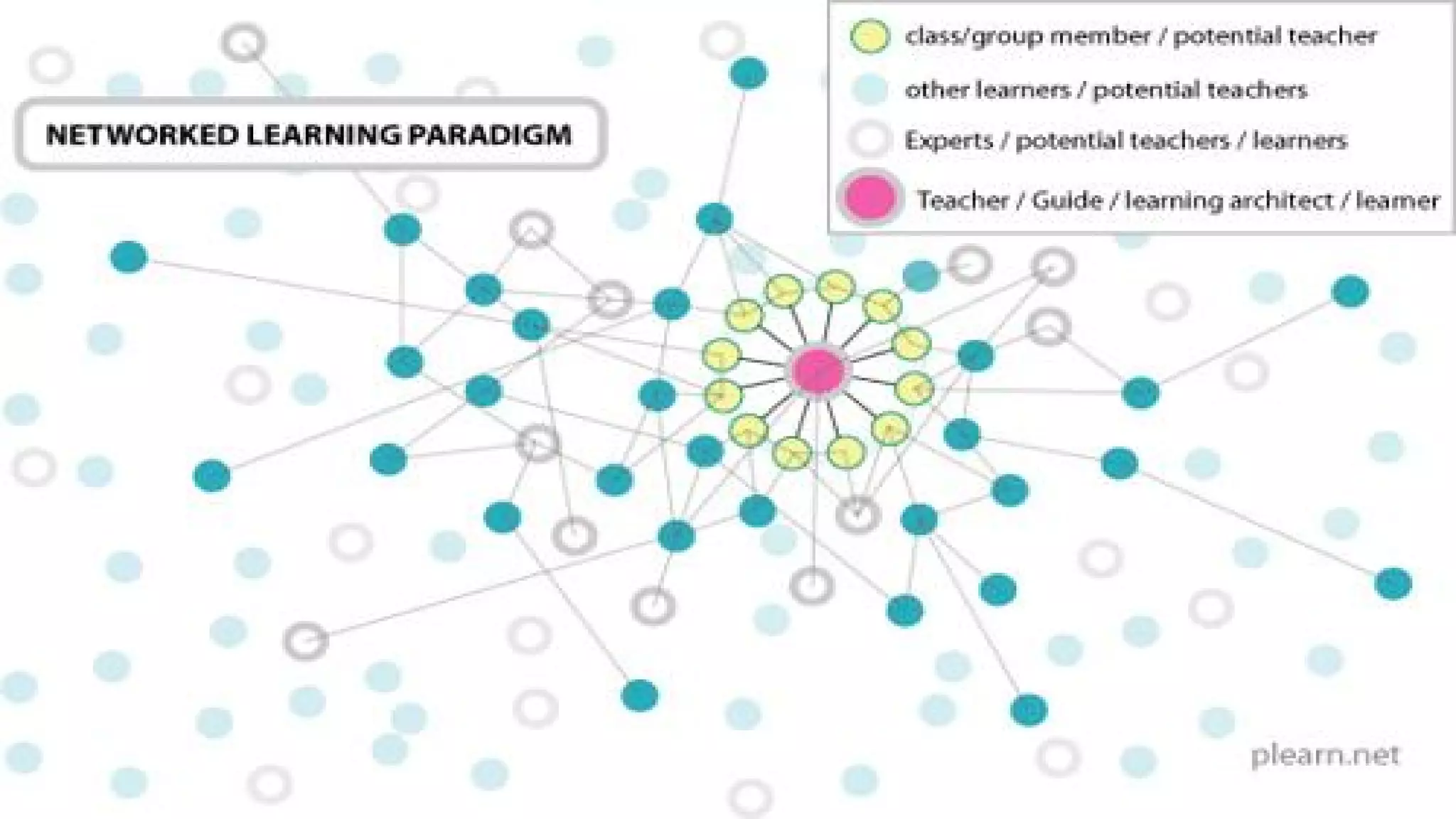
Knowledge does not resides in individuals it sits in 
the network.
Why do I love ICT? 
I don’t. 
I love education and creativity. Enabling every student to be completely creative. 
Enable every student to take authority for their own learning – self directed 
learning.
Let’s demystify technology 
1. Remove the fear – place it back into the area of learning and teaching. 
2. Is it more than the device? 
3. How does it make us learn better? 
4. Do we learn any differently because of the technology? If not, don’t do it. 
5. Its much more than content – its about connectivity. The big shift is social not technological.
What is technology 
The word originally referred to any means of enhancing human capabilities 
Language is a technology 
Modern technology is still about communication 
Passing on ideas Creativity
Is the modern learner different? 
No & Yes 
Modern learning is different – the way we connect is different. 
“The big shift is social rather than technological.” Seymour Papert
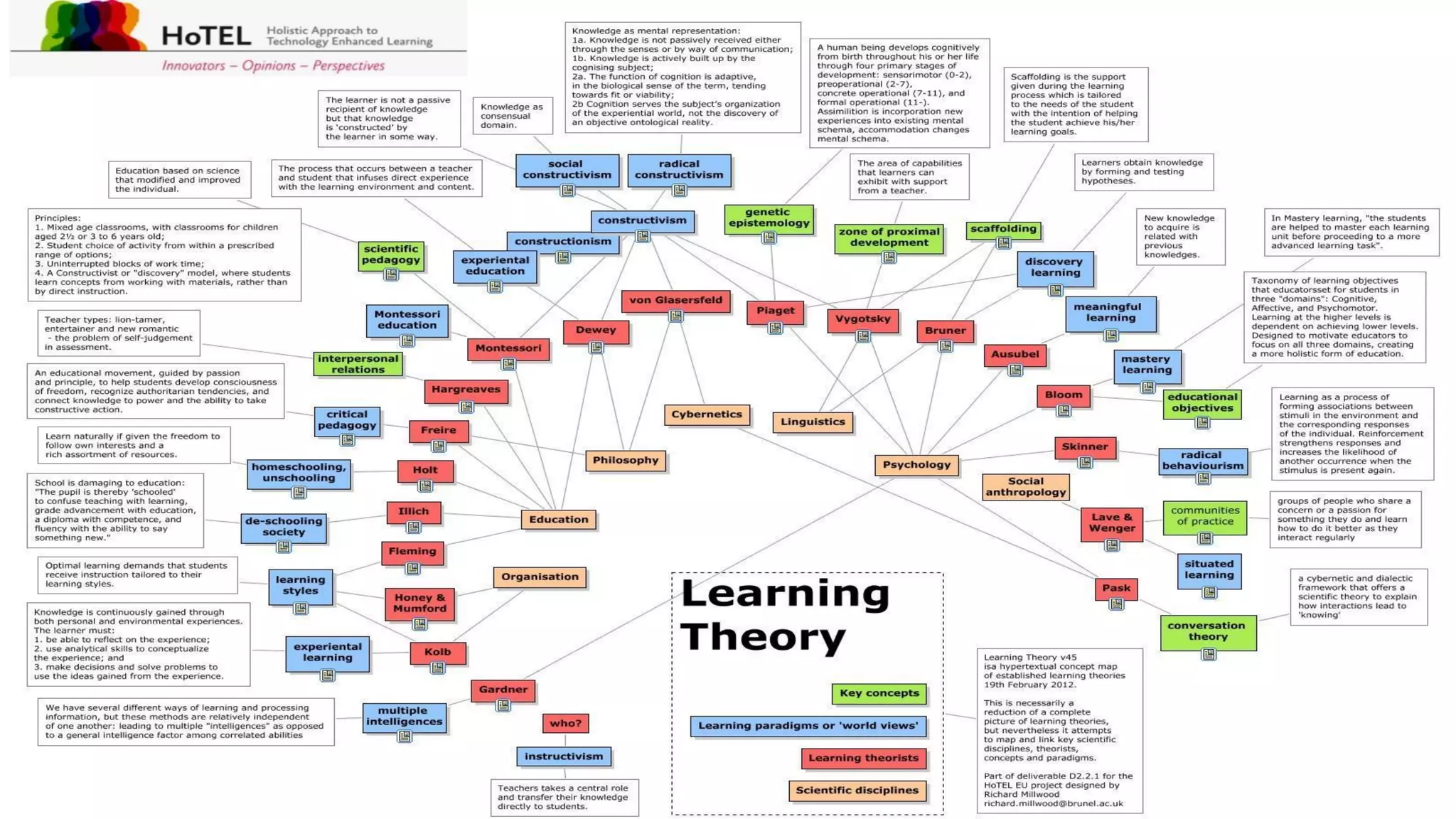
Learning Theories
Constructivism 
We learn through experience and process. 
Education is not about information transferal. 
Rather it is a set of experiences that take place in a 
complex environment.
Social Learning Theory 
Knowing (or knowledge) is about who you are , what you are doing and it 
unfolds within a social environment - never independent from it. 
ICT allows for connections, communities of practice and social learning to 
occur like never before.
Networked Learning 
The Internet 
Knowledge resides in the networks. We derive our competence from forming 
connections. Experience has long been considered the best teacher of knowledge. 
Since we cannot experience everything, other people’s experiences, and hence 
other people, become the surrogate for knowledge.
Questions for 
educators to consider….
How do schools respond to students as 
autonomous, web connected, 
self-directed learners?
How does the availability of 
diverse, high quality 
and easily accessible 
content 
change the way our students learn?
What opportunities 
are presented to schools 
when leveraging 
content on the Internet?
Is it the teacher’s role to 
quality assure 
online content?
Is having access 
to Internet and Communications Technologies 
a basic human right?
Remember information is not knowledge 
Education is more than a fixed set of facts - its about 
experience. 
Students are more than just consumers of other experts 
content.
Step 2 
Communicate 
Step 1 
Content
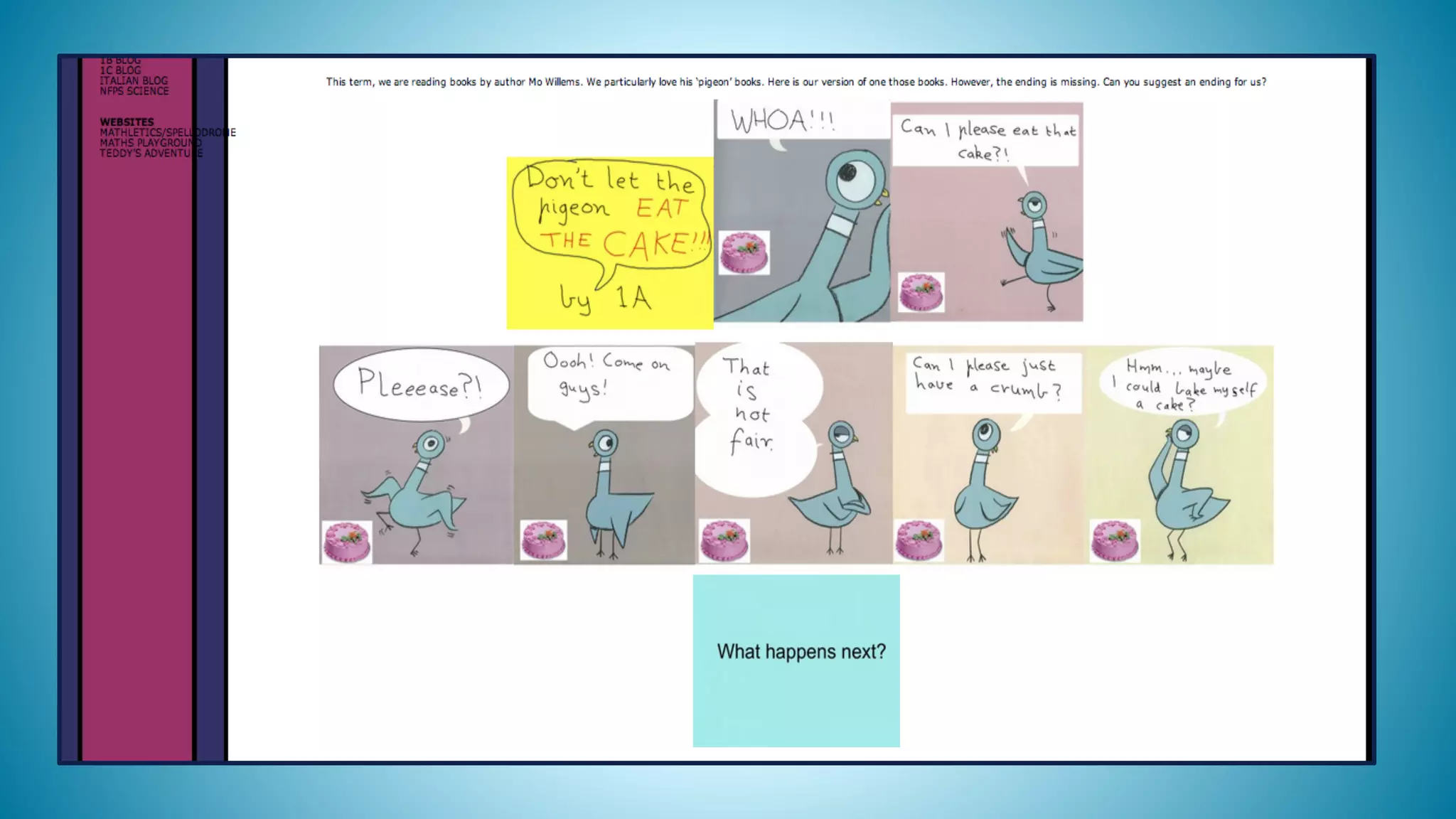
How does easy 
online publishing 
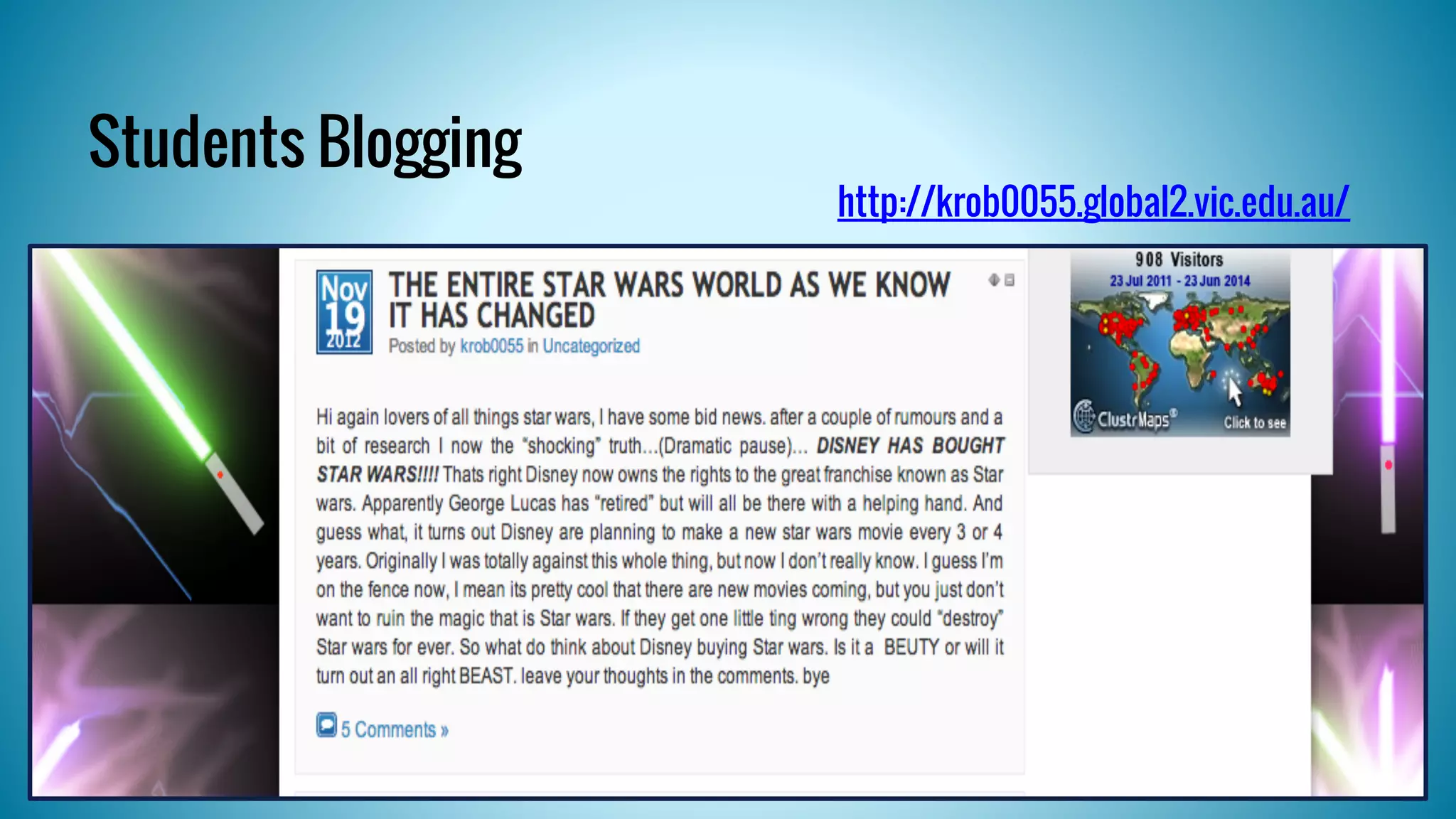
change the way that our students learn?
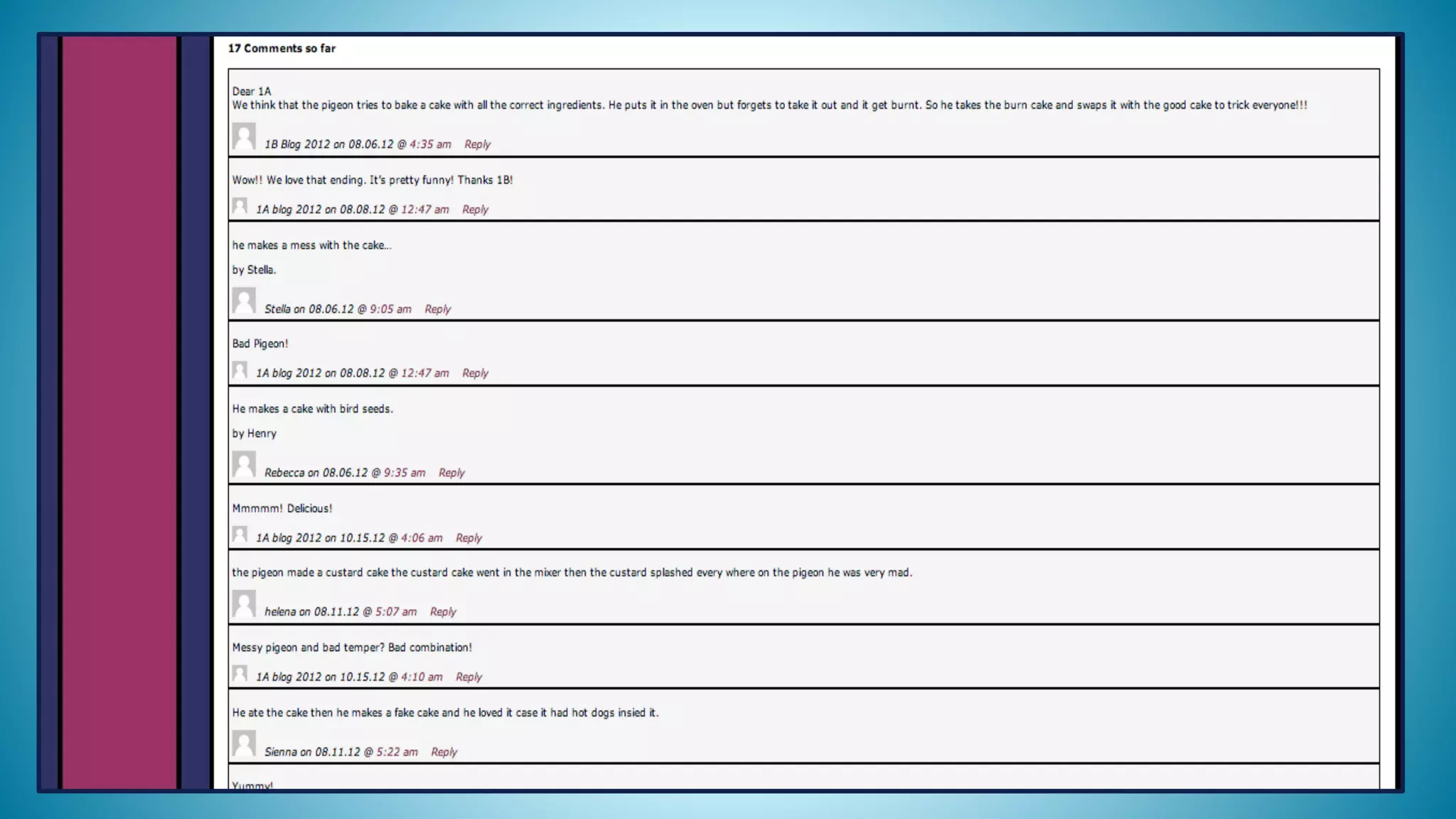
Students Blogging 
http://krob0055.global2.vic.edu.au/
What opportunities does digital writing provide for 
students and schools?
How does 
transparent learning 
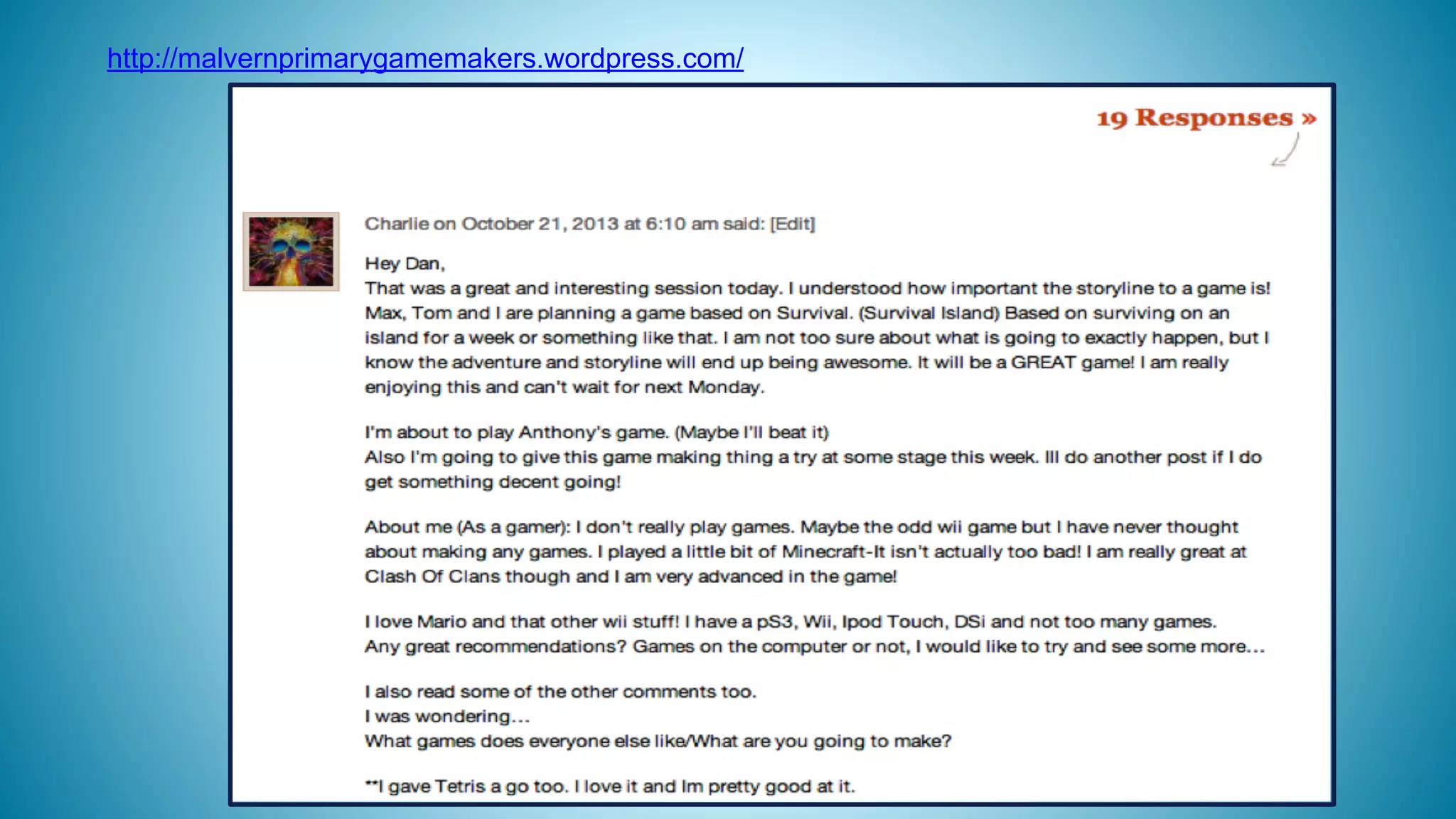
change the role of our students?
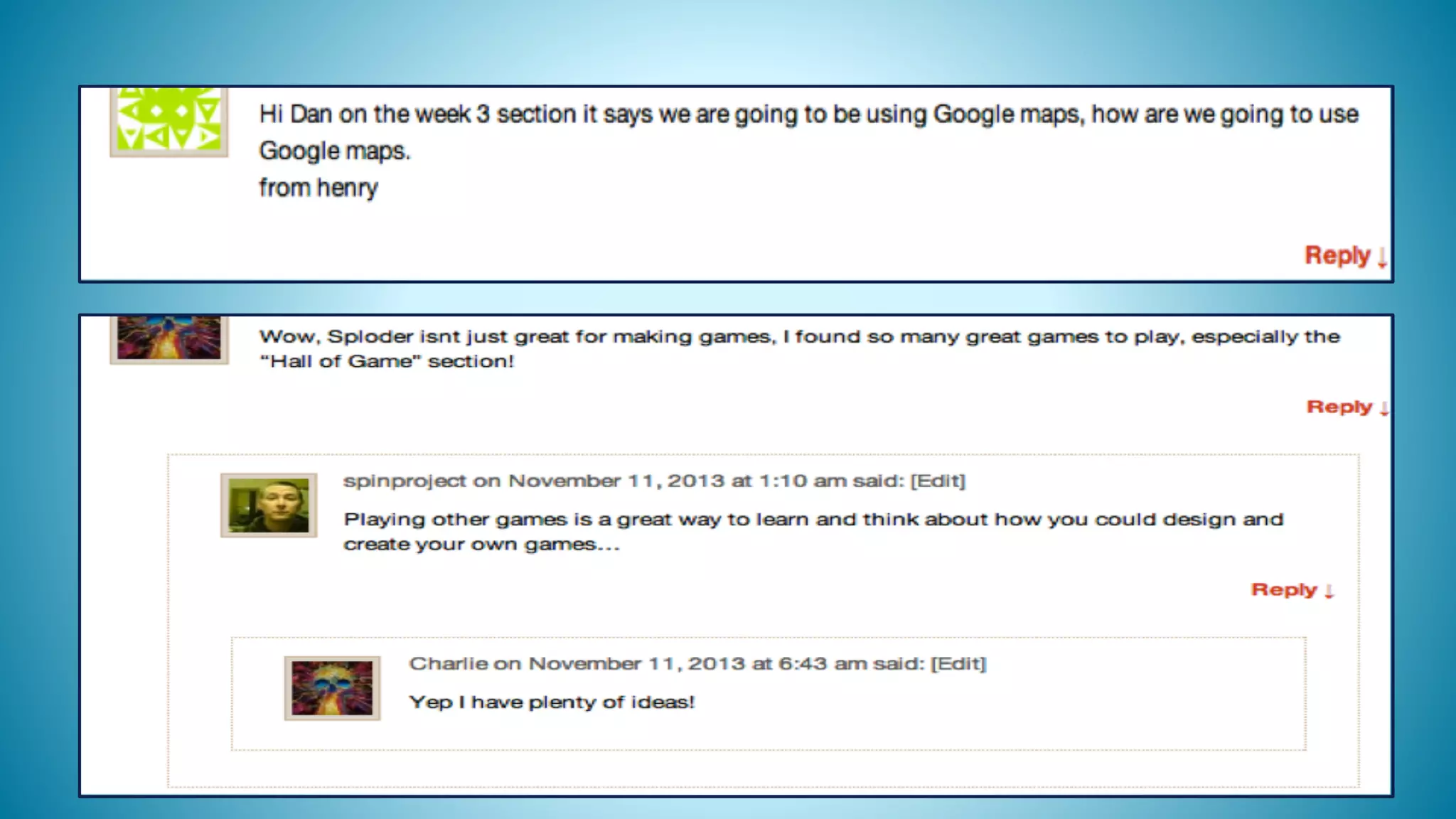
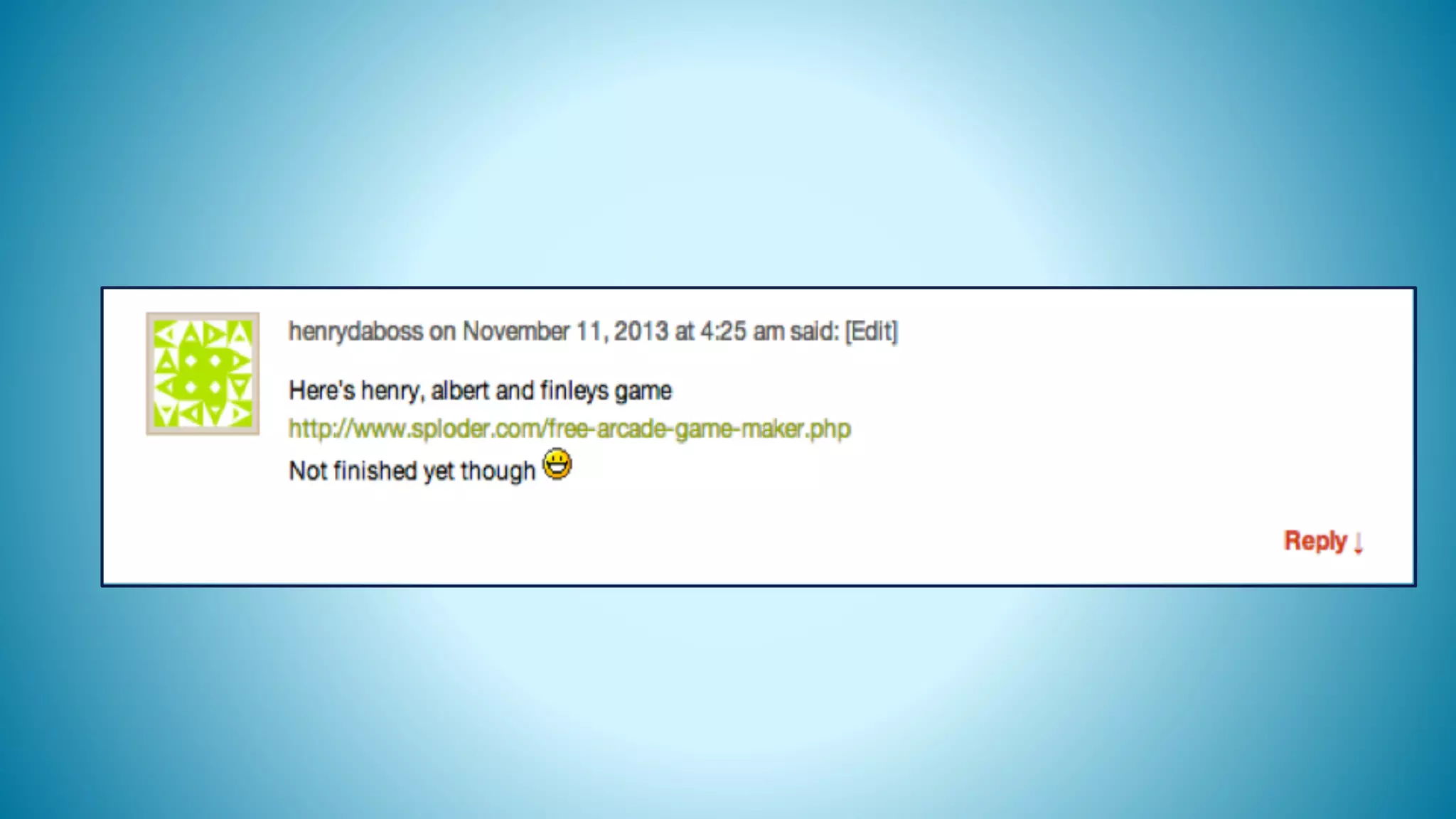
http://malvernprimarygamemakers.wordpress.com/
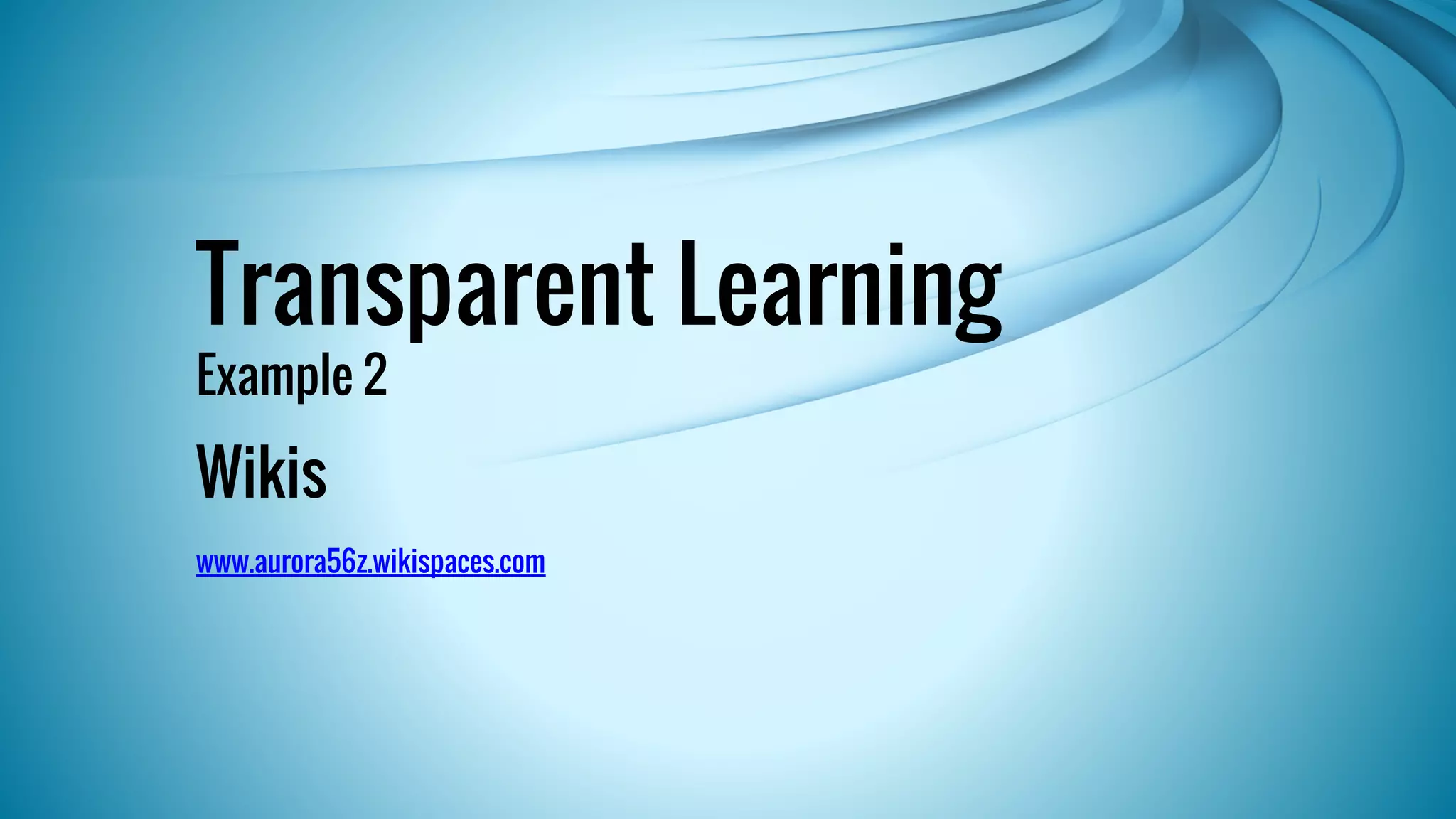
Transparent Learning 
Example 2 
Wikis 
www.aurora56z.wikispaces.com
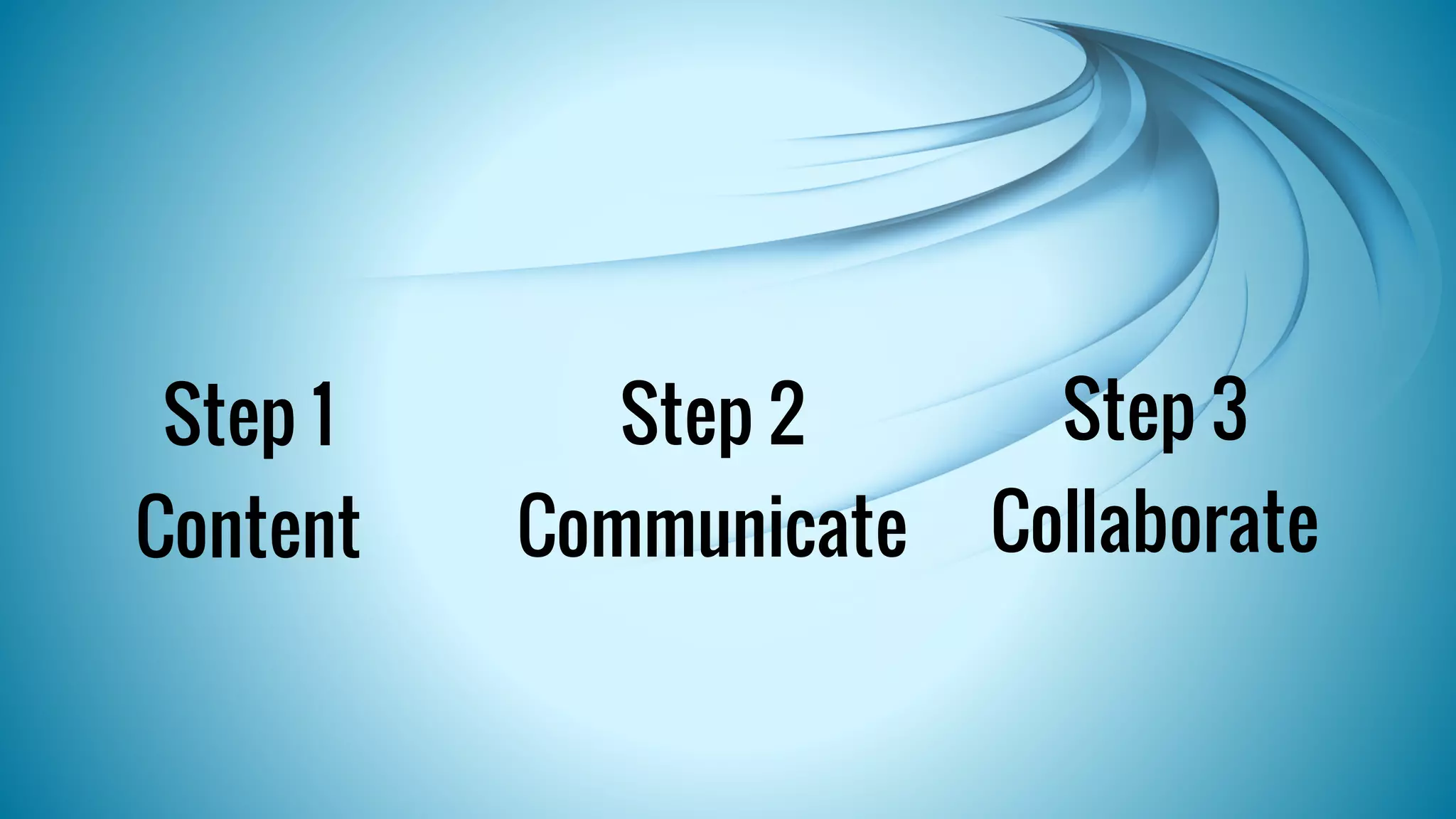
Step 2 
Communicate 
Step 1 
Content 
Step 3 
Collaborate
How does the ability to participate and create learning 
networks change the way our students learn?
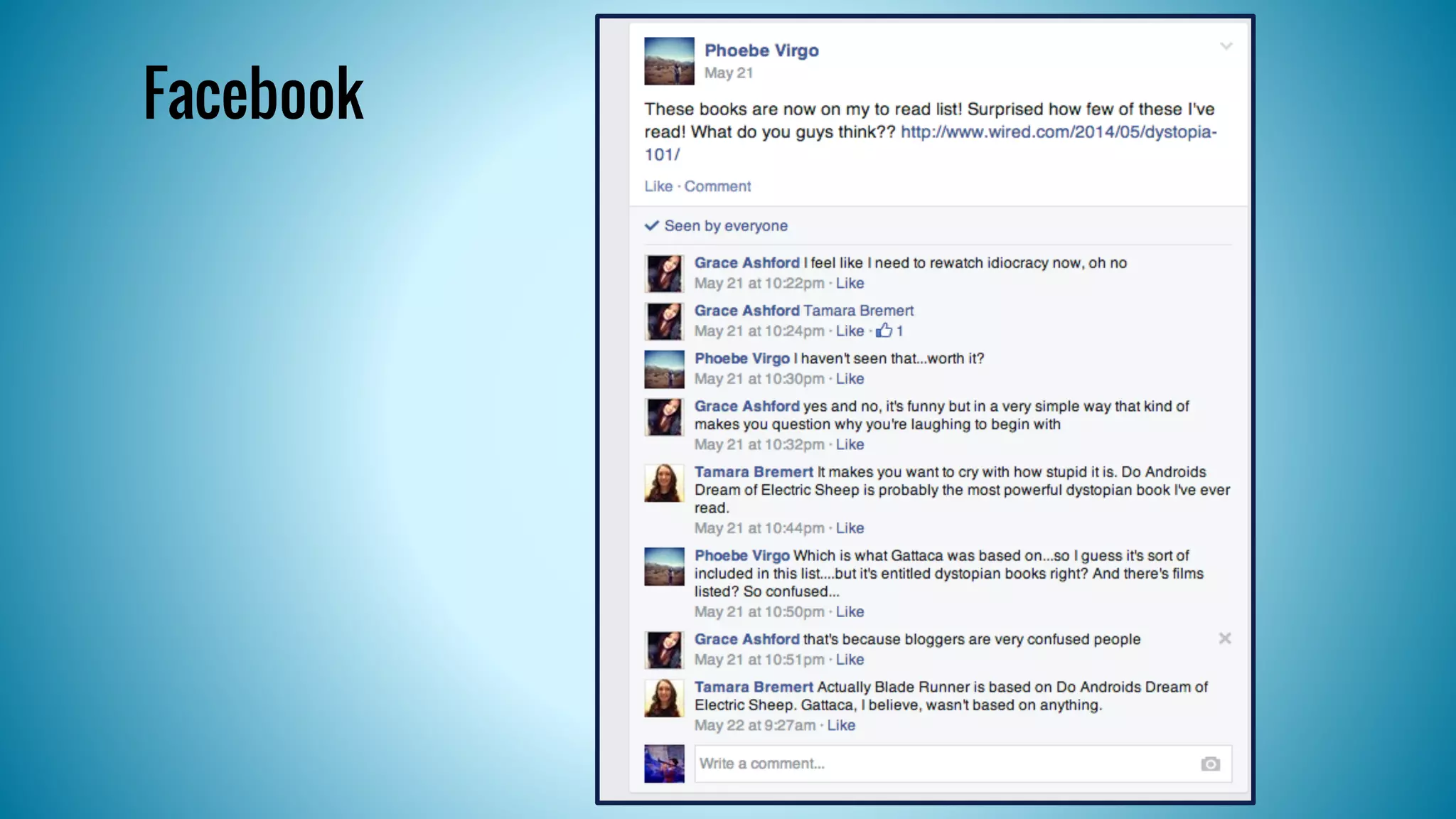
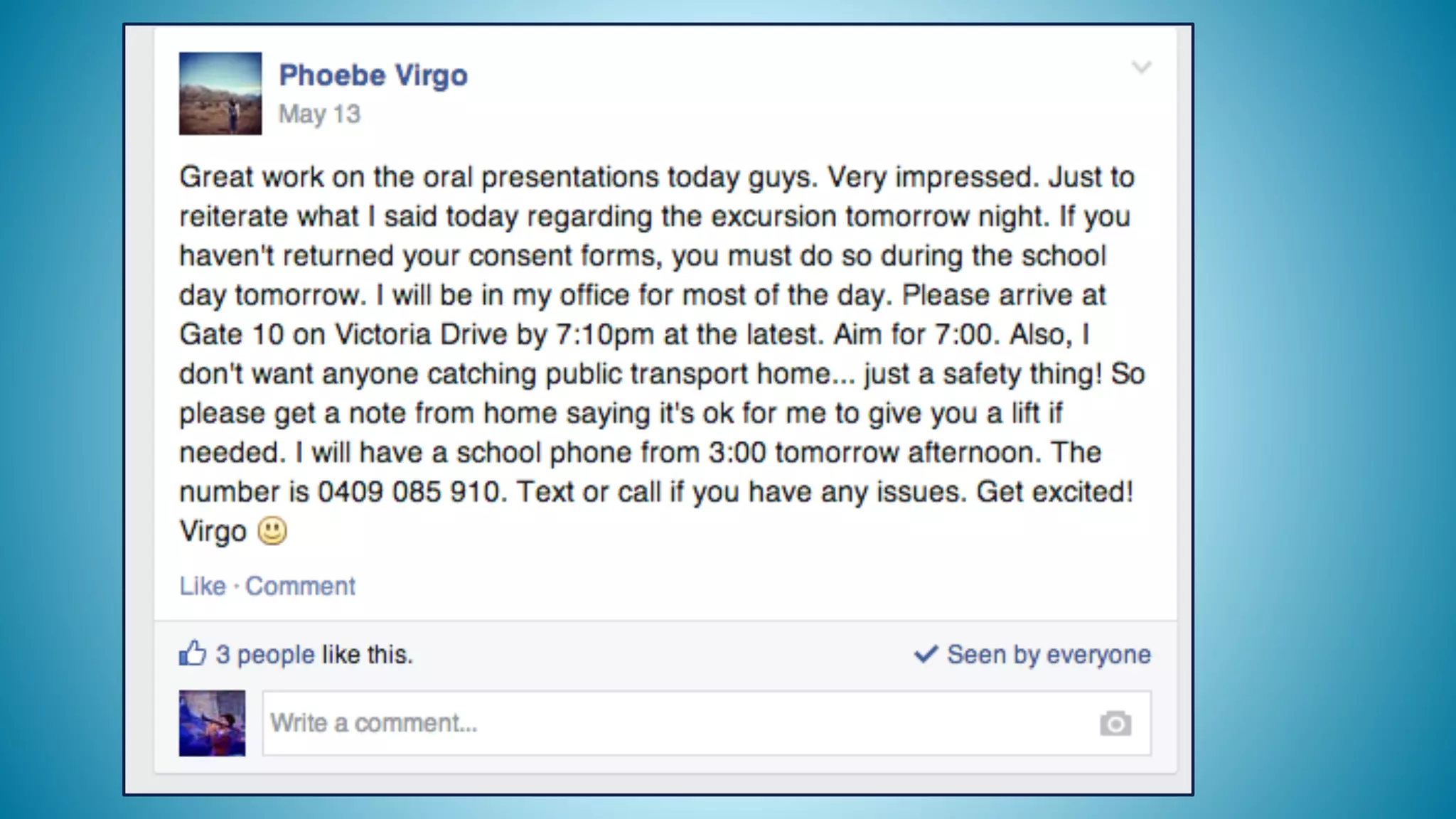
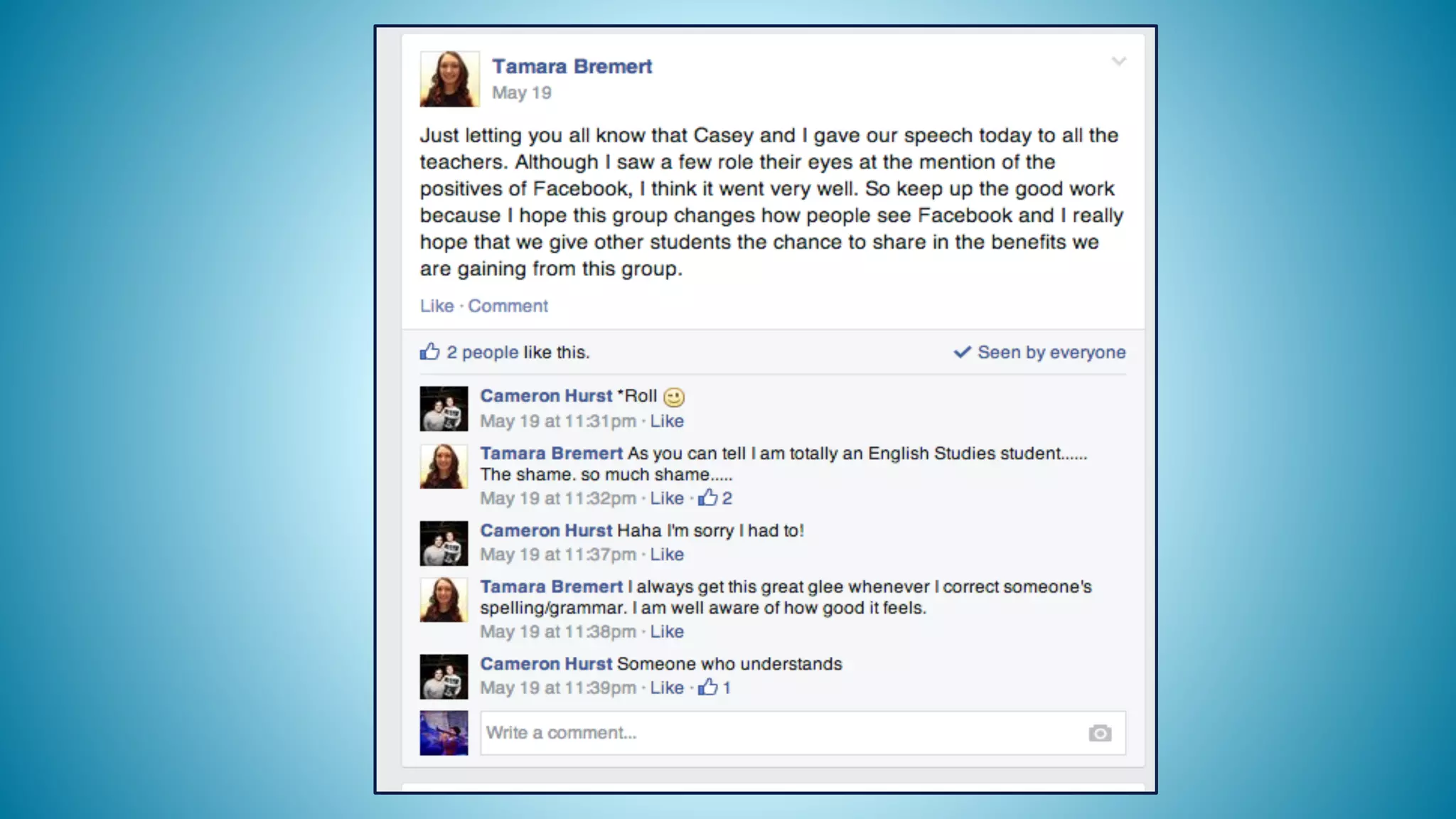
Facebook
What opportunities 
are presented to schools 
when our students participate in or even 
create 
learning networks?
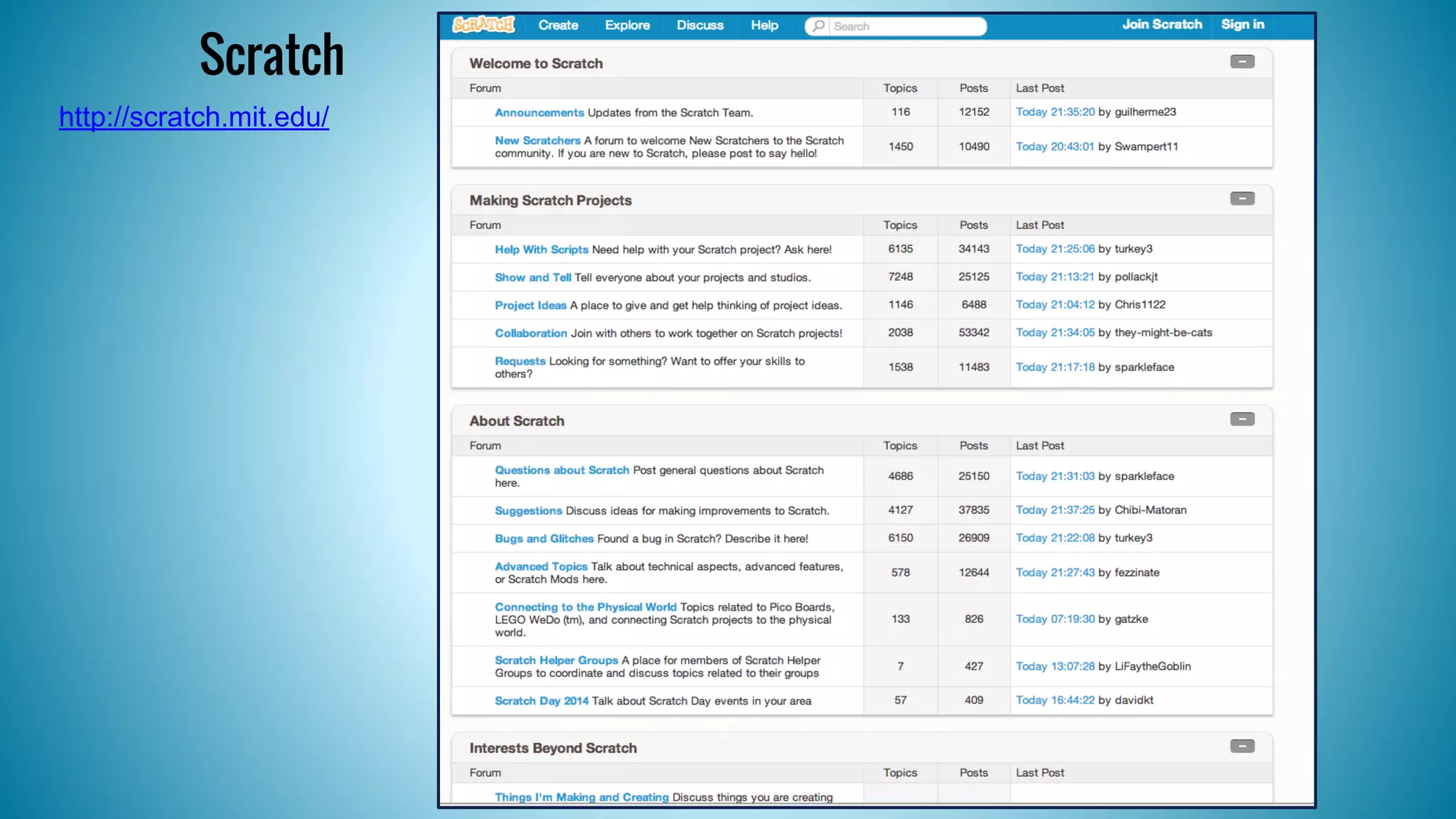
Scratch 
http://scratch.mit.edu/
The learners in a heutagogy of mobile 
learning environment: 
1. Determine what they want to learn and develop their own learning objectives for their learning, based on 
a broad range of desired course outcomes. 
2. Use their own mobile learning devices and technologies to decide how they will learn. 
3. Take the initiative to seek feedback from the instructor and their peers. It is their choice to utilize that 
feedback or not.
The learners in a heutagogy of mobile 
learning environment: 
4. Form their own learning communities possibly using social networking tools suggested and/or set up by the 
educator. Possible networks, many with corresponding apps, include: Facebook, Twitter, Edmodo, Instagram, 
Blogging sites, Youtube, etc. 
5. Utilize the expertise of the educator and other members of their learning communities to suggest and introduce 
content-related resources.
The learners in a heutagogy of mobile 
learning environment: 
6. Utilize the expertise of the educator and other members of their learning communities to suggest Web 2.0 and 
other online tools for that the students could possibly use to demonstrate and produce learning artifacts. 
7. Demonstrate their learning through methods and means that work best for them. It could include using their 
mobile devices to Blog, create Photo Essays, do Screencasts, make Videos or Podcasts, draw, sing, dance, etc.
Practical Examples 
malvernprimarygamemakers.wordpress.com 
aurora56z.wikispaces.com 
Minecraft, Sim City, Civilisation
“Culture is activity of thought, and receptiveness 
to beauty and human feelings. Scraps of 
information have nothing to do with it. A merely 
well informed man is the most useless bore on 
God’s earth.” 
Whitehead 1929
Thank You 
new era head office: Level 2, 141 Capel St, North Melbourne, Victoria, 3051

Copy of catholic Deputy Principals conference slides 2014

  • 1.
    Kynan Robinson kynan.robinson@neweraed.com.au KynanRobinson.com @kynanr +Kynan
  • 2.
    Building Respectful Relationsin a Digital World: Implications for School Leaders In this workshop we will collectively explore the implications for leaders of the ‘digital world’ on relationships within school communities.
  • 3.
    The Modern Learner How is the learning and teaching is changing? Knowledge does not resides in individuals it sits in the network.
  • 7.
    Why do Ilove ICT? I don’t. I love education and creativity. Enabling every student to be completely creative. Enable every student to take authority for their own learning – self directed learning.
  • 8.
    Let’s demystify technology 1. Remove the fear – place it back into the area of learning and teaching. 2. Is it more than the device? 3. How does it make us learn better? 4. Do we learn any differently because of the technology? If not, don’t do it. 5. Its much more than content – its about connectivity. The big shift is social not technological.
  • 9.
    What is technology The word originally referred to any means of enhancing human capabilities Language is a technology Modern technology is still about communication Passing on ideas Creativity
  • 10.
    Is the modernlearner different? No & Yes Modern learning is different – the way we connect is different. “The big shift is social rather than technological.” Seymour Papert
  • 11.
  • 13.
    Constructivism We learnthrough experience and process. Education is not about information transferal. Rather it is a set of experiences that take place in a complex environment.
  • 14.
    Social Learning Theory Knowing (or knowledge) is about who you are , what you are doing and it unfolds within a social environment - never independent from it. ICT allows for connections, communities of practice and social learning to occur like never before.
  • 15.
    Networked Learning TheInternet Knowledge resides in the networks. We derive our competence from forming connections. Experience has long been considered the best teacher of knowledge. Since we cannot experience everything, other people’s experiences, and hence other people, become the surrogate for knowledge.
  • 16.
    Questions for educatorsto consider….
  • 17.
    How do schoolsrespond to students as autonomous, web connected, self-directed learners?
  • 18.
    How does theavailability of diverse, high quality and easily accessible content change the way our students learn?
  • 19.
    What opportunities arepresented to schools when leveraging content on the Internet?
  • 20.
    Is it theteacher’s role to quality assure online content?
  • 21.
    Is having access to Internet and Communications Technologies a basic human right?
  • 22.
    Remember information isnot knowledge Education is more than a fixed set of facts - its about experience. Students are more than just consumers of other experts content.
  • 23.
    Step 2 Communicate Step 1 Content
  • 24.
    How does easy online publishing change the way that our students learn?
  • 27.
  • 29.
    What opportunities doesdigital writing provide for students and schools?
  • 30.
    How does transparentlearning change the role of our students?
  • 31.
  • 34.
    Transparent Learning Example2 Wikis www.aurora56z.wikispaces.com
  • 35.
    Step 2 Communicate Step 1 Content Step 3 Collaborate
  • 36.
    How does theability to participate and create learning networks change the way our students learn?
  • 37.
  • 40.
    What opportunities arepresented to schools when our students participate in or even create learning networks?
  • 41.
  • 42.
    The learners ina heutagogy of mobile learning environment: 1. Determine what they want to learn and develop their own learning objectives for their learning, based on a broad range of desired course outcomes. 2. Use their own mobile learning devices and technologies to decide how they will learn. 3. Take the initiative to seek feedback from the instructor and their peers. It is their choice to utilize that feedback or not.
  • 43.
    The learners ina heutagogy of mobile learning environment: 4. Form their own learning communities possibly using social networking tools suggested and/or set up by the educator. Possible networks, many with corresponding apps, include: Facebook, Twitter, Edmodo, Instagram, Blogging sites, Youtube, etc. 5. Utilize the expertise of the educator and other members of their learning communities to suggest and introduce content-related resources.
  • 44.
    The learners ina heutagogy of mobile learning environment: 6. Utilize the expertise of the educator and other members of their learning communities to suggest Web 2.0 and other online tools for that the students could possibly use to demonstrate and produce learning artifacts. 7. Demonstrate their learning through methods and means that work best for them. It could include using their mobile devices to Blog, create Photo Essays, do Screencasts, make Videos or Podcasts, draw, sing, dance, etc.
  • 45.
    Practical Examples malvernprimarygamemakers.wordpress.com aurora56z.wikispaces.com Minecraft, Sim City, Civilisation
  • 46.
    “Culture is activityof thought, and receptiveness to beauty and human feelings. Scraps of information have nothing to do with it. A merely well informed man is the most useless bore on God’s earth.” Whitehead 1929
  • 47.
    Thank You newera head office: Level 2, 141 Capel St, North Melbourne, Victoria, 3051