Shibu lijack
LANGUAGE AND CULTURE
What We Say Influences What
We Think, What We Feel and
What We Believe
Concepts
 Language: It is the ability to acquire and
use complex system of
communication,particularlythe human
ability to do so¨ Bernard Bloch.
 Culture: ´´Include
knowledge,belief,art,morals,law,customs
and any other capabilities and habits
acquired by man as a member of
society¨E.B Tylor.
Shibu lijack
THE NATURE OF LANGUAGE
• Considerable variation in the number of
languages in the world
• 95% of the world’s people speak fewer
that 100 of the approximate 6,000 different
languages
• Linguists are concerned about the last 5%
of the world’s languages which are in danger
of disappearing
Seven functions of Language
• Instrumental Language
• Regulatory Language
• Interactional Language
• Personal Language
• Imaginative Language
• Heuristic Language
• Informative Language
Personal Language
• Used to express individuality and personality
• Strong feelings and opinions are a part of
personal language
• Often neglected in classrooms and thought
inappropriate.
• Through personal language students
relate their own lives to the subject matter
being taught ,establish their own identities,
build self esteem and confidence.
Instrumental Language
• What we use to get what we want, to
satisfy needs or desires
• Early stages it may be to satisfy simple
needs and wants
• Later sophisticated; may take the form of
polite requests
• Still later becomes more complex, takes
form of persuasion and argument
Regulatory Language
• Using language to control the behavior of
others or getting them to do what we want
them to do.
• May include giving orders or at more
subtle levels manipulating and controlling
Others.
• Positive regulatory language is “life skills”
of parents, management and administrator
must know
Interactional Language
• Used to establish and define social relationships
and language all of us use in group situation
“small talk”, negotiations, encouragement,
expression of friendship are examples
• Because those who are effective in building
social skills are likely to succeed, children need
to develop awareness of the
ability to use language to establish relationships
• Work cooperatively, enjoy companionship
Imaginative Language
• Used to create a world of one’s own, to
express fantasy through dramatic play,
drama, poetry or stories.
• Unless it is fostered, it will rapidly
disappear in later years. Its importance
cannot be underestimated.
• • How difficult some teachers find it to get
• students to write with imagination
Heuristic Language
• Used to explore, to investigate, to acquire
knowledge, to do research, to acquire
Understanding.
• It is the language for wondering, for
figuring things out.
• Inquiry is its most important function.
Informative Language
• Used to communicate information, to
report facts or conclusions from facts.
• It is the language of teachers.
• Provide information and help synthesize
information.
• Provide information and learn more.
Human Language
• Capable of recreating and complex thought
patterns and experiences in words.
• Without human language, human culture would
not exist.
• Plays a crucial role in the maintenance of human
social relationships.
• Because language is a creative and open system, it
is extremely flexible and can communicate new
ideas and abstract concepts.
• Exclusive for humans.
Language and Culture
• Anthropologists learn to communicate in
another language in order to do field work
• Language reflects a Way of Thinking
• Close relationship between language and
culture. Culture is transmitted by language
• The terminology used by a culture primarily
reflects that culture’s interest and concerns.
Acquiring language
• Linguistic symbols are all arbitrary. That is
they are conventions by which certain
sounds are attached to certain objects and
events
• C/A/R=car
• Humans’ normal physical and mental
apparatus allows us to learn any language
with equal ease
• Human Being would speak no
language if he or she were taught
none.
• Critical period of language
development for humans before the
age of six.
Thereafter learning language skills
become increasingly difficult.
• Come “wired” to learn any language
• Anatomy—voice box.
• Unique and distinct from any other
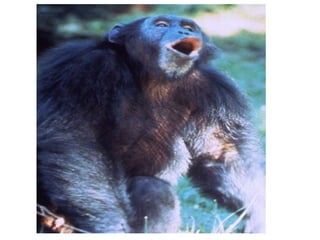
animal communication system.
• Degree of difference between human
and non-human forms of
communication remains immense.
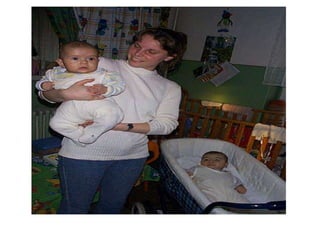
Children Language Acquisition
• All human children go through same
stages of language learning which appear
to be sequenced regardless of language
they are learning.
• 6 months old babbling includes consonant
and vowel sequences and repetitive pattern.
• Imitate but also take initiative to form
combinations of words they may never have
heard.
Children’s Speech
• Even when children do not understand
what they are saying, they can speak.
grammatically, using the different parts of
speech in correct relation to one another.
• Parents everywhere modify their speech
when talking to small children.
•Thanks for your
kind attention
guys !God bless
you….!

Conference

  • 1.
    Shibu lijack LANGUAGE ANDCULTURE What We Say Influences What We Think, What We Feel and What We Believe
  • 2.
    Concepts  Language: Itis the ability to acquire and use complex system of communication,particularlythe human ability to do so¨ Bernard Bloch.  Culture: ´´Include knowledge,belief,art,morals,law,customs and any other capabilities and habits acquired by man as a member of society¨E.B Tylor. Shibu lijack
  • 3.
    THE NATURE OFLANGUAGE • Considerable variation in the number of languages in the world • 95% of the world’s people speak fewer that 100 of the approximate 6,000 different languages • Linguists are concerned about the last 5% of the world’s languages which are in danger of disappearing
  • 4.
    Seven functions ofLanguage • Instrumental Language • Regulatory Language • Interactional Language • Personal Language • Imaginative Language • Heuristic Language • Informative Language
  • 5.
    Personal Language • Usedto express individuality and personality • Strong feelings and opinions are a part of personal language • Often neglected in classrooms and thought inappropriate. • Through personal language students relate their own lives to the subject matter being taught ,establish their own identities, build self esteem and confidence.
  • 6.
    Instrumental Language • Whatwe use to get what we want, to satisfy needs or desires • Early stages it may be to satisfy simple needs and wants • Later sophisticated; may take the form of polite requests • Still later becomes more complex, takes form of persuasion and argument
  • 7.
    Regulatory Language • Usinglanguage to control the behavior of others or getting them to do what we want them to do. • May include giving orders or at more subtle levels manipulating and controlling Others. • Positive regulatory language is “life skills” of parents, management and administrator must know
  • 8.
    Interactional Language • Usedto establish and define social relationships and language all of us use in group situation “small talk”, negotiations, encouragement, expression of friendship are examples • Because those who are effective in building social skills are likely to succeed, children need to develop awareness of the ability to use language to establish relationships • Work cooperatively, enjoy companionship
  • 9.
    Imaginative Language • Usedto create a world of one’s own, to express fantasy through dramatic play, drama, poetry or stories. • Unless it is fostered, it will rapidly disappear in later years. Its importance cannot be underestimated. • • How difficult some teachers find it to get • students to write with imagination
  • 10.
    Heuristic Language • Usedto explore, to investigate, to acquire knowledge, to do research, to acquire Understanding. • It is the language for wondering, for figuring things out. • Inquiry is its most important function.
  • 11.
    Informative Language • Usedto communicate information, to report facts or conclusions from facts. • It is the language of teachers. • Provide information and help synthesize information. • Provide information and learn more.
  • 13.
    Human Language • Capableof recreating and complex thought patterns and experiences in words. • Without human language, human culture would not exist. • Plays a crucial role in the maintenance of human social relationships. • Because language is a creative and open system, it is extremely flexible and can communicate new ideas and abstract concepts. • Exclusive for humans.
  • 14.
    Language and Culture •Anthropologists learn to communicate in another language in order to do field work • Language reflects a Way of Thinking • Close relationship between language and culture. Culture is transmitted by language • The terminology used by a culture primarily reflects that culture’s interest and concerns.
  • 15.
    Acquiring language • Linguisticsymbols are all arbitrary. That is they are conventions by which certain sounds are attached to certain objects and events • C/A/R=car • Humans’ normal physical and mental apparatus allows us to learn any language with equal ease
  • 16.
    • Human Beingwould speak no language if he or she were taught none. • Critical period of language development for humans before the age of six. Thereafter learning language skills become increasingly difficult.
  • 17.
    • Come “wired”to learn any language • Anatomy—voice box. • Unique and distinct from any other animal communication system. • Degree of difference between human and non-human forms of communication remains immense.
  • 18.
    Children Language Acquisition •All human children go through same stages of language learning which appear to be sequenced regardless of language they are learning. • 6 months old babbling includes consonant and vowel sequences and repetitive pattern. • Imitate but also take initiative to form combinations of words they may never have heard.
  • 20.
    Children’s Speech • Evenwhen children do not understand what they are saying, they can speak. grammatically, using the different parts of speech in correct relation to one another. • Parents everywhere modify their speech when talking to small children.
  • 21.
    •Thanks for your kindattention guys !God bless you….!