
2


Lighting
SOURCE OF LIGHT
 Natural:
   – Sunlight
   – Moonlight
   – Reflected Daylight
 Artificial:
   – Flash
   – Lamps
   – Studio Lights
   – Street Lights
Natural light
 Natural light comes in a wide range &
  difference between them can be enormous.
 The main source of natural light is sun.
  However it varies in characteristics at
  different times of the day & weather
  conditions, turning it into different forms
  ranging from hard & warm to soft and
  cool lighting.
Natural light
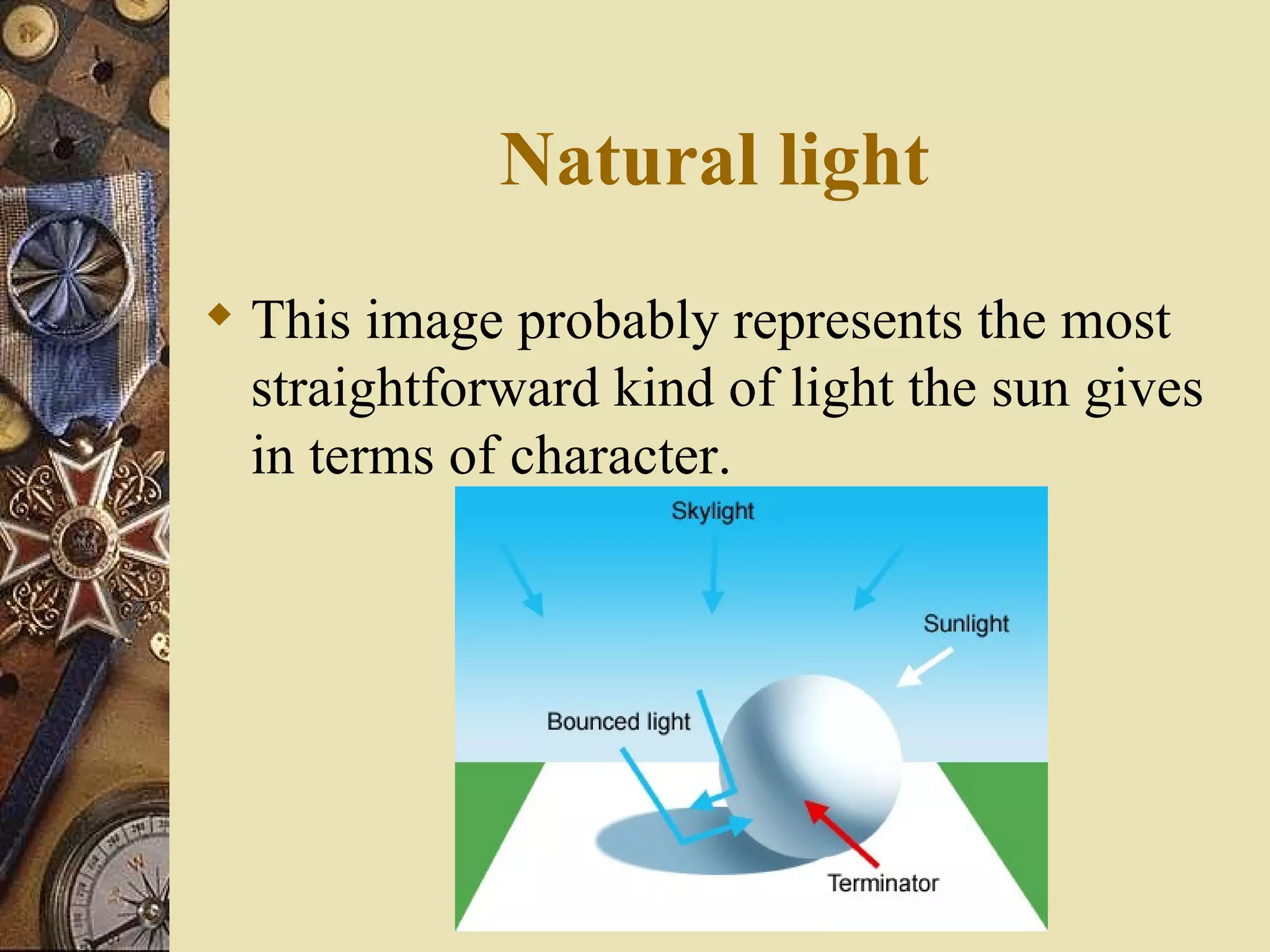
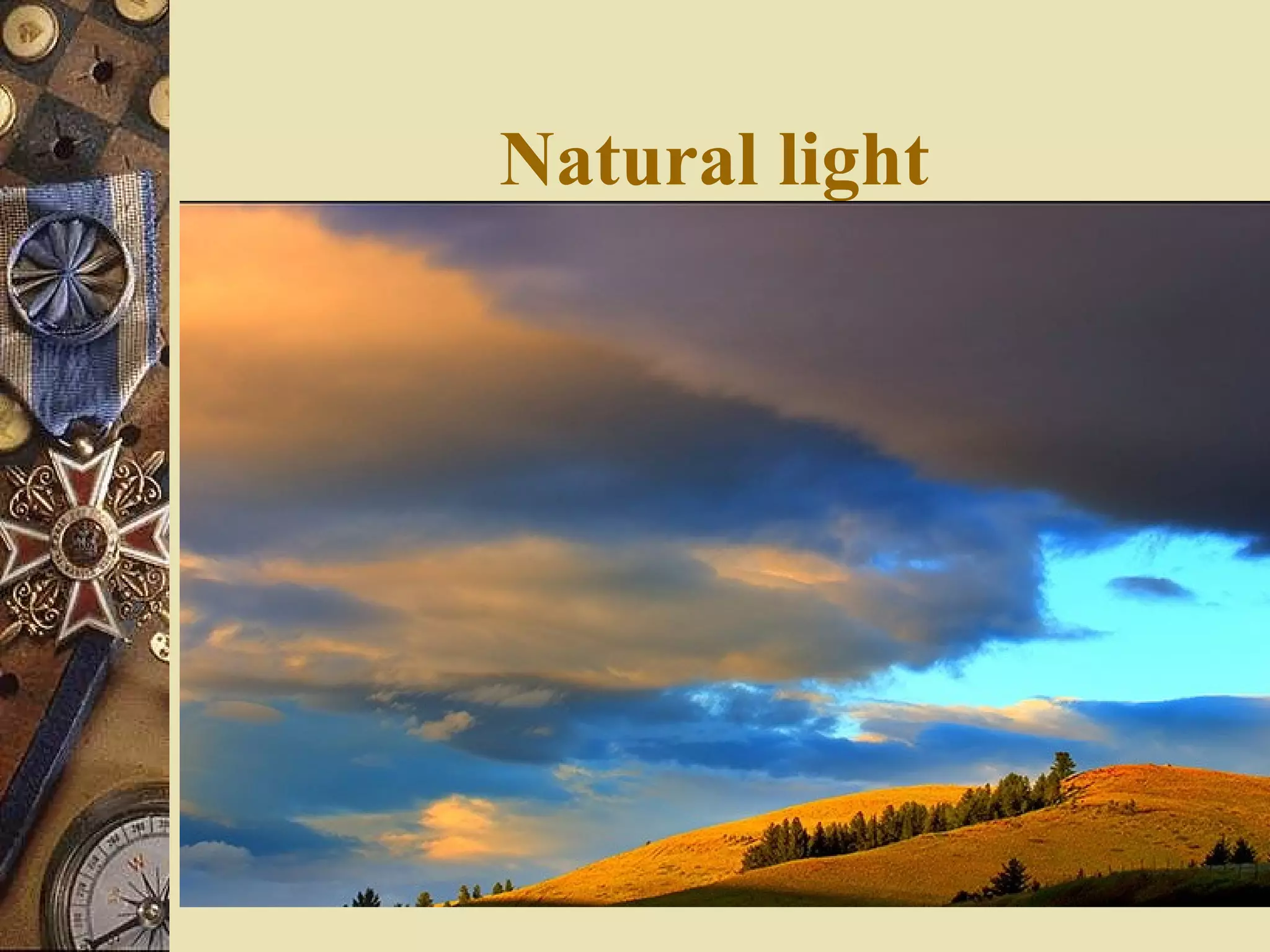
 This image probably represents the most
  straightforward kind of light the sun gives
  in terms of character.
Natural light
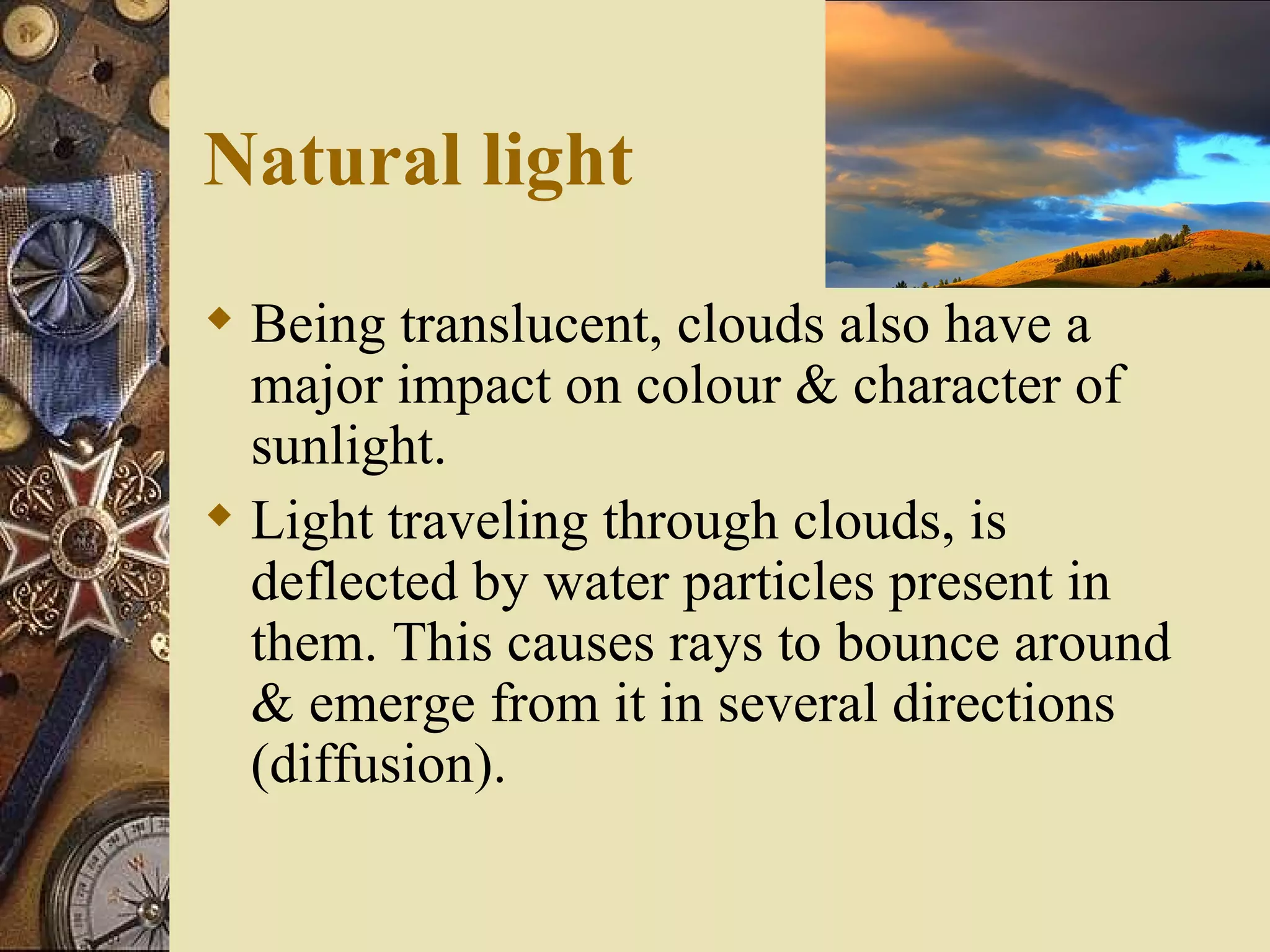
 Being translucent, clouds also have a
  major impact on colour & character of
  sunlight.
 Light traveling through clouds, is
  deflected by water particles present in
  them. This causes rays to bounce around
  & emerge from it in several directions
  (diffusion).
Natural light
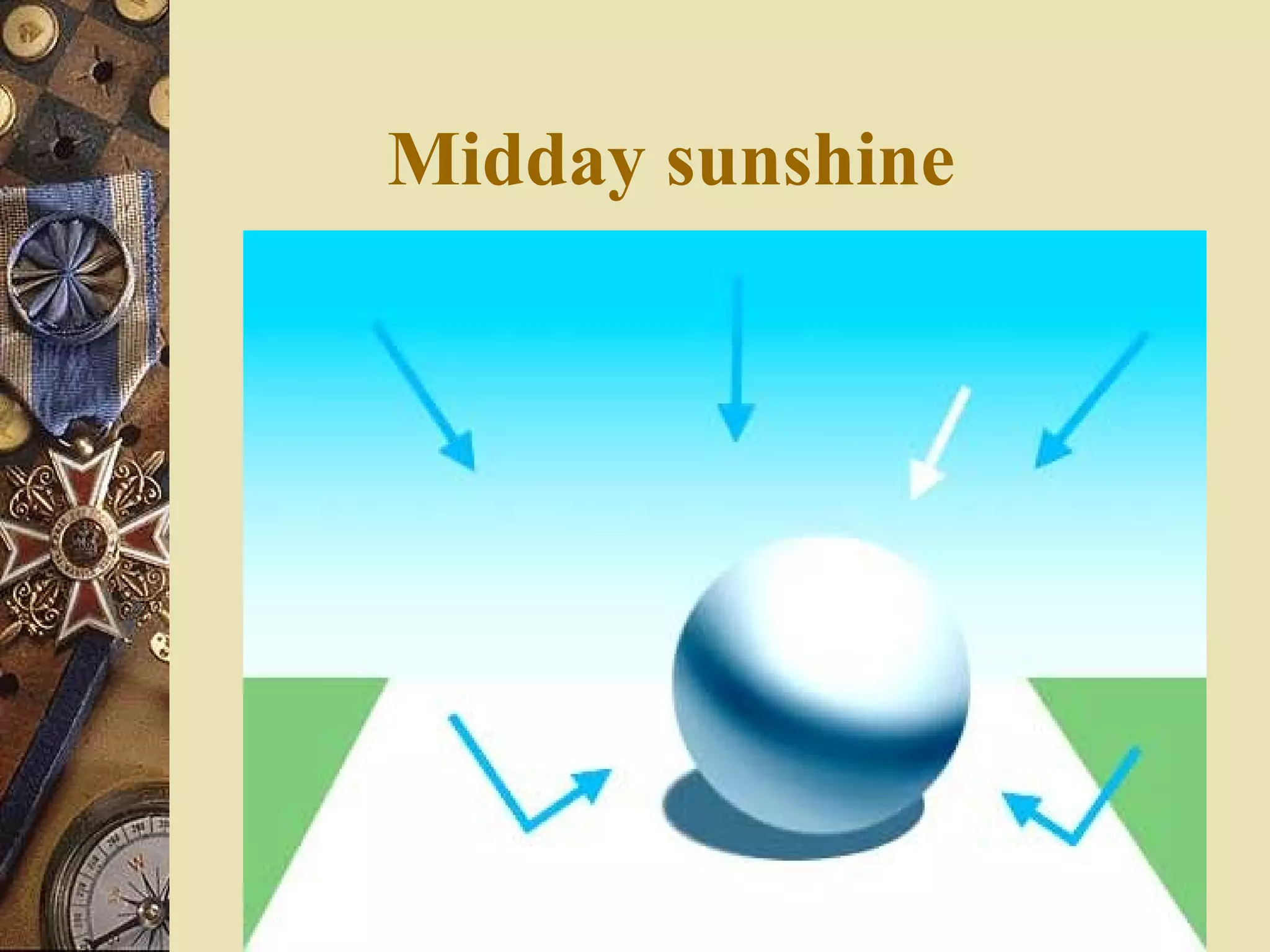
Midday sunshine
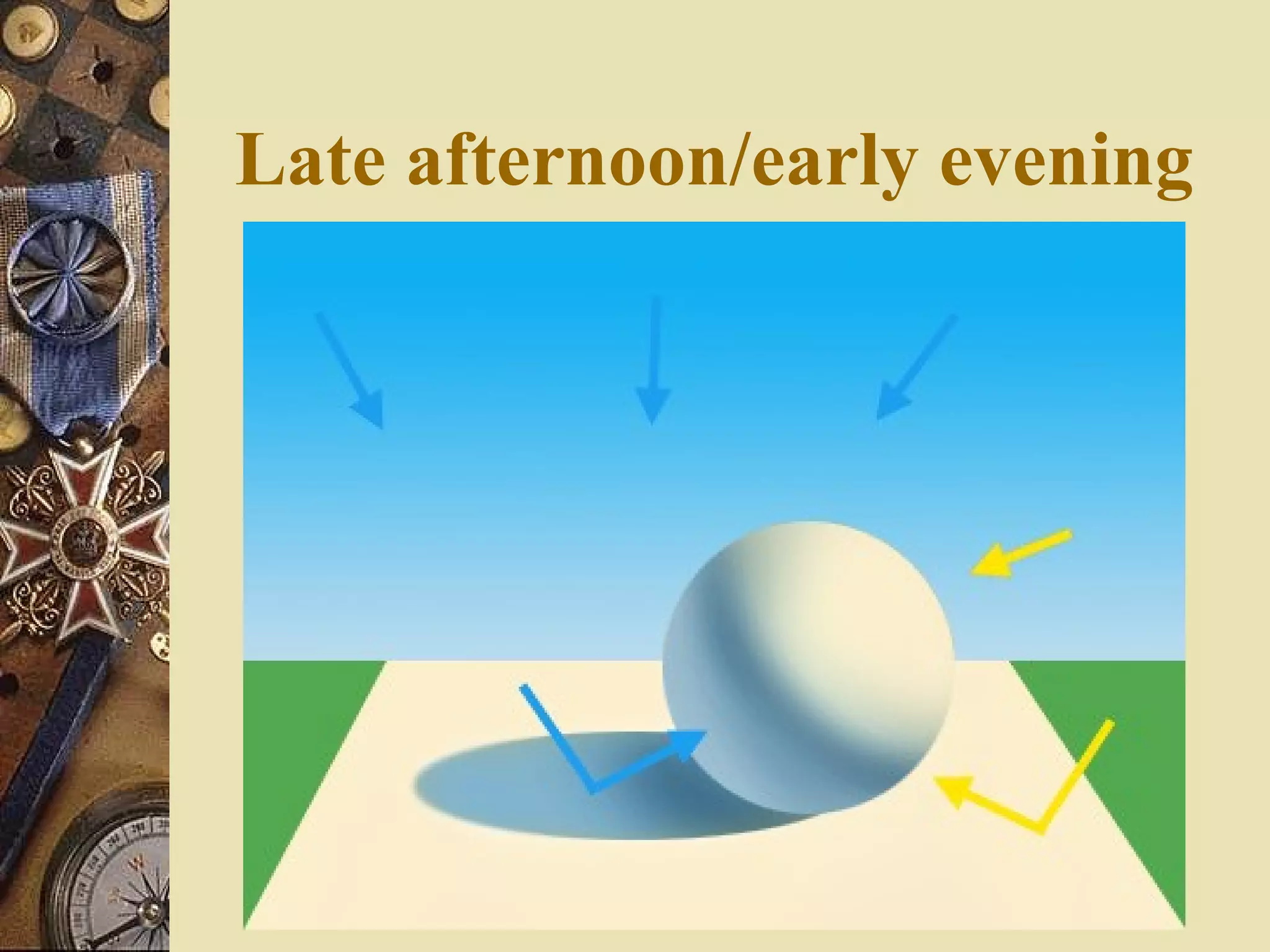
Late afternoon/early evening
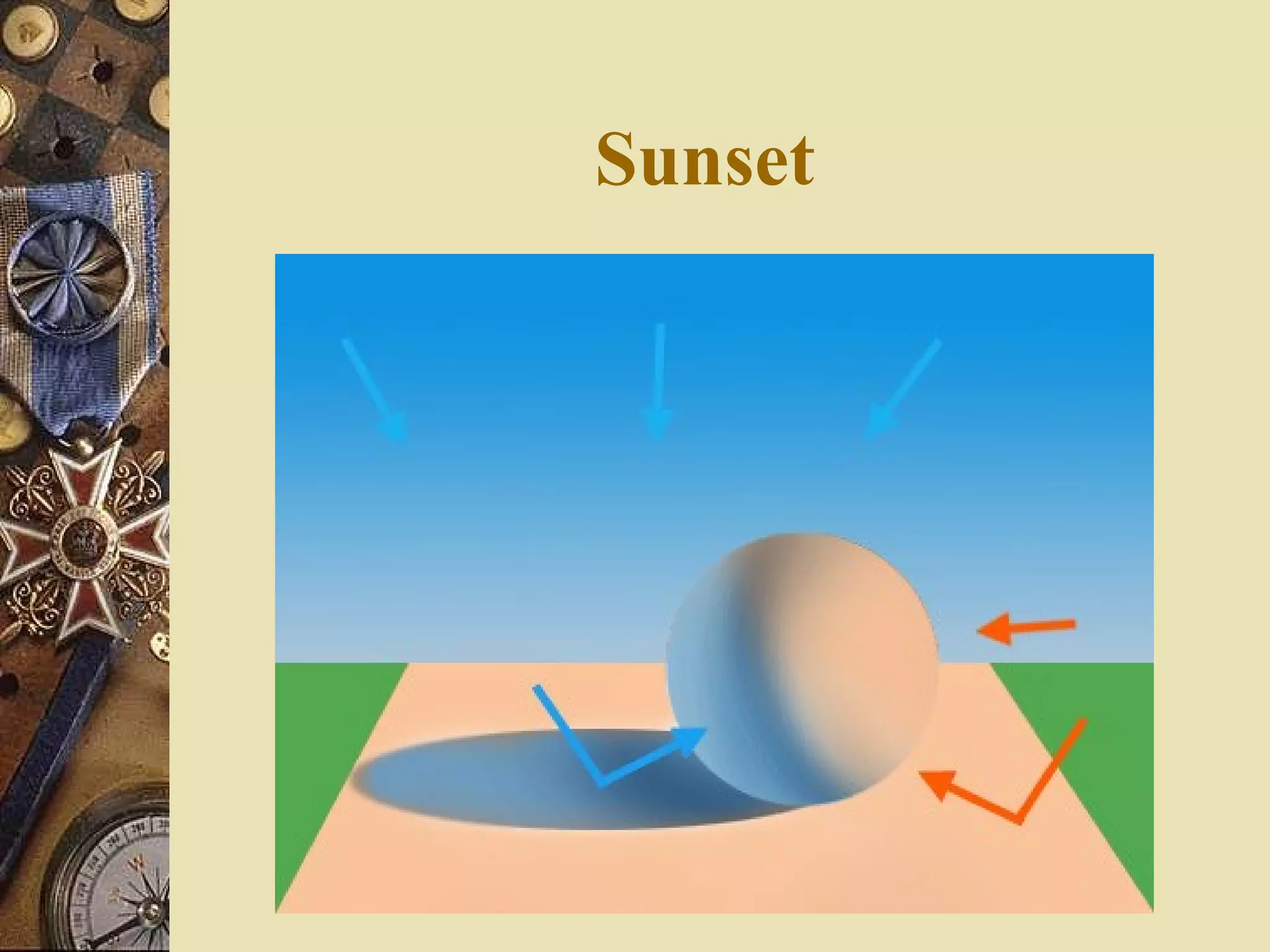
Sunset
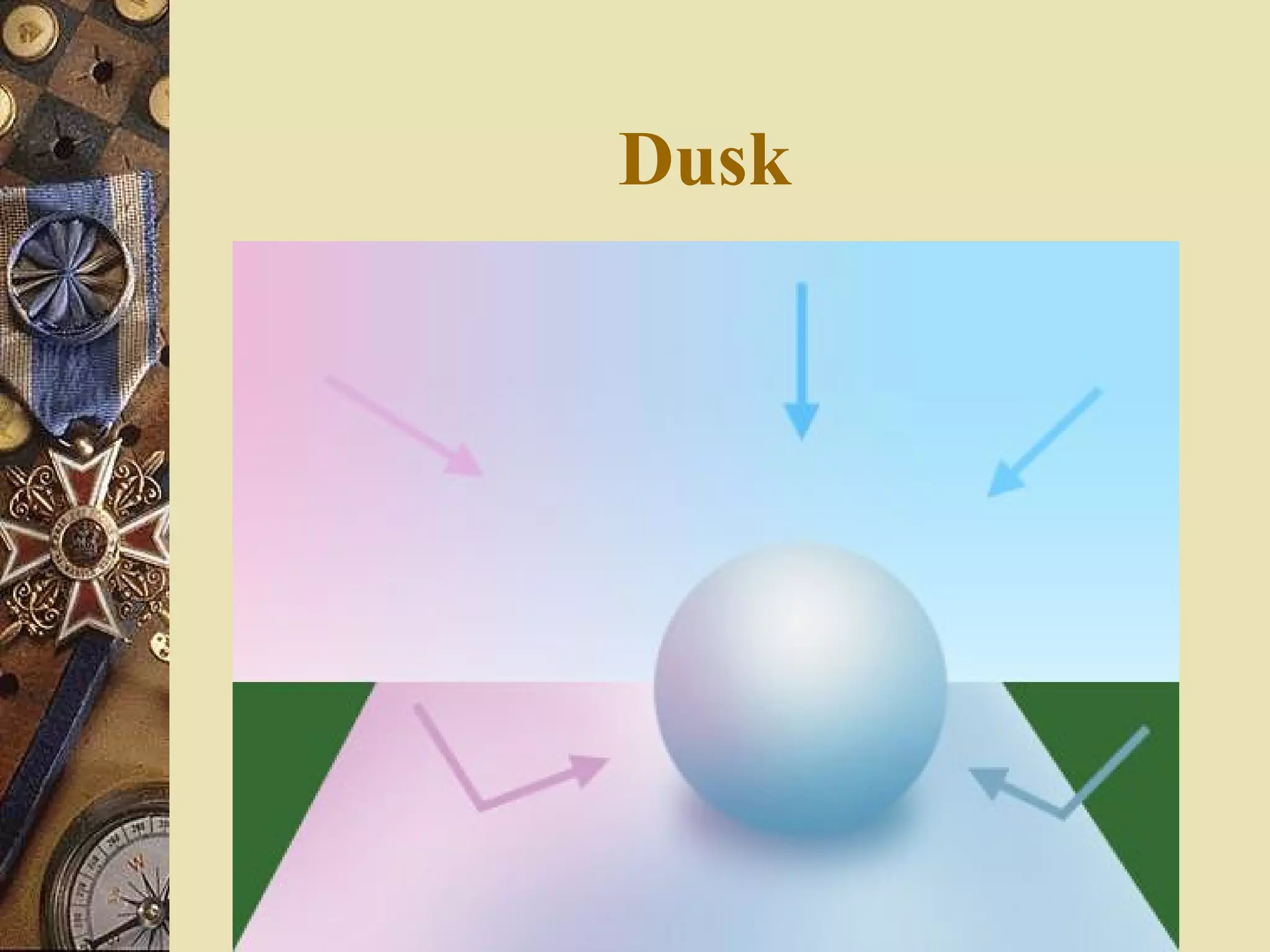
Dusk
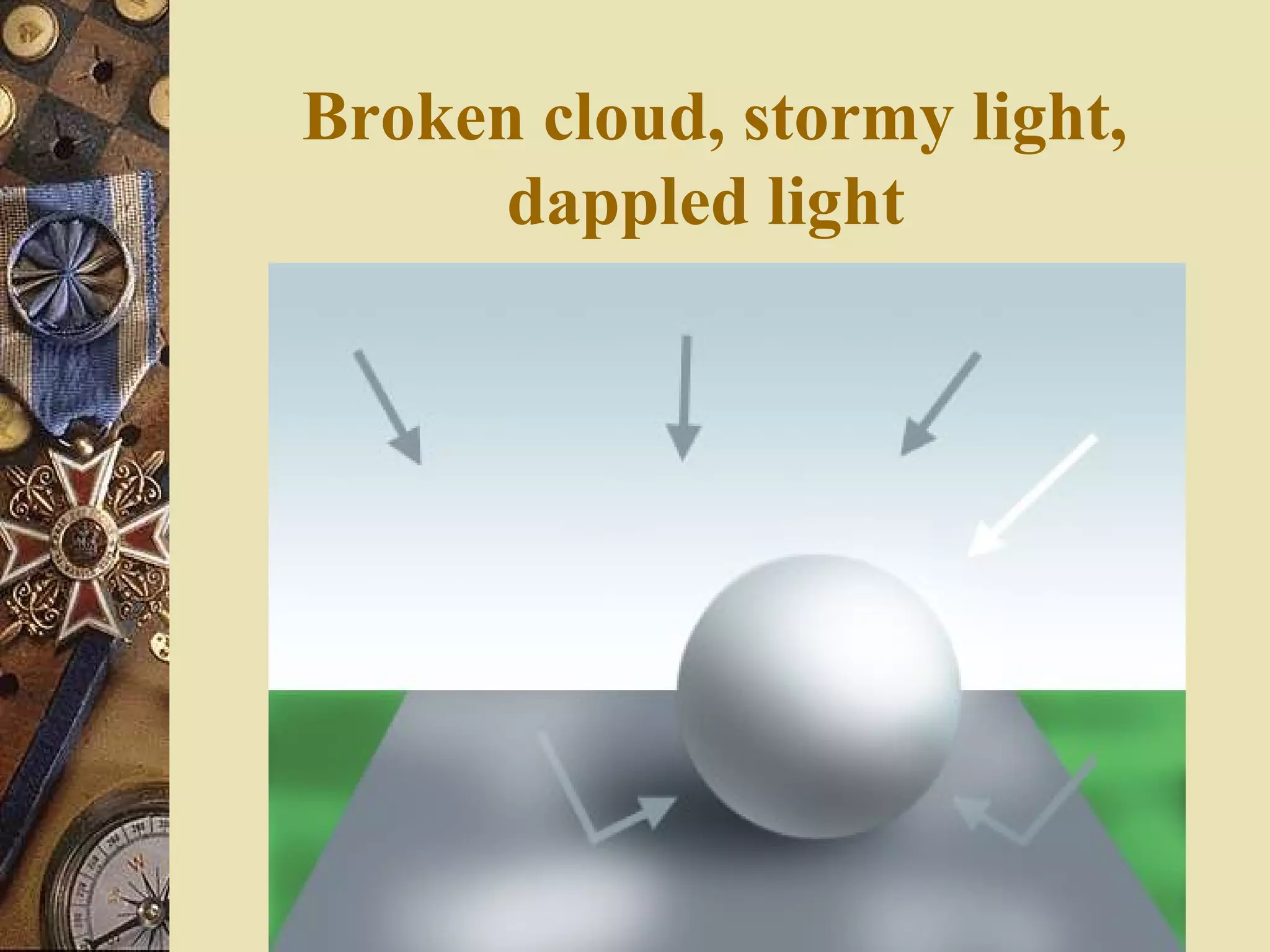
Broken cloud, stormy light,
      dappled light
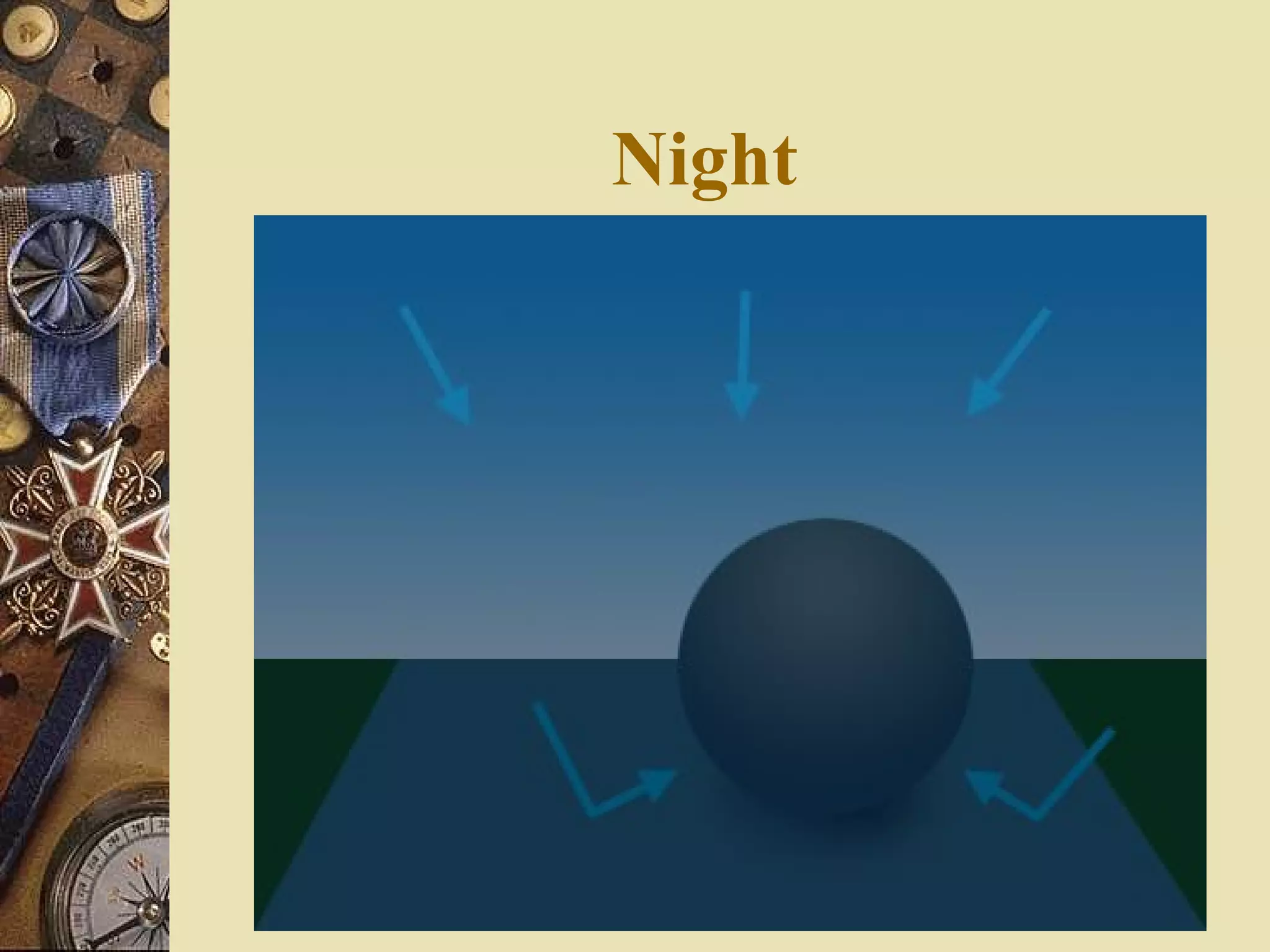
Night
Natural vs. Artificial light
 Natural light is not necessarily outdoor,
  nor is artificial light exclusively indoor.
 An indoor scene may rely entirely on
  filtered window light.
 Outdoor scenes may rely on artificial lights
  like lamp post etc.
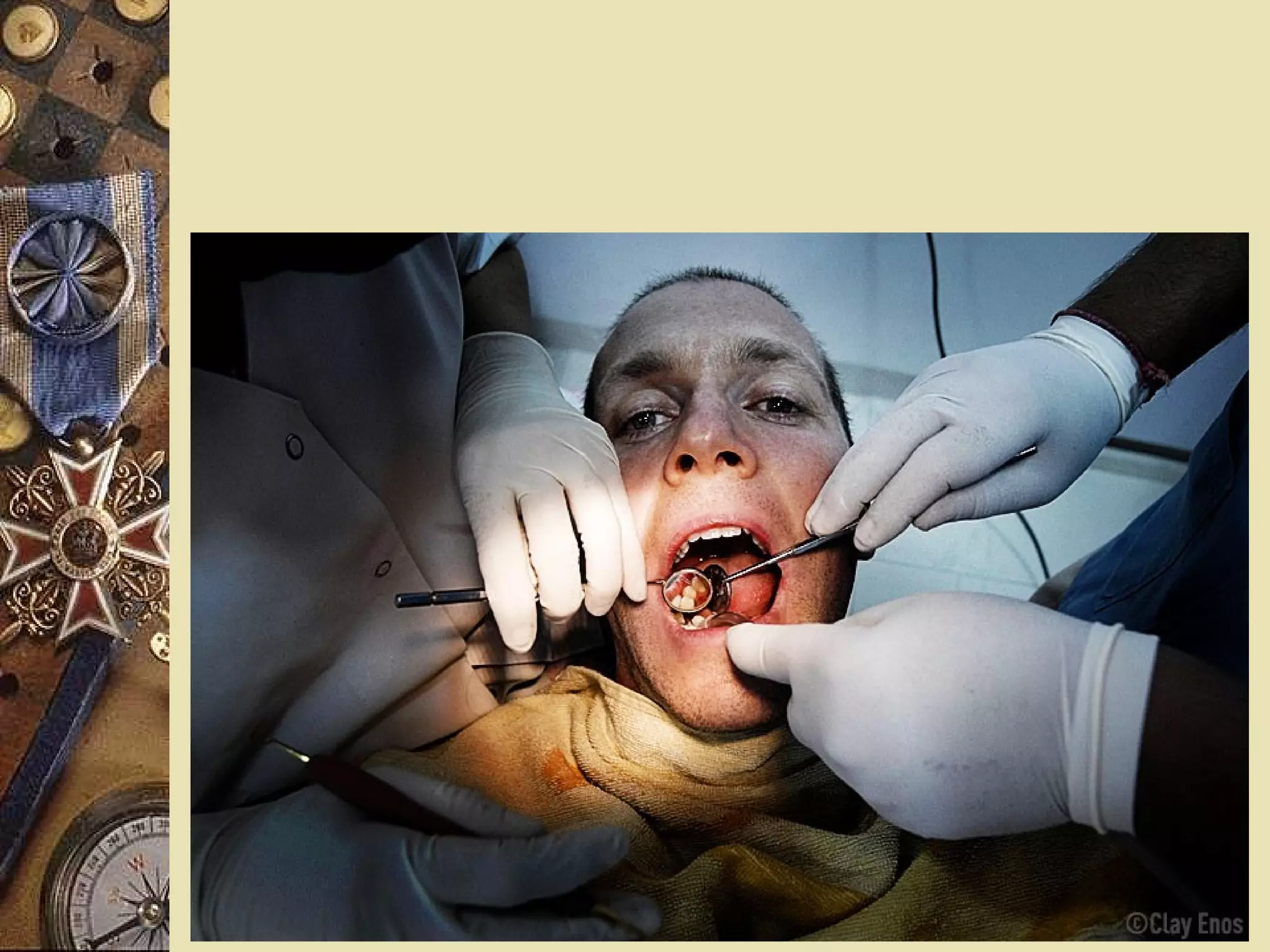
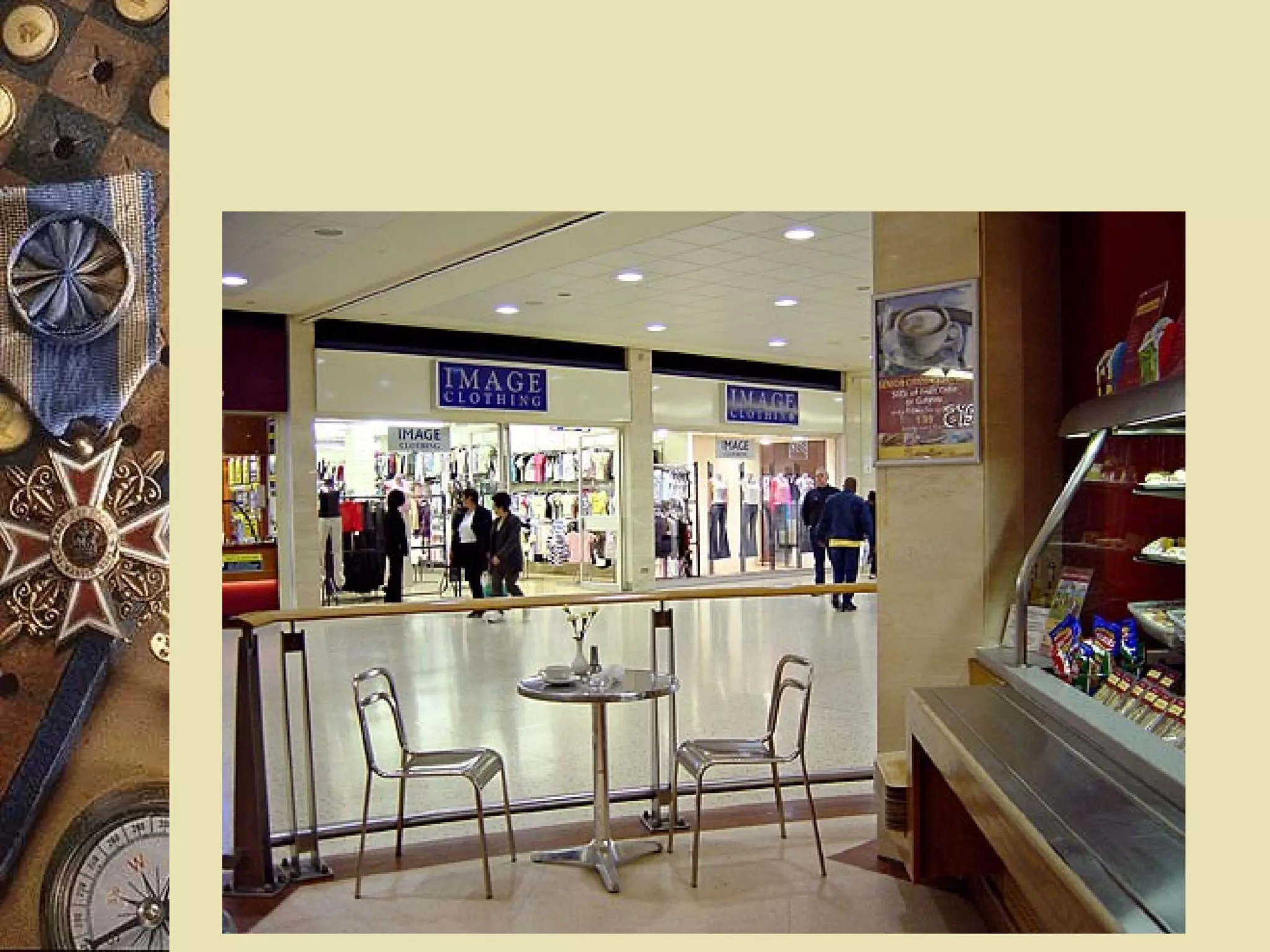
Artificial & Indoor lighting
 Light indoors has a different character to that
  found outside.
 With human beings in control of light source
  there is an added twist; that a light is often
  designed for a specific purpose. e.g. household
  lights are to give appealing, generally diffused
  light whereas office lighting is more functional &
  cost-effective.
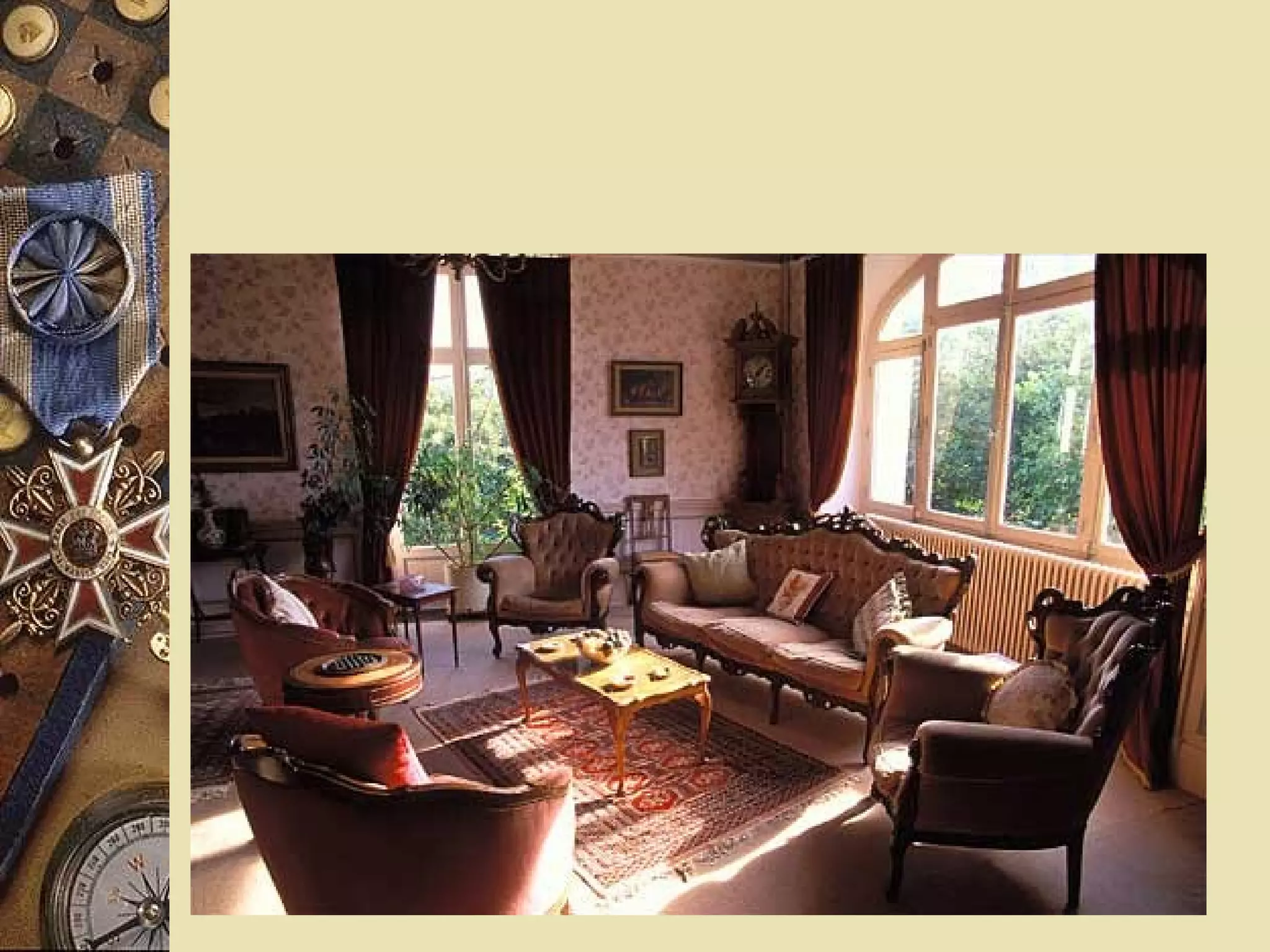
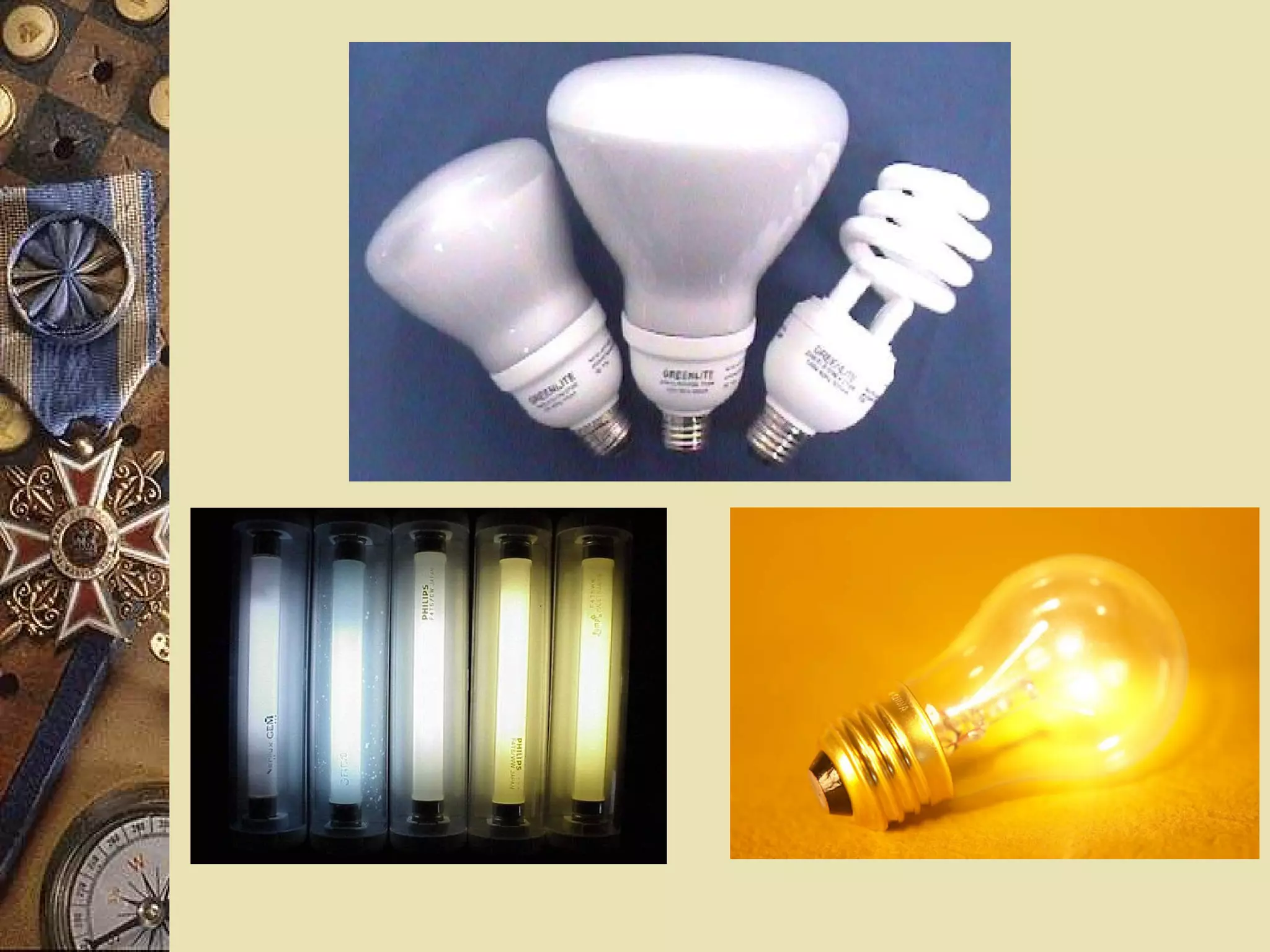
Indoor Lights
 Generally, most artificial light sources are
  diffused (major exception being spotlights)
 This is done to soften light & shadows it
  produce.
 Even sunlight indoors is diffused as it
  bounces between walls, floors & ceilings.
Mixed Lighting
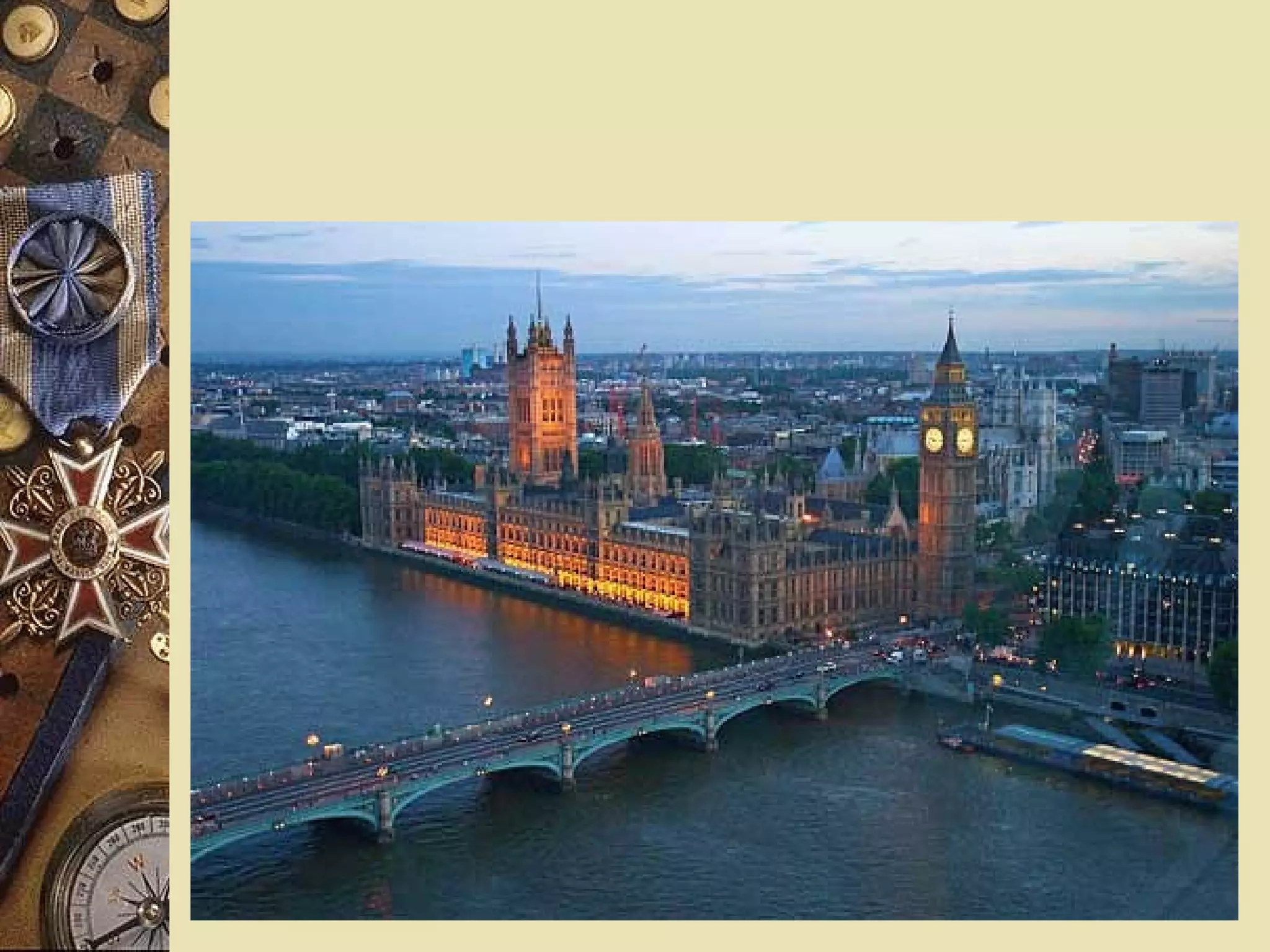
 Its common to see mixture of natural light
  & artificial light, especially during dawn &
  dusk leading to an interesting mixtures of
  colours & intensities
 (since natural light & tungsten light have
  complimentary colours in blue & orange).
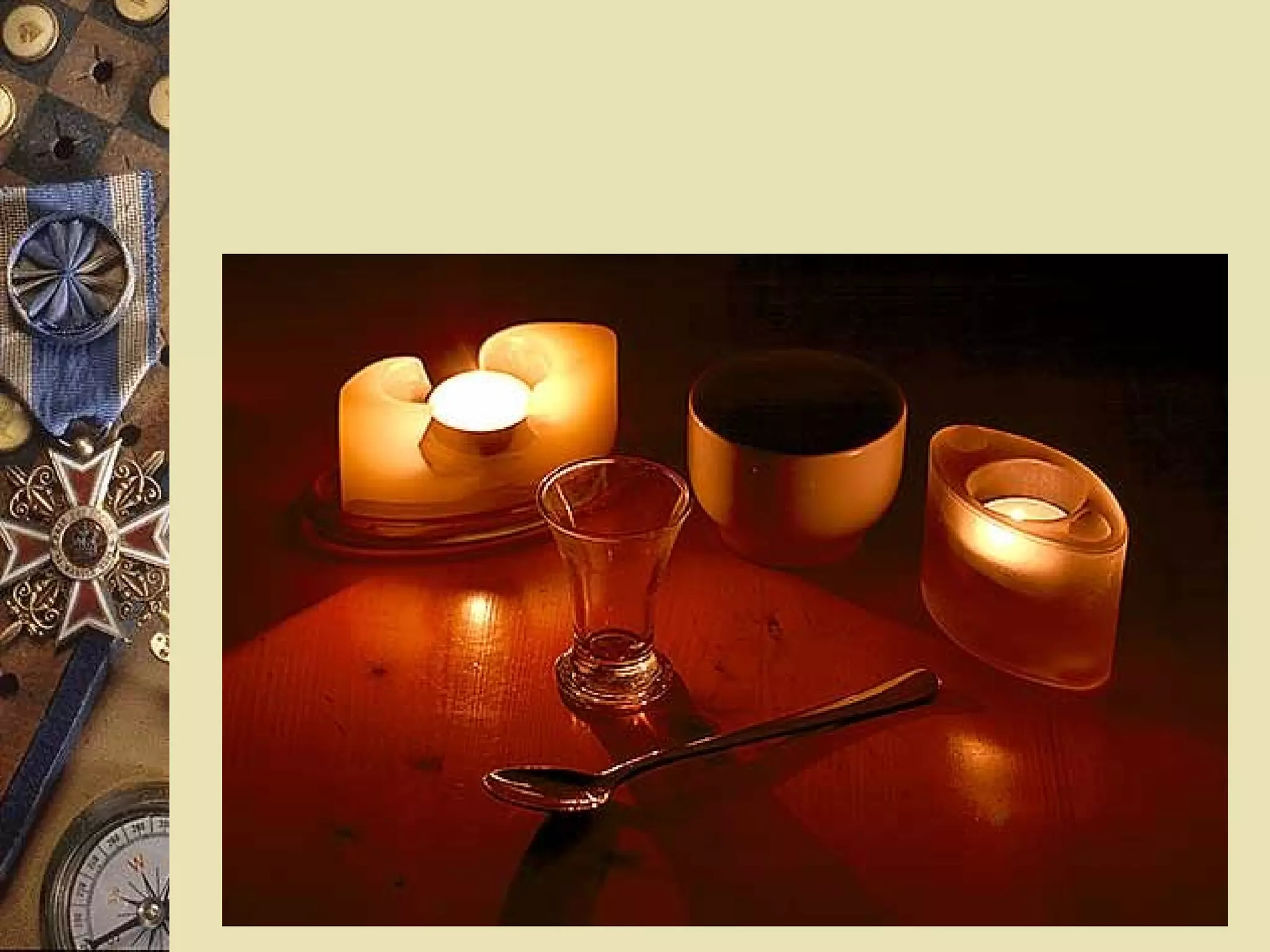
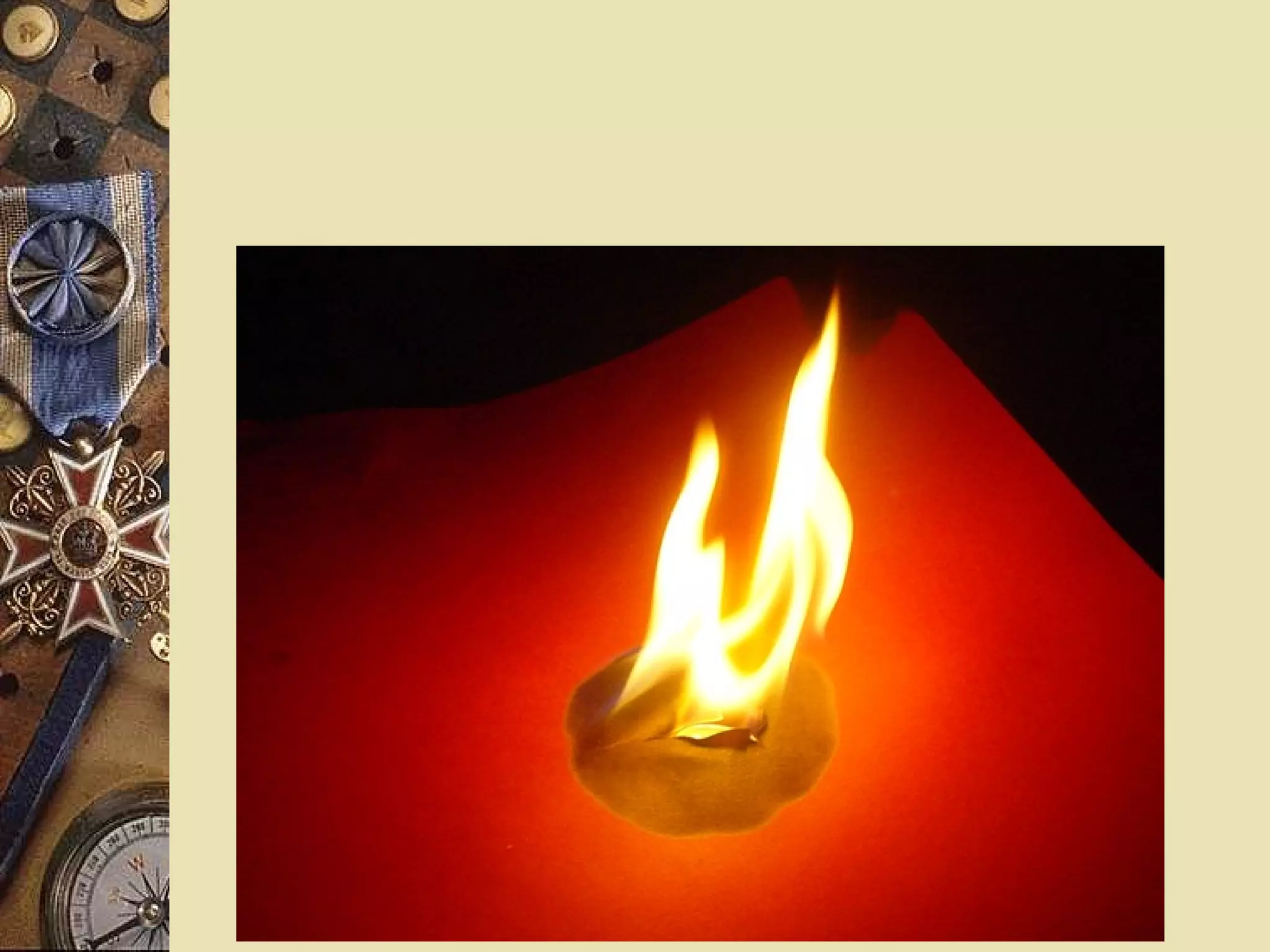
Firelight and candlelight
 Light that comes from a flame is even
  redder than incandescent light from light
  bulbs & we actually perceive it as orange /
  red.
 These light sources are often placed much
  lower than incandescent lights
 Often moving as light from fire & candles
  flickers.
Class 12 lighting 2
Class 12 lighting 2
Class 12 lighting 2

Class 12 lighting 2

  • 1.
  • 2.
    SOURCE OF LIGHT Natural: – Sunlight – Moonlight – Reflected Daylight  Artificial: – Flash – Lamps – Studio Lights – Street Lights
  • 3.
    Natural light  Naturallight comes in a wide range & difference between them can be enormous.  The main source of natural light is sun. However it varies in characteristics at different times of the day & weather conditions, turning it into different forms ranging from hard & warm to soft and cool lighting.
  • 4.
    Natural light  Thisimage probably represents the most straightforward kind of light the sun gives in terms of character.
  • 5.
    Natural light  Beingtranslucent, clouds also have a major impact on colour & character of sunlight.  Light traveling through clouds, is deflected by water particles present in them. This causes rays to bounce around & emerge from it in several directions (diffusion).
  • 6.
  • 7.
  • 8.
  • 9.
  • 10.
  • 11.
    Broken cloud, stormylight, dappled light
  • 12.
  • 13.
    Natural vs. Artificiallight  Natural light is not necessarily outdoor, nor is artificial light exclusively indoor.  An indoor scene may rely entirely on filtered window light.  Outdoor scenes may rely on artificial lights like lamp post etc.
  • 14.
    Artificial & Indoorlighting  Light indoors has a different character to that found outside.  With human beings in control of light source there is an added twist; that a light is often designed for a specific purpose. e.g. household lights are to give appealing, generally diffused light whereas office lighting is more functional & cost-effective.
  • 17.
    Indoor Lights  Generally,most artificial light sources are diffused (major exception being spotlights)  This is done to soften light & shadows it produce.  Even sunlight indoors is diffused as it bounces between walls, floors & ceilings.
  • 20.
    Mixed Lighting  Itscommon to see mixture of natural light & artificial light, especially during dawn & dusk leading to an interesting mixtures of colours & intensities  (since natural light & tungsten light have complimentary colours in blue & orange).
  • 23.
    Firelight and candlelight Light that comes from a flame is even redder than incandescent light from light bulbs & we actually perceive it as orange / red.  These light sources are often placed much lower than incandescent lights  Often moving as light from fire & candles flickers.