I N T R O D U C T I O N TO D E N D R O C H R O N O LO GY
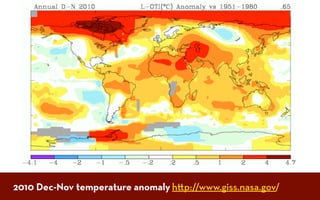
2010 Dec-Nov temperature anomaly h p://www.giss.nasa.gov/
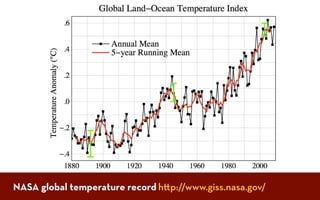
NASA global temperature record h p://www.giss.nasa.gov/
QUESTION
Is it unusual for the world to be this warm?
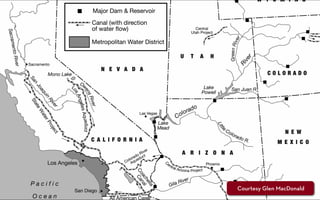
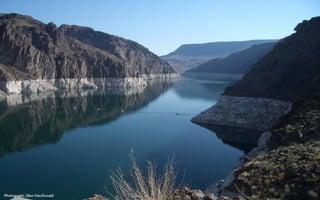
Water transfers in the American southwest


                                Courtesy Glen MacDonald
Low reservoir


Photograph: Glen MacDonald
QUESTION
Is there enough water in the Colorado River
      to satisfy the expected need?
Photograph: watsonsinelgin
Photograph: Howard Arno
QUESTION
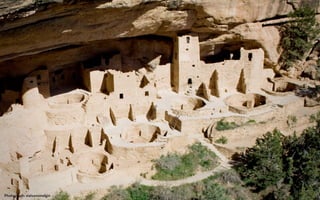
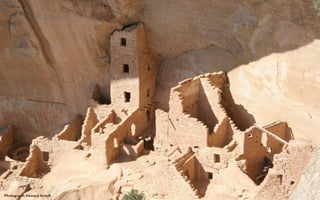
 When were these dwellings
constructed (and abandoned)
         and why?
Photograph: Tom Swetnam
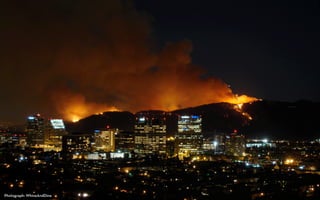
Photograph: WhineAndDine
QUESTION
How does weather and climate affect the
    risk and severity of forest fires?
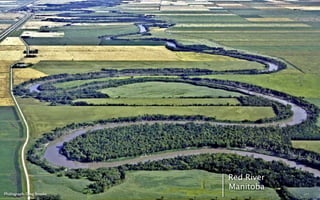
Red River
                          Manitoba
Photograph: Greg Brooks
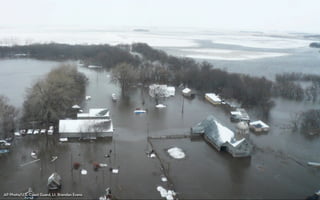
AP Photo/U.S. Coast Guard, Lt. Brendan Evans
QUESTION
How often does the Red River
  produce extreme floods?
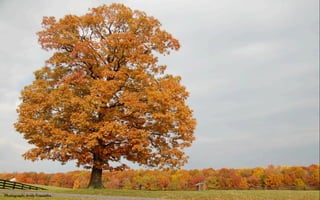
Tree at Chancellorsville


Photograph: Andy Frasse o
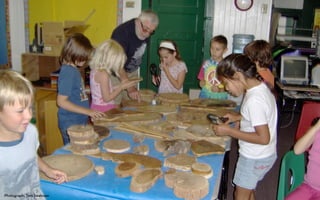
Tree-ring display at elementary school


Photograph: Tom Swetnam
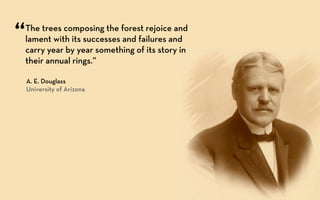
“   The trees composing the forest rejoice and
    lament with its successes and failures and
    carry year by year something of its story in
    their annual rings.”

    A. E. Douglass
    University of Arizona
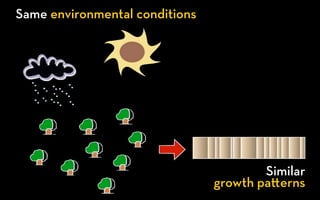
Same environmental conditions


                                        Similar
                                growth pa erns
25
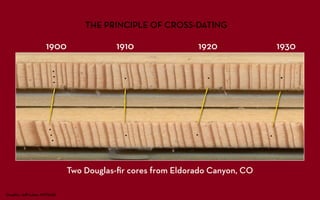
THE PRINCIPLE OF CROSS-DATING

                     1900                1910                1920             1930


                              Two Douglas-fir cores from Eldorado Canyon, CO

Graphic: Jeff Lukas, INSTAAR
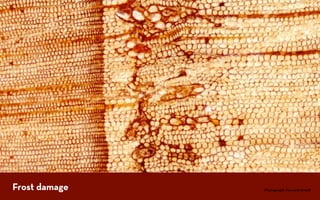
Frost damage   Photograph: Howard Arno
                Photo: Howard Arnott
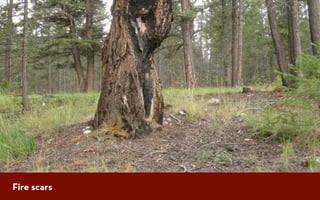
Fire scars
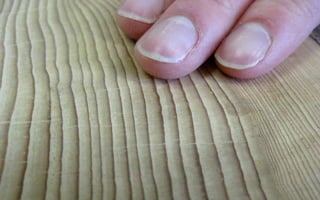
The science of dendrochronology uses
information encoded into the annual growth rings
of trees to address issues related to climate
change, hazards, ecology and natural history.
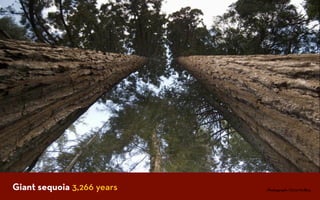
Giant sequoia 3,266 years   Photograph: Chris Mullins
                              Photo: Chris Mullins
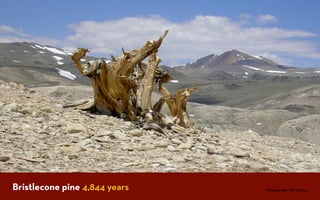
Bristlecone pine 4,844 years   Photograph: Tom Harlan
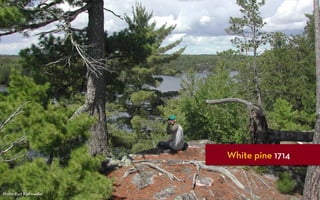
White pine 1714


Photo: Kurt Kipfmueller
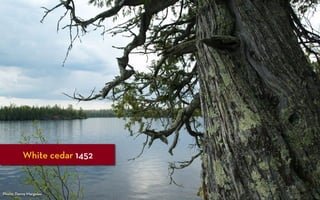
White cedar 1452


Photo: Danny Margoles
I N T R O D U C T I O N TO D E N D R O C H R O N O LO GY
Fundamentals Tree-ring anatomy   Photograph: Kevin Anchukaitis
Fundamentals Weather, climate and tree growth   Photograph: dr_tim_1956
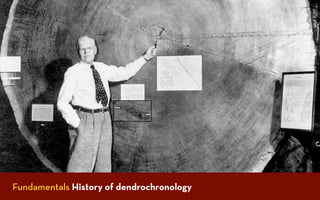
Fundamentals History of dendrochronology
Fundamentals Statistical tools for tree-ring analysis
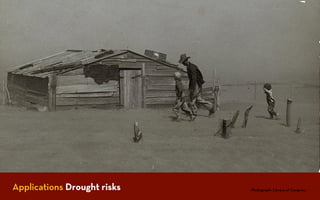
Applications Drought risks   Photograph: Library of Congress
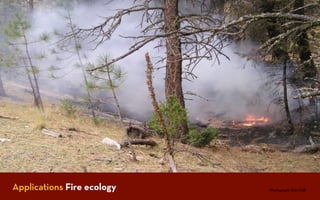
Applications Fire ecology   Photograph: Don Falk
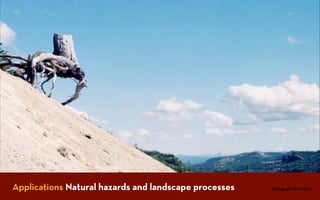
Applications Natural hazards and landscape processes   Photograph: Erica Bigio
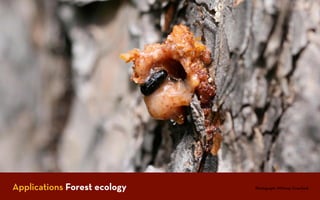
Applications Forest ecology   Photograph: Whitney Crawford
Applications Maritime archeology   43
I N T R O D U C T I O N TO D E N D R O C H R O N O LO GY
Who am I?
Tree-ring display at elementary school


                                    Photograph:Tom Swetnam
Photograph: Dave Sauchyn
Photo: Calvin Ferris   Kurt Kipfmueller University of Minnesota
umndendro.umn.edu
GEOG3839 Nuts and bolts
GEOG5839
Links to course syllabus, schedule
at h p://umn.edu/~stgeorge under ‘Teaching’
GRADING WEIGHTS

   GEOG3839
Mid-term        30%
Exercises (4)   40%
                         GEOG5839
Final exam      30%
                      Mid-term        20%
                      Exercises (4)   40%
                      Project         40%
Trees are among the oldest living things on our planet. Many trees can live for
several centuries and a few exceptional specimens have survived for more
than 5,000 years. In part because of their great age, the annual growth rings
from trees provide us with an incredibly powerful and adaptable tool to study
Earth’s history. The rings tell us much more than just a tree’s age. They also
provide clues that help us understand how our environment has changed in
the past, and provide insights into how key processes in atmosphere,
biosphere and geological systems operate over long timescales.

The science of dendrochronology uses information encoded into the annual
growth rings of trees to address issues related to climate change, hazards,
ecology and natural history. Because tree vitality is strongly influenced by
local environmental conditions, major events such as a change in climate,
insect a ack or severe flood o en create a distinct ‘fingerprint’ in the tree’s
rings. By studying these signatures in the rings, we can develop an annual
record of past environmental events extending back several centuries or
millennia.
Links to course syllabus, schedule
at h p://umn.edu/~stgeorge under ‘Teaching’
Readings!
Smith and Lewis (2006), Dendrochronology
What can you expect to learn?
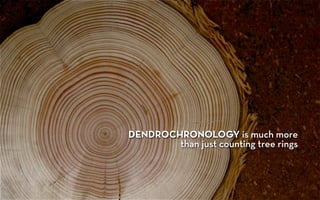
DENDROCHRONOLOGY is much more
        than just counting tree rings

Class 1, introduction to dendrochronology