
















DENDROARCHEOLOGY


Photograph: Stones 55
“
To be present at the instance of the celebrated breakthrough
in science that set the chronological house in order for the


                                                 ”
Southwestern United States was reward enough.

                                  Emil Haury, 1962
Aztec Ruin National Monument New Mexico


Photograph: Sco Catron
1
ONE
THE GHOST SHIP
THE
‘MARY CELESTE’
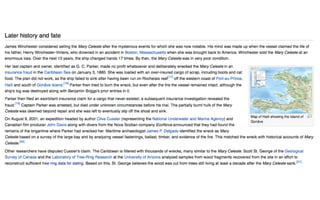
“   In December 1872, she was discovered at sea
    with all sail set and everything in order but

                                                   ”
    not a person was on board or ever found.
                                    Spicer, 1942
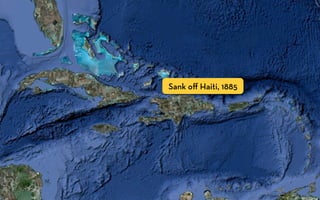
Sank off Haiti, 1885
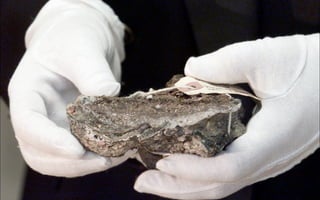
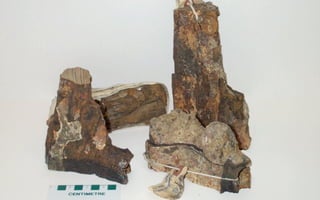
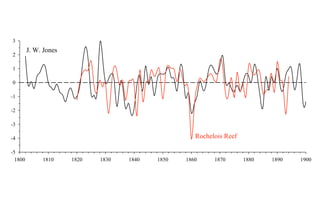
“        Detailed analysis of twelve samples of wood by
                                 Dr. David Etheridge, a wood scientist from
                                 Victoria, British Columbia, showed the ship was
                                 built either in Northern New England or the


                                                               ”
                                 Maritime Provinces of Canada.
                                                                     NUMA.net


h p://www.numa.net/press/080801.html
Photograph: Chris M.


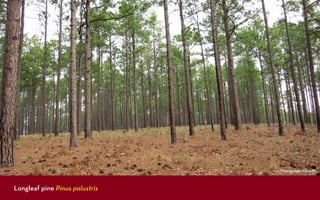
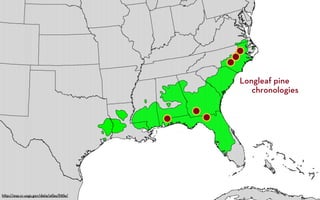
Longleaf pine Pinus palustris
h p://esp.cr.usgs.gov/data/atlas/li le/
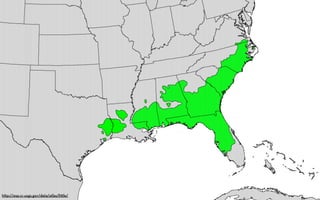
Longleaf pine
                                             chronologies


h p://esp.cr.usgs.gov/data/atlas/li le/
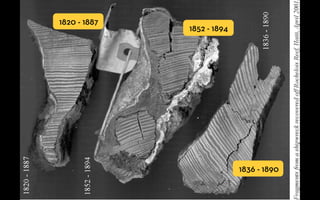
1820 - 1887
              1852 - 1894


                            1836 - 1890
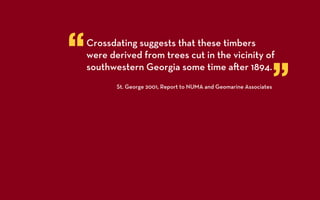
“   Crossdating suggests that these timbers
    were derived from trees cut in the vicinity of


                                                                      ”
    southwestern Georgia some time a er 1894.
           St. George 2001, Report to NUMA and Geomarine Associates
2
TWO
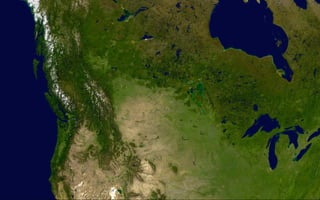
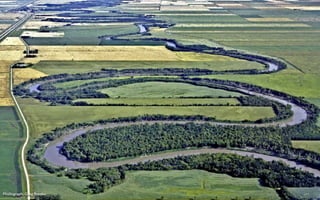
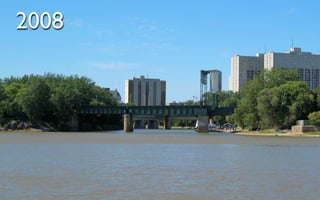
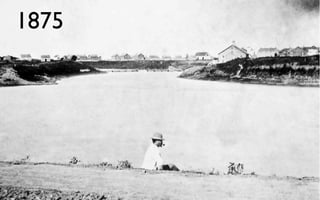
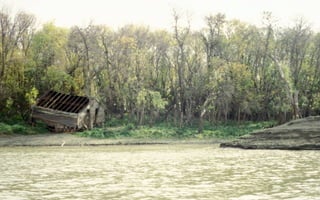
RED RIVER SETTLEMENTS
Photograph: Greg Brooks
2008
1875
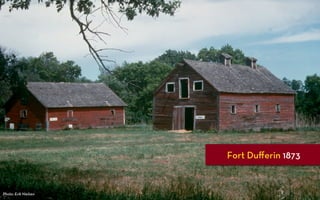
Fort Dufferin 1873


Photo: Erik Nielsen
Photo: Erik Nielsen
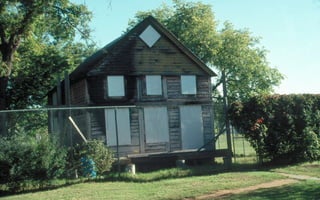
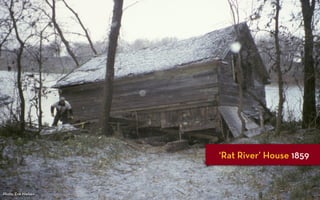
‘Rat River’ House 1859


Photo: Erik Nielsen
3
THREE
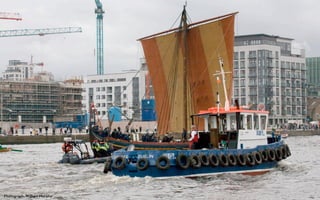
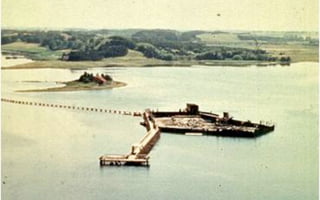
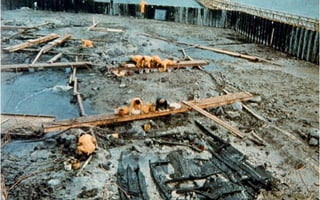
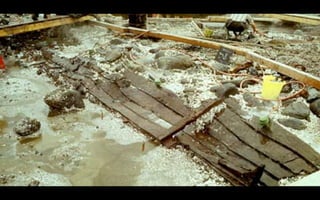
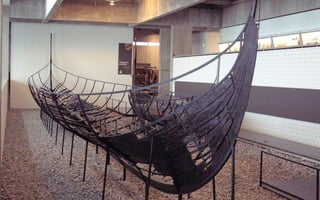
THE RETURN OF THE SEA STALLION
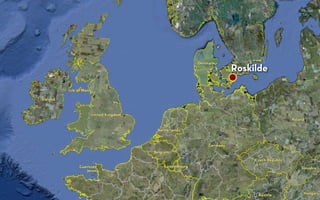
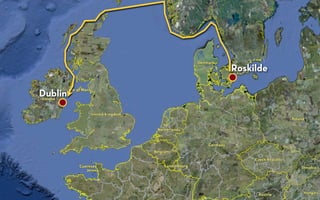
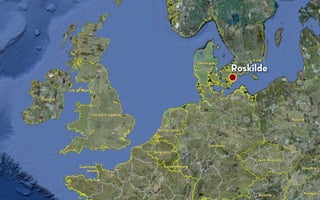
Roskilde
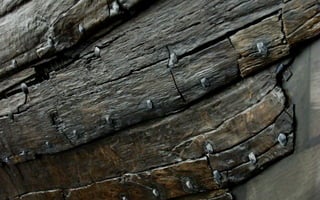
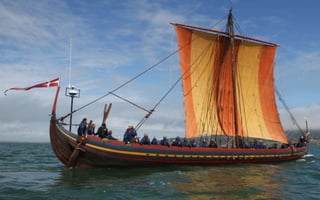
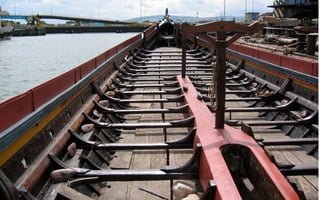
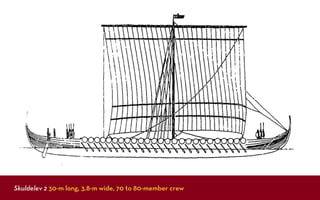
Skuldelev 2 30-m long, 3.8-m wide, 70 to 80-member crew
“   The most important limitation [of shipwreck
    archaeology]…is the virtual impossibility of


                                                         ”
    deducing the shipyard where a vessel was built.
                                           Basch, 1972
“   It was possible to correlate the tree-ring curves
    from twelve planks and the keel and construct
    a chronology that spanned 248 years,

                                                             ”
    representing the building phase of the ship.
                          Bonde and Crumlin-Pederson, 1990
Roskilde
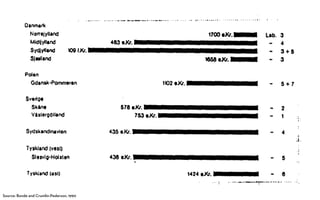
Source: Bonde and Crumlin-Pederson, 1990
“   The Skuldelev-chronology fi ed perfectly with
    all the chronologies except the one for Belfast,
    which, as it turned out, did not cover the dating


                        ”
    range for our curve.
                          Bonde and Crumlin-Pederson, 1990
“   Based on these results we can conclude that
    the longship excavated in Denmark was built in
    the region of the Irish Sea, most likely in Dublin,


                                                 ”
    in the second half of the 11th century.
                          Bonde and Crumlin-Pederson, 1990
Roskilde

Dublin
Photograph: William Murphy
“   The result [of successful dendrochronological dating on
    ships] is o en so precise that every recognized theory


                                                               ”
    which conflicts with it is immediately discredited.
                                    Bonde & Christensen 1982
MANY OTHER APPLICATIONS
The Messiah-Salabue Stradivarius of 1716
Photograph: Henri Grissino-Mayer
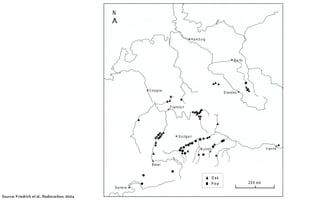
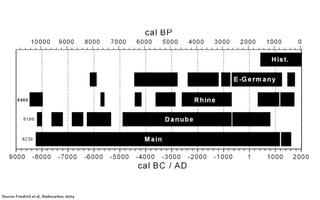
Source: Friedrich et al., Radiocarbon, 2004
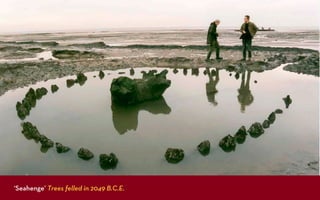
‘Seahenge’ Trees felled in 2049 B.C.E.
“   Fluctuation in the amount of carbon dioxide
    in the atmosphere can also affect


                                                  ”
    the concentration of 14C in the CO2.


                   University of Arizona AMS Laboratory
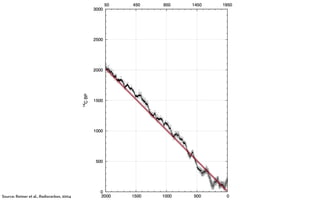
Source: Reimer et al., Radiocarbon, 2004
“   The Holocene part of the 14C   calibration is based on
    several millennia-long tree-ring chronologies providing
    an annual, absolute time frame within the possible error
    of the dendrochronology, which was rigorously tested by


                                                                 ”
    internal replication of many overlapping sections.
                                   Reimer et al., Radiocarbon, 2004
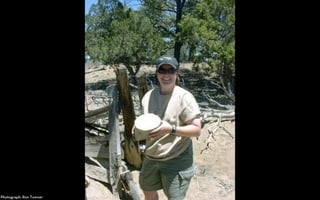
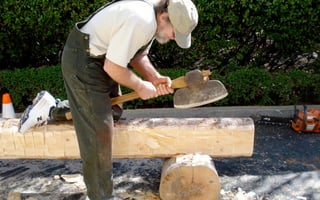
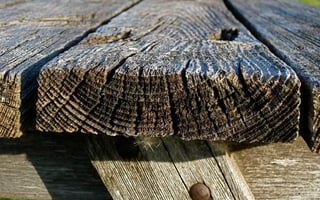
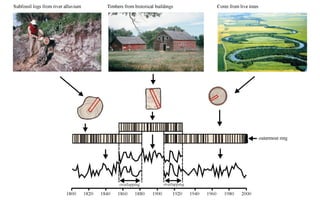
Cu ing dates
             Dates assigned to crossdated wood or charcoal specimens
             that possess evidence that the last ring present on the
             specimen was the last ring grown by the tree before it died.


Source: Nash, Journal of Archeological Research, 2002
Photograph: Ron Towner
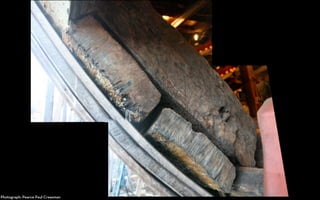
Photograph: Pearce Paul Creasman
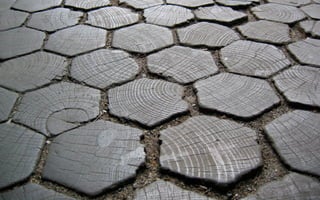
Noncu ing dates
       Dates assigned to crossdated specimens if there is no evidence
       indicating that the last ring present on the specimen
       was the last one growth before the tree died.


Source: Nash, Journal of Archeological Research, 2002
Date clustering
       If a number of tree-ring dates from a given site cluster in one
       calendar year (or are very close together), one can infer that
       some substantial construction (or repair) occurred at that time.


Source: Nash, Journal of Archeological Research, 2002
Reading
Nash (2002) Archaeological tree-ring dating at
the millennium. Journal of Archeological
Research 3, 243-275.
NO CLASS
April 12 and April 14
Reading
Stoffel and Bollschweiler (2008), Tree-ring
analysis in natural hazards research – an
overview. Natural Hazards and Earth Systems
Science 8, 187-202.
Reading
Stoffel et al. (2010), Whither Dendrogeomorphology?
In Stoffel et al., (eds.), Tree Rings and Natural
Hazards.

GEOG3839.18, Dendroarcheology

  • 1.
  • 2.
    “ To be presentat the instance of the celebrated breakthrough in science that set the chronological house in order for the ” Southwestern United States was reward enough. Emil Haury, 1962
  • 3.
    Aztec Ruin NationalMonument New Mexico Photograph: Sco Catron
  • 6.
  • 7.
  • 10.
    In December 1872, she was discovered at sea with all sail set and everything in order but ” not a person was on board or ever found. Spicer, 1942
  • 12.
  • 16.
    Detailed analysis of twelve samples of wood by Dr. David Etheridge, a wood scientist from Victoria, British Columbia, showed the ship was built either in Northern New England or the ” Maritime Provinces of Canada. NUMA.net h p://www.numa.net/press/080801.html
  • 18.
    Photograph: Chris M. Longleafpine Pinus palustris
  • 19.
  • 21.
    Longleaf pine chronologies h p://esp.cr.usgs.gov/data/atlas/li le/
  • 23.
    1820 - 1887 1852 - 1894 1836 - 1890
  • 24.
    Crossdating suggests that these timbers were derived from trees cut in the vicinity of ” southwestern Georgia some time a er 1894. St. George 2001, Report to NUMA and Geomarine Associates
  • 27.
  • 30.
  • 31.
  • 32.
  • 34.
  • 35.
  • 37.
    ‘Rat River’ House1859 Photo: Erik Nielsen
  • 39.
    3 THREE THE RETURN OFTHE SEA STALLION
  • 40.
  • 45.
    Skuldelev 2 30-mlong, 3.8-m wide, 70 to 80-member crew
  • 46.
    The most important limitation [of shipwreck archaeology]…is the virtual impossibility of ” deducing the shipyard where a vessel was built. Basch, 1972
  • 48.
    It was possible to correlate the tree-ring curves from twelve planks and the keel and construct a chronology that spanned 248 years, ” representing the building phase of the ship. Bonde and Crumlin-Pederson, 1990
  • 49.
  • 50.
    Source: Bonde andCrumlin-Pederson, 1990
  • 52.
    The Skuldelev-chronology fi ed perfectly with all the chronologies except the one for Belfast, which, as it turned out, did not cover the dating ” range for our curve. Bonde and Crumlin-Pederson, 1990
  • 53.
    Based on these results we can conclude that the longship excavated in Denmark was built in the region of the Irish Sea, most likely in Dublin, ” in the second half of the 11th century. Bonde and Crumlin-Pederson, 1990
  • 55.
  • 62.
  • 63.
    The result [of successful dendrochronological dating on ships] is o en so precise that every recognized theory ” which conflicts with it is immediately discredited. Bonde & Christensen 1982
  • 64.
  • 65.
  • 66.
  • 67.
    Source: Friedrich etal., Radiocarbon, 2004
  • 68.
    Source: Friedrich etal., Radiocarbon, 2004
  • 69.
  • 71.
    Fluctuation in the amount of carbon dioxide in the atmosphere can also affect ” the concentration of 14C in the CO2. University of Arizona AMS Laboratory
  • 72.
    Source: Reimer etal., Radiocarbon, 2004
  • 73.
    The Holocene part of the 14C calibration is based on several millennia-long tree-ring chronologies providing an annual, absolute time frame within the possible error of the dendrochronology, which was rigorously tested by ” internal replication of many overlapping sections. Reimer et al., Radiocarbon, 2004
  • 74.
    Cu ing dates Dates assigned to crossdated wood or charcoal specimens that possess evidence that the last ring present on the specimen was the last ring grown by the tree before it died. Source: Nash, Journal of Archeological Research, 2002
  • 75.
  • 77.
  • 78.
    Noncu ing dates Dates assigned to crossdated specimens if there is no evidence indicating that the last ring present on the specimen was the last one growth before the tree died. Source: Nash, Journal of Archeological Research, 2002
  • 79.
    Date clustering If a number of tree-ring dates from a given site cluster in one calendar year (or are very close together), one can infer that some substantial construction (or repair) occurred at that time. Source: Nash, Journal of Archeological Research, 2002
  • 80.
    Reading Nash (2002) Archaeologicaltree-ring dating at the millennium. Journal of Archeological Research 3, 243-275.
  • 81.
    NO CLASS April 12and April 14
  • 82.
    Reading Stoffel and Bollschweiler(2008), Tree-ring analysis in natural hazards research – an overview. Natural Hazards and Earth Systems Science 8, 187-202.
  • 83.
    Reading Stoffel et al.(2010), Whither Dendrogeomorphology? In Stoffel et al., (eds.), Tree Rings and Natural Hazards.