


















October 18
        23                       the ‘detrended’
                                   ring-width
Sampling aggregate
The linearstrategies model of tree growth
                                      index
THE PRINCIPLE OF
ECOLOGICAL AMPLITUDE
A tree species may grow and reproduce over a certain range
of habitats; that range is described as its ecological amplitude.
Trees that grow near the margins or limits of their ecological
amplitude are o en sensitive to changes in their environment.
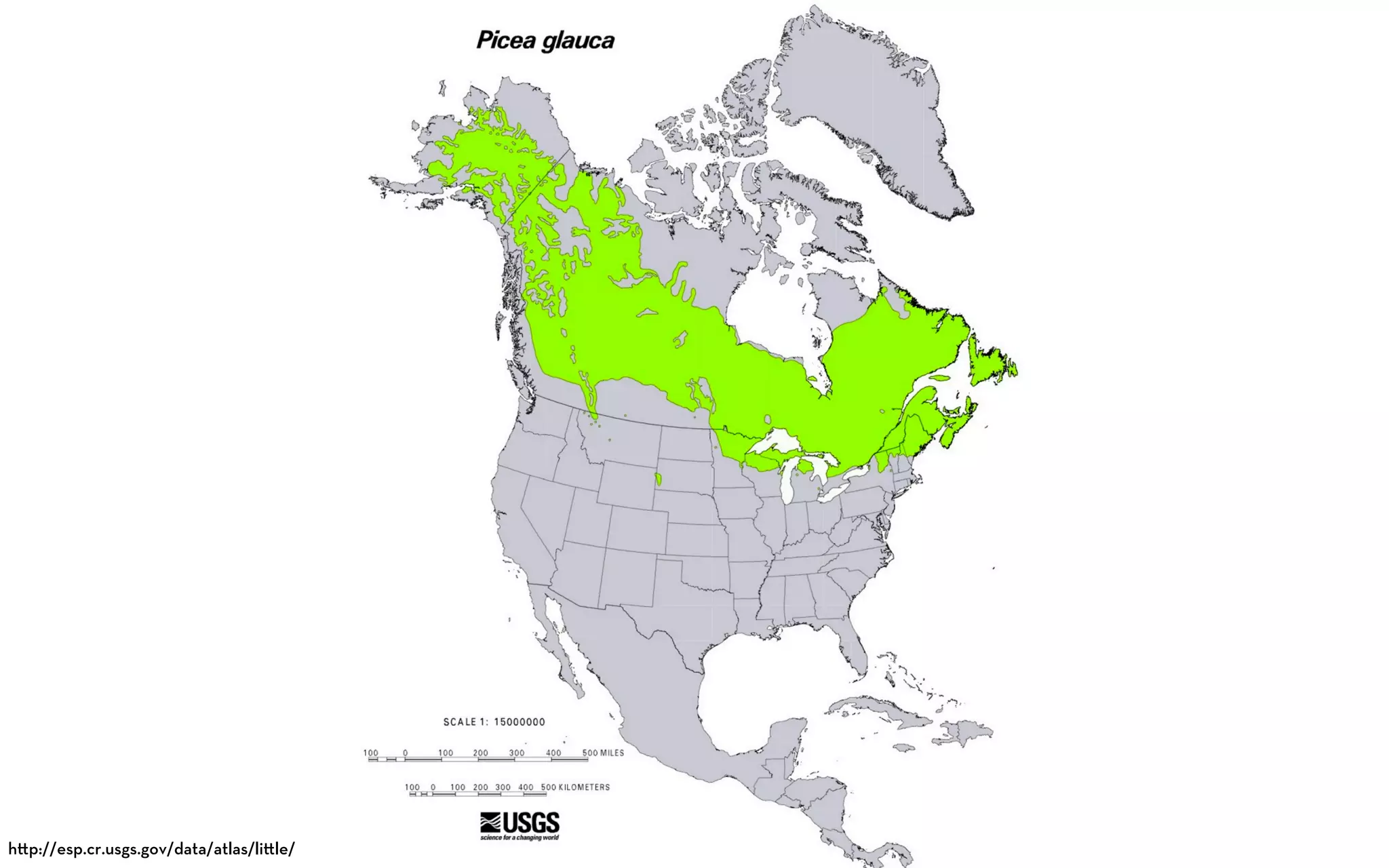
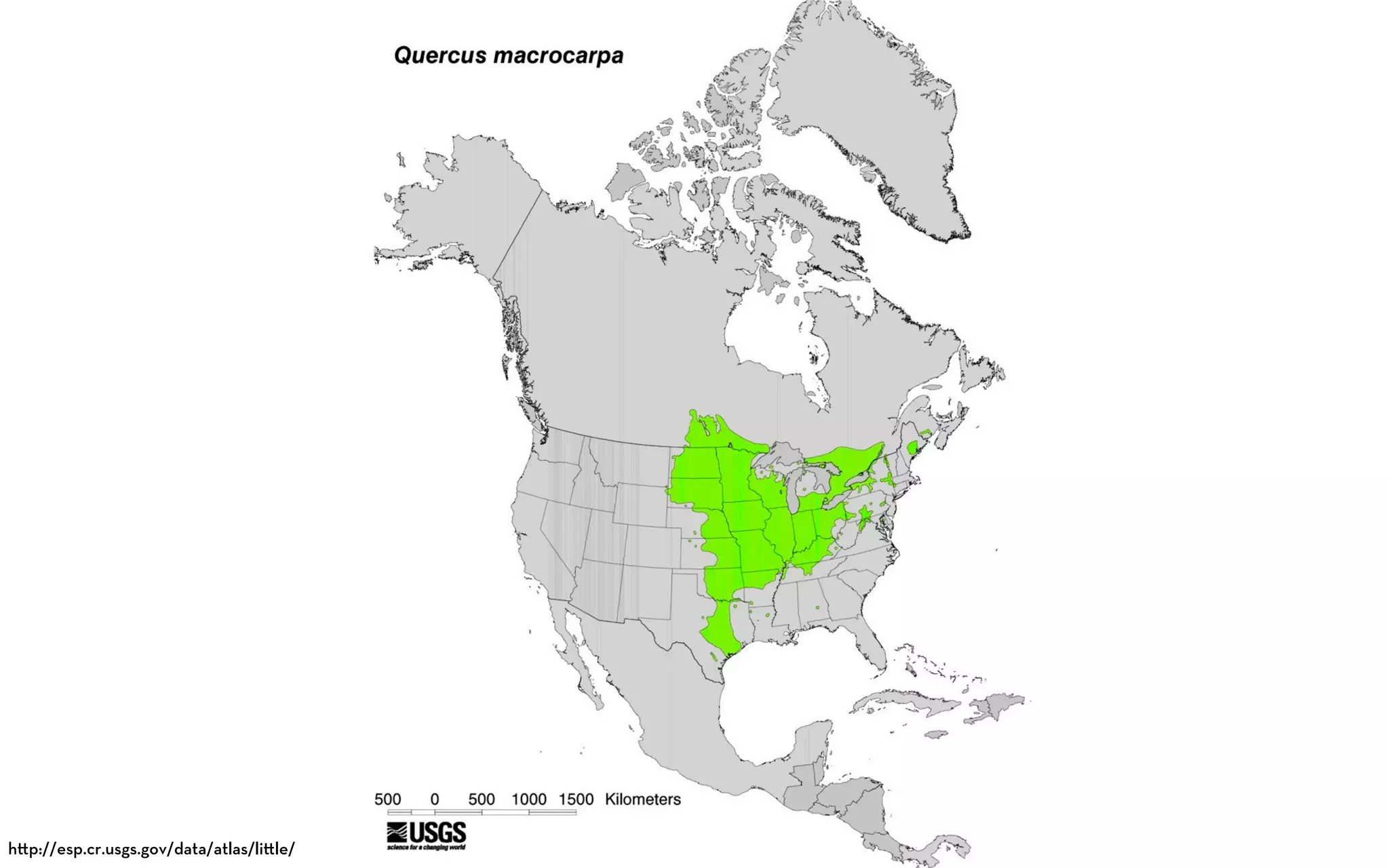
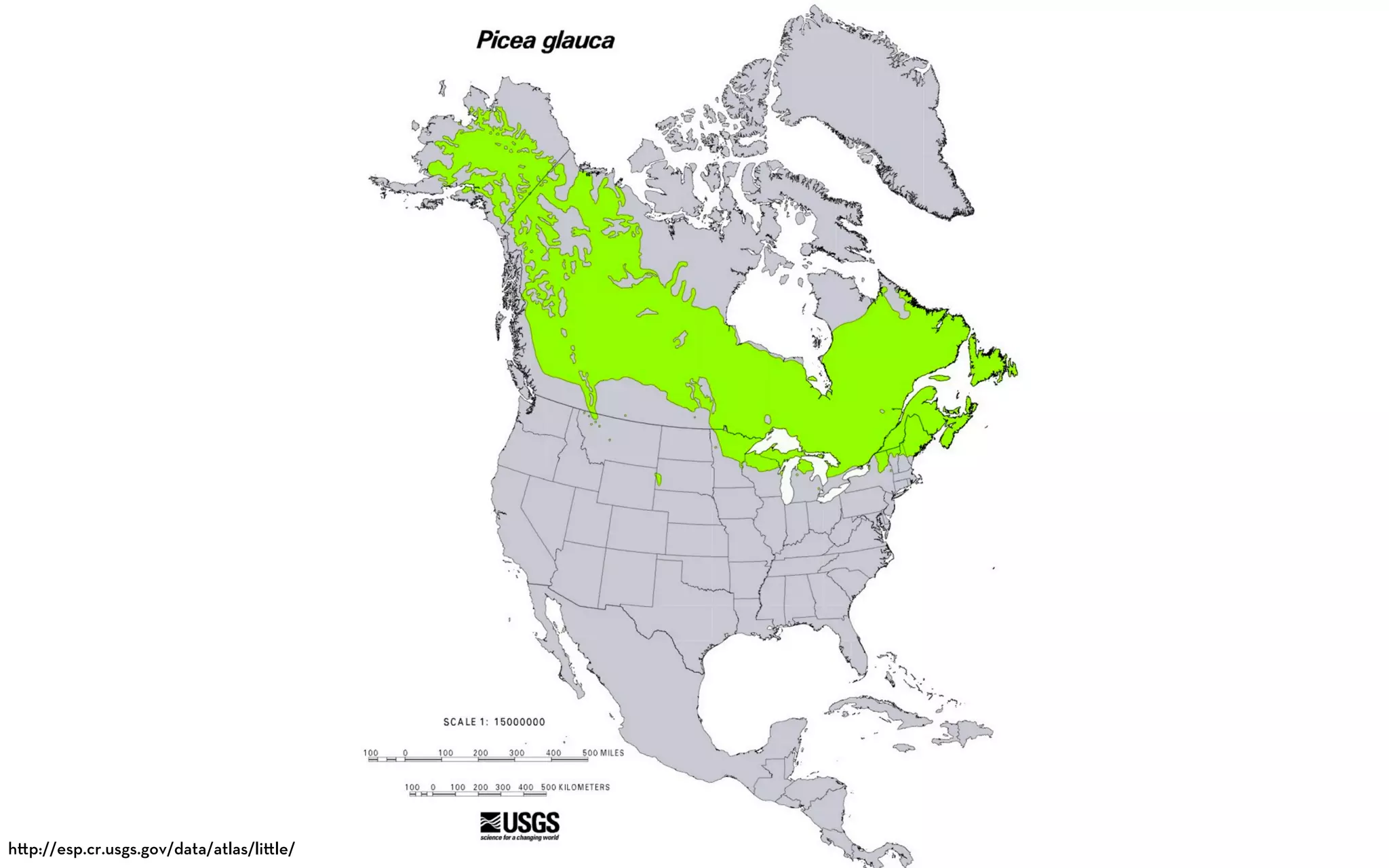
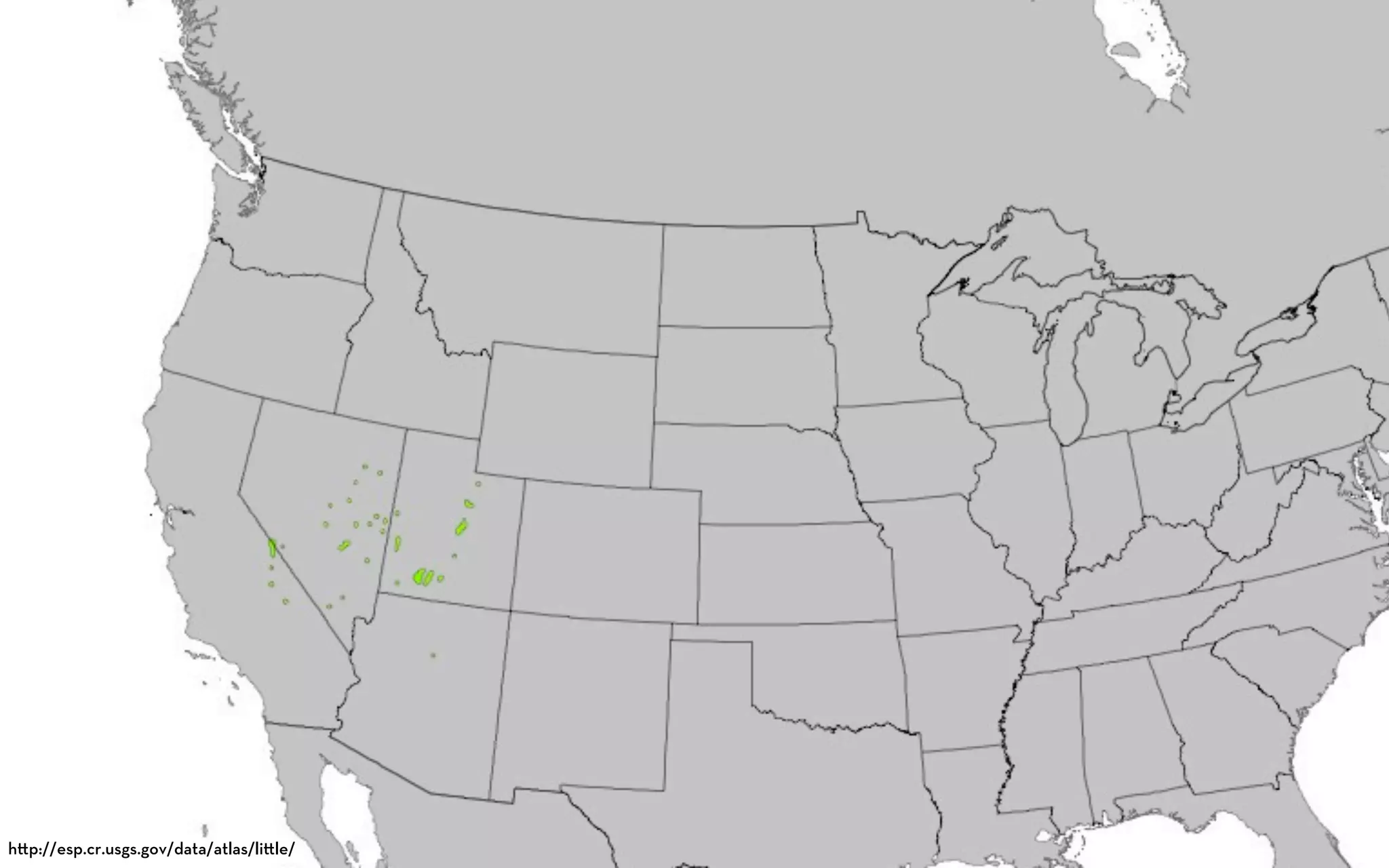
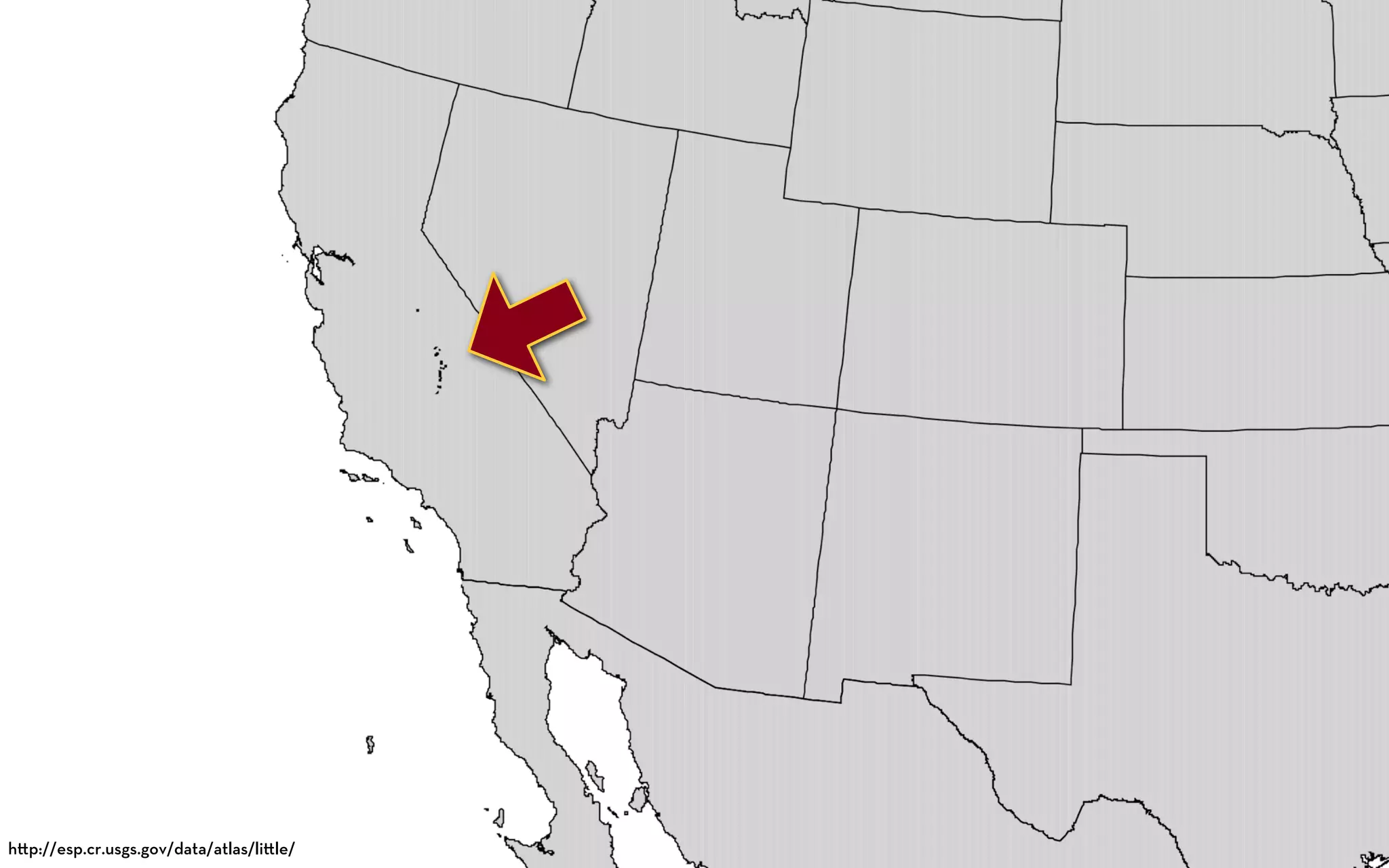
h p://esp.cr.usgs.gov/data/atlas/li le/
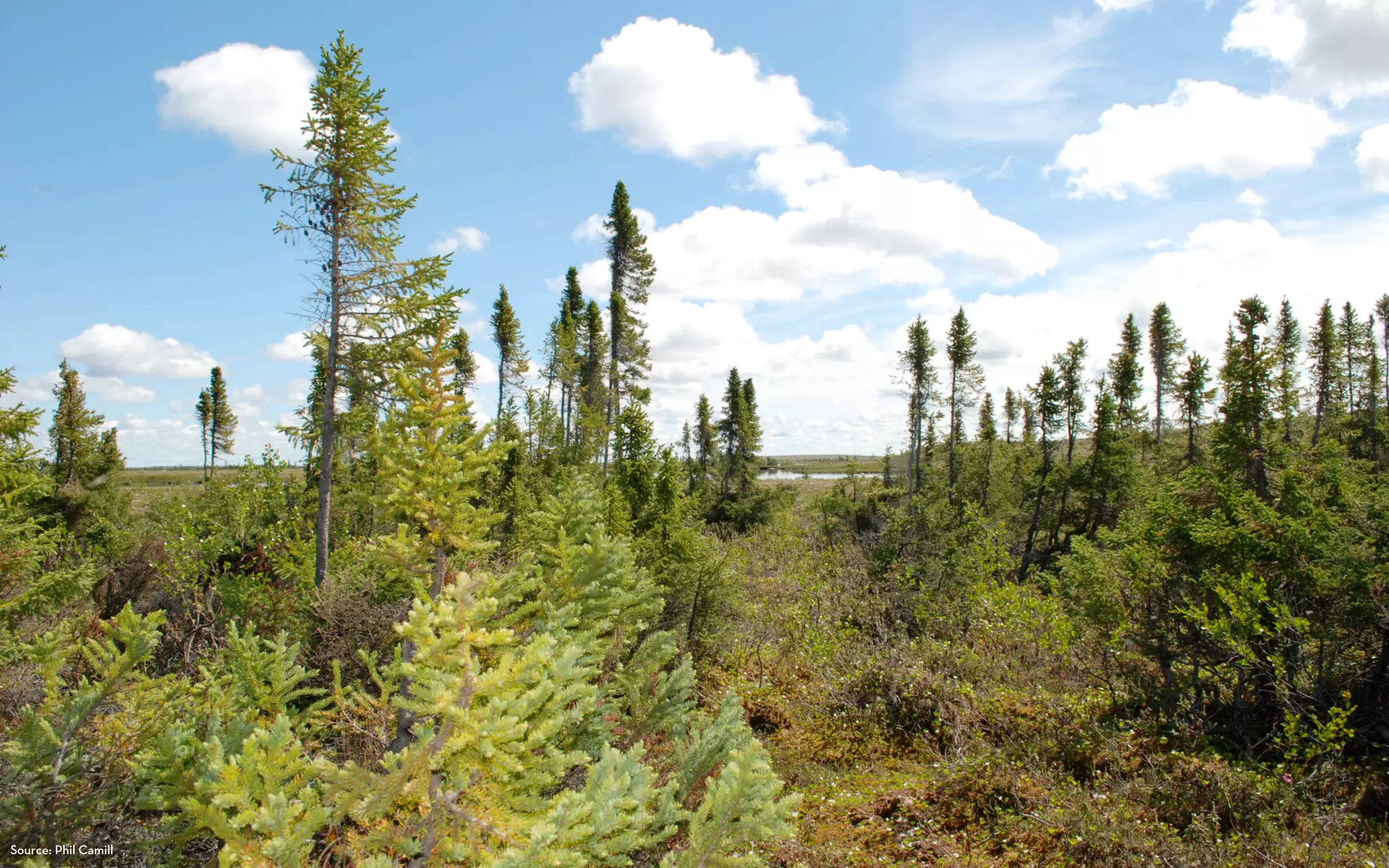
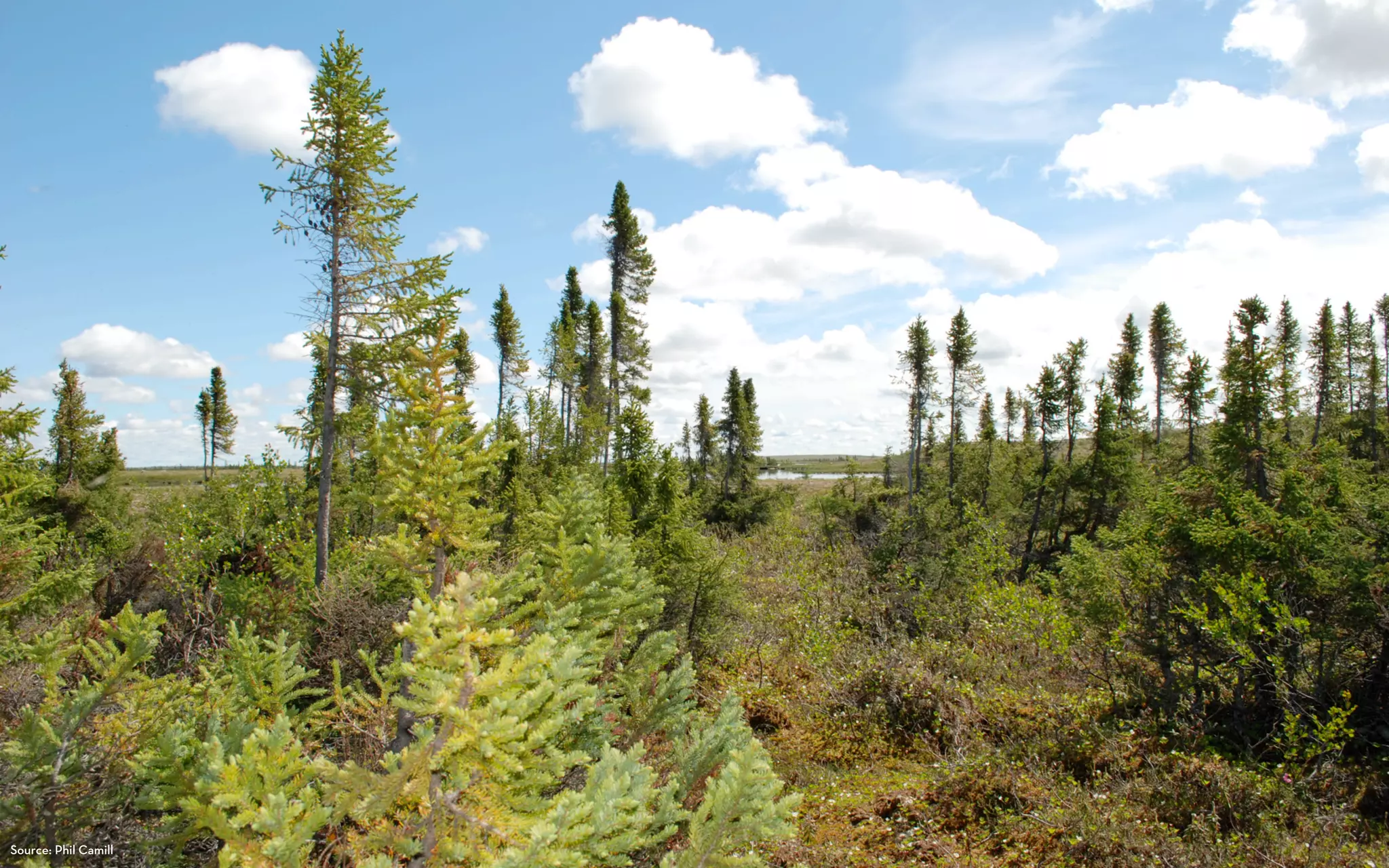
Source: Phil Camill
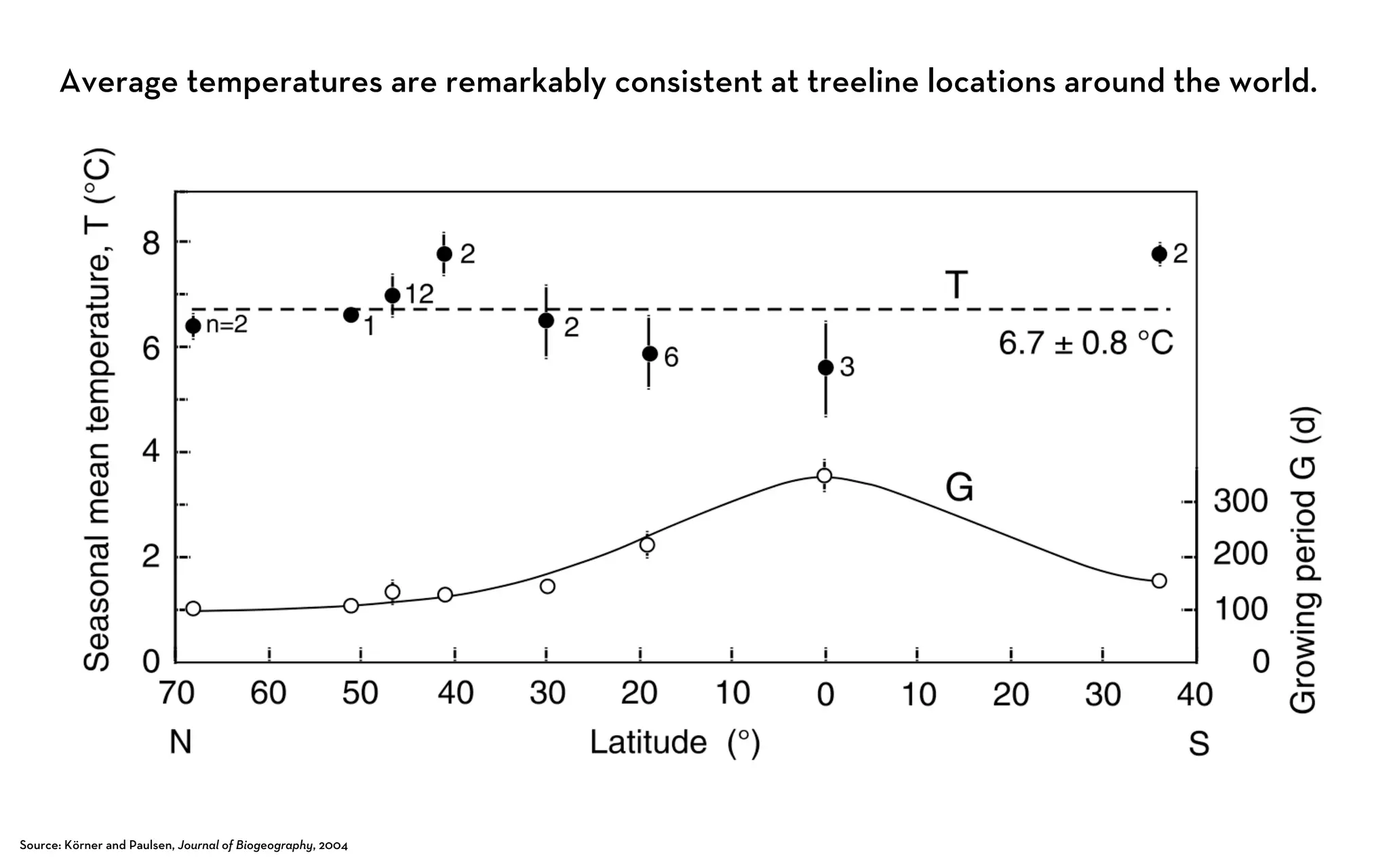
Average temperatures are remarkably consistent at treeline locations around the world.


Source: Körner and Paulsen, Journal of Biogeography, 2004
THE   LAW       OF THE    MINIMUM
  Growth is controlled by the scarcest resource
  (limiting factor), not the total amount of
  resources available
THE PRINCIPLE OF
SITE SELECTION
Dendrochronologists should apply the principles of
limiting factors and ecological amplitude to determine
which trees are most likely to provide information about a
specific environmental signal.
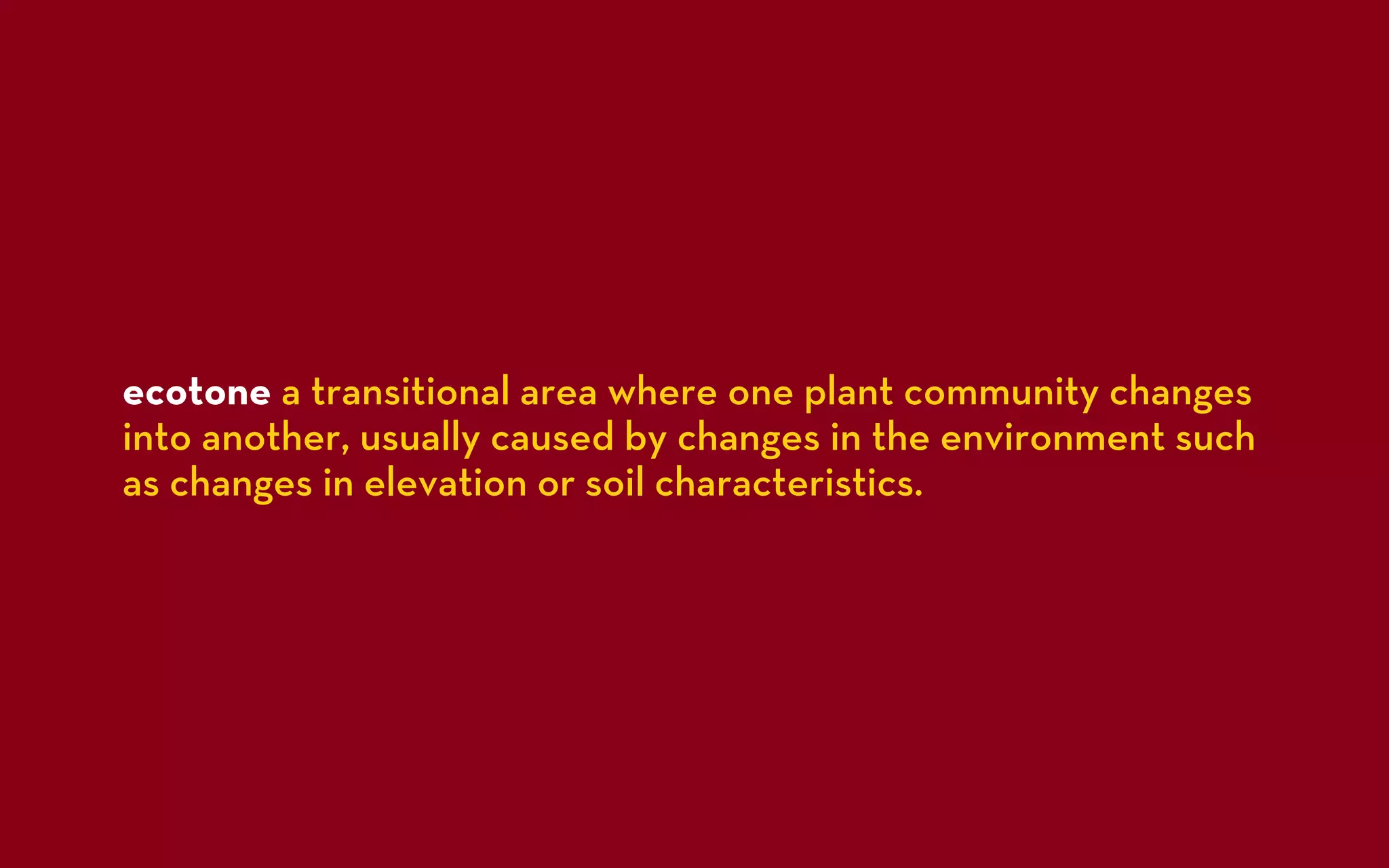
ecotone a transitional area where one plant community changes
into another, usually caused by changes in the environment such
as changes in elevation or soil characteristics.
h p://esp.cr.usgs.gov/data/atlas/li le/
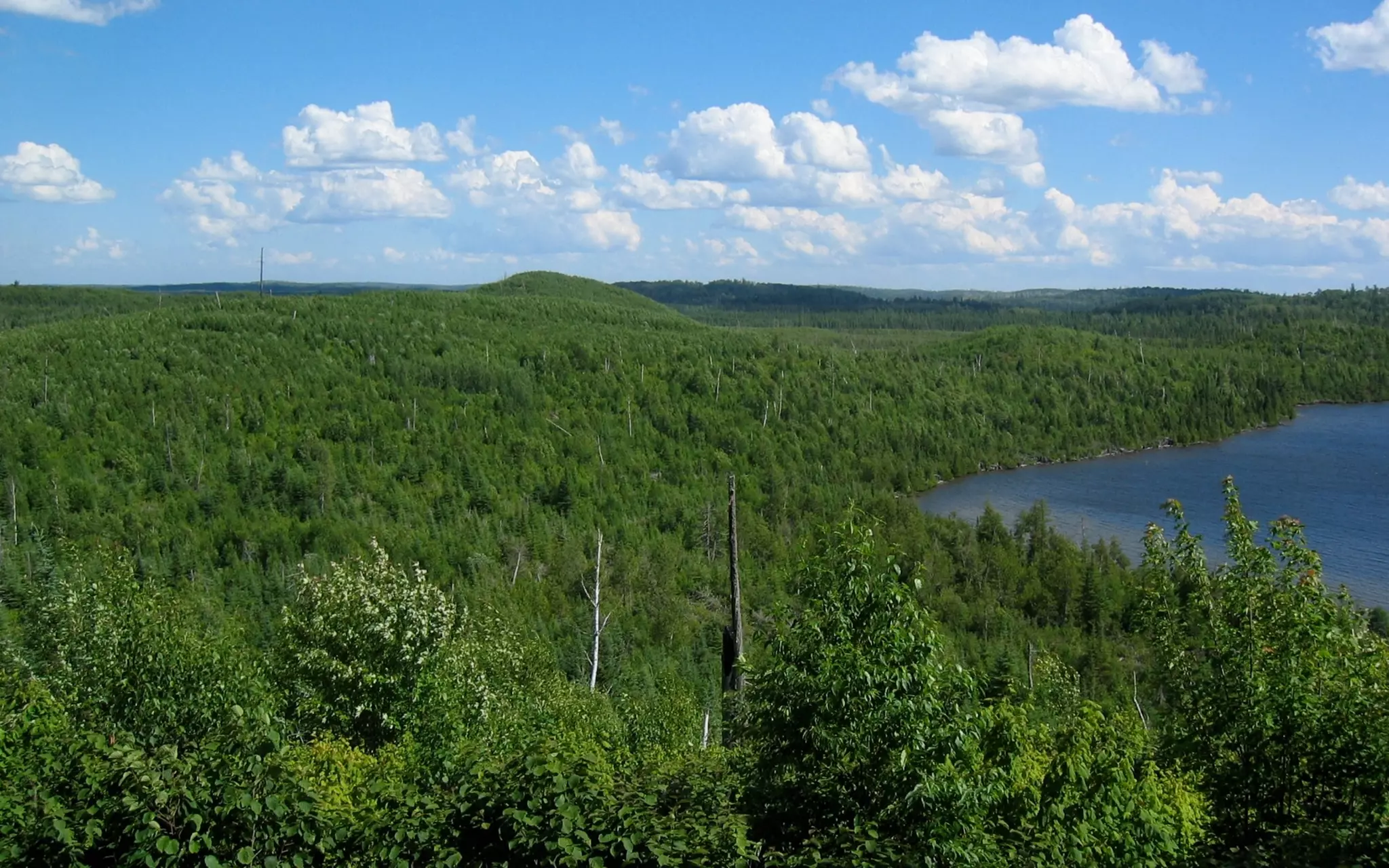
Source: Greg Brooks
Source: Phil Camill
h p://esp.cr.usgs.gov/data/atlas/li le/
Dr. Hal Fri s
University of Arizona
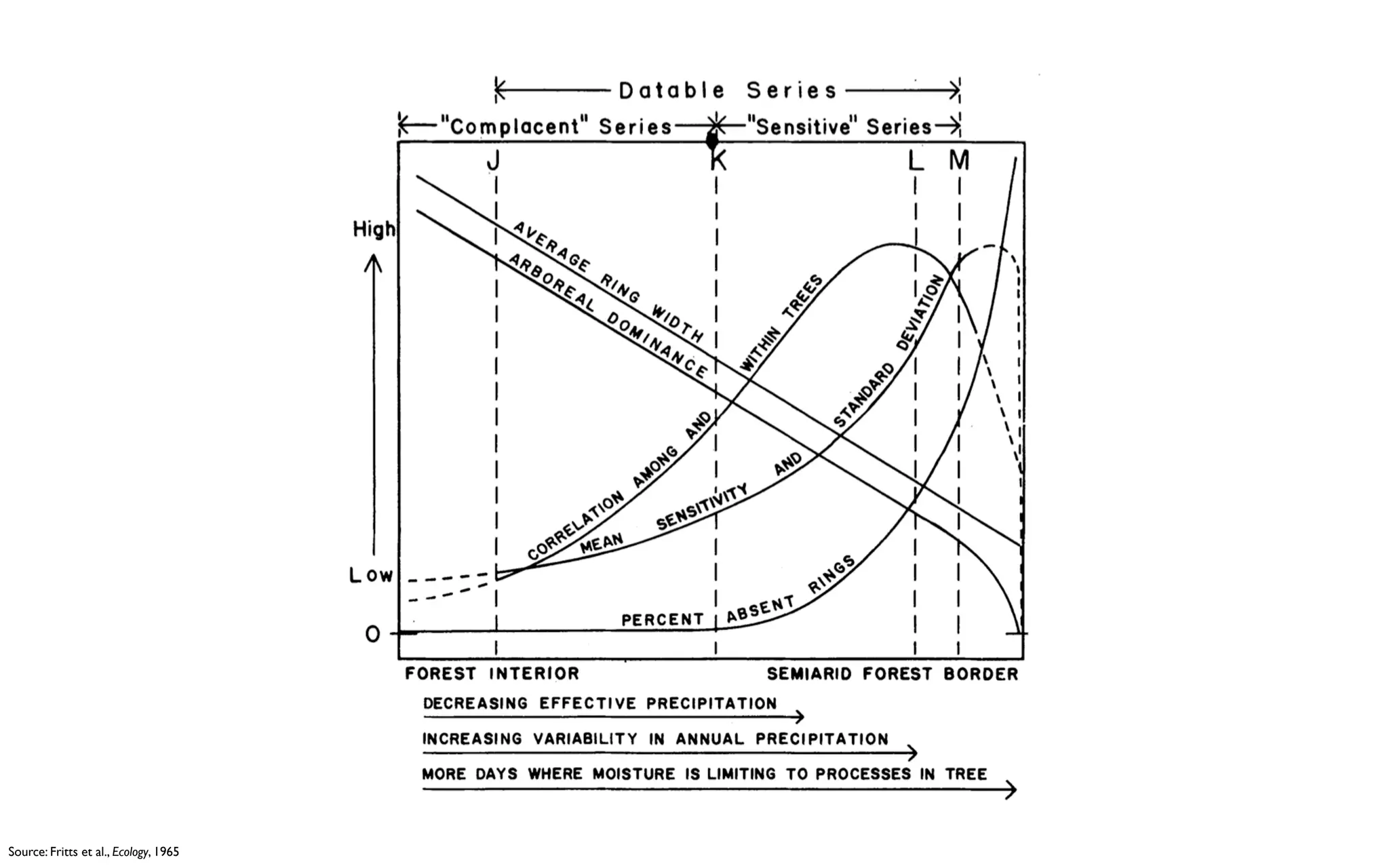
Source: Fritts et al., Ecology, 1965
where do we find old trees?
Trees can grow anywhere!
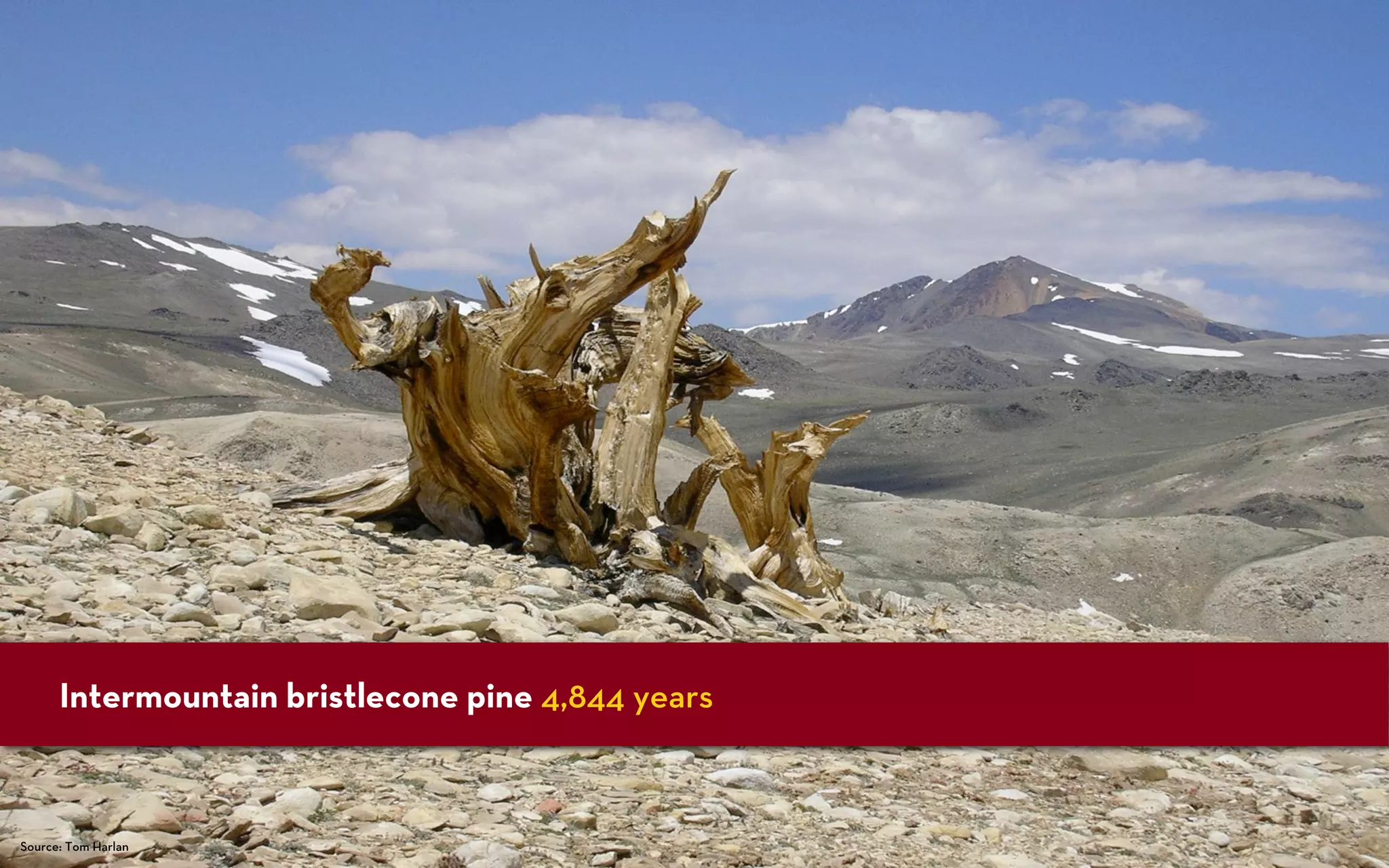
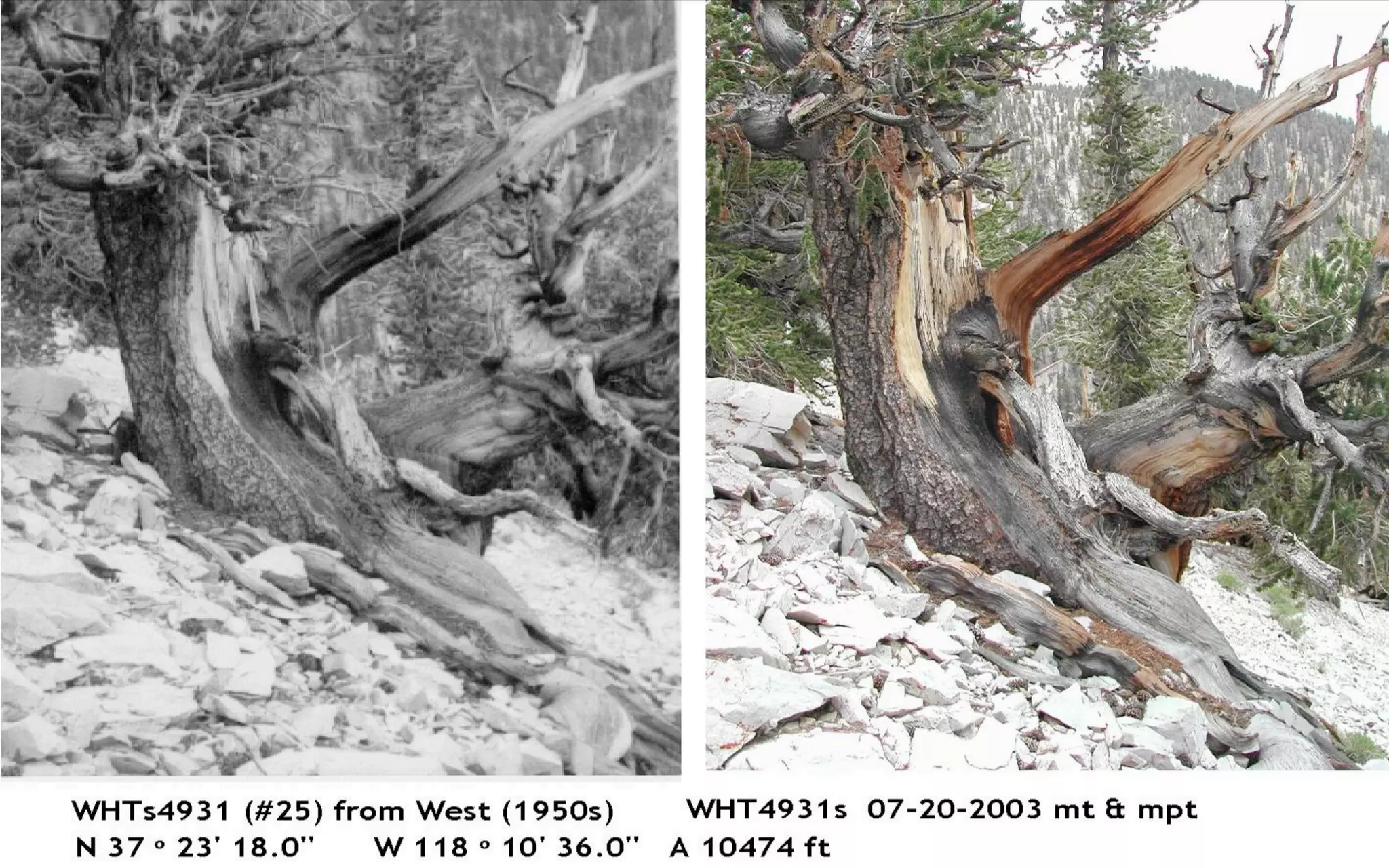
Intermountain bristlecone pine 4,844 years


Source: Tom Harlan
h p://esp.cr.usgs.gov/data/atlas/li le/
Methuselah Ridge


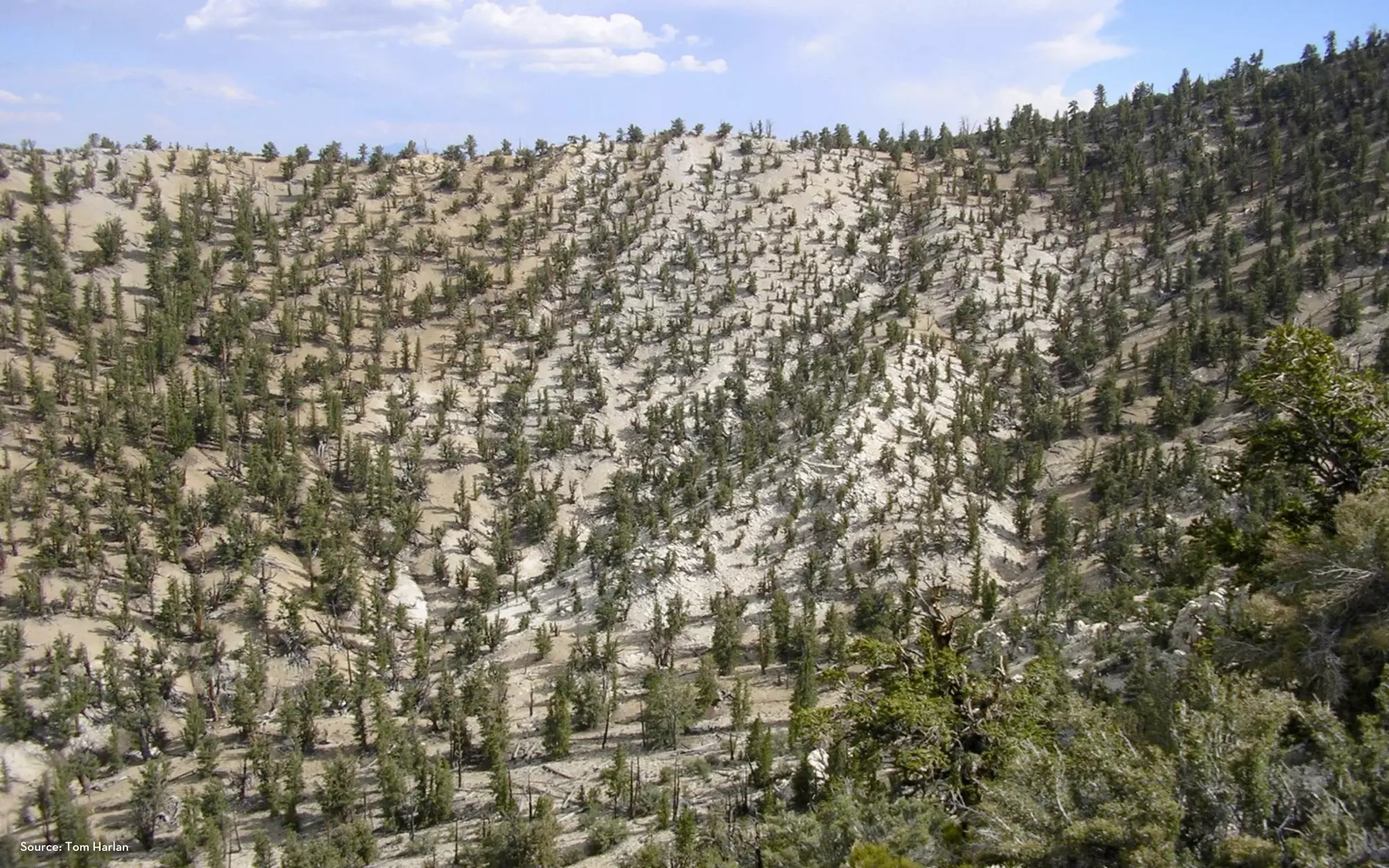
Source: Tom Harlan
Bristlecone comparison photos
Wind erosion on bristlecone tag


Source: Tom Harlan
Bristlecone vista


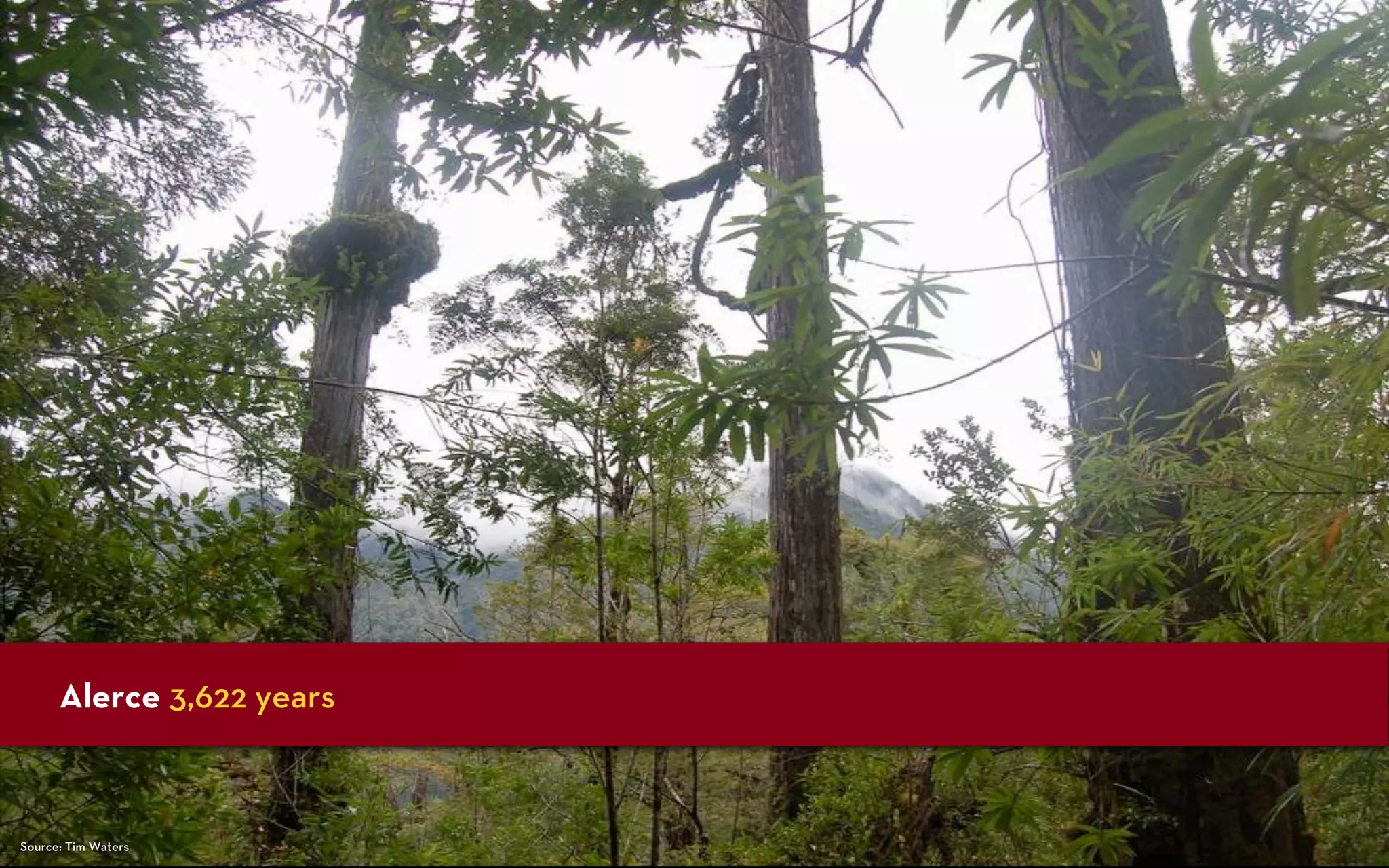
      Alerce 3,622 years


Source: Tim Waters
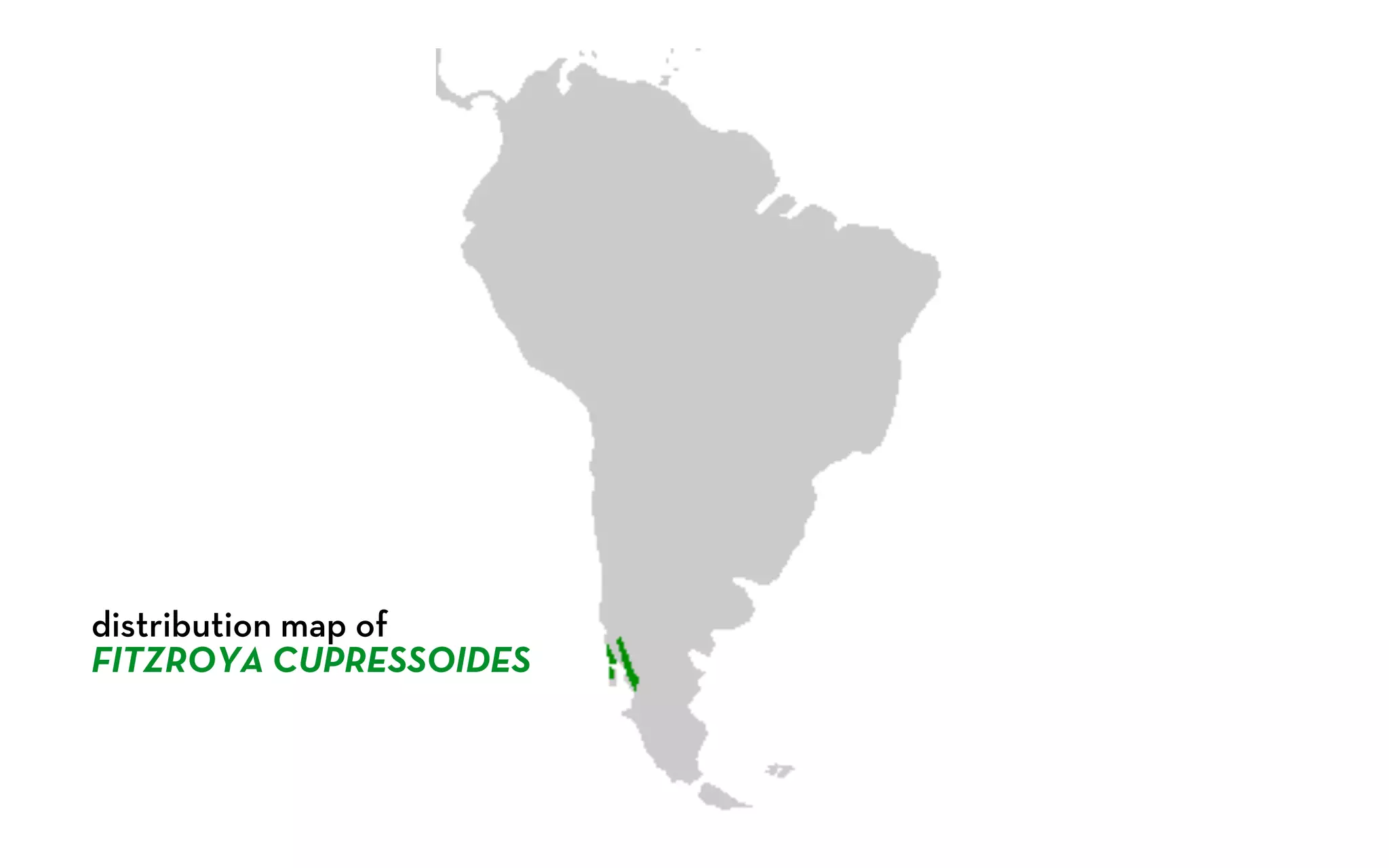
distribution map of
FITZROYA CUPRESSOIDES
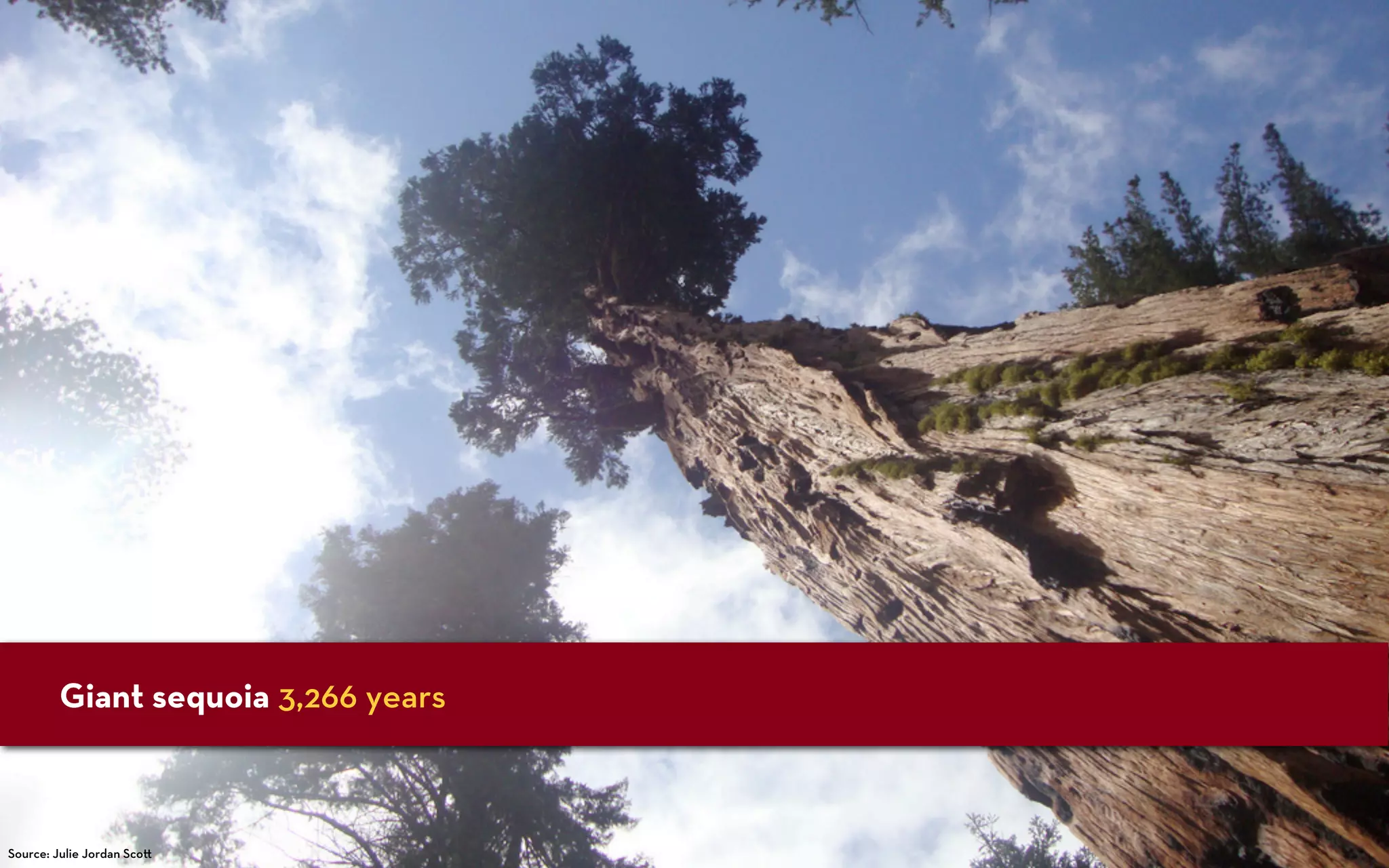
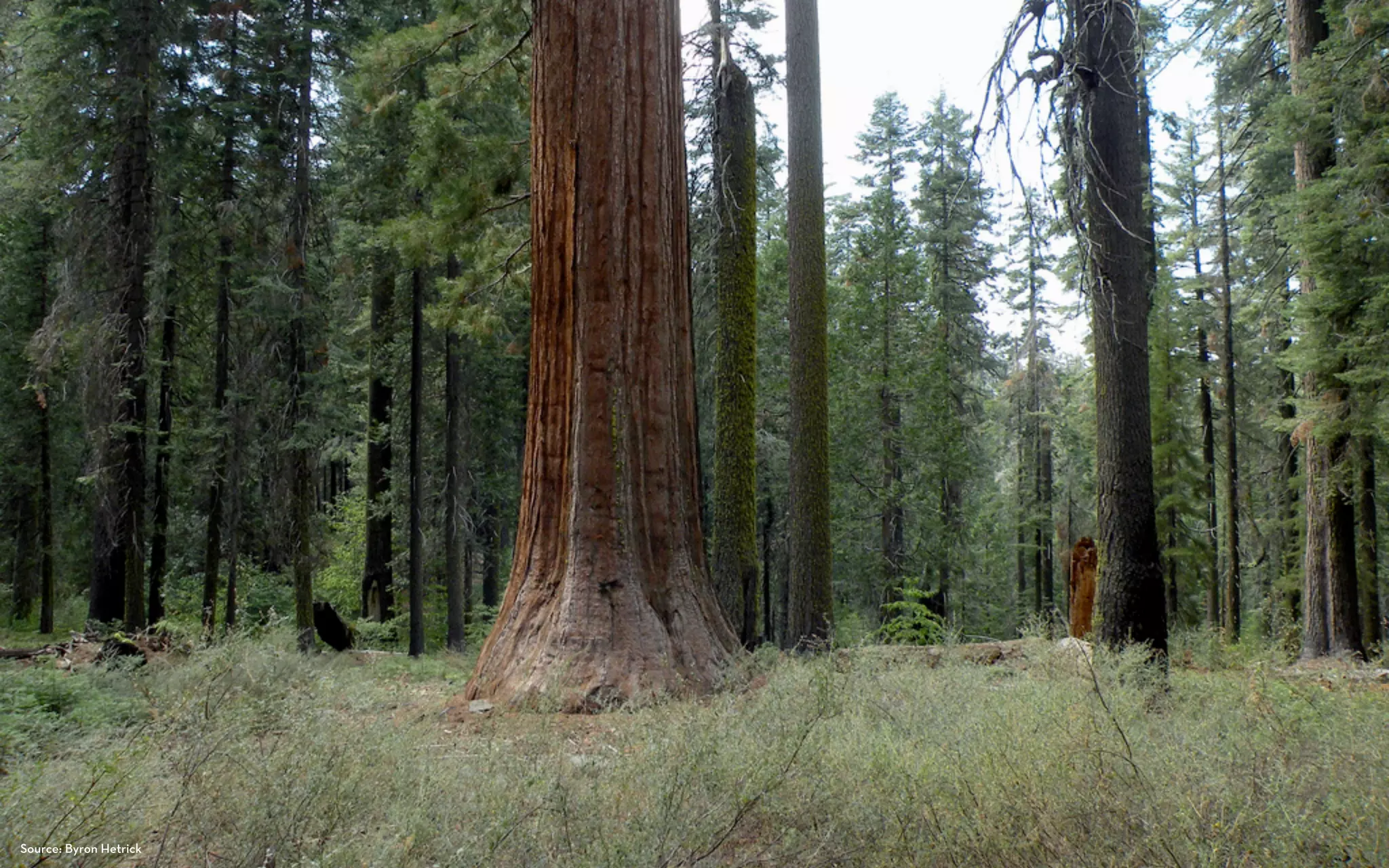
Giant sequoia 3,266 years


Source: Julie Jordan Sco
h p://esp.cr.usgs.gov/data/atlas/li le/
Source: Byron Hetrick
Bristlecone vista


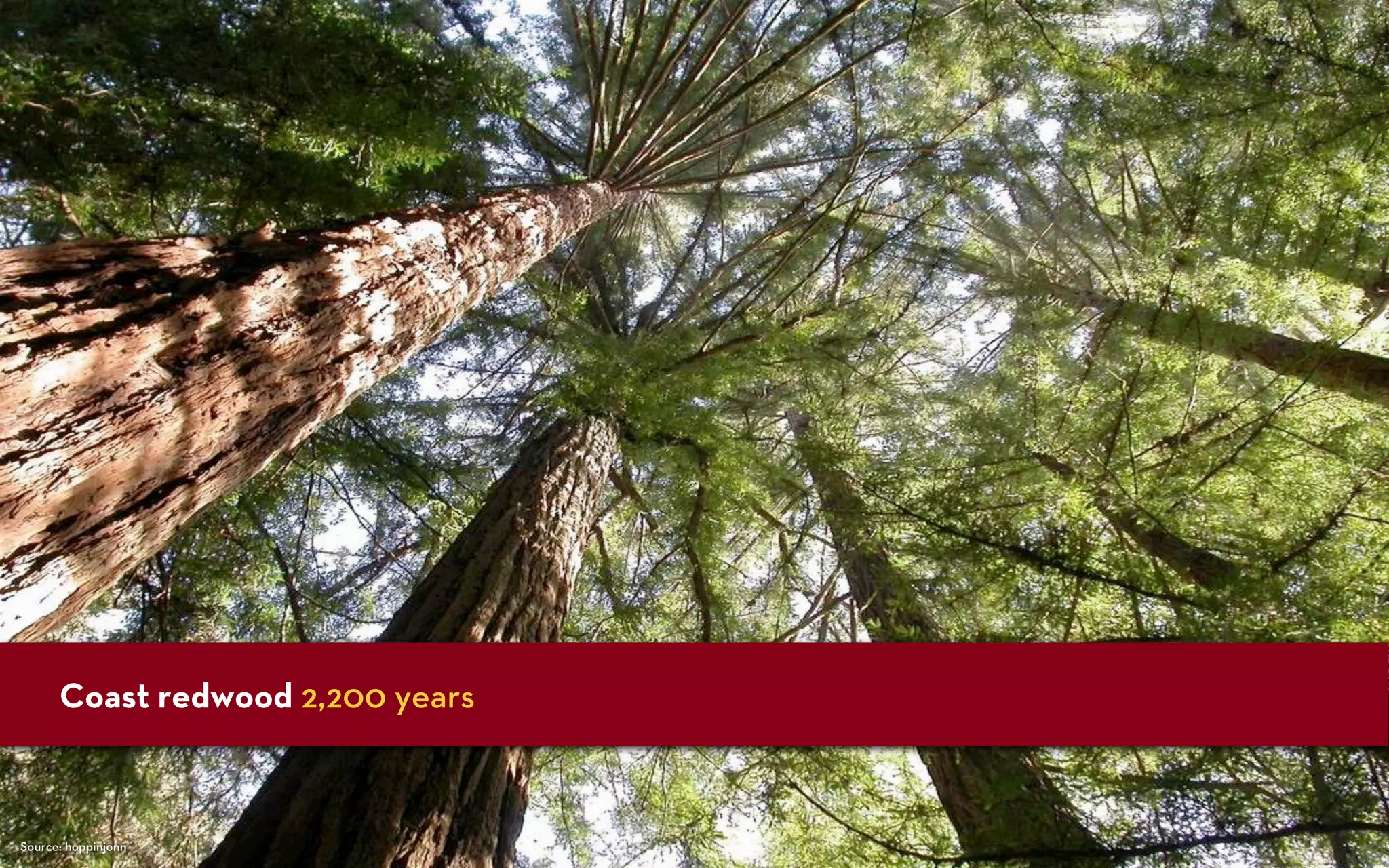
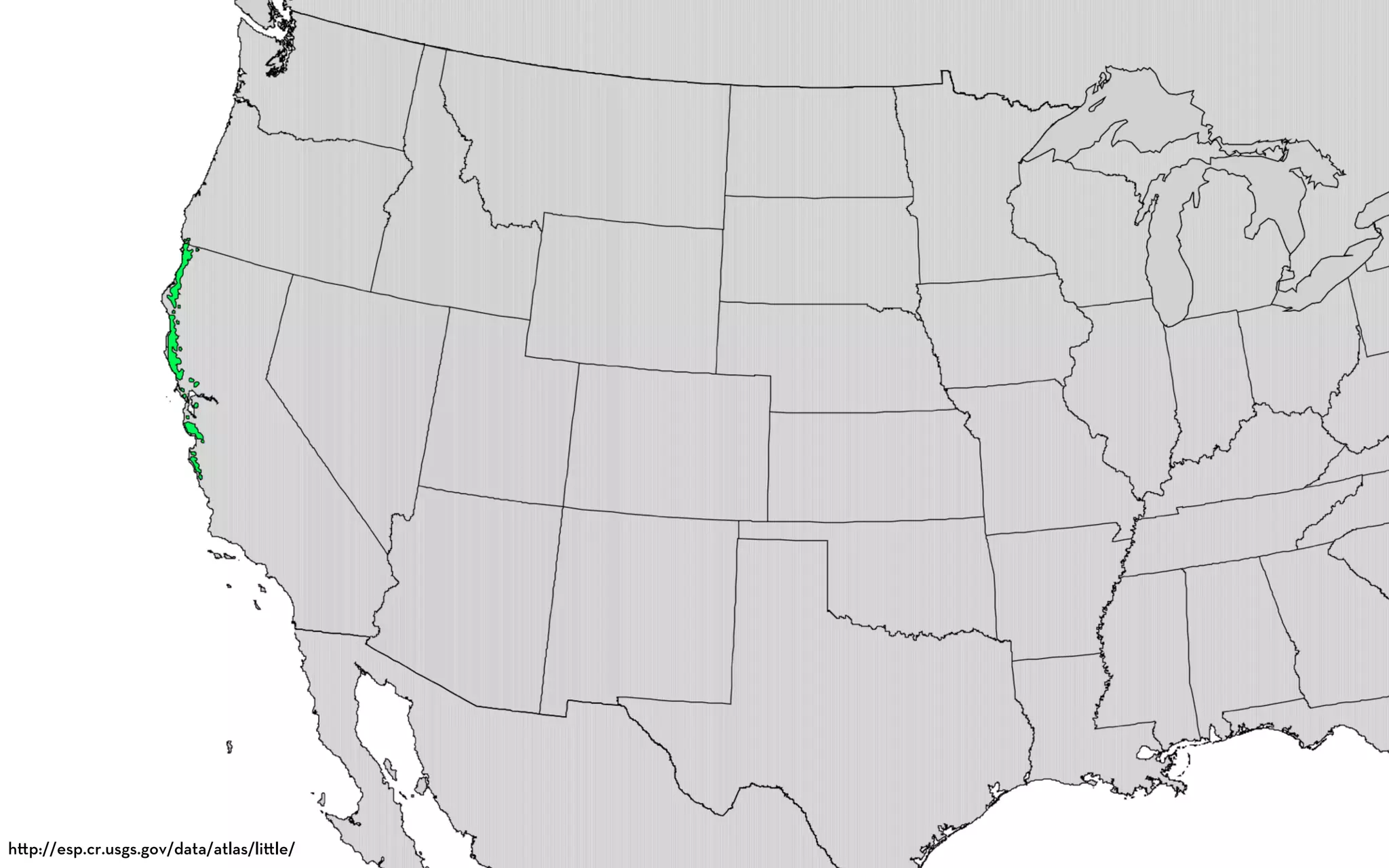
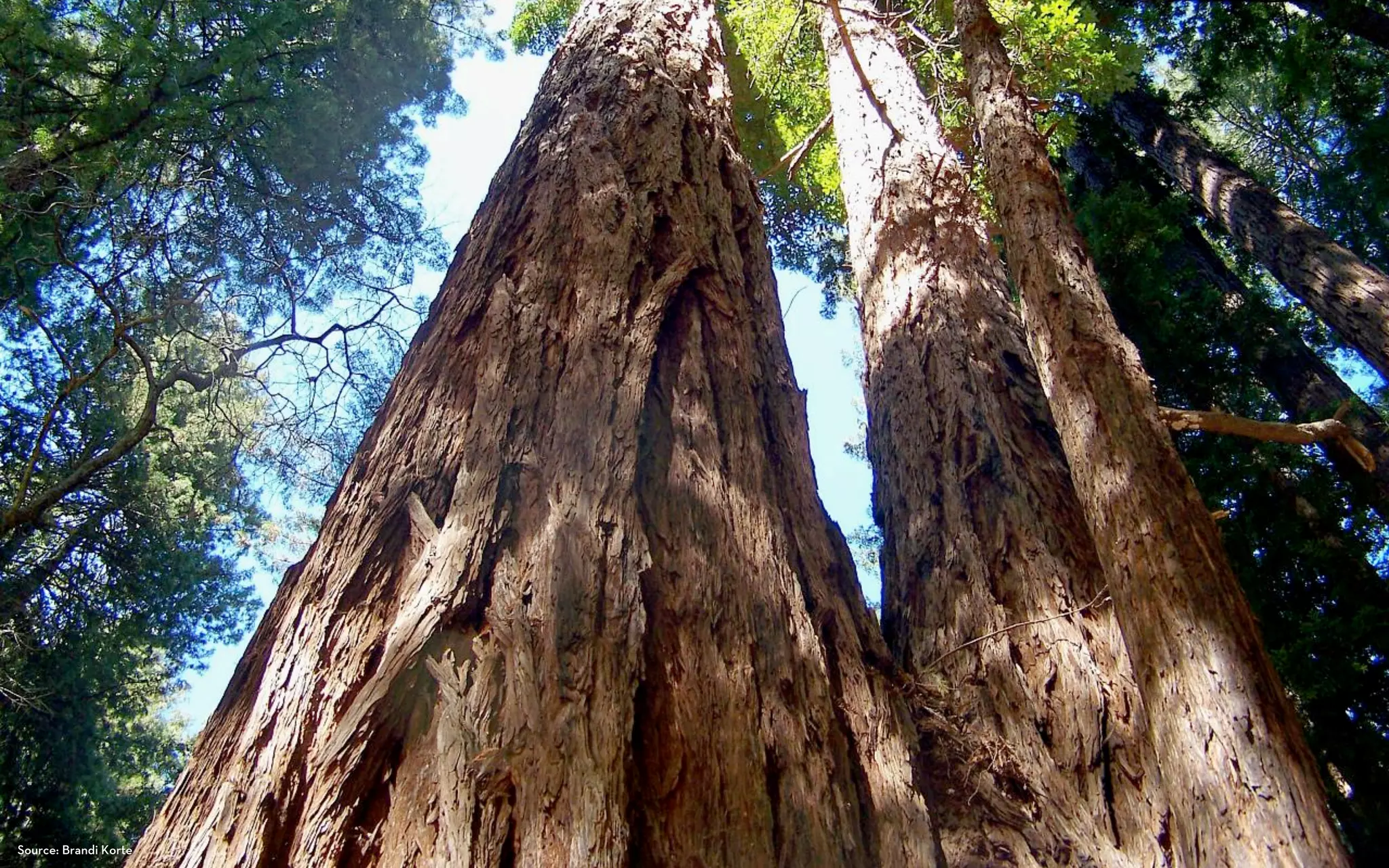
      Coast redwood 2,200 years


Source: hoppinjonn
h p://esp.cr.usgs.gov/data/atlas/li le/
Source: Brandi Korte
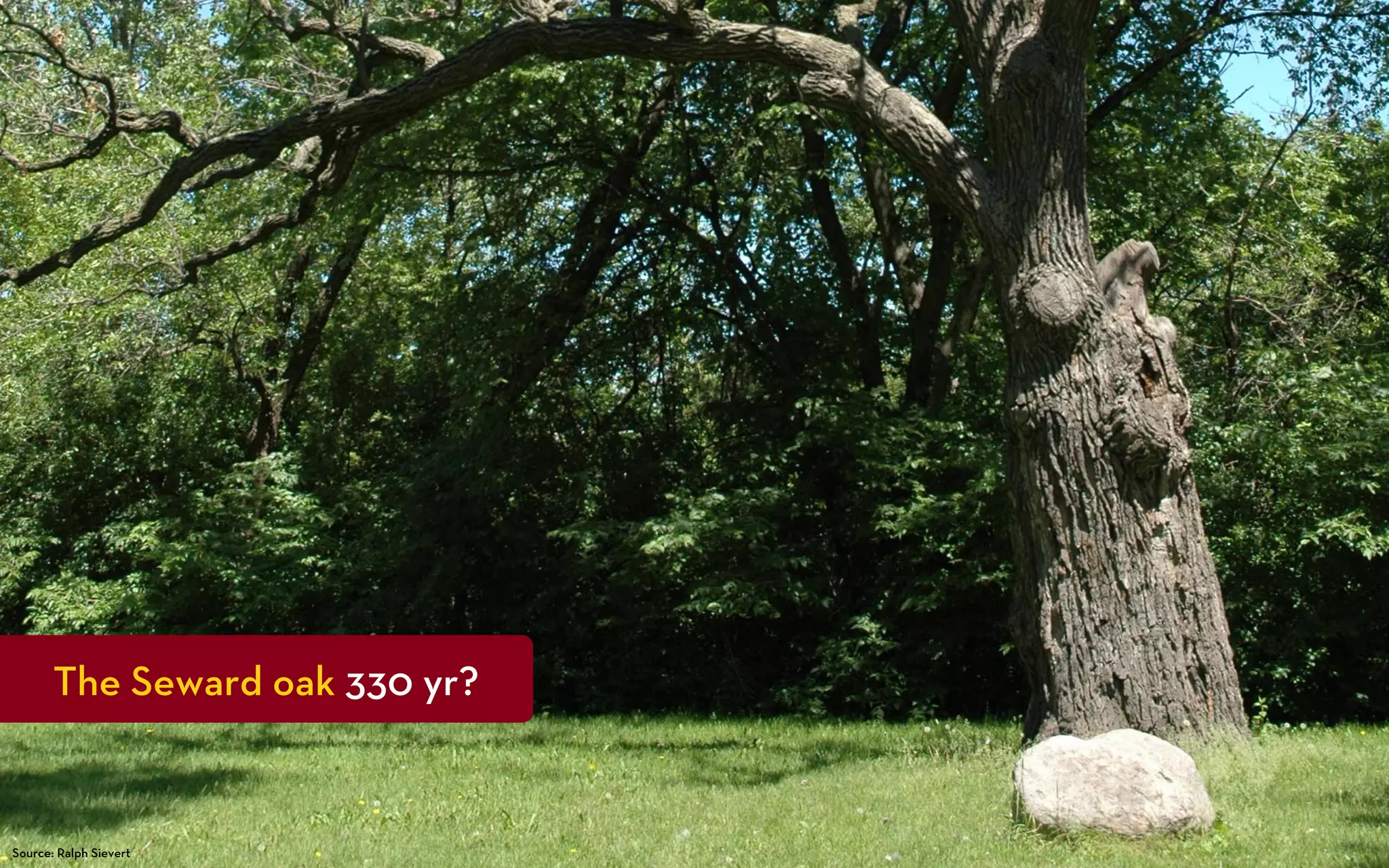
The Seward oak 330 yr?


Source: Ralph Sievert
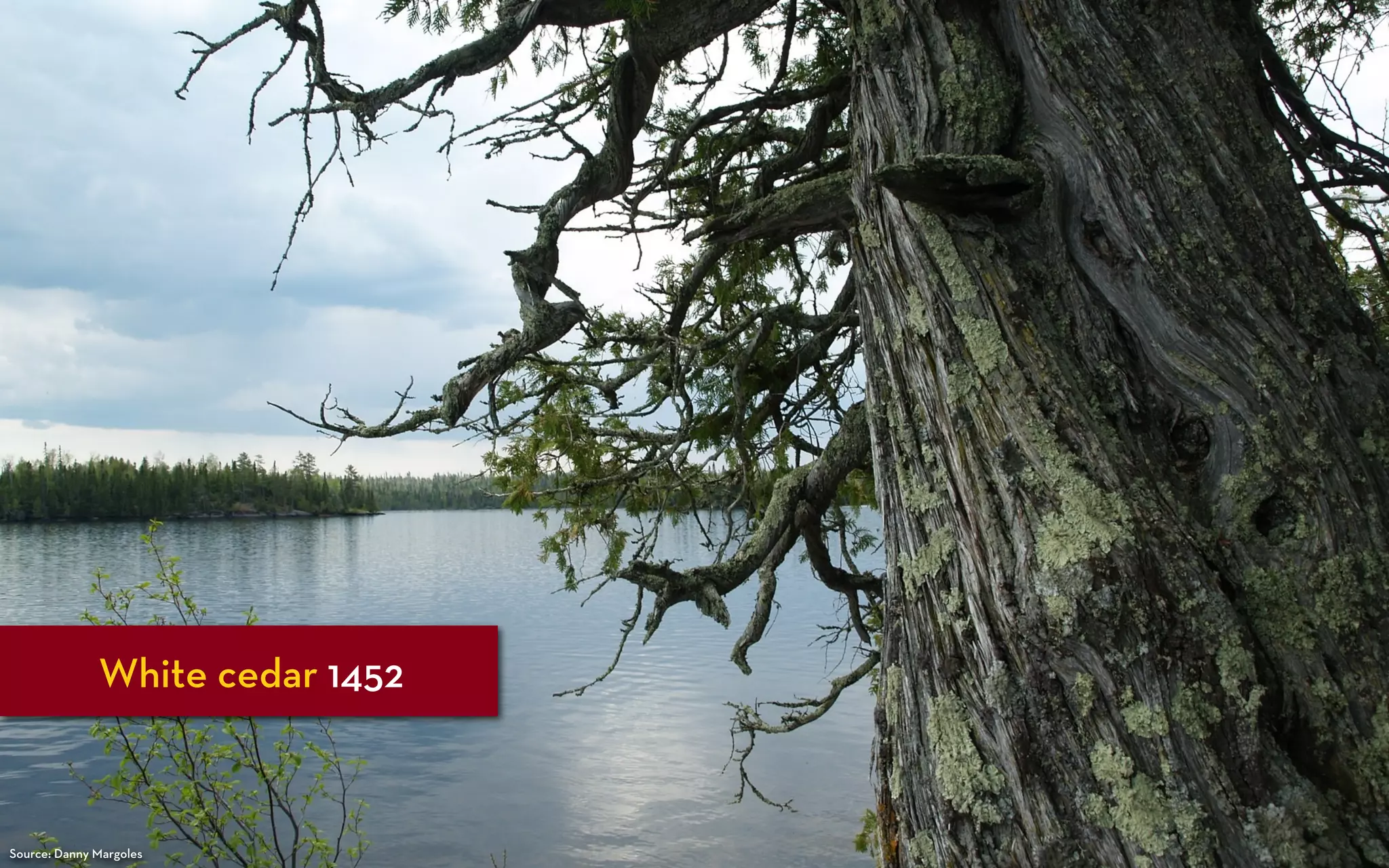
White cedar 1452


Source: Danny Margoles
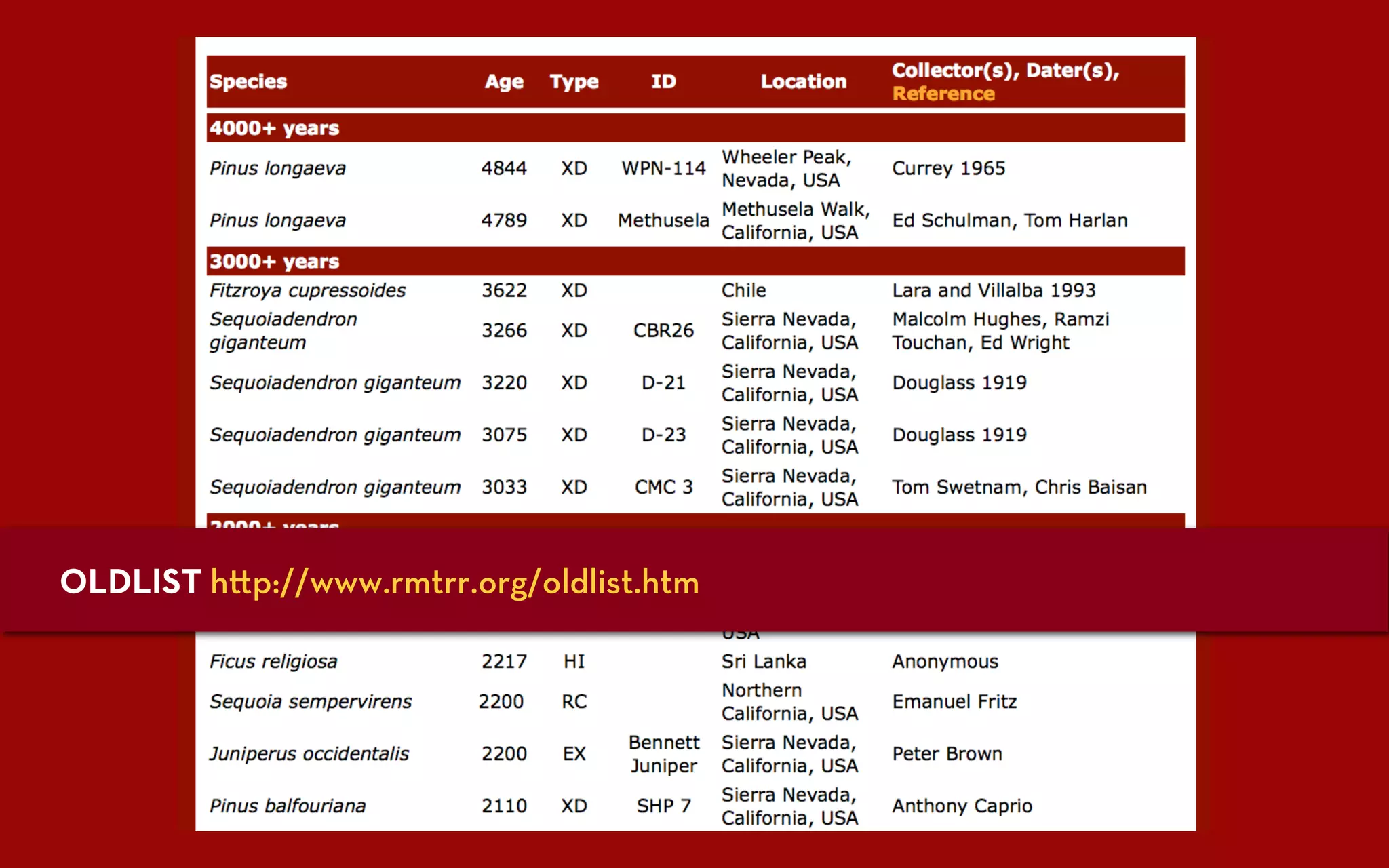
OLDLIST h p://www.rmtrr.org/oldlist.htm
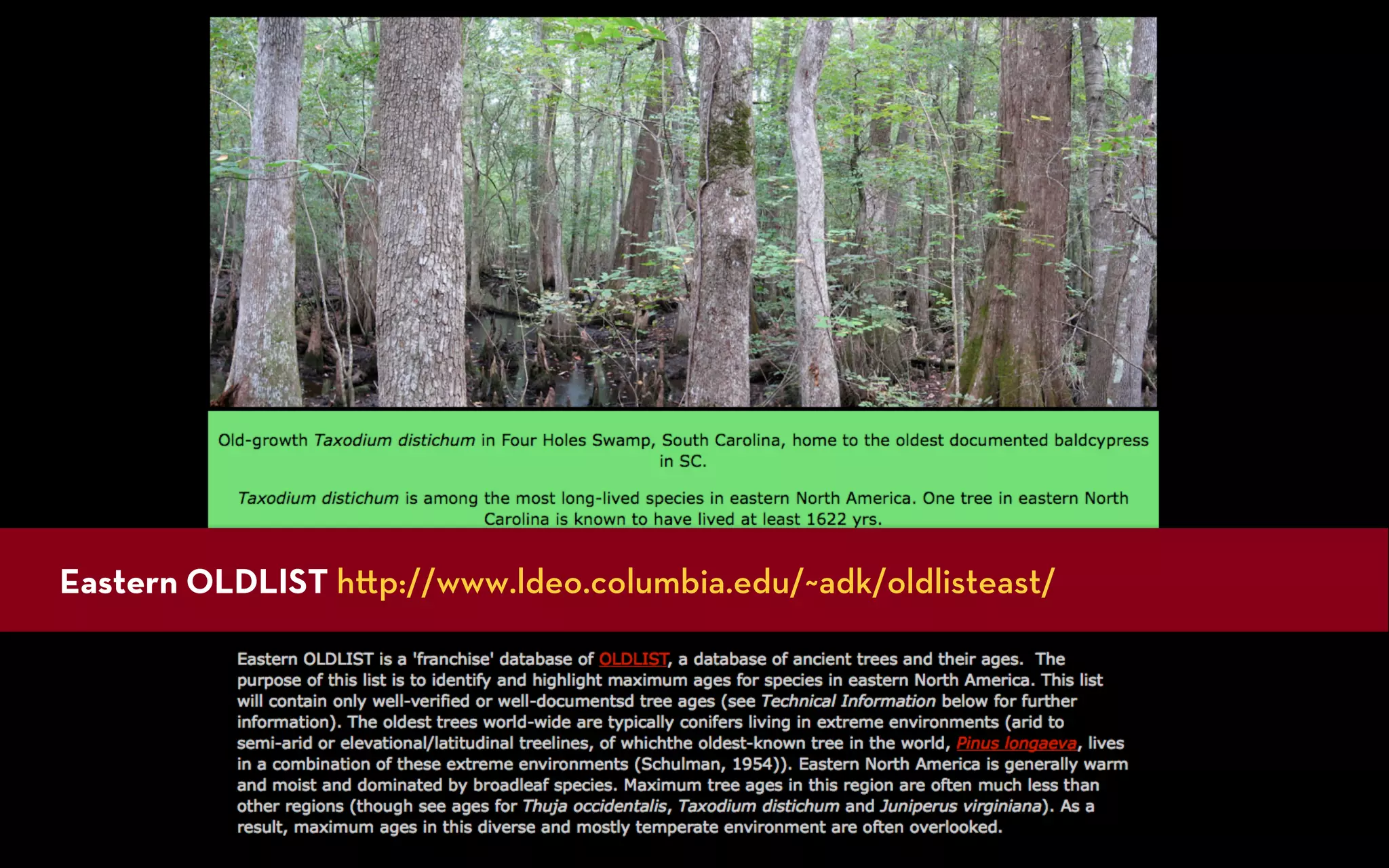
Eastern OLDLIST h p://www.ldeo.columbia.edu/~adk/oldlisteast/
“   Size ma ers not. Look at me. ”
    Judge me by my size, do you?
    Hm? Mmmm.
                         Yoda
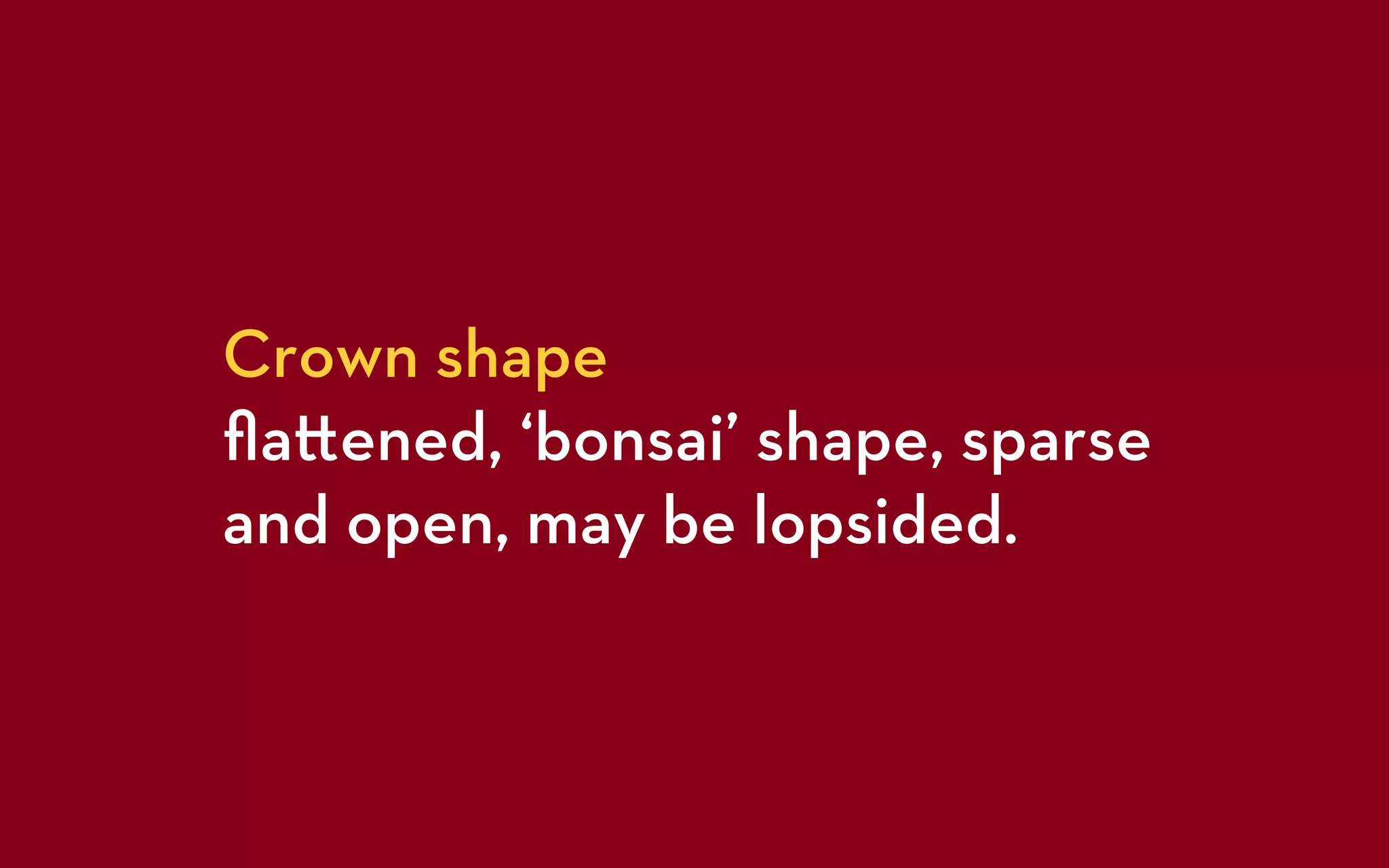
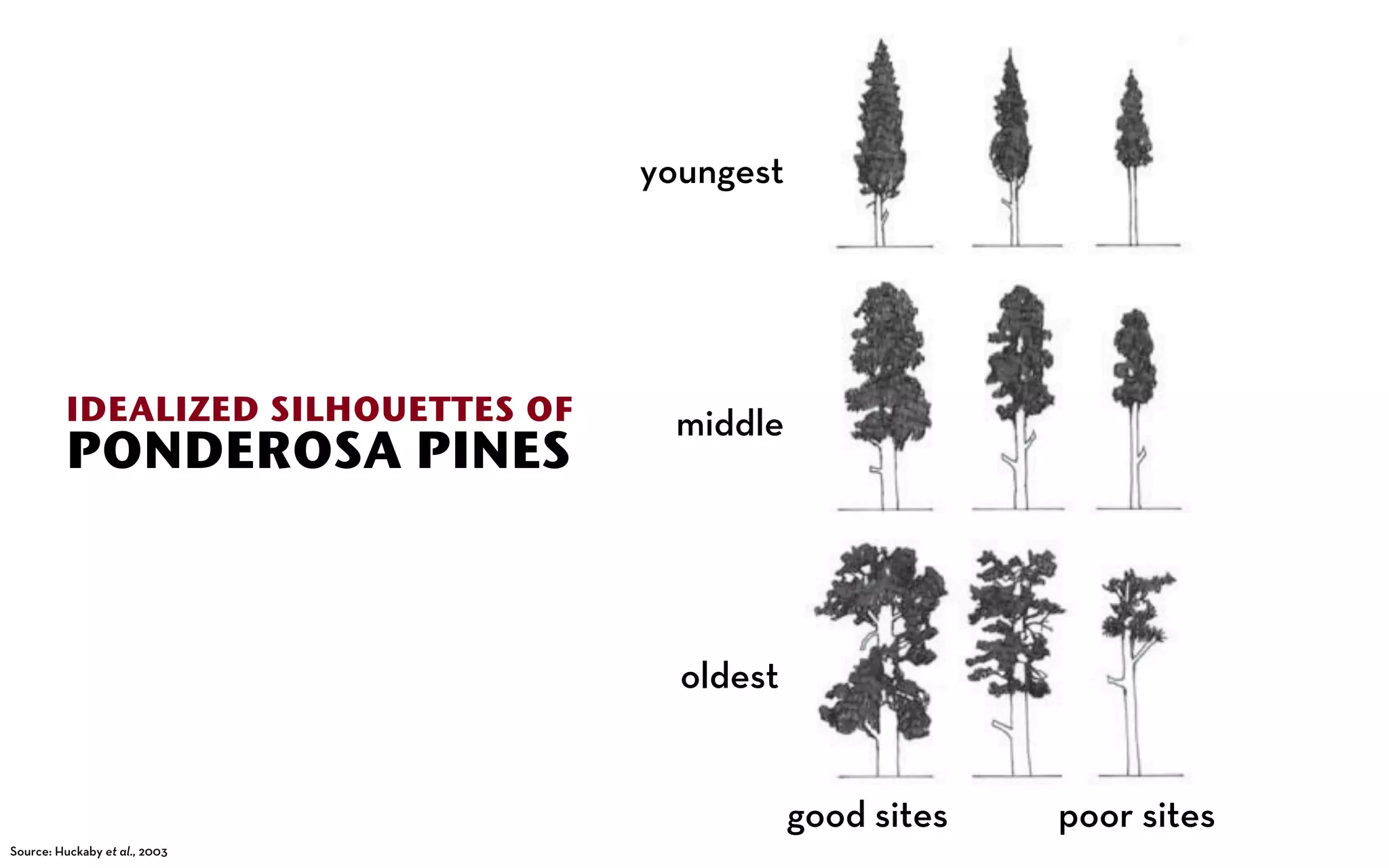
Crown shape
fla ened, ‘bonsai’ shape, sparse
and open, may be lopsided.
Branches
few but large
Trunk shape
columnar
youngest


         IDEALIZED SILHOUETTES OF     middle
         PONDEROSA PINES


                                      oldest


                                               good sites   poor sites
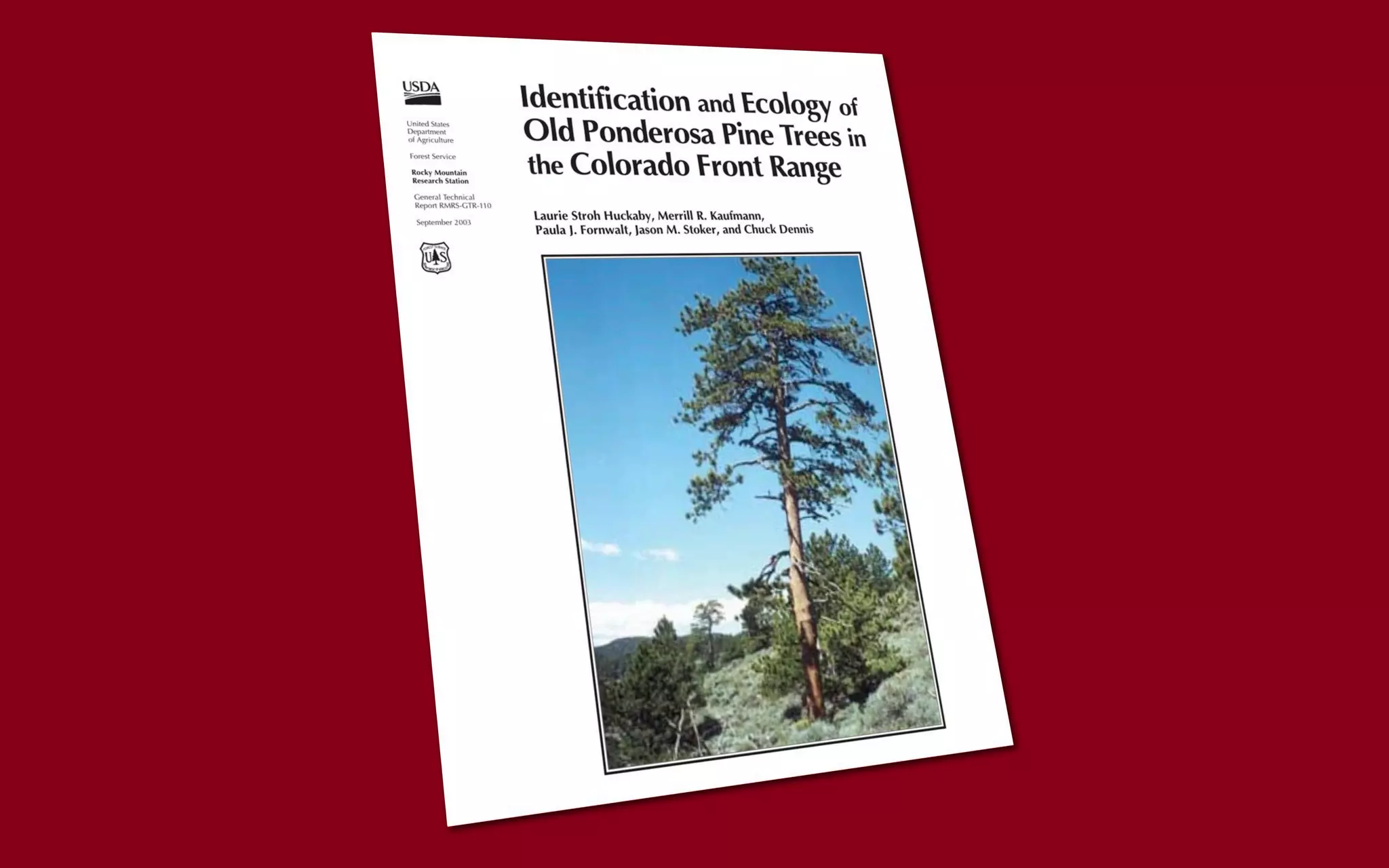
Source: Huckaby et al., 2003
Dr. Neil Pederson Lamont-Doherty Earth Observation
Pederson, N. 2010. External characteristics
of old trees in the Eastern Deciduous Forest.
Natural Areas Journal 30, 396:407.
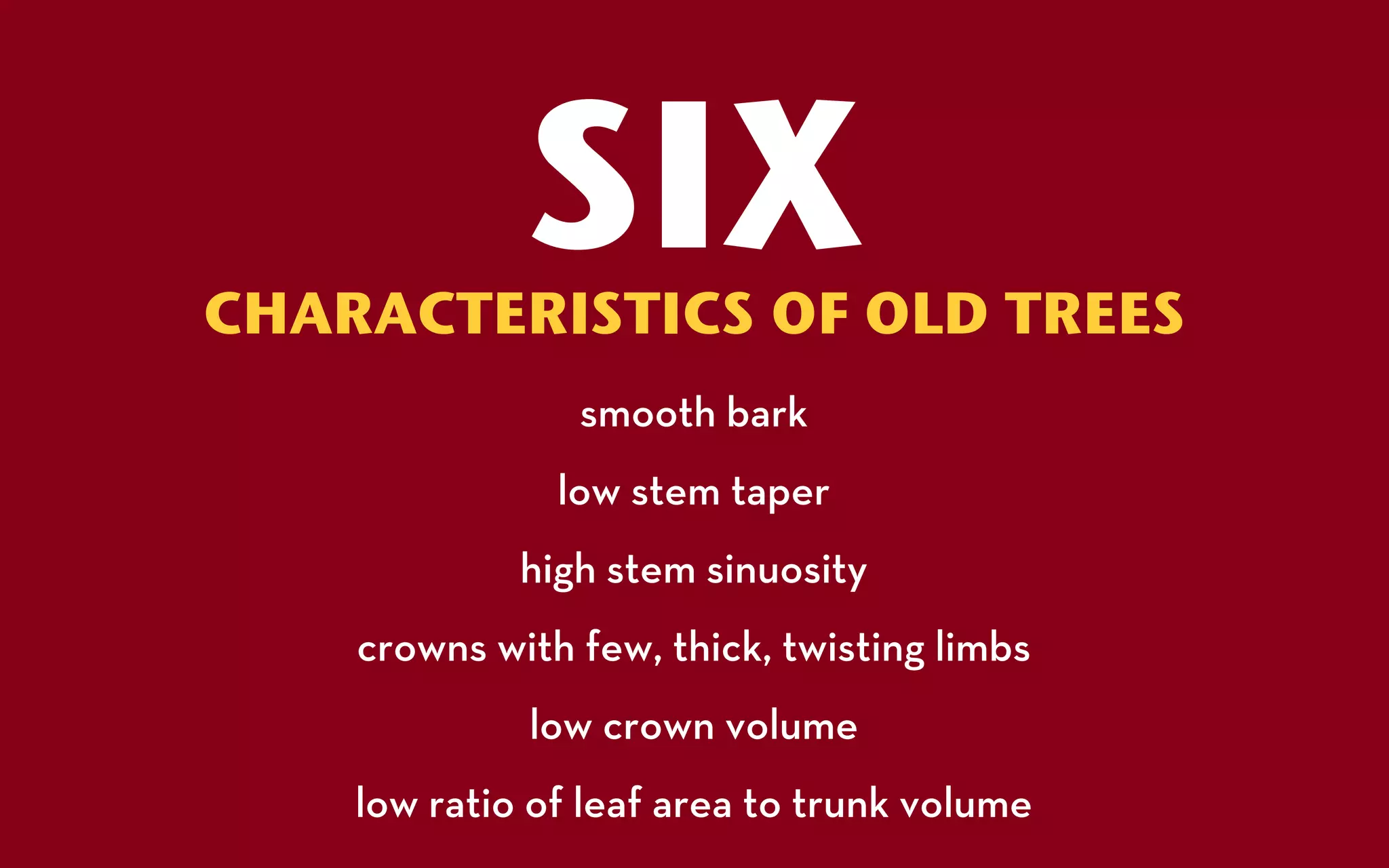
SIX
CHARACTERISTICS OF OLD TREES
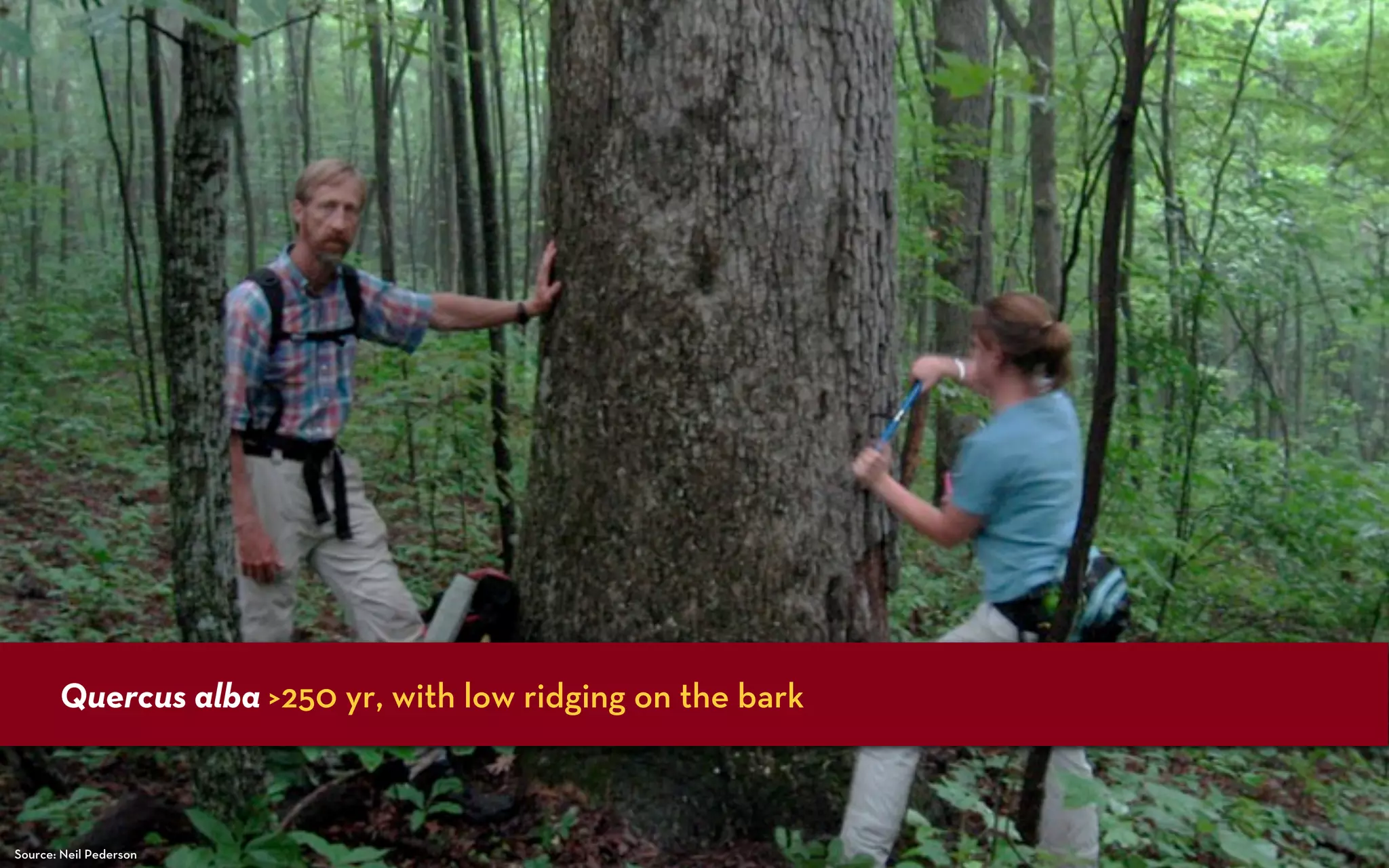
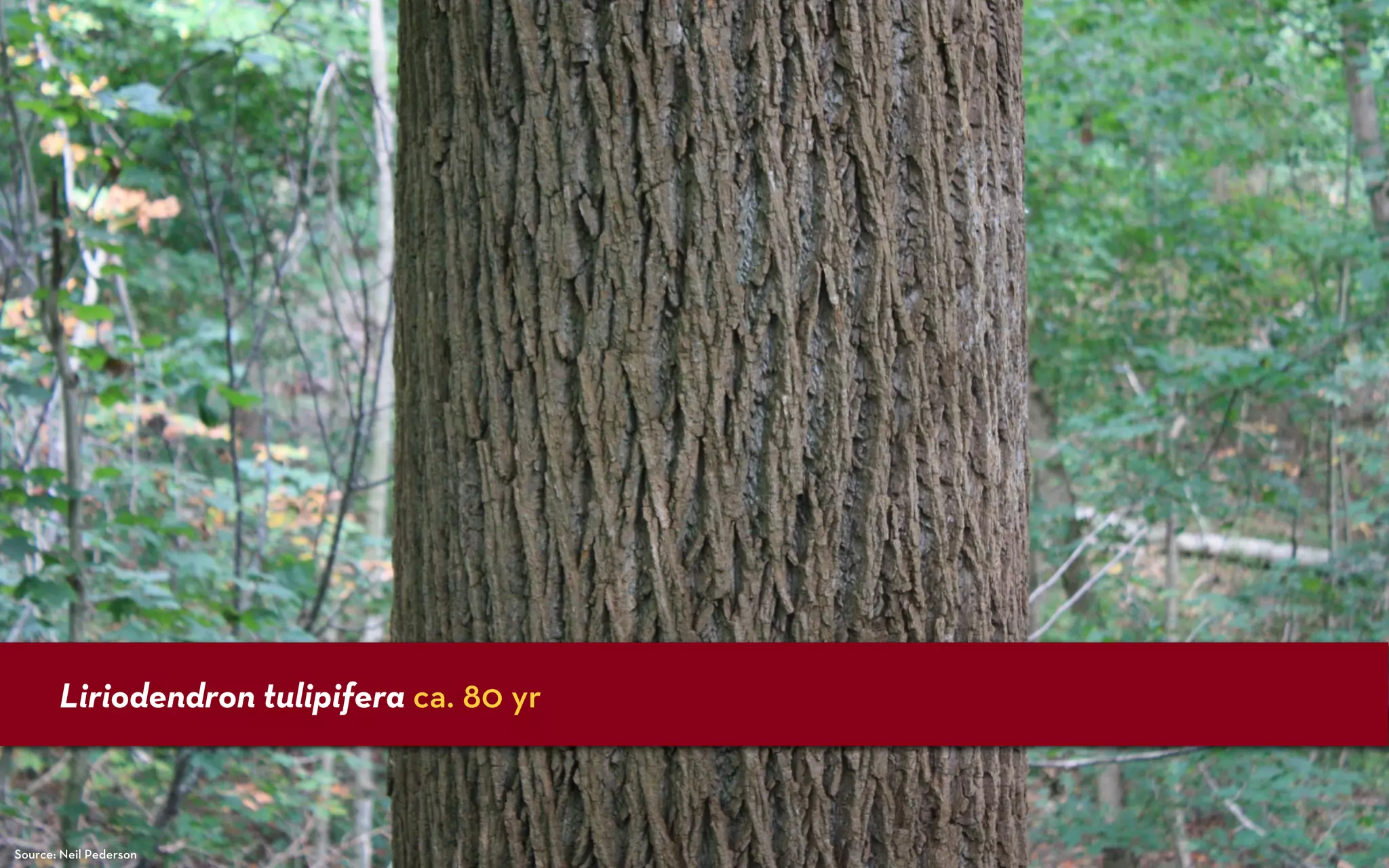
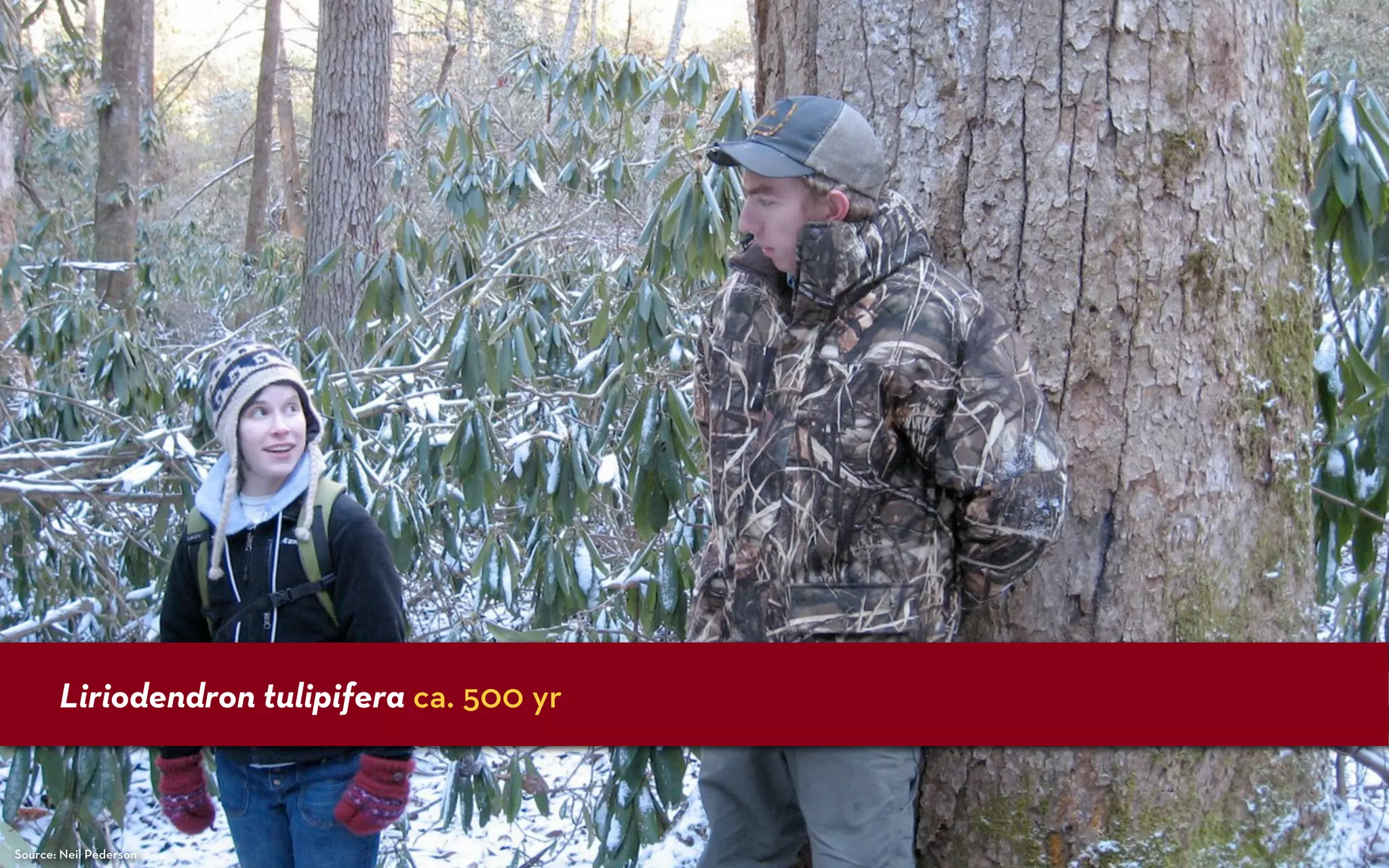
                smooth bark
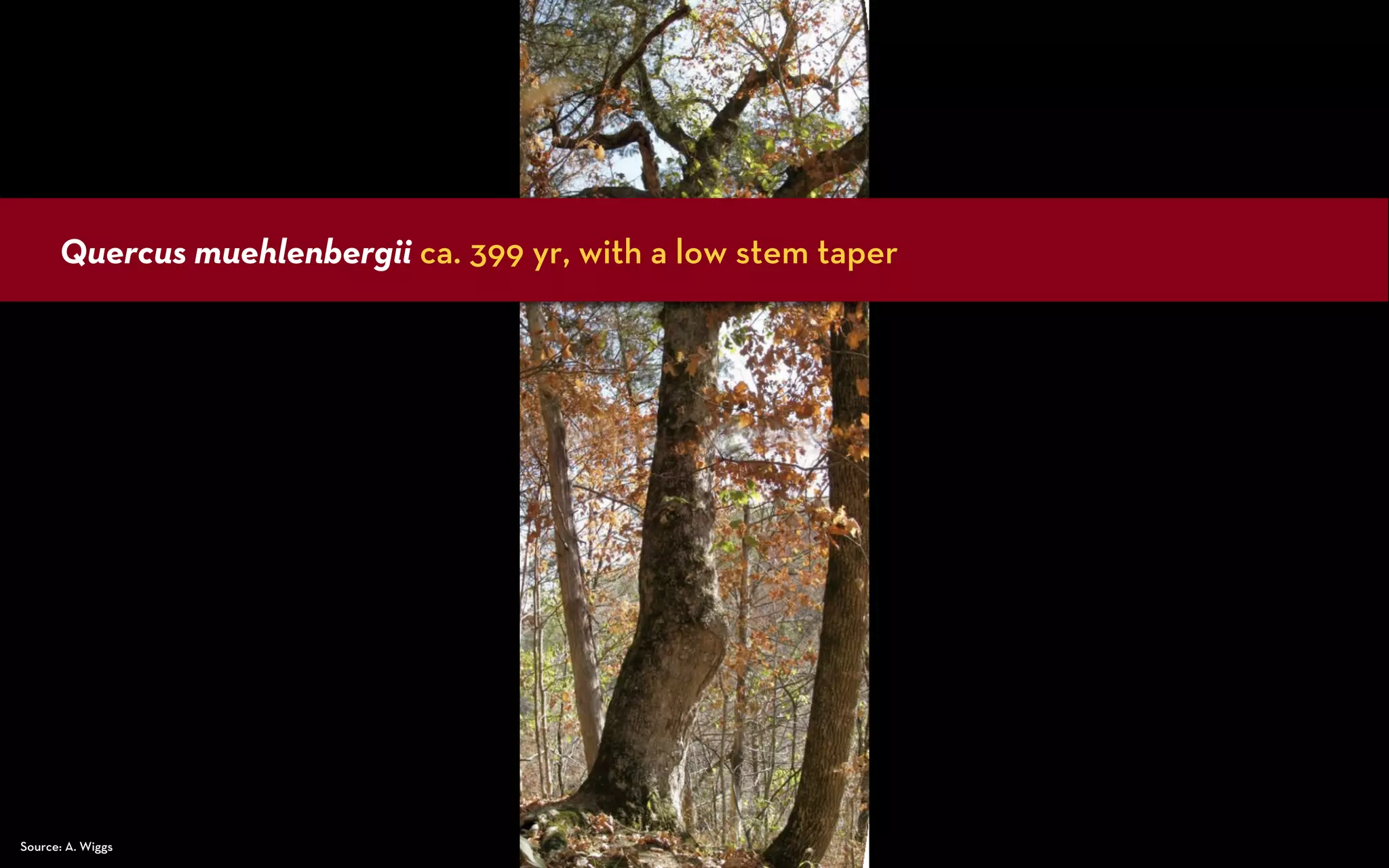
               low stem taper
             high stem sinuosity
    crowns with few, thick, twisting limbs
             low crown volume
    low ratio of leaf area to trunk volume
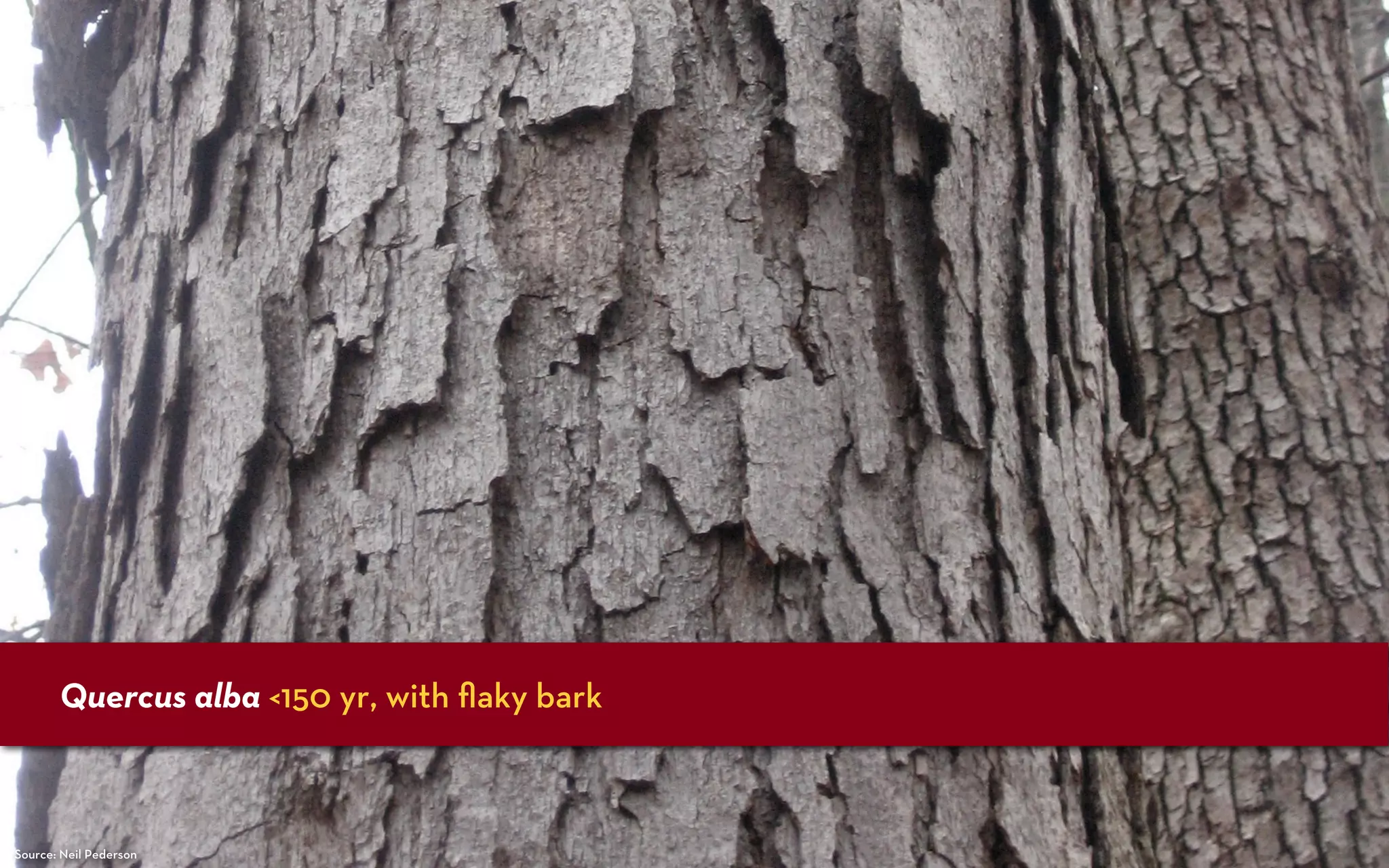
Quercus alba <150 yr, with flaky bark


Source: Neil Pederson
Quercus alba >250 yr, with low ridging on the bark


Source: Neil Pederson
Liriodendron tulipifera ca. 80 yr


Source: Neil Pederson
Liriodendron tulipifera ca. 500 yr


Source: Neil Pederson
Quercus muehlenbergii ca. 399 yr, with a low stem taper


Source: A. Wiggs
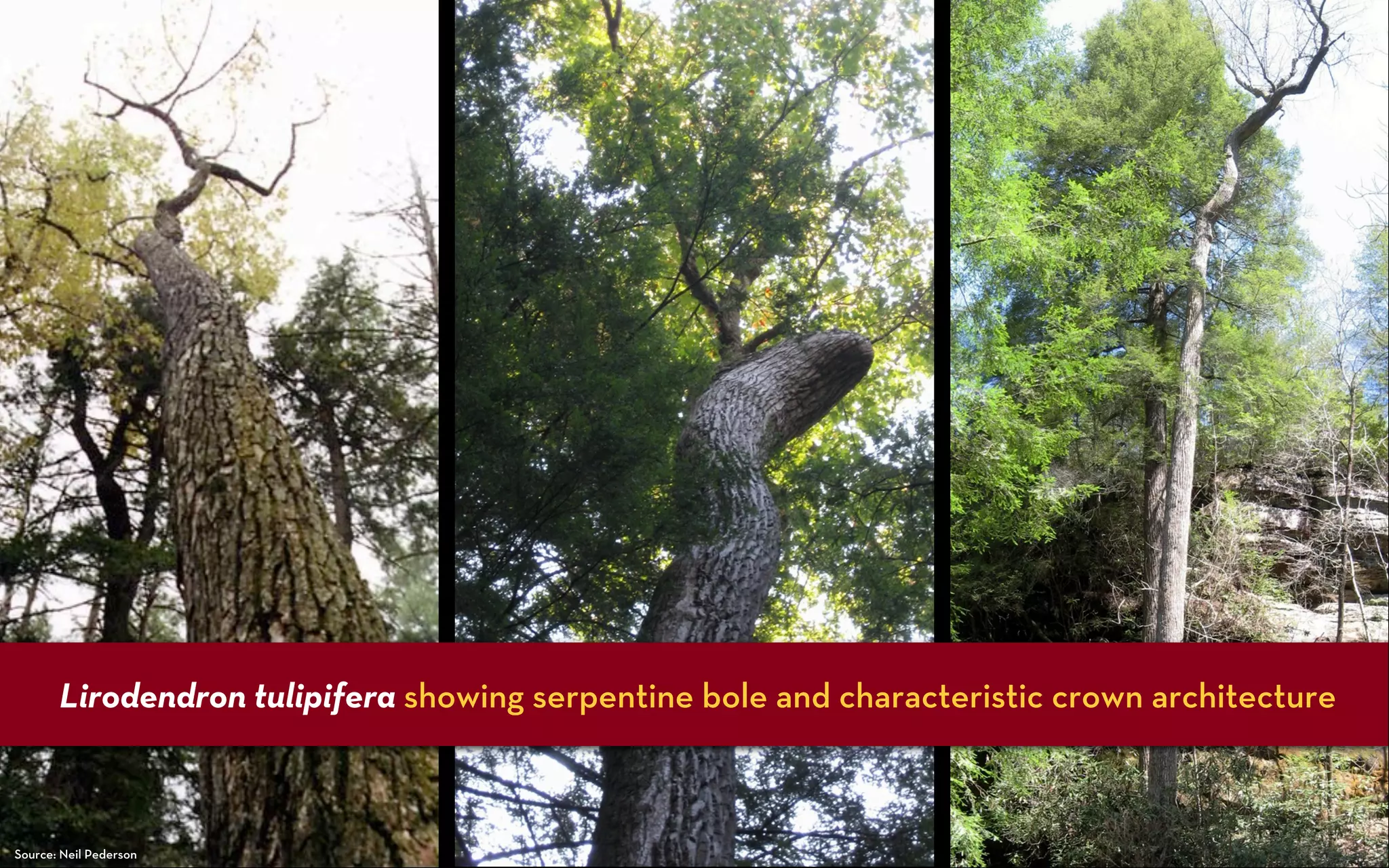
Lirodendron tulipifera showing serpentine bole and characteristic crown architecture


Source: Neil Pederson
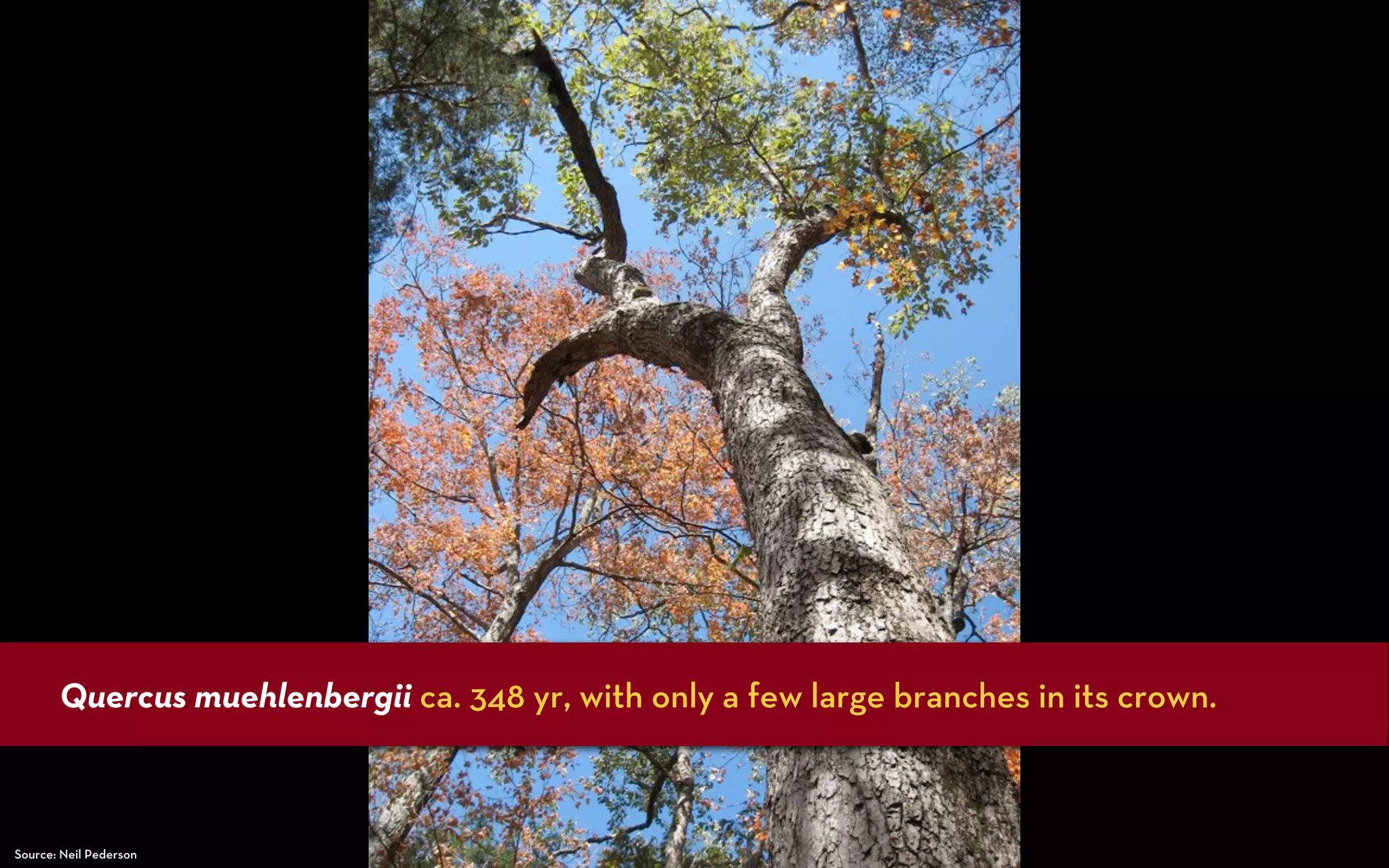
Quercus muehlenbergii ca. 348 yr, with only a few large branches in its crown.


Source: Neil Pederson
Source: Diane Main
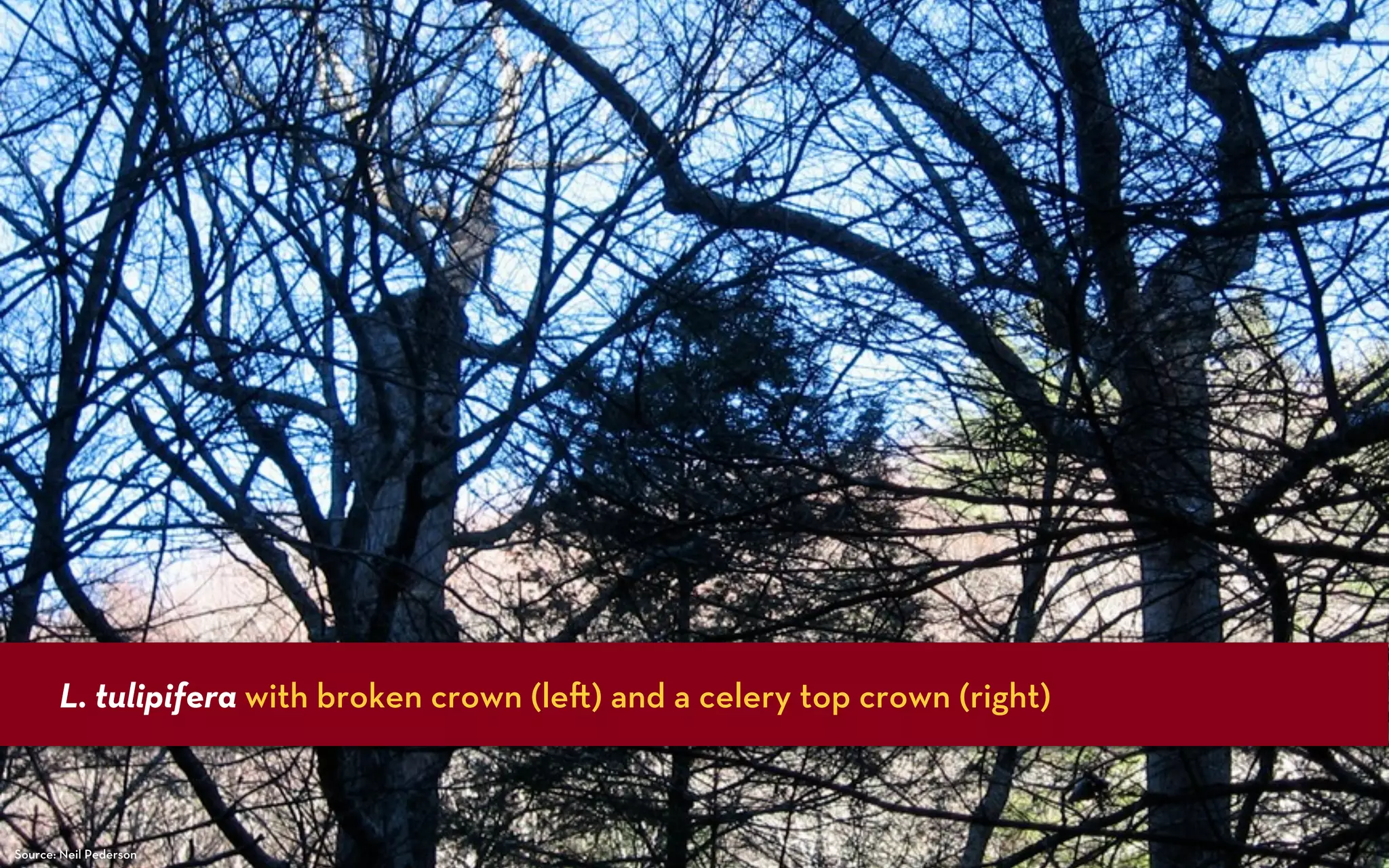
L. tulipifera with broken crown (le ) and a celery top crown (right)


Source: Neil Pederson
Source: Imagin Extra
where do we find tree-ring data?
INTERNATIONAL

TREE-RINGDATABANK
  h p://www.ncdc.noaa.gov/paleo/treering.html
Exercise!
Use Google Earth to review the global
distribution of tree-ring data.
THE PRINCIPLE OF
    CROSS-DATING
      THE PRINCIPLE OF
AGGREGATE TREE GROWTH
      THE PRINCIPLE OF
     REPLICATION

  STANDARDIZATION
      THE PRINCIPLE OF
ECOLOGICAL AMPLITUDE
      THE PRINCIPLE OF
    SITE SELECTION
GEOG8280
  XT C L AS S
NE

GEOG5839.13, Sampling strategies