



Nur aqilah binti zainudin
2014416824
D2 bm240 3b
8.1 Performance management
for digital channels
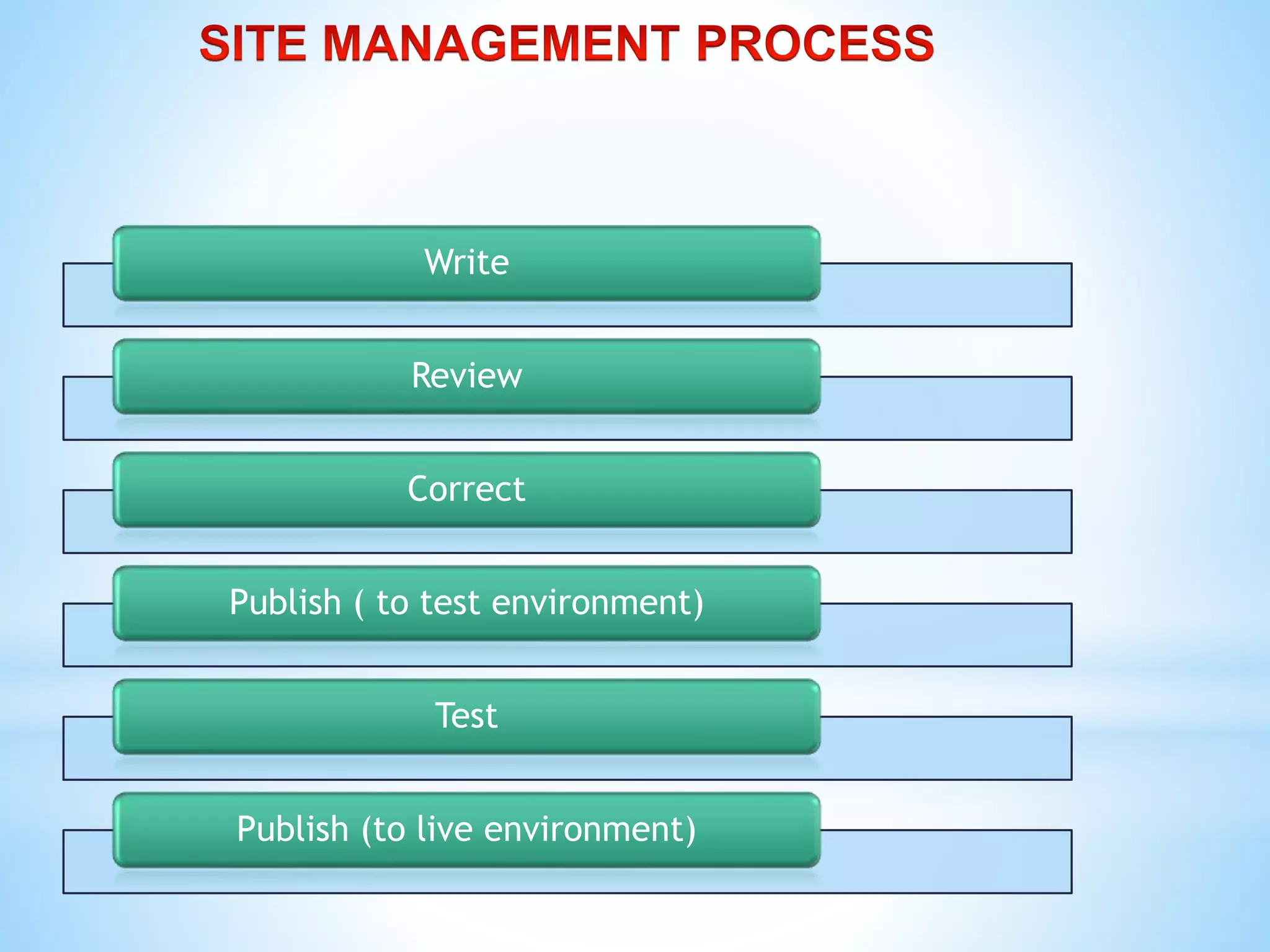
8.2 Site management process
8.3 Responsibilities in website
maintenance
The importance of defining an appropriate
approach to measurement and improvement is such
that the term WEB ANALYTICS has developed to
describe this the digital marketing activity.
Analytics association definition of web analytics is
WEB ANALYTICS is the measurement, collection,
analysis and reporting of Internet data for the
purposes of understanding and optimizing web
usage.
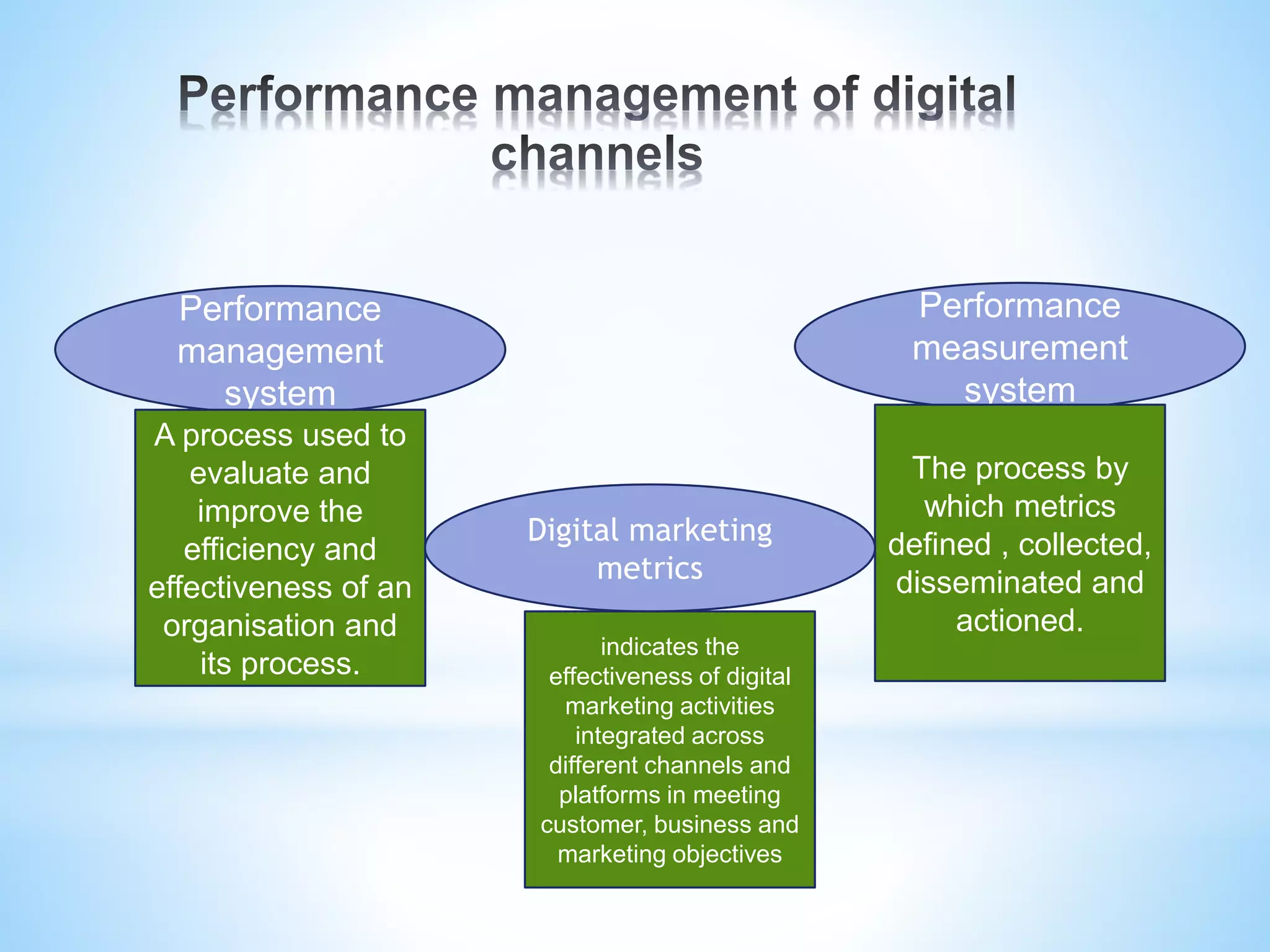
Performance
management
system
A process used to
evaluate and
improve the
efficiency and
effectiveness of an
organisation and
its process.
Performance
measurement
system
The process by
which metrics
defined , collected,
disseminated and
actioned.
Digital marketing
metrics
indicates the
effectiveness of digital
marketing activities
integrated across
different channels and
platforms in meeting
customer, business and
marketing objectives
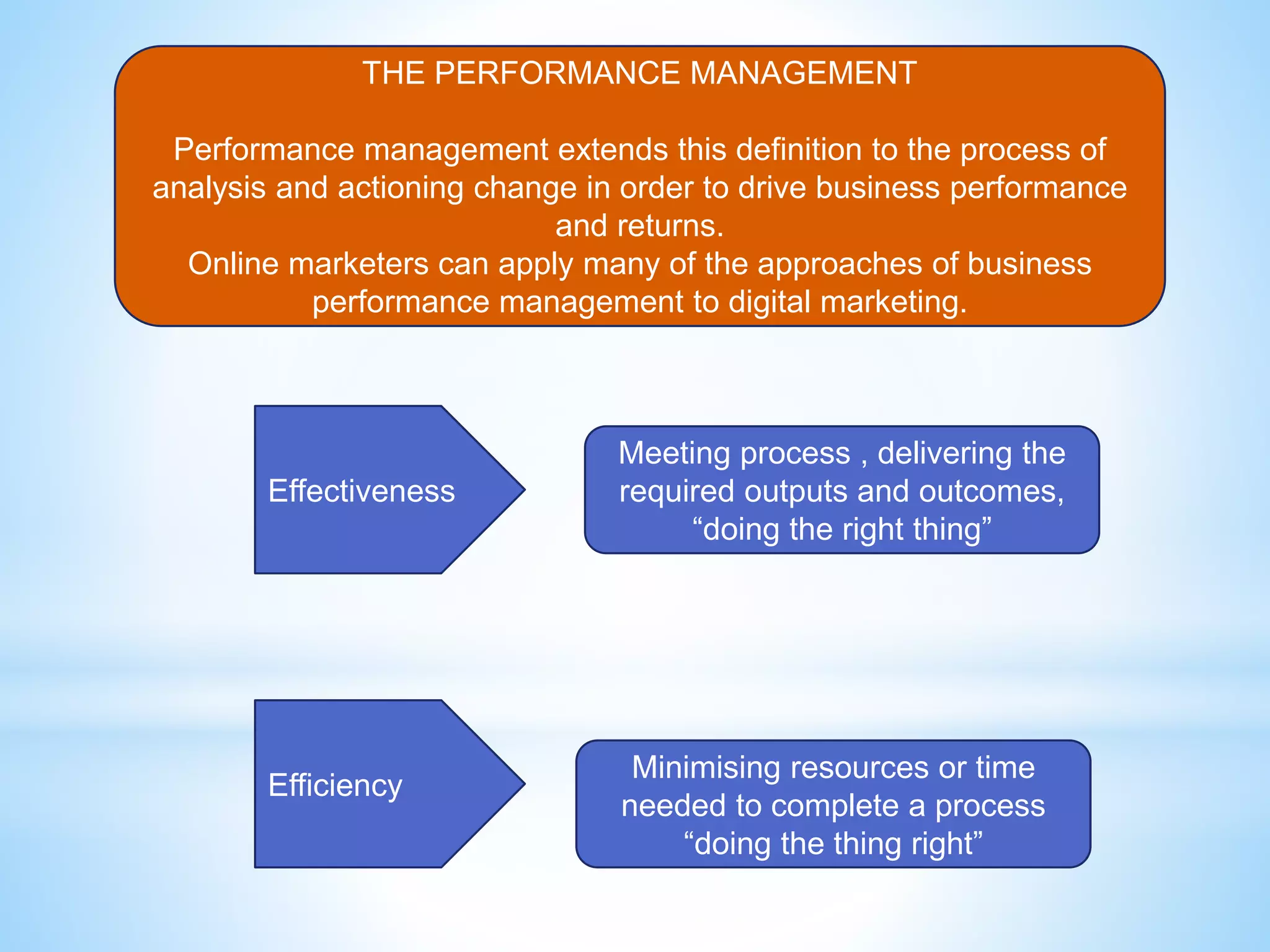
THE PERFORMANCE MANAGEMENT
Performance management extends this definition to the process of
analysis and actioning change in order to drive business performance
and returns.
Online marketers can apply many of the approaches of business
performance management to digital marketing.
Effectiveness
Efficiency
Meeting process , delivering the
required outputs and outcomes,
“doing the right thing”
Minimising resources or time
needed to complete a process
“doing the thing right”
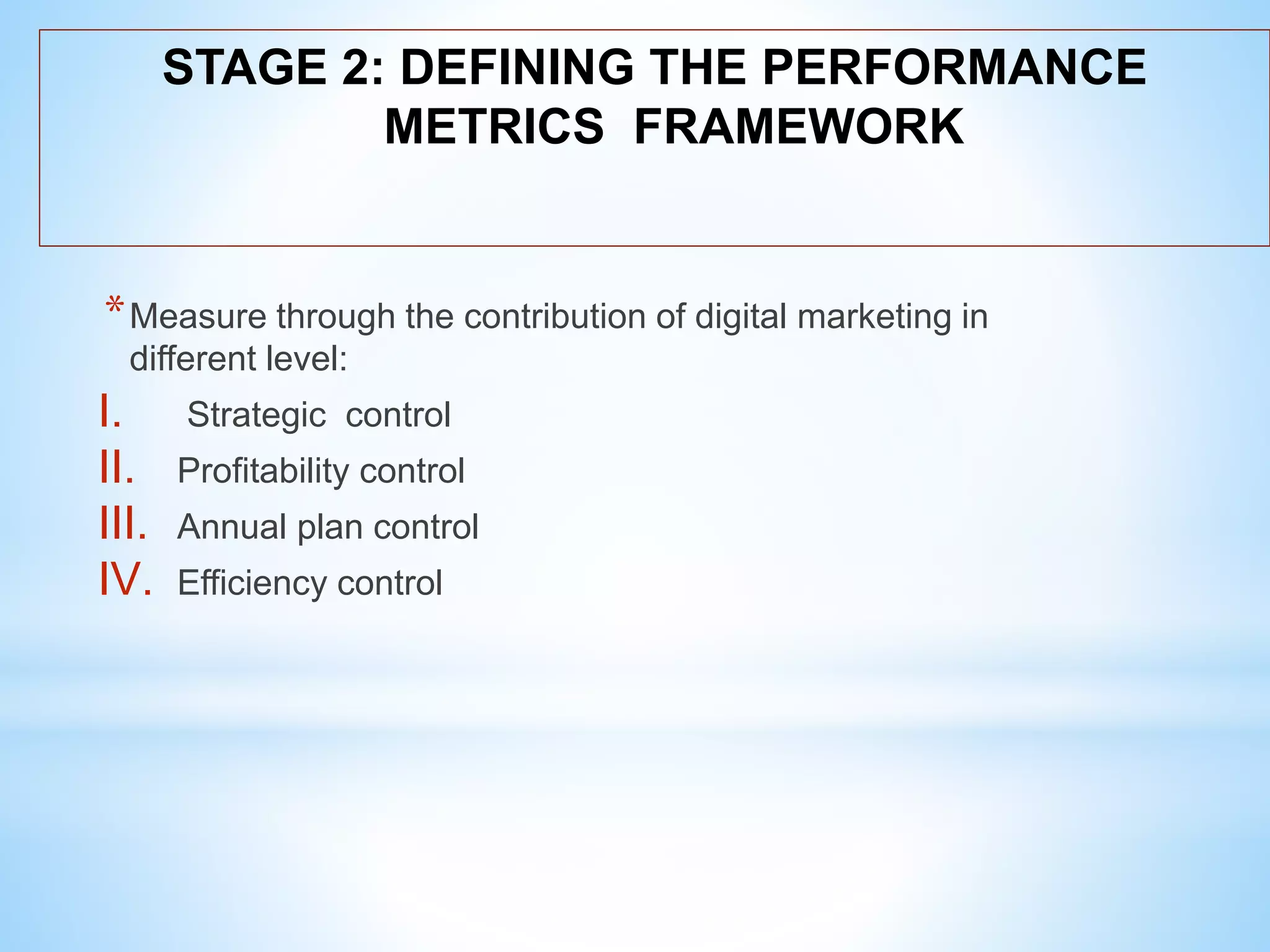
*Measure through the contribution of digital marketing in
different level:
I. Strategic control
II. Profitability control
III. Annual plan control
IV. Efficiency control
STAGE 2: DEFINING THE PERFORMANCE
METRICS FRAMEWORK
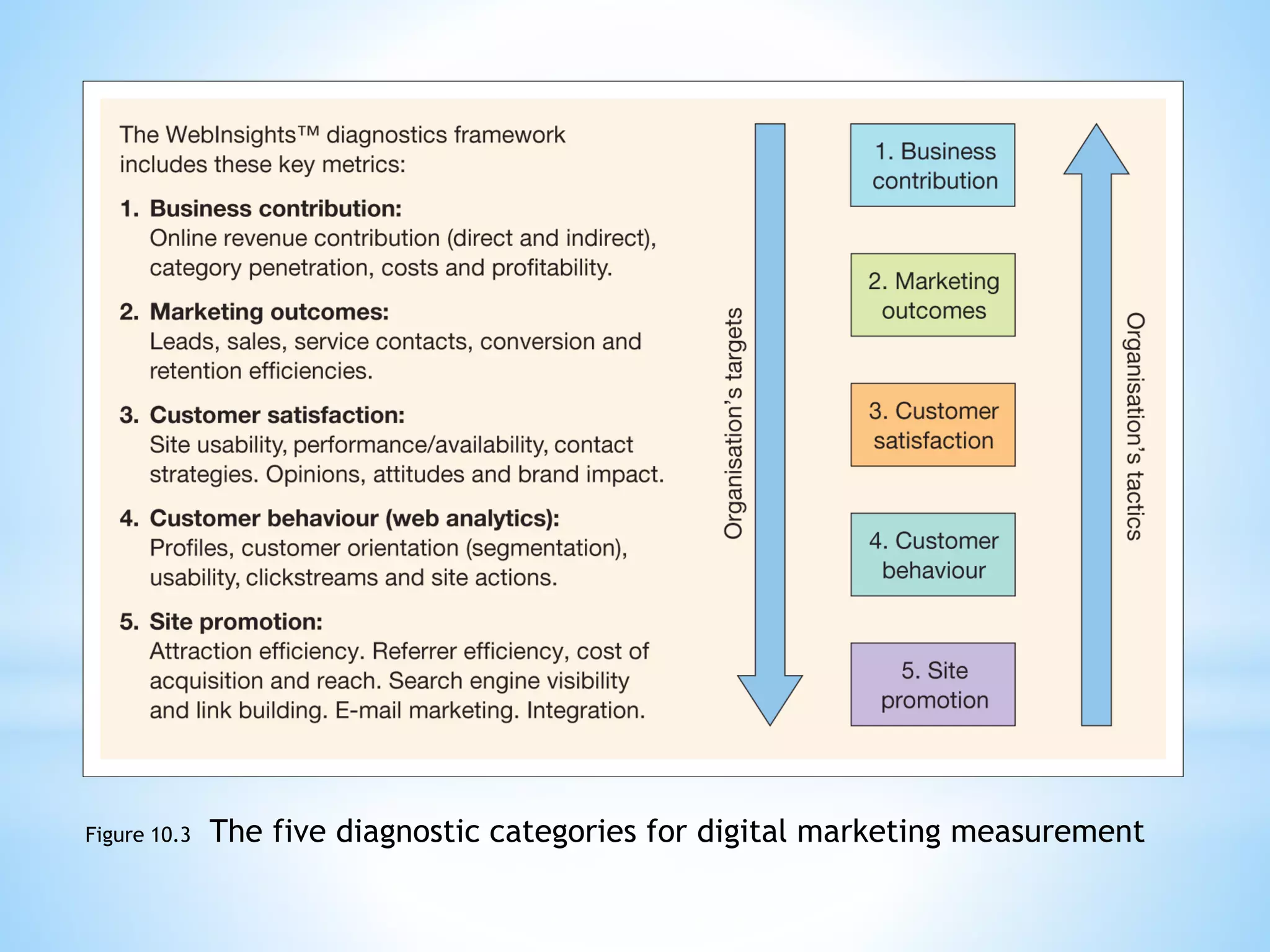
Figure 10.3 The five diagnostic categories for digital marketing measurement
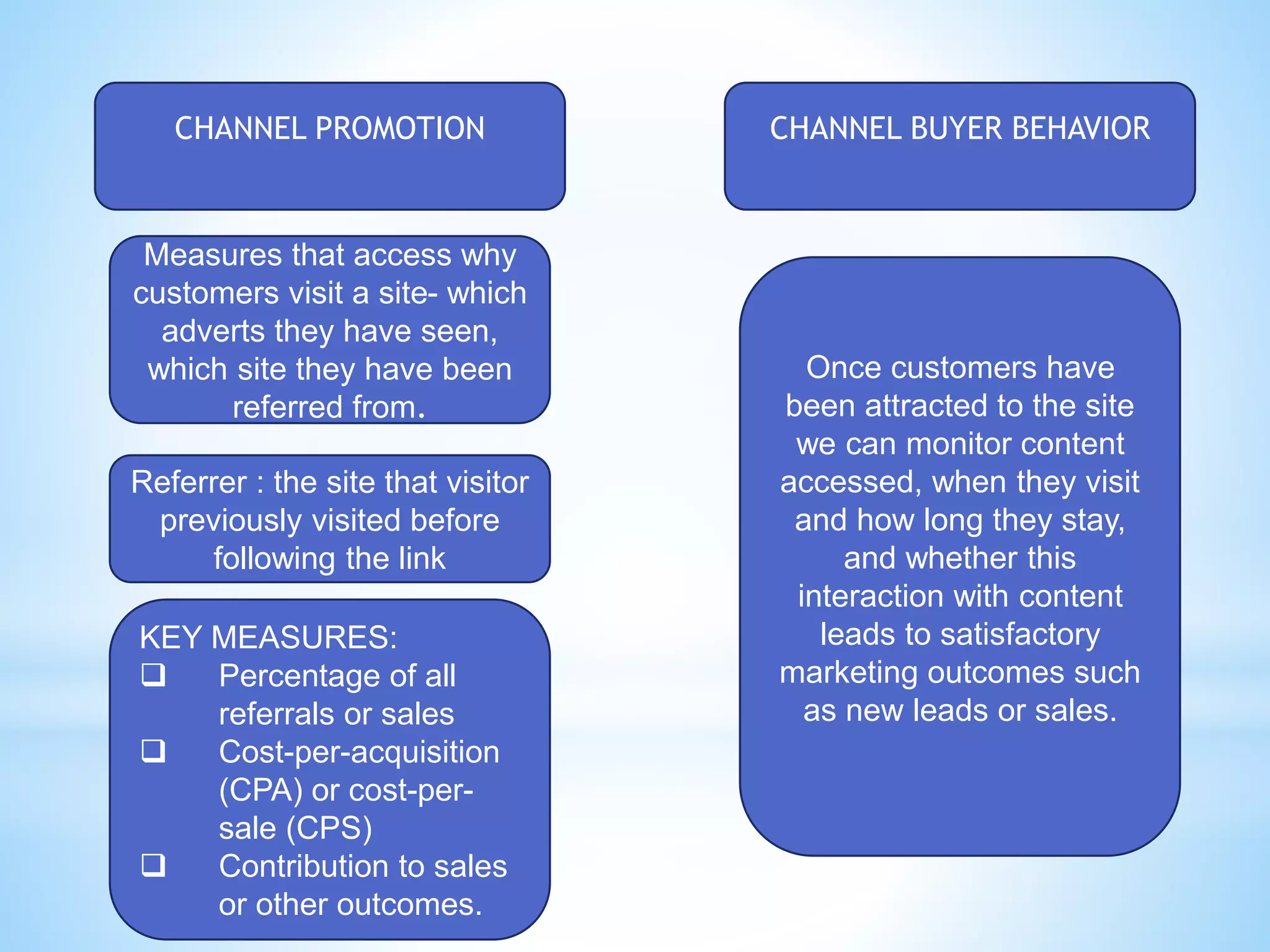
CHANNEL PROMOTION
Measures that access why
customers visit a site- which
adverts they have seen,
which site they have been
referred from.
Referrer : the site that visitor
previously visited before
following the link
KEY MEASURES:
 Percentage of all
referrals or sales
 Cost-per-acquisition
(CPA) or cost-per-
sale (CPS)
 Contribution to sales
or other outcomes.
CHANNEL BUYER BEHAVIOR
Once customers have
been attracted to the site
we can monitor content
accessed, when they visit
and how long they stay,
and whether this
interaction with content
leads to satisfactory
marketing outcomes such
as new leads or sales.
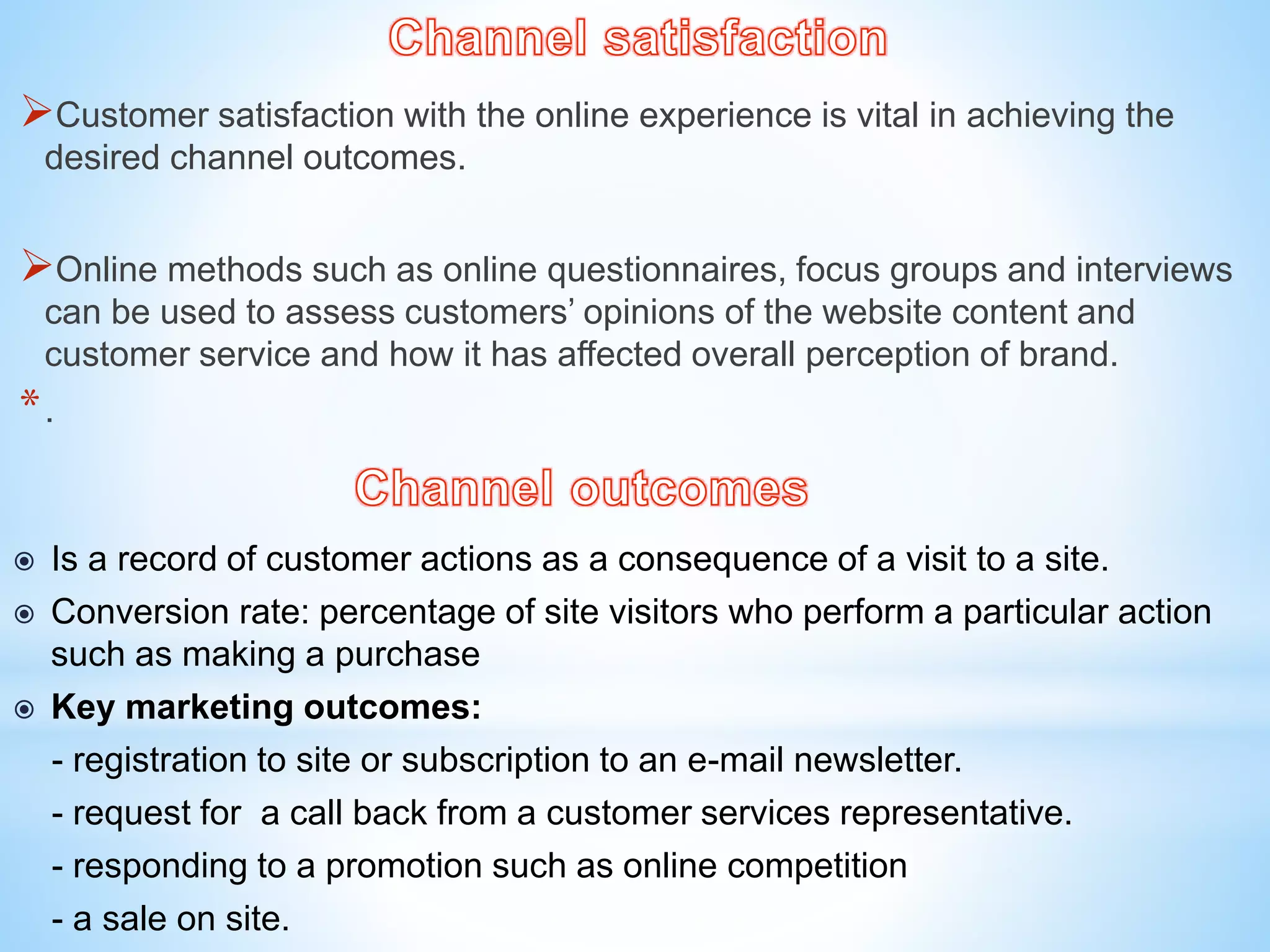
Customer satisfaction with the online experience is vital in achieving the
desired channel outcomes.
Online methods such as online questionnaires, focus groups and interviews
can be used to assess customers’ opinions of the website content and
customer service and how it has affected overall perception of brand.
*.
 Is a record of customer actions as a consequence of a visit to a site.
 Conversion rate: percentage of site visitors who perform a particular action
such as making a purchase
 Key marketing outcomes:
- registration to site or subscription to an e-mail newsletter.
- request for a call back from a customer services representative.
- responding to a promotion such as online competition
- a sale on site.
A contribution to business profitability is always the
ultimate aim of e-commerce to assess the leading
companies set an internet contribution target of
achieving a certain proportion of sales via the
channel.
 The framework have presented in this chapter are
explained in the context of an individual channel
has been contribution of channel highlighted as
percentage sales or profitability
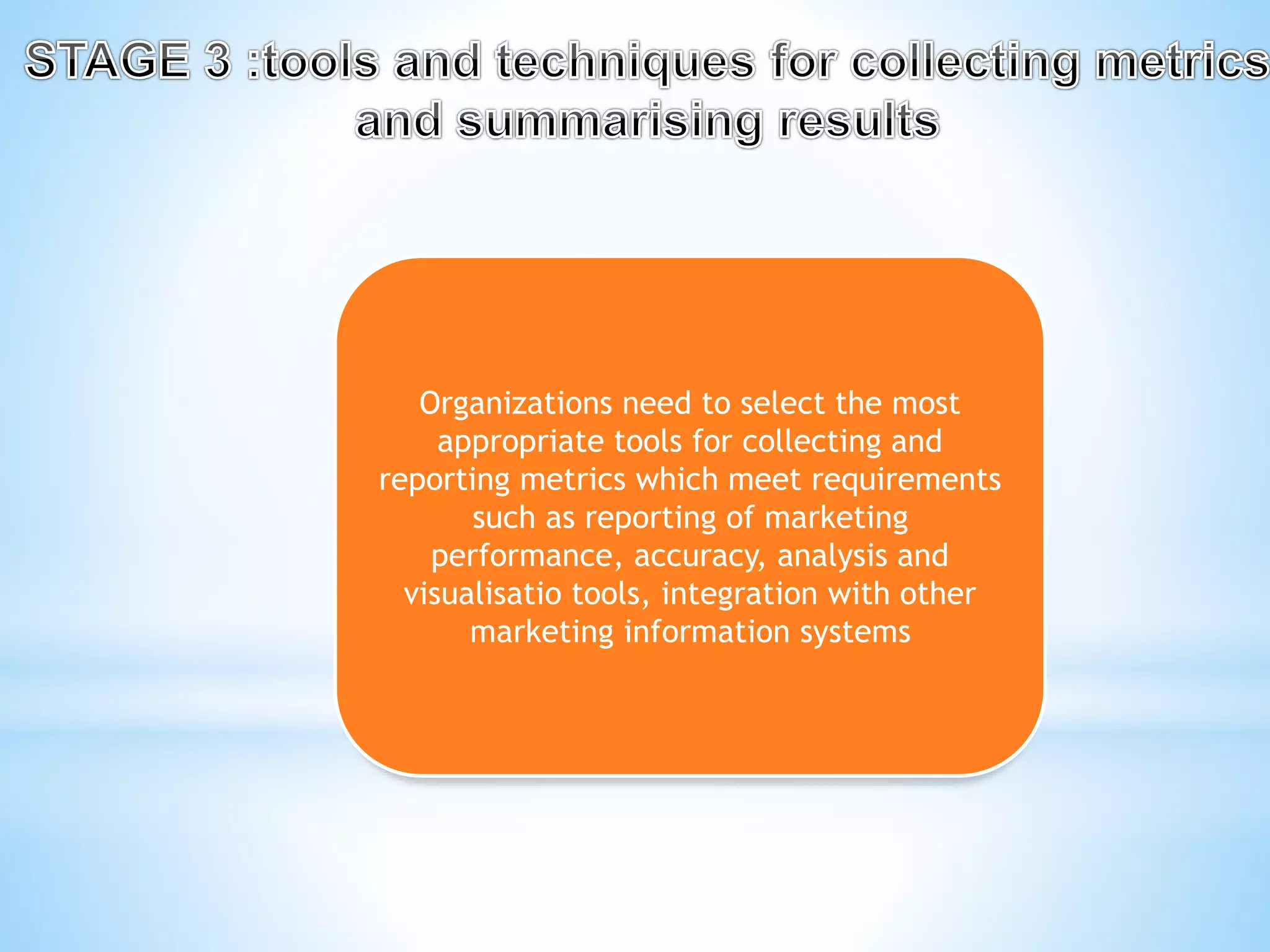
Organizations need to select the most
appropriate tools for collecting and
reporting metrics which meet requirements
such as reporting of marketing
performance, accuracy, analysis and
visualisatio tools, integration with other
marketing information systems
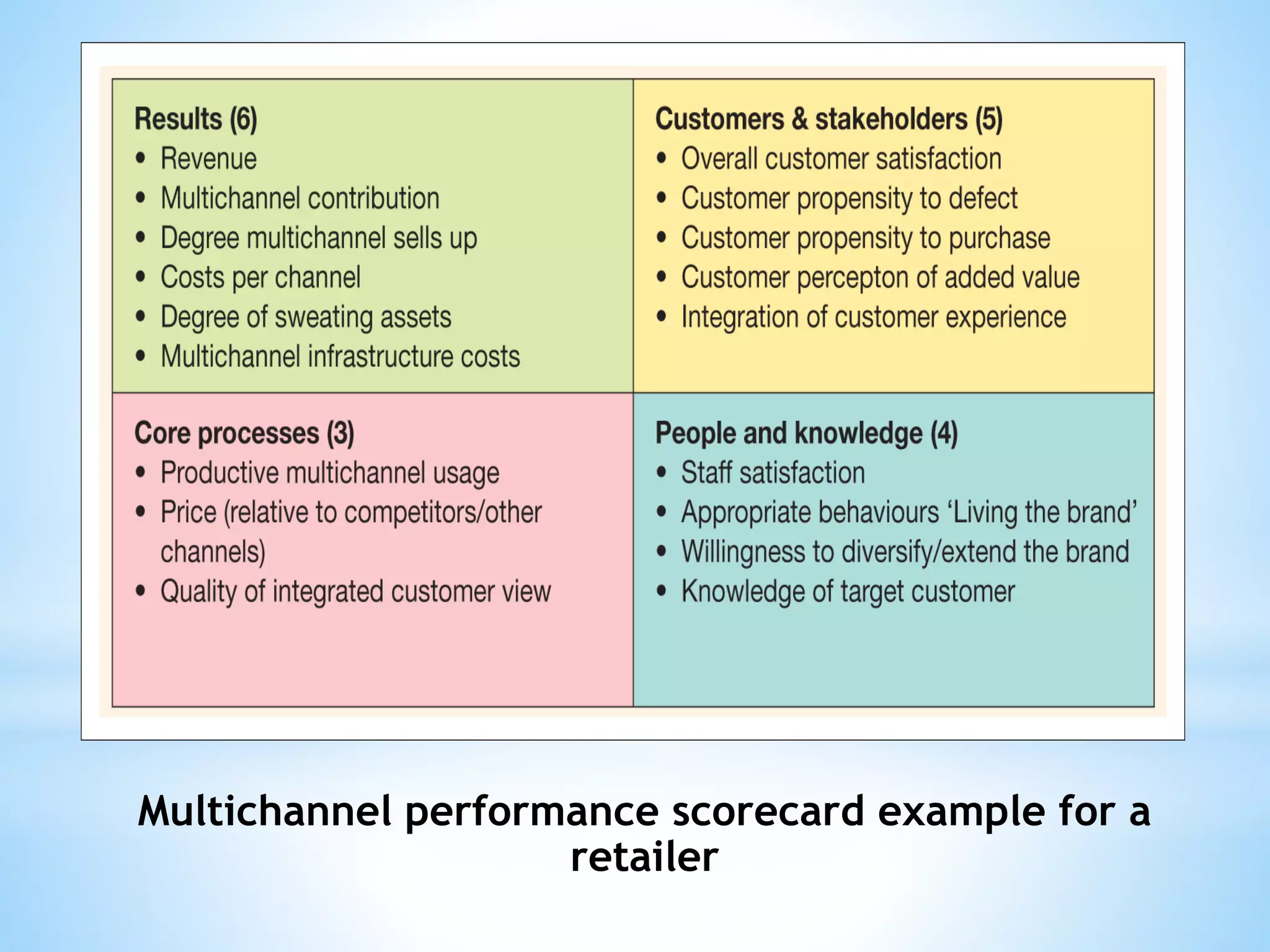
Multichannel performance scorecard example for a
retailer
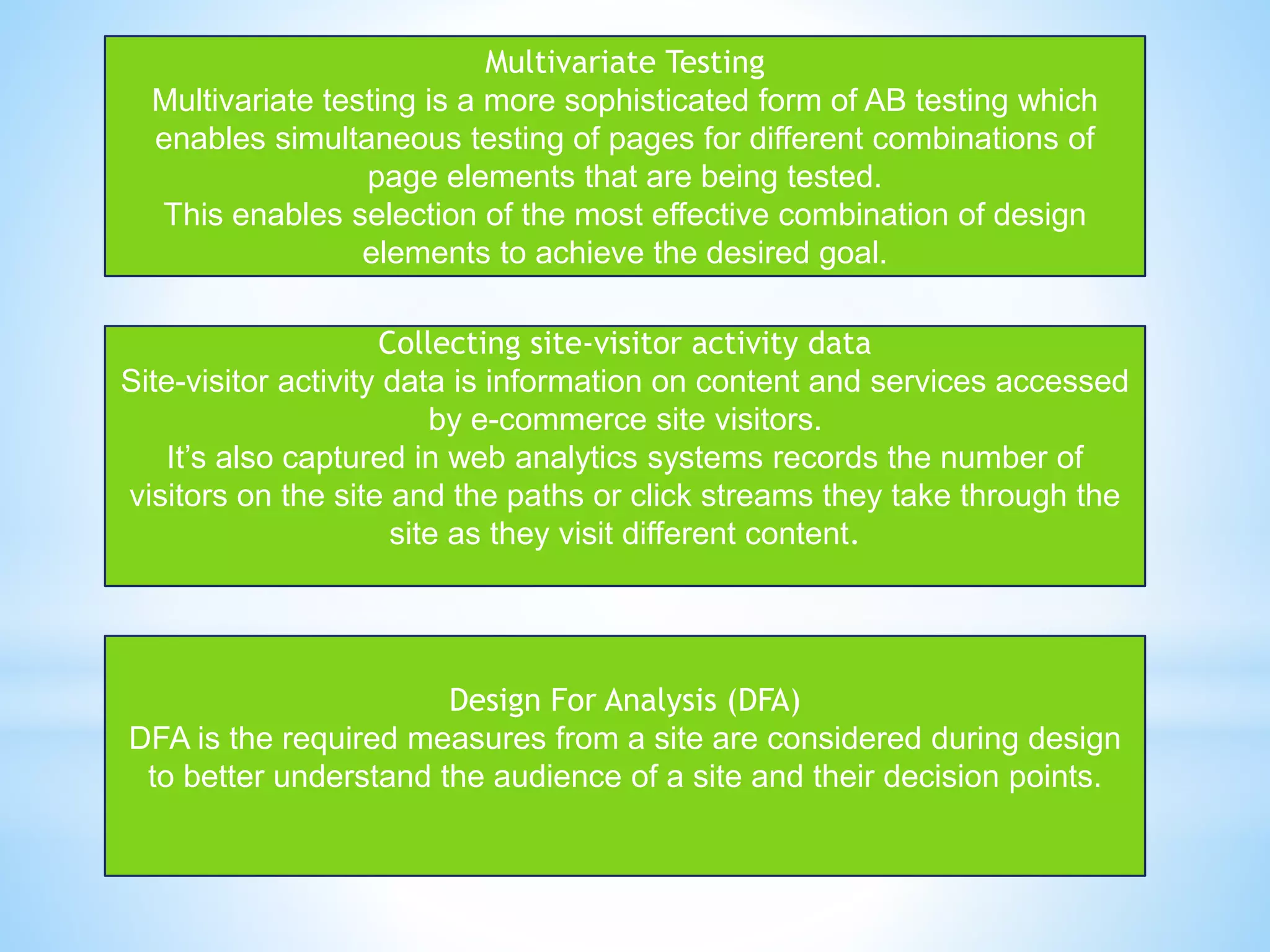
Multivariate Testing
Multivariate testing is a more sophisticated form of AB testing which
enables simultaneous testing of pages for different combinations of
page elements that are being tested.
This enables selection of the most effective combination of design
elements to achieve the desired goal.
Collecting site-visitor activity data
Site-visitor activity data is information on content and services accessed
by e-commerce site visitors.
It’s also captured in web analytics systems records the number of
visitors on the site and the paths or click streams they take through the
site as they visit different content.
Design For Analysis (DFA)
DFA is the required measures from a site are considered during design
to better understand the audience of a site and their decision points.
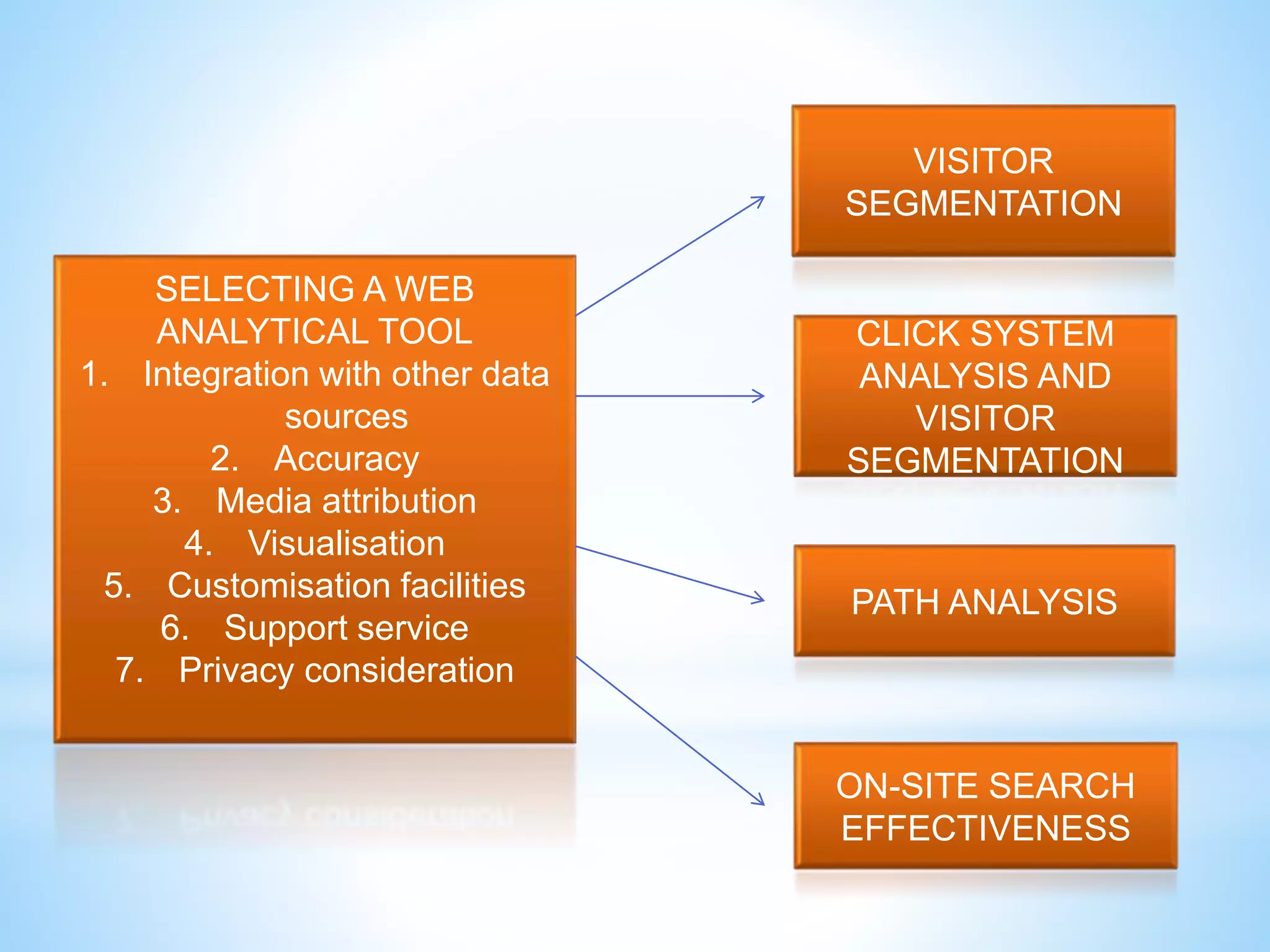
SELECTING A WEB
ANALYTICAL TOOL
1. Integration with other data
sources
2. Accuracy
3. Media attribution
4. Visualisation
5. Customisation facilities
6. Support service
7. Privacy consideration
VISITOR
SEGMENTATION
CLICK SYSTEM
ANALYSIS AND
VISITOR
SEGMENTATION
PATH ANALYSIS
ON-SITE SEARCH
EFFECTIVENESS
STRATEGIC DATA
Performance management systems for senior managers will
give the big picture presented as scorecards or dashboards
showing trends in contribution of digital channels to the
organization in terms of sales, revenue and profitability for
different products.
An example of the output reporting from a web analytics
service is shown in Figure 10.11 below.
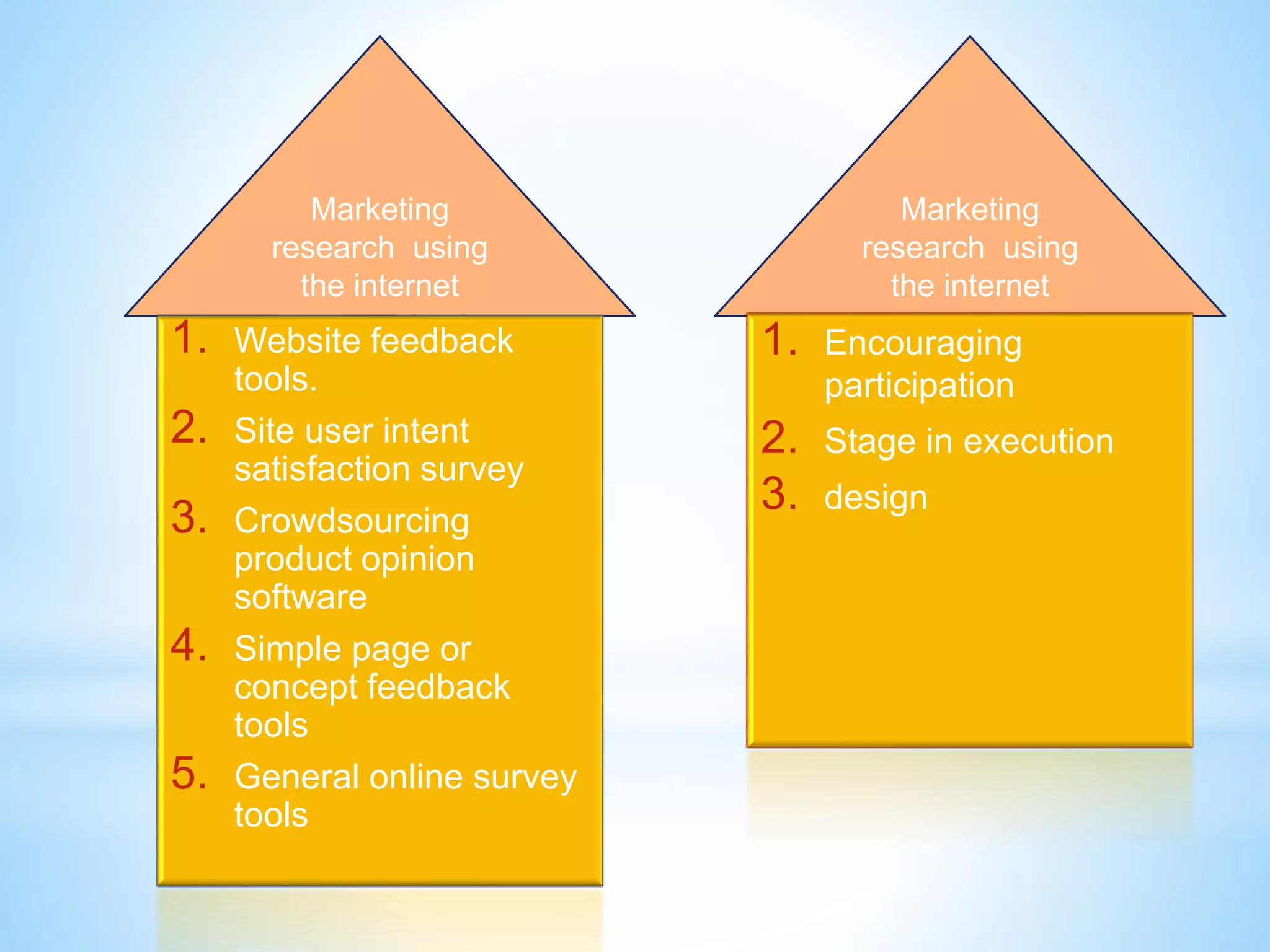
Marketing
research using
the internet
1. Website feedback
tools.
2. Site user intent
satisfaction survey
3. Crowdsourcing
product opinion
software
4. Simple page or
concept feedback
tools
5. General online survey
tools
Marketing
research using
the internet
1. Encouraging
participation
2. Stage in execution
3. design
Write
Review
Correct
Publish ( to test environment)
Test
Publish (to live environment)
*First should overall process for agreeing new site content
and updating the site.
*Is a all interest party such as those within the marketing
department and the sites developers.
*All these people should have an input in deciding on the
process for updating the website..
*The process will specify responsibilities for different aspects
of site management and detail the sequence in which task
occur for updating the site.
• For a medium to large site where the content is updated regularly, as it
should be, it will soon become impossible for one person to update all the
content.
• It is logical and practical to distribute the responsibility for owning and
developing different sections of the site to the people in an organisation who
have the best skills and knowledge to develop that content.
• Eg. In a large financial services company, the part of the business
responsible for a certain product area should update the copy referring to
their products.
The format refers to different aspects of the design and layout of the site,
commonly referred to as its ‘look and feel’.
The key aim is consistency of format across the whole website.
 Quality of the site and customer experience will be :
- the site will be easier to use.
- the design elements of the site will be similar
- the corporate image and branding will be consistent with real-world
branding.
The technology u Ed to publish a website is important if a
company is to utilize fully the power of the internet.
Many standards (site structure, navigation, copy style and
page structure, testing standards, corporate branding, process
and performance) need to be managed in addition to the
technology.
*The website need to better in:
- availability and performance of website server.
- checking HTML for validity and correcting broken links.
- managing different version of web pages in the test and
live environment and content mangement.
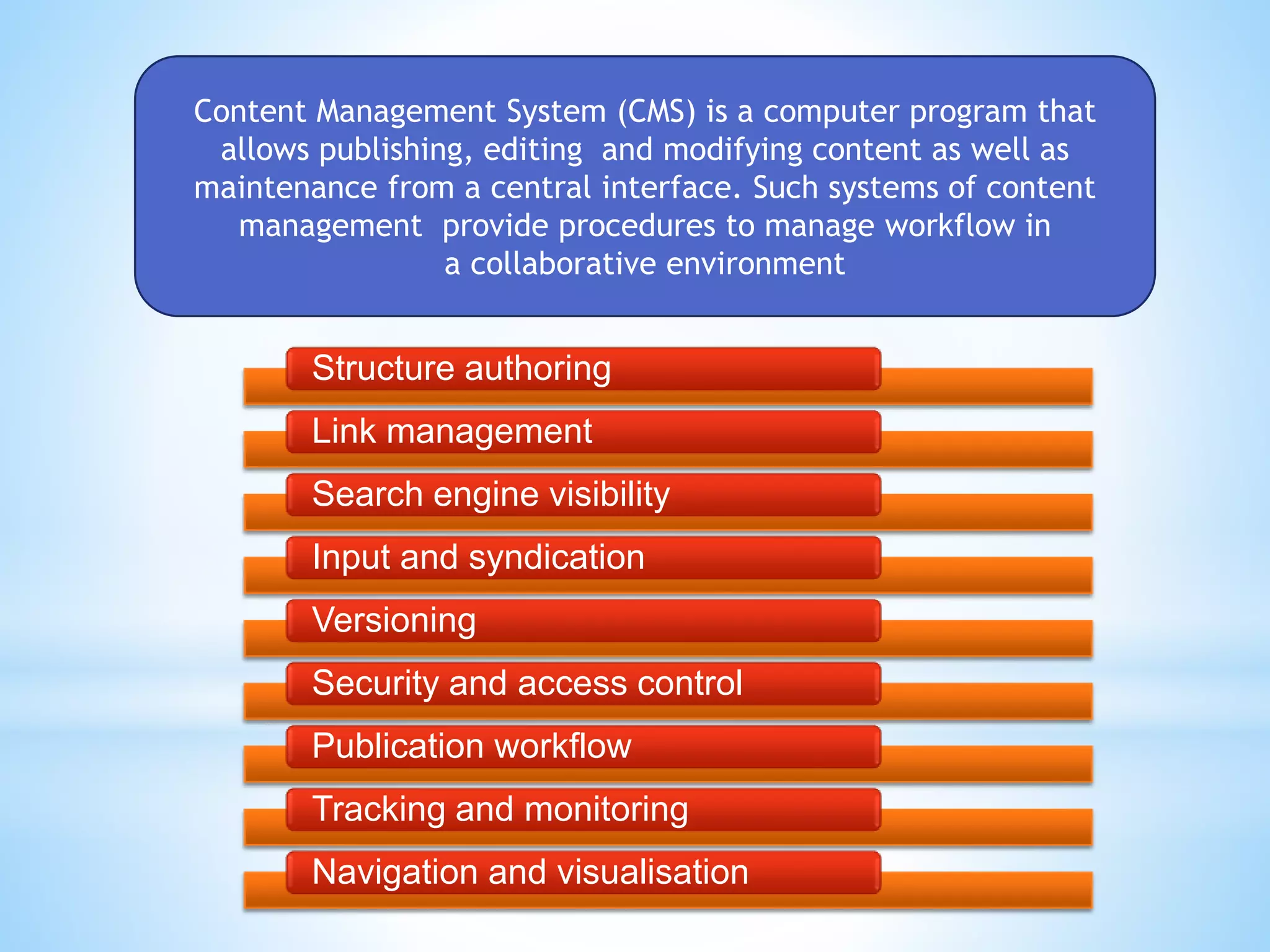
Content Management System (CMS) is a computer program that
allows publishing, editing and modifying content as well as
maintenance from a central interface. Such systems of content
management provide procedures to manage workflow in
a collaborative environment
Structure authoring
Link management
Search engine visibility
Input and syndication
Versioning
Security and access control
Publication workflow
Tracking and monitoring
Navigation and visualisation

Chapter 8 DIGITAL MARKETING

  • 1.
    Nur aqilah bintizainudin 2014416824 D2 bm240 3b
  • 2.
    8.1 Performance management fordigital channels 8.2 Site management process 8.3 Responsibilities in website maintenance
  • 3.
    The importance ofdefining an appropriate approach to measurement and improvement is such that the term WEB ANALYTICS has developed to describe this the digital marketing activity. Analytics association definition of web analytics is WEB ANALYTICS is the measurement, collection, analysis and reporting of Internet data for the purposes of understanding and optimizing web usage.
  • 4.
    Performance management system A process usedto evaluate and improve the efficiency and effectiveness of an organisation and its process. Performance measurement system The process by which metrics defined , collected, disseminated and actioned. Digital marketing metrics indicates the effectiveness of digital marketing activities integrated across different channels and platforms in meeting customer, business and marketing objectives
  • 5.
    THE PERFORMANCE MANAGEMENT Performancemanagement extends this definition to the process of analysis and actioning change in order to drive business performance and returns. Online marketers can apply many of the approaches of business performance management to digital marketing. Effectiveness Efficiency Meeting process , delivering the required outputs and outcomes, “doing the right thing” Minimising resources or time needed to complete a process “doing the thing right”
  • 6.
    *Measure through thecontribution of digital marketing in different level: I. Strategic control II. Profitability control III. Annual plan control IV. Efficiency control STAGE 2: DEFINING THE PERFORMANCE METRICS FRAMEWORK
  • 7.
    Figure 10.3 Thefive diagnostic categories for digital marketing measurement
  • 8.
    CHANNEL PROMOTION Measures thataccess why customers visit a site- which adverts they have seen, which site they have been referred from. Referrer : the site that visitor previously visited before following the link KEY MEASURES:  Percentage of all referrals or sales  Cost-per-acquisition (CPA) or cost-per- sale (CPS)  Contribution to sales or other outcomes. CHANNEL BUYER BEHAVIOR Once customers have been attracted to the site we can monitor content accessed, when they visit and how long they stay, and whether this interaction with content leads to satisfactory marketing outcomes such as new leads or sales.
  • 9.
    Customer satisfaction withthe online experience is vital in achieving the desired channel outcomes. Online methods such as online questionnaires, focus groups and interviews can be used to assess customers’ opinions of the website content and customer service and how it has affected overall perception of brand. *.  Is a record of customer actions as a consequence of a visit to a site.  Conversion rate: percentage of site visitors who perform a particular action such as making a purchase  Key marketing outcomes: - registration to site or subscription to an e-mail newsletter. - request for a call back from a customer services representative. - responding to a promotion such as online competition - a sale on site.
  • 10.
    A contribution tobusiness profitability is always the ultimate aim of e-commerce to assess the leading companies set an internet contribution target of achieving a certain proportion of sales via the channel.  The framework have presented in this chapter are explained in the context of an individual channel has been contribution of channel highlighted as percentage sales or profitability
  • 11.
    Organizations need toselect the most appropriate tools for collecting and reporting metrics which meet requirements such as reporting of marketing performance, accuracy, analysis and visualisatio tools, integration with other marketing information systems
  • 12.
    Multichannel performance scorecardexample for a retailer
  • 13.
    Multivariate Testing Multivariate testingis a more sophisticated form of AB testing which enables simultaneous testing of pages for different combinations of page elements that are being tested. This enables selection of the most effective combination of design elements to achieve the desired goal. Collecting site-visitor activity data Site-visitor activity data is information on content and services accessed by e-commerce site visitors. It’s also captured in web analytics systems records the number of visitors on the site and the paths or click streams they take through the site as they visit different content. Design For Analysis (DFA) DFA is the required measures from a site are considered during design to better understand the audience of a site and their decision points.
  • 14.
    SELECTING A WEB ANALYTICALTOOL 1. Integration with other data sources 2. Accuracy 3. Media attribution 4. Visualisation 5. Customisation facilities 6. Support service 7. Privacy consideration VISITOR SEGMENTATION CLICK SYSTEM ANALYSIS AND VISITOR SEGMENTATION PATH ANALYSIS ON-SITE SEARCH EFFECTIVENESS
  • 15.
    STRATEGIC DATA Performance managementsystems for senior managers will give the big picture presented as scorecards or dashboards showing trends in contribution of digital channels to the organization in terms of sales, revenue and profitability for different products. An example of the output reporting from a web analytics service is shown in Figure 10.11 below.
  • 16.
    Marketing research using the internet 1.Website feedback tools. 2. Site user intent satisfaction survey 3. Crowdsourcing product opinion software 4. Simple page or concept feedback tools 5. General online survey tools Marketing research using the internet 1. Encouraging participation 2. Stage in execution 3. design
  • 17.
    Write Review Correct Publish ( totest environment) Test Publish (to live environment)
  • 18.
    *First should overallprocess for agreeing new site content and updating the site. *Is a all interest party such as those within the marketing department and the sites developers. *All these people should have an input in deciding on the process for updating the website.. *The process will specify responsibilities for different aspects of site management and detail the sequence in which task occur for updating the site.
  • 19.
    • For amedium to large site where the content is updated regularly, as it should be, it will soon become impossible for one person to update all the content. • It is logical and practical to distribute the responsibility for owning and developing different sections of the site to the people in an organisation who have the best skills and knowledge to develop that content. • Eg. In a large financial services company, the part of the business responsible for a certain product area should update the copy referring to their products. The format refers to different aspects of the design and layout of the site, commonly referred to as its ‘look and feel’. The key aim is consistency of format across the whole website.  Quality of the site and customer experience will be : - the site will be easier to use. - the design elements of the site will be similar - the corporate image and branding will be consistent with real-world branding.
  • 20.
    The technology uEd to publish a website is important if a company is to utilize fully the power of the internet. Many standards (site structure, navigation, copy style and page structure, testing standards, corporate branding, process and performance) need to be managed in addition to the technology. *The website need to better in: - availability and performance of website server. - checking HTML for validity and correcting broken links. - managing different version of web pages in the test and live environment and content mangement.
  • 21.
    Content Management System(CMS) is a computer program that allows publishing, editing and modifying content as well as maintenance from a central interface. Such systems of content management provide procedures to manage workflow in a collaborative environment Structure authoring Link management Search engine visibility Input and syndication Versioning Security and access control Publication workflow Tracking and monitoring Navigation and visualisation