Chapter 10 Section 5
ROMANTICISM AND REALISM
JASON HAUCK
I. Romanticism
A. At the end of the 1700s romanticism, emerged
as a reaction to the ideas of the Enlightenment.
1. The Enlightenment stressed reason.
2. The romantics emphasized feelings, emotion, and
imagination as sources of knowing.
B. Romantics valued individualism.
1. Male romantics grew long hair and beards, and men and
women often wore outrageous clothes in order to express
their individuality.
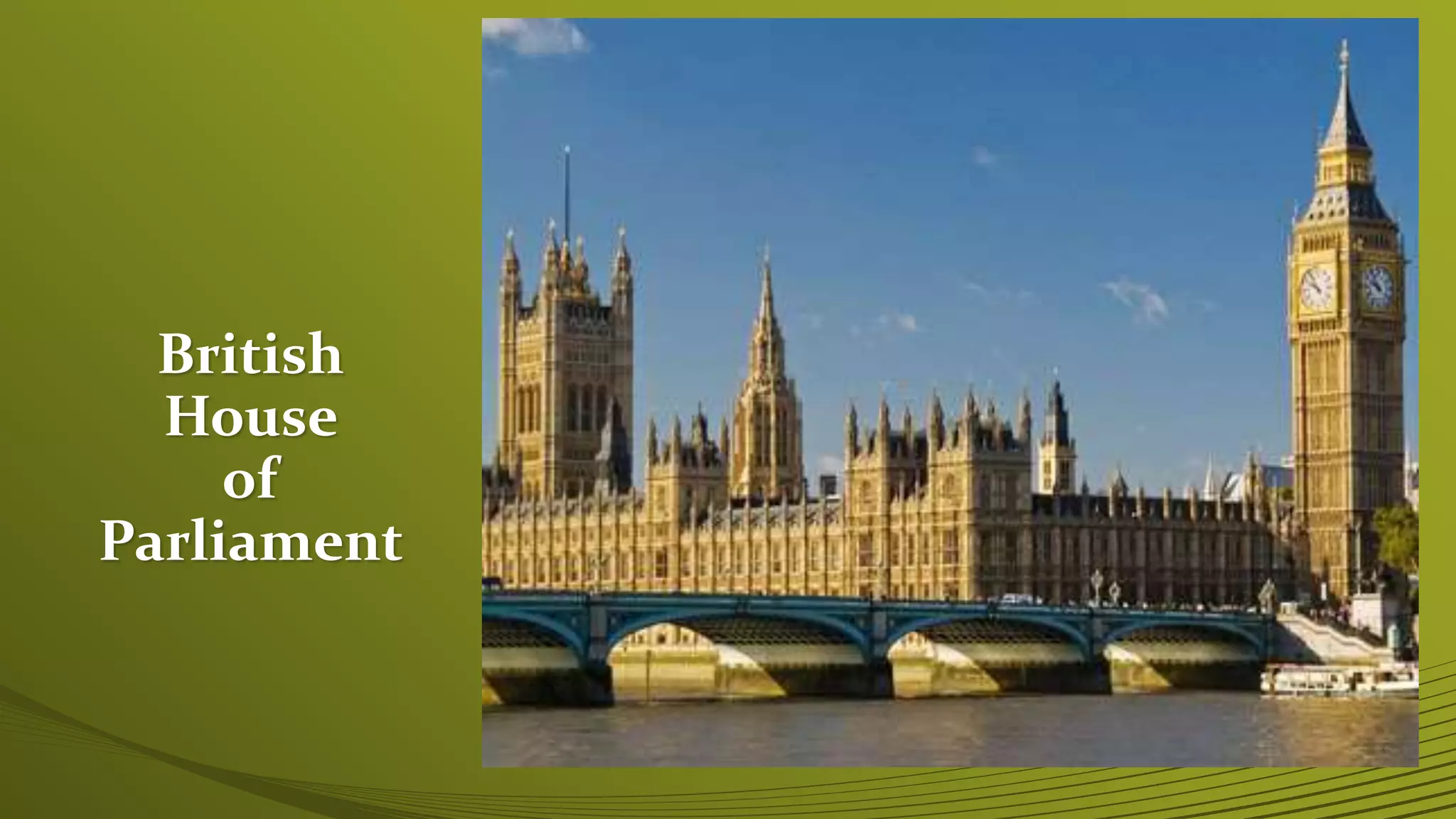
C.Romantic architects revived medieval styles and
built castles, cathedrals, city halls, parliamentary
buildings, and railway stations in a style called
neo-Gothic. The British Houses of Parliament in
London are a prime example of this architectural
style.
D.Romantic artists shared at least two features.
1. All art was a reflection of the artist's inner feelings.
2.Artists abandoned classical reason for warmth and emotion.
British
House
of
Parliament
E. Eugène Delacroix, Ludwig van Beethoven
Romantic artists.
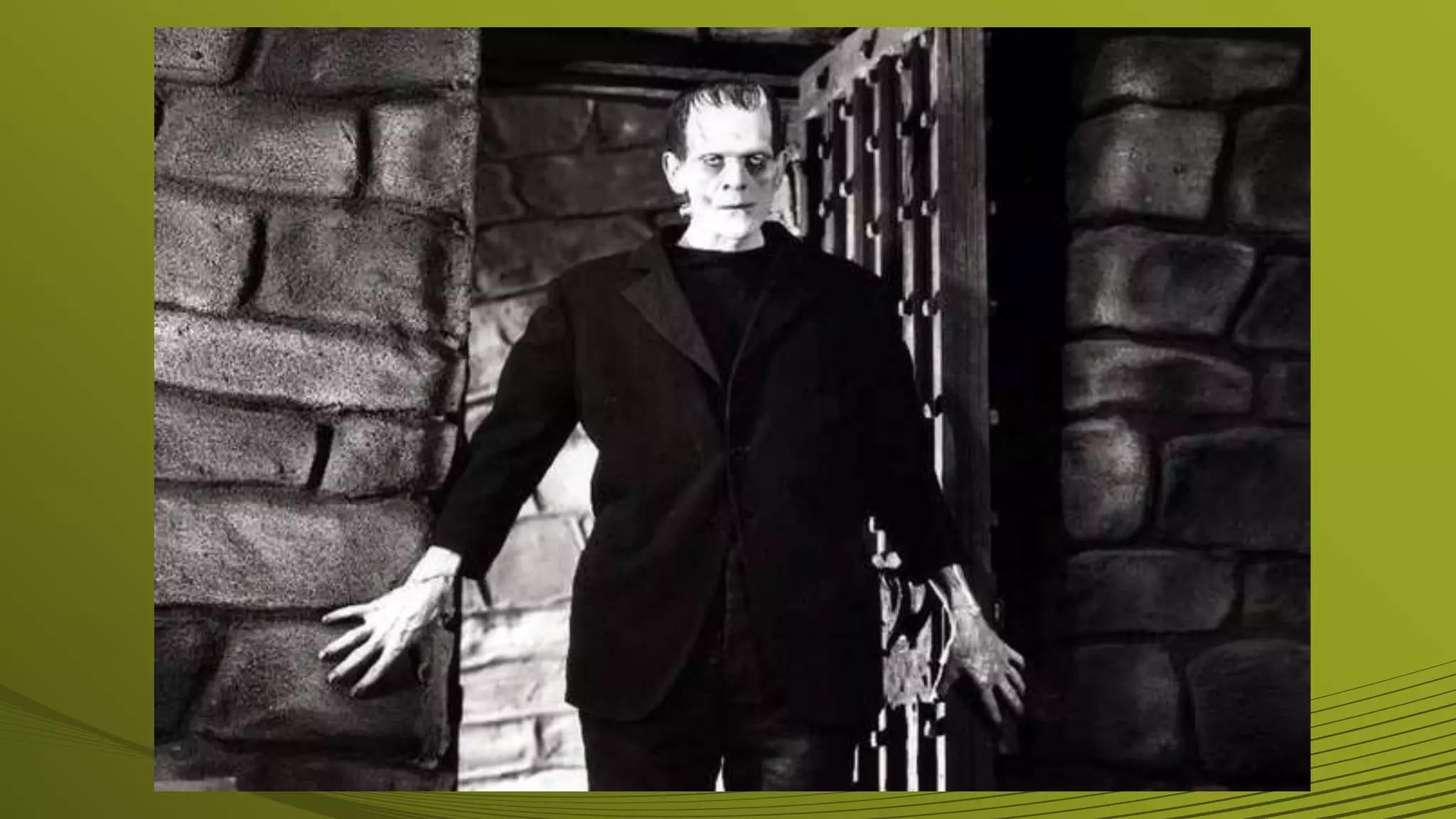
F. Mary Shelley's novel Frankenstein in Britain
and Edgar Allan Poe's short stories of horror in
the United States.
G. The romantics viewed poetry as the direct
expression of the soul.
1. Romantics believed that nature served as a mirror into
which humans could look to learn about themselves.
II.New Age of Science
A.The Industrial Revolution created a
renewed interest in scientific research.
1. New discoveries in science had led to benefits that
affected all Europeans.
a.Louis Pasteur proposed the germ theory of disease, which
was crucial to the development of modern scientific
medical practices.
b.Dmitry Mendeleyev classified all the material elements
then known on the basis of their atomic weights.
c.Michael Faraday built a primitive generator.
B.A growing faith in science will
undermined the religious faith of
many people.
1. Secularization- indifference to or rejection
of religion in the affairs of the world.
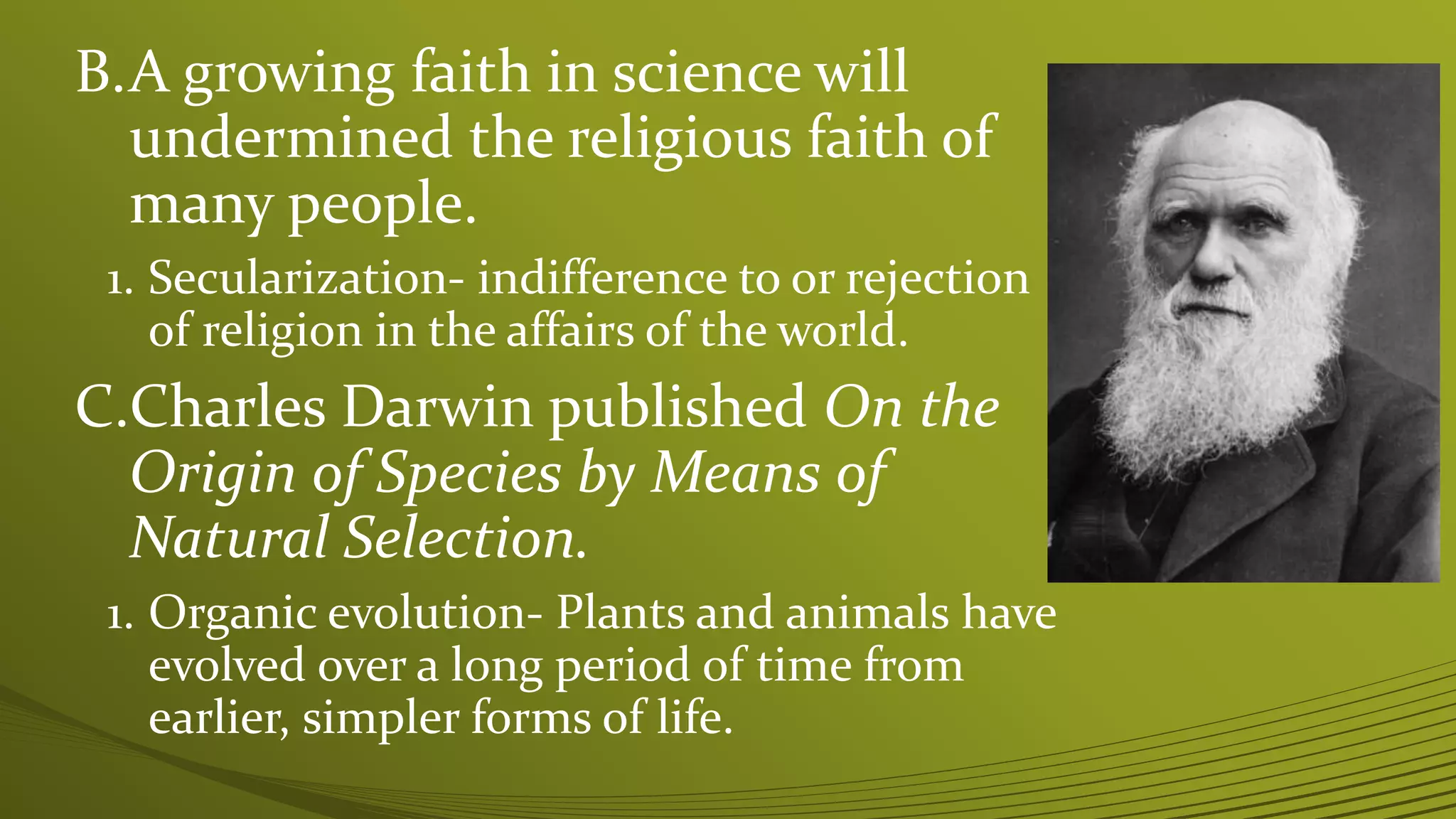
C.Charles Darwin published On the
Origin of Species by Means of
Natural Selection.
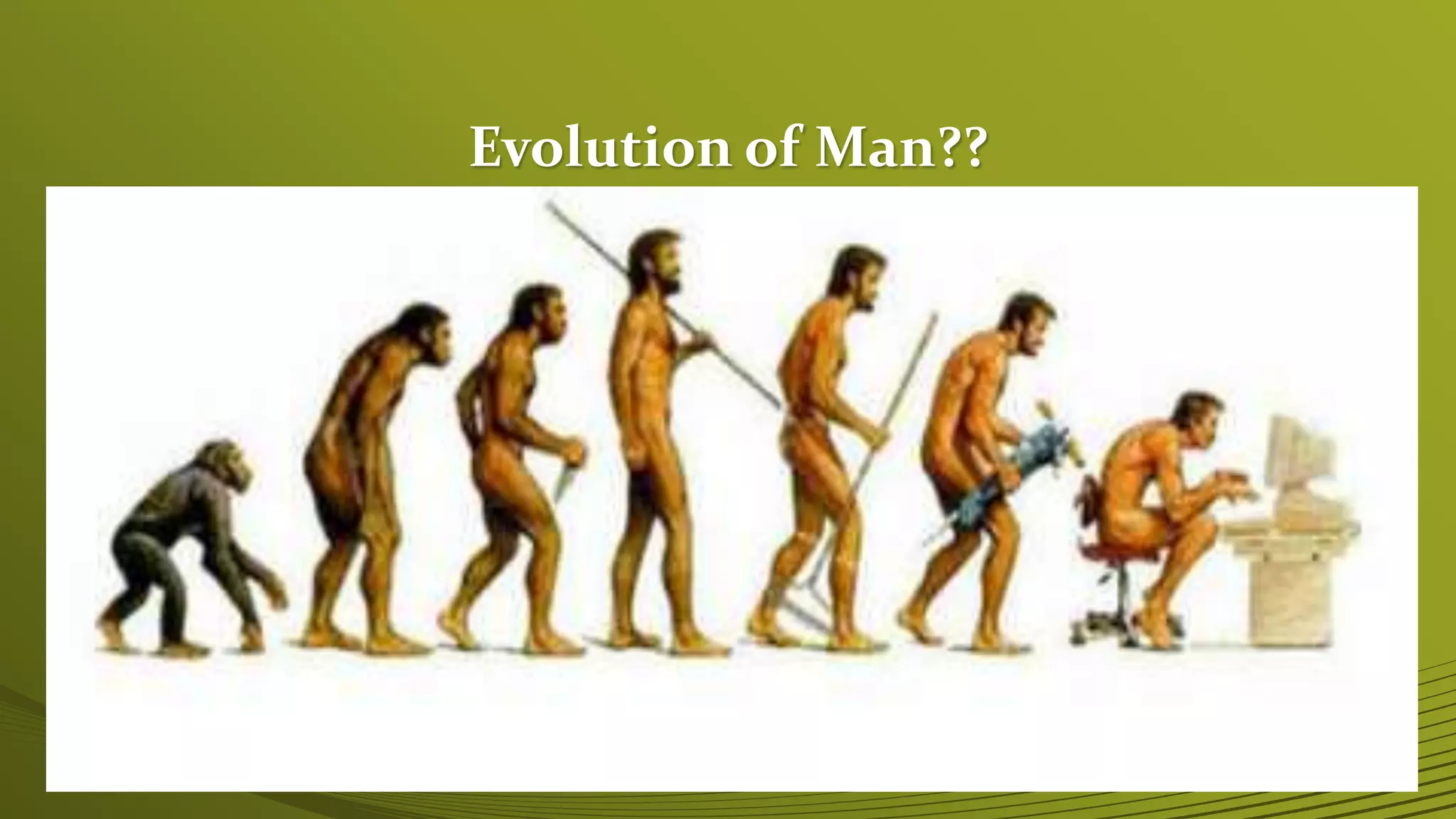
1. Organic evolution- Plants and animals have
evolved over a long period of time from
earlier, simpler forms of life.
D. Darwin believed in natural selection or that
some organisms are born with variations, or
differences, that make them more adaptable to
their environment than other organisms.
E. Darwin's ideas raised a storm of controversy.
1. Many believed that Darwin's theory made human beings
ordinary products of nature rather than unique creations of
God.
a. Gradually, however, many scientists and other intellectuals came to
accept Darwin's theory.
Evolution of Man??
III.Realism
A.The belief that the world should be viewed
realistically.
B.The literary realists of the mid-nineteenth century
rejected romanticism.
1. They wanted to write about ordinary characters from life.
2. They preferred novels to poems.
C.The French author Gustave Flaubert, Madame Bovary.
D.In Great Britain, Charles Dickens, Oliver
Twist and David Copperfield.
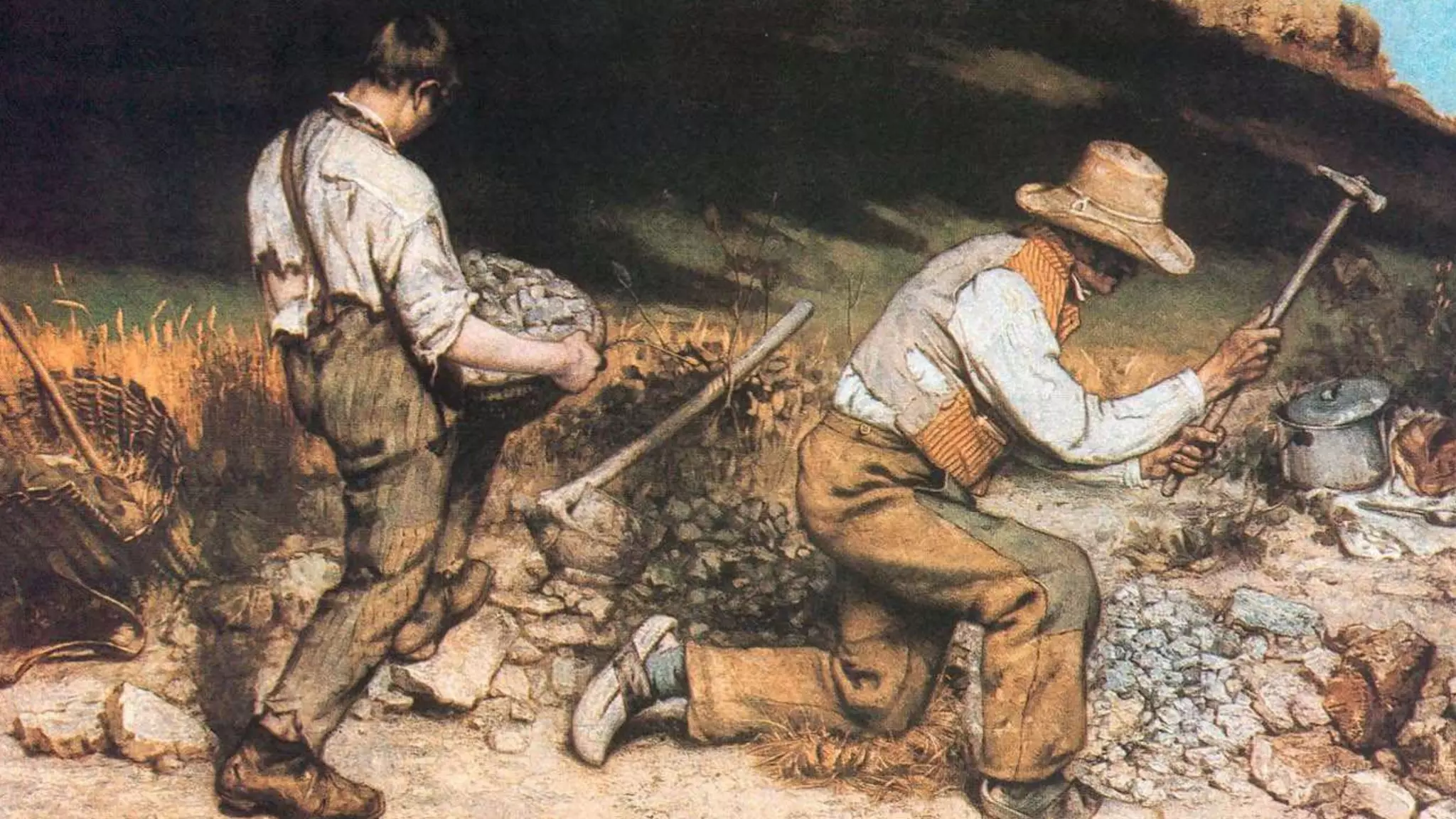
E.The French painter Gustave Courbet was the
most famous artist of the realist school.
1. He loved to portray scenes from everyday life. His
subjects were factory workers and peasants. "I have
never seen either angels or goddesses, so I am not
interested in painting them," Courbet once
commented.
2.To Courbet, no subject was too ordinary.
Chapter 10 section 5 power point

Chapter 10 section 5 power point

  • 1.
    Chapter 10 Section5 ROMANTICISM AND REALISM JASON HAUCK
  • 2.
    I. Romanticism A. Atthe end of the 1700s romanticism, emerged as a reaction to the ideas of the Enlightenment. 1. The Enlightenment stressed reason. 2. The romantics emphasized feelings, emotion, and imagination as sources of knowing. B. Romantics valued individualism. 1. Male romantics grew long hair and beards, and men and women often wore outrageous clothes in order to express their individuality.
  • 3.
    C.Romantic architects revivedmedieval styles and built castles, cathedrals, city halls, parliamentary buildings, and railway stations in a style called neo-Gothic. The British Houses of Parliament in London are a prime example of this architectural style. D.Romantic artists shared at least two features. 1. All art was a reflection of the artist's inner feelings. 2.Artists abandoned classical reason for warmth and emotion.
  • 4.
  • 5.
    E. Eugène Delacroix,Ludwig van Beethoven Romantic artists. F. Mary Shelley's novel Frankenstein in Britain and Edgar Allan Poe's short stories of horror in the United States. G. The romantics viewed poetry as the direct expression of the soul. 1. Romantics believed that nature served as a mirror into which humans could look to learn about themselves.
  • 7.
    II.New Age ofScience A.The Industrial Revolution created a renewed interest in scientific research. 1. New discoveries in science had led to benefits that affected all Europeans. a.Louis Pasteur proposed the germ theory of disease, which was crucial to the development of modern scientific medical practices. b.Dmitry Mendeleyev classified all the material elements then known on the basis of their atomic weights. c.Michael Faraday built a primitive generator.
  • 8.
    B.A growing faithin science will undermined the religious faith of many people. 1. Secularization- indifference to or rejection of religion in the affairs of the world. C.Charles Darwin published On the Origin of Species by Means of Natural Selection. 1. Organic evolution- Plants and animals have evolved over a long period of time from earlier, simpler forms of life.
  • 9.
    D. Darwin believedin natural selection or that some organisms are born with variations, or differences, that make them more adaptable to their environment than other organisms. E. Darwin's ideas raised a storm of controversy. 1. Many believed that Darwin's theory made human beings ordinary products of nature rather than unique creations of God. a. Gradually, however, many scientists and other intellectuals came to accept Darwin's theory.
  • 10.
  • 11.
    III.Realism A.The belief thatthe world should be viewed realistically. B.The literary realists of the mid-nineteenth century rejected romanticism. 1. They wanted to write about ordinary characters from life. 2. They preferred novels to poems. C.The French author Gustave Flaubert, Madame Bovary. D.In Great Britain, Charles Dickens, Oliver Twist and David Copperfield.
  • 12.
    E.The French painterGustave Courbet was the most famous artist of the realist school. 1. He loved to portray scenes from everyday life. His subjects were factory workers and peasants. "I have never seen either angels or goddesses, so I am not interested in painting them," Courbet once commented. 2.To Courbet, no subject was too ordinary.