“Concepts of in-vitroscreening”
1
Submitted To- Presented By-
Mrs. Jyothi Y. Bhavya Rewari
Asst. Proff., Dept. of Pharmacology M.Pharm, Ist year, Pharmacology
Krupanidhi College of Pharmacy, Bangalore
 Introduction
 Other techniques
 The “Three Rs“
 Cell cultures
 Computer simulation
 Conclusion
2
 Most scientists and governments say they
agree that animal testing should cause as
little suffering as possible, and that
alternatives to animal testing need to be
developed
 Two major alternatives to in vivo animal
testing are in vitro cell culture techniques and
in silico computer simulation
3
 Biotechnology methods
 Tissue culture technique
 Fibroblast culture
 Tissue slices
4
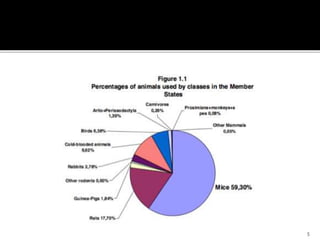
5
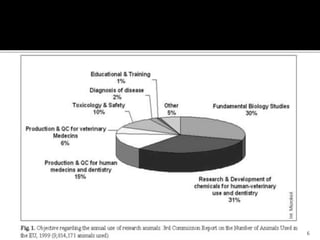
6
 Some claim they are not true alternatives
since simulations use data from prior animal
experiments and cultured cells often require
animal derived products
 Others say that they cannot replace animals
completely as they are unlikely to ever
provide enough information about the
complex interactions of living systems
7
 Other alternatives involve the use of humans
for skin irritancy tests and donated human
blood for pyrogenicity studies
 Another alternative is so-called microdosing,
in which the basic behaviour of drugs is
assessed using human volunteers receiving
doses well below those expected to produce
whole-body effects
8
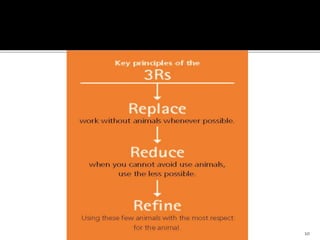
 Replacement refers to the preferred use of non-
animal methods over animal methods whenever
it is possible to achieve the same scientific aim
 Reduction refers to methods that enable
researchers to obtain comparable levels of
information from fewer animals, or to obtain
more information from the same number of
animals
 Refinement refers to methods that alleviate or
minimize potential pain, suffering or distress,
and enhance animal welfare for the animals still
used
9
10
 The concept of the “Three Rs”, replace,
reduce and refine; was put forward by Russell
and Burch in their 1959 ‘The Principles of
Human ExperimentalTechnique’
 Refinement: The use of analgesics and
analgesia, the use of remote telemetry to
increase the quality and quantity of data
gathered and human endpoints for the
animals are examples of refinements
11
 Reduction: Reduction in numbers of animals
used in toxicology testing
 Replacement: Alternatives such as in vitro,
cell culture, tissue culture, models,
simulations, etc. are examples of
replacement
12
 Cell culture is currently the most successful,
and promising, alternative to animal use
 For example, cultured cells have been
developed to create monoclonal antibodies,
prior to this production required animals to
undergo a procedure likely to cause pain and
distress
13
Skin corrosion
 Human skin equivalent tests can be used to
replace animal-based corrosive studies
 Two products, EpiDerm and EpiSkin are
derived from human skin cells which have
been cultured to produce a model of human
skin
 These methods are currently accepted
replacements in Canada and the European
Union
14
Skin absorption
 Several tissue culture methods which
measure the rate of chemical absorption by
the skin have been approved by the
Organization for Economic Cooperation and
Development (OECD), although they have
not yet been approved as a replacement in
the US
15
Phototoxicity
 Phototoxicity is a rash, swelling or
inflammation, like a severe sunburn, caused
by exposure to light following exposure to a
chemical
 The 3T3 Neutral Red Uptake (NRU)
Phototoxicity Test, approved by the
Organization for Economic Cooperation and
Development (OECD), detects the viability of
3T3 cells after exposure to a chemical in the
presence or absence of light
16
 Skin irritation
A skinpatch test has been designed and is used
in Canada to measure development of rashes,
inflammation, swelling or abnormal tissue
growth on human volunteers
 Pyrogenicity
Pyrogens are most often pharmaceutical
products or intravenous drugs that may cause
inflammation or fever when they interact with
immune system cells. This interaction can be
quickly and accurately tested in vitro using
donated human blood.
17
 Modular immune in vitro construct
The MIMIC or modular immune in vitro
construct uses human cells to create a model
of the human immune system on which the
efficacy of new vaccines and other
compounds may be tested, replacing some
steps of the vaccine development process
that would otherwise be performed on
animals
18
19
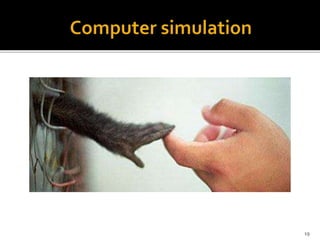
 Examples of computer simulations available
include models of diabetes, asthma and drug
absorption
 Computer operated mannequins, also known
as crash test dummies, complete with
internal sensors and video, have replaced live
animal trauma testing for automobile crash
testing
20
 The first of these was “Sierra Sam” built in
1949 by Alderson Research Labs (ARL) Sierra
Engineering
 Prior to this, live pigs were used as test
subjects for crash testing
 Computer models have been constructed to
model human metabolism, to study plaque
build-up and cardiovascular risk and to
evaluate toxicity of drugs
21
22

Cell culture and maintenance

  • 1.
    “Concepts of in-vitroscreening” 1 SubmittedTo- Presented By- Mrs. Jyothi Y. Bhavya Rewari Asst. Proff., Dept. of Pharmacology M.Pharm, Ist year, Pharmacology Krupanidhi College of Pharmacy, Bangalore
  • 2.
     Introduction  Othertechniques  The “Three Rs“  Cell cultures  Computer simulation  Conclusion 2
  • 3.
     Most scientistsand governments say they agree that animal testing should cause as little suffering as possible, and that alternatives to animal testing need to be developed  Two major alternatives to in vivo animal testing are in vitro cell culture techniques and in silico computer simulation 3
  • 4.
     Biotechnology methods Tissue culture technique  Fibroblast culture  Tissue slices 4
  • 5.
  • 6.
  • 7.
     Some claimthey are not true alternatives since simulations use data from prior animal experiments and cultured cells often require animal derived products  Others say that they cannot replace animals completely as they are unlikely to ever provide enough information about the complex interactions of living systems 7
  • 8.
     Other alternativesinvolve the use of humans for skin irritancy tests and donated human blood for pyrogenicity studies  Another alternative is so-called microdosing, in which the basic behaviour of drugs is assessed using human volunteers receiving doses well below those expected to produce whole-body effects 8
  • 9.
     Replacement refersto the preferred use of non- animal methods over animal methods whenever it is possible to achieve the same scientific aim  Reduction refers to methods that enable researchers to obtain comparable levels of information from fewer animals, or to obtain more information from the same number of animals  Refinement refers to methods that alleviate or minimize potential pain, suffering or distress, and enhance animal welfare for the animals still used 9
  • 10.
  • 11.
     The conceptof the “Three Rs”, replace, reduce and refine; was put forward by Russell and Burch in their 1959 ‘The Principles of Human ExperimentalTechnique’  Refinement: The use of analgesics and analgesia, the use of remote telemetry to increase the quality and quantity of data gathered and human endpoints for the animals are examples of refinements 11
  • 12.
     Reduction: Reductionin numbers of animals used in toxicology testing  Replacement: Alternatives such as in vitro, cell culture, tissue culture, models, simulations, etc. are examples of replacement 12
  • 13.
     Cell cultureis currently the most successful, and promising, alternative to animal use  For example, cultured cells have been developed to create monoclonal antibodies, prior to this production required animals to undergo a procedure likely to cause pain and distress 13
  • 14.
    Skin corrosion  Humanskin equivalent tests can be used to replace animal-based corrosive studies  Two products, EpiDerm and EpiSkin are derived from human skin cells which have been cultured to produce a model of human skin  These methods are currently accepted replacements in Canada and the European Union 14
  • 15.
    Skin absorption  Severaltissue culture methods which measure the rate of chemical absorption by the skin have been approved by the Organization for Economic Cooperation and Development (OECD), although they have not yet been approved as a replacement in the US 15
  • 16.
    Phototoxicity  Phototoxicity isa rash, swelling or inflammation, like a severe sunburn, caused by exposure to light following exposure to a chemical  The 3T3 Neutral Red Uptake (NRU) Phototoxicity Test, approved by the Organization for Economic Cooperation and Development (OECD), detects the viability of 3T3 cells after exposure to a chemical in the presence or absence of light 16
  • 17.
     Skin irritation Askinpatch test has been designed and is used in Canada to measure development of rashes, inflammation, swelling or abnormal tissue growth on human volunteers  Pyrogenicity Pyrogens are most often pharmaceutical products or intravenous drugs that may cause inflammation or fever when they interact with immune system cells. This interaction can be quickly and accurately tested in vitro using donated human blood. 17
  • 18.
     Modular immunein vitro construct The MIMIC or modular immune in vitro construct uses human cells to create a model of the human immune system on which the efficacy of new vaccines and other compounds may be tested, replacing some steps of the vaccine development process that would otherwise be performed on animals 18
  • 19.
  • 20.
     Examples ofcomputer simulations available include models of diabetes, asthma and drug absorption  Computer operated mannequins, also known as crash test dummies, complete with internal sensors and video, have replaced live animal trauma testing for automobile crash testing 20
  • 21.
     The firstof these was “Sierra Sam” built in 1949 by Alderson Research Labs (ARL) Sierra Engineering  Prior to this, live pigs were used as test subjects for crash testing  Computer models have been constructed to model human metabolism, to study plaque build-up and cardiovascular risk and to evaluate toxicity of drugs 21
  • 22.