CARBON DOTS
What And Why?
By Amit Kumar
M.Sc. Biotechnology
CONTENT
1. What are C'dots ?
2. Properties of C'dots
3. Synthesis of C’dots
4. Applications of C’dots
5. New era of cancer treatment
6. References
What are C’dots?
• First discovered by XU et al., in 2004
• Carbon dots (Cdots) have been
acknowledged as discrete, quasispherical
particles with sizes below 10 nm.
• generally possess a sp2 conjugated core.
• contain suitable oxygen content- COOH,
OH, CHO.
Continued…
• Wide attention has been focused on
carbon-based quantum dots because of
their good solubility and strong
luminescence, for which they are referred
to as carbon nanolights.
What are the properties of
C’dots?
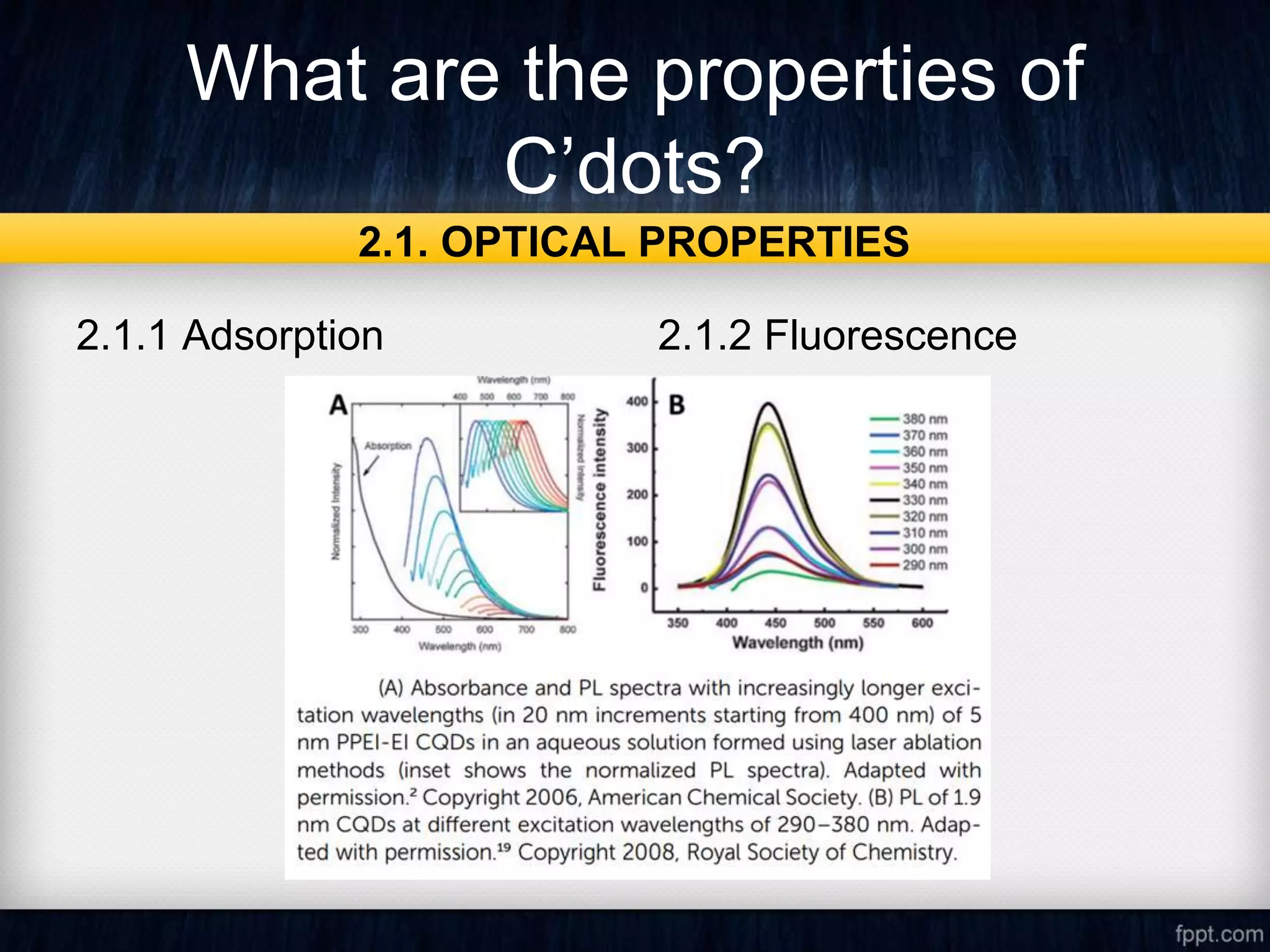
2.1. OPTICAL PROPERTIES
2.1.1 Adsorption 2.1.2 Fluorescence
Continued…
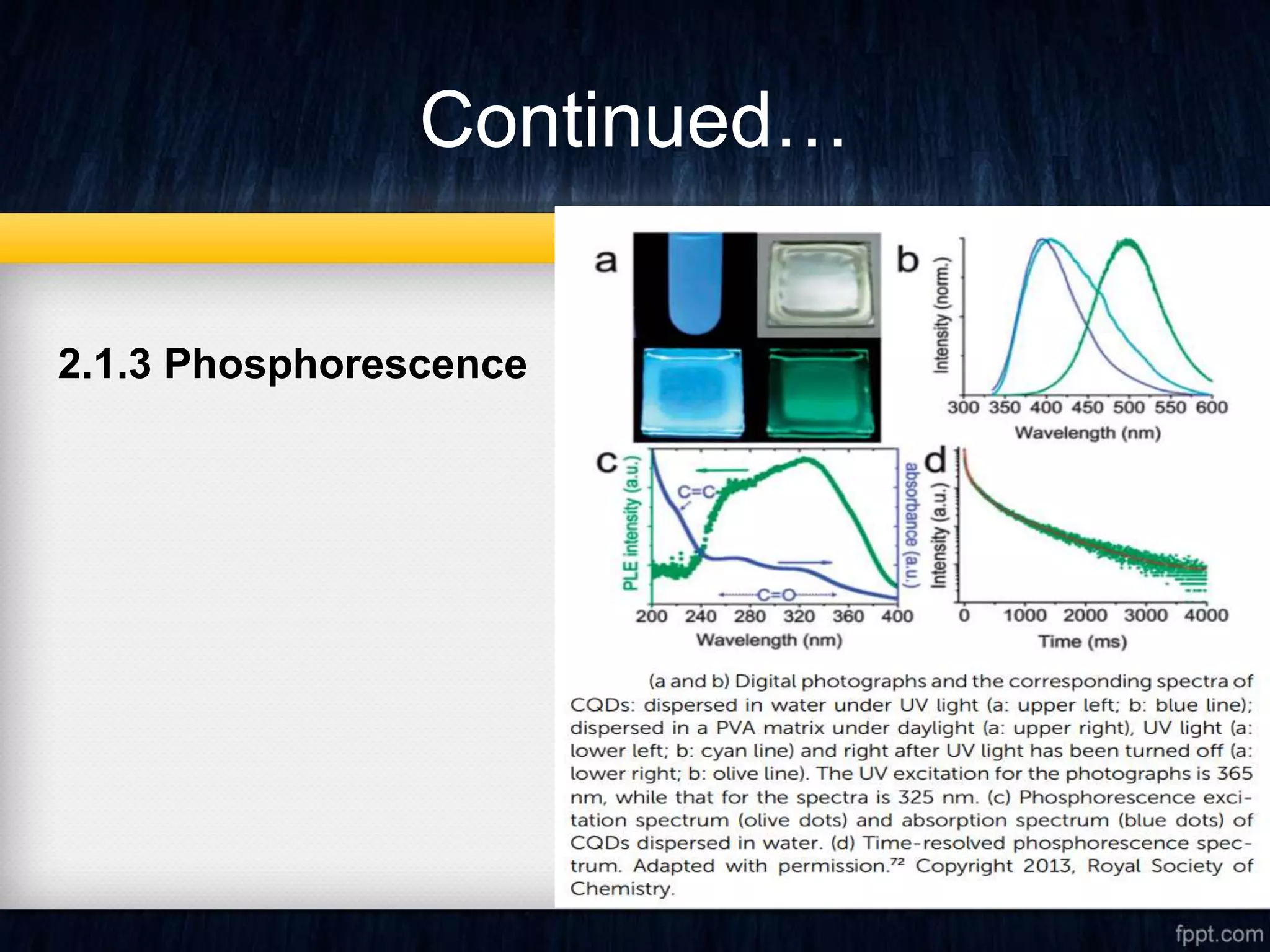
2.1.3 Phosphorescence
Continued…
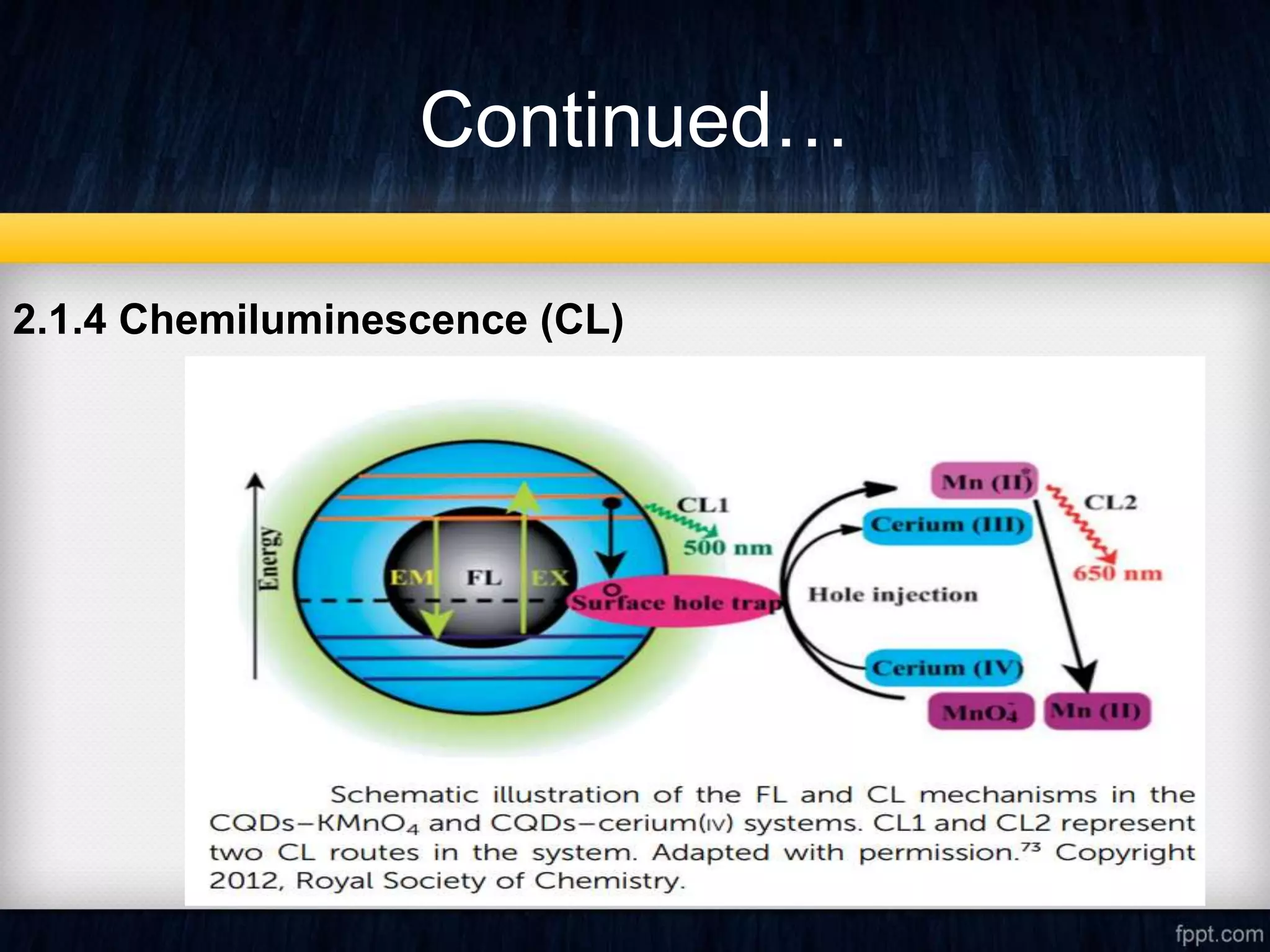
2.1.4 Chemiluminescence (CL)
Continued…
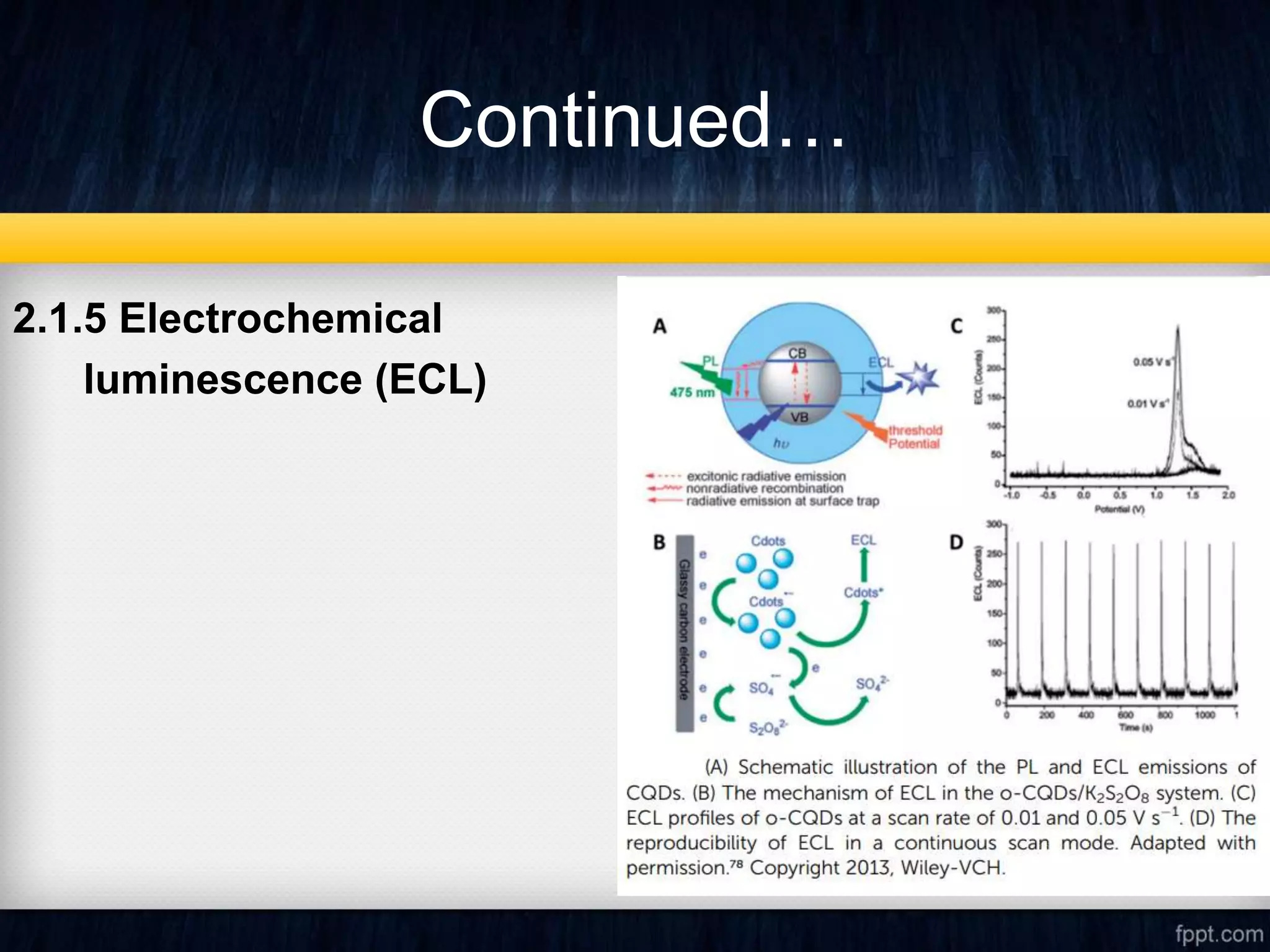
2.1.5 Electrochemical
luminescence (ECL)
Continued…
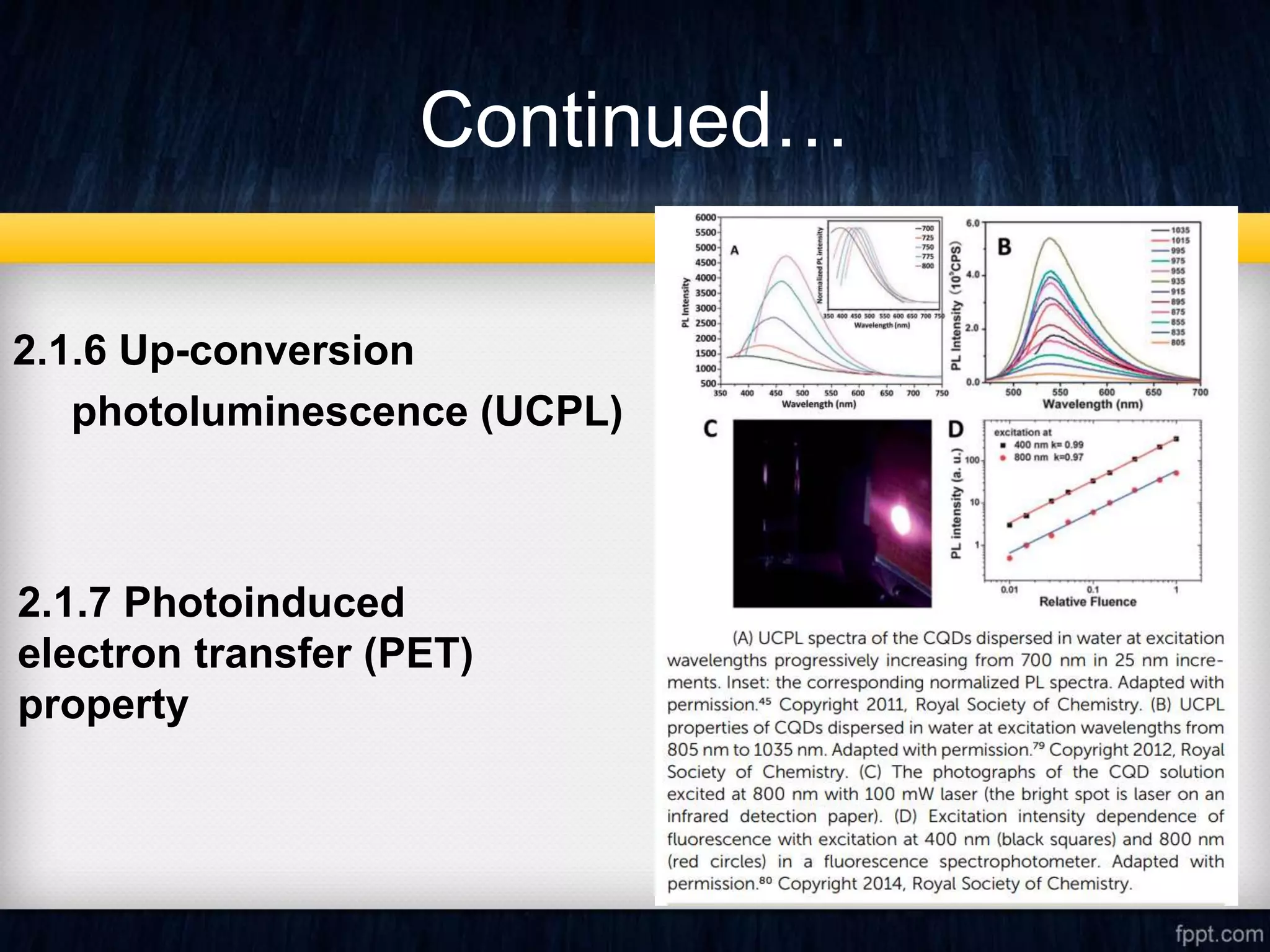
2.1.6 Up-conversion
photoluminescence (UCPL)
2.1.7 Photoinduced
electron transfer (PET)
property
Continued…
2.2 Biocompatible
2.3 Excellent water
solubility
2.4 Good conductivity
2.5 Photochemical
stability
2.6 Low toxicity
2.7 Environmental
friendliness
SYNTHESIS OF C’DOTS
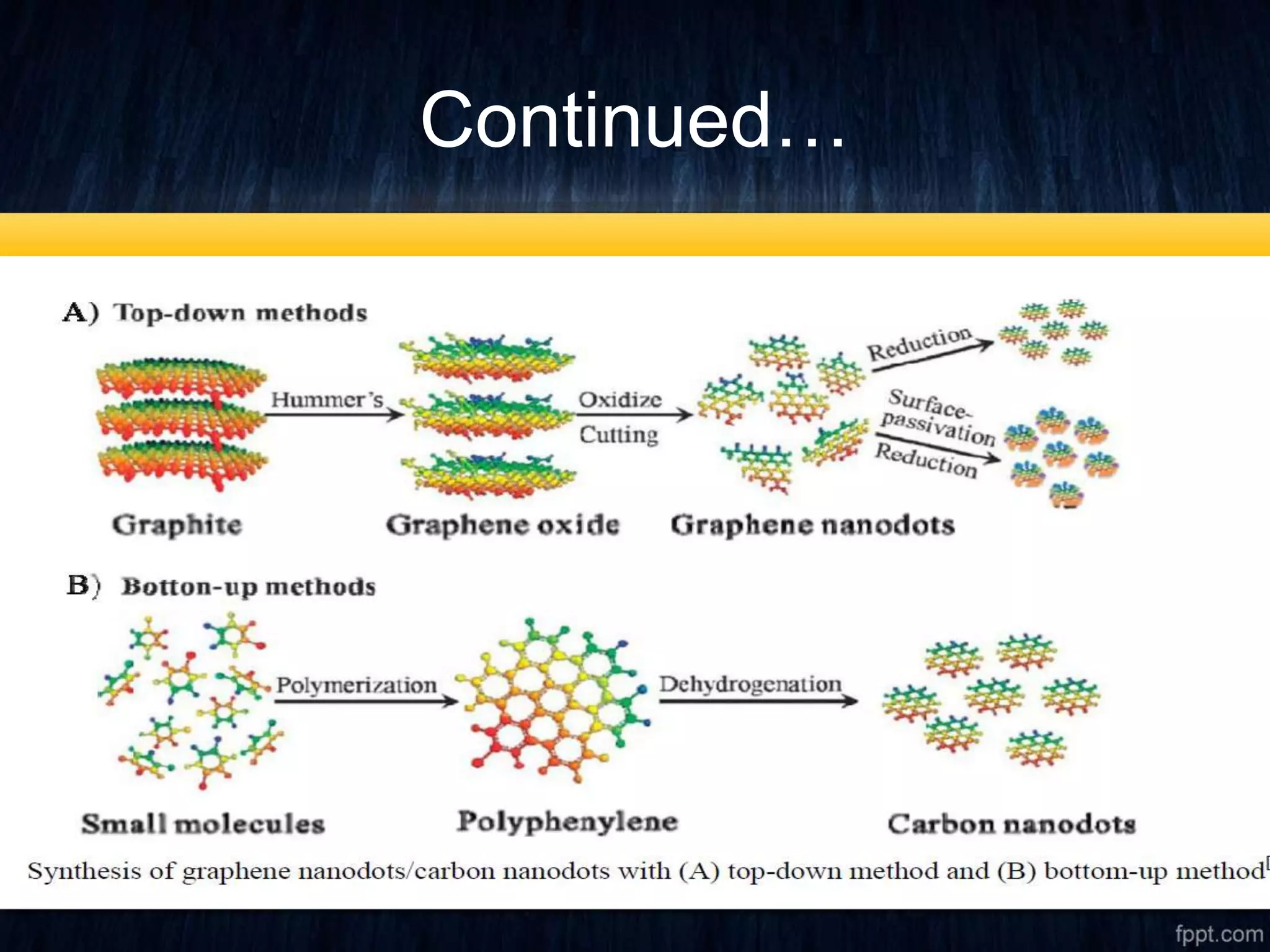
• Many methods have been proposed to
prepare CQDs during the last decade,
which can be roughly classified into “Top-
down” and “Bottom-up” approaches, and
they can be modified duringpreparation or
post-treatment.
Continued…
• Top-Down approach
• slicing or successive
cutting of a bulk
material to get nano
sized particle
• Bottom-Up approach
• the build up of a material from
the bottom: atom by atom,
molecule by molecule
• Atom by atom deposition leads
to formation of Self- assembly of
atoms/molecules and clusters
• These clusters come together to
form self- assembled
monolayers on the surface of
substrate
Continued…
Continued…
3.1. Natural methods
3.1.1 C’dots using biomass
3.1.2 C’dots using plasma
induced pyrolysis
3.1.3 C’dots from coffee
grounds
3.1.4 C’dots using Pollen as
carbon source
3.1.5 food wastes and
harmful cyanobacteria
3.1.6 by carbonization of
oleic acid
Diagrams for the large-scale synthesis of
carbon dots by adopting
(a) Chinese ink (b) orange juice (c) bee pollens (d) sucrose
Continued…
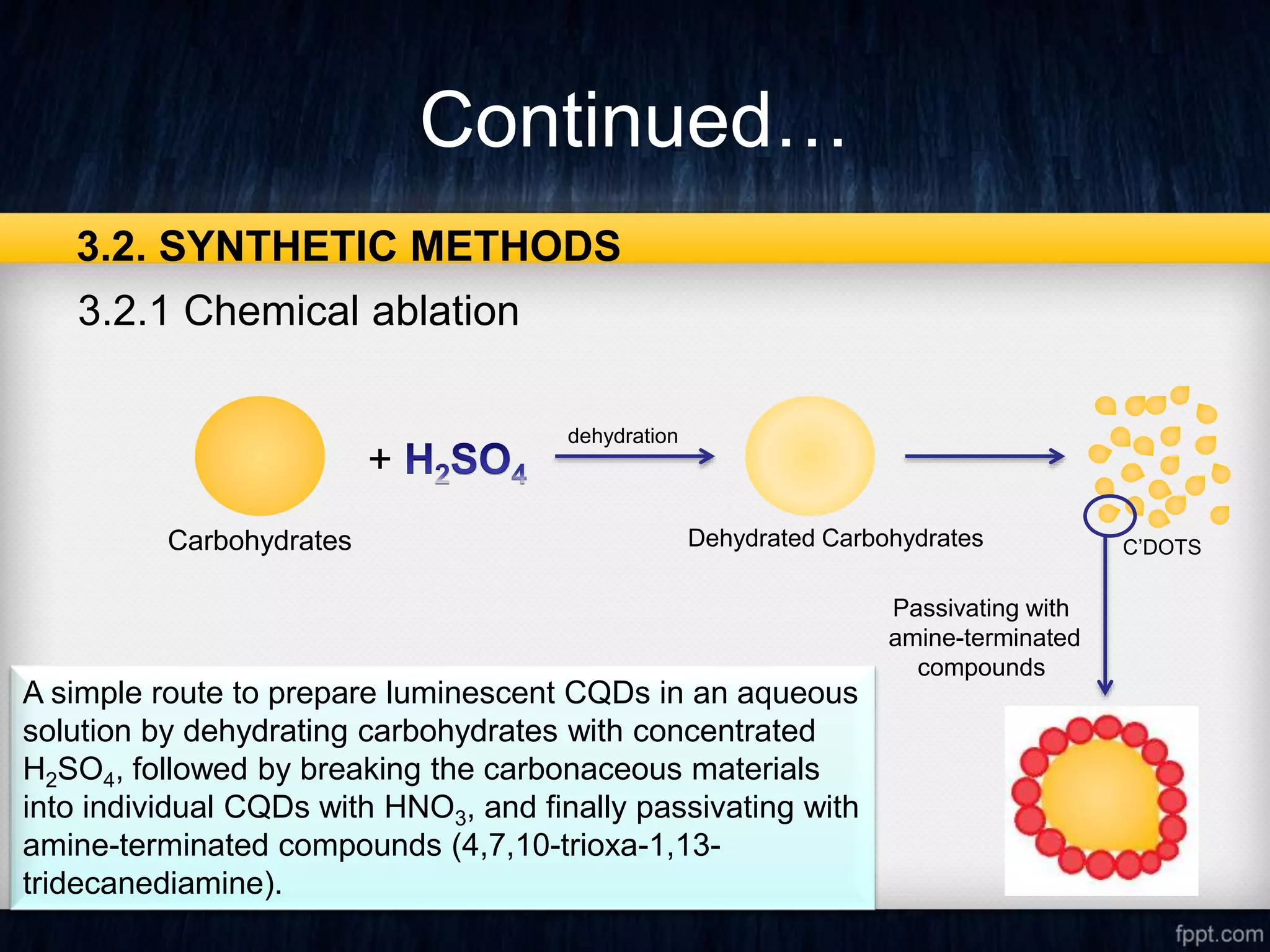
3.2. SYNTHETIC METHODS
3.2.1 Chemical ablation
Continued…
+
Carbohydrates
dehydration
Dehydrated Carbohydrates C’DOTS
Passivating with
amine-terminated
compounds
A simple route to prepare luminescent CQDs in an aqueous
solution by dehydrating carbohydrates with concentrated
H2SO4, followed by breaking the carbonaceous materials
into individual CQDs with HNO3, and finally passivating with
amine-terminated compounds (4,7,10-trioxa-1,13-
tridecanediamine).
Continued…
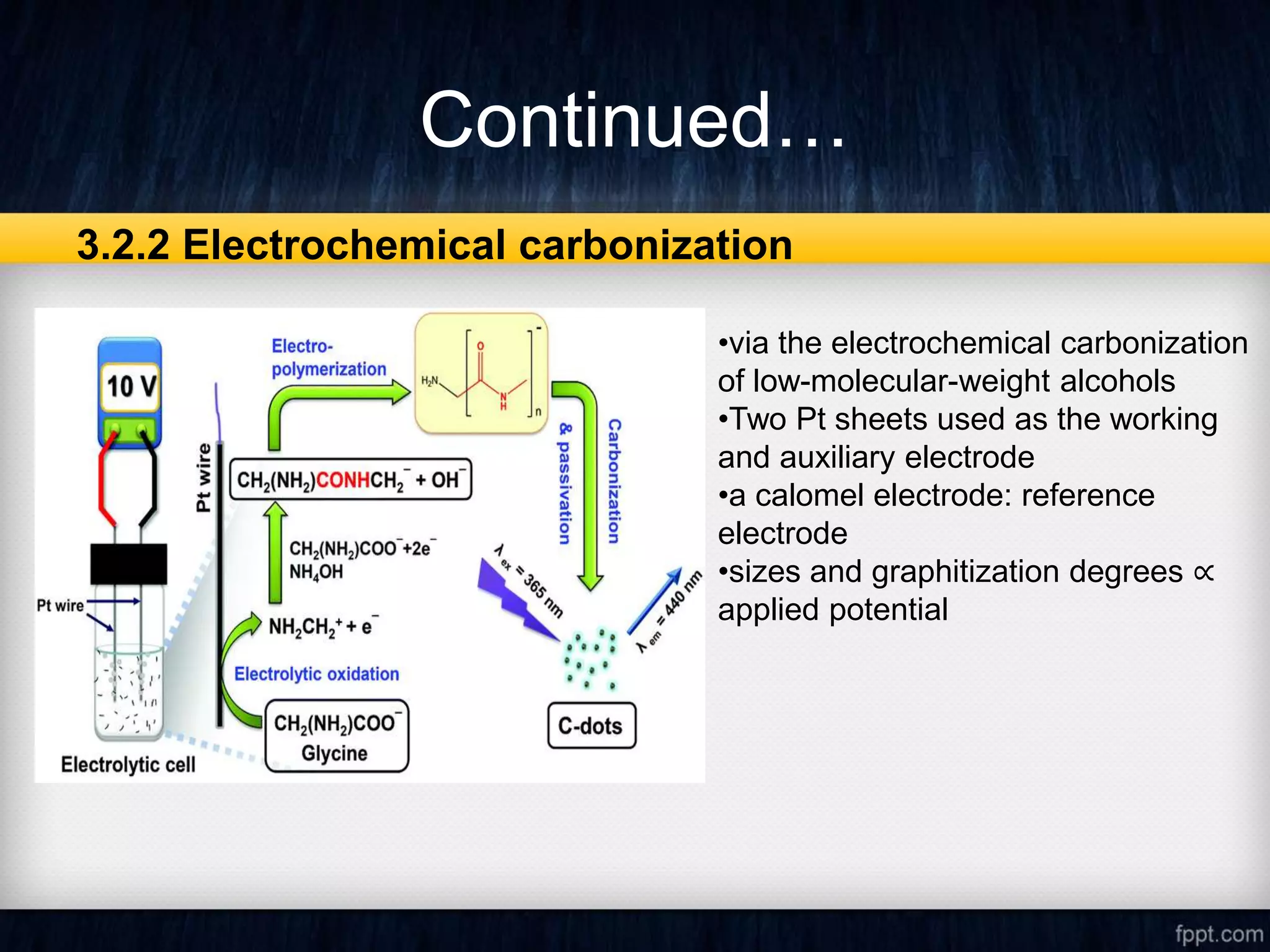
3.2.2 Electrochemical carbonization
•via the electrochemical carbonization
of low-molecular-weight alcohols
•Two Pt sheets used as the working
and auxiliary electrode
•a calomel electrode: reference
electrode
•sizes and graphitization degrees ∝
applied potential
Continued…
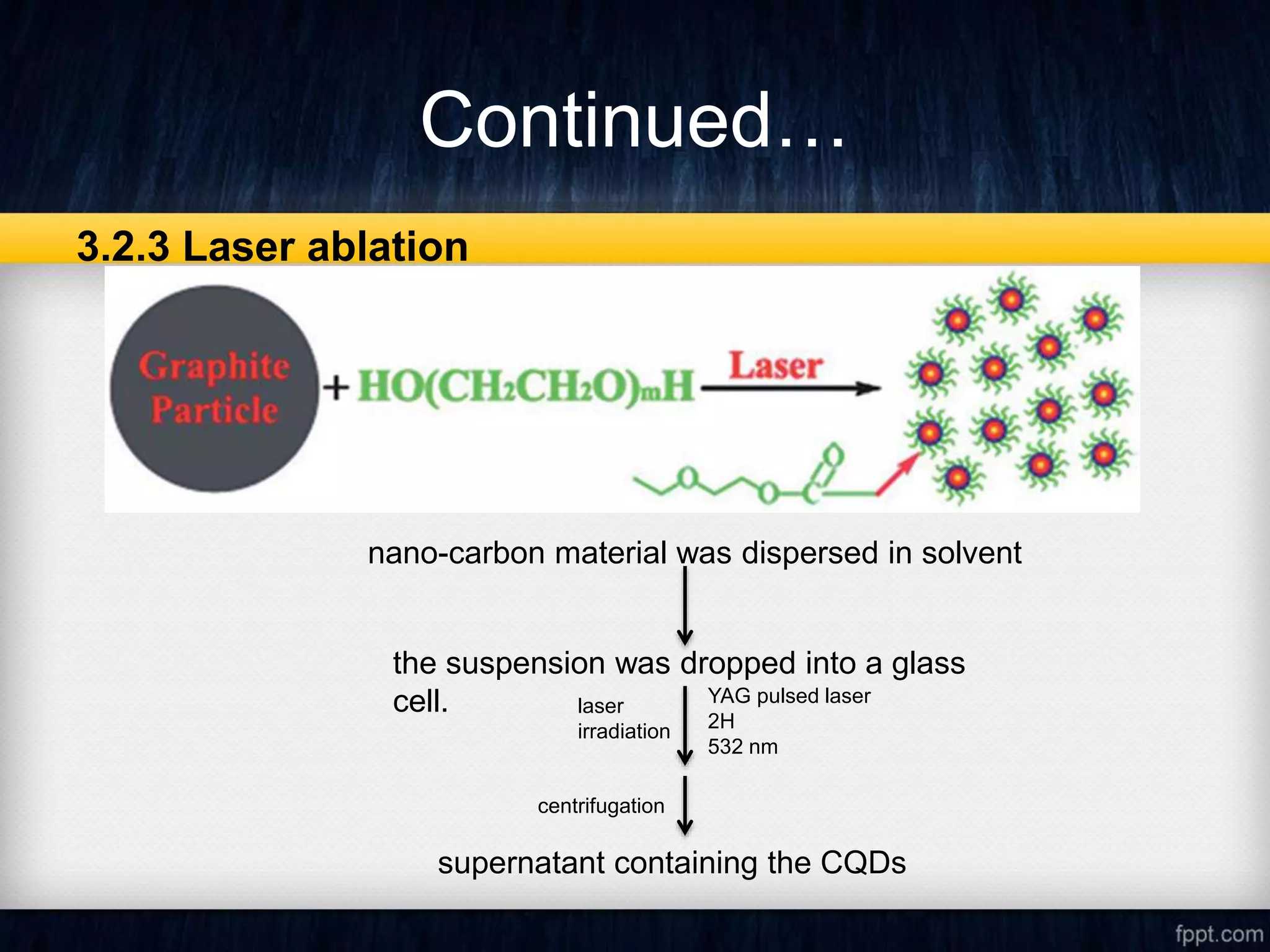
3.2.3 Laser ablation
nano-carbon material was dispersed in solvent
the suspension was dropped into a glass
cell. laser
irradiation
YAG pulsed laser
2H
532 nm
supernatant containing the CQDs
centrifugation
Continued…
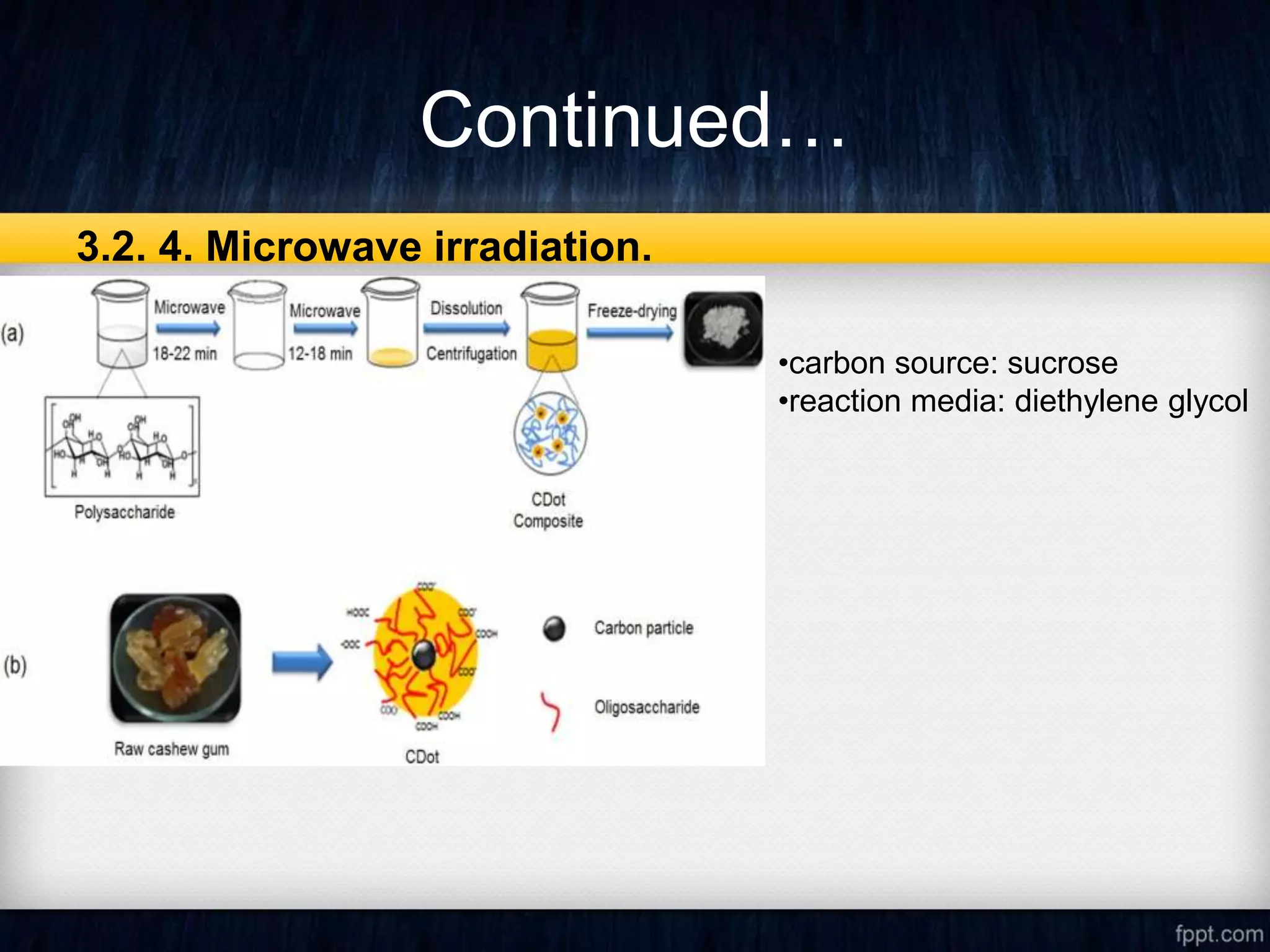
3.2. 4. Microwave irradiation.
•carbon source: sucrose
•reaction media: diethylene glycol
Continued…
3.2.5. Hydrothermal/solvothermal treatment
Firstly, graphene sheets obtained by
thermal treatment of graphene oxide
sheets were cut by mixed acids under mild
ultrasonication.
Subsquently the treated suspension was
transferred to Teflon-lined autoclave to get
small GQDs mainly distributed between 5
to 13 nm (average diameter: 9.6 nm).
Later, they further modified their method by
high-temperature thermally-treated
graphene sheets on the strong alkaline
condition to prepare wellcrystallized GQDs
The features of the different synthetic
methods used for the preparation of
CQD
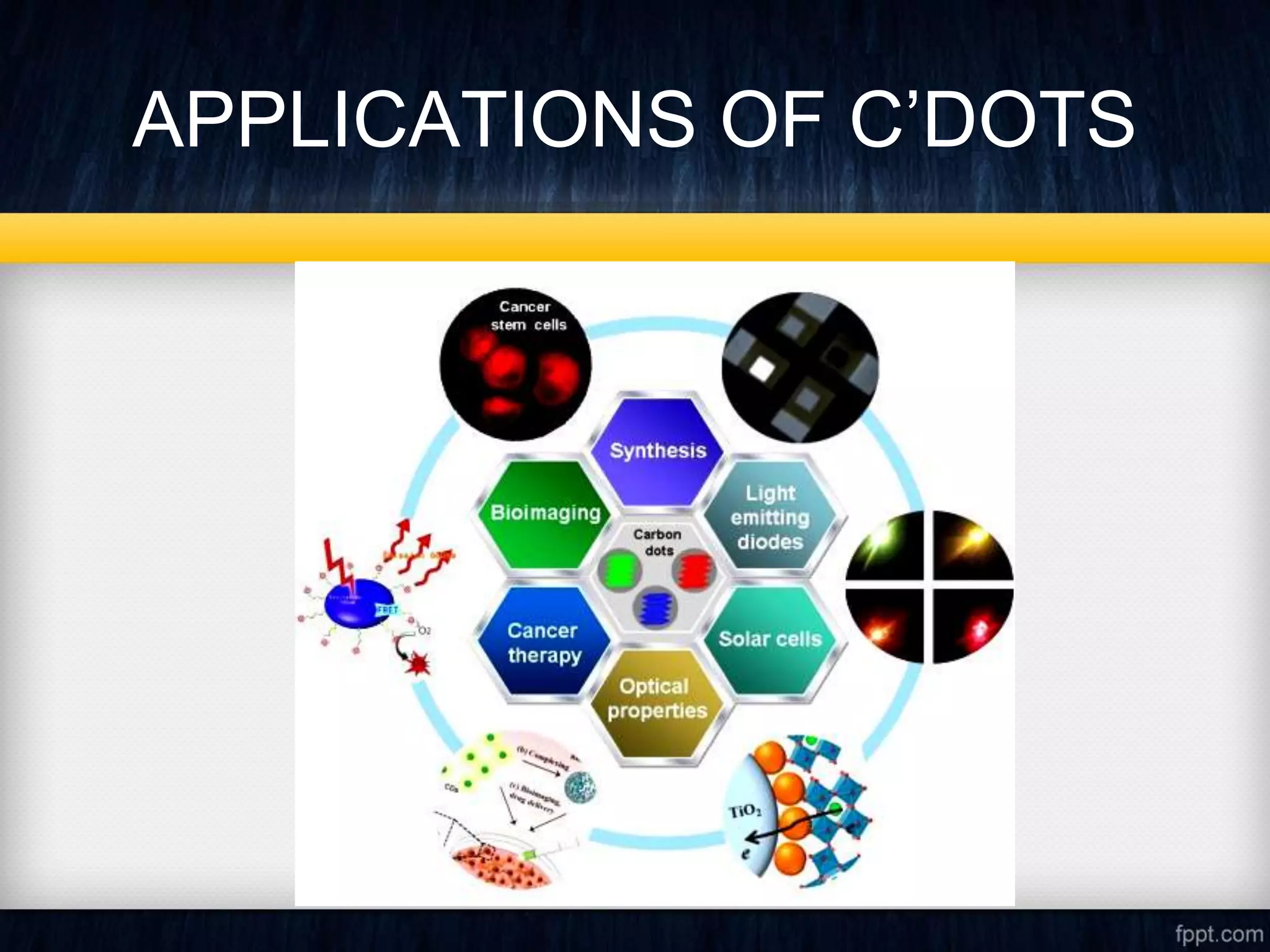
APPLICATIONS OF C’DOTS
Continued…
4.1 BIOMEDICINE
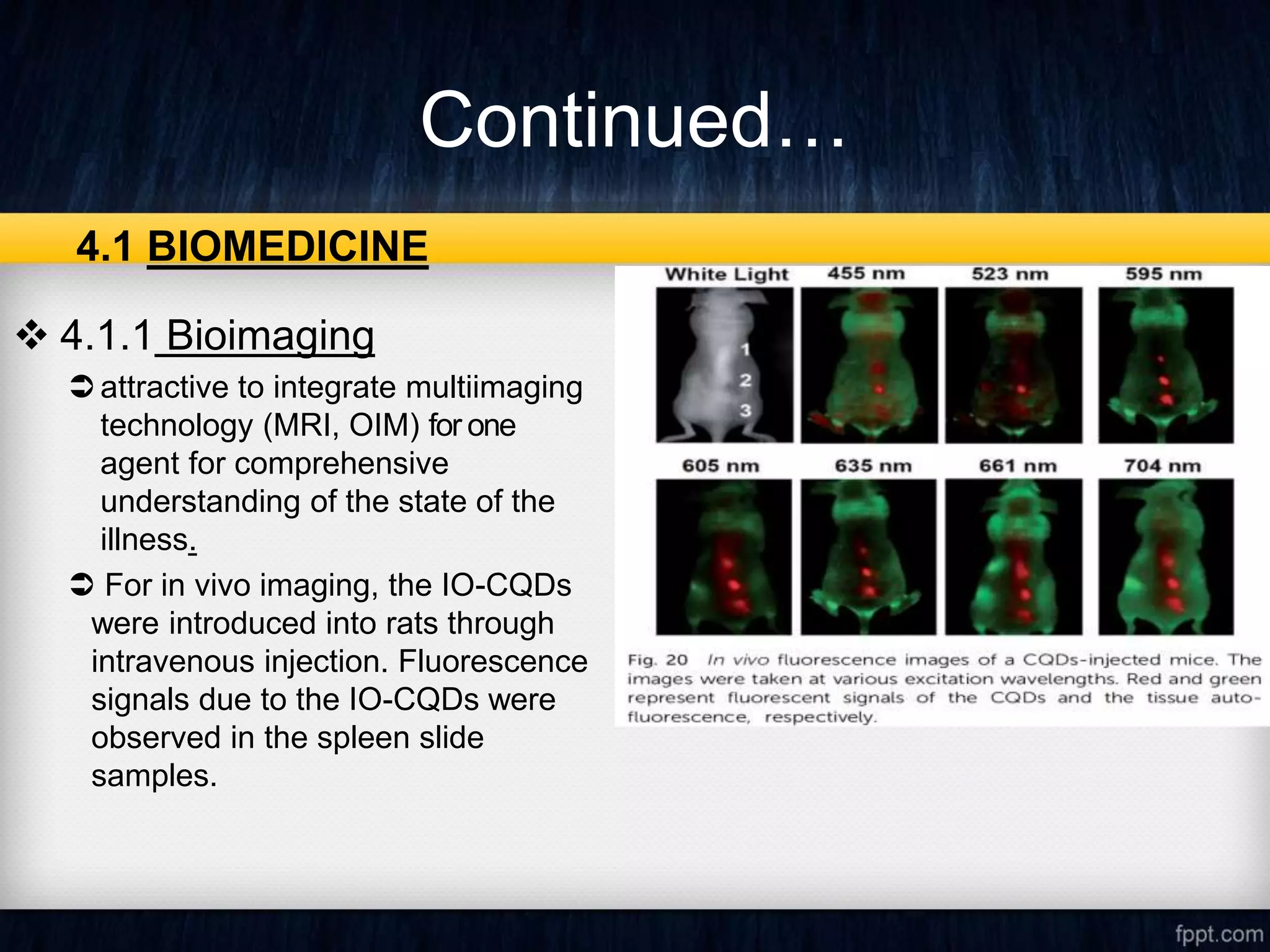
 4.1.1 Bioimaging
attractive to integrate multiimaging
technology (MRI, OIM) for one
agent for comprehensive
understanding of the state of the
illness.
 For in vivo imaging, the IO-CQDs
were introduced into rats through
intravenous injection. Fluorescence
signals due to the IO-CQDs were
observed in the spleen slide
samples.
Continued…
4.1.2. Biosensor.
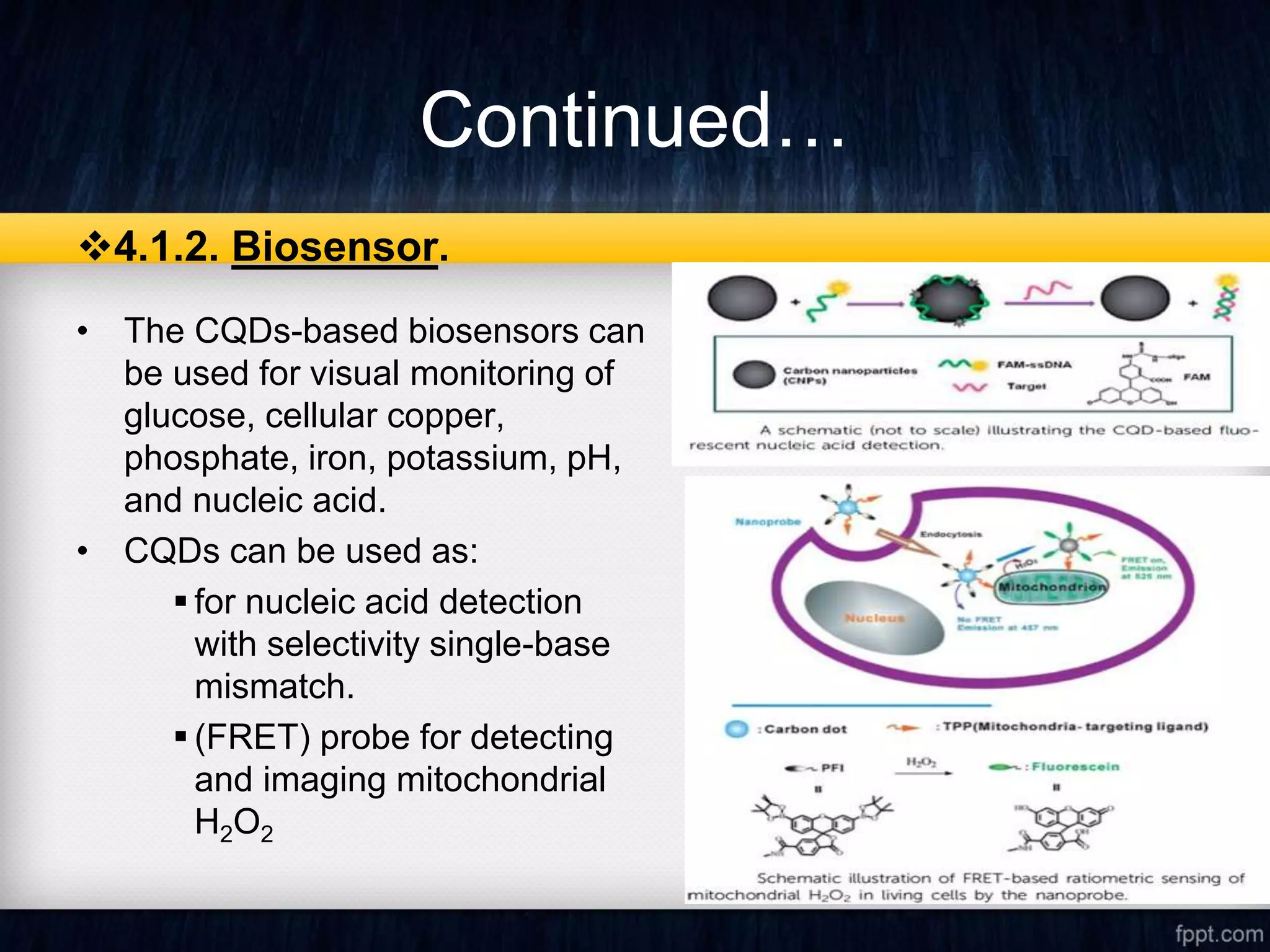
• The CQDs-based biosensors can
be used for visual monitoring of
glucose, cellular copper,
phosphate, iron, potassium, pH,
and nucleic acid.
• CQDs can be used as:
 for nucleic acid detection
with selectivity single-base
mismatch.
 (FRET) probe for detecting
and imaging mitochondrial
H2O2
Continued…
4.1.3. Biomedicine delivery system.
• It is an attractiveprospect to
combine medical therapy and
bioimaging diagnostics for visual
drug distribution and monitoring of
their effects.
 A theranostic agent (CD-Oxa):
anticancer agent (oxidized
oxaliplatin, oxa(IV)–COOH)
conjugated onto the surface of CDs
containing amine groups.
 REMARK : it is possible to follow the
track or distribution of the drug by
monitoring the fluorescence signal of
CD-Oxa, which helps customize the
injection time and dosage of the
medicine
Fluorescent carbon dots integrated
hydrogels for lung cancer therapy
• Due to inherent compatibility to living tissues, hydrogels
can potentially serve as multifunctional vehicles for
simultaneous loading of imaging agents and drugs for
cancer therapy.
• 5-FU has been proven effective against a variety of cancers
including skin, colorectal, liver, breast, pancreatic and lung cancers
with a known mechanism of action. Now a days , New era of
cancer treatment involves 5FU and C’dots combination for cancer
treatment. It was possible to combine the merits of both CDs and
5-FU on a common platform through hydrogels
Continued…
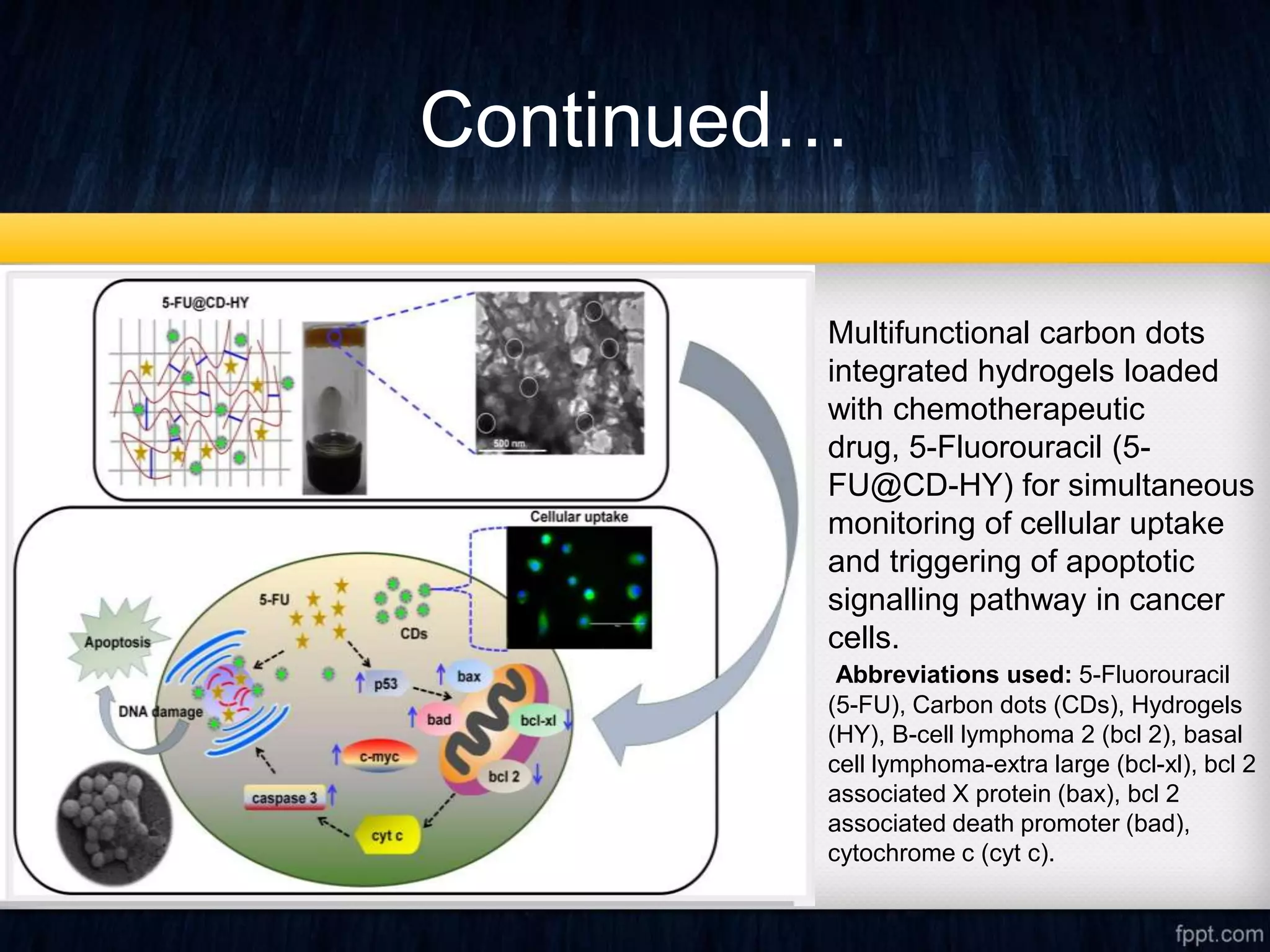
Multifunctional carbon dots
integrated hydrogels loaded
with chemotherapeutic
drug, 5-Fluorouracil (5-
FU@CD-HY) for simultaneous
monitoring of cellular uptake
and triggering of apoptotic
signalling pathway in cancer
cells.
Abbreviations used: 5-Fluorouracil
(5-FU), Carbon dots (CDs), Hydrogels
(HY), B-cell lymphoma 2 (bcl 2), basal
cell lymphoma-extra large (bcl-xl), bcl 2
associated X protein (bax), bcl 2
associated death promoter (bad),
cytochrome c (cyt c).
Continued…
The interactions between the encapsulated drug and the
hydrogels allowed a sustained release of drug for 48 h.
The hydrogels displayed a slow release of 5-FU at physiological
conditions (pH 7.4) compared to acidic environment.
The 5-FU loaded hydrogels were able to significantly inhibit the
growth of A549 cells in a dose-dependent manner in contrast to
non drug loaded counterparts.
Therefore, hydrogels as a novel versatile means for
synchronized bioimaging and controlled drug release in cancer
theranostic applications.
REFERENCES
 Abhay Sachdev, Ishita Matai and P. Gopinath Nanobiotechnology Laboratory, Centre for
Nanotechnology Indian Institute of Technology Roorkee. Carbon dots incorporated
polymeric hydrogels as multifunctional platform for imaging and induction of
apoptosis in lungcancer cells; 2016 May 1
 Youfu Wang and Aiguo Hu* Carbon quantum dots: synthesis, properties and
applications; Journal of Materials Chemistry C; The Royal Society of Chemistry 2014
 Mhetaer Tuerhong, XU Yang2,, YIN Xue-Bo; Review on Carbon Dots and Their
Applications; CHINESE JOURNAL OF ANALYTICAL CHEMISTRY Volume 45, Issue
1, January 2017.
 Jia Zhang and Shu-Hong Yu; Carbon dots: large-scale synthesis, sensing and
bioimaging; Materials Today Volume 19, Number 7 September 2016, ELSEVIER.
C'dots

C'dots

  • 1.
    CARBON DOTS What AndWhy? By Amit Kumar M.Sc. Biotechnology
  • 2.
    CONTENT 1. What areC'dots ? 2. Properties of C'dots 3. Synthesis of C’dots 4. Applications of C’dots 5. New era of cancer treatment 6. References
  • 3.
    What are C’dots? •First discovered by XU et al., in 2004 • Carbon dots (Cdots) have been acknowledged as discrete, quasispherical particles with sizes below 10 nm. • generally possess a sp2 conjugated core. • contain suitable oxygen content- COOH, OH, CHO.
  • 4.
    Continued… • Wide attentionhas been focused on carbon-based quantum dots because of their good solubility and strong luminescence, for which they are referred to as carbon nanolights.
  • 5.
    What are theproperties of C’dots? 2.1. OPTICAL PROPERTIES 2.1.1 Adsorption 2.1.2 Fluorescence
  • 6.
  • 7.
  • 8.
  • 9.
    Continued… 2.1.6 Up-conversion photoluminescence (UCPL) 2.1.7Photoinduced electron transfer (PET) property
  • 10.
    Continued… 2.2 Biocompatible 2.3 Excellentwater solubility 2.4 Good conductivity 2.5 Photochemical stability 2.6 Low toxicity 2.7 Environmental friendliness
  • 11.
    SYNTHESIS OF C’DOTS •Many methods have been proposed to prepare CQDs during the last decade, which can be roughly classified into “Top- down” and “Bottom-up” approaches, and they can be modified duringpreparation or post-treatment.
  • 12.
    Continued… • Top-Down approach •slicing or successive cutting of a bulk material to get nano sized particle • Bottom-Up approach • the build up of a material from the bottom: atom by atom, molecule by molecule • Atom by atom deposition leads to formation of Self- assembly of atoms/molecules and clusters • These clusters come together to form self- assembled monolayers on the surface of substrate
  • 13.
  • 14.
    Continued… 3.1. Natural methods 3.1.1C’dots using biomass 3.1.2 C’dots using plasma induced pyrolysis 3.1.3 C’dots from coffee grounds 3.1.4 C’dots using Pollen as carbon source 3.1.5 food wastes and harmful cyanobacteria 3.1.6 by carbonization of oleic acid
  • 15.
    Diagrams for thelarge-scale synthesis of carbon dots by adopting (a) Chinese ink (b) orange juice (c) bee pollens (d) sucrose Continued…
  • 16.
    3.2. SYNTHETIC METHODS 3.2.1Chemical ablation Continued… + Carbohydrates dehydration Dehydrated Carbohydrates C’DOTS Passivating with amine-terminated compounds A simple route to prepare luminescent CQDs in an aqueous solution by dehydrating carbohydrates with concentrated H2SO4, followed by breaking the carbonaceous materials into individual CQDs with HNO3, and finally passivating with amine-terminated compounds (4,7,10-trioxa-1,13- tridecanediamine).
  • 17.
    Continued… 3.2.2 Electrochemical carbonization •viathe electrochemical carbonization of low-molecular-weight alcohols •Two Pt sheets used as the working and auxiliary electrode •a calomel electrode: reference electrode •sizes and graphitization degrees ∝ applied potential
  • 18.
    Continued… 3.2.3 Laser ablation nano-carbonmaterial was dispersed in solvent the suspension was dropped into a glass cell. laser irradiation YAG pulsed laser 2H 532 nm supernatant containing the CQDs centrifugation
  • 19.
    Continued… 3.2. 4. Microwaveirradiation. •carbon source: sucrose •reaction media: diethylene glycol
  • 20.
    Continued… 3.2.5. Hydrothermal/solvothermal treatment Firstly,graphene sheets obtained by thermal treatment of graphene oxide sheets were cut by mixed acids under mild ultrasonication. Subsquently the treated suspension was transferred to Teflon-lined autoclave to get small GQDs mainly distributed between 5 to 13 nm (average diameter: 9.6 nm). Later, they further modified their method by high-temperature thermally-treated graphene sheets on the strong alkaline condition to prepare wellcrystallized GQDs
  • 21.
    The features ofthe different synthetic methods used for the preparation of CQD
  • 22.
  • 23.
    Continued… 4.1 BIOMEDICINE  4.1.1Bioimaging attractive to integrate multiimaging technology (MRI, OIM) for one agent for comprehensive understanding of the state of the illness.  For in vivo imaging, the IO-CQDs were introduced into rats through intravenous injection. Fluorescence signals due to the IO-CQDs were observed in the spleen slide samples.
  • 24.
    Continued… 4.1.2. Biosensor. • TheCQDs-based biosensors can be used for visual monitoring of glucose, cellular copper, phosphate, iron, potassium, pH, and nucleic acid. • CQDs can be used as:  for nucleic acid detection with selectivity single-base mismatch.  (FRET) probe for detecting and imaging mitochondrial H2O2
  • 25.
    Continued… 4.1.3. Biomedicine deliverysystem. • It is an attractiveprospect to combine medical therapy and bioimaging diagnostics for visual drug distribution and monitoring of their effects.  A theranostic agent (CD-Oxa): anticancer agent (oxidized oxaliplatin, oxa(IV)–COOH) conjugated onto the surface of CDs containing amine groups.  REMARK : it is possible to follow the track or distribution of the drug by monitoring the fluorescence signal of CD-Oxa, which helps customize the injection time and dosage of the medicine
  • 26.
    Fluorescent carbon dotsintegrated hydrogels for lung cancer therapy • Due to inherent compatibility to living tissues, hydrogels can potentially serve as multifunctional vehicles for simultaneous loading of imaging agents and drugs for cancer therapy. • 5-FU has been proven effective against a variety of cancers including skin, colorectal, liver, breast, pancreatic and lung cancers with a known mechanism of action. Now a days , New era of cancer treatment involves 5FU and C’dots combination for cancer treatment. It was possible to combine the merits of both CDs and 5-FU on a common platform through hydrogels
  • 27.
    Continued… Multifunctional carbon dots integratedhydrogels loaded with chemotherapeutic drug, 5-Fluorouracil (5- FU@CD-HY) for simultaneous monitoring of cellular uptake and triggering of apoptotic signalling pathway in cancer cells. Abbreviations used: 5-Fluorouracil (5-FU), Carbon dots (CDs), Hydrogels (HY), B-cell lymphoma 2 (bcl 2), basal cell lymphoma-extra large (bcl-xl), bcl 2 associated X protein (bax), bcl 2 associated death promoter (bad), cytochrome c (cyt c).
  • 28.
    Continued… The interactions betweenthe encapsulated drug and the hydrogels allowed a sustained release of drug for 48 h. The hydrogels displayed a slow release of 5-FU at physiological conditions (pH 7.4) compared to acidic environment. The 5-FU loaded hydrogels were able to significantly inhibit the growth of A549 cells in a dose-dependent manner in contrast to non drug loaded counterparts. Therefore, hydrogels as a novel versatile means for synchronized bioimaging and controlled drug release in cancer theranostic applications.
  • 29.
    REFERENCES  Abhay Sachdev,Ishita Matai and P. Gopinath Nanobiotechnology Laboratory, Centre for Nanotechnology Indian Institute of Technology Roorkee. Carbon dots incorporated polymeric hydrogels as multifunctional platform for imaging and induction of apoptosis in lungcancer cells; 2016 May 1  Youfu Wang and Aiguo Hu* Carbon quantum dots: synthesis, properties and applications; Journal of Materials Chemistry C; The Royal Society of Chemistry 2014  Mhetaer Tuerhong, XU Yang2,, YIN Xue-Bo; Review on Carbon Dots and Their Applications; CHINESE JOURNAL OF ANALYTICAL CHEMISTRY Volume 45, Issue 1, January 2017.  Jia Zhang and Shu-Hong Yu; Carbon dots: large-scale synthesis, sensing and bioimaging; Materials Today Volume 19, Number 7 September 2016, ELSEVIER.