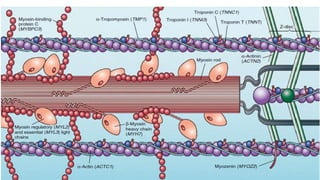
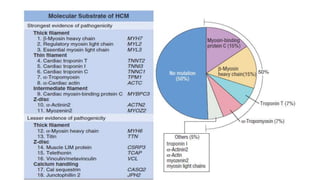
Cardiomyopathy
• Dr Ramachandra Barik
WHO,1980
Heart muscle diseases of unknown cause
But not from cardiac dysfunction due to known
cardiovascular entities
Hypertension
Ischemic heart disease
Valvular disease
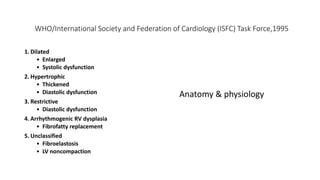
WHO/International Society and Federation of Cardiology (ISFC) Task Force,1995
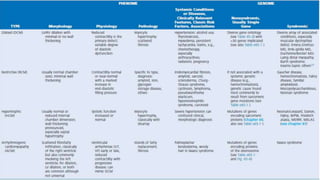
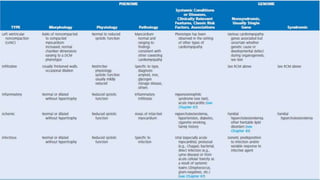
1. Dilated
• Enlarged
• Systolic dysfunction
2. Hypertrophic
• Thickened
• Diastolic dysfunction
3. Restrictive
• Diastolic dysfunction
4. Arrhythmogenic RV dysplasia
• Fibrofatty replacement
5. Unclassified
• Fibroelastosis
• LV noncompaction
Anatomy & physiology
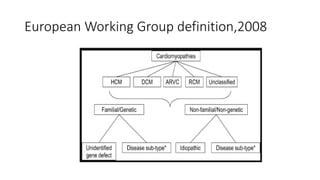
European Working Group definition,2008
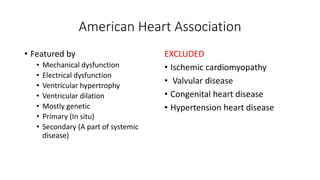
American Heart Association
• Featured by
• Mechanical dysfunction
• Electrical dysfunction
• Ventricular hypertrophy
• Ventricular dilation
• Mostly genetic
• Primary (In situ)
• Secondary (A part of systemic
disease)
EXCLUDED
• Ischemic cardiomyopathy
• Valvular disease
• Congenital heart disease
• Hypertension heart disease
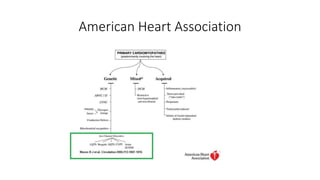
American Heart Association
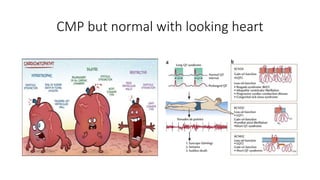
CMP but normal with looking heart
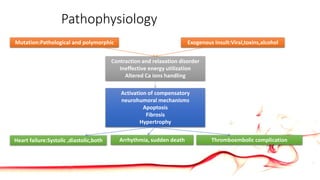
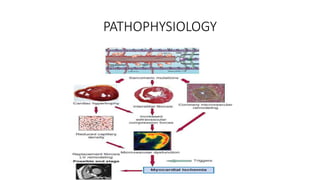
Pathophysiology
Mutation:Pathological and polymorphic Exogenous insult:Viral,toxins,alcohol
Contraction and relaxation disorder
Ineffective energy utilization
Altered Ca ions handling
Activation of compensatory
neurohumoral mechanisms
Apoptosis
Fibrosis
Hypertrophy
Heart failure:Systolic ,diastolic,both Arrhythmia, sudden death Thromboembolic complication
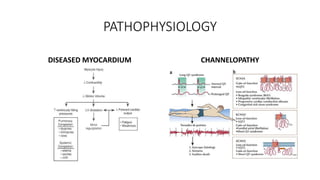
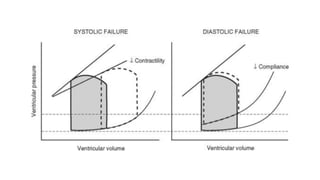
PATHOPHYSIOLOGY
DISEASED MYOCARDIUM CHANNELOPATHY
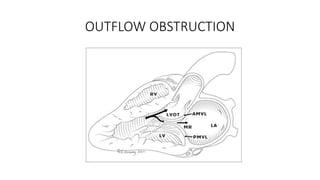
OUTFLOW OBSTRUCTION
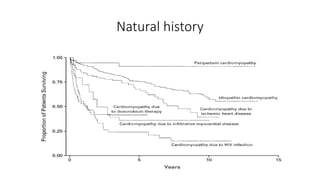
Natural history
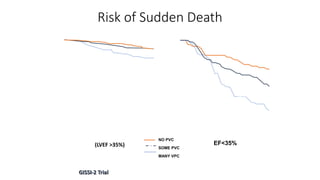
Risk of Sudden Death
(LVEF >35%)
Maggioni AP. GISSI-2 Trial Circulation. 1993;87:312-322.
EF<35%
(LVEF < 35%)
NO PVC
SOME PVC
MANY VPCo PVBs
1-10 PVBs/h
> 10 PVBs/h
0.86
A
0.88
0.90
0.92
0.94
0.96
0.98
1.00
0 30 60 90 120 150 180
Days
Survival p log-rank 0.002
0.88
0.90
0.92
0.94
0.96
0.98
1.00
0 30 60 90 120 150 180
Days
Survival
B
p log-rank
0.0001
0.86
Complications
• Heart failure
• Blood clots
• Valve problems
• Cardiac arrest /Sudden death:VT/VF
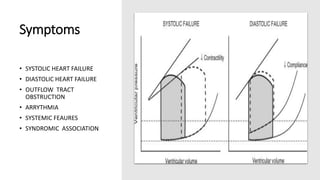
Symptoms
• SYSTOLIC HEART FAILURE
• DIASTOLIC HEART FAILURE
• OUTFLOW TRACT
OBSTRUCTION
• ARRYTHMIA
• SYSTEMIC FEAURES
• SYNDROMIC ASSOCIATION
Tests
• Chest X-ray
• Echocardiogram
• Electrocardiogram (ECG)
• Treadmill stress test
• Cardiac catheterization
• Cardiac magnetic resonance
imaging (MRI)
• Cardiac computerized
tomography (CT) scan
• Blood tests.
• ELECTROPHYSIOLOGY
• Myocardial or endocardial
biopsy
• Genetic testing or screening
TREATMENT
• Exogenous insult prevention
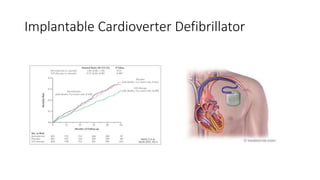
• Sudden death prevention
• Primary=ICD
• Secondary:ICD
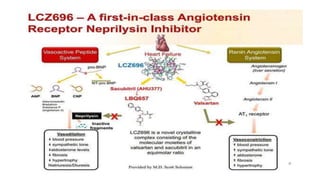
• Heart failure therapy
• Symptomatic
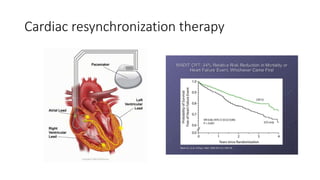
• Life prolonging=MYECTOMY AND HEART TRANSPLANTATION,CRT
• Thromboembolic complications
• Gene therapy:GAUCHER’S AND FABRY’S DISEASE
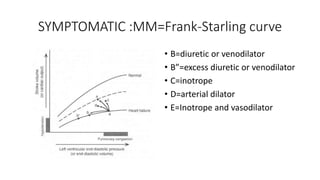
SYMPTOMATIC :MM=Frank-Starling curve
• B=diuretic or venodilator
• B”=excess diuretic or venodilator
• C=inotrope
• D=arterial dilator
• E=Inotrope and vasodilator
Implantable Cardioverter Defibrillator
Cardiac resynchronization therapy
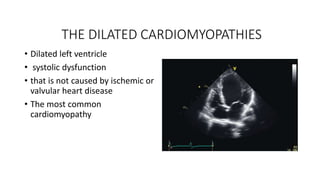
THE DILATED CARDIOMYOPATHIES
• Dilated left ventricle
• systolic dysfunction
• that is not caused by ischemic or
valvular heart disease
• The most common
cardiomyopathy
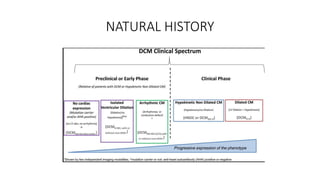
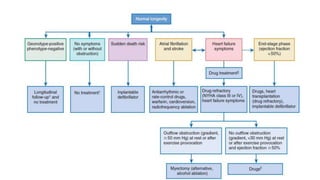
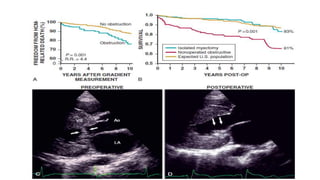
NATURAL HISTORY
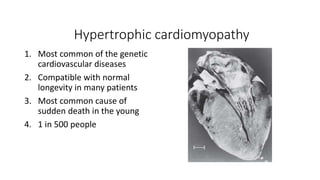
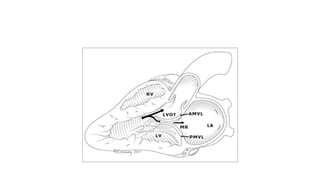
Hypertrophic cardiomyopathy
1. Most common of the genetic
cardiovascular diseases
2. Compatible with normal
longevity in many patients
3. Most common cause of
sudden death in the young
4. 1 in 500 people
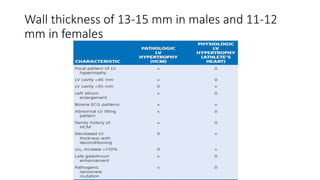
Wall thickness of 13-15 mm in males and 11-12
mm in females
PATHOPHYSIOLOGY
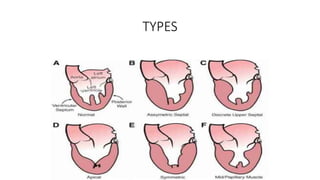
TYPES
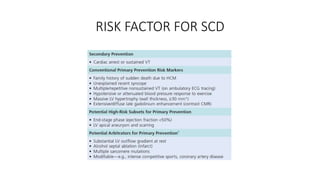
RISK FACTOR FOR SCD
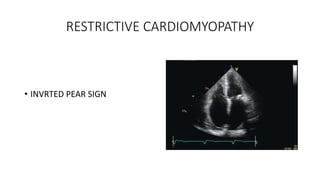
RESTRICTIVE CARDIOMYOPATHY
• INVRTED PEAR SIGN
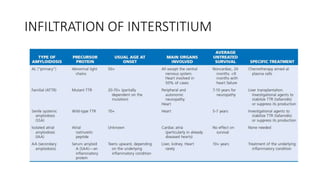
INFILTRATION OF INTERSTITIUM
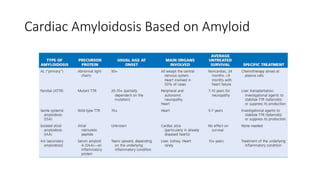
Cardiac Amyloidosis Based on Amyloid
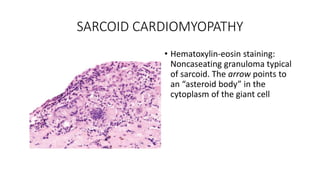
SARCOID CARDIOMYOPATHY
• Hematoxylin-eosin staining:
Noncaseating granuloma typical
of sarcoid. The arrow points to
an “asteroid body” in the
cytoplasm of the giant cell
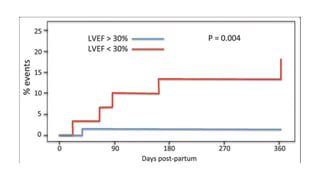
Peripartum cardiomyopathy
• LV systolic dysfunction
• Towards the end of pregnancy(last month) or in the
months(puriperium) following delivery
• When no other cause of heart failure is found
• The LV may not be dilated but the ejection fraction is nearly always
below 45%
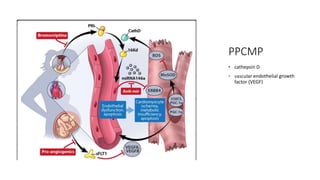
PPCMP
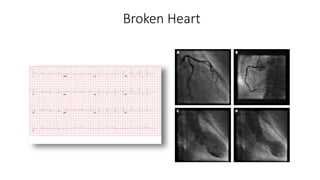
Broken Heart
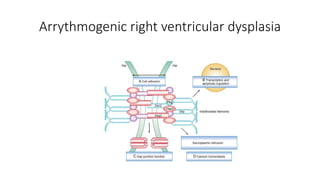
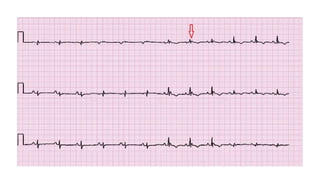
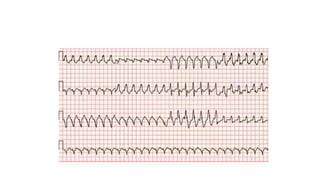
Arrythmogenic right ventricular dysplasia
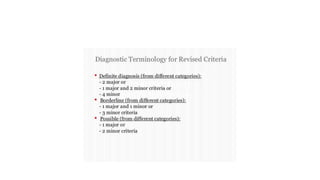
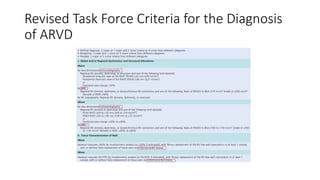
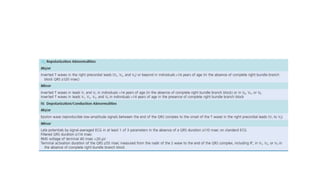
Revised Task Force Criteria for the Diagnosis
of ARVD
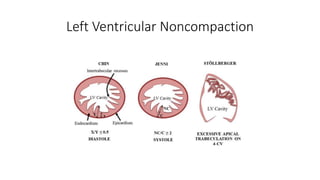
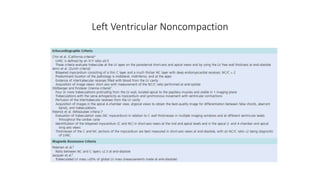
Left Ventricular Noncompaction
Carcinoid Heart Disease
• a systemic disorder mediated by
elevated circulating levels of
vasoactive substances, including
serotonin (5-hydroxytryptamine
[5-HT]), 5-hydroxytryptophan,
histamine, bradykinin,
tachykinins, and prostaglandins
produced by a rare metastatic
neuroendocrine malignancy,
carcinoid
•
• Carcinoid syndrome is
characterized by a triad of
symptoms—flushing, diarrhea,
and bronchospasm—that occur
in association with hepatic
metastases
• The characteristic pathologic features of carcinoid heart disease are
right-sided valve thickening and retraction resulting from
myofibroblast proliferation along with deposition of collagen, smooth
muscle cells, and elastic tissue. Tricuspid annular and subvalvar
involvement and pulmonary root constriction also occur, thereby
adding to the valvular dysfunction. Very rarely the heart is involved
directly by carcinoid metastases
• Untreated, patients with carcinoid syndrome have a median survival
of 3 to 4 years, and the presence of carcinoid heart disease shortens
this to less than 1 year. Therapy is not generally curative and includes
debulking the hepatic metastases by embolization or partial hepatic
resection and by the use of octreotide, a somatostatin analogue that
binds to somatostatin receptors on the surface of carcinoid tumor
cells and inhibits the secretion of vasoactive substances
Endomyocardial Disease
• CARCINOID HD
• LOEFFLLER’S CMP
• ENDOCARDIAL FIBROSIS
• Elevation of urinary 5-HIAA levels is highly specific and moderately
sensitive for the diagnosis of carcinoid syndrome, and the
echocardiographic and cardiac MRI features of thickened immobile
tricuspid and pulmonary valves with combined stenosis and
regurgitant lesions are highly suggestive of carcinoid heart disease
Löffler (Eosinophilic) Endocarditis
• Hypereosinophilia has been defined as either a chronic absolute
eosinophil count higher than 1500 cells/mL for at least 1 month,
although hypereosinophilia persisting for 6 months or longer is
common, or pathologic evidence of hypereosinophilic tissue invasion
• Three stages:
• acute: Myocarditis
• Intermediate: Valvular and thrombus formation
• Fibrotic :RCM
Endomyocardial Fibrosis
• Fibrosis of the LV and RV apical endocardium
• Presents as RCM
• The south Asian subcontinent
• More males affected than females (23% versus 17%)
• Family clustering
• IDIOPATHIC /hypereosinophilic syndrome
• A bimodal peak in age :First decade and second to fourth decades
• Heart failure symptoms from left or right restrictive physiology
• Dyspnea on exertion
• Paroxysmal nocturnal dyspnea
• Edema/ Ascites
• Imaging
• apical fibrosis / atrial enlargement and MV and TV SVF
• TREAMENT
• surgical resection of the endocardial fibrosis with valve repair or replacement
can have a dramatic effect on symptoms and survival
• significant risk for morbidity and mortality.
Structurally normal heart
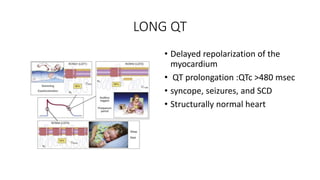
LONG QT
• Delayed repolarization of the
myocardium
• QT prolongation :QTc >480 msec
• syncope, seizures, and SCD
• Structurally normal heart
BRUGADA SYNDROME
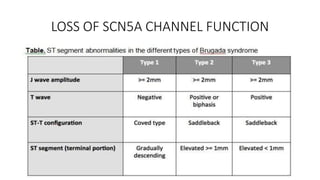
BrS is an heritable arrhythmia syndrome characterized by an ECG
pattern consisting of coved-type ST-segment elevation (≥2 mm)
followed by a negative T wave in the right precordial leads V 1 through
V 3 (often referred to as a type 1 Brugada ECG pattern) and increased
risk for sudden death resulting from episodes of polymorphic
ventricular tachyarrhythmias
LOSS OF SCN5A CHANNEL FUNCTION
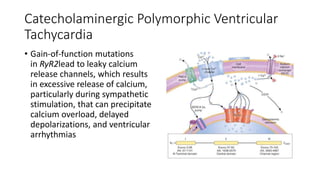
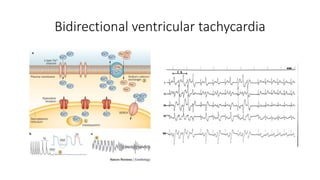
Catecholaminergic Polymorphic Ventricular
Tachycardia
• Gain-of-function mutations
in RyR2lead to leaky calcium
release channels, which results
in excessive release of calcium,
particularly during sympathetic
stimulation, that can precipitate
calcium overload, delayed
depolarizations, and ventricular
arrhythmias
Bidirectional ventricular tachycardia

Cardiomyopathy

  • 1.
  • 2.
    WHO,1980 Heart muscle diseasesof unknown cause But not from cardiac dysfunction due to known cardiovascular entities Hypertension Ischemic heart disease Valvular disease
  • 3.
    WHO/International Society andFederation of Cardiology (ISFC) Task Force,1995 1. Dilated • Enlarged • Systolic dysfunction 2. Hypertrophic • Thickened • Diastolic dysfunction 3. Restrictive • Diastolic dysfunction 4. Arrhythmogenic RV dysplasia • Fibrofatty replacement 5. Unclassified • Fibroelastosis • LV noncompaction Anatomy & physiology
  • 4.
    European Working Groupdefinition,2008
  • 5.
    American Heart Association •Featured by • Mechanical dysfunction • Electrical dysfunction • Ventricular hypertrophy • Ventricular dilation • Mostly genetic • Primary (In situ) • Secondary (A part of systemic disease) EXCLUDED • Ischemic cardiomyopathy • Valvular disease • Congenital heart disease • Hypertension heart disease
  • 6.
  • 7.
    CMP but normalwith looking heart
  • 8.
    Pathophysiology Mutation:Pathological and polymorphicExogenous insult:Viral,toxins,alcohol Contraction and relaxation disorder Ineffective energy utilization Altered Ca ions handling Activation of compensatory neurohumoral mechanisms Apoptosis Fibrosis Hypertrophy Heart failure:Systolic ,diastolic,both Arrhythmia, sudden death Thromboembolic complication
  • 11.
  • 13.
  • 14.
  • 15.
    Risk of SuddenDeath (LVEF >35%) Maggioni AP. GISSI-2 Trial Circulation. 1993;87:312-322. EF<35% (LVEF < 35%) NO PVC SOME PVC MANY VPCo PVBs 1-10 PVBs/h > 10 PVBs/h 0.86 A 0.88 0.90 0.92 0.94 0.96 0.98 1.00 0 30 60 90 120 150 180 Days Survival p log-rank 0.002 0.88 0.90 0.92 0.94 0.96 0.98 1.00 0 30 60 90 120 150 180 Days Survival B p log-rank 0.0001 0.86
  • 16.
    Complications • Heart failure •Blood clots • Valve problems • Cardiac arrest /Sudden death:VT/VF
  • 17.
    Symptoms • SYSTOLIC HEARTFAILURE • DIASTOLIC HEART FAILURE • OUTFLOW TRACT OBSTRUCTION • ARRYTHMIA • SYSTEMIC FEAURES • SYNDROMIC ASSOCIATION
  • 18.
    Tests • Chest X-ray •Echocardiogram • Electrocardiogram (ECG) • Treadmill stress test • Cardiac catheterization • Cardiac magnetic resonance imaging (MRI) • Cardiac computerized tomography (CT) scan • Blood tests. • ELECTROPHYSIOLOGY • Myocardial or endocardial biopsy • Genetic testing or screening
  • 19.
    TREATMENT • Exogenous insultprevention • Sudden death prevention • Primary=ICD • Secondary:ICD • Heart failure therapy • Symptomatic • Life prolonging=MYECTOMY AND HEART TRANSPLANTATION,CRT • Thromboembolic complications • Gene therapy:GAUCHER’S AND FABRY’S DISEASE
  • 20.
    SYMPTOMATIC :MM=Frank-Starling curve •B=diuretic or venodilator • B”=excess diuretic or venodilator • C=inotrope • D=arterial dilator • E=Inotrope and vasodilator
  • 22.
  • 23.
  • 24.
    THE DILATED CARDIOMYOPATHIES •Dilated left ventricle • systolic dysfunction • that is not caused by ischemic or valvular heart disease • The most common cardiomyopathy
  • 25.
  • 26.
    Hypertrophic cardiomyopathy 1. Mostcommon of the genetic cardiovascular diseases 2. Compatible with normal longevity in many patients 3. Most common cause of sudden death in the young 4. 1 in 500 people
  • 27.
    Wall thickness of13-15 mm in males and 11-12 mm in females
  • 30.
  • 31.
  • 33.
  • 36.
  • 37.
  • 38.
  • 39.
    SARCOID CARDIOMYOPATHY • Hematoxylin-eosinstaining: Noncaseating granuloma typical of sarcoid. The arrow points to an “asteroid body” in the cytoplasm of the giant cell
  • 40.
    Peripartum cardiomyopathy • LVsystolic dysfunction • Towards the end of pregnancy(last month) or in the months(puriperium) following delivery • When no other cause of heart failure is found • The LV may not be dilated but the ejection fraction is nearly always below 45%
  • 41.
  • 43.
  • 44.
  • 48.
    Revised Task ForceCriteria for the Diagnosis of ARVD
  • 50.
  • 51.
  • 52.
    Carcinoid Heart Disease •a systemic disorder mediated by elevated circulating levels of vasoactive substances, including serotonin (5-hydroxytryptamine [5-HT]), 5-hydroxytryptophan, histamine, bradykinin, tachykinins, and prostaglandins produced by a rare metastatic neuroendocrine malignancy, carcinoid • • Carcinoid syndrome is characterized by a triad of symptoms—flushing, diarrhea, and bronchospasm—that occur in association with hepatic metastases
  • 53.
    • The characteristicpathologic features of carcinoid heart disease are right-sided valve thickening and retraction resulting from myofibroblast proliferation along with deposition of collagen, smooth muscle cells, and elastic tissue. Tricuspid annular and subvalvar involvement and pulmonary root constriction also occur, thereby adding to the valvular dysfunction. Very rarely the heart is involved directly by carcinoid metastases
  • 54.
    • Untreated, patientswith carcinoid syndrome have a median survival of 3 to 4 years, and the presence of carcinoid heart disease shortens this to less than 1 year. Therapy is not generally curative and includes debulking the hepatic metastases by embolization or partial hepatic resection and by the use of octreotide, a somatostatin analogue that binds to somatostatin receptors on the surface of carcinoid tumor cells and inhibits the secretion of vasoactive substances
  • 55.
    Endomyocardial Disease • CARCINOIDHD • LOEFFLLER’S CMP • ENDOCARDIAL FIBROSIS
  • 56.
    • Elevation ofurinary 5-HIAA levels is highly specific and moderately sensitive for the diagnosis of carcinoid syndrome, and the echocardiographic and cardiac MRI features of thickened immobile tricuspid and pulmonary valves with combined stenosis and regurgitant lesions are highly suggestive of carcinoid heart disease
  • 57.
    Löffler (Eosinophilic) Endocarditis •Hypereosinophilia has been defined as either a chronic absolute eosinophil count higher than 1500 cells/mL for at least 1 month, although hypereosinophilia persisting for 6 months or longer is common, or pathologic evidence of hypereosinophilic tissue invasion • Three stages: • acute: Myocarditis • Intermediate: Valvular and thrombus formation • Fibrotic :RCM
  • 58.
    Endomyocardial Fibrosis • Fibrosisof the LV and RV apical endocardium • Presents as RCM • The south Asian subcontinent • More males affected than females (23% versus 17%) • Family clustering • IDIOPATHIC /hypereosinophilic syndrome • A bimodal peak in age :First decade and second to fourth decades
  • 59.
    • Heart failuresymptoms from left or right restrictive physiology • Dyspnea on exertion • Paroxysmal nocturnal dyspnea • Edema/ Ascites • Imaging • apical fibrosis / atrial enlargement and MV and TV SVF • TREAMENT • surgical resection of the endocardial fibrosis with valve repair or replacement can have a dramatic effect on symptoms and survival • significant risk for morbidity and mortality.
  • 60.
  • 61.
    LONG QT • Delayedrepolarization of the myocardium • QT prolongation :QTc >480 msec • syncope, seizures, and SCD • Structurally normal heart
  • 62.
    BRUGADA SYNDROME BrS isan heritable arrhythmia syndrome characterized by an ECG pattern consisting of coved-type ST-segment elevation (≥2 mm) followed by a negative T wave in the right precordial leads V 1 through V 3 (often referred to as a type 1 Brugada ECG pattern) and increased risk for sudden death resulting from episodes of polymorphic ventricular tachyarrhythmias
  • 63.
    LOSS OF SCN5ACHANNEL FUNCTION
  • 64.
    Catecholaminergic Polymorphic Ventricular Tachycardia •Gain-of-function mutations in RyR2lead to leaky calcium release channels, which results in excessive release of calcium, particularly during sympathetic stimulation, that can precipitate calcium overload, delayed depolarizations, and ventricular arrhythmias
  • 65.