Bridge Inspection for Hurricane Re-entry
Bridge Inspection on Re-EntryBridge Inspectors will follow strike teams Bridge Inspectors will also use helicopters for “hard to get to places”Bridge Inspectors will have computerized equipment to determine the structurally capacity of the bridge
Teams	11 topside inspections teams operate dailyTopside teams will observe bridges from the deck and piling (nothing below water)Will be divided into 22 Teams for re-entryWill be traveling with strike force teams Will be using helicopters
Items to observe During InspectionTopside TeamsDamage to piling from debrisDamage to beams Damage to endrollDamage to approachDamage to capsDamage to decks
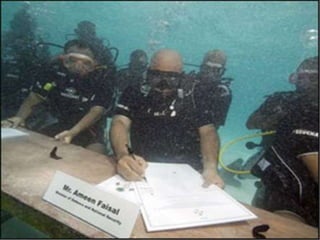
Underwater TeamsThere will be two underwater teamsTeams will access damage to structuresPiling ScoursFootingsDebris damageAdditional resources are available through contract and other states
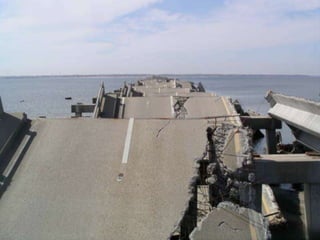
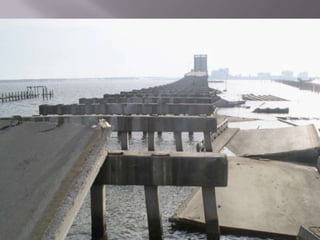
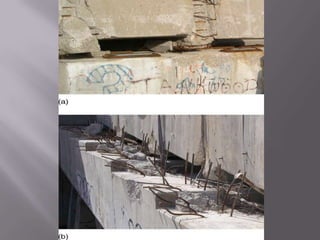
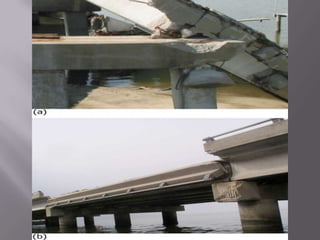
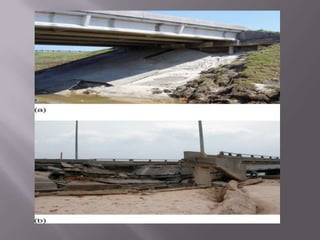
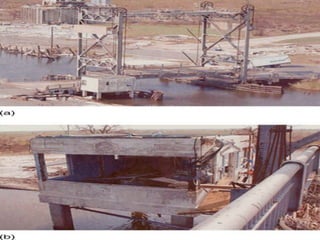
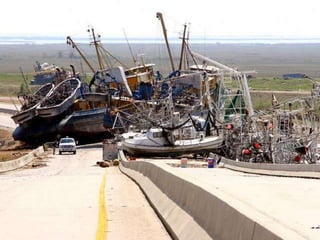
Types of damageDamage patterns to bridges, including damage attributed to storm surge, wind, impact from debris, scour, and water inundation
Cost of Bridge DamageHurricane Katrina caused significant damage to the transportation system in the Gulf Coast region. The overall cost to repair or replace the bridges damaged during the hurricane is estimated at over $1 billion.
Items to observe during Inspection (underwater)Damage to footingDamage to foundationScouring Around footingPilingapproachDebris around pilingDamage to piling
Re-EntrySupervisor will be stationed in JesupWill relocate to staging areasWill follow strike teamsSix teams concentrate on established major Re-entry routes with  re-entry teamsI-16I-95US 84US 82Other routes as determined
Team AssignmentThree teams are assigned to the Savannah/Chatham County AreaOne team is assigned to the Brunswick/Glynn County AreaOne team is assigned to the Camden County Area
Function of Teams	Teams are reviewing bridges to determine if they are passableEither good to go, need further assessment or closed due to major defect
QUESTIONS?

Bridge inspection for hurricane re entry

  • 1.
    Bridge Inspection forHurricane Re-entry
  • 2.
    Bridge Inspection onRe-EntryBridge Inspectors will follow strike teams Bridge Inspectors will also use helicopters for “hard to get to places”Bridge Inspectors will have computerized equipment to determine the structurally capacity of the bridge
  • 3.
    Teams 11 topside inspectionsteams operate dailyTopside teams will observe bridges from the deck and piling (nothing below water)Will be divided into 22 Teams for re-entryWill be traveling with strike force teams Will be using helicopters
  • 4.
    Items to observeDuring InspectionTopside TeamsDamage to piling from debrisDamage to beams Damage to endrollDamage to approachDamage to capsDamage to decks
  • 9.
    Underwater TeamsThere willbe two underwater teamsTeams will access damage to structuresPiling ScoursFootingsDebris damageAdditional resources are available through contract and other states
  • 11.
    Types of damageDamagepatterns to bridges, including damage attributed to storm surge, wind, impact from debris, scour, and water inundation
  • 15.
    Cost of BridgeDamageHurricane Katrina caused significant damage to the transportation system in the Gulf Coast region. The overall cost to repair or replace the bridges damaged during the hurricane is estimated at over $1 billion.
  • 16.
    Items to observeduring Inspection (underwater)Damage to footingDamage to foundationScouring Around footingPilingapproachDebris around pilingDamage to piling
  • 17.
    Re-EntrySupervisor will bestationed in JesupWill relocate to staging areasWill follow strike teamsSix teams concentrate on established major Re-entry routes with re-entry teamsI-16I-95US 84US 82Other routes as determined
  • 18.
    Team AssignmentThree teamsare assigned to the Savannah/Chatham County AreaOne team is assigned to the Brunswick/Glynn County AreaOne team is assigned to the Camden County Area
  • 19.
    Function of Teams Teamsare reviewing bridges to determine if they are passableEither good to go, need further assessment or closed due to major defect
  • 20.